
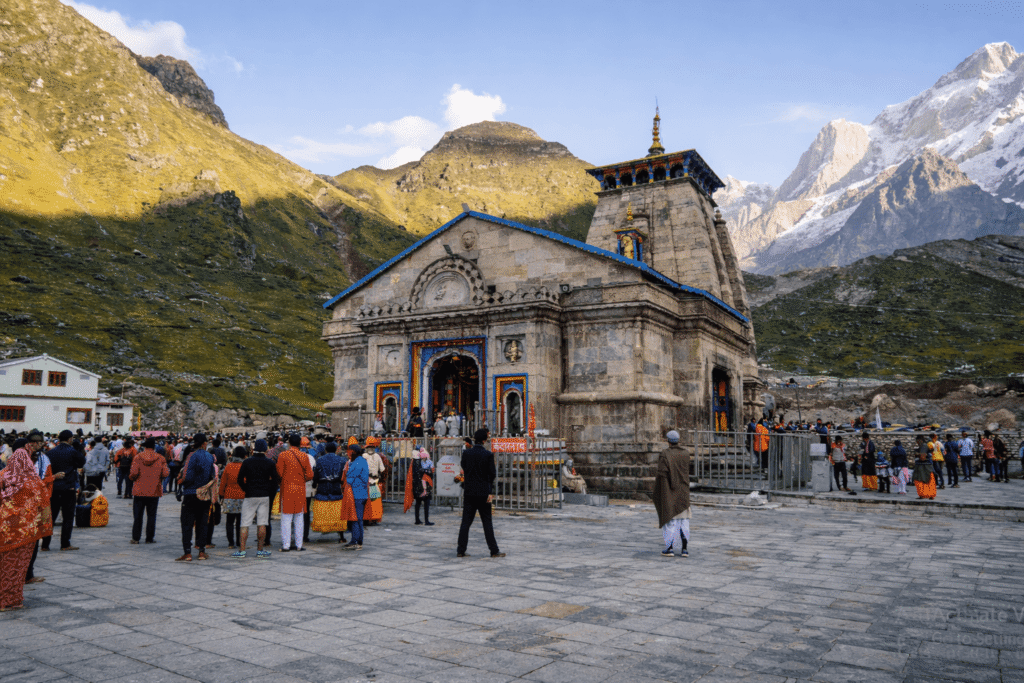
Nestled at an elevation of 3,583 meters (11,755 feet) in the Garhwal Himalayas of Uttarakhand, Kedarnath Dham stands as one of India’s most revered pilgrimage destinations.
This Kedarnath Dham travel guide covers everything you need to plan your visit — from the ancient temple dedicated to Lord Shiva to the breathtaking mountain landscapes surrounding it.
Hundreds of thousands of devotees make the journey annually. Whether you are a pilgrim seeking divine blessings or an adventure enthusiast drawn to the high Himalayas, Kedarnath offers an unforgettable experience.
Understanding Kedarnath’s Spiritual Significance
The Legend of Kedarnath Temple
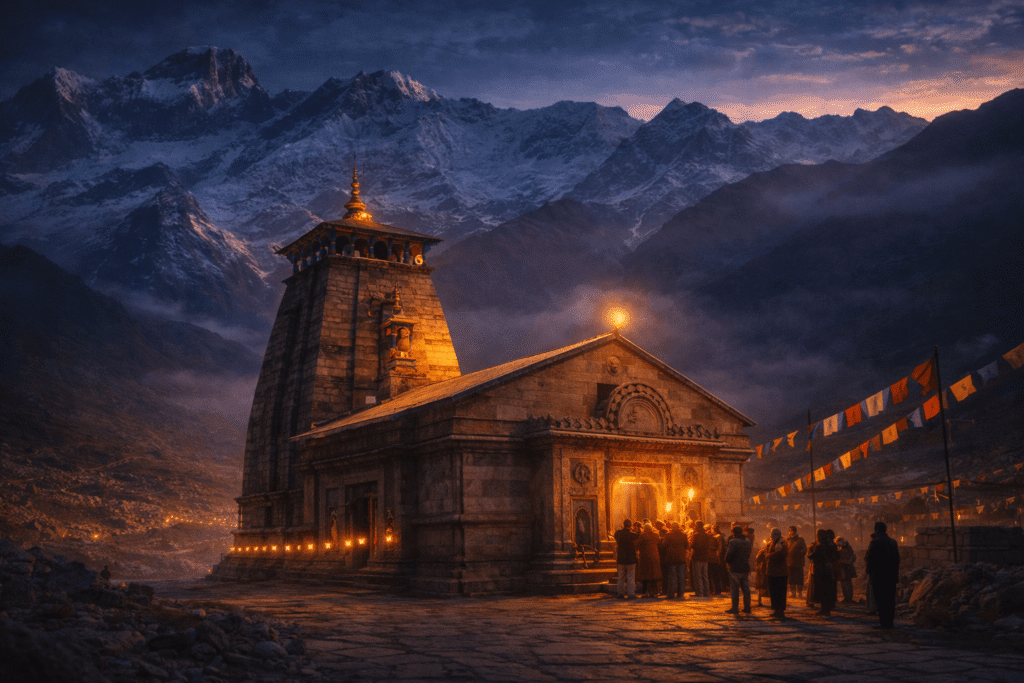
Kedarnath Temple holds immense importance in Hindu mythology and is one of the twelve Jyotirlingas, considered the most sacred abodes of Lord Shiva.
According to ancient legends, the Pandavas sought Lord Shiva’s blessings after the Kurukshetra war to absolve themselves of the sin of killing their relatives.
However, Shiva, disguised as a bull, tried to avoid them by diving into the ground at Kedarnath. The hump of the bull remained visible, which is now worshipped at the Kedarnath temple.
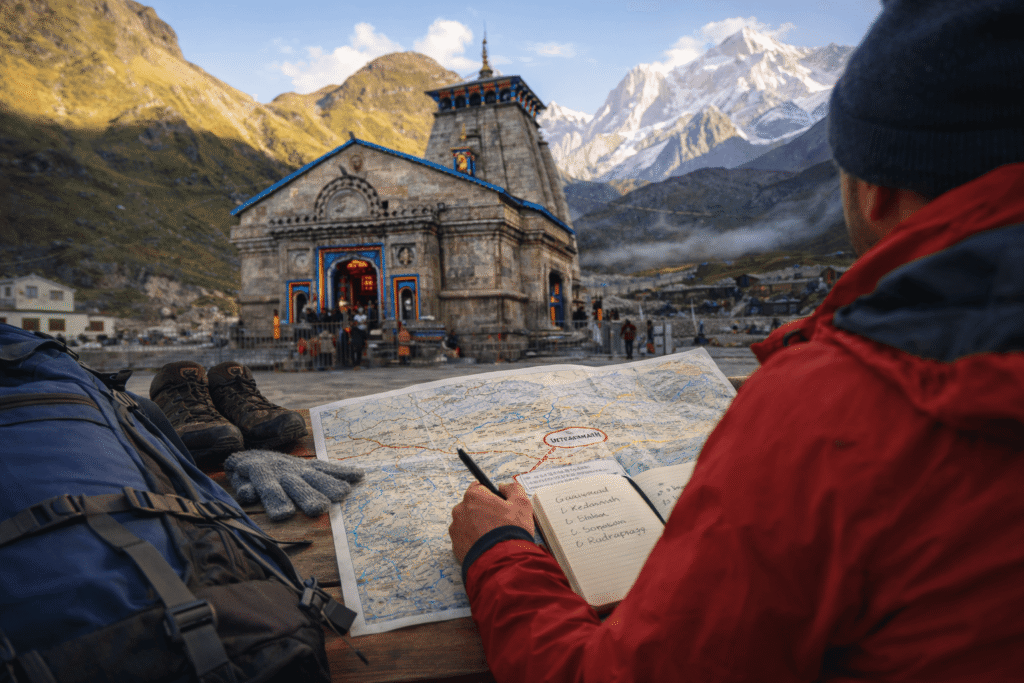
The temple is also part of the Panch Kedar circuit, which includes four other significant Shiva temples in the region: Tungnath, Rudranath, Madhyamaheshwar, and Kalpeshwar. Each temple is believed to represent a different body part of Lord Shiva.
Architectural Marvel
The Kedarnath Temple itself is an architectural wonder, built using large stone slabs and standing the test of time for over a thousand years.
Historical records suggest the current structure was constructed by Adi Shankaracharya in the 8th century CE, though the shrine’s origins may date back even further.
The temple’s robust construction proved its resilience during the catastrophic 2013 floods when it remained largely intact while surrounding structures were devastated.
The temple features a conical structure typical of North Indian temple architecture, with a mandapa (assembly hall) and a garbhagriha (sanctum sanctorum) housing the pyramidal rock revered as Lord Shiva’s hump.
Planning Your Kedarnath Journey
Best Time to Visit Kedarnath
The temple remains accessible only during specific months due to extreme winter conditions:
Peak Season (May to June): The temple typically opens in late April or early May, coinciding with Akshaya Tritiya. This period sees the highest footfall with pleasant weather, clear skies, and comfortable trekking conditions. Temperatures range from 10°C to 18°C during the day.
Monsoon Season (July to August): While the temple remains open, monsoon months are generally discouraged due to heavy rainfall, landslide risks, and treacherous trail conditions. Only experienced trekkers familiar with mountain weather should consider visiting during this time.
Autumn Season (September to October): This is arguably the best time to visit Kedarnath. The monsoon has cleared, providing crystal-clear mountain views, moderate temperatures, and fewer crowds compared to peak season. The temple typically closes for winter around Diwali (October-November).
Winter Closure: From November to April, Kedarnath remains inaccessible due to heavy snowfall. During this period, the deity is symbolically moved to Ukhimath, where worship continues throughout winter.
How to Reach Kedarnath
Reaching the Base Points
By Air: The nearest airport is Jolly Grant Airport in Dehradun, approximately 239 kilometers from Gaurikund (the trek starting point). From Dehradun, you’ll need to arrange road transportation to Gaurikund, which takes about 8-10 hours.
By Train: Rishikesh is the closest railway station, located 226 kilometers from Gaurikund. Haridwar, with better train connectivity, is 244 kilometers away. Both stations offer taxi and bus services to Gaurikund.
By Road: Gaurikund is well-connected by road to major Uttarakhand cities. Regular bus services operate from Rishikesh, Haridwar, and Dehradun. Private taxis are also available for a more comfortable journey.
The Trek from Gaurikund to Kedarnath
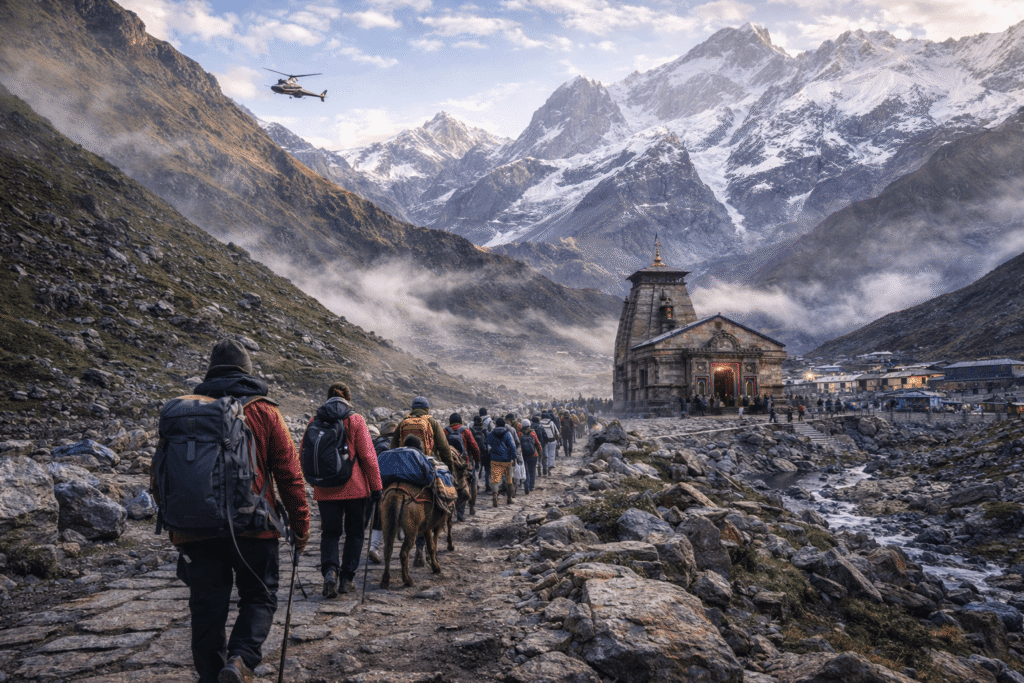
The pilgrimage involves a 16-kilometer trek from Gaurikund to Kedarnath, which most pilgrims complete in 6-8 hours depending on fitness levels and weather conditions.
Trek Route Details:
- Starting Point: Gaurikund (1,982 meters)
- Distance: 16 kilometers
- Elevation Gain: 1,601 meters
- Difficulty Level: Moderate to challenging
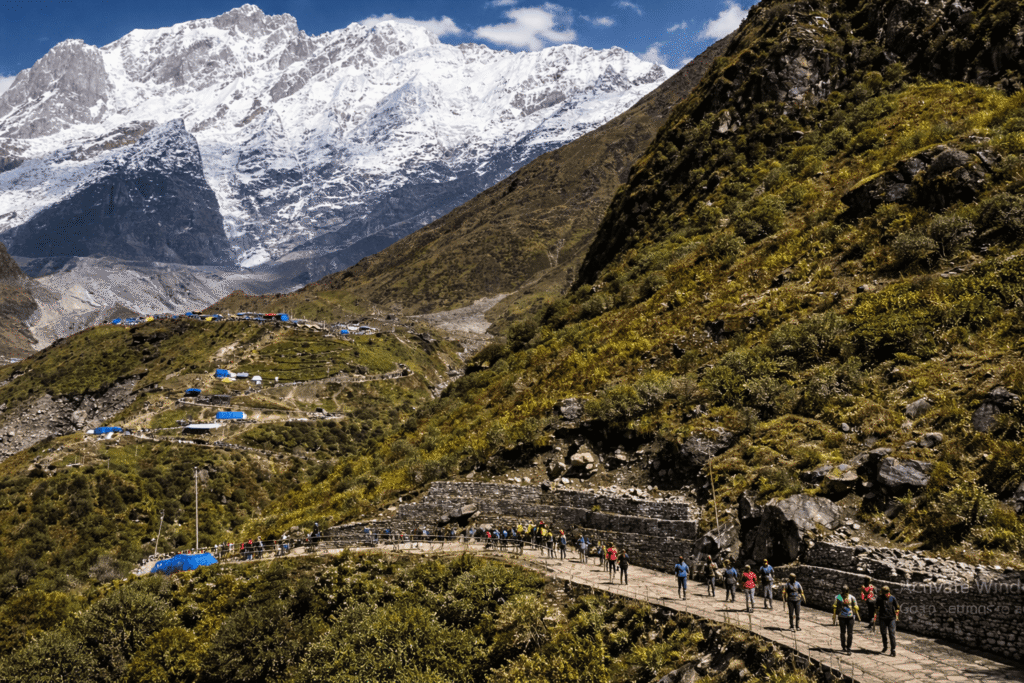
The trek passes through scenic landscapes, including the confluence of Mandakini River, lush forests, and rocky mountain terrain. Key stops along the route include Rambara (7 km) and Linchauli (10 km), where pilgrims can rest and refresh.
Travel Options and Accessibility
Traditional Trek
Walking the entire 16-kilometer path is the most authentic pilgrimage experience. The well-maintained trail features concrete pathways for significant portions, though it includes steep sections requiring moderate fitness. Numerous tea stalls and rest points line the route, offering refreshments and basic facilities.
Pony and Doli Services
For those unable to trek, pony rides are available from Gaurikund to Kedarnath. The cost typically ranges from ₹2,000 to ₹3,500 depending on the season and demand. Dolis (palanquins carried by porters) are also available, costing between ₹4,000 to ₹7,000.
Helicopter Services
Helicopter services operate from Phata, Guptkashi, and Sersi to Kedarnath, reducing travel time to just 10-15 minutes. This option is ideal for elderly pilgrims or those with time constraints. Helicopter tickets cost approximately ₹6,000 to ₹8,000 per person one way, though prices fluctuate based on demand and weather conditions. Advance booking is highly recommended, especially during peak season.
Accommodation Options in Kedarnath
Government Guesthouses
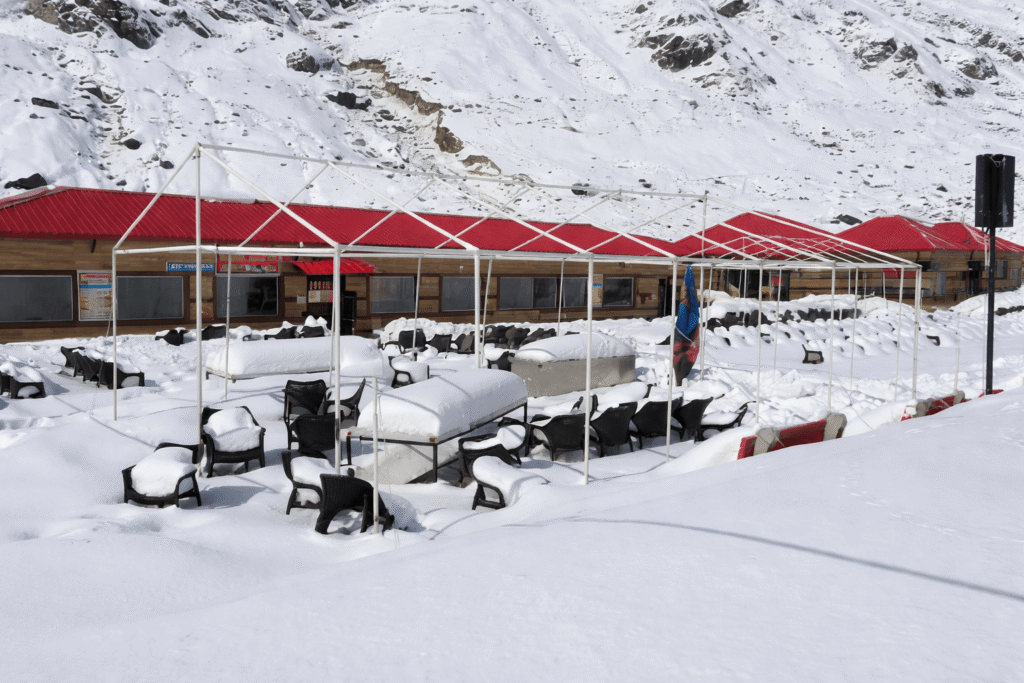
The Uttarakhand Tourism Development Board operates several guesthouses near the temple, offering basic but clean accommodation. These facilities provide dormitory-style rooms and some private rooms with essential amenities. Booking can be done online through the official GMVN (Garhwal Mandal Vikas Nigam) website.
Private Hotels and Lodges
Numerous private hotels and lodges operate in Kedarnath, ranging from budget to mid-range categories. Most offer simple rooms with attached bathrooms and basic heating arrangements.
Popular options include Bharat Seva Ashram, Punjab Sindh Kshetra, and various dharamshalas run by different state governments.
Camping Options
Some trekkers prefer camping near Kedarnath, though designated camping areas are limited. If you plan to camp, ensure you have appropriate high-altitude camping gear, as temperatures can drop significantly at night, even during summer months.
Accommodation in Gaurikund
Many pilgrims prefer staying in Gaurikund the night before beginning their trek, allowing for an early morning start. Gaurikund offers numerous hotels and guesthouses across all budget categories, along with the famous hot springs (kund) after which the town is named.
Essential Tips for Kedarnath Pilgrimage
Physical Preparation
The high altitude and challenging terrain require adequate physical preparation:
- Begin cardiovascular exercises at least 4-6 weeks before your trip
- Practice walking or hiking on inclined surfaces
- Build stamina through regular jogging or cycling
- Stay hydrated and maintain a balanced diet before and during the journey
Altitude Acclimatization
Altitude sickness is a real concern at Kedarnath’s elevation. Symptoms include headaches, nausea, dizziness, and fatigue. To minimize risks:
- Ascend gradually, spending a night at intermediate elevations if possible
- Stay hydrated by drinking plenty of water
- Avoid alcohol and smoking
- Carry basic altitude sickness medication after consulting a doctor
- Don’t overexert yourself; maintain a steady, comfortable pace
What to Pack
Essential Clothing:
- Warm layers including thermal wear, fleece jackets, and windproof outerwear
- Comfortable trekking shoes with good grip
- Raincoat or poncho
- Woolen cap, gloves, and socks
- Sun hat and sunglasses
Important Items:
- Valid ID proof (mandatory for registration)
- Personal medications and first-aid kit
- Sunscreen and lip balm (SPF 50+)
- Flashlight or headlamp with extra batteries
- Water bottle and dry snacks
- Walking stick for support
- Mobile phone with power bank (limited charging facilities available)
Safety Precautions
- Register yourself at the check post in Gaurikund
- Follow the designated trail and avoid shortcuts
- Start your trek early in the morning to avoid afternoon mountain weather
- Check weather forecasts regularly
- Keep emergency contact numbers handy
- Travel in groups rather than alone
- Respect local customs and temple protocols
- Don’t litter; carry your waste back
Exploring Beyond Kedarnath Temple
Nearby Attractions
Bhairav Temple: Located about 500 meters south of Kedarnath Temple, this shrine dedicated to Bhairav (guardian deity of Kedarnath) is considered an essential part of the pilgrimage. Legend holds that the pilgrimage remains incomplete without visiting Bhairav Temple.
Chorabari Tal (Gandhi Sarovar): This pristine glacial lake is located about 3 kilometers from Kedarnath. The crystal-clear waters reflect the surrounding snow-capped peaks, creating a breathtaking panorama. The trek to Gandhi Sarovar is moderately challenging but rewards visitors with stunning views.
Vasuki Tal: For adventure enthusiasts, Vasuki Tal is a high-altitude lake situated at 4,135 meters, approximately 8 kilometers from Kedarnath. The trek is challenging and suitable only for experienced trekkers with good fitness levels. The lake, surrounded by steep mountains, offers unparalleled natural beauty.
Gaurikund Hot Springs: At the trek’s starting point, natural hot water springs offer a therapeutic experience. Many pilgrims take a dip here before beginning their journey or after returning from Kedarnath.
The Larger Chota Char Dham Circuit
Kedarnath is one of the four sites in Uttarakhand’s revered Chota Char Dham circuit, which also includes:
- Yamunotri: Source of the Yamuna River, dedicated to Goddess Yamuna
- Gangotri: Source of the Ganges River, dedicated to Goddess Ganga
- Badrinath: Temple dedicated to Lord Vishnu, another major pilgrimage center
Many devotees complete the entire circuit, which typically requires 10-12 days of travel.
The 2013 Tragedy and Kedarnath’s Resilience
In June 2013, Kedarnath faced one of India’s worst natural disasters when unprecedented rainfall triggered devastating floods and landslides.
The catastrophe claimed thousands of lives and destroyed much of the town’s infrastructure. Remarkably, the ancient temple survived with minimal damage, standing as a testament to its robust construction and spiritual significance.
Since then, massive reconstruction and rehabilitation efforts have transformed Kedarnath. New infrastructure, improved facilities, and enhanced safety measures have been implemented.
The temple complex has been fortified, and the town now features better drainage systems, wider pathways, andimproved accommodation facilities.
The resilience shown by the local community, government authorities, and devotees in rebuilding Kedarnath is truly inspiring. Today, the pilgrimage site welcomes visitors with enhanced safety and better amenities while maintaining its spiritual essence.
Kedarnath Temple Darshan Information
Temple Timings
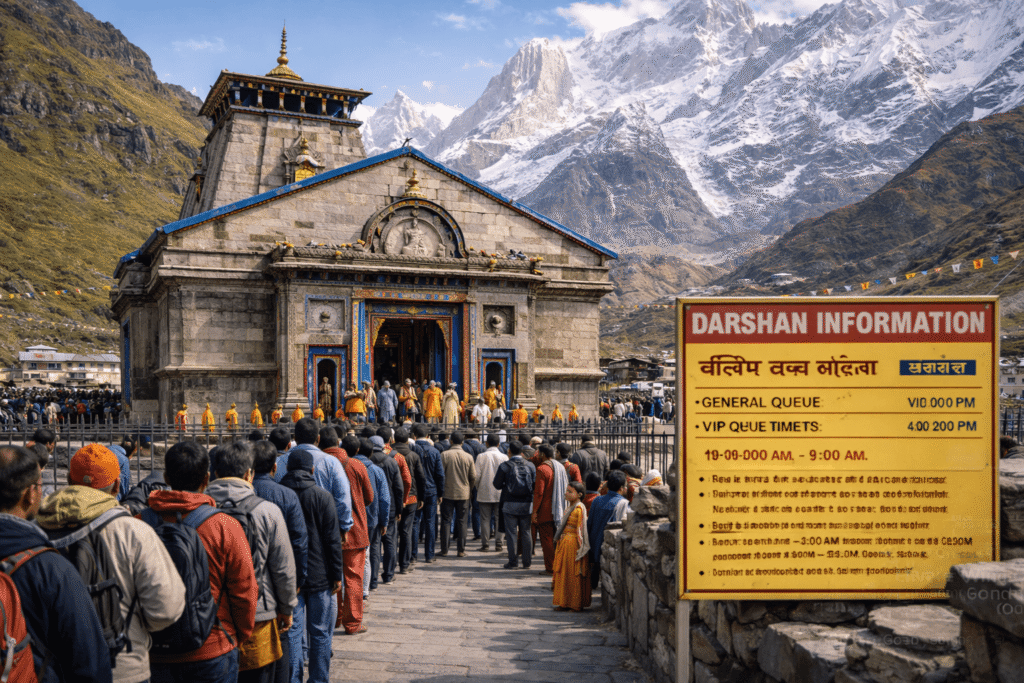
The temple opens early in the morning, typically around 4:00 AM with the Abhishek ceremony. General darshan usually begins between 6:00 AM and 7:00 AM, depending on the season.
The temple closes for a mid-day break (around 1:00 PM to 5:00 PM) and reopens for evening aarti. Final darshan concludes around 9:00 PM, followed by the closing ceremony.
Darshan Protocols
- Photography is not permitted inside the sanctum sanctorum
- Mobile phones should be kept silent
- Maintain decorum and follow the queue system
- VIP darshan facilities are available for senior citizens and differently-abled persons
- Online registration and advance booking systems help manage crowds during peak season
Rituals and Offerings
Devotees can participate in various pujas and rituals including Abhishek, Rudrabhishek, and special ceremonies. Temple priests perform these rituals, though you can also bring your own offerings like flowers, bilva leaves, and rudraksha. Prasad is distributed after darshan, and bhandaras (community meals) are often organized for devotees.
Local Culture and Community
The Kedarnath region is home to hardy mountain communities who have maintained their unique culture and traditions for centuries.
The locals, primarily from the Garhwali community, are known for their hospitality despite the harsh living conditions. Their traditional lifestyle, customs, and folk music reflect a deep connection with the mountainsand their spiritual heritage.
During your visit, you might experience traditional Garhwali cuisine, including local delicacies like mandua ki roti (finger millet bread), jhangora ki kheer (barnyard millet pudding), and various preparations of local vegetables and lentils.
The simple yet nutritious mountain food provides the energy needed for high-altitude conditions.
Environmental Responsibility
As a visitor to this ecologically sensitive region, practicing responsible tourism is crucial:
- Carry reusable water bottles instead of disposable plastic
- Don’t pluck flowers or disturb wildlife
- Stay on designated trails to prevent soil erosion
- Dispose of waste properly in designated bins
- Avoid using loud speakers or creating noise pollution
- Support local businesses and communities
- Respect the natural habitat and minimize your carbon footprint
The fragile Himalayan ecosystem requires conscious efforts from all visitors to preserve its pristine beauty for future generations.
Conclusion: A Journey Beyond Distance
Kedarnath is more than just a destination; it’s a transformative experience that combines physical challenge with spiritual awakening.
The journey through stunning Himalayan landscapes, the accomplishment of completing the challenging trek, and the divine atmosphere of the ancient temple create memories that last a lifetime.
Whether you’re driven by faith, seeking adventure, or simply looking to experience the majestic Himalayas, Kedarnath offers something unique to every visitor.
The combination of natural beauty, spiritual energy, and cultural richness makes this pilgrimage one of India’s most profound experiences.
As you plan your Kedarnath journey, remember that preparation, respect for nature and local culture, and an open heart are your most valuable companions.
The mountains have a way of teaching humility, patience, and perseverance—lessons that extend far beyond the pilgrimage itself.
May your journey to Kedarnath be safe, fulfilling, and blessed with divine grace. Har Har Mahadev!
FAQ
₹8,000 to ₹25,000 per person (budget to mid-range). Helicopter trips cost more.
Around 3 to 5 days.
About ₹6,000 to ₹14,000 for a round trip.
Around 16–18 km one way (32–36 km total).