
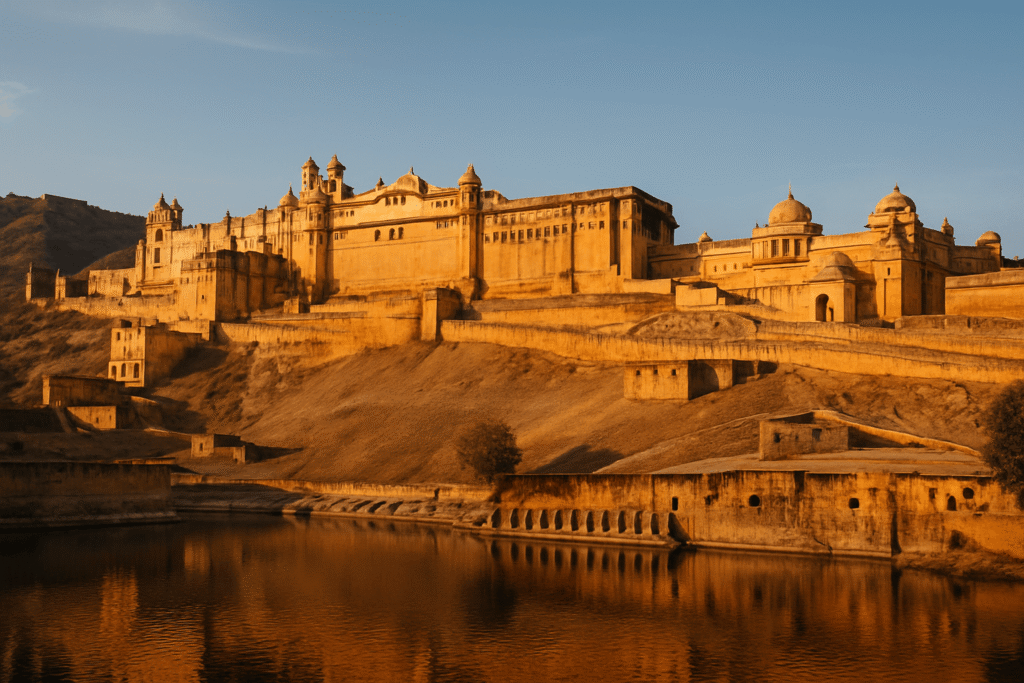
Rajasthan, the Land of Kings, stands as India’s most magnificent state, where golden deserts meet opulent palaces, and centuries-old forts tower over vibrant bazaars.
This comprehensive guide explores the best destinations across Rajasthan, helping you plan an unforgettable journey through India’s royal heartland.
Why Visit Rajasthan?
Rajasthan offers travelers an intoxicating blend of history, culture, and natural beauty. From the amber-hued Thar Desert to the blue-washed streets of Jodhpur, each destination tells its own captivating story.
The state’s architectural marvels, including six UNESCO World Heritage Sites, showcase the grandeur of Rajput and Mughal dynasties, while its colorful festivals, traditional arts, and warm hospitality create experiences that linger long after your visit.
Jaipur: The Pink City
Why Visit
Jaipur, Rajasthan’s capital, earned its “Pink City” nickname when Maharaja Ram Singh painted the entire city terracotta pink to welcome Prince Albert in 1876.
Today, this UNESCO World Heritage City serves as the perfect introduction to Rajasthan’s royal heritage.
Must-See Attractions
Amber Fort dominates the landscape atop a hill, its honey-colored walls blending seamlessly with the rugged terrain.
Inside, mirror-inlaid chambers and intricate frescoes showcase Rajput artistry at its finest.
The Sheesh Mahal (Mirror Palace) sparkles with thousands of tiny mirrors that once illuminated with just a single candle flame.
City Palace remains home to Jaipur’s royal family while welcoming visitors to explore its museums, courtyards, and galleries.
The palace complex beautifully merges Rajput and Mughal architecture, housing priceless manuscripts, royal costumes, and weaponry.
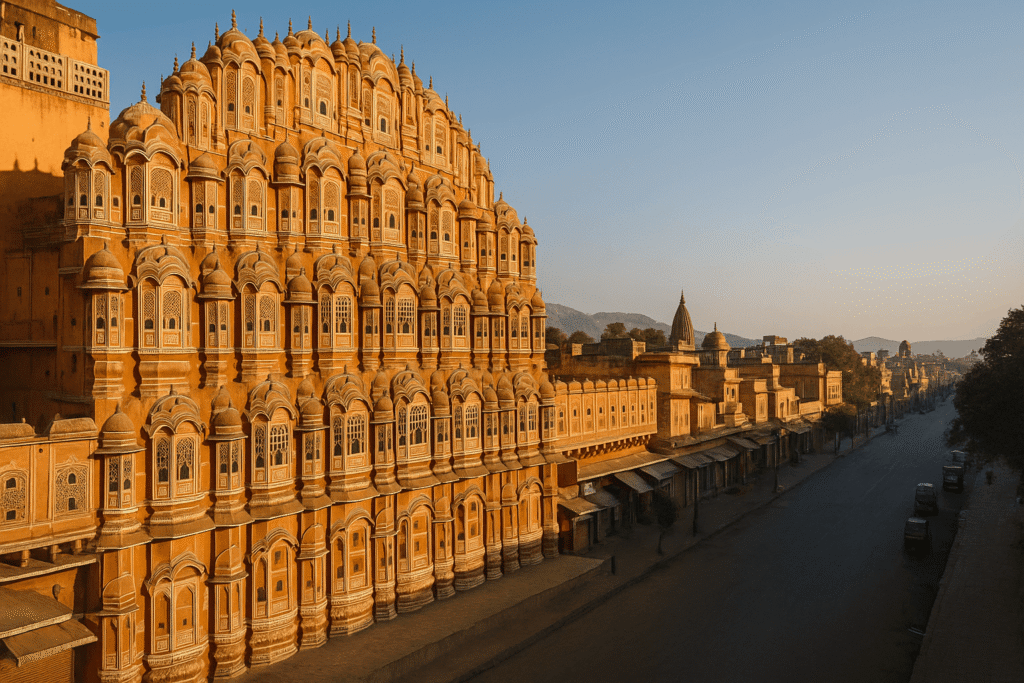
Hawa Mahal, the iconic Palace of Winds, features 953 small windows designed to allow royal women to observe street life while maintaining purdah. Its five-story honeycomb facade has become Jaipur’s most recognizable landmark.
Jantar Mantar, an astronomical observatory built by Maharaja Sawai Jai Singh II, contains nineteen architectural astronomical instruments. This UNESCO World Heritage Site demonstrates remarkable scientific sophistication from the 18th century.
Best Time to Visit
October to March offers pleasant weather ideal for sightseeing. Avoid May and June when temperatures soar above 45°C.
Pro Tips
- Book Amber Fort elephant rides in advance or opt for the more ethical jeep ride
- Visit Hawa Mahal early morning for the best photographs without crowds
- Explore Johari Bazaar for traditional jewelry and textiles
- Try authentic Rajasthani thali at Chokhi Dhani ethnic village resort
Udaipur: The City of Lakes
Why Visit
Udaipur’s romantic setting beside shimmering lakes, with the Aravalli Hills providing a dramatic backdrop, has earned it the title “Venice of the East.” This is Rajasthan’s most romantic destination, perfect for honeymooners and photography enthusiasts.
Must-See Attractions
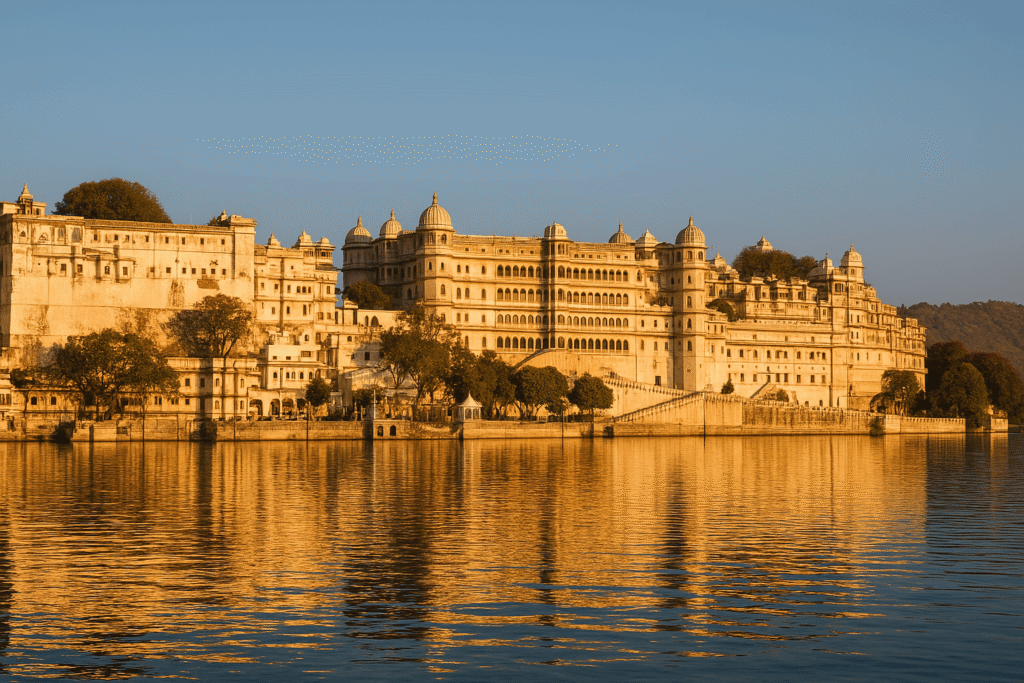
City Palace rises majestically from Lake Pichola’s banks, creating one of India’s most photographed architectural complexes. Its eleven palaces built over four centuries feature intricate peacock mosaics, mirrored walls, and stunning lake views.
Lake Pichola offers magical boat rides, especially at sunset when the City Palace and Jag Mandir island palace glow golden. The luxury hotel Taj Lake Palace appears to float on the water, creating an ethereal scene.
Jag Mandir, an island palace on Lake Pichola, served as inspiration for Shah Jahan’s Taj Mahal. Its marble structures and formal gardens provide a serene escape from the city.
Saheliyon Ki Bari (Garden of Maidens) features ornamental pools, marble elephants, and lotus fountains in this historic garden built for royal ladies and their attendants.
Best Time to Visit
September to March provides ideal weather for lake activities and outdoor exploration.
Pro Tips
- Take a sunset boat ride on Lake Pichola (₹400-700 per person)
- Dine at a rooftop restaurant overlooking the lake for unforgettable views
- Visit Shilpgram crafts village to see traditional Rajasthani artisans at work
- Attend cultural dance performances at Bagore Ki Haveli
Jaisalmer: The Golden City
Why Visit
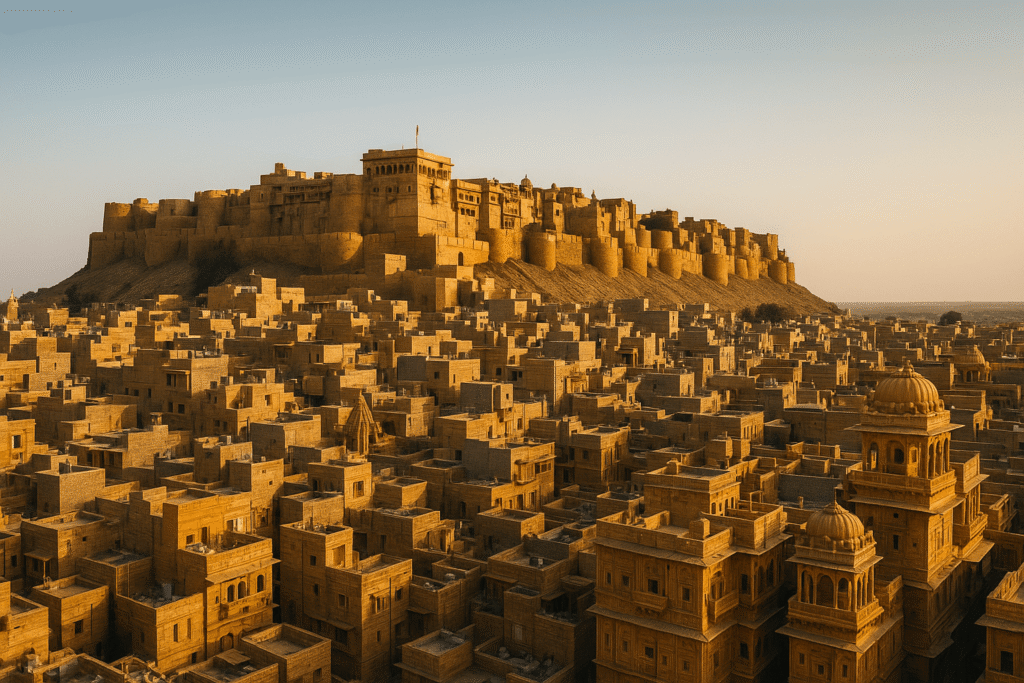
Rising from the Thar Desert like a mirage, Jaisalmer’s golden sandstone architecture glows brilliantly under the desert sun. This remote desert outpost offers the most authentic desert experience in India, complete with camel safaris and sand dunes.
Must-See Attractions
Jaisalmer Fort, one of the world’s few living forts, houses nearly 3,000 residents within its walls. Built in 1156 AD, this massive sandstone structure contains palaces, temples, shops, and havelis that create a functioning medieval city.
Patwon Ki Haveli, the largest and most elaborate haveli in Jaisalmer, showcases five palaces with intricate mirror work, paintings, and jharokhas (overhanging balconies). Each facade tells stories through its detailed carvings.
Sam Sand Dunes, located 40 km from Jaisalmer, offer the quintessential desert experience. Camel safaris, cultural performances, and desert camping under star-filled skies create unforgettable memories.
Gadisar Lake, an artificial reservoir built in the 14th century, provides a peaceful retreat with temples and ghats surrounding its waters. Early morning visits reward you with pristine reflections and migrating birds.
Best Time to Visit
October to March offers comfortable temperatures. The Desert Festival in February showcases traditional music, dance, and camel races.
Pro Tips
- Book desert camps in advance during peak season
- Opt for overnight camping at sand dunes for sunrise and sunset experiences
- Explore the fort’s narrow lanes early morning to avoid crowds
- Try authentic Rajasthani dishes like ker sangri and gatte ki sabzi
Jodhpur: The Blue City
Why Visit
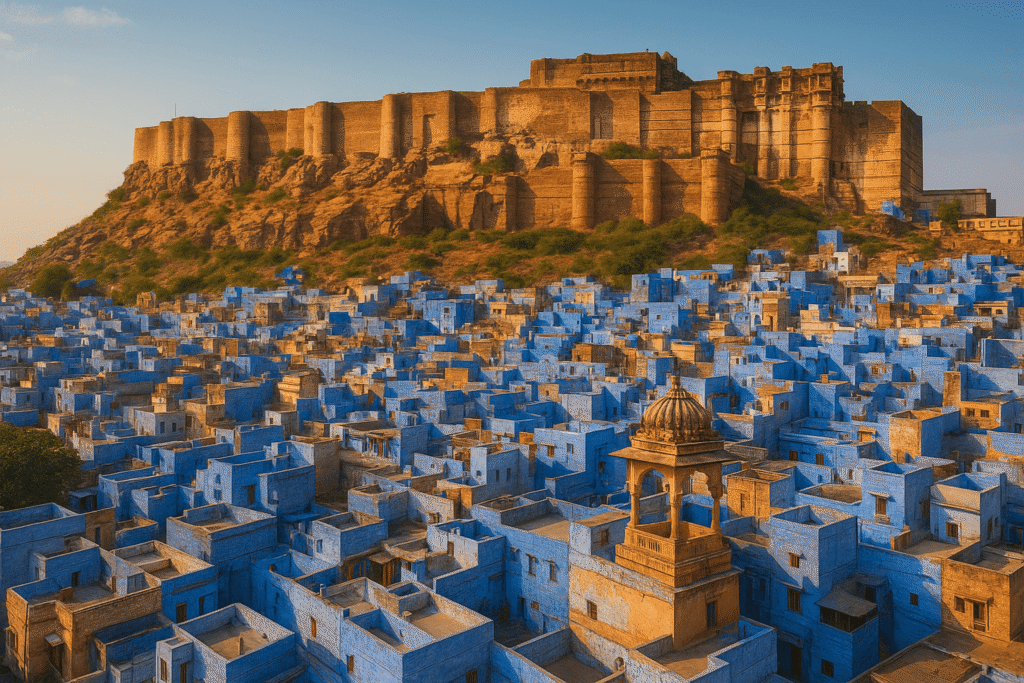
Jodhpur’s blue-painted houses create a striking contrast against the golden Thar Desert landscape. Dominated by the magnificent Mehrangarh Fort, this city offers a perfect blend of history, culture, and adventure.
Must-See Attractions
Mehrangarh Fort, perched 400 feet above the city, ranks among India’s most spectacular fortresses.
Its massive walls contain palaces with intricate carvings, expansive courtyards, and galleries displaying howdahs, miniature paintings, and royal artifacts.
The fort’s panoramic views of the blue city below are breathtaking.
Jaswant Thada, a white marble memorial built for Maharaja Jaswant Singh II, features delicate lattice work and beautiful portraits of Jodhpur’s rulers. Its peaceful gardens and lake setting provide respite from the bustling city.
Umaid Bhawan Palace, one of the world’s largest private residences, partly functions as a luxury hotel while housing a museum showcasing royal artifacts, vintage cars, and Art Deco treasures.
Clock Tower and Sardar Market pulse with energy as locals shop for spices, textiles, handicrafts, and antiques. The surrounding blue lanes of the old city create Instagram-worthy photography opportunities.
Best Time to Visit
October to March offers pleasant weather for fort exploration and city walks.
Pro Tips
- Take the zip-lining tour at Mehrangarh Fort for an adrenaline rush
- Visit Rao Jodha Desert Rock Park for native flora and fort views
- Sample makhaniya lassi at the famous Shahi Samosa shop near Clock Tower
- Stay in a heritage hotel to experience royal hospitality
Pushkar: The Holy City
Why Visit
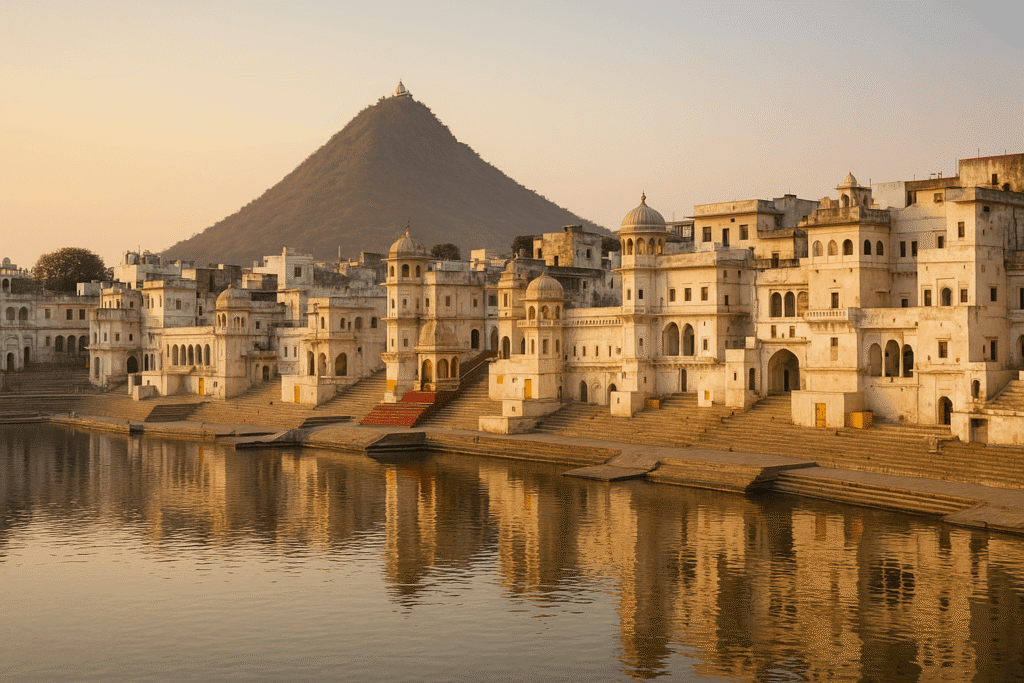
Pushkar, one of Hinduism’s holiest cities, centers around Pushkar Lake where Lord Brahma is said to have performed a sacrifice. This small town combines spiritual significance with bohemian charm, attracting pilgrims and backpackers alike.
Must-See Attractions
Pushkar Lake draws pilgrims who bathe at its 52 ghats seeking spiritual purification. The lake’s reflection of surrounding temples and hills at sunrise creates a deeply atmospheric scene.
Brahma Temple, one of the world’s few temples dedicated to Lord Brahma, features distinctive red spire and sanctum with four faces of Brahma. It remains the primary pilgrimage site for devotees worldwide.
Pushkar Camel Fair, held annually in October-November, transforms the town into a spectacular celebration of Rajasthani culture. Thousands of camels, horses, and cattle are traded while cultural events, competitions, and religious ceremonies unfold.
Savitri Temple, reached by climbing 650 steps or taking a cable car, offers panoramic views of Pushkar town, lake, and surrounding desert landscape.
Best Time to Visit
October to March is ideal, with the Camel Fair being the highlight in late October or November (dates vary by lunar calendar).
Pro Tips
- Book accommodations months in advance for Camel Fair dates
- Respect the vegetarian and alcohol-free nature of this holy town
- Explore the vibrant bazaars for hippie jewelry, embroidered textiles, and souvenirs
- Attend evening aarti at Pushkar Lake for a spiritual experience
Ranthambore National Park
Why Visit
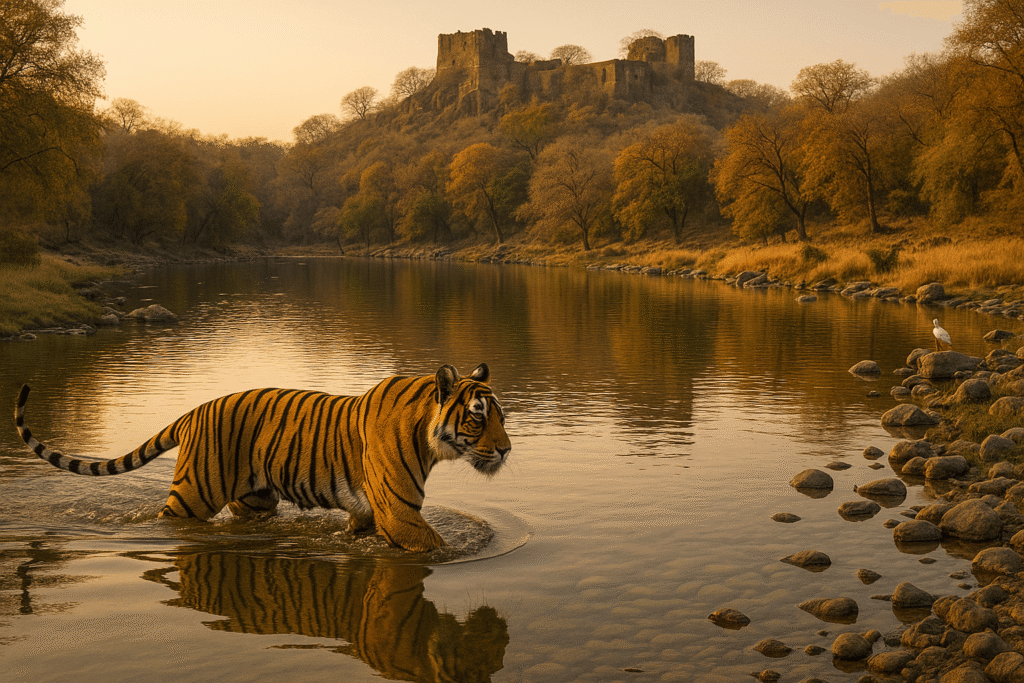
Ranthambore offers one of India’s best opportunities to spot wild tigers in their natural habitat. This former royal hunting ground combines thrilling wildlife safaris with impressive historical ruins scattered throughout the forest.
What to Expect
Tiger Safaris operate twice daily (morning and afternoon), with open-top vehicles navigating through varied terrain seeking tigers, leopards, sloth bears, and diverse wildlife.
The park’s approximately 70 tigers are relatively habituated to vehicles, offering excellent viewing opportunities.
Ranthambore Fort, a UNESCO World Heritage Site within the park, dates back to the 10th century. Ancient temples, stepwells, and massive gates can be explored, often with wildlife encounters along the way.
The park’s landscape features deciduous forests, lakes, and rocky plateaus that support over 300 bird species, making it equally rewarding for bird watchers.
Best Time to Visit
October to June when the park is open. April-May offers the best tiger sightings as animals frequent waterholes during hot weather. October-November provides lush greenery and comfortable temperatures.
Pro Tips
- Book safaris well in advance, especially for zones with higher tiger sighting frequency
- Carry binoculars, cameras with telephoto lenses, and sun protection
- Stay in Sawai Madhopur for proximity to park gates
- Hire experienced naturalist guides who understand animal behavior and movement patterns
Bikaner: The Desert Jewel
Why Visit
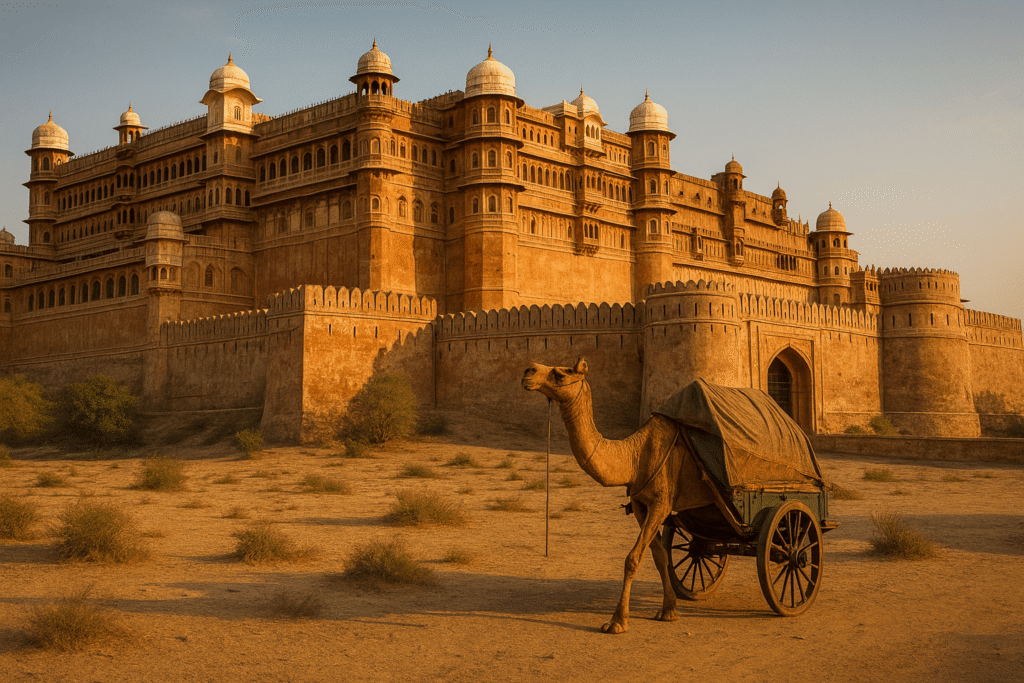
Bikaner receives fewer tourists than its famous counterparts, making it ideal for travelers seeking authentic experiences without crowds. This desert city boasts magnificent forts, unique temples, and a thriving camel breeding culture.
Must-See Attractions
Junagarh Fort, unusually built on ground level rather than a hilltop, remains unconquered throughout history. Its palaces showcase an evolution of architectural styles from the 16th to 20th centuries, with stunning mirror work, paintings, and stone carvings.
Karni Mata Temple (Rat Temple) in nearby Deshnoke houses thousands of sacred rats that devotees feed and worship. While unusual, this temple holds deep religious significance and offers unique cultural insight.
National Research Centre on Camel allows visitors to observe camel breeding, camel milk production, and even taste camel milk ice cream and cheese—products rarely found elsewhere.
Rampuria Havelis showcase distinctive architecture with red sandstone facades featuring elaborate carvings and jharokhas that demonstrate the wealth of Bikaner’s merchant class.
Best Time to Visit
November to February provides comfortable weather for exploring forts and temples.
Pro Tips
- Try Bikaner’s famous bhujia (spicy snack) from local shops
- Visit the Camel Breeding Farm in the evening when camels return from grazing
- Explore the old city’s narrow lanes to discover hidden havelis
- Attend Camel Festival in January for races, dances, and cultural programs
Mount Abu: The Hill Station
Why Visit
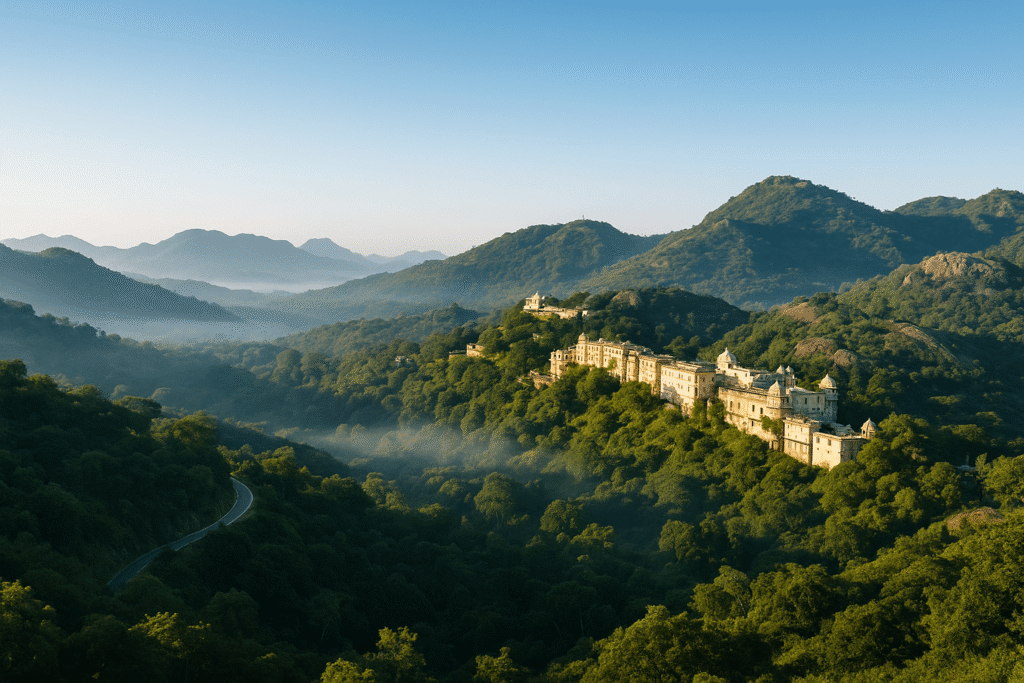
Rajasthan’s only hill station offers cool relief from desert heat with lush forests, pleasant climate, and stunning viewpoints. Mount Abu provides a completely different experience from Rajasthan’s arid landscapes.
Must-See Attractions
Dilwara Temples, built between the 11th and 13th centuries, represent the pinnacle of marble temple architecture.
Their intricate ceiling carvings, featuring delicate floral patterns and mythological scenes, showcase extraordinary craftsmanship where artisans carved single marble blocks into lace-like designs.
Nakki Lake, according to legend, was dug out by gods using their nails (nakhs). Boating on this scenic lake surrounded by hills provides a relaxing activity, especially during sunset.
Guru Shikhar, Rajasthan’s highest peak at 1,722 meters, offers panoramic views of the Aravalli Range and surrounding countryside. The mountain top houses a Vishnu temple and observatory.
Sunset Point and Honeymoon Point draw crowds for spectacular views of the sun descending behind hills, though any elevated spot in Mount Abu offers beautiful golden hour vistas.
Best Time to Visit
Year-round destination, though March to June attracts visitors escaping Rajasthan’s summer heat. December-February can be quite cold, requiring warm clothing.
Pro Tips
- Visit Dilwara Temples in the afternoon when lighting enhances marble carvings
- Carry warm clothing even in summer as evenings turn cool
- Explore nature trails and trekking routes around Mount Abu
- Try local strawberry cream and corn snacks from roadside vendors
Chittorgarh: The Fort City
Why Visit
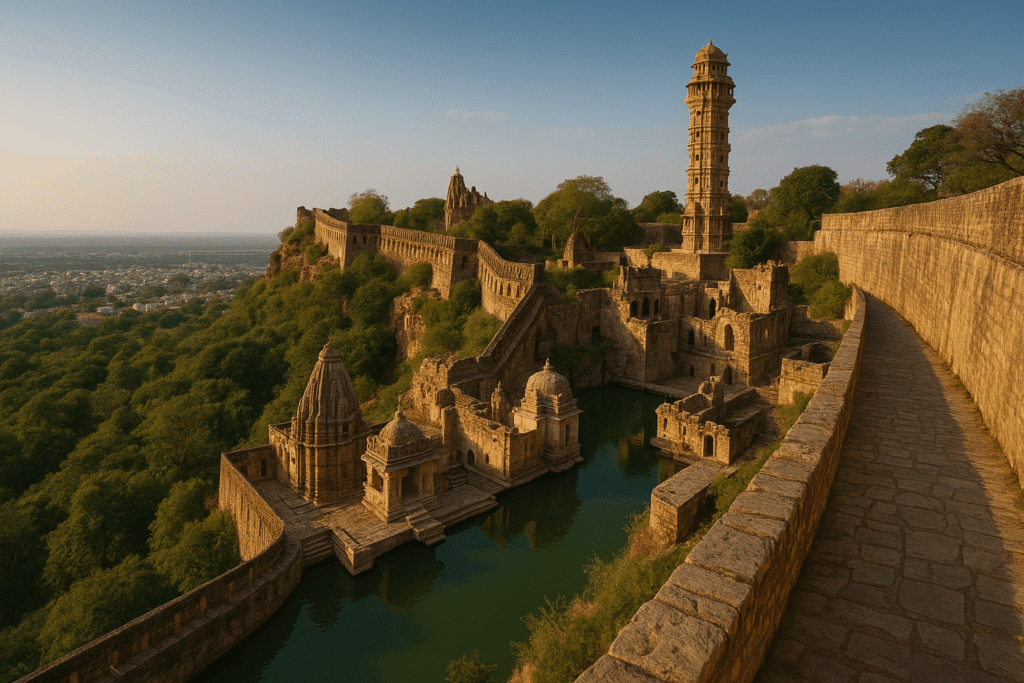
Chittorgarh Fort, India’s largest fort complex, epitomizes Rajput valor and sacrifice. This historical destination offers fewer commercial distractions, allowing visitors to immerse themselves in authentic medieval architecture and heroic legends.
Must-See Attractions
Chittorgarh Fort, sprawling across 700 acres atop a 180-meter hill, contains palaces, temples, towers, and reservoirs within its walls. The fort witnessed three historic sieges, with tales of mass jauhar (self-immolation) by Rajput women protecting their honor.
Vijay Stambh (Tower of Victory), a 37-meter high monument covered with intricate sculptures and inscriptions, commemorates Rana Kumbha’s victory over Mahmud Khilji. Climbing to its top rewards visitors with spectacular fort views.
Rani Padmini’s Palace, set beside a lotus pool, tells the legendary story of Queen Padmini whose beauty allegedly inspired Alauddin Khilji’s siege of Chittor. The palace’s reflection in the pool creates photogenic scenes.
Kirti Stambh (Tower of Fame), built in the 12th century and dedicated to Jain Tirthankar Adinath, predates Vijay Stambh and features detailed carvings depicting Jain mythology.
Best Time to Visit
October to March offers comfortable weather for exploring the extensive fort complex.
Pro Tips
- Allocate at least 3-4 hours to explore the vast fort area
- Hire a local guide to understand the historical significance and legends
- Visit during the Jauhar Mela (March) to witness cultural programs commemorating Rajput sacrifice
- Start early morning to avoid midday heat while climbing towers
Bundi: The Hidden Gem
Why Visit
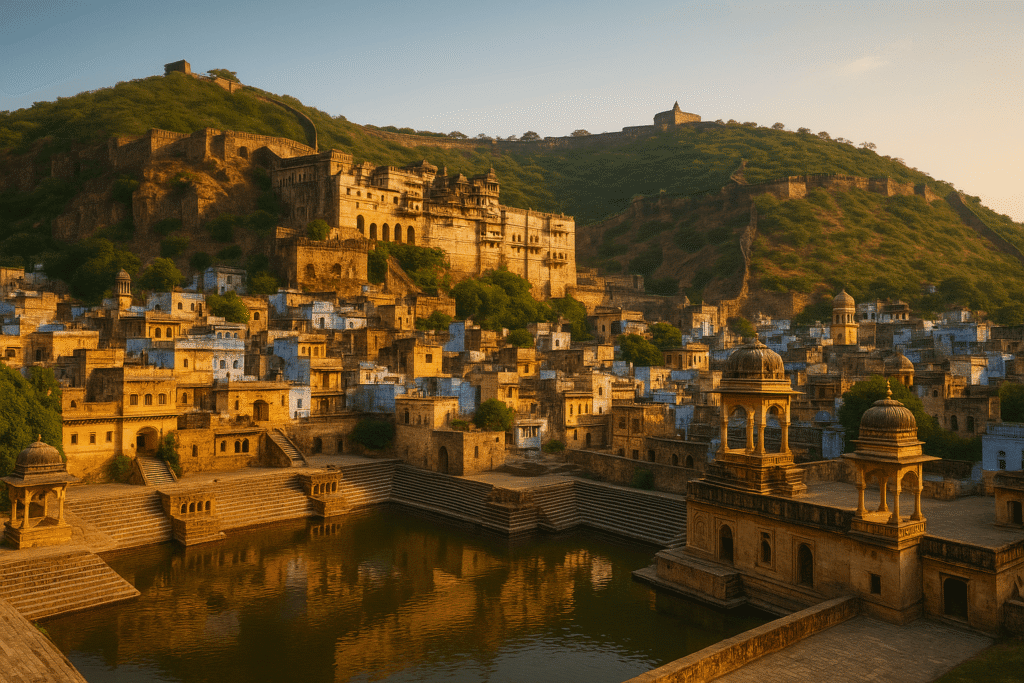
Bundi remains refreshingly untouched by mass tourism despite its stunning palaces, ornate stepwells, and vivid blue houses.
Rudyard Kipling mentioned Bundi in “Kim,” and its authentic character continues to enchant travelers seeking off-beat destinations.
Must-See Attractions
Taragarh Fort, the “Star Fort,” perches dramatically above the town offering commanding views. Though partially ruined, it maintains an atmospheric charm with water reservoirs, gateways, and former palace quarters.
Bundi Palace contains exquisite murals depicting hunting scenes, festivals, and royal processions in the traditional Bundi style of miniature painting. The Chitrashala (picture gallery) houses some of Rajasthan’s finest wall paintings.
Raniji ki Baori, an 18th-century stepwell, features delicate carvings of elephants, serpents, and deities on its pillars and walls. This architectural marvel served both practical and social functions in medieval times.
84 Pillared Cenotaph, dedicated to Rao Raja Anirudh Singh’s wet nurse Deva, showcases intricate stonework and offers insights into Rajput architectural traditions.
Best Time to Visit
October to March provides ideal conditions for palace exploration and stepwell photography.
Pro Tips
- Stay in heritage hotels like Haveli Braj Bhushanjee for authentic experiences
- Explore the bazaars for Bundi’s famous miniature paintings
- Walk through the old blue city lanes for local life and photography
- Visit multiple stepwells scattered throughout town for architecture appreciation
Essential Travel Information
Getting There
By Air: Jaipur, Jodhpur, and Udaipur have well-connected airports with flights from major Indian cities. International travelers typically arrive via Delhi or Mumbai.
By Train: Rajasthan’s rail network connects all major cities. Luxury trains like Palace on Wheels and Royal Rajasthan on Wheels offer premium experiences.
By Road: Excellent highway network connects cities. Private taxis, state buses, and self-drive rentals are available.
Getting Around
- Within Cities: Auto-rickshaws, cycle-rickshaws, and app-based cabs
- Between Cities: Private taxis, state buses, or trains
- For Flexibility: Hire a car with driver for multi-city itineraries
Accommodation Options
Rajasthan offers diverse accommodation from budget hostels to luxury heritage hotels:
- Heritage Hotels: Converted palaces and havelis providing royal experiences
- Luxury Resorts: Modern amenities with traditional architecture and service
- Boutique Hotels: Unique properties blending contemporary design with local culture
- Budget Options: Clean guesthouses and hostels in all tourist areas
What to Pack
- Clothing: Cotton clothes for summer, light woolens for winter, modest attire for temple visits
- Sun Protection: Sunscreen, sunglasses, hat, and scarf
- Footwear: Comfortable walking shoes and sandals for temple visits
- Essentials: Camera, power bank, reusable water bottle, first-aid kit
Food and Cuisine
Rajasthani cuisine reflects the region’s arid climate with vegetarian dishes dominating menus:
Must-Try Dishes:
- Dal Baati Churma: Baked wheat balls served with lentil curry and sweet crumbled wheat
- Laal Maas: Spicy mutton curry in red chili gravy
- Gatte ki Sabzi: Gram flour dumplings in yogurt curry
- Ker Sangri: Desert beans and berries specialty
- Pyaaz Kachori: Fried bread stuffed with spiced onions
- Mawa Kachori: Sweet version filled with nuts and khoya
- Mirchi Vada: Stuffed green chilies fritters
Cultural Etiquette
- Remove shoes before entering temples and homes
- Dress modestly, especially at religious sites
- Request permission before photographing people
- Avoid public displays of affection
- Use right hand for eating and giving/receiving items
- Respect local customs during festivals and ceremonies
Safety Tips
- Stay hydrated, especially in summer months
- Be cautious with street food if you have a sensitive stomach
- Use registered taxis and trusted tour operators
- Keep valuables secure in crowded areas
- Respect wildlife guidelines in national parks
- Carry emergency contact numbers
Best Festivals to Experience
Pushkar Camel Fair (October-November): India’s most vibrant livestock fair with cultural programs
Desert Festival, Jaisalmer (February): Three-day celebration of Rajasthani culture with music, dance, and competitions
Teej Festival (July-August): Women’s festival celebrating monsoon with processions and traditional songs
Gangaur Festival (March-April): Honors Goddess Gauri with colorful processions, especially grand in Jaipur and Udaipur
Kite Festival (January 14): Makar Sankranti celebration with sky full of colorful kites
Sample Itineraries
7-Day Golden Triangle Extension
- Day 1-2: Jaipur (Amber Fort, City Palace, Hawa Mahal)
- Day 3: Pushkar (temples, lake, local markets)
- Day 4-5: Udaipur (palaces, lake boat ride, Jagdish Temple)
- Day 6-7: Jodhpur (Mehrangarh Fort, blue city exploration)
Day Desert and Wildlife Circuit
- Day 1-2: Jaipur
- Day 3: Pushkar
- Day 4-5: Ranthambore (tiger safaris)
- Day 6-7: Bundi (palaces and stepwells)
- Day 8-9: Udaipur
- Day 10: Jodhpur
Day Complete Rajasthan Experience
- Day 1-3: Jaipur
- Day 4: Pushkar
- Day 5-6: Jodhpur
- Day 7-9: Jaisalmer (including desert camping)
- Day 10: Bikaner
- Day 11-12: Udaipur
- Day 13-14: Chittorgarh and Mount Abu
Sustainable Travel in Rajasthan
Responsible tourism helps preserve Rajasthan’s cultural and natural heritage:
- Choose eco-friendly accommodations and tour operators
- Respect wildlife in national parks by maintaining distance and silence
- Support local artisans by purchasing directly from craftspeople
- Minimize plastic usage by carrying reusable bottles and bags
- Respect water scarcity by conserving water in hotels
- Choose ethical animal experiences (avoid elephant rides; opt for jeep safaris)
- Learn about and respect local customs and traditions
FAQ
Udaipur region (Mewar) is often considered the most beautiful.
It’s known for lakes, palaces, and scenic views like City Palace, Lake Pichola, and Sajjangarh.
For desert beauty, Jaisalmer (Thar Desert) is equally stunning.
Perfect 7-day itinerary:
Day 1–2: Jaipur (Amber Fort, City Palace, Hawa Mahal)
Day 3: Pushkar (temple + lake)
Day 4–5: Jodhpur (Mehrangarh Fort, Blue City)
Day 6–7: Udaipur (lakes, palaces, sunset points)
👉 Covers culture + desert + royal architecture
Option 1 (Jaipur Focus):
Day 1: Jaipur sightseeing
Day 2: Amer Fort + Nahargarh
Day 3: Markets + local food
Option 2 (Udaipur Relaxed Trip):
Day 1: City Palace + Lake Pichola
Day 2: Sajjangarh + local cafes
Day 3: Boat ride + shopping
Jaipur is the most visited city in Rajasthan.
It’s part of the Golden Triangle (Delhi–Agra–Jaipur) and offers:
-Historic forts
-Easy accessibility
-Strong tourist infrastructure
👉 Followed by Udaipur and Jaisalmer in popularity.
Conclusion
Rajasthan captivates travelers with its extraordinary blend of architectural splendor, cultural richness, natural beauty, and warm hospitality.
Whether you’re exploring magnificent forts, riding camels through golden sand dunes, spotting tigers in wild forests, or simply soaking in the vibrant colors and traditions, Rajasthan promises experiences that transcend ordinary tourism.
Each destination in this vast state tells unique stories of valor, romance, artistry, and resilience.
From the pink grandeur of Jaipur to the blue lanes of Jodhpur, the golden sands of Jaisalmer to the serene lakes of Udaipur, Rajasthan invites you to step into a world where history lives and breathes in every fort, palace, and village.
Plan your journey to Rajasthan, immerse yourself in its timeless beauty, and create memories that will inspire your wanderlust for years to come. The Land of Kings awaits to share its treasures with you.

Have you visited Rajasthan? Share your favorite destinations and experiences in the comments below! Planning a trip? Let us know if you have questions about these incredible places.