
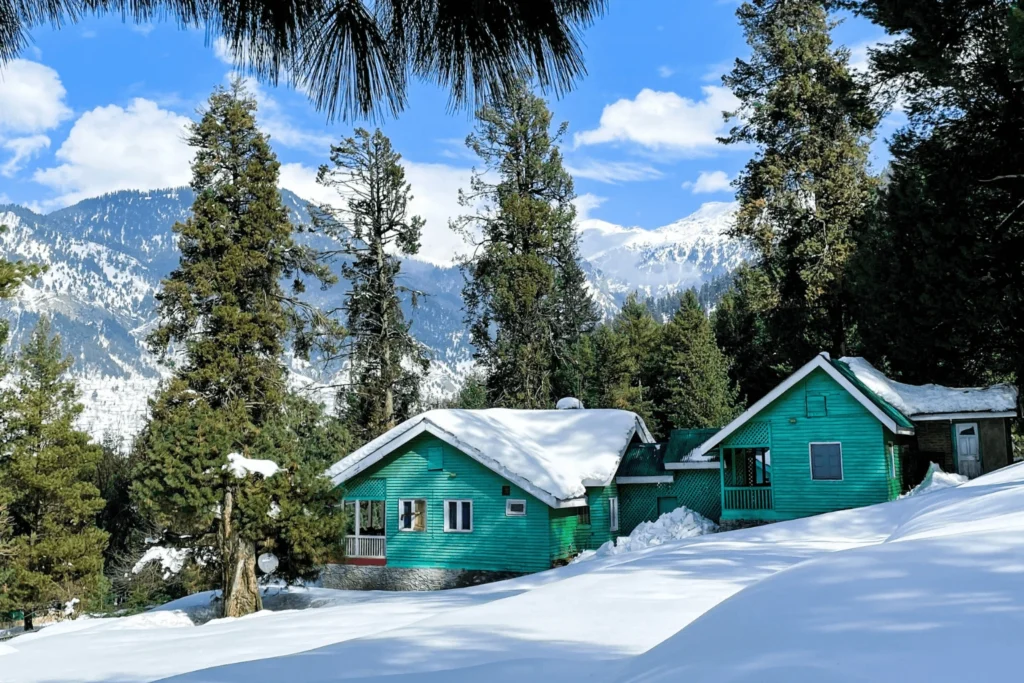
Planning a trip to Manali but unsure when to visit? The best time depends on what you’re looking for. Some travellers come for pleasant weather and sightseeing, while others visit for snowfall, skiing, or adventure activities.
Each season offers a different experience, so choosing the right time can make a big difference to your trip. For travellers planning a Delhi to Manali road trip in particular, the season can affect road conditions and travel time just as much as it affects what you’ll see once you arrive.
Quick Answer
For most travellers, March to June is the best time to visit Manali, thanks to pleasant weather and a full range of outdoor activities. October to November is ideal for clear mountain views and fewer crowds, while December to February is the best season for snowfall and winter sports. July to September suits budget travellers who don’t mind occasional rain.
Editor’s note: Weather and road conditions in Manali can change quickly, especially during winter and the monsoon. Always check the latest forecasts and road updates before travelling.
The Climate Basics
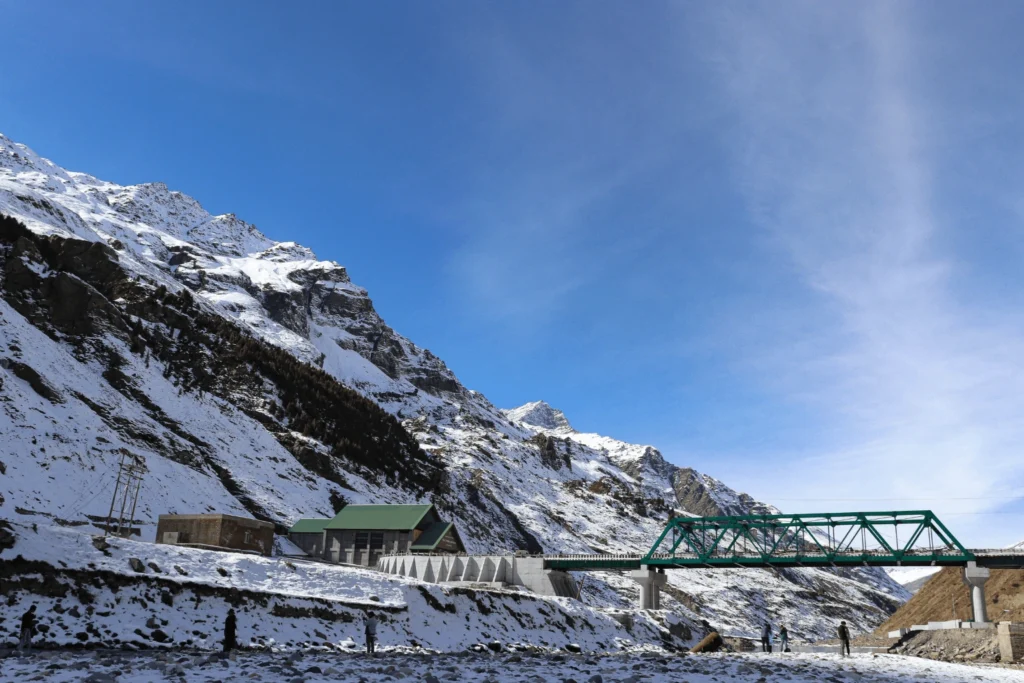
Manali runs through four fairly distinct seasons. Temperatures can swing from -5°C in winter to 25°C in summer, and what’s accessible in June might be completely snowed in by January. Getting a rough sense of these patterns ahead of time makes it much easier to pack and plan correctly.
Summer (March to June): Best for Sightseeing and Adventure
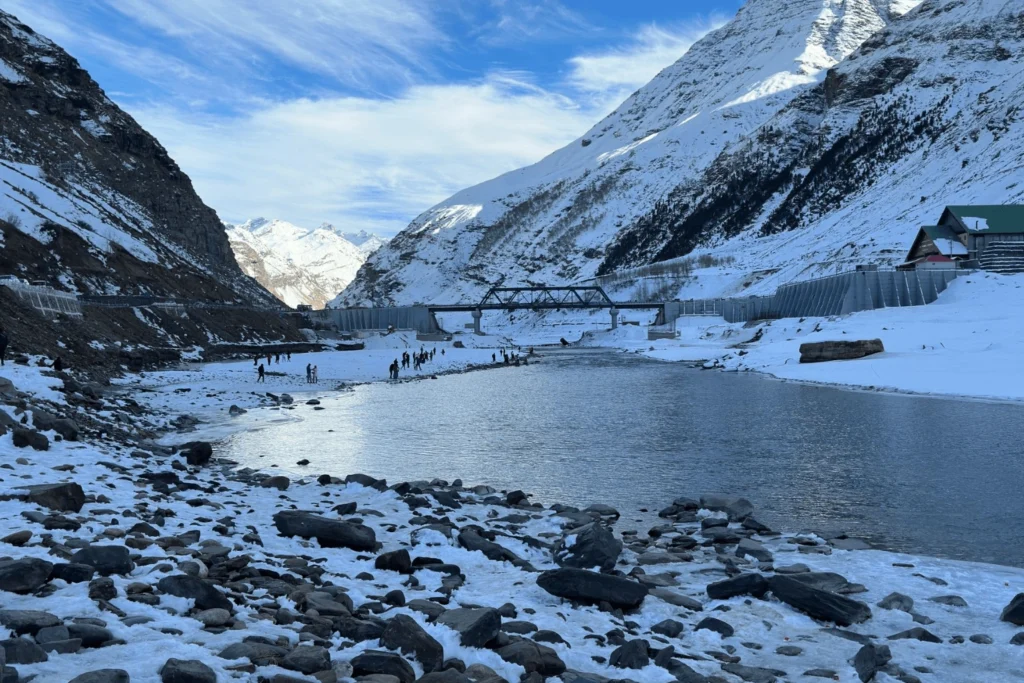
Temperature range: 10°C to 25°C
This is Manali’s busiest season, and it’s easy to see why. The weather is pleasantly warm during the day and comfortably cool at night.
By late March, snow has mostly melted from the accessible parts of town, though the higher elevations stay white and dramatic in the background.
April and May bring families escaping the plains’ summer heat. Roads are fully open, hotels are fully staffed, and every adventure activity is running.
Paragliding operators in Solang Valley get consistently good conditions, river rafting on the Beas is in full swing, and trek routes like Bhrigu Lake and Hampta Pass are at their most accessible.
Rohtang Pass typically opens in late May, depending on snow clearance. Once open, it draws a steady stream of visitors for the high-altitude experience — the pass sits at 3,978 metres and stays snow-covered even through summer.
The trade-off is cost and crowding. Hotel prices climb, especially on weekends, Mall Road gets congested, and popular viewpoints fill up with tour groups. If you’re travelling in this window, book accommodation at least a month ahead — two months if you’re coming during a long weekend or school holidays.
Best for: first-time visitors, families with children, anyone who wants dependable weather.
Monsoon (July to September): The Quiet, Green Season
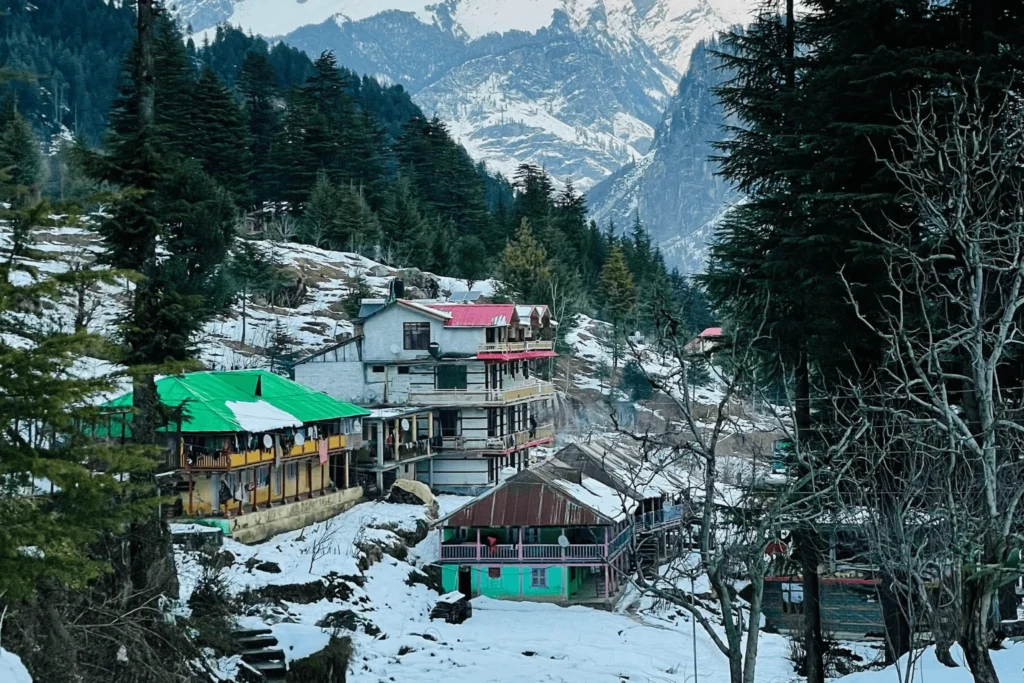
Temperature range: 10°C to 20°C
This is Manali’s off-season, and most tourists stay away. Steady rainfall, occasional landslides, and frequent mist that obscures the mountain views are all part of the deal.
What you get in exchange is a valley that turns properly green, waterfalls appearing on hillsides that are dry the rest of the year, and stretches of trail you’ll likely have entirely to yourself.
Hotel prices drop by 40–50%, restaurants are quieter, and you can walk Mall Road without dodging crowds. For travellers with flexible schedules who don’t mind the occasional wet day, monsoon season offers a version of Manali that’s harder to find the rest of the year.
The risks are real, though. Landslides can block highways for hours or even days, adventure activities get cancelled at short notice, and a trek you’d planned might turn muddy and genuinely unsafe. Check weather forecasts regularly, keep a backup plan, and consider travel insurance if you’re visiting in this window.
Best for: budget travellers, people who prefer solitude over sightseeing checklists, anyone with a flexible itinerary.
Autumn (October to November): Clear Skies and Fewer Crowds
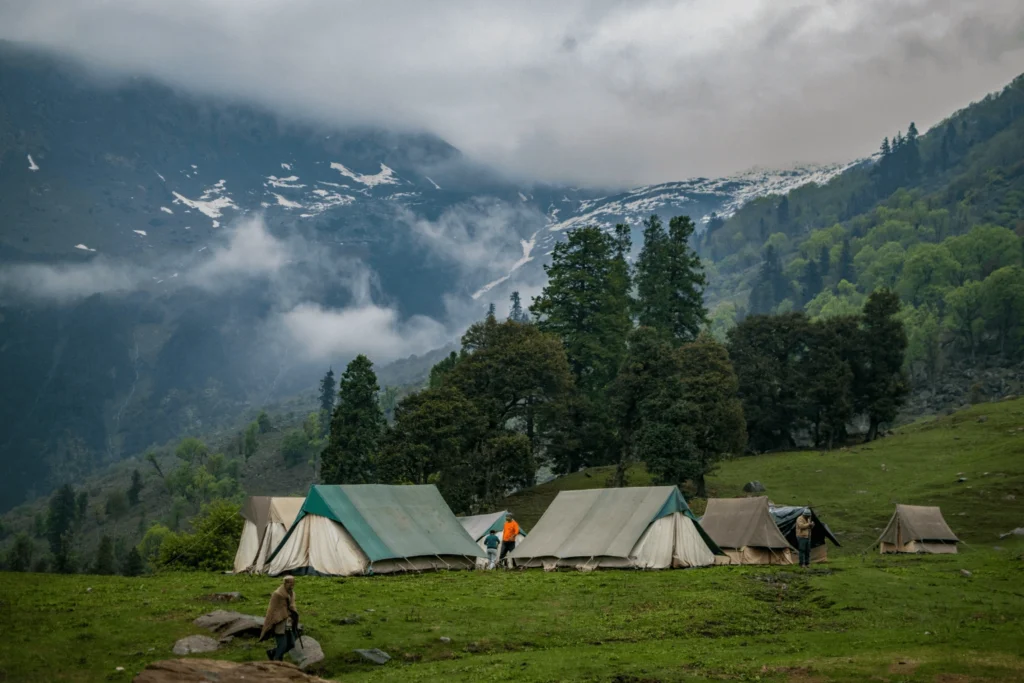
Temperature range: 0°C to 15°C
Many travellers consider autumn one of the best times to visit Manali because of the clear skies, pleasant weather, and smaller crowds. Once the monsoon clears, the air turns noticeably clean and mountain views stretch much further than they do in summer haze.
The trees shift into gold and copper tones, the summer crowds have mostly left, and the weather stays pleasant enough for extended outdoor exploration. This tends to be the best window for photography — clear mornings, strong light, and coloured foliage set against snow-capped peaks.
Adventure activities keep running through most of autumn, though some high-altitude routes start closing off by late November as fresh snow builds up.
By mid-November, you might catch the season’s first snowfall at higher elevations — enough for some winter atmosphere without the harder edges of deep winter. Hotel prices sit in the middle, between the monsoon lows and the summer highs.
Best for: photographers, repeat visitors, and anyone trying to balance good weather against smaller crowds.
Winter (December to February): Snow, Skiing, and Quiet Streets
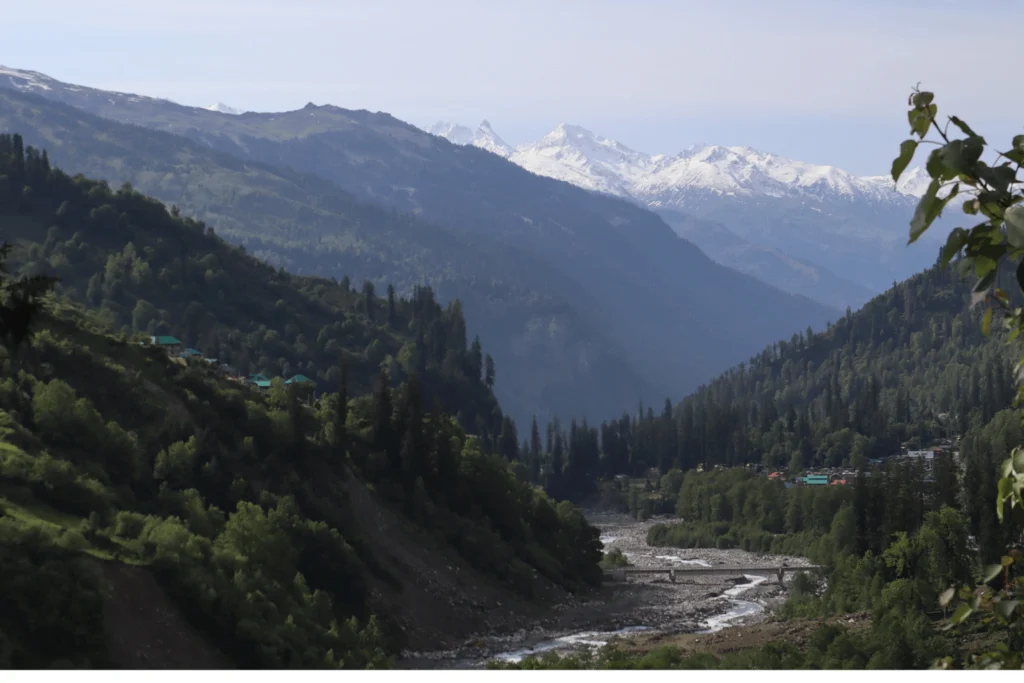
Temperature range: -5°C to 10°C
Winter begins in December, with snowfall becoming more frequent through January and February. December offers a noticeably gentler introduction to winter than the harder cold of January and February, and the festive season adds some energy — Christmas lights, New Year celebrations, and a busy wedding season.
By January and February, Manali is deep into winter proper. Heavy snowfall covers the valley, temperatures drop below freezing, and the pace of the town slows down considerably. Solang Valley becomes the main hub for winter sports — skiing, snowboarding, and snow tubing all run through this stretch, and it’s a popular window for couples looking for a quieter, more secluded trip.
A few things to plan around: Rohtang Pass stays closed until it reopens the following spring, and heavy snowfall can occasionally block roads for a day or more. You’ll need proper winter gear — thermal layers, a heavy jacket, and waterproof boots — and it’s worth confirming heating arrangements before booking a budget hotel, since not all of them handle the cold equally well.
Best for: snow lovers, winter sports enthusiasts, couples looking for a quieter trip, and photographers chasing snow-covered landscapes.
Matching the Season to Your Travel Style
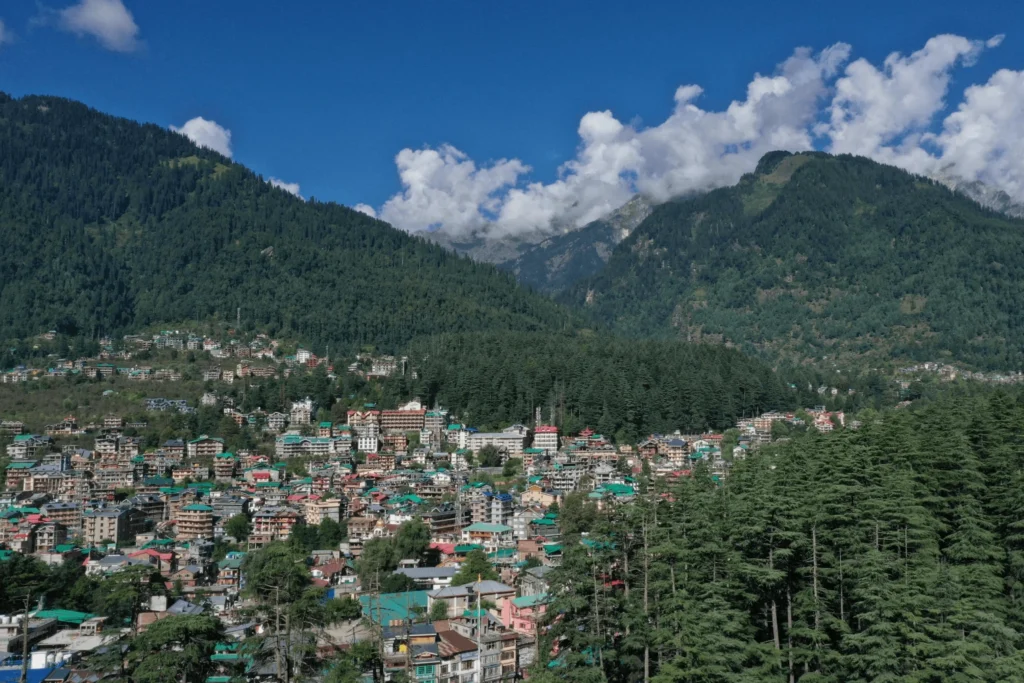
Best for:
Photography enthusiasts — October–November, for the clearest light and most dramatic landscapes
Adventure junkies — May–June for summer sports (paragliding, rafting, trekking), or December–February for winter sports (skiing, snowboarding)
Romance seekers — January–February for snowy seclusion, or September–October for quieter post-monsoon beauty
Budget travellers — July–September for the deepest discounts, with December (outside the holiday weeks) as a secondary option
Families — March–June, for reliable weather, full services, and accessible attractions
Practical Planning Advice
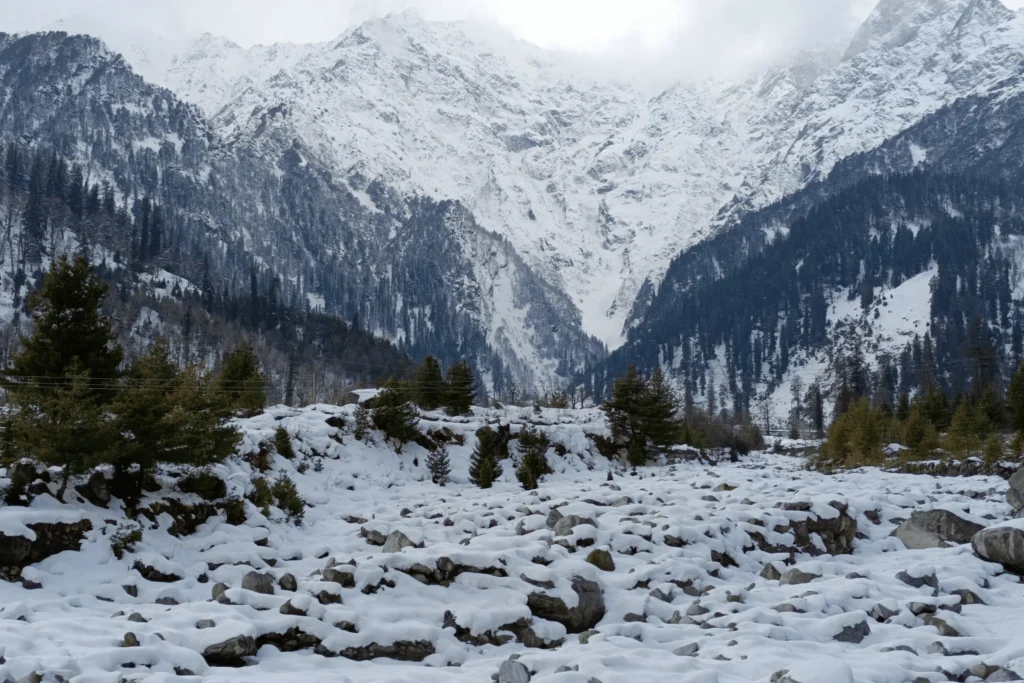
Accommodation: Book 1–2 months ahead for March–June, especially around holidays. For winter trips, confirm heating arrangements in advance, since some budget hotels have limited heating. During monsoon, last-minute bookings are usually fine.
Permits: Rohtang Pass requires an online permit, issued daily on a first-come basis. Apply early morning through the Himachal Pradesh government portal.
Packing: Even in summer, bring warm layers for the evenings. Winter needs thermal innerwear, a heavy jacket, gloves, and proper boots. Monsoon travel calls for waterproof gear and shoes with good grip.
Transportation: Check road conditions before you travel, particularly in winter and monsoon. The Manali–Leh Highway is usually closed during winter and typically reopens between late May and June, depending on snowfall and road clearance. Even during summer, temporary road closures and traffic delays can occur after heavy rainfall or road maintenance.
Health: Altitude sickness affects some visitors, particularly around Rohtang Pass. Acclimatize gradually, stay hydrated, and avoid alcohol early in the trip.
Best Time to Visit Manali by Traveller Type
| Traveller type | Best time to visit |
|---|---|
| Families | March–June |
| Couples / honeymoon | October–February |
| Snow lovers | December–February |
| Adventure seekers | May–June |
| Budget travellers | July–September |
| Photographers | October–November |
FAQ
The best time to visit Manali is March to June when the weather is pleasant for sightseeing, adventure activities, and outdoor exploration. If you want to enjoy snowfall, plan your trip between late December and February. For a detailed seasonal breakdown, read our Best Time to Visit Manali (2026): Month-by-Month Guide.
The off-season in Manali is usually July to September, during the monsoon. Heavy rainfall can lead to landslides and traffic delays, but you’ll also find fewer crowds and lower hotel prices. Some travelers also consider late January to early March an off-peak period after the winter holiday rush.
Yes, 3 days are enough to explore the main attractions in Kullu and Manali, including Hadimba Temple, Solang Valley, Mall Road, and Kullu Valley. If you also want to visit Rohtang Pass or nearby villages, consider staying for 4–5 days. You can also follow our 5-Day Himachal Itinerary for a more relaxed trip.
If possible, avoid visiting Manali during the peak monsoon season (July and August), as heavy rain can cause landslides, road closures, and travel delays. Holiday weekends and long weekends can also be extremely crowded. Before planning your journey, check our Delhi to Manali Travel Guide for the latest travel tips and route information.
Conclusion
In the end, the best time to visit Manali depends on the kind of trip you’re planning. Summer is ideal for sightseeing and adventure, autumn offers pleasant weather with fewer crowds, winter is perfect for snowfall, and the monsoon suits travellers looking for quieter surroundings and lower hotel prices.
Choose the season that matches your interests, and you’ll have a memorable experience in Manali.