
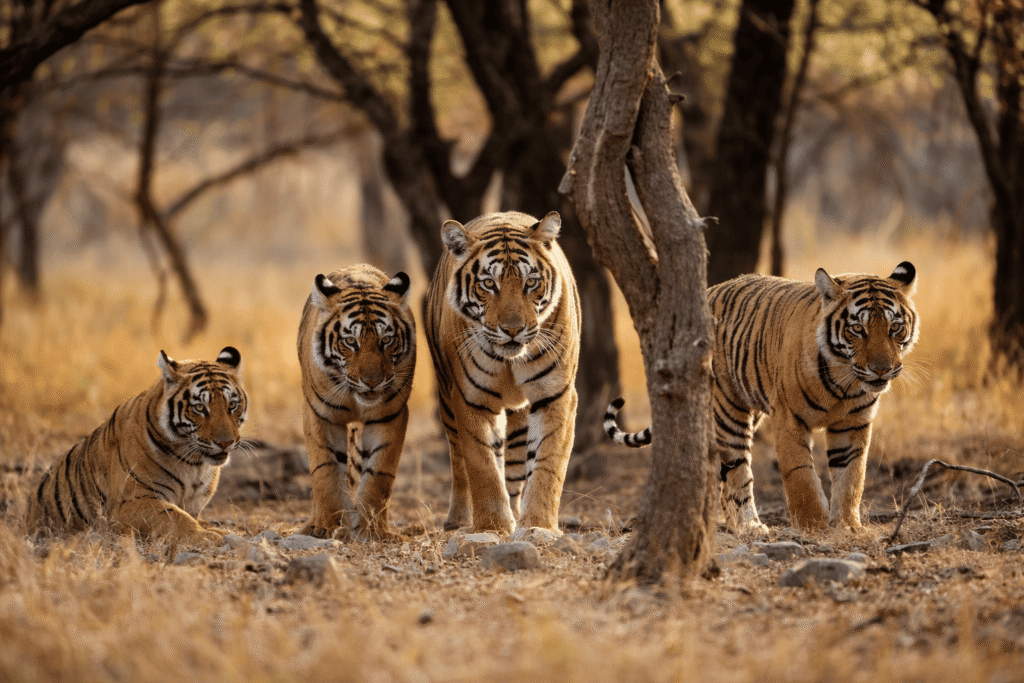
India is home to some of the richest biodiversity on the planet, and the best wildlife sanctuaries and national parks in the country offer unmatched opportunities to experience it up close.
From dense forests and vast grasslands to wetlands and mangroves, these protected areas safeguard thousands of plant and animal species, including iconic wildlife such as tigers, elephants, rhinoceroses, and rare birds.
Spread across different states and ecosystems, India’s national parks and wildlife sanctuaries play a crucial role in conservation while also welcoming visitors who want to explore nature responsibly.
This guide highlights the best wildlife sanctuaries and national parks in India, helping you understand what makes each destination special and how to choose the right one based on your interests.
Why India is a Wildlife Paradise
India ranks among the world’s top biodiversity hotspots. The country protects over 5% of its land through a network of more than 100 national parks and 550 wildlife sanctuaries.
These protected areas span diverse ecosystems, from mangrove swamps to alpine meadows. They provide critical habitat for endangered species like tigers, elephants, rhinos, and snow leopards.
Conservation efforts here have become global success stories, particularly with Project Tiger bringing the big cat back from the brink of extinction.
The variety of landscapes means you can spot different wildlife depending on where and when you visit. Each park offers its own unique experience and species to discover.
Jim Corbett National Park, Uttarakhand
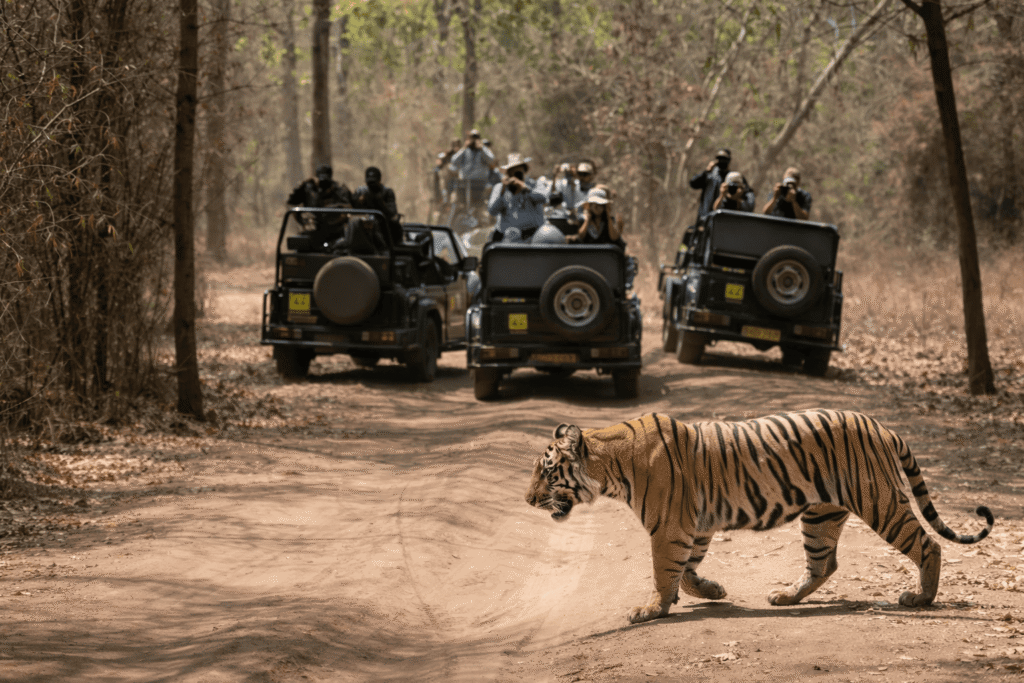
Jim Corbett holds the distinction of being India’s oldest national park, established in 1936. Located in the Himalayan foothills, it spans 520 square kilometers of diverse terrain including grasslands, riverine forests, and dense sal forests.
The park is named after legendary hunter-turned-conservationist Jim Corbett. It became the launch site for Project Tiger in 1973, India’s ambitious tiger conservation program.
Corbett shelters around 160 Bengal tigers, making it one of the best places in India to spot these apex predators. The park also hosts over 600 elephant species, leopards, and the unique fishing cats. Birdwatchers can identify more than 600 bird species here.
The Ramganga River flowing through the park creates stunning landscapes and attracts wildlife to its banks. Visit between November and June, with March to May offering the best tiger sighting opportunities as animals gather near water sources.
Ranthambore National Park, Rajasthan
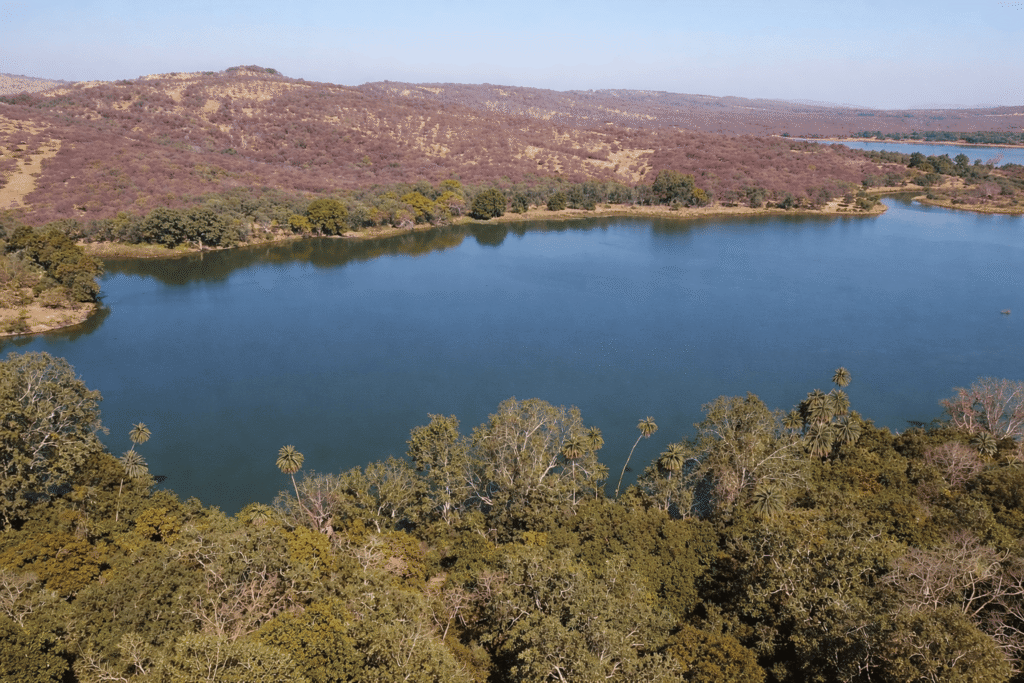
Ranthambore combines wildlife with history in a way few parks can match. Ancient fort ruins and temples scattered throughout create a dramatic backdrop for tiger safaris.
This 392-square-kilometer park in southeastern Rajasthan was once the hunting ground of the Maharajas of Jaipur. Today it’s one of India’s most famous tiger reserves, known for tigers that are relatively accustomed to vehicles, offering spectacular sighting opportunities.
The park is home to approximately 70 tigers, many of which have become celebrities in their own right. Machli, one of the world’s most photographed tigresses, lived here and her legacy continues through her descendants.
Beyond tigers, you’ll find leopards, sloth bears, crocodiles, and diverse birdlife around the park’s lakes. The combination of dry deciduous forest and open grassland makes wildlife spotting easier than in denser jungles.
October to April is the ideal visiting period. The summer months of April and May, though hot, offer the best chances for tiger sightings.
Kaziranga National Park, Assam
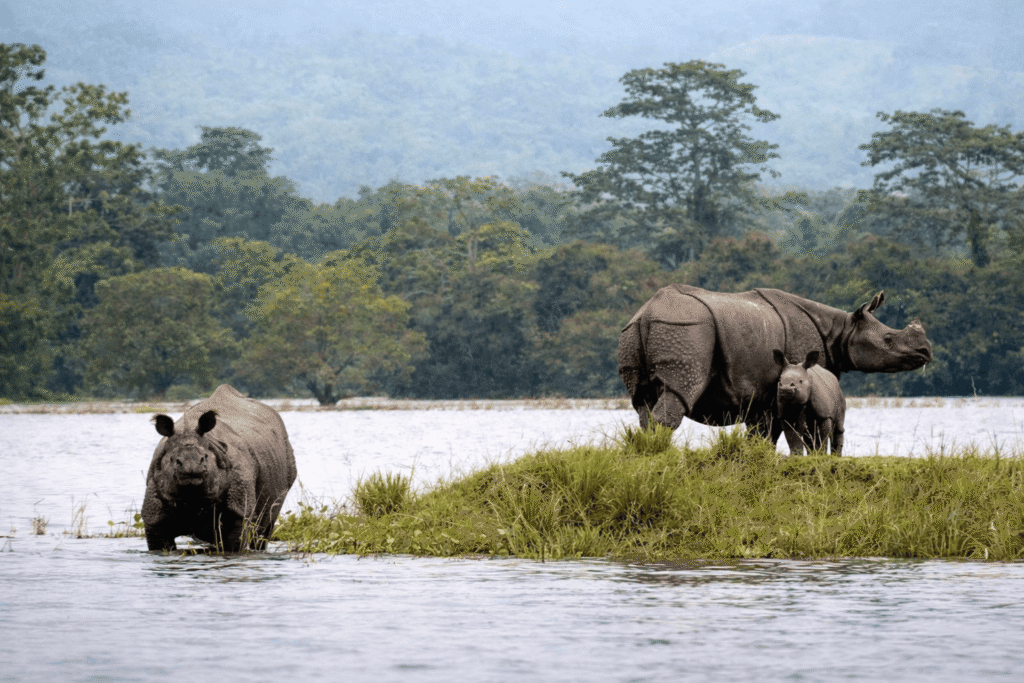
Kaziranga stands as the last great refuge of the Indian one-horned rhinoceros. This UNESCO World Heritage Site in Assam’s Brahmaputra floodplains protects two-thirds of the world’s remaining population of this prehistoric-looking creature.
The park covers 430 square kilometers of elephant grass meadows, swampy lagoons, and dense forests. Its unique landscape gets shaped annually by the Brahmaputra River’s floods, creating a dynamic ecosystem.
With over 2,400 rhinos, Kaziranga offers almost guaranteed sightings of these magnificent animals. The park also hosts the highest density of tigers among protected areas in the world, though the tall grass makes spotting them challenging.
Wild water buffalo roam here in large herds, along with swamp deer, elephants, and hoolock gibbons. The park is a birdwatcher’s paradise with over 480 species, including the rare Bengal florican.
Visit between November and April when the water levels recede and animals are easier to spot. Elephant safaris and jeep tours both operate here, with elephant safaris getting you closer to rhinos.
Bandhavgarh National Park, Madhya Pradesh
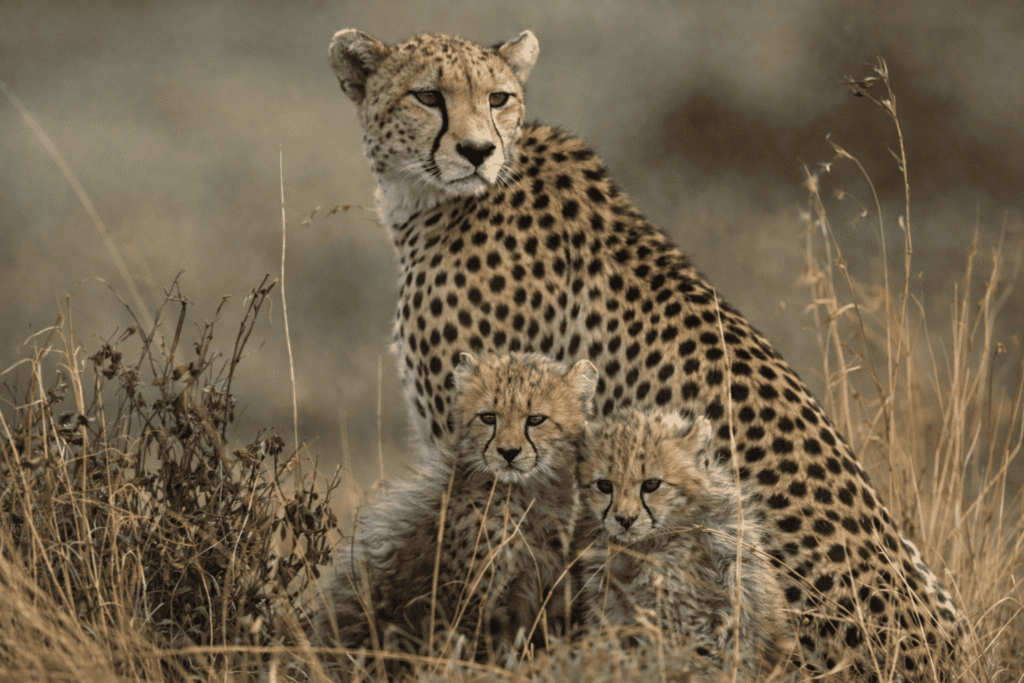
Bandhavgarh boasts the highest density of Bengal tigers in India. This makes it arguably the best park for tiger enthusiasts who want maximum chances of sightings.
Located in Madhya Pradesh’s Vindhya Hills, the 105-square-kilometer core area packs in approximately 80-90 tigers. The smaller size and high tiger population mean safaris often result in multiple sightings.
The park’s landscape features dramatic cliffs, ancient caves, and the historic Bandhavgarh Fort perched atop a hill. Legends claim Lord Rama gifted this fort to his brother Lakshmana, giving the park its name.
Besides tigers, you’ll encounter leopards, wild dogs, sloth bears, and over 250 bird species. The mix of sal forests, bamboo groves, and open grasslands creates diverse habitats within a compact area.
October to June marks the safari season, with April and May being prime time for tiger sightings. The park’s three main zones each offer different landscapes and wildlife experiences.
Kanha National Park, Madhya Pradesh
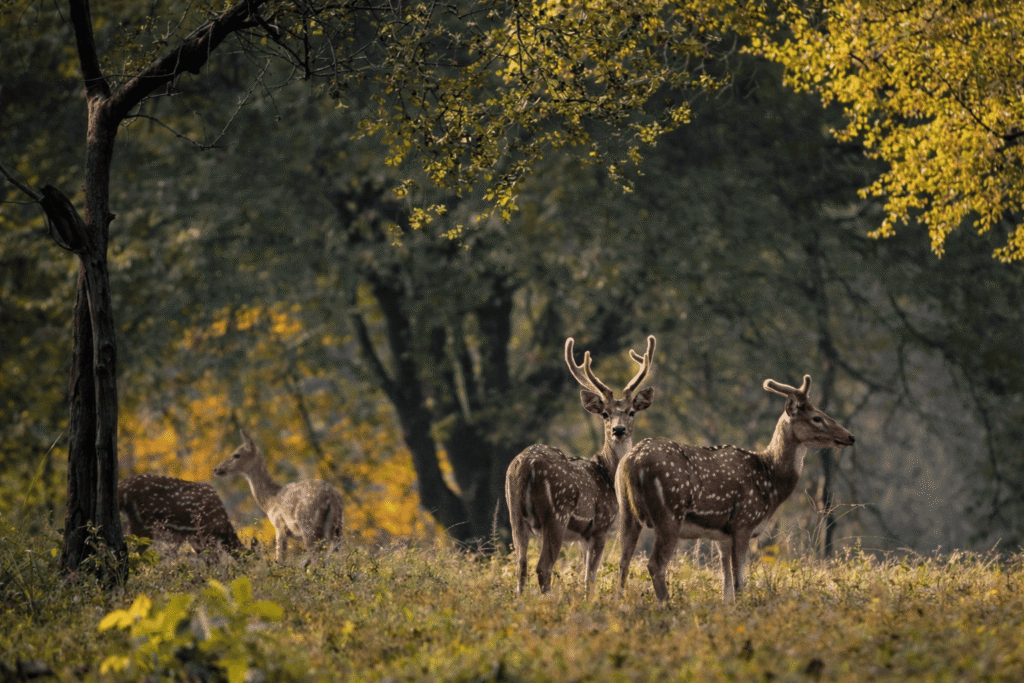
Kanha inspired Rudyard Kipling’s “The Jungle Book,” and walking through its sal and bamboo forests makes it easy to see why. This 940-square-kilometer park showcases central India’s wilderness at its finest.
The park’s successful conservation of the barasingha (swamp deer) stands as one of India’s greatest wildlife success stories. Once on the verge of extinction, healthy herds now graze in Kanha’s meadows.
Around 80-90 tigers prowl Kanha’s forests, along with leopards, wild dogs, and Indian bison. The park’s open meadows and diverse landscapes make wildlife viewing particularly rewarding.
The sunset safari through Kanha’s grasslands, with deer silhouetted against the golden light, creates unforgettable moments. The park also offers excellent birdwatching with over 300 species recorded.
Visit between October and June. The hot months of April and May offer the best tiger sightings as animals congregate around water holes.
Gir National Park, Gujarat
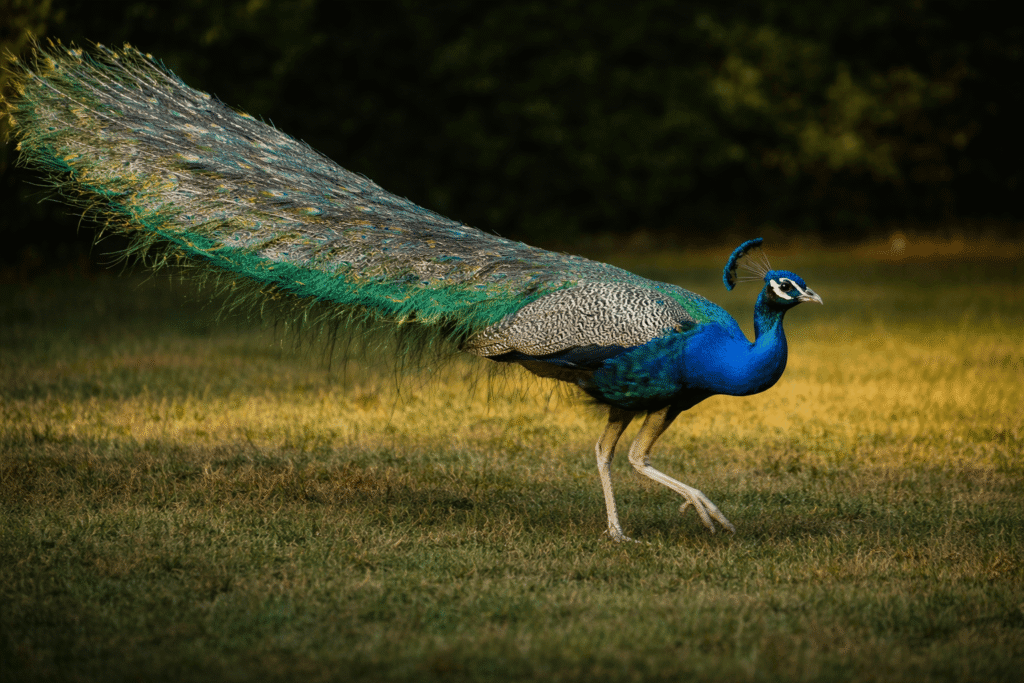
Gir National Park protects the world’s last remaining population of Asiatic lions. This makes it utterly unique, the only place on Earth where you can see these majestic cats in the wild.
Located in Gujarat’s Saurashtra region, Gir covers 1,412 square kilometers of dry deciduous forest, grasslands, and rocky hills.
Conservation efforts here have been remarkably successful, with the lion population growing from just 20 individuals in the early 1900s to over 600 today.
The lions in Gir are habituated to vehicles and relatively easy to spot during safaris. Males with their impressive manes resting under trees make for incredible photographs.
Beyond lions, Gir hosts leopards, striped hyenas, jungle cats, and over 300 bird species. The Kamleshwar Dam within the park attracts diverse wildlife and offers scenic beauty.
December to March provides the best weather for visiting. The park closes during the monsoon season from mid-June to mid-October.
Periyar Wildlife Sanctuary, Kerala
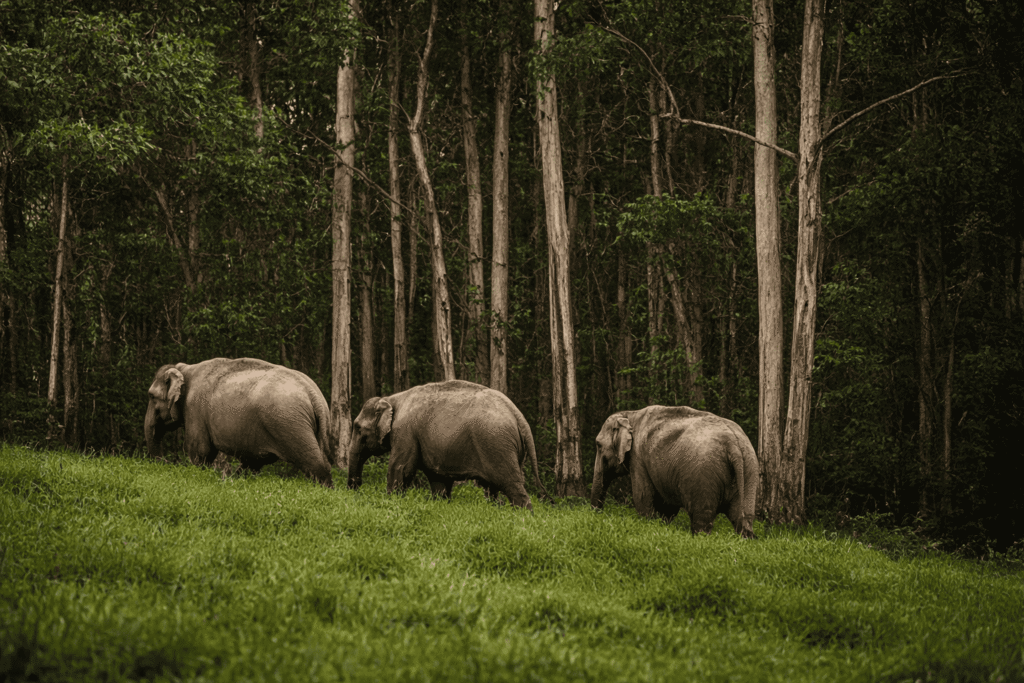
Periyar offers a completely different wildlife experience. Set around an artificial lake in Kerala’s Western Ghats, this 925-square-kilometer sanctuary is best explored by boat.
The lake was created in 1895 by damming the Periyar River. Dead tree trunks still stand in the water, creating an eerie yet beautiful landscape. Boat rides offer the chance to watch elephants, bison, and deer coming to drink at the water’s edge.
Periyar protects significant populations of elephants and tigers, though the dense forests make tiger sightings rare. The sanctuary is better known for its elephant sightings, with herds regularly visible from boats and walking trails.
The park’s location in the Western Ghats, one of the world’s biodiversity hotspots, means incredible variety. You’ll find lion-tailed macaques, Nilgiri langurs, and over 260 bird species including the Great Hornbill.
Visit between October and May for the best weather. The sanctuary remains open year-round, and the monsoon months offer lush green landscapes and fewer tourists.
Sundarbans National Park, West Bengal
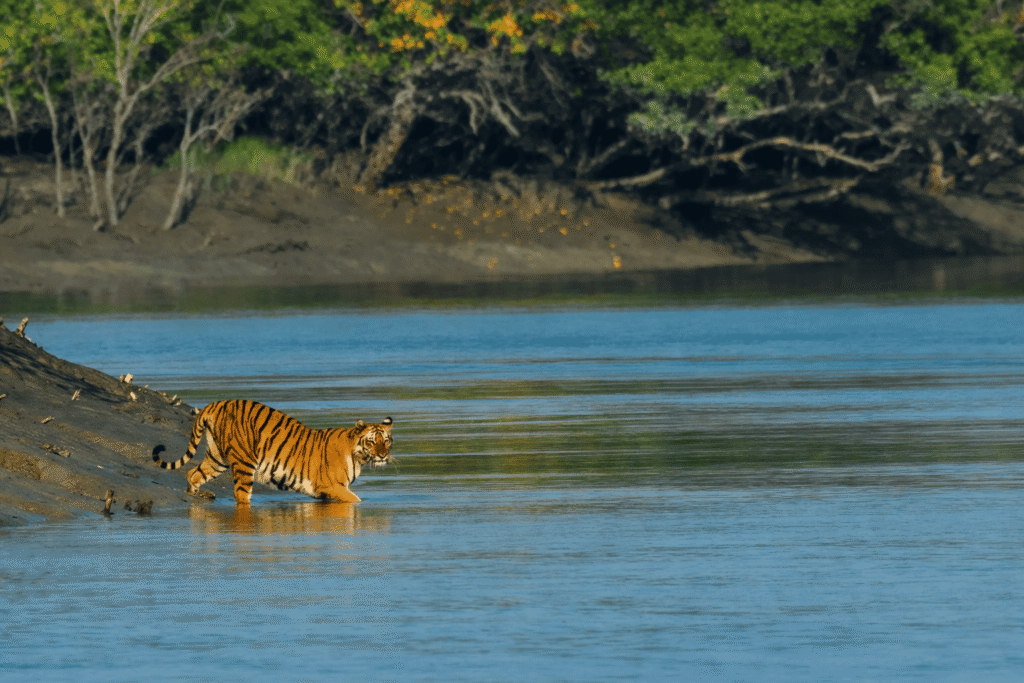
The Sundarbans presents India’s wildest and most challenging wildlife experience. This UNESCO World Heritage Site encompasses the world’s largest mangrove forest, spanning the India-Bangladesh border.
The landscape here is unlike any other park—a maze of tidal waterways, mudflats, and small islands covered in dense mangrove forests. Everything is explored by boat, adding to the adventure and mystery.
The Sundarbans is home to approximately 100 Royal Bengal Tigers that have adapted to this unique environment. These tigers are excellent swimmers and have been known to prey on fish, crabs, and even sharks.
They’re also more elusive than their mainland cousins, making sightings rare but thrilling.
Besides tigers, watch for saltwater crocodiles, spotted deer, wild boar, and numerous bird species including kingfishers and white-bellied sea eagles. The park offers a raw, untamed wilderness experience.
November to March offers the best visiting conditions. The summer months can be extremely hot and humid, while monsoons make navigation difficult.
Hemis National Park, Ladakh
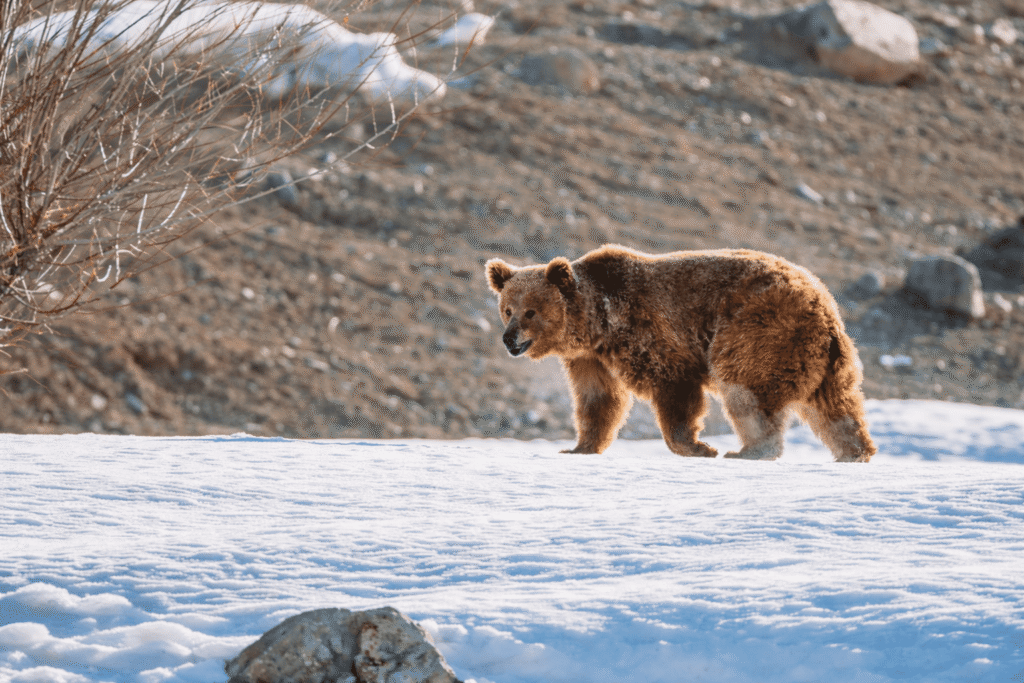
Hemis is India’s largest national park, covering 4,400 square kilometers of high-altitude desert in Ladakh. This is where you come to track one of the world’s most elusive predators—the snow leopard.
The park sits at elevations between 3,300 and 6,000 meters in the Trans-Himalayan region. The landscape is stark and beautiful—barren mountains, deep gorges, and sparse vegetation adapted to extreme conditions.
Hemis protects an estimated 200 snow leopards, perhaps the highest density anywhere in the world. Spotting these “grey ghosts” requires patience, expert guides, and a bit of luck. Winter months offer the best chances when snow leopards descend to lower elevations.
The park also shelters Tibetan wolves, Eurasian brown bears, red foxes, and the rare Tibetan argali sheep. Birdlife includes golden eagles, lammergeiers, and Himalayan griffon vultures.
Visit between May and September for general wildlife viewing, but snow leopard enthusiasts should come in winter between December and March. Be prepared for extreme cold and high-altitude conditions.
Nagarhole National Park, Karnataka
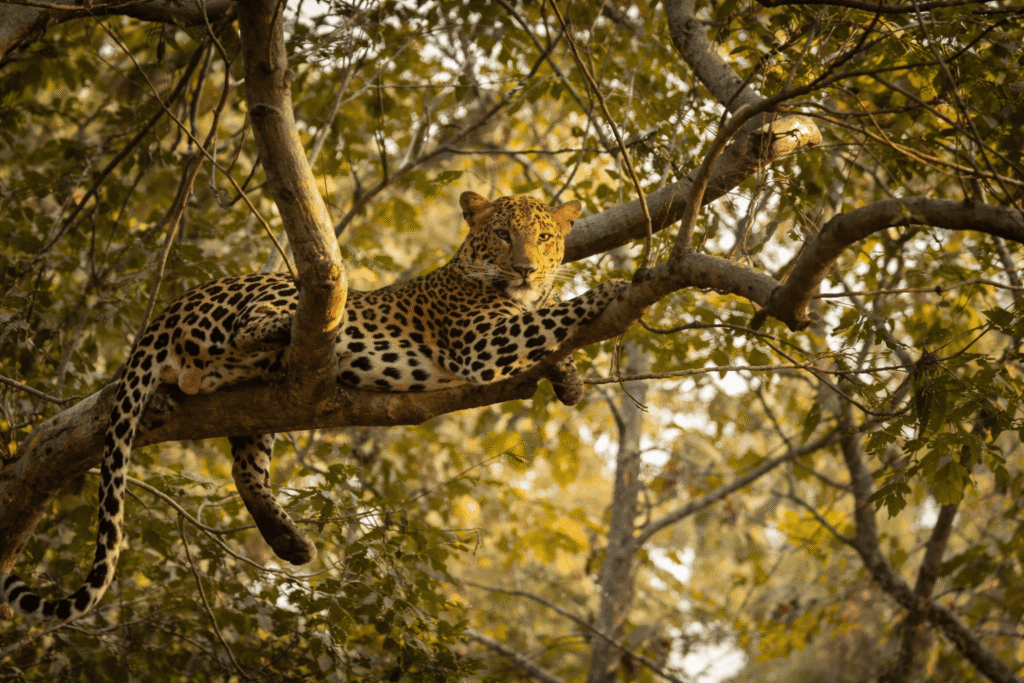
Nagarhole, also known as Rajiv Gandhi National Park, offers some of South India’s best wildlife viewing. This 848-square-kilometer park in Karnataka forms part of the Nilgiri Biosphere Reserve.
The park’s name means “snake river” in Kannada, referring to the Kabini River that flows through it. The river and Kabini Reservoir attract large congregations of wildlife, particularly during the dry season.
Nagarhole hosts significant populations of tigers, leopards, elephants, and Indian bison. The park is particularly famous for elephant sightings, with hundreds of pachyderms residing here. During summer, elephant herds gather by the reservoir in spectacular numbers.
Wild dogs hunt in packs here, and if you’re lucky, you might witness their coordinated hunting strategies. The park also hosts four-horned antelope, sloth bears, and over 270 bird species.
October to May is ideal for visiting. The summer months of March to May offer the best wildlife sightings as animals gather near water sources.
Tadoba Andhari Tiger Reserve, Maharashtra
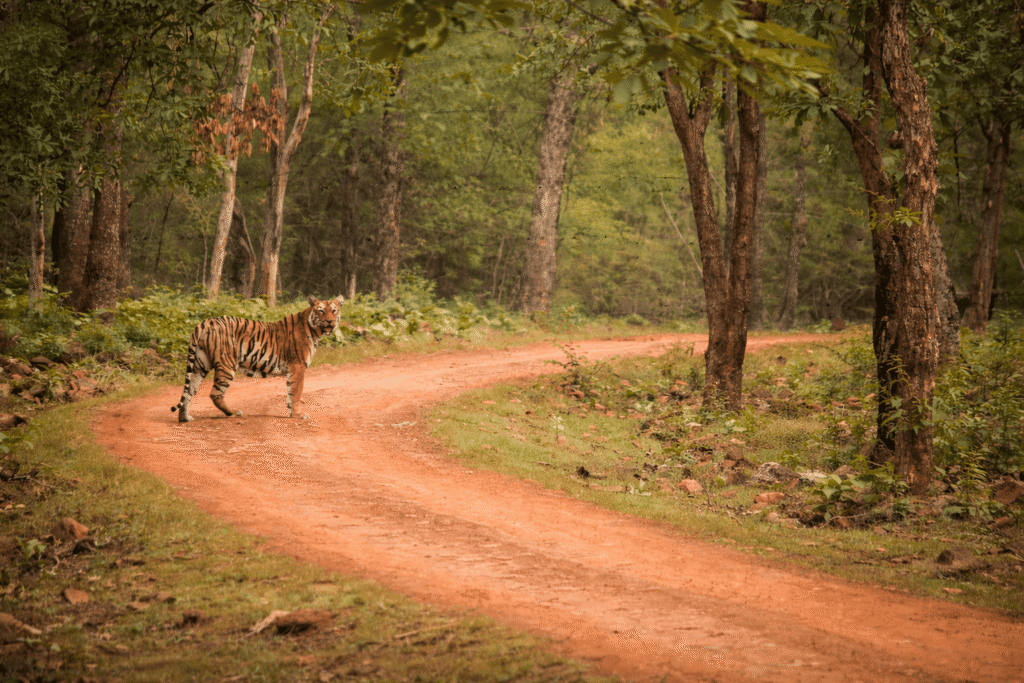
Tadoba has emerged as one of India’s premier tiger reserves in recent years. Located in Maharashtra’s Chandrapur district, this 625-square-kilometer reserve offers excellent tiger sighting opportunities.
The park’s name comes from the local tribal deity “Tadoba” and the Andhari River flowing through it. Ancient teak forests dominate the landscape, interspersed with bamboo, grasslands, and lakes.
With approximately 120 tigers, Tadoba has one of the highest tiger densities in India. The tigers here are relatively comfortable with vehicles, leading to some spectacular close encounters and photography opportunities.
Beyond tigers, watch for leopards, sloth bears, wild dogs, and Indian bison. The park’s Tadoba Lake attracts diverse wildlife and is excellent for birdwatching with over 280 species recorded.
The park opens from October to June, with April and May being the best months for tiger sightings despite the heat.
Planning Your Wildlife Safari
The key to a successful wildlife safari is planning according to seasons and booking in advance. Most parks operate on a zone system with limited daily permits, and popular parks like Ranthambore and Bandhavgarh fill up months ahead.
Book safaris through official park websites or authorized tour operators. Early morning and late afternoon safaris offer the best wildlife activity, as animals rest during the hot midday hours.
Dress in neutral colors—greens, browns, and khakis—to avoid standing out. Bring binoculars, a good camera with a telephoto lens, sunscreen, and insect repellent. Stay quiet in vehicles and follow your guide’s instructions for the best experience and safety.
Conservation Challenges and Success Stories
India’s wildlife conservation faces ongoing challenges including habitat loss, human-wildlife conflict, and poaching. However, success stories inspire hope for the future.
Project Tiger has increased tiger populations from 1,400 in the 1970s to over 3,000 today. Asiatic lion numbers in Gir have grown steadily. Kaziranga’s rhino population continues to rise despite poaching threats.
Community-based conservation initiatives are making a difference. Programs that share tourism revenue with local villages create economic incentives for protection. When communities benefit from wildlife, they become conservation partners rather than adversaries.
Your visit to these parks directly supports conservation. Entry fees, safari charges, and accommodation costs fund protection efforts and community development.
Best Time to Visit Indian Wildlife Parks
Most Indian national parks close during the monsoon season, roughly from July to September, when heavy rains make roads impassable and wildlife disperses widely.
The core safari season runs from October to June. October to March offers pleasant weather and good wildlife viewing, though vegetation can be denser.
April to June, despite the heat, provides the best wildlife sightings as animals gather near water sources and vegetation thins out.
For specific species like snow leopards, timing is crucial. Winter months from December to March offer the only realistic chances of sightings in Hemis.
Conclusion
The best wildlife sanctuaries and national parks in India are more than just tourist destinations—they are vital conservation zones that protect the country’s natural heritage for future generations.
Whether you are interested in thrilling tiger safaris, peaceful birdwatching, scenic landscapes, or learning about conservation efforts, India offers a wildlife destination to match every preference.
By choosing the right park, visiting during the ideal season, and following responsible tourism practices, you can enjoy an enriching experience while contributing to wildlife protection.
Exploring these sanctuaries and national parks is not only a journey into nature but also a step toward understanding the importance of preserving biodiversity.

FAQ
-Jim Corbett National Park
-Ranthambore National Park
-Kaziranga National Park
-Kanha National Park
-Bandhavgarh National Park
-Periyar Wildlife Sanctuary
-Wayanad Wildlife Sanctuary
-Chinnar Wildlife Sanctuary
-Ranganathittu Bird Sanctuary
-Gajner Wildlife Sanctuary
-Kutch Desert Wildlife Sanctuary
-Bhitarkanika Wildlife Sanctuary
-Bhadra Wildlife Sanctuary
-Indian Wild Ass Sanctuary
-Dandeli Wildlife Sanctuary
There is no official “No. 1,” but Jim Corbett National Park (Uttarakhand) is often considered the most popular.
Jim Corbett, Kaziranga, Ranthambore, Kanha, and Bandhavgarh are the top choices.