
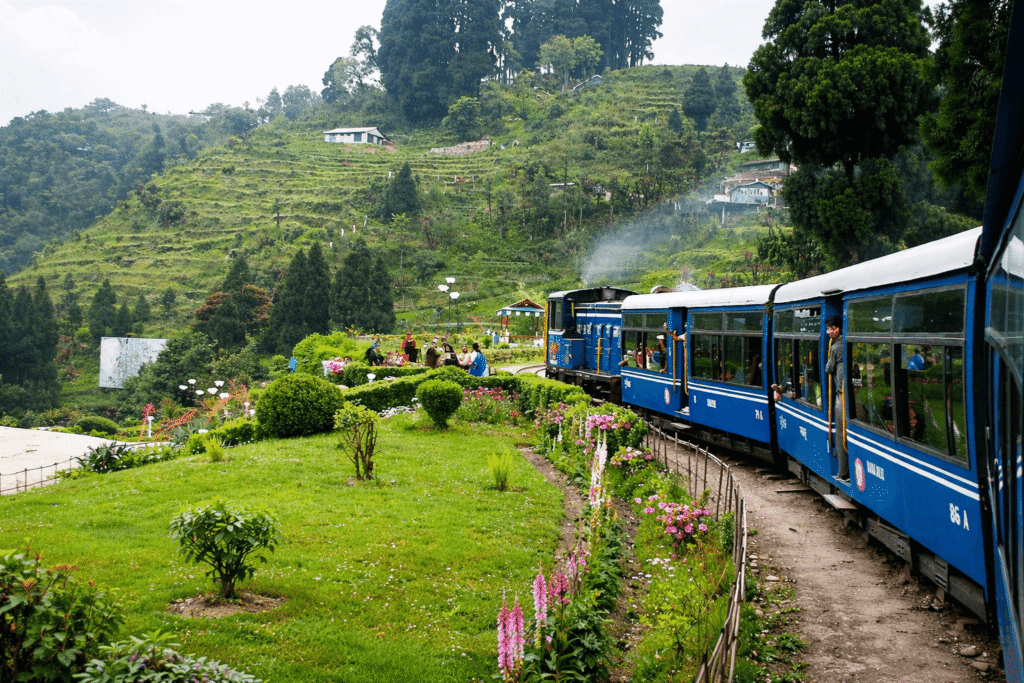
Nestled in the lesser Himalayas of West Bengal, Darjeeling stands as one of India’s most enchanting hill stations.
Known globally for its aromatic tea, breathtaking mountain vistas, and colonial charm, this picturesque town attracts travelers seeking both adventure and tranquility.
Darjeeling is a popular hill station in West Bengal known for tea gardens, Kanchenjunga views, and the toy train. Key attractions include Tiger Hill, Batasia Loop, and local monasteries, making it perfect for a peaceful mountain trip.
Whether you’re planning your first visit or returning to explore deeper, this comprehensive guide covers everything you need to know about Darjeeling.
Why Visit Darjeeling?
Darjeeling offers a unique blend of natural beauty, cultural diversity, and historical significance that sets it apart from other Indian hill stations.
At an elevation of approximately 2,050 meters (6,710 feet), the town provides spectacular views of Kanchenjunga, the world’s third-highest mountain peak.
The region’s pleasant climate, lush tea gardens, and warm hospitality make it an ideal destination year-round.
The town’s rich heritage reflects influences from Nepal, Tibet, and British colonial rule, creating a fascinating cultural tapestry.
From the iconic Darjeeling Himalayan Railway to ancient Buddhist monasteries, every corner tells a story worth discovering.
Best Time to Visit Darjeeling
Spring Season (March to May)
Spring represents the peak tourist season in Darjeeling. During these months, temperatures range from 15°C to 25°C, creating perfect conditions for sightseeing and outdoor activities.
The rhododendrons bloom in vibrant colors across the hillsides, and clear skies offer unobstructed views of the Himalayan range. However, expect larger crowds and higher accommodation prices during this period.
Summer Season (June to August)
The monsoon arrives in June and continues through August, bringing heavy rainfall to the region. While the landscape turns lush green and the tea gardens appear at their most beautiful, landslides can occasionally disrupt travel plans.
Budget travelers might find this season attractive due to lower prices and fewer tourists, but be prepared for wet weather and limited visibility.
Autumn Season (September to November)
Many seasoned travelers consider autumn the ideal time to visit Darjeeling. Post-monsoon clarity provides crystal-clear mountain views, and the weather remains pleasant with temperatures between 10°C and 20°C.
The Durga Puja festival in October adds cultural vibrancy to your visit. This season offers the perfect balance of good weather, clear views, and manageable tourist crowds.
Winter Season (December to February)
Winter transforms Darjeeling into a crisp, cold wonderland with temperatures dropping to 2°C to 10°C. Occasional snowfall delights visitors, though it rarely accumulates significantly.
Winter offers excellent visibility for mountain viewing and attracts fewer tourists, making it perfect for those seeking peaceful contemplation. Pack warm clothing and be prepared for early sunsets.
How to Reach Darjeeling
By Air
Bagdogra Airport, located approximately 95 kilometers from Darjeeling, serves as the nearest airport. The airport connects to major Indian cities including Delhi, Mumbai, Kolkata, and Bangalore.
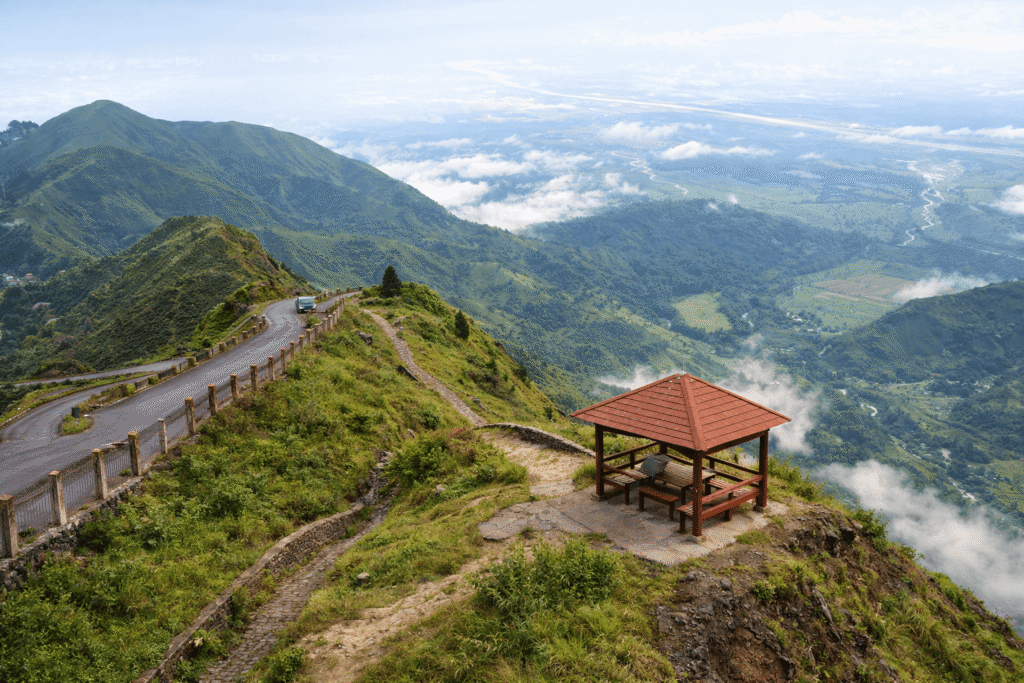
From Bagdogra, you can hire a taxi or take a shared jeep to Darjeeling, with the journey taking about three to four hours through winding mountain roads. Pre-booking airport transfers ensures a smoother arrival experience.
By Train
The nearest major railway station is New Jalpaiguri (NJP), situated about 88 kilometers from Darjeeling. NJP connects to all major Indian cities through regular train services.
From NJP, travelers can choose between hiring private taxis, sharing jeeps, or experiencing the famous Darjeeling Himalayan Railway toy train, though the toy train takes considerably longer.
By Road
Well-maintained roads connect Darjeeling to surrounding regions. Regular bus services operate from Siliguri, Gangtok, and Kalimpong.
Private vehicles and motorcycles offer flexibility for exploring the region at your own pace. The scenic drive through tea estates and mountain villages makes the journey as memorable as the destination itself.
Top Attractions in Darjeeling
Tiger Hill
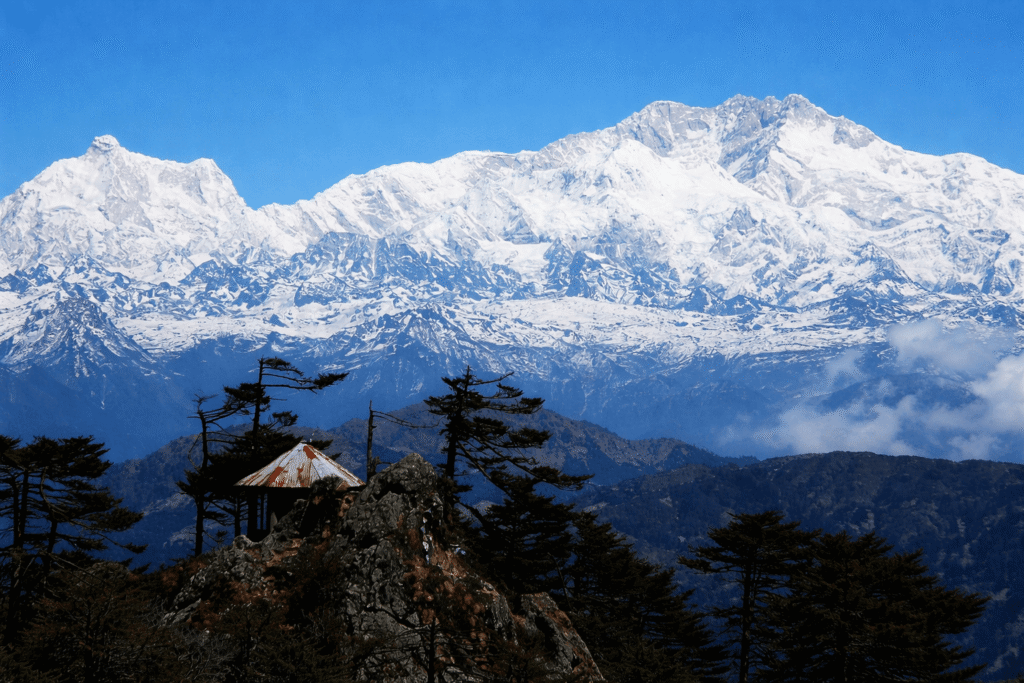
Tiger Hill stands as Darjeeling’s most famous viewpoint, drawing visitors who wake before dawn to witness the spectacular sunrise over Kanchenjunga.
Located about 11 kilometers from town at an elevation of 2,567 meters, this vantage point offers panoramic views of the eastern Himalayan range.
On clear days, you can spot Mount Everest in the distance. Arrive by 4:30 AM to secure a good viewing spot, and bring warm clothing as temperatures drop significantly before sunrise.
Darjeeling Himalayan Railway (Toy Train)
This UNESCO World Heritage Site represents an engineering marvel from the British colonial era.
The narrow-gauge railway, completed in 1881, winds through 88 kilometers of mountain terrain, offering passengers intimate views of tea gardens, valleys, and local villages.
The journey from New Jalpaiguri to Darjeeling takes about seven hours, though most tourists prefer the two-hour joy ride between Darjeeling and Ghum. Booking tickets in advance is essential during peak season.
Batasia Loop
This remarkable railway engineering feat allows the toy train to navigate the steep mountain gradient. The loop encompasses a beautiful war memorial honoring Gorkha soldiers, surrounded by well-maintained gardens.
The 360-degree view from Batasia Loop includes Kanchenjunga and the surrounding valleys. Visit early morning or late afternoon for the best light for photography and to avoid crowds.
Padmaja Naidu Himalayan Zoological Park
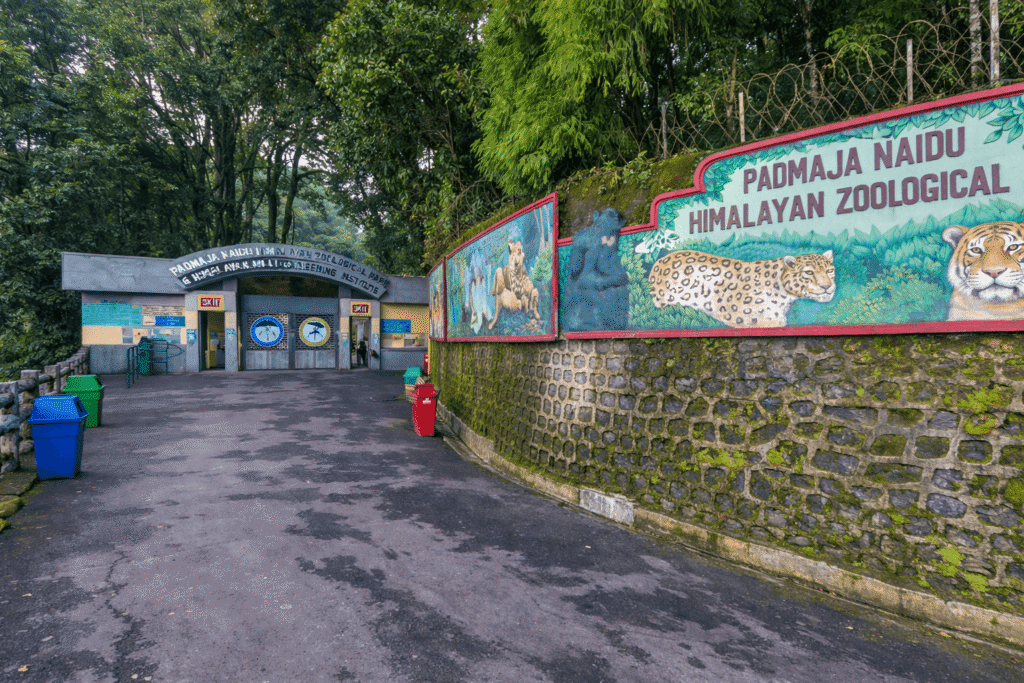
This high-altitude zoo specializes in breeding endangered Himalayan species, including the red panda, snow leopard, Tibetan wolf, and Himalayan black bear.
Established in 1958, the zoo has achieved remarkable success in conservation breeding programs. The naturalistic enclosures sprawl across mountainside terrain, requiring moderate walking stamina.
Combined tickets with the adjacent Himalayan Mountaineering Institute offer better value.
Himalayan Mountaineering Institute
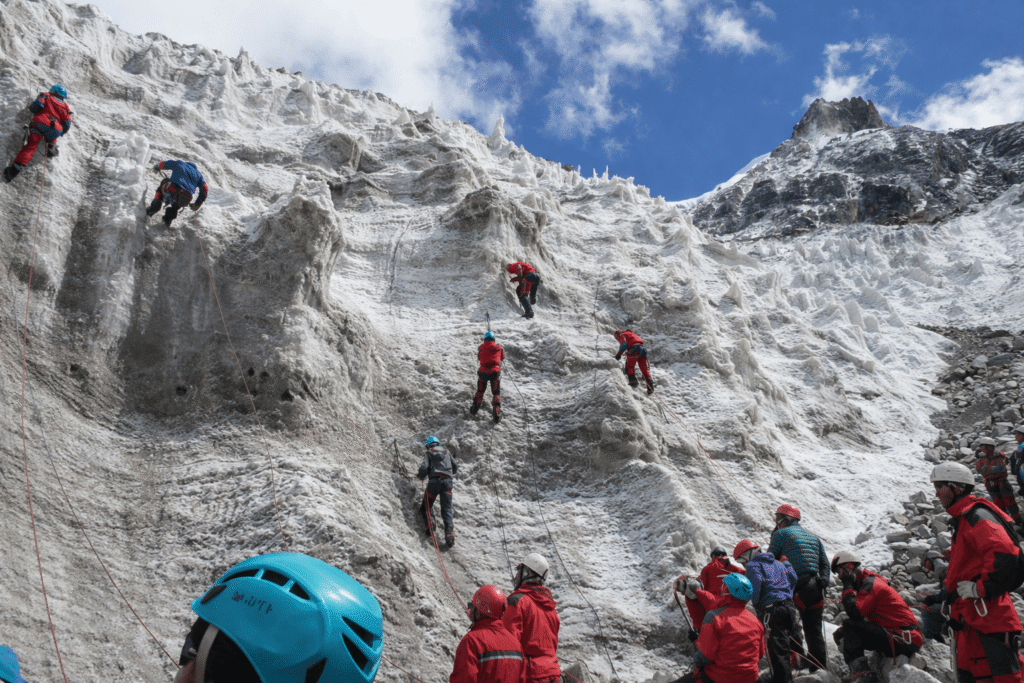
Founded in 1954 following the first successful Everest summit by Tenzing Norgay and Edmund Hillary, this institute trains mountaineers and educates visitors about Himalayan climbing history.
The museum houses mountaineering equipment, expedition photographs, and exhibits about famous climbers. Tenzing Norgay’s personal belongings and achievements receive special attention, inspiring adventure enthusiasts from around the world.
Peace Pagoda
The Japanese Peace Pagoda, or Shanti Stupa, offers both spiritual solace and stunning views of Darjeeling and surrounding mountains.
Built by the Japanese Buddhist organization Nipponzan Myohoji, this white structure stands as a symbol of peace and harmony.
The two-kilometer walk from town center provides exercise and scenic views, though taxis are available for those preferring not to walk.
Happy Valley Tea Estate
No Darjeeling visit is complete without exploring a tea estate. Happy Valley Tea Estate, established in 1854, is the closest plantation to town and welcomes visitors throughout the year.
Guided tours explain the tea cultivation and processing methods that create Darjeeling’s world-famous brew.
You can watch workers hand-plucking tea leaves, observe the withering, rolling, and fermentation processes, and sample different tea varieties. The estate shop sells fresh tea directly from the garden.
Ghum Monastery
The oldest Tibetan Buddhist monastery in Darjeeling, Ghum Monastery (Yiga Choeling) was built in 1875. The monastery houses a magnificent 15-foot statue of Maitreya Buddha (the future Buddha) along with rare Buddhist manuscripts and thangkas.
Monks perform daily prayers that visitors can observe, offering insight into Tibetan Buddhist practices. The peaceful atmosphere provides a welcome respite from touristy areas.
Observatory Hill
Considered sacred by both Buddhists and Hindus, Observatory Hill holds spiritual significance for Darjeeling’s diverse communities.
Prayer flags flutter in the mountain breeze while devotees offer prayers at the Mahakal Temple. The hill provides excellent views of the town and mountains, particularly beautiful during sunrise and sunset.
The half-hour climb from Chowrasta involves steep steps but rewards visitors with serene surroundings.
Mall Road and Chowrasta
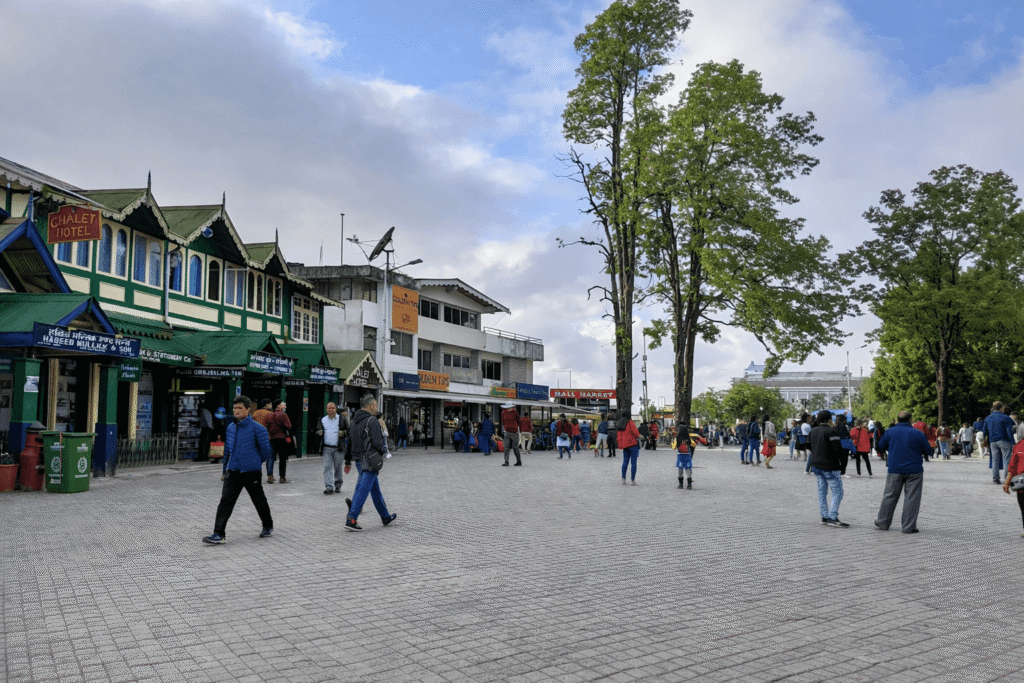
The heart of Darjeeling’s social life, Chowrasta (meaning “crossroads”) serves as a pedestrian-only plaza where locals and tourists gather.
Lined with shops, restaurants, and cafes, this area buzzes with activity throughout the day. Horse rides circle the plaza, street vendors sell local snacks, and musicians occasionally perform.
The Mall Road extending from Chowrasta offers shopping opportunities for woolens, handicrafts, and souvenirs.
Darjeeling Tea: The Champagne of Teas
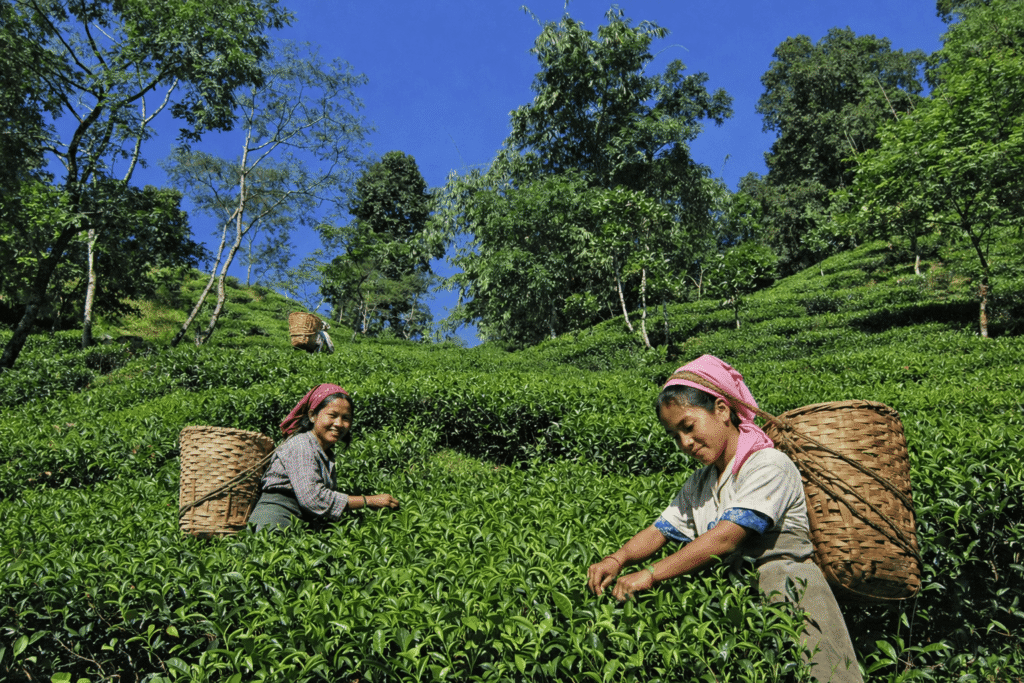
Darjeeling tea has earned worldwide acclaim for its distinctive muscatel flavor, delicate aroma, and golden-colored liquor.
The region’s unique terroir—combining altitude, rainfall, temperature, and soil composition—creates tea that cannot be replicated elsewhere. Understanding and experiencing Darjeeling tea culture enhances any visit.
Tea Cultivation and Varieties
Darjeeling produces four distinct tea flushes throughout the year. The first flush, harvested from March to April, yields light, floral teas prized by connoisseurs.
Second flush teas, picked from May to June, develop the characteristic muscatel flavor and command the highest prices.
Monsoon flush (July to September) produces more robust, less delicate teas. Autumn flush (October to November) offers mellow, mature flavors.
Premium Darjeeling tea estates meticulously manage every cultivation aspect. Workers hand-pluck only the finest two leaves and a bud, ensuring quality.
Processing involves withering, rolling, oxidation, and drying—each step carefully controlled to develop optimal flavor profiles.
Best Tea Estates to Visit
Beyond Happy Valley, several other estates welcome visitors. Glenburn Tea Estate offers luxury accommodation alongside tea tourism, allowing guests to immerse themselves in plantation life.
Makaibari Tea Estate, one of the oldest, pioneered organic and biodynamic tea cultivation methods. Thurbo Tea Estate provides insights into traditional processing techniques while offering spectacular mountain views.
Tea Tasting and Shopping
Numerous shops throughout Darjeeling sell authentic local tea. Nathmulls Tea Room, Golden Tips, and Dorje Tea provide quality selections with knowledgeable staff offering tasting sessions.
Purchasing directly from estate shops often ensures freshness and fair pricing. Look for genuine Darjeeling tea certification marks to avoid counterfeits.
Adventure Activities in Darjeeling

Trekking and Hiking
Darjeeling serves as a gateway to spectacular Himalayan treks. The Sandakphu-Phalut trek, taking four to six days, offers views of four of the world’s five highest peaks—Everest, Kanchenjunga, Lhotse, and Makalu.
The Singalila Ridge trek traverses the India-Nepal border through rhododendron forests and alpine meadows. Day hikes to Tiger Hill, Senchal Lake, or Lamahatta provide easier options for casual walkers.
River Rafting
The Teesta and Rangeet rivers flowing through the region offer thrilling white-water rafting opportunities. Rapids range from Grade I to Grade IV, suitable for both beginners and experienced rafters.
The best rafting season runs from October to May when water levels stabilize after monsoons. Professional operators in nearby Darjeeling and Kalimpong provide equipment and guides.
Rock Climbing and Rappelling
The Tenzing Rock and Gombu Rock, both named after famous mountaineers, provide practice grounds for climbing enthusiasts.
The Himalayan Mountaineering Institute offers basic to advanced courses in rock climbing, rappelling, and mountaineering.
These natural rock formations allow beginners to learn techniques while experienced climbers can hone their skills.
Mountain Biking
The winding mountain roads and forest trails around Darjeeling create perfect mountain biking terrain. Several tour operators offer guided biking expeditions ranging from half-day rides to multi-day adventures.
Routes descend through tea gardens, cross mountain streams, and pass through traditional villages, combining physical challenge with cultural immersion.
Paragliding
Although not as developed as in Bir or Manali, paragliding has emerged as an adventure option near Darjeeling.
Tandem flights provide spectacular aerial views of the Himalayas, tea estates, and valleys. Operations depend heavily on weather conditions, with the best flying season from October to May.
Cultural Experiences in Darjeeling
Festivals and Events
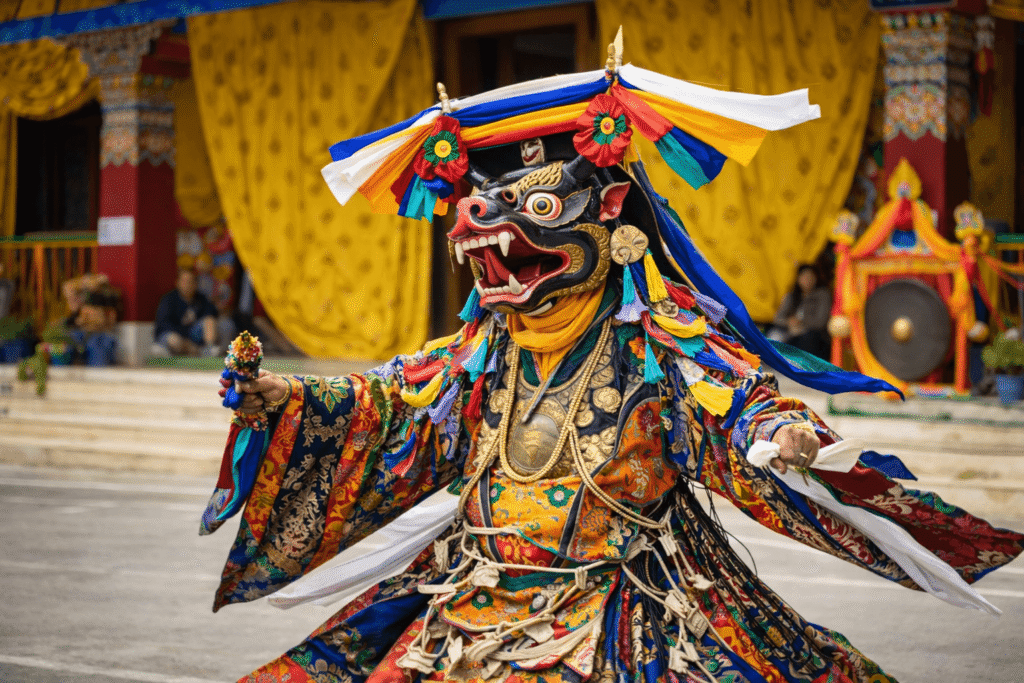
Darjeeling’s multicultural population celebrates numerous festivals throughout the year. Losar, the Tibetan New Year in February or March, features traditional dances, music, and special foods.
Buddha Jayanti in May commemorates Buddha’s birth with monastery ceremonies and processions.
Durga Puja in October showcases Bengali cultural heritage with elaborate pandals and celebrations. The Darjeeling Carnival in November includes parades, cultural programs, and food festivals.
Local Cuisine
Darjeeling’s food scene reflects its cultural diversity. Momos, steamed or fried dumplings with various fillings, represent the most popular street food. Thukpa, a hearty noodle soup, warms travelers on cold days. Churpee, a hardened cheese made from yak milk, offers a unique snacking experience. Sel roti, a ring-shaped sweet bread, accompanies morning tea. Restaurants serve everything from traditional Nepali thalis to Tibetan butter tea to Continental cuisine catering to international visitors.
Shopping
Local markets sell distinctive handicrafts worth exploring. Tibetan carpets, handwoven by skilled artisans, make beautiful souvenirs though shipping larger pieces requires planning.
Buddhist thangka paintings depict religious themes with intricate detail. Woolen garments including shawls, sweaters, and traditional Nepali caps provide warmth and style.
Tibetan singing bowls produce meditative sounds appreciated by spiritual seekers. Always bargain respectfully in local markets while maintaining fair prices that support artisan livelihoods.
Where to Stay in Darjeeling
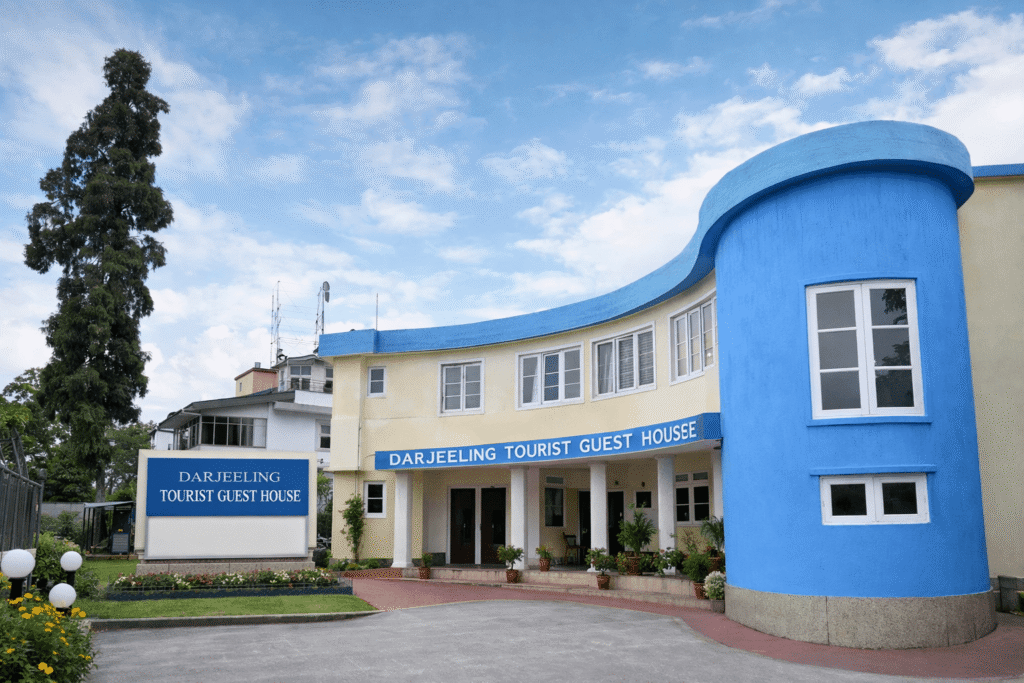
Luxury Hotels
Windamere Hotel, a colonial-era property, offers old-world charm with modern amenities, afternoon tea service, and personalized hospitality.
Mayfair Darjeeling provides contemporary luxury with spa facilities, fine dining, and panoramic mountain views.
Glenburn Tea Estate combines boutique accommodation with authentic tea plantation experiences, though it’s located outside the main town.
Mid-Range Options
The Elgin Darjeeling, a heritage hotel, balances colonial architecture with comfortable modern rooms. Central Heritage Resort and Spa offers good value with hot stone spa treatments and mountain-facing rooms.
Sterling Darjeeling provides reliable chain hotel comfort with family-friendly amenities and convenient locations.
Budget Accommodation
Numerous budget hotels and guesthouses cater to backpackers and budget travelers. Andy’s Guesthouse offers clean rooms, helpful staff, and a social atmosphere popular with young travelers.
Tower View, Dekeling Hotel, and Tranquility provide decent accommodation without breaking the bank. Homestays in nearby villages offer authentic cultural experiences at reasonable prices while supporting local families.
Practical Travel Tips for Darjeeling
Permits and Documentation
Indian citizens require no special permits for visiting Darjeeling. International travelers need valid Indian visas and should carry passport copies throughout their trip.
Those planning to visit protected areas or trek in restricted zones may require additional permits obtained through registered tour operators or government offices.
Health and Safety
The altitude can cause mild symptoms in some visitors, including headaches and breathlessness. Acclimatize gradually, stay hydrated, and avoid overexertion on the first day.
Carry basic medications for common ailments as pharmacies, while available, may not stock all familiar brands. Drink only bottled or purified water to avoid stomach issues.
Mountain roads require cautious driving and can make some passengers carsick—carry motion sickness medication if prone to this. During monsoons, landslides occasionally block roads, so maintain flexible travel plans and check local conditions.
Money and Banking
ATMs are widely available in Darjeeling town but may run out of cash during peak seasons or holidays. Carry sufficient cash, especially when visiting tea estates or remote areas where card payments aren’t accepted.
Major hotels and restaurants accept cards, but small establishments prefer cash. Exchange currency in Siliguri or major cities as Darjeeling offers limited foreign exchange facilities.
Connectivity
Mobile network coverage is generally good in town but can be patchy in surrounding areas. Major Indian carriers like Jio, Airtel, and BSNL work reasonably well.
Many hotels, cafes, and restaurants offer Wi-Fi, though speeds may disappoint those accustomed to high-bandwidth connections. Internet cafes exist but have declined with increased smartphone usage.
What to Pack
Essential items include warm clothing regardless of season—temperatures drop significantly during mornings, evenings, and at higher altitudes.
Comfortable walking shoes with good grip handle steep, sometimes slippery paths. Sunscreen and sunglasses protect against strong UV radiation at high altitude.
A reusable water bottle reduces plastic waste while keeping you hydrated. Power banks ensure devices remain charged during day trips where charging points are unavailable.
Responsible Tourism
Darjeeling’s fragile mountain environment requires conscious traveler efforts to minimize negative impacts. Avoid single-use plastics by carrying reusable bags and bottles. Stay on marked trails during treks to prevent erosion and protect vegetation. Respect local customs, particularly at religious sites—remove shoes before entering temples and monasteries, dress modestly, and ask permission before photographing people or ceremonies.
Support local communities by purchasing directly from artisans, eating at family-run restaurants, and choosing locally-owned accommodation when possible.
Don’t encourage begging by giving money or gifts to children. Instead, support established educational or charitable organizations working in the region.
Day Trips from Darjeeling
Mirik
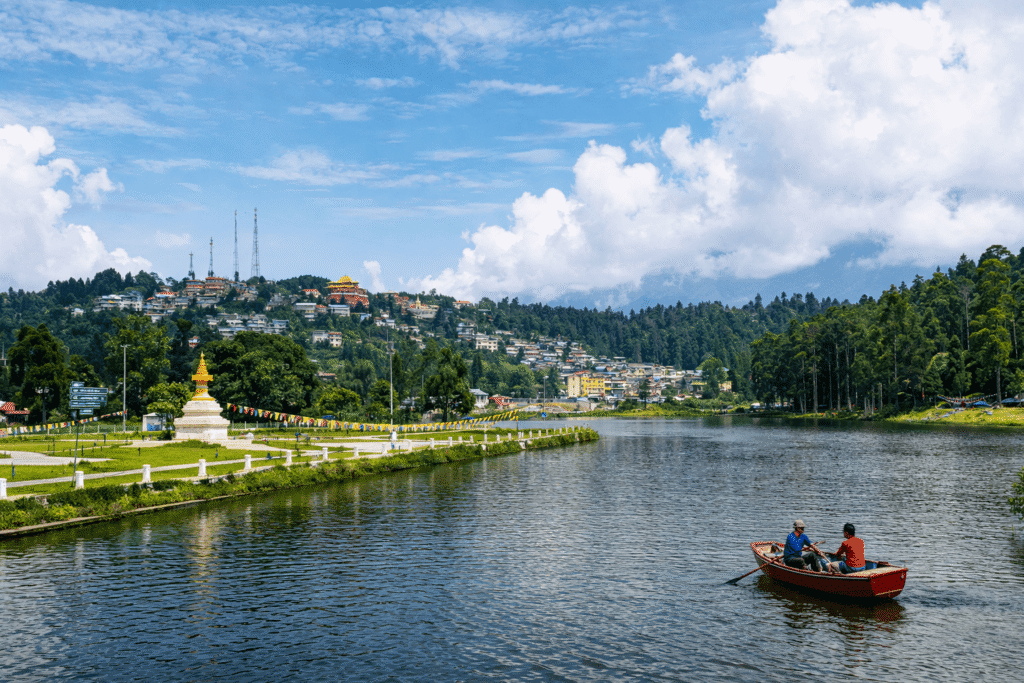
Located 49 kilometers from Darjeeling, Mirik centers around a beautiful natural lake surrounded by pine forests.
Boating on Sumendu Lake, visiting orange orchards, and exploring nearby tea gardens fill a pleasant day trip. The quieter atmosphere provides a refreshing contrast to busier Darjeeling.
Kalimpong
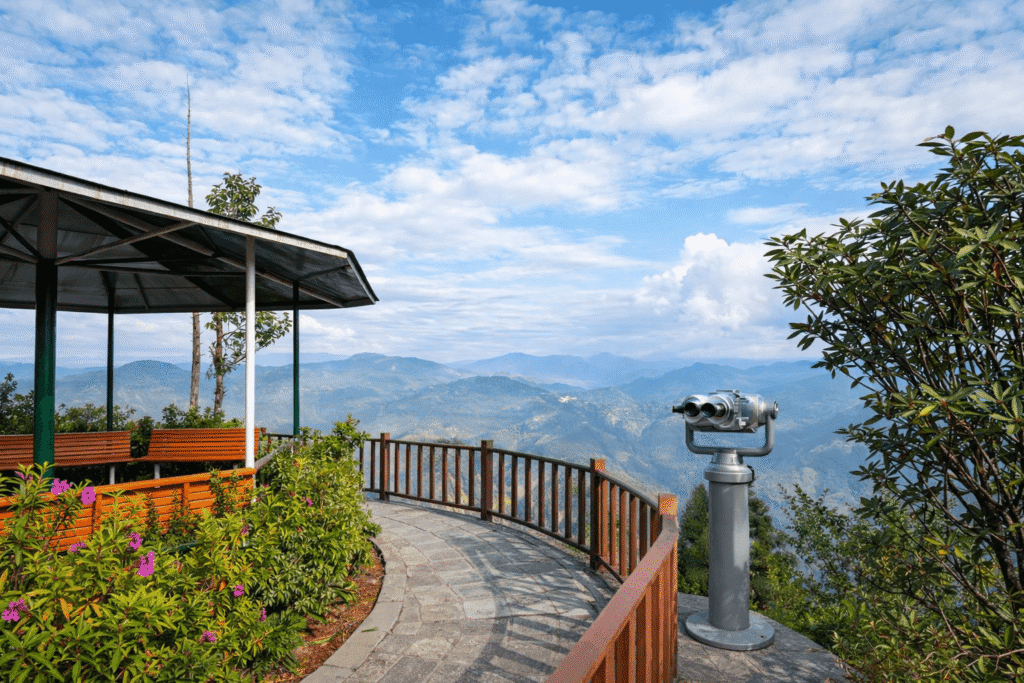
This hill station, 51 kilometers from Darjeeling, offers colonial-era churches, Buddhist monasteries, flower nurseries, and handicraft markets.
Deolo Hill provides excellent views while Durpin Monastery houses rare Buddhist manuscripts. Kalimpong’s cheese, lollipops, and flower cultivation distinguish it from neighboring hill stations.
Kurseong
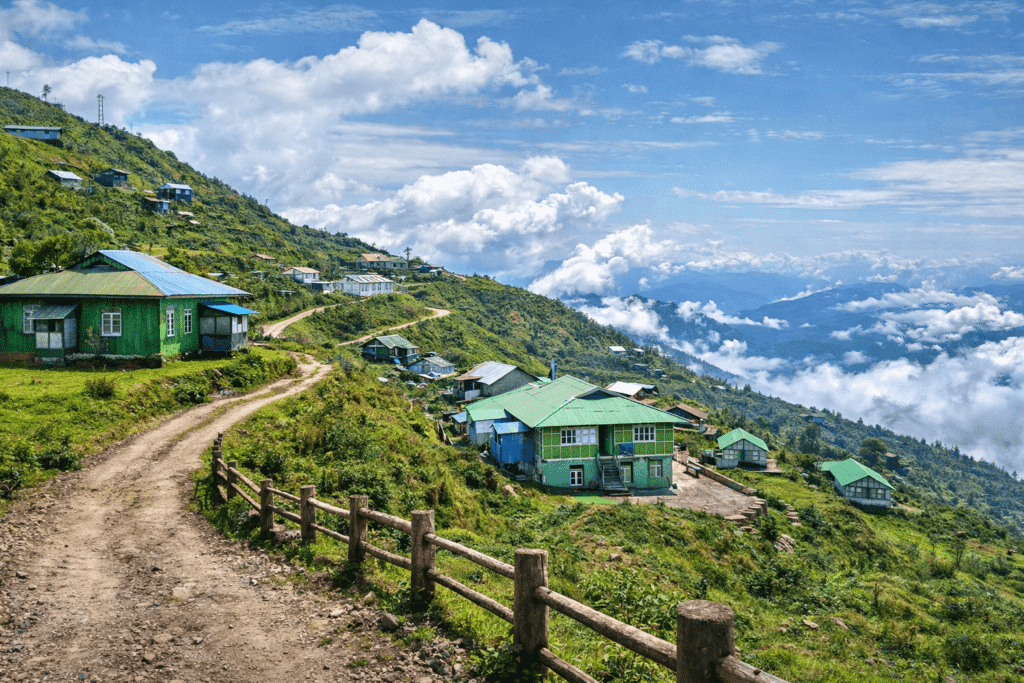
Often called the “Land of White Orchids,” Kurseong sits 32 kilometers from Darjeeling along the toy train route.
Less commercialized than Darjeeling, it offers authentic hill station charm, colonial-era schools, tea gardens, and pleasant walks through pine forests. Eagle’s Crag viewpoint rivals Tiger Hill for mountain vistas without the crowds.
FAQ
3 to 4 days are enough to explore Darjeeling comfortably.
–Day 1: Arrival + local markets
–Day 2: Tiger Hill sunrise + sightseeing (Batasia Loop, Ghoom Monastery)
–Day 3: Tea gardens + local cafes
–Day 4 (optional): Day trip or relaxation
👉 A 3-day trip covers all major attractions without rushing.
The cost of a Darjeeling trip depends on your travel style:
Budget trip: ₹5,000 – ₹8,000 (3–4 days)
Mid-range: ₹8,000 – ₹15,000
Luxury: ₹15,000 – ₹30,000+
Major expenses:
-Stay: ₹800 – ₹4,000/night
-Food: ₹300 – ₹1,000/day
-Local transport & sightseeing: ₹1,500 – ₹3,000 total
👉 Costs vary based on season and hotel choice.
The popular “7 Point Darjeeling Tour” usually includes:
1-Tiger Hill (sunrise view of Kanchenjunga)
2-Batasia Loop
3-Ghoom Monastery
4-Himalayan Mountaineering Institute
5-Padmaja Naidu Zoological Park
6-Tenzing Rock
7-Japanese Temple & Peace Pagoda
👉 This is the most common half-day sightseeing circuit.
It depends on your travel preference:
👉 Choose Darjeeling if:
-You want colonial charm + tea gardens
-Scenic viewpoints like Tiger Hill
-A relaxed hill town vibe
👉 Choose Gangtok if:
-You want cleaner, more organized city
-Modern cafes + better roads
-Access to places like Tsomgo Lake & Nathula Pass
👉 Best option: Visit both (4–6 days total trip)
Conclusion
Darjeeling captivates visitors with its stunning natural beauty, rich cultural heritage, and warm hospitality.
Whether you seek adventure in the mountains, tranquility in tea gardens, spiritual insights in monasteries, or simply escape from urban chaos, this Himalayan jewel delivers memorable experiences.
The town’s unique blend of Indian, Nepali, Tibetan, and colonial influences creates a destination unlike any other.
Planning your Darjeeling journey involves considering the best season for your interests, arranging reliable transportation, booking accommodation that matches your budget and preferences, and prioritizing attractions aligned with your passions.
Allow sufficient time to truly absorb the mountain atmosphere—rushing through defeats the purpose of visiting a place designed for slowing down and savoring moments.
As you sip Darjeeling tea while gazing at Kanchenjunga’s snow-capped peaks, you’ll understand why generations of travelers have fallen under this hill station’s spell.
The memories created here—sunrise over the Himalayas, conversations with friendly locals, the toy train’s rhythmic journey, the taste of authentic momos—stay with you long after you’ve descended back to the plains.
Darjeeling doesn’t just offer a vacation; it provides an experience that enriches your understanding of India’s diversity, natural splendor, and cultural depth.