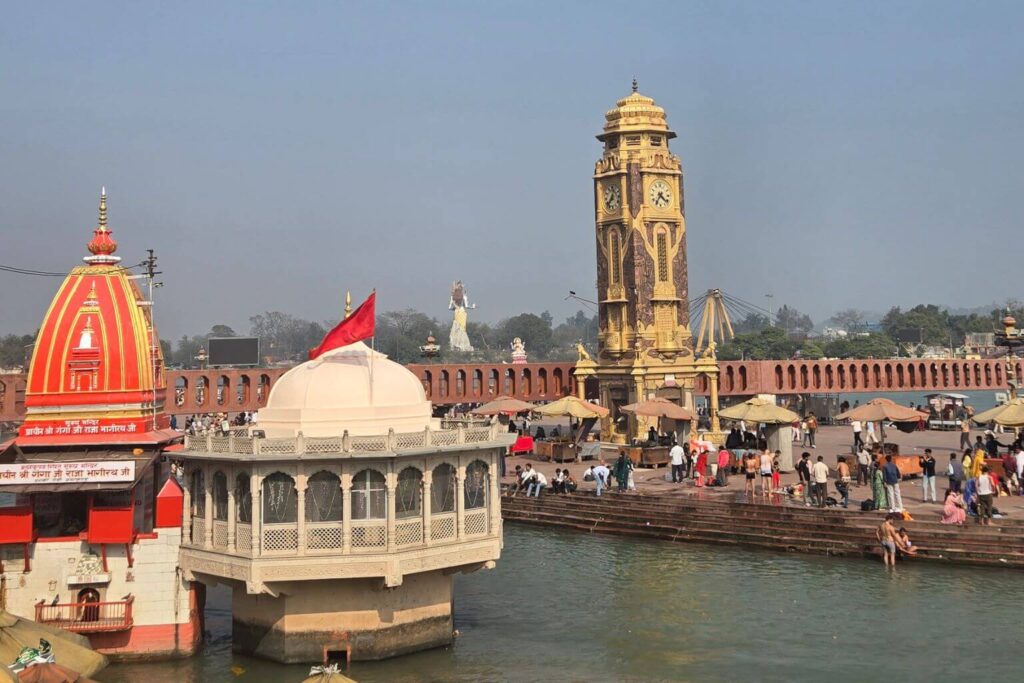
Planning a trip and looking for the best things to do in Haridwar? You are in the right place. Haridwar is one of India’s seven sacred cities. It sits where the Ganges leaves the Himalayas and enters the plains. The name means “Gateway to God.”
I have visited Haridwar more times than I can count — and every single visit, I discover something new. Here is a complete guide to everything worth doing in this ancient city.
1. Witness the Ganga Aarti at Har Ki Pauri
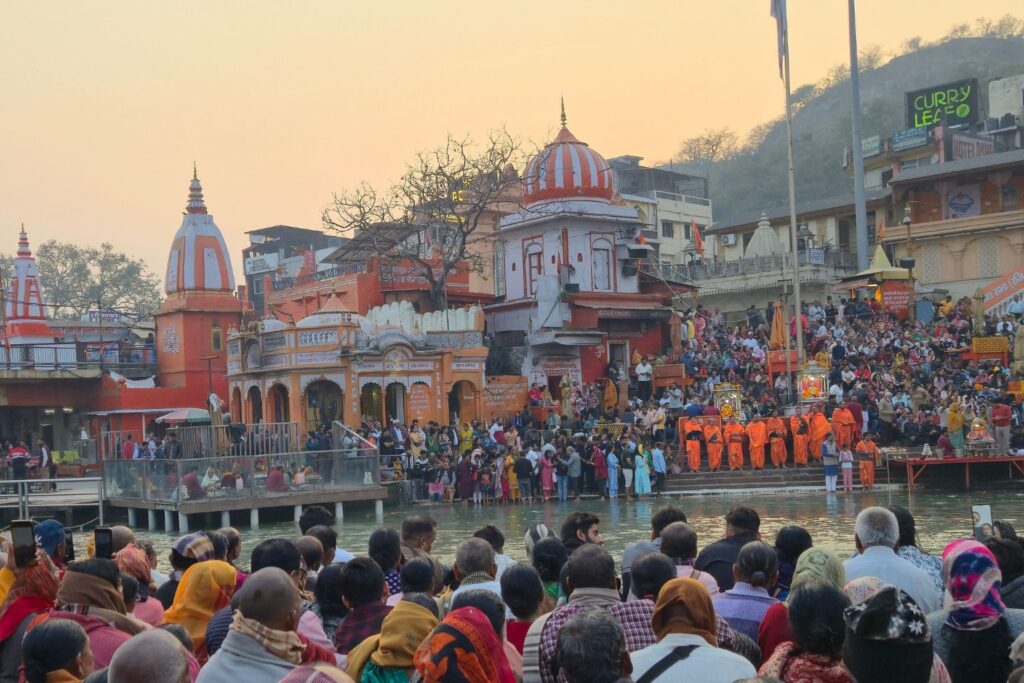
If you do only one thing in Haridwar, make it this. The Ganga Aarti at Har Ki Pauri is held every evening at sunset. Arrive by 5 PM for a good spot — and attend the quieter morning aarti at dawn if you can. Entry is free.
📖 For complete tips on timing, best viewing spots, diya floating, and what happens during the ceremony — see our detailed Ganga Aarti Haridwar Guide.
2. Take a Holy Dip at Har Ki Pauri
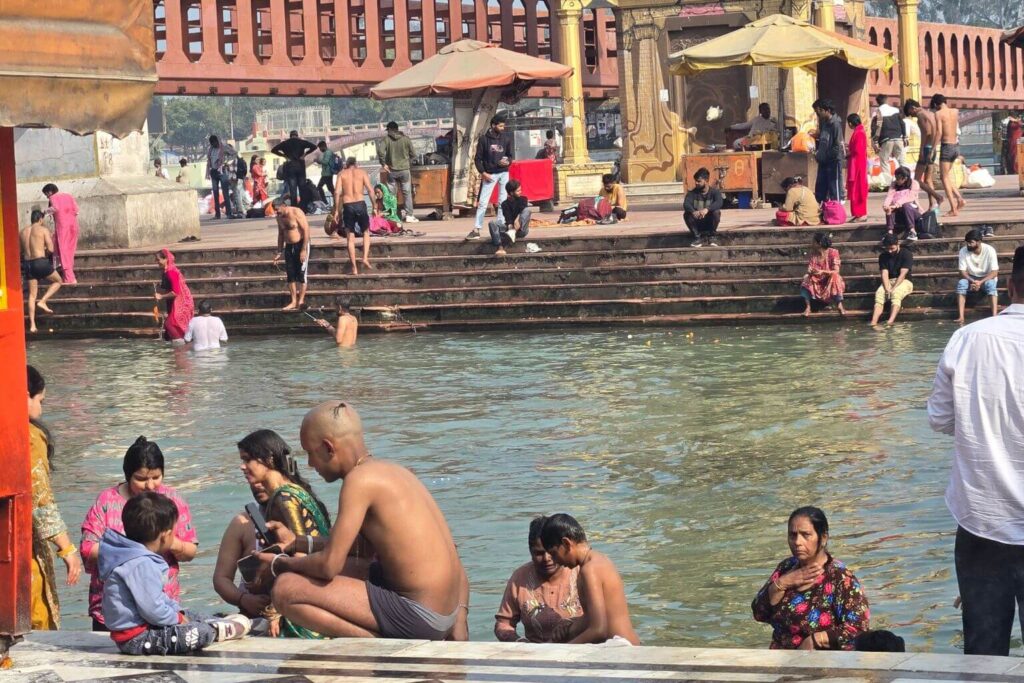
Har Ki Pauri is the most sacred bathing ghat in Haridwar. It is believed that bathing here washes away the sins of 100 lifetimes. The water is cold and direct from Himalayan snowmelt.
Chains are fixed along the steps for bathers to hold against the strong current. You can bathe at any time of the day — the ghat remains active from early morning until late evening.
Early morning has a quieter, more meditative atmosphere, but the ghat is equally welcoming throughout the day.
3. Visit Mansa Devi Temple
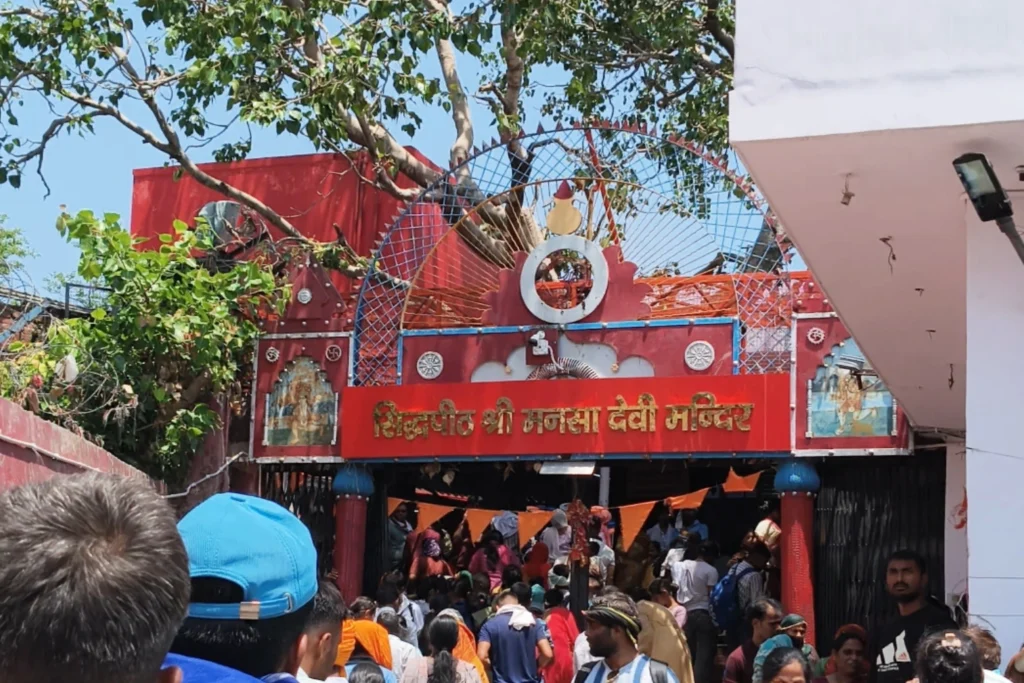
Mansa Devi Temple sits on Bilwa Parvat hill. A ropeway reaches the top in three minutes — but during busy periods the ticket queue can stretch to an hour. On those days, simply walk up instead.
The climb takes about an hour at a relaxed pace. The path has vendors selling cucumber, cold drinks, chai, and ber — it doesn’t feel like effort at all. Coming down is even faster.
At the temple, devotees tie a red chunri to trees and walls to make a wish. The entire temple turns red with thousands of them. I once wondered how anyone finds their own chunri when they return after their wish is fulfilled — sometimes years later.
Then I found out: it doesn’t matter. Anyone can untie any chunri.
🏛️ Local Tip — Skip the Ropeway Queue:
If the ropeway ticket line is long, walk up instead. The trail takes about an hour, vendors sell snacks all the way up, and the descent is quick. You’ll enjoy it more than waiting in line.
4. Climb to Chandi Devi Temple
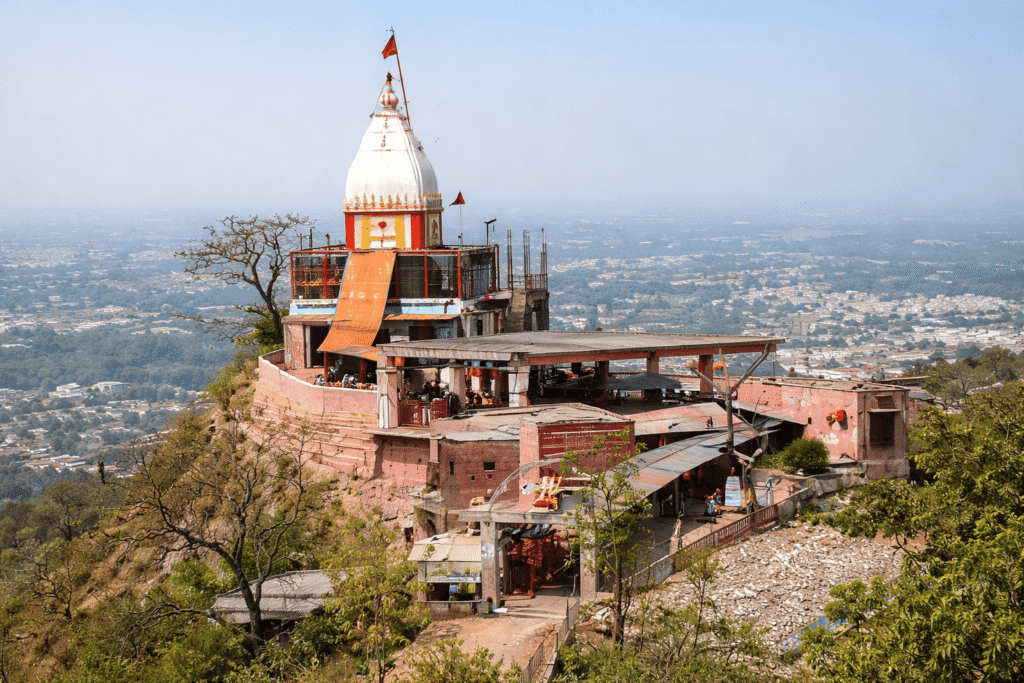
Chandi Devi Temple stands on Neel Parvat hill on the opposite side of the city. Take an auto to Chandi Ghat first, then walk up — about an hour at a comfortable pace.
Adi Shankaracharya originally established this temple in the 8th century CE. The hilltop views of Haridwar and the Shivalik ranges are among the best in the region.
🏛️ Local Tip:
Combine Mansa Devi and Chandi Devi in one morning — they are on opposite sides of the city. Start early, walk both, and you’ll be done by noon.
5. Explore the Ancient Maya Devi Temple
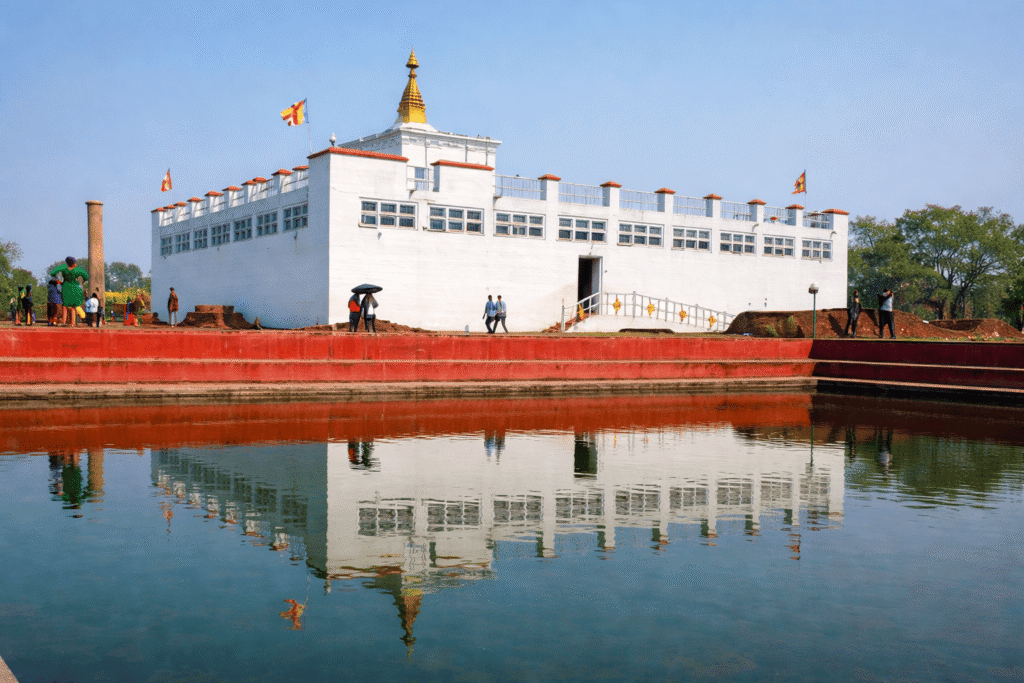
Maya Devi Temple is one of the oldest temples in Haridwar, dating to the 11th century. It is also one of the 51 Shakti Peethas — among the most sacred Devi shrines in India.
Unlike the hilltop temples, Maya Devi sits quietly inside the old city lanes. It has a genuinely ancient atmosphere that the more visited temples don’t quite replicate.
6. Attend a Ritual at Daksha Mahadev Temple
Daksha Mahadev Temple is located in Kankhal, four kilometres from the main city. It marks the site of the legendary Daksha Yagna — the fire sacrifice connected to the death of Sati and Shiva’s grief.
The temple contains a striking image of Daksha with a goat’s head. Kankhal is one of Haridwar’s oldest neighbourhoods. It is quieter and more residential than the ghat area. A short auto ride makes this an easy half-morning excursion.
7. Visit Shantikunj: The Morning Yagya Most Visitors Miss
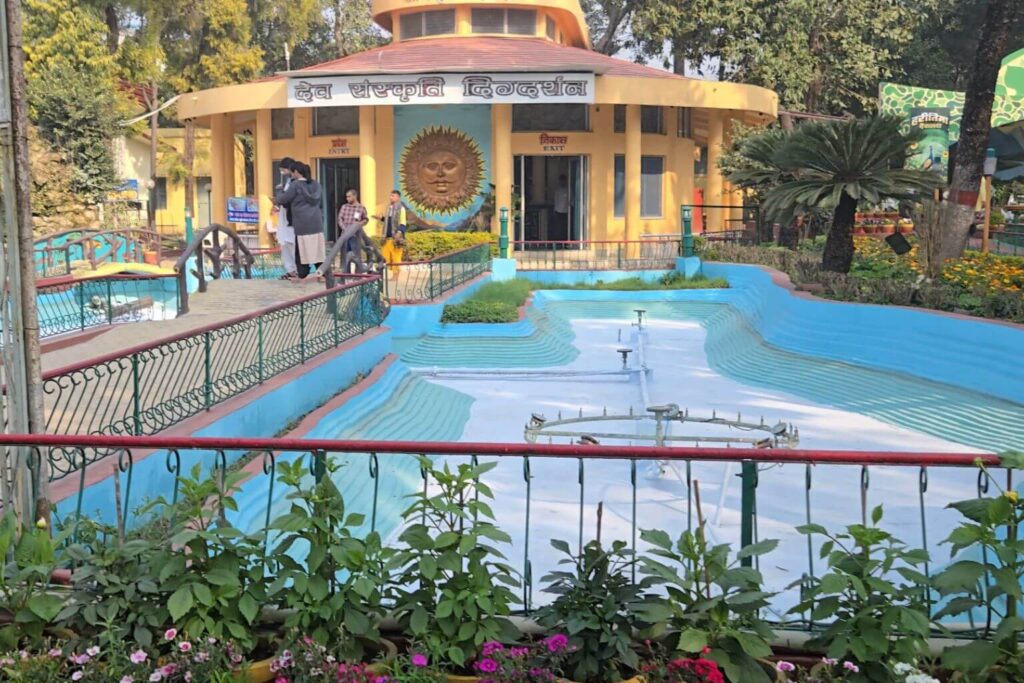
Shantikunj is the global headquarters of the All World Gayatri Pariwar, founded by Pandit Shriram Sharma Acharya in 1953. Most visitors walk through the campus and leave. I’d suggest doing something different — come at 5 AM for the morning yagya.
Hundreds of people sit together with individual yagya kunds, performing the fire ritual simultaneously between 5 AM to 7 AM. There is no strict dress code, but most Gayatri Pariwar members come in yellow — men in yellow dhoti kurta, women in yellow sarees.
I wore a yellow kurta myself once. The collective energy of hundreds of people performing the same ritual at dawn is something I have not experienced anywhere else in India.
After the yagya, the Shantikunj canteen serves breakfast at prices that feel impossible for Haridwar — chai for ₹3, idli for ₹8, sambar vada for ₹10, dosa for ₹25.
Shantikunj also offers free rooms for overnight stays and a free bhojanalaya. The campus has a philosophical library, residential quarters, and a Gayatri temple. It genuinely feels like a completely separate world from the noise of the main ghats.
✨ Local Tip — Shantikunj:
Come at 5 AM for the morning yagya — this is the experience most visitors miss entirely. Canteen breakfast after the yagya is unmissable. Free rooms and meals available if you want to stay overnight.
For accommodation tips, read our Best Hotels Near Har Ki Pauri (2026 Guide)
8. Visit Patanjali Yogpeeth and Herbal Garden
Patanjali Yogpeeth is just down the highway from Shantikunj — one of India’s largest yoga and ayurvedic wellness campuses, founded by Baba Ramdev. Day visitors can attend yoga sessions and explore the facilities.
Directly across the road is Patanjali Herbal Garden and Research Center — a vast botanical garden with hundreds of medicinal and herbal plants. Worth a walk-through even if you have no particular interest in ayurveda. The scale of it is genuinely impressive.
9. Wander Sapt Rishi Ashram and Sapt Sarovar
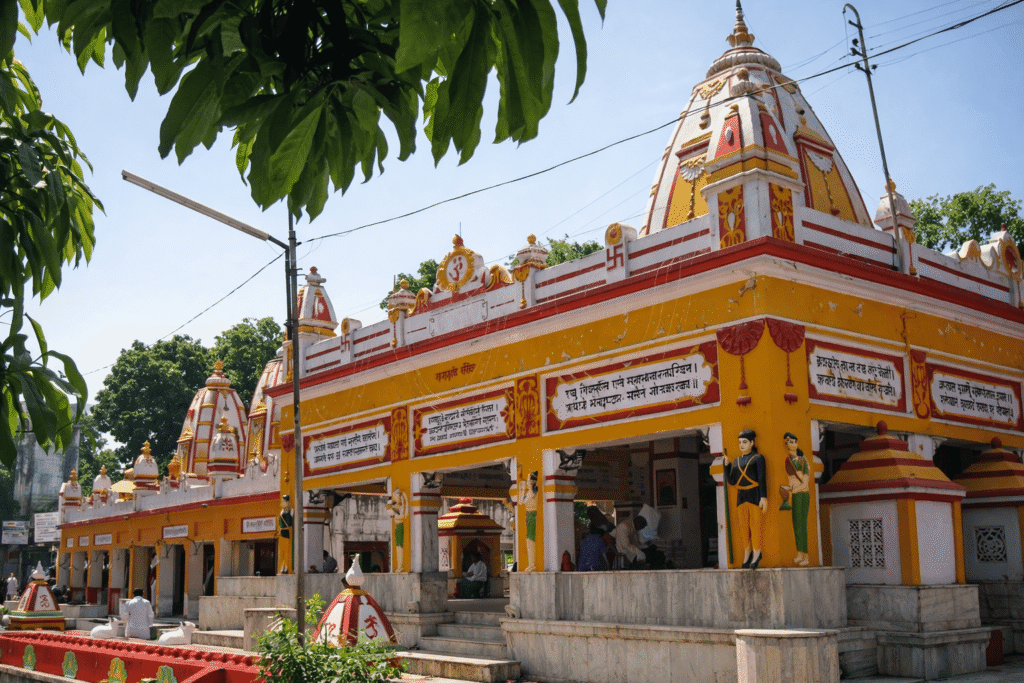
Seven kilometres from the main city, the Ganges divides into seven channels. According to Hindu tradition, seven great sages meditated here and the river split around them so as not to disturb their meditation.
The area is forested, peaceful, and completely removed from the noise of central Haridwar. A quiet afternoon here is one of the most underrated experiences in the city.
10. Visit Bharat Mata Mandir
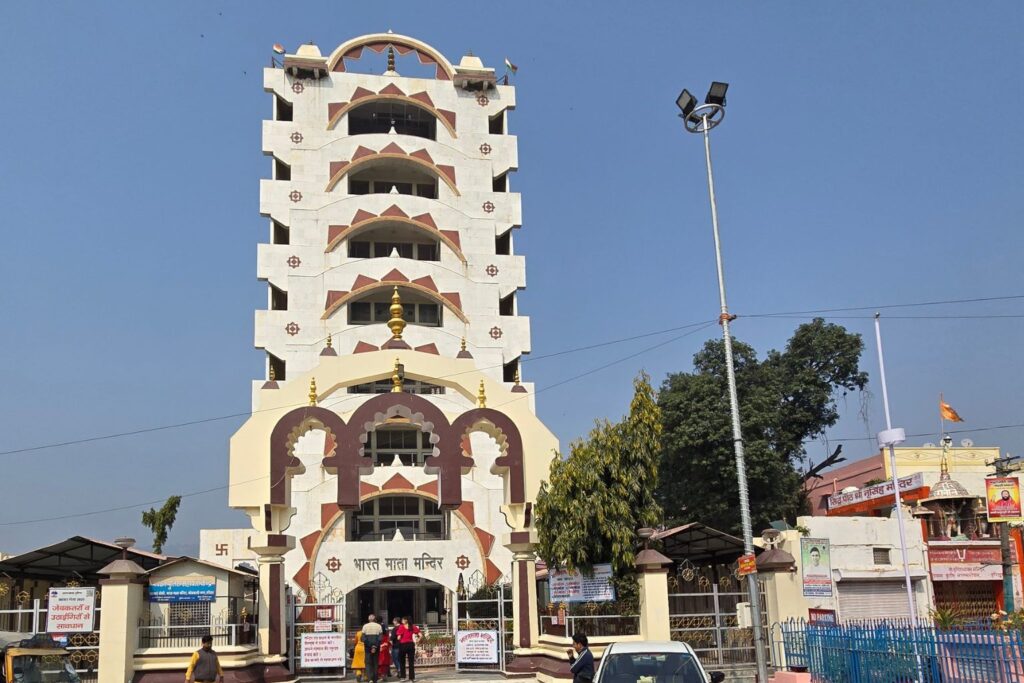
Bharat Mata Mandir is an eight-storey temple dedicated to Mother India. Each floor covers a different aspect of India’s heritage — Bharat Mata, freedom fighters, Nari Shakti, saints, different religions, deities, avatars of Lord Vishnu, nature, and Lord Shiva at the top.
A lift takes you to the top floor for ₹5 per person — children up to 10 years enter free. You can also climb the stairs if you prefer.
The elevator will take you to the top floor. From there, you will walk down the stairs, visiting each floor along the way.
11. Hidden Gem — Vivekand Ghat
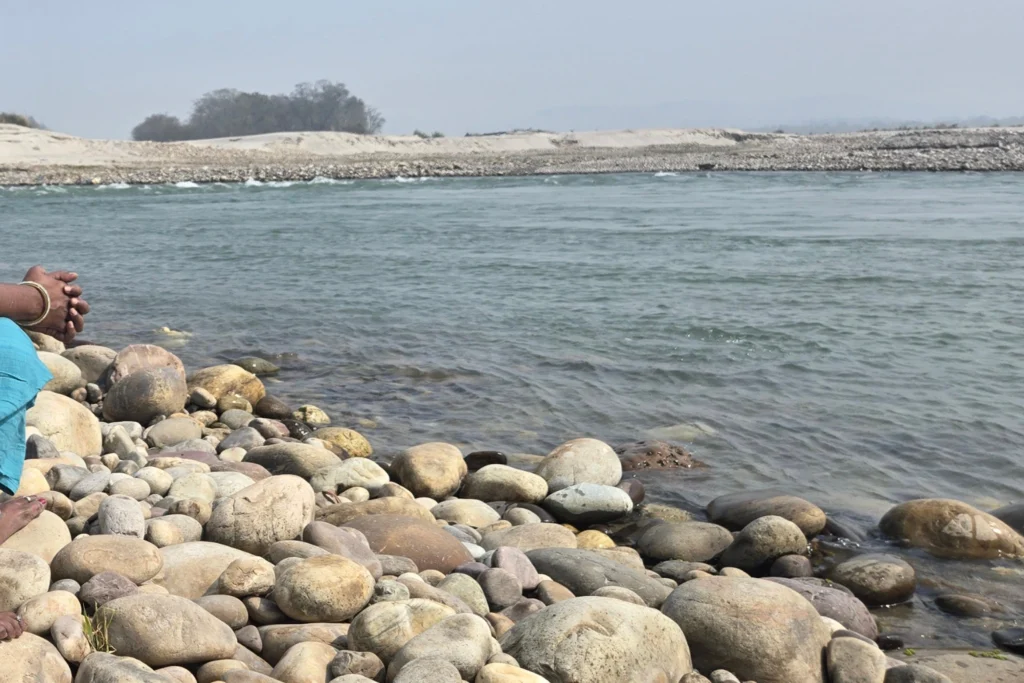
This place is located on Sapt Sarovar Road (Motichur). To get there, ask for the route to Swami Pathik Ji Maharaj Kuti; it is within walking distance of Bharat Mata Mandir—directly opposite it.
Directly across from the temple, the Ganga flows right alongside the road. Almost no tourists come here — but locals do, to feed the fish. Small dough balls are sold right there for a few rupees.
The fish come right to the surface to eat from your hand. I genuinely loved this moment — it is one of those quiet, unhurried Haridwar experiences that stays with you long after the temples fade.
12. Go on a Safari in Rajaji National Park
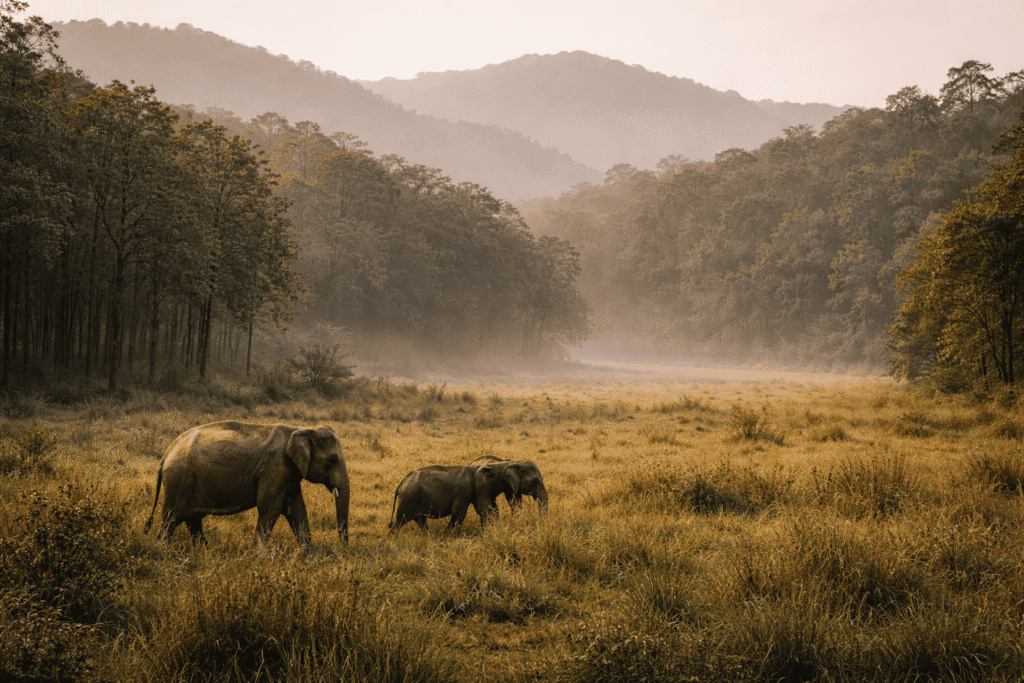
Rajaji National Park borders Haridwar to the east, covering 820 square kilometres of sal forest and Himalayan foothills. The park is home to Asian elephants, leopards, tigers, sloth bears, and over 300 bird species.
Jeep safaris depart from the Chilla range entry point, about 10 kilometres from the city. The park is open from November to June. An early morning safari departing around 6:00 AM gives the best chance of wildlife sightings and the most atmospheric forest light.
Entry charges are nominal — ₹20 for adults and ₹10 for children. Children below 11 years enter free; above that age, the regular child fee applies. A separate Lion Safari is available for ₹100 per vehicle.
13. Shop at Bara Bazaar
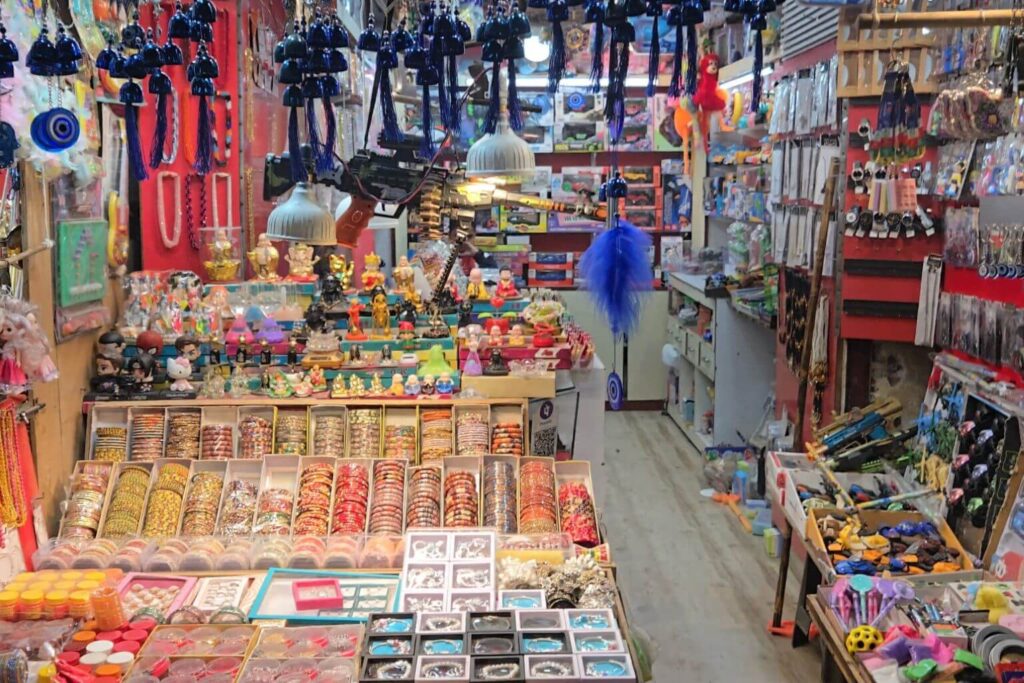
The market streets between Haridwar Junction and Har Ki Pauri are worth exploring on foot. I’ve picked up brass diyas and a wooden key stand from here — the kind of things you won’t easily find elsewhere.
Shops sell brass idols, rudraksha malas, Ganga jal, Himalayan honey, ayurvedic herbs, and saffron. The whole market glows at night. Bargain confidently — starting prices are always high.
🛍️ Local Tip — Bara Bazaar:
Brass diyas and wooden crafts make the best souvenirs. Walk the full stretch before buying — same items at very different prices in different shops.
14. Explore Kankhal – Haridwar’s Ancient Spiritual Quarter
Kankhal is one of Haridwar’s oldest and most authentic neighbourhoods, just 4–5 kilometres from Har Ki Pauri. It’s an area most tourists pass through quickly on their way to Daksha Mahadev Temple — but it deserves more time than that.
The old ghats here are quieter and less crowded than the main ghat area, with a noticeably slower pace. Narrow lanes wind past century-old ashrams, many still active and open to visitors. The architecture and atmosphere feel distinctly older than central Haridwar.
Kankhal is also a good place to eat like a local. Small eateries along the lanes serve simple, home-style food at prices far lower than the tourist-facing restaurants near Har Ki Pauri.
If you’ve already seen the major temples and ghats, set aside an hour or two to simply walk through Kankhal without a fixed itinerary. It’s one of the few parts of Haridwar that still feels lived-in rather than built for visitors — a side of the city most travellers miss entirely.
FAQ
The most famous attraction is Har Ki Pauri and its evening Ganga Aarti. Other key sites include Mansa Devi Temple and Chandi Devi Temple.
Visit Har Ki Pauri in the morning, explore Mansa Devi and Chandi Devi temples, and attend the Ganga Aarti at sunset.
Yes. Two days allow you to see major temples and even take a short trip to nearby areas like Rishikesh.
Avoid peak summer (May–June), heavy monsoon (July–August), and major festival days due to extreme heat or heavy crowds.
Final Word
The best things to do in Haridwar go far beyond the main ghat. This city has hilltop temples, forest parks, riverside villages, and spiritual institutions that most visitors never reach.
Give yourself at least two full days. Explore slowly. The Ganges runs cold and fast through the centre of all of it — and that alone makes Haridwar unlike anywhere else in the world.