
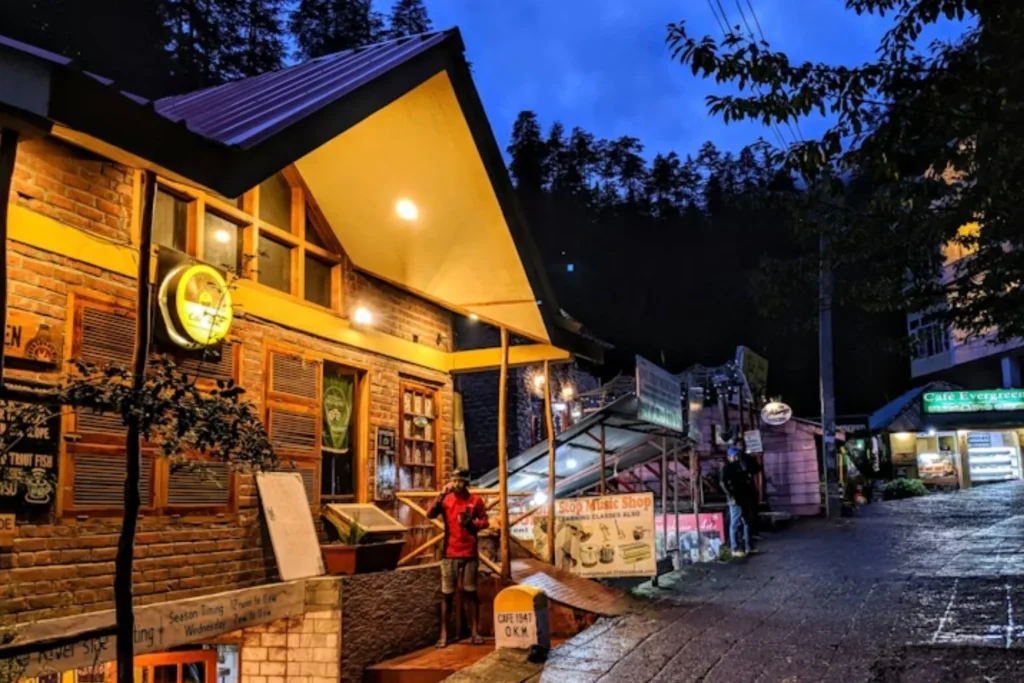
The taxi driver who picked me up from the Volvo bus stand at 6 AM asked a question that perfectly explains where to stay in Manali better than any hotel guide ever could: “Sir, which Manali do you want — the one for doing things, or the one for feeling things?”
That is the real decision every traveler faces. And honestly, it is a better way to compare Old Manali and New Manali than any checklist or comparison table online. Old Manali and New Manali sit less than 3 km apart, but they feel like entirely different towns.
One is a busy commercial center built around convenience, hotels, and markets; the other is a quieter hillside village filled with cafés, pine forests, riverside walks, and slower mountain life. Your entire trip experience depends on where you stay in Manali.
The Core Difference Nobody Tells You
Most articles describe Old Manali as “relaxed” and New Manali as “commercial” and leave it at that. But the real difference is more specific.
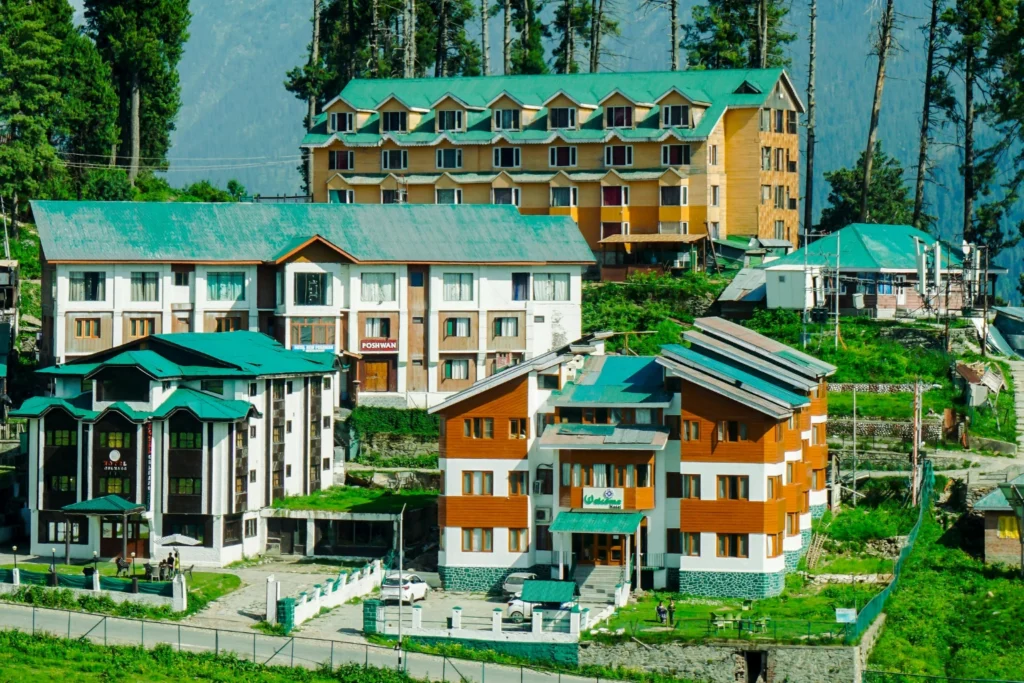
New Manali is built around arrival. It’s where buses pull in, taxis queue up, and travel agents compete for walk-ins. Mall Road hums with Punjabi families eating chaat, honeymooners shopping for Kullu shawls, and guides selling Rohtang packages.
It’s functional, familiar, and forgettable in the best possible way — you’ll barely notice you’re in the Himalayas.
Old Manali is built around staying. Once you cross the Manalsu River and start climbing the narrow lane past Café 1947 and the old Hadimba footpath, the noise drops. Pine trees replace concrete.
Guesthouses have names like “The Lazy Dog” and “Moon Dance.” Travelers here don’t rush anywhere. They order the same apple cider three days in a row at the same wooden table overlooking the same valley and call it a holiday.
Neither is objectively better. But one of them is right for you.
Old Manali: What It’s Actually Like
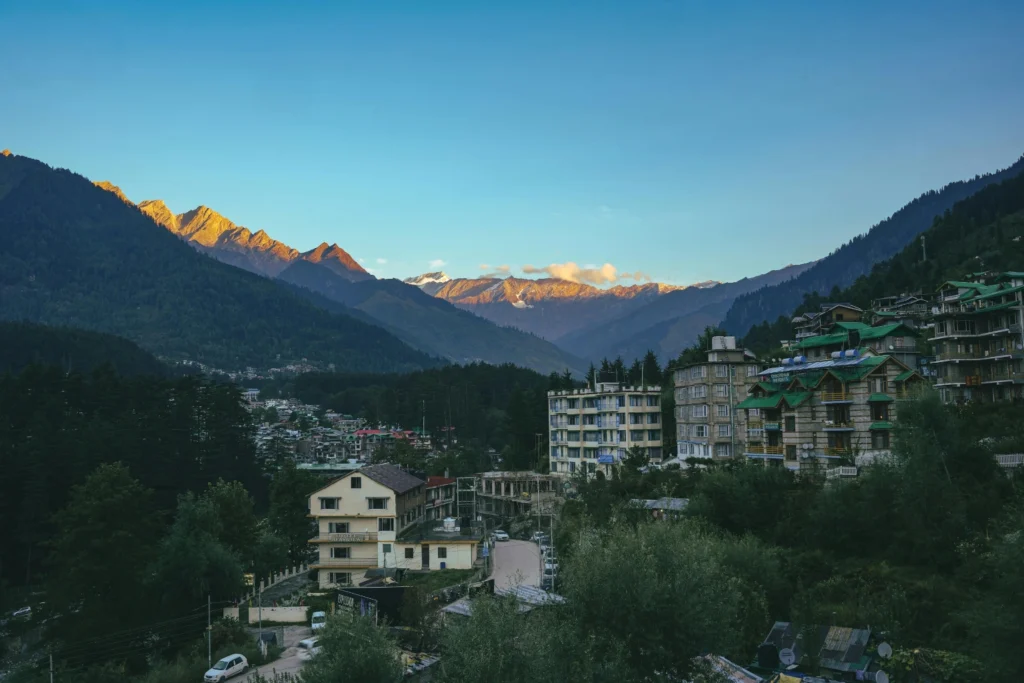
Old Manali sits above the river on a slope that gets steeper the further you walk. The main lane — roughly 600 meters long — is lined with cafés, guesthouses, a few souvenir shops, and the kind of incense-scented bakeries that have been feeding backpackers since the 1990s.
The vibe is international but unhurried. You’ll find Israeli travelers who’ve been here three weeks, remote workers on month-long workations, couples who came for four days and rebooked twice, and the occasional solo trekker sorting gear before heading toward Hampta Pass or Beas Kund.
What makes it special:
The café culture here is genuinely excellent. Places like Drifters’ Inn, Café 1947, and Dylan’s Toasted & Roasted serve real filter coffee, wood-fired food, and host live acoustic sessions on weekends.
The Manalsu River running below creates a constant low background sound that, after a day or two, becomes the thing you’ll miss most when you leave.
The guesthouses are small, personal, and often run by local Himachali families. Many have rooftop decks or balconies with unobstructed valley views. In apple season (September–October), some properties let you pick fruit from trees in the garden.
The honest drawbacks:
The lane into Old Manali turns into a traffic nightmare between 11 AM and 8 PM during May and June. Parking is nearly impossible if you’ve brought your own vehicle. The uphill walk with luggage is genuinely tiring, and elderly travelers or anyone with knee problems will struggle.
During peak season, the “quiet village” atmosphere partially evaporates. Book early and stay further up the lane for the best experience.
New Manali: What It’s Actually Like
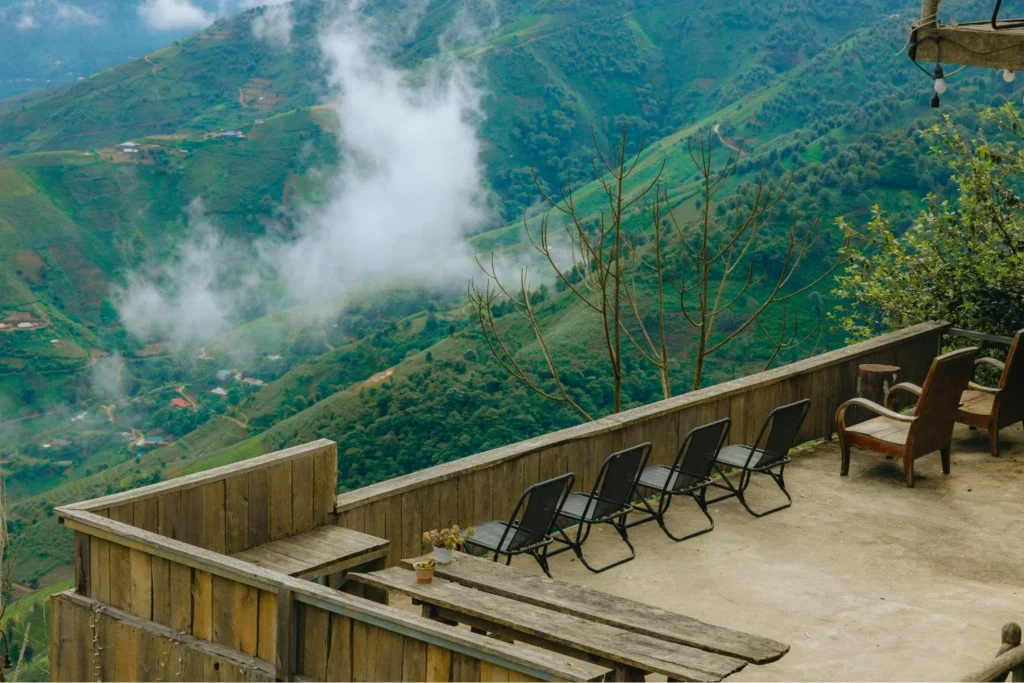
New Manali is the town that most people picture when they book a Manali trip without doing much research. It’s centered around Mall Road — a pedestrian-friendly stretch of shops, dhabas, restaurants, and tour operators that gets crowded by 10 AM and stays that way until midnight in summer.
This is not a criticism. Mall Road is legitimately useful. You can book a Rohtang permit, rent snow gear, pick up trekking supplies, buy local honey and Kinnauri apples to take home, and have a full thali dinner — all within a 10-minute walk of your hotel. For families with young children, that convenience is invaluable.
The hotels in New Manali range from budget to genuinely luxurious. Many of the larger properties offer amenities that Old Manali simply can’t match: covered parking, room service, elevators, and proper heating systems that matter enormously during winter visits.
What makes it work:
If you’re arriving late by Volvo and just want to drop bags, eat, and sleep before heading to Rohtang or Solang the next morning, New Manali is the right call. It’s also significantly easier for anyone traveling with elderly family members, small children, or heavy luggage.
The honest drawbacks:
Traffic on and around Mall Road is brutal in peak season. The noise doesn’t really stop. And despite being in one of India’s most scenic valleys, many New Manali hotels face other buildings rather than mountains. You have to actively seek out the landscape — it doesn’t come to you the way it does in Old Manali.
Side-by-Side Comparison
| Factor | Old Manali | New Manali |
|---|---|---|
| Atmosphere | Slow, scenic, village feel | Busy, commercial, urban feel |
| Best For | Couples, solo travelers, digital nomads | Families, first-timers, elderly travelers |
| Café & Food Scene | Excellent — eclectic international cafés | Good — mostly standard dhabas and restaurants |
| Nightlife | Live music, rooftop bars, social hostels | Minimal |
| Mountain Views | Frequent, often from your room | Rare — mostly blocked by buildings |
| Road Access | Narrow, congested, uphill | Wide, well-maintained |
| Parking | Difficult | Easy |
| Winter Accessibility | Roads clear slowly | Roads cleared faster |
| Budget Hostels | Plentiful (₹400–₹900/night) | Limited (₹700–₹1,500/night) |
| Luxury Hotels | Limited | Excellent options |
| Remote Work | Strong — many cafés with stable WiFi | Fewer dedicated work-friendly spaces |
Who Should Stay Where
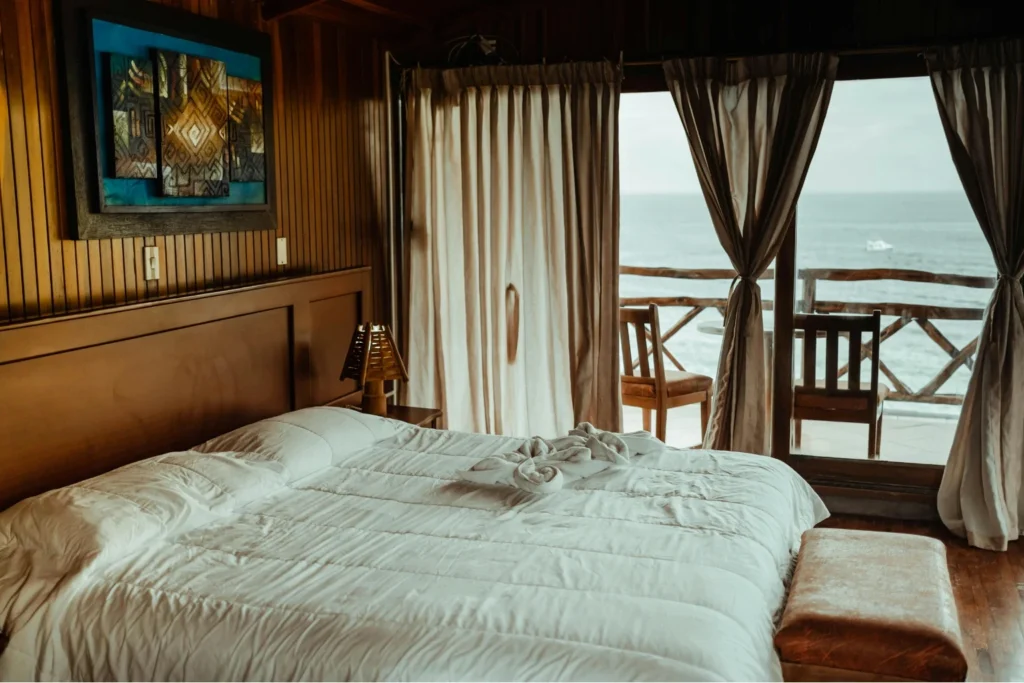
Couples: Old Manali. The intimate guesthouses, candlelit café dinners, and riverside walks create the romantic Himalayan experience that Instagram promised. New Manali’s busy market atmosphere works against that mood.
Families with children: New Manali. Easier logistics, better room sizes, more restaurants with familiar menus, and simpler access to day trips toward Solang Valley and Rohtang.
Solo backpackers: Old Manali, without question. The hostel and café culture makes it easy to meet other travelers. The Zostel and The Hosteller both have active common areas and organize group treks.
Digital nomads and long-stay travelers: Old Manali. Several cafés — Drifters’ Inn and Café 1947 in particular — have become informal co-working spots with solid WiFi and no one rushing you out after one coffee. Monthly guesthouse rentals are available and significantly cheaper than you’d expect.
First-time visitors on a short trip: This one is genuinely split. If you’re here for 2–3 days and want to tick off Rohtang, Solang, and Hadimba Temple, New Manali is more efficient. If you have 4+ days and want to actually feel Manali rather than just see it, choose Old Manali.
Luxury travelers: New Manali and its outskirts. Properties like Span Resort & Spa and Larisa Resort offer the full package — spa facilities, heated pools, mountain views, and the kind of service that’s hard to find in Old Manali’s smaller guesthouses.
Winter visitors: New Manali for practicality, Old Manali for beauty. If snowfall is the main draw and you want that snow-draped pine forest aesthetic, Old Manali in January is breathtaking. But if this is your first winter mountain trip, New Manali’s more accessible roads and heated hotels reduce risk.
Hotel Price Guide (2026)
Prices below reflect standard double rooms during non-peak season. Expect 40–80% markups during May–June and December–January.
| Category | Old Manali | New Manali |
|---|---|---|
| Dorm Beds | ₹400 – ₹700 | ₹600 – ₹1,200 |
| Budget Rooms | ₹800 – ₹1,800 | ₹1,200 – ₹2,500 |
| Mid-Range Hotels | ₹2,000 – ₹4,500 | ₹2,500 – ₹6,000 |
| Premium & Luxury | ₹5,000 – ₹9,000 | ₹7,000 – ₹20,000+ |
Recommended Stays
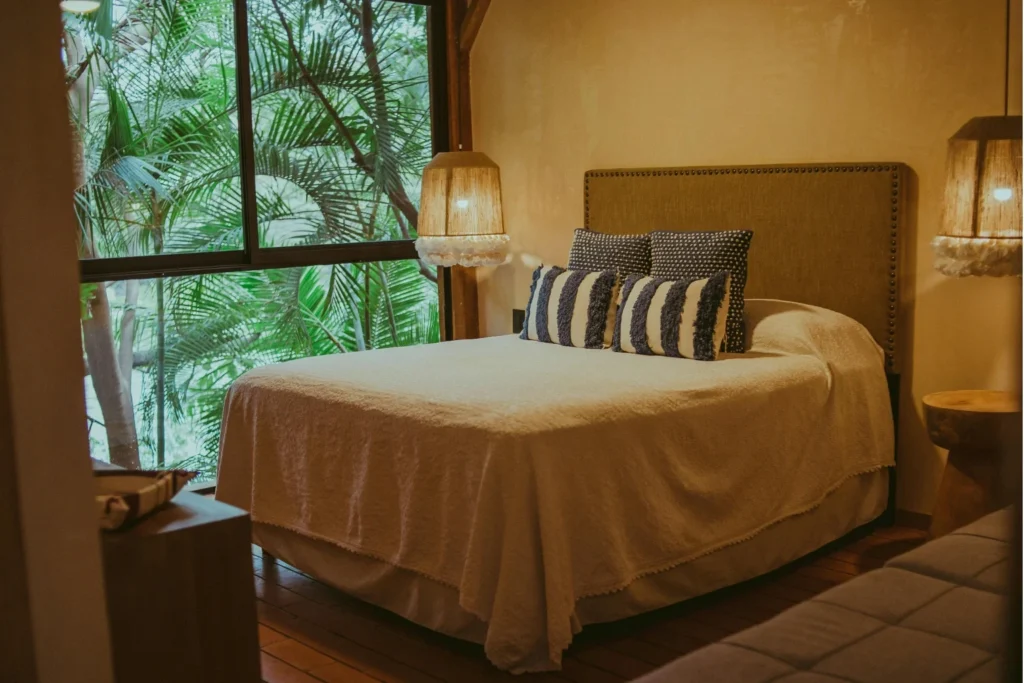
Old Manali — Budget
- Zostel Old Manali — best social atmosphere, reliable WiFi, rooftop with valley views
- The Hosteller Manali — slightly quieter than Zostel, excellent for solo travelers
- Backpacker Panda — among the cheapest clean dorms in the area
Old Manali — Mid-Range
- Johnson Lodge — one of Old Manali’s oldest and most characterful properties, surrounded by apple orchards
- Himalayan Country House — stone-and-wood construction, excellent breakfast, reliable hot water
- Hotel Mountain Face — great valley views, friendly family-run operation
Old Manali — Splurge
- The Orchard Greens — riverside location, beautifully designed rooms, outstanding food
- ManuAllaya Resort — arguably the best-located property in all of Manali, spa facilities included
New Manali — Budget
- Hotel New Adarsh — central, clean, no-frills, close to Mall Road
- Hotel Snow Park — good value for families, easy parking
New Manali — Mid-Range
- Snow Valley Resorts — reliable, family-friendly, mountain views from upper floors
- The Himalayan Regency — well-maintained, helpful staff, close to transport
New Manali — Luxury
- Span Resort & Spa — riverside property on the Beas, one of the finest resorts in the region
- Larisa Resort — heated pool, beautiful grounds, excellent service
Practical Tips Worth Knowing
On timing your booking: Manali hotels fill up fast. For May–June peak season, book at least 6–8 weeks ahead for Old Manali (inventory is limited) and 3–4 weeks for New Manali. For the Christmas–New Year period, 2–3 months in advance is not excessive.
On getting between areas: The walk from New Manali to Old Manali takes about 25–30 minutes and is pleasant in good weather. Taxis charge ₹100–₹150 for the trip. During peak season, budget extra time for traffic near the Old Manali bridge.
On winter road conditions: Snowfall can close the Old Manali lane to vehicles for 12–24 hours after a heavy fall. If you’re visiting in January or February, keep this in mind and confirm with your guesthouse before arrival.
On noise: Even Old Manali gets noisy during peak season evenings. Ask for rooms away from the main lane if you’re a light sleeper. In New Manali, rooms facing Mall Road can be genuinely loud until 1–2 AM on weekends.
On altitude: Manali sits at around 2,050 metres. Most people adjust fine within a day, but don’t plan strenuous activity on your first morning regardless of which area you stay in.
FAQ
Some of the best areas to stay in Manali depend on your travel style. Old Manali is perfect for cafés, backpackers, and mountain vibes. Mall Road is best for shopping, local food, and easy transport access. Vashisht is known for peaceful stays, hot springs, and scenic views, while Solang Valley is ideal for snow activities and adventure lovers.
For most travelers, Old Manali is considered the best area because it offers beautiful scenery, riverside cafés, relaxed surroundings, and a lively atmosphere. Families often prefer Mall Road or Aleo due to better connectivity and hotels, while people looking for peace usually choose Vashisht or nearby villages.
If you want sightseeing, cafés, snow activities, and a vibrant tourist atmosphere, staying in Manali is the better choice. Kullu is quieter, less crowded, and better for nature lovers or short peaceful stays. Most tourists prefer Manali because major attractions are closer from there.
Yes, 3 days are enough for a short Kullu-Manali trip. You can explore Mall Road, Hadimba Temple, Solang Valley, local cafés, and nearby sightseeing spots comfortably. However, if you also want to visit places like Rohtang Pass, Kasol, or Tosh, staying 5–6 days is a better option.
The Honest Verdict
Choose Old Manali if: You want atmosphere over convenience. You’re travelling as a couple, solo, or with like-minded friends. You have at least 4 days and want to slow down. You work remotely and need a place that won’t feel like a hotel corridor by day three.
Choose New Manali if: You’re travelling with family, elderly relatives, or young children. You’re arriving late and leaving early. You want luxury amenities. You’re visiting in winter and prioritize safety over scenery. You’re using Manali as a base for day trips rather than as a destination in itself.
The honest truth is that most travelers who’ve been to both will tell you Old Manali is where the real experience lives — but New Manali is where the real convenience lives.
Neither is wrong. Knowing which one you actually need is the difference between a trip that feels like a checklist and one that feels like a memory.
Last updated: May 2026. Hotel prices and availability change seasonally — always verify directly with properties before booking.