
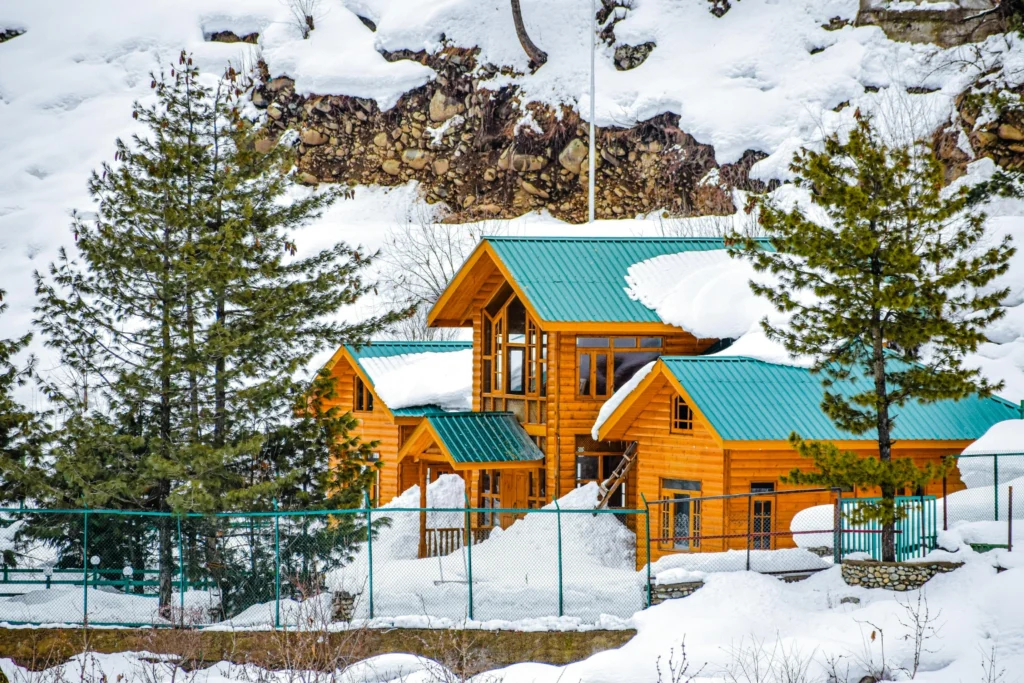
Shimla vs Manali is one of the biggest travel dilemmas for anyone planning a Himachal Pradesh trip. While both hill stations offer stunning Himalayan views, cool weather, and unforgettable mountain experiences, they feel completely different once you arrive.
Shimla is calmer, more colonial, and easier for relaxed family vacations, while Manali is adventurous, energetic, and built for snow lovers, trekkers, and road-trip enthusiasts.
If you’re confused about which destination is better for your travel style, budget, weather preferences, or trip duration, this complete comparison guide breaks down everything you need to know before choosing between Shimla and Manali.
Quick Answer: Choose Shimla if you prefer colonial charm, relaxed sightseeing, and easy accessibility. Choose Manali if you’re looking for adventure sports, trekking, snowfall, and dramatic Himalayan scenery. If you have 7–10 days, visiting both destinations in one trip is a great option.
Shimla offers colonial charm and smoother accessibility, whereas Manali delivers dramatic mountain scenery and high-altitude experiences.
Shimla vs Manali: Quick Comparison
| Feature | Shimla | Manali |
|---|---|---|
| Best for | Families, couples | Adventure, snow |
| Snowfall | Moderate | Heavy |
| Accessibility | Easier | Longer journey |
| Adventure | Moderate | Excellent |
| Budget | Moderate | Budget to luxury |
| Ideal stay | 2–3 days | 3–5 days |
The character of each place
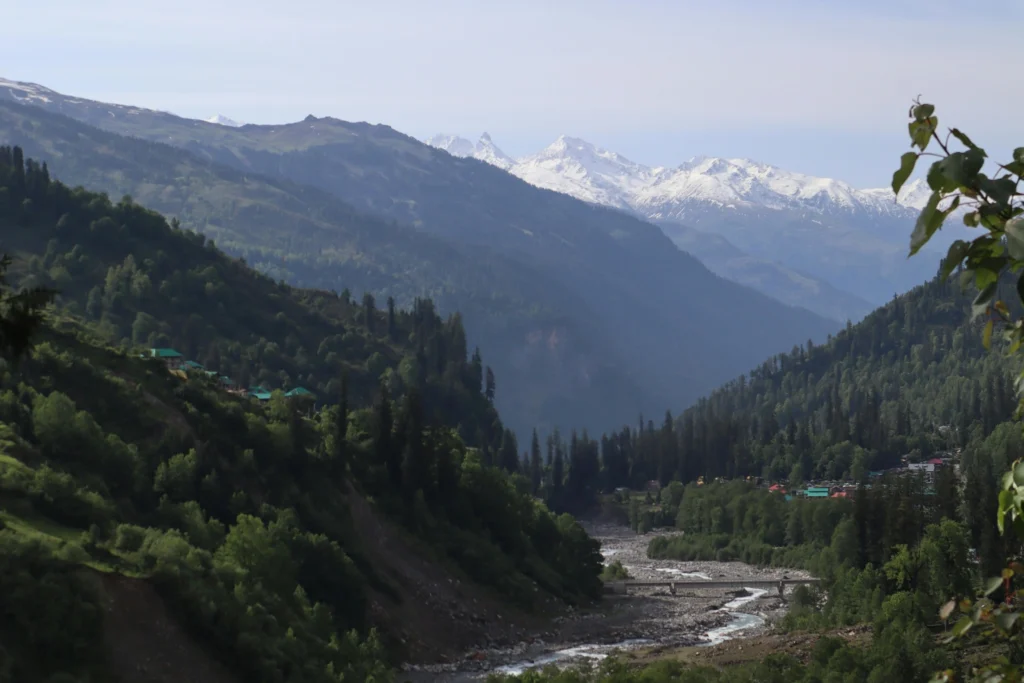
Shimla wears its history visibly. The Victorian-era buildings along the Ridge, the Gothic spire of Christ Church, the narrow-gauge railway coiling through pine forests on its way up from Kalka — these aren’t tourist attractions bolted on after the fact. They’re the city’s bones.
For nearly a century, Shimla was the summer capital of the British Raj, and that administrative gravity shaped everything: the wide promenade of Mall Road, the density of hotels, the sense that this is a place built for leisurely, organised comfort.
Manali has a different historical identity, with its heritage centred more on ancient temples and Himalayan culture than colonial architecture. What it has instead is geography.
The moment you drive in from the Kullu Valley and the Beas River appears alongside the road — loud, glacial, impossible to ignore — you understand that this town exists because of what surrounds it, not what was built in it.
The Hadimba Temple, tucked into deodar forest on the edge of town and dating to 1553, is a striking example of that older, temple-centred heritage. But most of Manali’s energy is directed outward, toward the passes, the peaks, and the roads that vanish into them.
Ultimately, choosing between Shimla and Manali comes down to what kind of mountain holiday you’re looking for: a relaxed heritage town or a destination built around outdoor adventure.
Weather and when to go
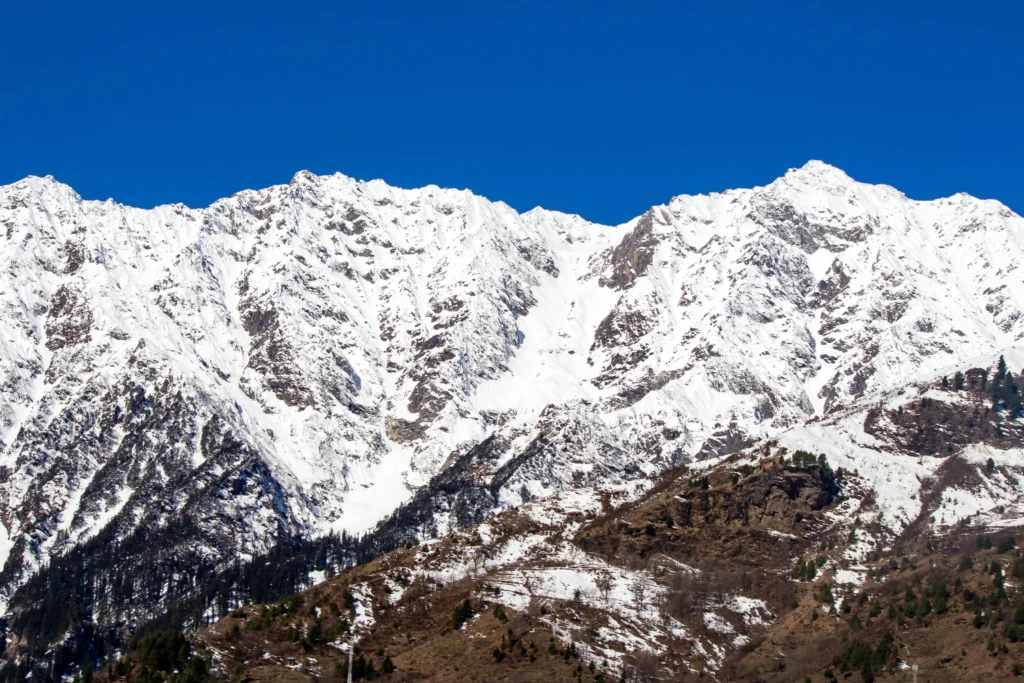
Shimla has one of the more forgiving climates among Indian hill stations. Summers (April to June) sit comfortably between 15°C and 25°C — warm enough for shirtsleeves in the afternoon, cool enough to need a light jacket at night.
Monsoon brings heavy rain and the occasional landslide on approach roads, but the town itself stays largely functional.
Winters, particularly January, bring real snowfall and temperatures that dip below freezing. Crucially, Shimla is enjoyable in every season — it never fully closes.
Manali is more extreme in every direction. Summers from May to June are the sweet spot: passes are open, the air is clean, and trekking conditions are ideal.
Monsoon is genuinely risky — the Manali–Leh highway sees frequent closures, and driving in from Chandigarh can turn into an unpredictable ordeal.
Winter temperatures can drop below -10°C during cold spells, especially in January, but since the Atal Tunnel opened in 2020, the Lahaul Valley beyond Rohtang stays accessible year-round, which has meaningfully extended Manali’s winter appeal for serious snow-seekers.
Verdict: For flexibility and year-round access, Shimla wins easily. If you’re chasing a specific season — summer adventure or deep winter snow — Manali delivers more intensely, but requires tighter planning around weather windows.
Getting there
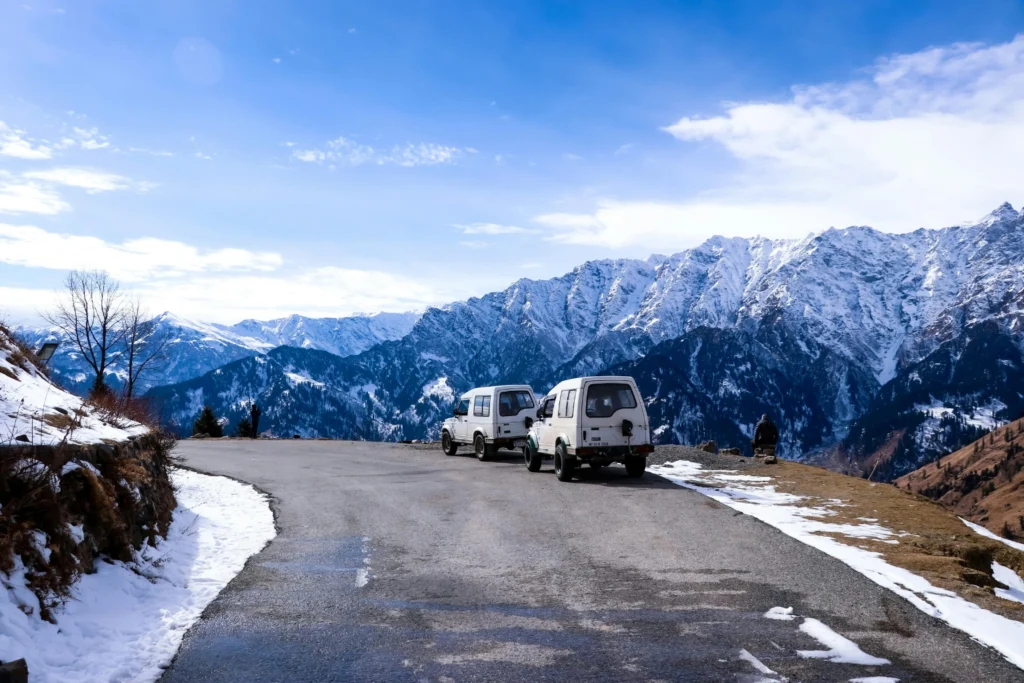
Shimla is one of the easier hill stations to reach in India. It’s about 365 km from Delhi and roughly 2.5 to 3 hours from Chandigarh by road.
The famous Kalka–Shimla Narrow Gauge Railway — a UNESCO World Heritage route — is slow by design and worth every minute of that slowness.
There’s also a small airport at Jubbarhatti with limited but operational services. Once you arrive, most of Shimla’s sights are within comfortable walking distance of each other.
Manali is a more committed journey. It’s roughly 310 km from Chandigarh — longer in road time than the distance suggests, because the roads narrow and wind considerably past Mandi.
The popular Volvo overnight bus from Delhi takes 13 to 15 hours. There’s no direct rail connection, and the nearest airport at Bhuntar (about 50 km away) has limited, weather-dependent flights.
If the monsoon is active, a straightforward drive can become an eight-hour crawl behind a blocked road crew.
This isn’t a reason to avoid Manali. But it’s worth being honest about: getting there takes effort, and that effort isn’t always predictable.
Verdict: Shimla is significantly easier, especially for families with young children, older travellers, or anyone with limited time. Manali rewards the extra planning, but only if you’ve actually done it.
What you’ll actually do there
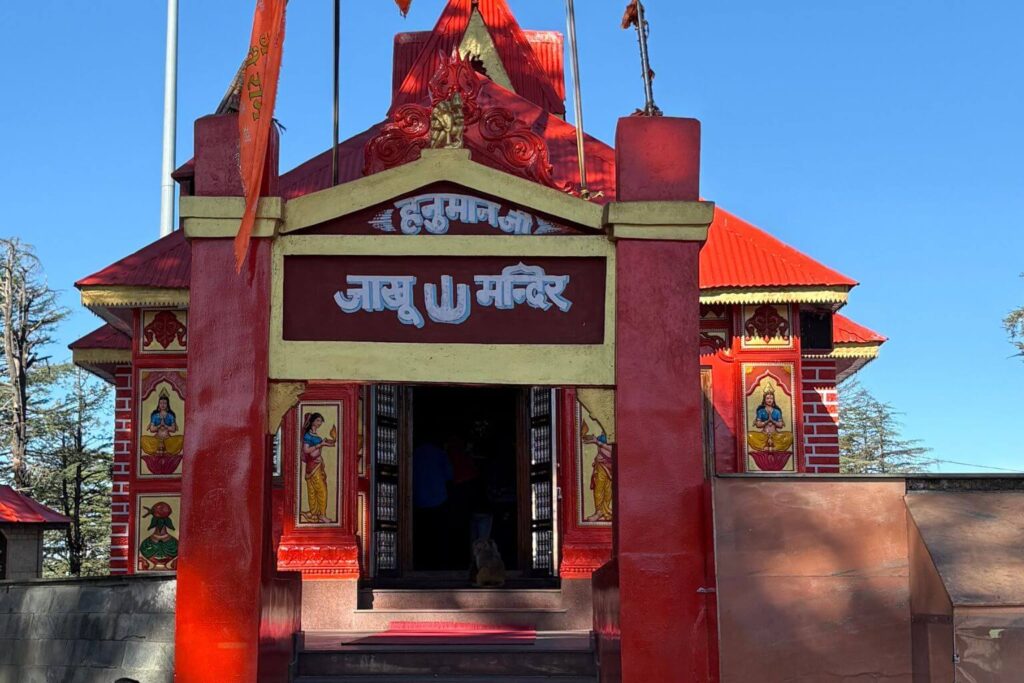
In Shimla, the pace is unhurried. Mall Road invites the kind of aimless walking that most of us have forgotten how to do — stopping at a bakery, watching the fog come in over the Ridge, sitting at Christ Church long enough to notice the light change.
Kufri offers skiing in winter and pony rides in summer. The Jakhu Temple trek (2.5 km, or a ropeway if the monkeys intimidate you, and they should) gives you the best views over the entire city.
The toy train ride from Kalka is an experience that justifies itself entirely, independent of whatever’s at the other end. Chail, about 45 km away, has the world’s highest cricket ground and the particular quiet of a hill station that hasn’t been discovered yet.
What Shimla doesn’t have is much adrenaline. If sitting on a terrace with tea and a view sounds like a consolation prize, adjust your expectations before you book.
In Manali, the activity list reads differently. Solang Valley offers paragliding, zorbing, and skiing depending on the season.
Rohtang Pass at 3,978 metres puts you above most of what you can see, in the kind of landscape that makes you understand why people plan entire years around reaching it.
River rafting on the Beas near Pirdi has strong rapids well-suited to beginners. The Beas Kund Trek is a manageable high-altitude lake route that rewards effort with views that genuinely justify the breathlessness.
Old Manali — a quieter, scruffier neighbourhood above the main bazaar — has the best cafés, the most interesting guest houses, and a traveller culture that feels genuinely international.
For many visitors, Manali is also a starting point rather than a destination: the Manali–Leh highway is one of the great road journeys in Asia, and the Parvati Valley (via Kasol and Kheerganga) is an easy extension that adds several days of trekking and riverside camping.
Verdict: Shimla for heritage, gentle walks, and scenic relaxation. Manali for adventure, trekking, snow, and the kind of trip that becomes the one you talk about later.
Vibe and crowd
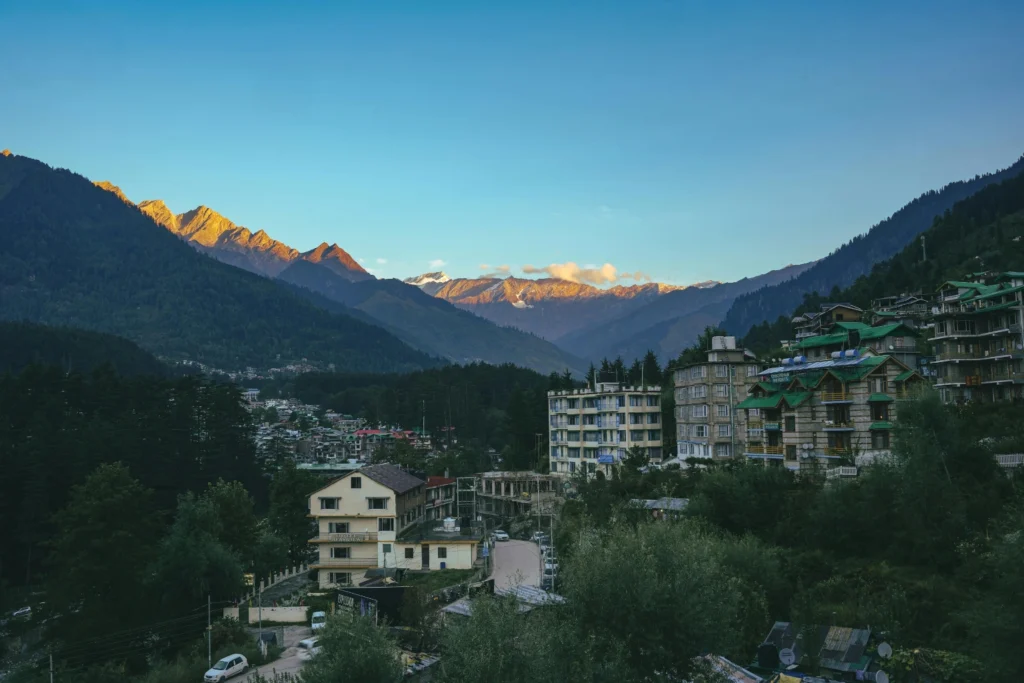
Shimla draws a broad demographic — families, retired couples, honeymooners, school groups, government officials on working holidays. Peak season (May–June and Christmas–New Year) can feel genuinely crowded on Mall Road.
But even at capacity, the town has a managed quality to it: there’s enough space, enough infrastructure, and enough general order that it rarely tips into chaos.
Manali has a younger, more eclectic energy, especially in Old Manali. The café culture is real — wood-fired stoves, long tables, acoustic music in the evenings, travellers from Israel, Europe, and across India exchanging route information.
Peak season in June and October brings traffic jams on the single approach road that can test anyone’s patience. But beyond the main bazaar, Manali consistently opens into something quieter: a side valley, a forest trail, a village guesthouse where the host knows every trekking route within 40 km.
Food and nightlife
Shimla’s food scene centres on Mall Road and the Lower Bazaar. North Indian standards are reliable and plentiful. Himachali dham — a traditional festive meal of rice, dal, rajma, and curd, usually served on leaf plates — is worth seeking out at a local dhaba rather than a hotel restaurant.
Bakeries are genuinely good. Nightlife is minimal; most restaurants close by 10 PM, and that’s fine, because Shimla after dark is mostly about quiet streets and cold air.
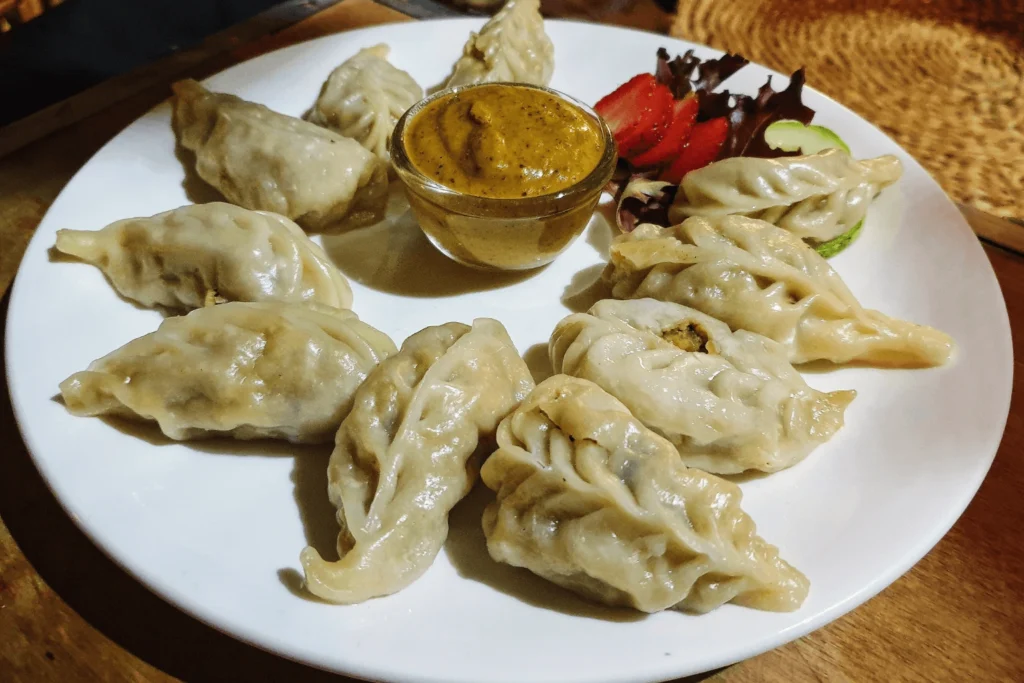
Manali has more range. The backpacker crowd has produced a diverse food scene, with good cafés serving everything from Tibetan dishes to Italian and Israeli cuisine — think thukpa, momos, wood-fired pizza, and shakshuka, often in the same lane in Old Manali.
There’s a bar scene — small, but real — and evenings in the right café carry a warmth that has nothing to do with the weather outside.
Budget
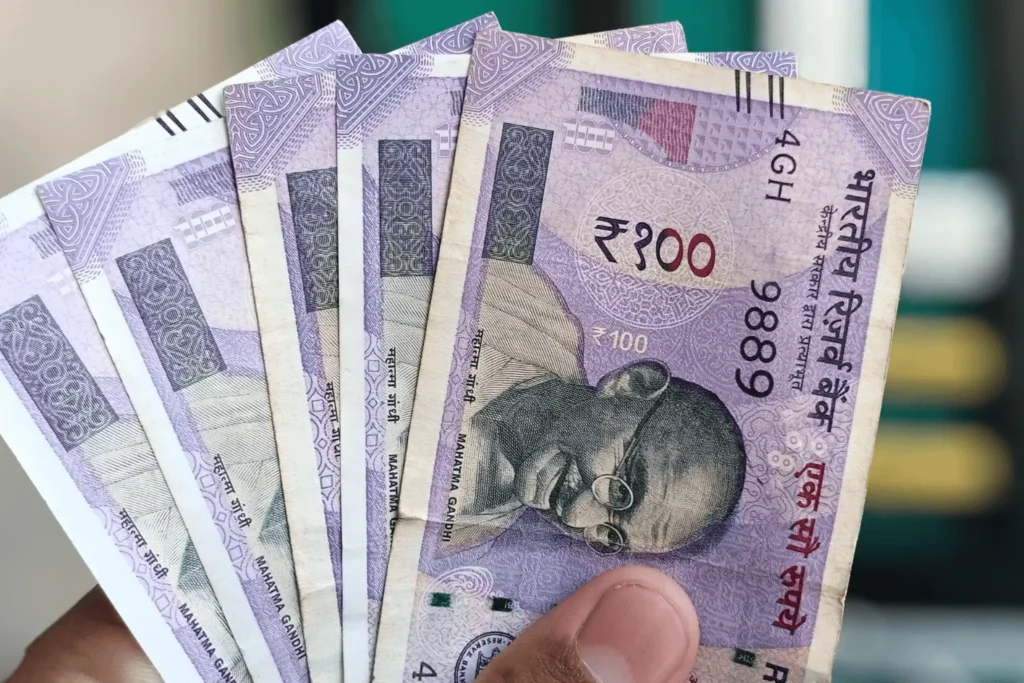
Both destinations span a wide price range, but they skew differently.
Shimla’s prime-location hotels (near Mall Road) command higher prices, particularly during peak season. Budget options exist but require either an early booking or a willingness to stay slightly outside the centre.
Food is affordable; transport within the town is minimal since most things are walkable.
Manali has more budget-friendly infrastructure, particularly in Old Manali and villages like Vashisht. Backpacker hostels, homestays, and seasonal tent camps fill the lower end of the price range well.
The caveat: adventure activities (paragliding packages, skiing, Rohtang permits) add up quickly if you’re not selective.
Who should go where
| Traveller type | Better choice |
|---|---|
| Families with young children | Shimla |
| First-time hill station visitors | Shimla |
| Senior travellers | Shimla |
| Honeymooners | Both (Shimla for romance, Manali for adventure) |
| Solo backpackers | Manali |
| Adventure and trekking enthusiasts | Manali |
| Road trippers heading to Leh | Manali |
| Winter snow experience | Manali (more intense) |
| Heritage and architecture lovers | Shimla |
| Short weekend trip from Delhi | Shimla |
Can you do both?
Yes — and the combined route is genuinely excellent. The standard approach is two to three nights in Shimla, then a drive through the Kullu Valley to Manali for another three to four nights.
The distance between the two is around 260 km, taking roughly seven to eight hours by road via Mandi. Ten days covers both well, with enough time to breathe in each place rather than just check them off.
If you have only three or four days, pick one. Trying to do both in a short window means doing neither properly.
Shimla vs Manali at a Glance
| If you want… | Choose… |
|---|---|
| Snowfall | Manali |
| Heritage | Shimla |
| Adventure | Manali |
| Family trip | Shimla |
| Honeymoon | Both |
| Weekend getaway | Shimla |
| Backpacking | Manali |
| Trekking | Manali |
FAQ
Manali generally gets much heavier and more reliable snowfall than Shimla. Manali sits closer to higher Himalayan ranges, so winter snow is deeper and lasts longer, especially around Solang Valley and Rohtang Pass.
That depends on your travel style:
-dramatic mountains and adventure: Spiti Valley
-For greenery and rivers: Manali and Kullu Valley
-For colonial charm: Shimla
-For peaceful villages: Tirthan Valley
-For cafés and backpacking: Kasol
Most travelers consider Spiti Valley the most visually stunning part of Himachal Pradesh.
Kufri is better for short family trips and quick snowfall experiences near Shimla.
Manali is better for full mountain vacations, adventure sports, trekking, cafés, and longer stays.
If you want:
-Easy weekend trip → Kufri
-Bigger Himalayan experience → Manali
Manali can be both budget-friendly and luxurious.
-Budget travelers can manage on ₹1,500–₹3,000 per day.
-Mid-range couples usually spend ₹5,000–₹10,000 per day.
-Luxury trips can easily cross ₹20,000 per day.
Compared to many Indian tourist destinations, Manali is considered moderately affordable.
Popular things to buy in Shimla include:
-Himachali woollen shawls
-Handmade wooden crafts
-Kinnauri caps
-Local jams and pickles
-Tibetan carpets
-Apple products and dry fruits
-Handmade jewellery
-Traditional Himachali handicrafts
The best shopping areas are Mall Road, Lakkar Bazaar, and Lower Bazaar.
The actual verdict
Choose Shimla if you want a trip that’s easy to execute, rich in heritage, and built around leisurely enjoyment of the mountains.
It’s the right choice for families, first-timers, and anyone who wants beauty without physical demands or logistical complexity.
Choose Manali if you want the mountains on harder terms — high passes, cold rivers, long roads, and the particular satisfaction of arriving somewhere that required real effort to reach.
It rewards preparation and suits travellers who want the trip to be an experience in itself, not just a backdrop.
Both are worth the journey. They just ask different things of you.