
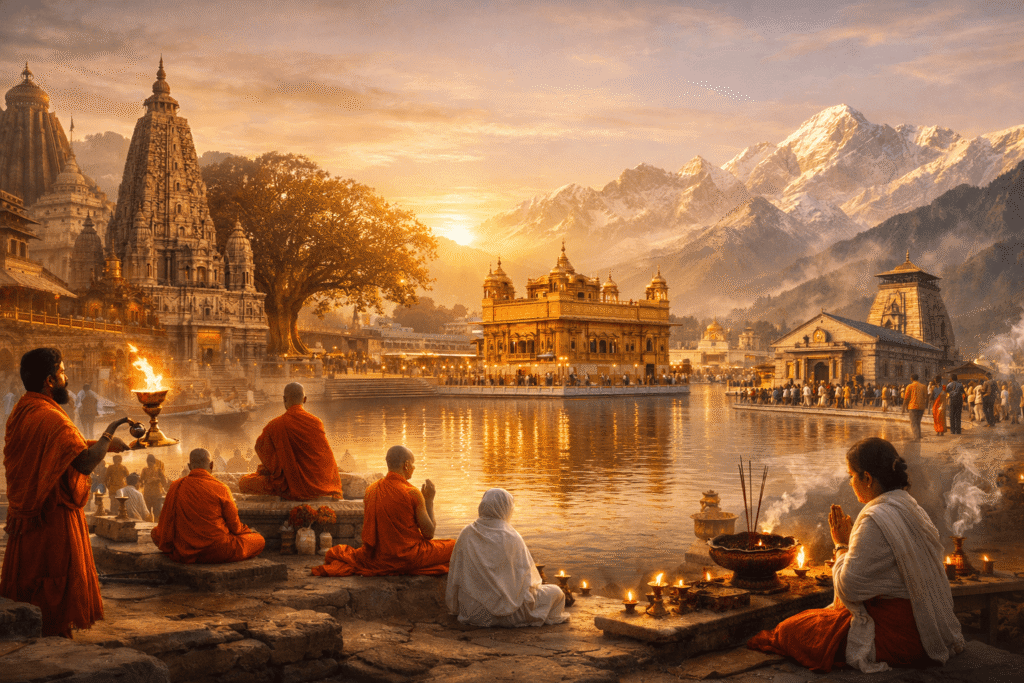
Have you ever felt that pull toward something deeper? That unexplainable urge to disconnect from the chaos and reconnect with your inner self? India, with its 5,000-year-old spiritual heritage, calls out to seekers from across the globe.
Whether you’re looking to meditate by the Ganges, find enlightenment where Buddha once walked, or simply experience the divine energy that flows through ancient temples, the best spiritual places to visit in India offer transformations that go beyond ordinary travel.
I’ve spent years exploring India’s sacred sites, and what I’ve discovered is that spiritual tourism in India isn’t just about visiting temples—it’s about experiencing a living, breathing culture where spirituality is woven into everyday life. From the soul-stirring Ganga Aarti in Varanasi to the peaceful vibes of Rishikesh’s ashrams, each destination has its own unique energy that can profoundly impact your journey.
In this comprehensive guide, I’ll walk you through 15 transformative religious destinations across India, complete with practical travel tips, exact costs, best visiting times, and insider secrets that most tourists miss. Whether you’re planning a weekend retreat or a month-long spiritual sabbatical, this guide has everything you need.
Why India is the Ultimate Spiritual Destination
India isn’t just a country—it’s a spiritual powerhouse that birthed four major religions: Hinduism, Buddhism, Jainism, and Sikhism. With over 2 million temples, 300,000 mosques, countless monasteries, and ashrams that have stood for centuries, spiritual tourism in India offers an unmatched diversity of experiences.
What makes these religious destinations special is their authenticity. Unlike commercialized spiritual centers elsewhere, India’s sacred sites remain deeply connected to their roots. You’ll find monks who’ve meditated in the same spot for decades, priests performing rituals unchanged for millennia, and communities whose entire existence revolves around faith and devotion.
Varanasi – The Eternal City
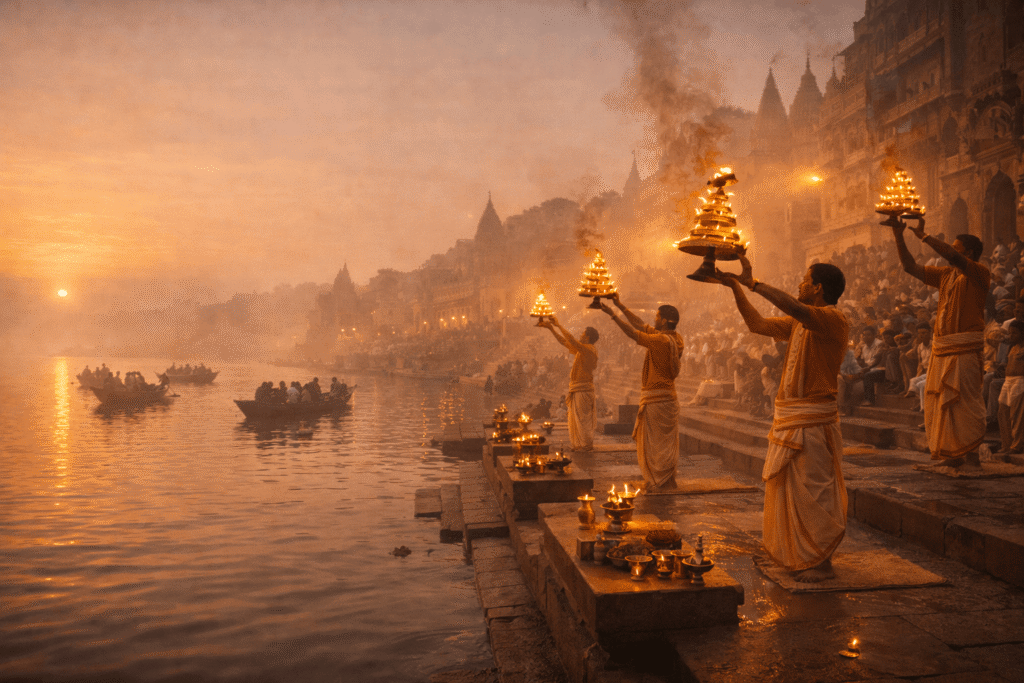
Why Visit: The oldest living city on Earth, where death is considered liberation and life feels eternal.
The Experience
Walking through Varanasi’s narrow lanes at dawn, you’re transported to another dimension. The air is thick with incense, temple bells create a symphony with chanting priests, and the Ganges flows as it has for thousands of years. Watching the Ganga Aarti at Dashashwamedh Ghat, with hundreds of lamps creating a mesmerizing dance of light, is an experience that will stay with you forever.
Best Time to Visit
October to March (15-25°C) – Pleasant weather for ghat walks and boat rides. Avoid the scorching summer (April-June: 35-45°C) and monsoon flooding (July-September).
Special Times:
- Dev Deepawali (November): The entire city lights up with millions of lamps
- Mahashivratri (February/March): Massive spiritual gatherings
What to Do
- Sunrise boat ride on the Ganges (₹200-500 per boat for 1-2 hours) – Book the evening before
- Attend Ganga Aarti at Dashashwamedh Ghat (6:30 PM daily, free) – Arrive by 5:30 PM for good spots
- Explore ancient temples: Kashi Vishwanath (gold-plated), Sankat Mochan, Durga Temple
- Walk the ghats – All 84 of them tell different stories
- Take a meditation session at Assi Ghat (₹500-1500 per session)
- Experience a classical music concert at Sankat Mochan (free, Saturday evenings)
Where to Stay
- Budget: Zostel Varanasi (₹600-800/night), Hostel Lavie (₹500-700/night)
- Mid-range: Ganges View Hotel (₹2,500-4,000/night), Hotel Ganges Grand (₹3,000-5,000/night)
- Luxury: Brijrama Palace (₹15,000-30,000/night), Suryauday Haveli (₹12,000-25,000/night)
How to Reach
- By Air: Lal Bahadur Shastri Airport (25 km, ₹500-700 by taxi)
- By Train: Varanasi Junction, Mughal Sarai Junction (well connected to all major cities)
- From Delhi: Direct flights (₹3,000-6,000), trains (₹500-2,500, 12-14 hours)
Insider Tips
- Stay in the Assi Ghat area for a more peaceful experience than the crowded Dashashwamedh area
- Try the famous Banarasi paan at Keshav Paan Bhandar
- Book a guided heritage walk (₹1,500-2,500) to understand the city’s hidden stories
- Respect photography restrictions inside temples
- Women should dress modestly with covered shoulders and knees
Daily Budget: ₹1,500-2,500 (budget) | ₹3,000-5,000 (mid-range) | ₹8,000+ (luxury)
Rishikesh – Yoga Capital of the World
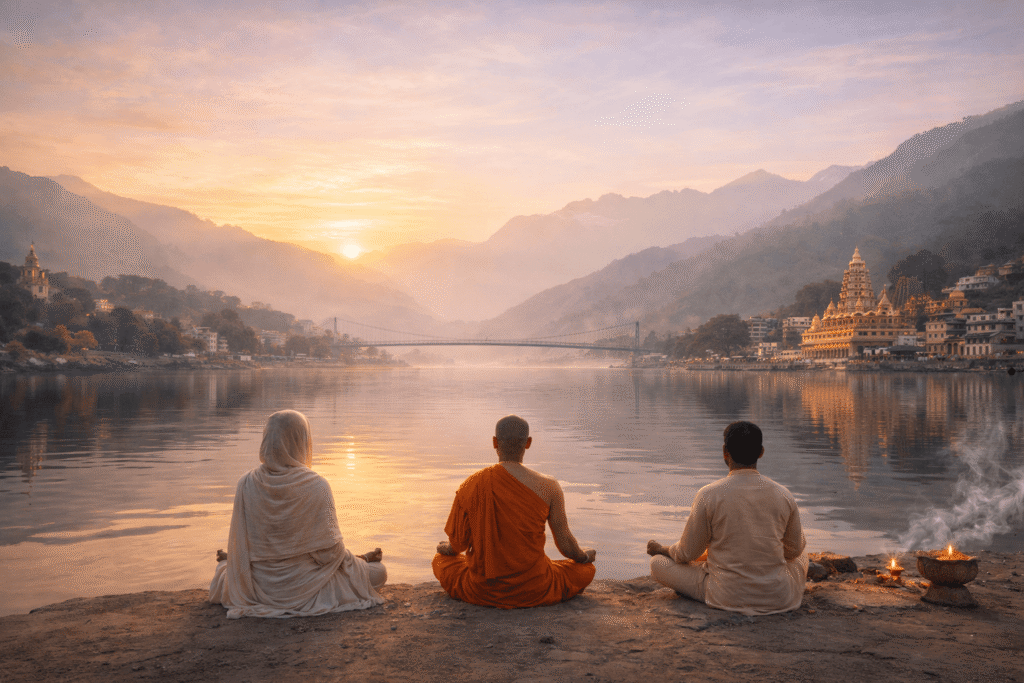
Why Visit: Where the Ganges flows crystal clear, surrounded by Himalayan foothills and hundreds of ashrams offering authentic yoga and meditation.
The Experience
Rishikesh isn’t just one of the best spiritual places to visit in India—it’s where you come to reset your entire being. Wake up to monastery bells, practice yoga overlooking the river, meditate in caves where sages have sat for centuries, and end your day with the magical Ganga Aarti at Triveni Ghat.
Best Time to Visit
September to November & February to May (10-30°C) – Perfect for yoga, trekking, and river activities.
Avoid: December-January (too cold for early morning yoga, 5-15°C), July-August (heavy monsoon rains).
What to Do
- Join a yoga retreat or drop-in classes (₹500-3,000 per session)
- Attend evening Ganga Aarti at Parmarth Niketan (6:00 PM, free)
- Visit iconic Beatles Ashram (₹150 entry, 10 AM-6 PM)
- Walk or bike across Ram Jhula and Laxman Jhula (free, stunning views)
- Take a meditation course at Osho Ganga Dham or Phool Chatti Ashram
- White water rafting (₹500-1,500) – Spiritual AND adventurous!
- Attend evening satsang at various ashrams (free)
Where to Stay
- Budget: Zostel Rishikesh (₹600-900/night), Bunkyard Hostel (₹500-800/night)
- Ashram Stay: Parmarth Niketan (₹1,000-2,500/night includes yoga), Sivananda Ashram (₹500-1,500/night)
- Mid-range: Ganga Kinare (₹5,000-8,000/night), Divine Resort (₹3,000-5,000/night)
- Luxury: Ananda in the Himalayas (₹40,000-80,000/night all-inclusive spa resort)
How to Reach
- By Air: Jolly Grant Airport, Dehradun (35 km, ₹800-1,200 by taxi)
- By Train: Haridwar Railway Station (25 km, then ₹400-600 taxi or ₹50 shared auto)
- By Bus: Direct buses from Delhi (₹500-800, 6-7 hours)
- From Delhi: Drive via NH334 (240 km, 5-6 hours)
Insider Tips
- Book yoga retreats at least 2-3 months in advance for peak season (October-November, March-April)
- Stay north of Laxman Jhula for a quieter, more authentic experience
- Try the incredible thalis at Chotiwala Restaurant
- Alcohol and non-veg food are banned; respect this
- Visit Neer Garh Waterfall (6 km away) for a peaceful nature break
Daily Budget: ₹800-1,500 (budget/ashram stay) | ₹2,500-4,500 (mid-range) | ₹10,000+ (luxury)
Bodhgaya – Where Buddha Found Enlightenment
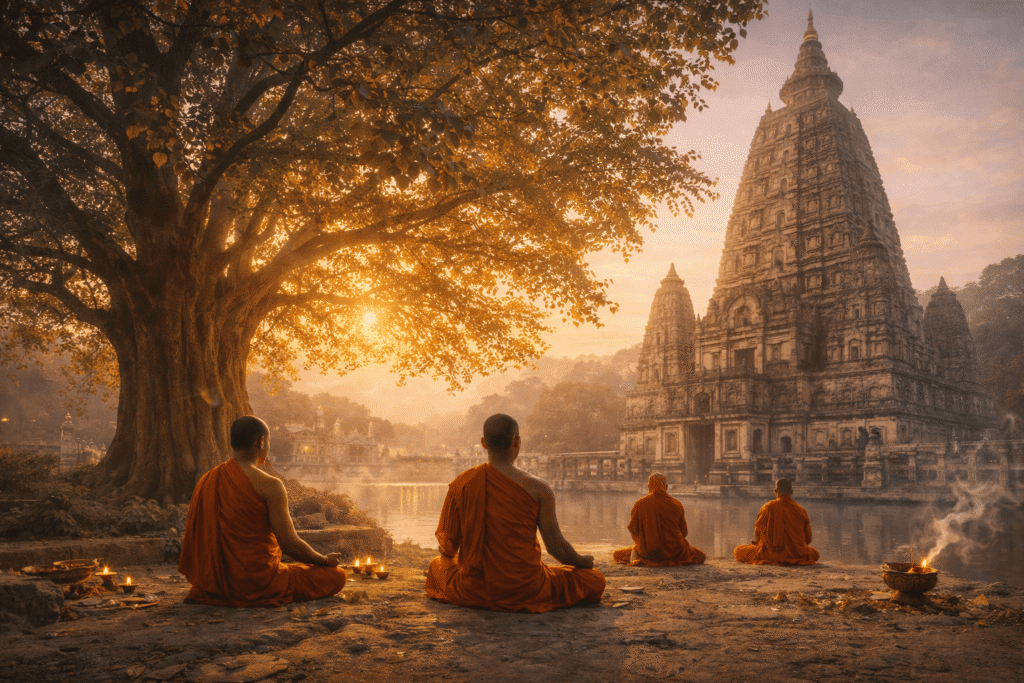
Why Visit: The most important Buddhist pilgrimage site in the world, where Prince Siddhartha became Buddha under the Bodhi Tree.
The Experience
There’s a profound silence here despite thousands of pilgrims. Sitting under the descendant of the original Bodhi Tree at Mahabodhi Temple (a UNESCO World Heritage site), you can actually feel why this place changed human consciousness 2,500 years ago. Monks from Thailand, Tibet, Japan, and Myanmar have built temples here, creating a unique international spiritual community.
Best Time to Visit
October to March (10-25°C) – Comfortable for meditation and temple visits.
Special Events:
- Buddha Purnima (May): Massive celebrations, but crowded
- Kalachakra (varies): When Dalai Lama visits, book 6 months ahead
What to Do
- Meditate at Mahabodhi Temple (Open 5 AM-9 PM, free)
- Circumambulate the temple complex following Buddhist tradition
- Visit international monasteries: Thai, Japanese, Tibetan, Bhutanese temples
- Attend meditation courses at various centers (3-10 day courses, ₹500-1,000 per day)
- See the 80-foot Great Buddha Statue (5 km away)
- Take a day trip to Rajgir (15 km) where Buddha preached
Where to Stay
- Budget: Rahul Guest House (₹400-800/night), Buddha Vihar Guest House (₹600-1,000/night)
- Monastery Stays: Root Institute (₹800-1,500/night with courses), Bhutanese Monastery Guest House (₹1,000-2,000/night)
- Mid-range: Hotel Taj Darbar (₹2,500-4,000/night), Hotel Bodhgaya Gautam (₹2,000-3,500/night)
- Luxury: The Royal Residency (₹5,000-8,000/night)
How to Reach
- By Air: Gaya Airport (17 km, ₹400-600 by taxi)
- By Train: Gaya Junction (17 km, ₹300-500 taxi or ₹30 bus)
- From Varanasi: Bus (₹300-500, 6 hours) or train (₹200-800, 5-6 hours)
Insider Tips
- Visit the temple at sunrise (5:00 AM) for the most peaceful experience
- Join the morning puja at 5:30 AM for a deeply moving ritual
- Dress respectfully (covered shoulders and knees)
- Remove shoes before entering any temple premises
- The Root Institute offers excellent 10-day meditation courses (donation-based)
Daily Budget: ₹600-1,200 (budget) | ₹1,500-3,000 (mid-range) | ₹4,000-7,000 (luxury)
Amritsar – The Golden Temple Experience
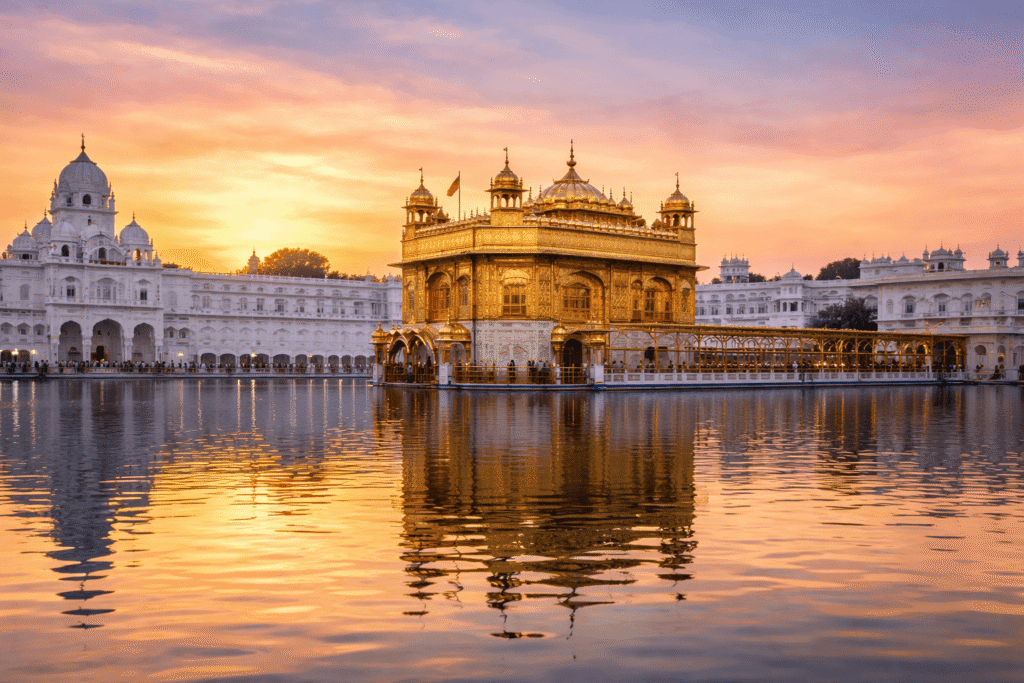
Why Visit: Home to the breathtaking Golden Temple (Harmandir Sahib), the spiritual center of Sikhism and one of the most welcoming religious destinations in India.
The Experience
No matter your faith, the Golden Temple will move you. The sight of the gold-plated sanctuary shimmering on the holy Sarovar (pool), the continuous recitation of Guru Granth Sahib, the soul-stirring kirtan (devotional music), and the incredible langar (community kitchen serving 100,000 free meals daily) embody the Sikh principles of equality and service.
Best Time to Visit
October to March (5-25°C) – Pleasant weather for exploring.
Avoid: May-July (40-47°C, scorching heat)
Special Times:
- Guru Nanak Jayanti (November): Grand celebrations
- Baisakhi (April): Sikh New Year, incredibly festive but extremely crowded
What to Do
- Visit Golden Temple (Open 24 hours, free) – Try to go at 3 AM for a surreal, less crowded experience
- Witness the Palki Sahib ceremony (Night ceremony: 10-11 PM, Morning: 4-5 AM)
- Participate in langar – Eat and volunteer in the world’s largest community kitchen
- Visit Jallianwala Bagh (10 AM-6 PM, ₹35 entry) – 10 minutes walk from Golden Temple
- Attend the Wagah Border ceremony (4:15 PM in winter, 5:15 PM in summer, 30 km from city, free)
- Explore Partition Museum (₹20 entry)
Where to Stay
- Budget: Backpacker Panda (₹500-800/night), Hotel Hong Kong Inn (₹800-1,500/night)
- Temple Accommodation: Sri Harmandir Sahib has free accommodation (basic, book in advance online)
- Mid-range: Hotel City Park (₹2,500-4,000/night), Ranjit’s SVAASA (₹3,500-6,000/night)
- Luxury: Taj Swarna (₹8,000-15,000/night), Hyatt Regency (₹7,000-12,000/night)
How to Reach
- By Air: Sri Guru Ram Dass Jee International Airport (11 km, ₹300-500 by taxi)
- By Train: Amritsar Junction (extremely well connected)
- From Delhi: Direct trains (₹400-2,000, 6-7 hours) or overnight bus (₹500-1,200)
Insider Tips
- Cover your head before entering the temple complex (scarves available for free)
- Don’t miss the magical experience of the temple at night when it’s illuminated
- Eat at Kesar Da Dhaba and Bharawan Da Dhaba for authentic Punjabi food
- The Golden Temple is more beautiful in person than any photo can capture
- Take at least 3-4 hours to truly experience the temple complex
Daily Budget: ₹1,000-1,800 (budget) | ₹2,500-4,500 (mid-range) | ₹7,000+ (luxury)
Tirupati – Abode of Lord Venkateswara
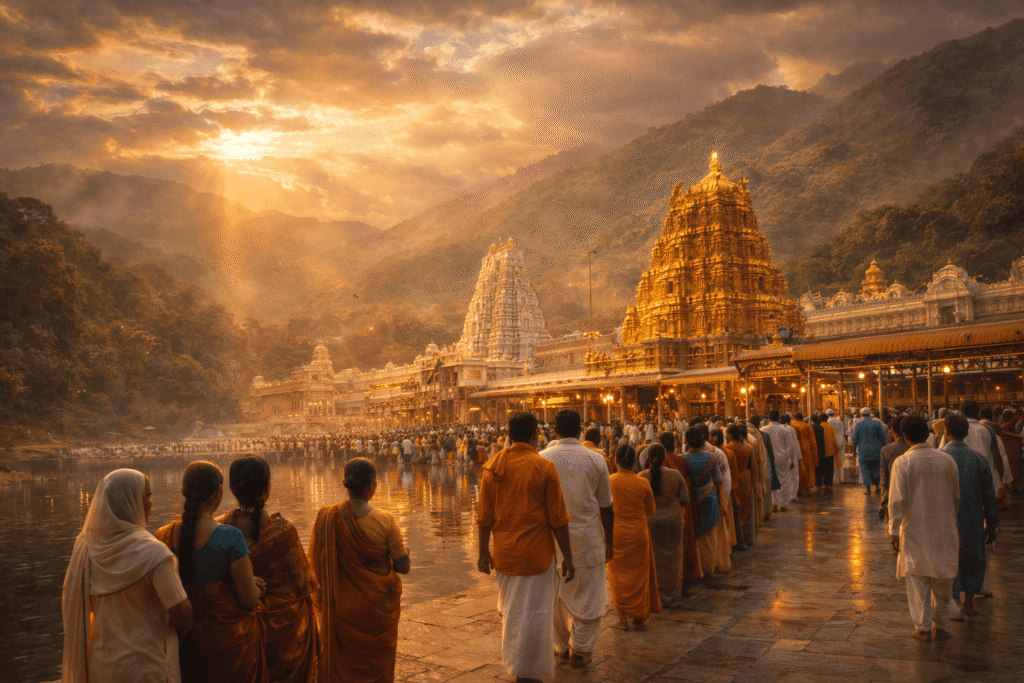
Why Visit: The richest and most visited religious destination in the world, receiving 50,000-100,000 pilgrims daily.
The Experience
Standing in line for hours (yes, hours!) to get a 10-second darshan of Lord Venkateswara might sound crazy, but millions do it every year. The energy here is electric. The main temple sits atop Tirumala hills at 2,800 feet, and the spiritual intensity is palpable from the moment you start climbing the 3,550 steps or take the winding road up.
Best Time to Visit
September to February (20-30°C) – Relatively pleasant.
Peak Rush: Weekends, public holidays, and Brahmotsavam festival (September/October)
What to Do
- Darshan at Venkateswara Temple – Book online in advance at ttdsevaonline.com
- Free darshan: 12-20 hour wait (yes, really!)
- Special Entry Darshan: ₹300 (4-6 hour wait)
- Seegra Darshan: ₹500 (2-3 hour wait)
- VIP Break Darshan: ₹10,500 (30 minutes)
- Climb 3,550 steps from Alipiri (free, 3-4 hours, highly recommended spiritual experience)
- Take scenic route by bus/car (₹50-100 per person)
- Visit Sri Padmavathi Temple in Tiruchanur
- Get your head shaved (optional offering to God, thousands do it daily, free)
Where to Stay
On Tirumala Hills:
- TTD Accommodations: Book at ttdsevaonline.com (₹500-4,000/night depending on room type)
- Must book 3 months in advance for weekends
In Tirupati City:
- Budget: Bhimas Residency (₹1,500-2,500/night), Hotel Mayura (₹1,200-2,000/night)
- Mid-range: Marasa Sarovar Premiere (₹4,000-7,000/night), Fortune Select Grand Ridge (₹5,000-8,000/night)
- Luxury: The Gopalam Retreat (₹8,000-12,000/night)
How to Reach
- By Air: Tirupati Airport (15 km from city, ₹400-600 taxi)
- By Train: Tirupati Railway Station (well connected to Chennai, Bangalore, Hyderabad)
- From Bangalore: Bus (₹400-800, 5-6 hours) or train (₹300-1,200, 4-5 hours)
- From Chennai: Bus (₹300-600, 3-4 hours)
Insider Tips
- Book darshan tickets at least 2-3 months in advance online
- Start your free darshan queue early morning (2-3 AM) to save hours
- Wear comfortable shoes and bring water for the long walk/wait
- Modest dress is mandatory (no shorts, sleeveless tops)
- Carry ID proof – it’s checked multiple times
- The laddu prasadam (₹100 for 2) is world-famous, but expect long queues
Daily Budget: ₹1,500-2,500 (budget) | ₹3,500-6,000 (mid-range) | ₹8,000+ (luxury)
Haridwar – Gateway to the Gods
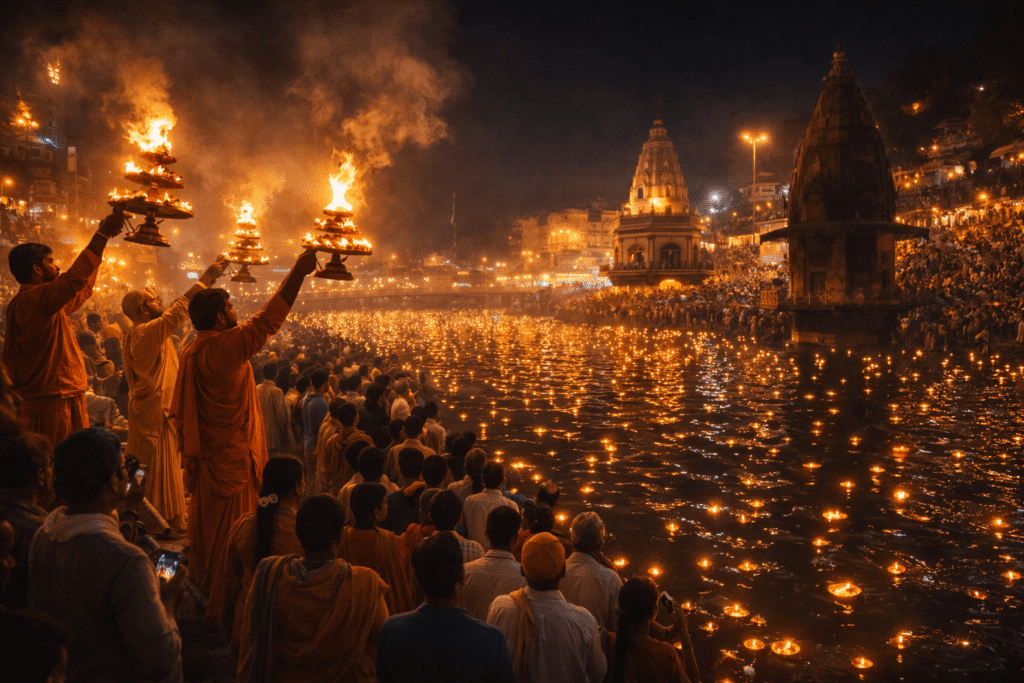
Why Visit: Where the Ganges enters the plains from the Himalayas, considered one of the seven holiest places in Hinduism.
Best Time to Visit
February to April & September to November (15-30°C)
Kumbh Mela: Every 12 years (next: 2028) – Largest human gathering on Earth with 100+ million pilgrims
Key Highlights
- Evening Ganga Aarti at Har Ki Pauri (7:00 PM, breathtakingly beautiful)
- Take holy dip at Har Ki Pauri ghat
- Visit Mansa Devi and Chandi Devi temples (cable car ₹210 round trip)
- Explore bustling temple markets
- Day trip to Rishikesh (25 km)
Daily Budget: ₹800-1,500 (budget) | ₹2,000-4,000 (mid-range)
Dharamshala – Home of Tibetan Buddhism
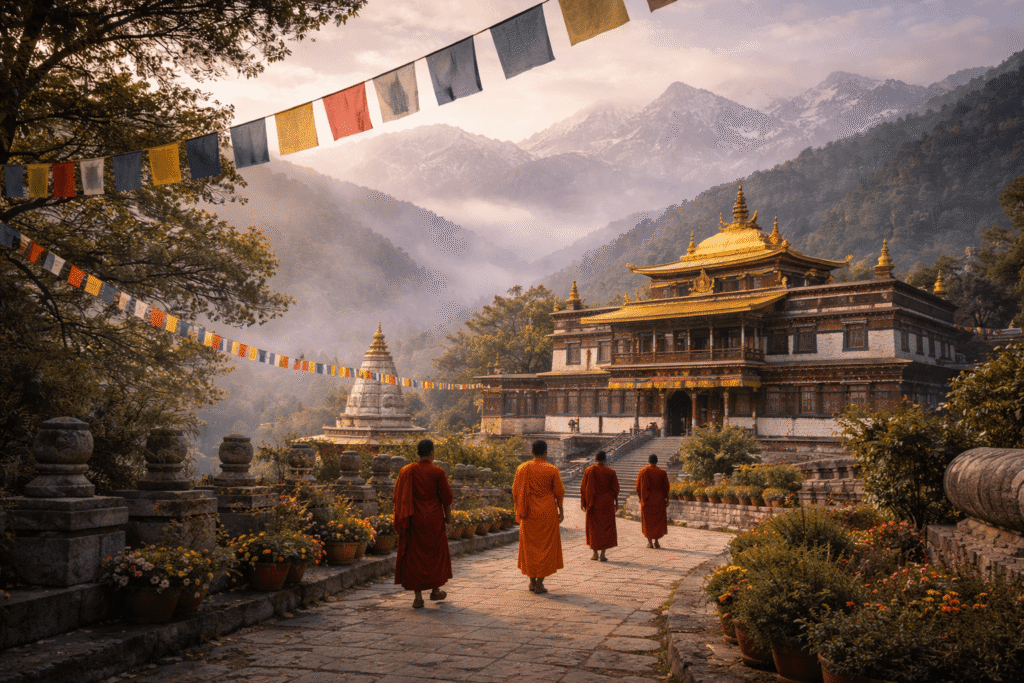
Why Visit: Residence of the Dalai Lama and Tibetan government-in-exile, offering authentic Tibetan Buddhist culture in India.
Best Time to Visit
March to June & September to November (10-25°C)
Avoid: December-February (heavy snow, 0-10°C), July-August (monsoon)
Key Highlights
- Visit Tsuglagkhang Complex (Dalai Lama’s temple, museum, and monastery)
- Attend teachings by Dalai Lama (usually February-March and September-October, check schedules)
- Explore McLeod Ganj (Tibetan culture, cafes, handicrafts)
- Trek to Triund (9 km, moderate trek, stunning views)
- Join meditation courses at Tushita Meditation Centre
Daily Budget: ₹1,000-2,000 (budget) | ₹2,500-5,000 (mid-range)
Puri – Land of Lord Jagannath
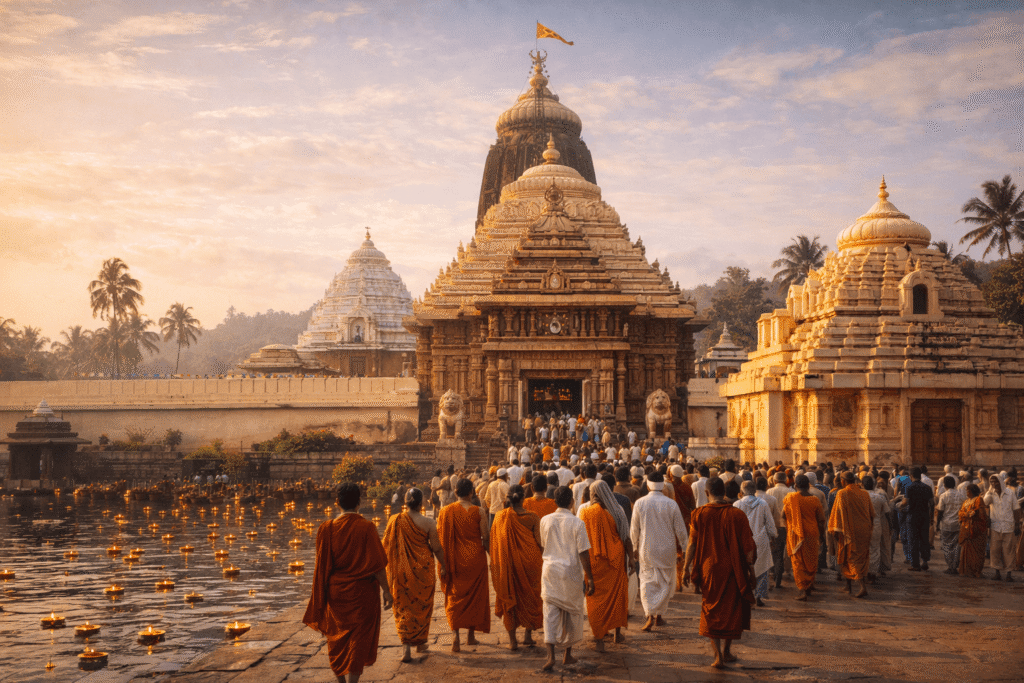
Why Visit: Home to the famous Rath Yatra festival and one of Hinduism’s Char Dham (four divine sites).
Best Time to Visit
October to March (20-30°C) – Ideal beach and temple weather
Rath Yatra: June/July (most auspicious time but extremely crowded)
Key Highlights
- Jagannath Temple (Non-Hindus not allowed inside, but can view from nearby buildings)
- Watch the elaborate daily rituals (56 bhoga offerings to deities)
- Beautiful Puri Beach for sunrise
- Konark Sun Temple (35 km away, UNESCO site)
- Chilika Lake (50 km) for dolphin watching
Daily Budget: ₹1,000-2,000 (budget) | ₹2,500-5,000 (mid-range)
Ajmer – Sufi Shrine of Khwaja Moinuddin Chishti
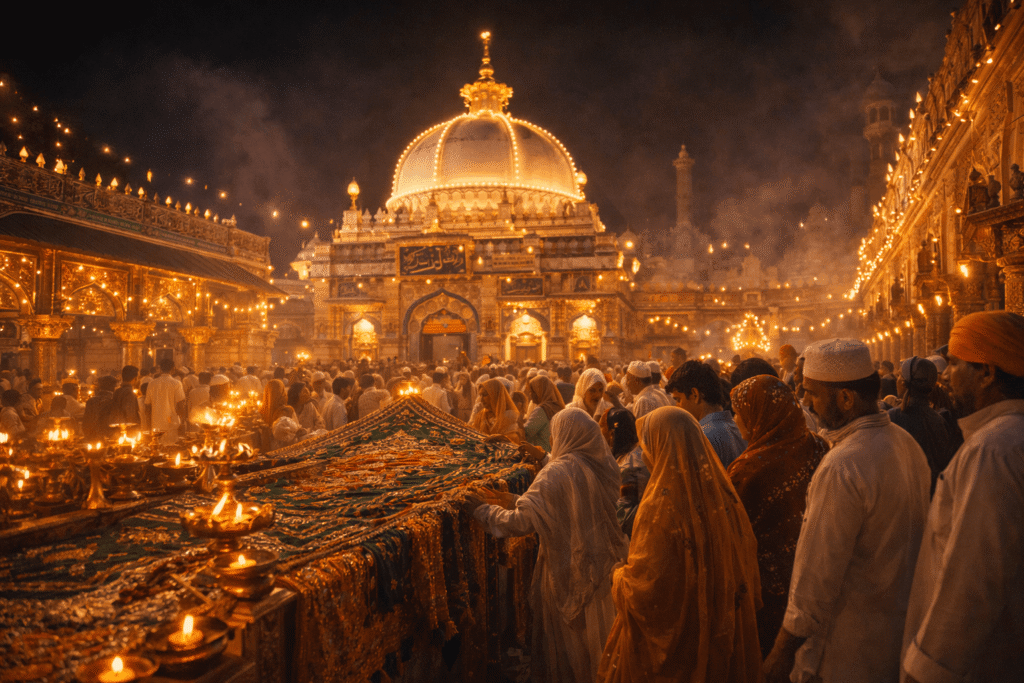
Why Visit: One of the holiest Sufi shrines in South Asia, attracting people of all faiths.
Best Time to Visit
October to March (10-25°C)
Urs Festival: March (Annual death anniversary celebration, incredibly powerful)
Key Highlights
- Ajmer Sharif Dargah (Open all day, qawwali in evenings)
- Ana Sagar Lake for peaceful evenings
- Pushkar (15 km away) – Perfect for combining two spiritual destinations
- Witness the powerful qawwali performances in the evening
Daily Budget: ₹800-1,500 (budget) | ₹2,000-4,000 (mi
Madurai – Temple City of South India
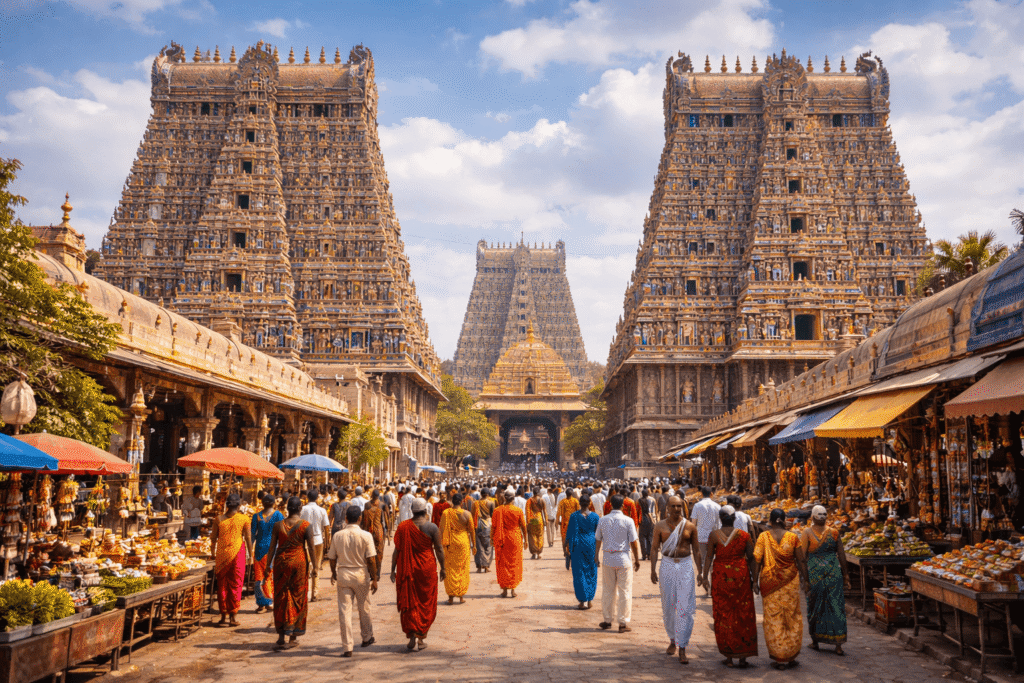
Why Visit: The 2,500-year-old Meenakshi Amman Temple is an architectural and spiritual marvel.
Best Time to Visit
October to March (20-30°C)
Key Highlights
- Meenakshi Amman Temple (Open 5 AM-12:30 PM, 4 PM-10 PM, ₹50 for special darshan)
- Witness evening aarti ceremony (9:00 PM, incredibly elaborate)
- Explore 14 colorful gopurams (temple towers)
- Sound and light show (₹50, English show at 8:15 PM)
Daily Budget: ₹1,000-2,000 (budget) | ₹2,500-5,000 (mid-range)
Pushkar – Sacred Lake and Brahma Temple
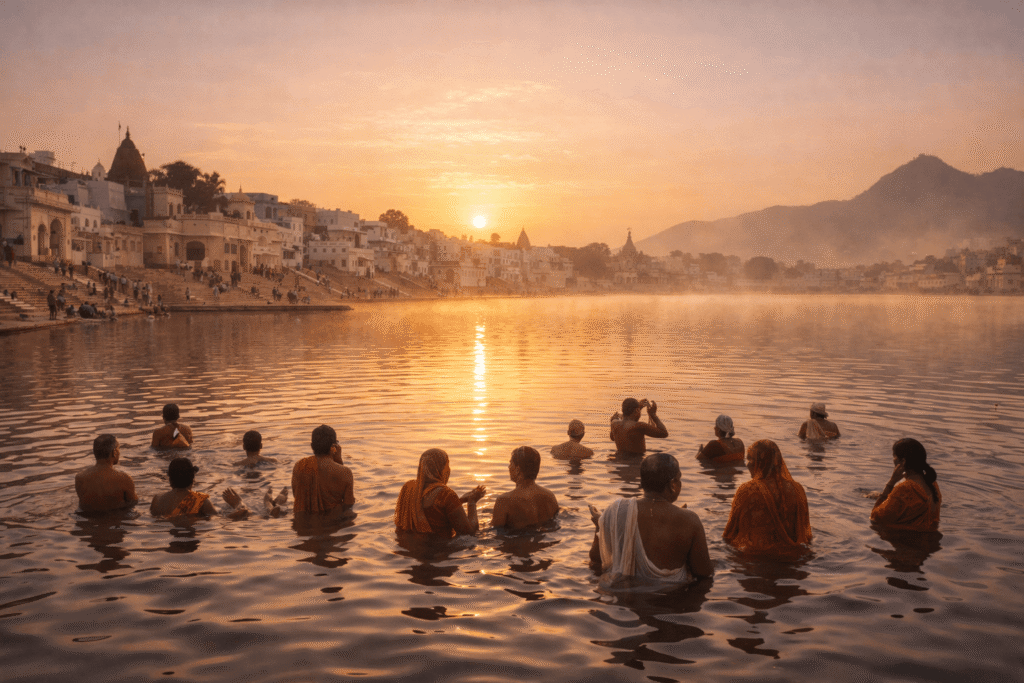
Why Visit: The only Brahma temple in the world and sacred lake believed to have appeared from Brahma’s lotus.
Best Time to Visit
October to March (15-30°C)
Pushkar Camel Fair: October/November (absolutely incredible but book accommodations 6 months ahead)
Key Highlights
- Take holy dip in Pushkar Lake
- Brahma Temple (One of the very few in the world)
- Savitri Temple (Trek for sunrise views)
- Explore vibrant markets selling spiritual items, jewelry, clothes
- Attend evening aarti at ghats
Daily Budget: ₹600-1,200 (budget) | ₹2,000-4,000 (mid-range)
Shirdi – Sai Baba’s Divine Presence
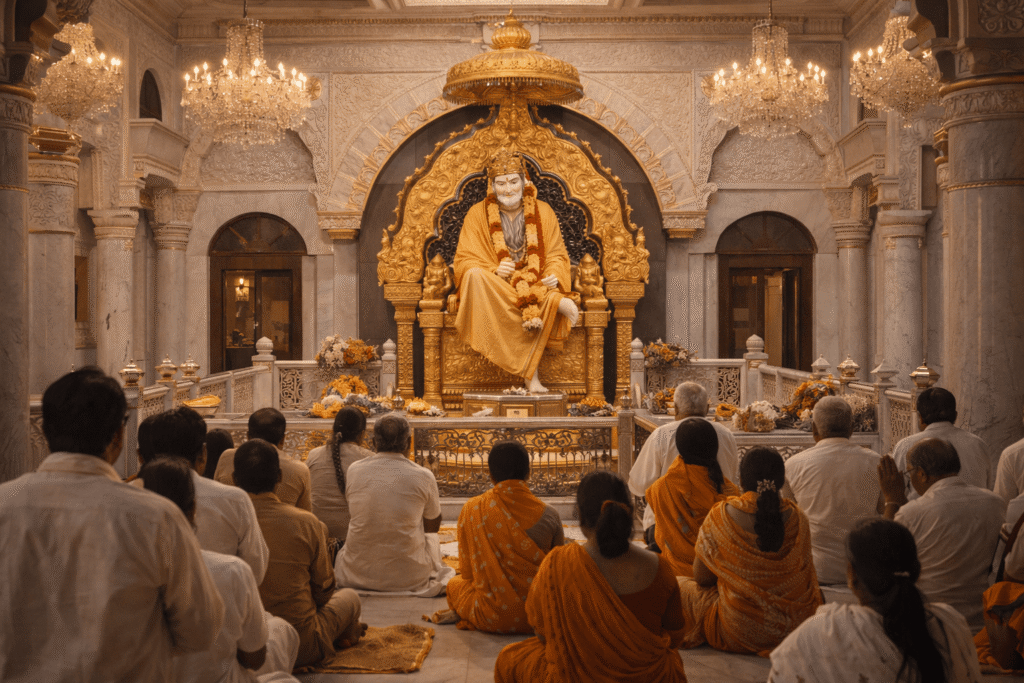
Why Visit: The samadhi (final resting place) of Sai Baba, attracting 25,000+ devotees daily.
Best Time to Visit
Year-round, but October-March most comfortable
Key Highlights
- Sai Baba Temple (Open 4 AM-11 PM)
- Book online VIP darshan to avoid 4-5 hour queues (₹200-600)
- Visit Dwarkamai (mosque where Sai Baba lived)
- Attend evening aarti (7:30 PM)
Daily Budget: ₹1,000-2,000 (budget) | ₹2,500-5,000 (mid-range)
Kedarnath – Himalayan Pilgrimage
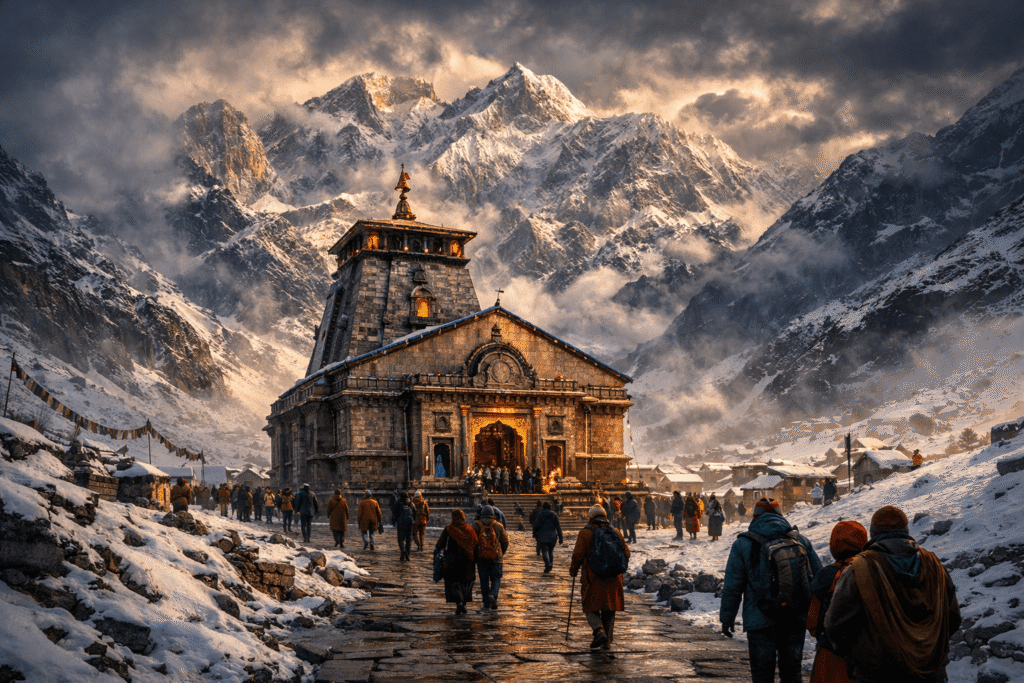
Why Visit: One of Hinduism’s 12 Jyotirlingas, located at 11,755 feet in the Himalayas.
Best Time to Visit
May to June & September to October only (Temple closed November-April due to snow)
Key Highlights
- Trek to Kedarnath (16 km from Gaurikund, or take helicopter ₹8,000+ one way)
- Kedarnath Temple at stunning high altitude
- Valley of Flowers (UNESCO site, nearby)
- Prepare for basic facilities and cold weather
Budget: ₹3,000-6,000 per day (including trek/helicopter, basic accommodation)
Auroville – Modern Spiritual Experiment
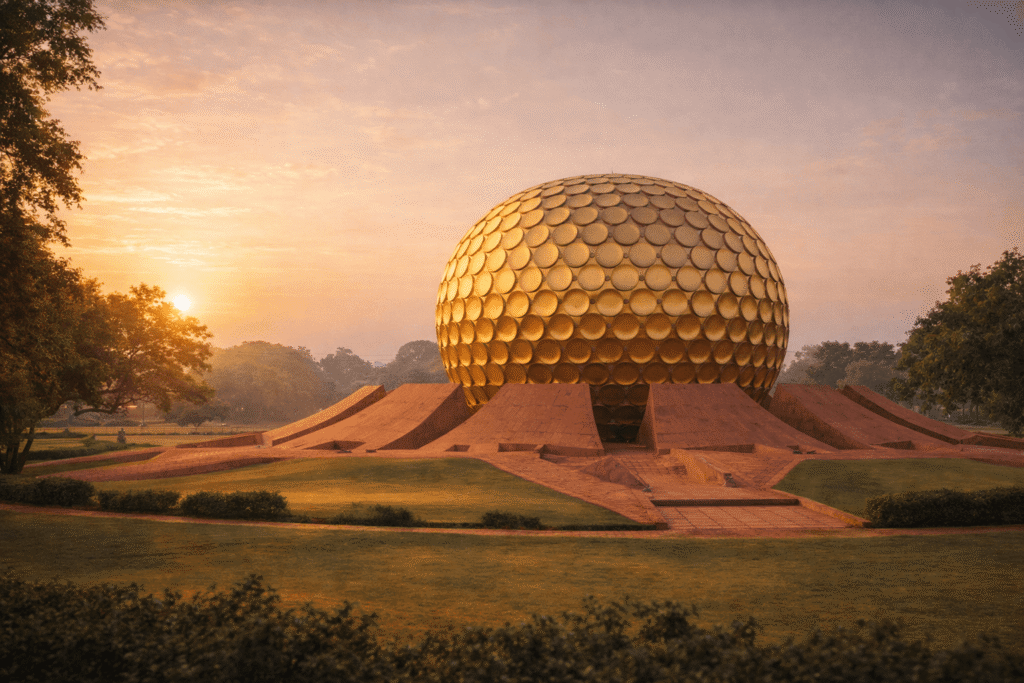
Why Visit: An experimental international township dedicated to human unity and conscious living.
Best Time to Visit
November to February (20-30°C)
Key Highlights
- Matrimandir (golden meditation dome, entry by advance booking only)
- Participate in workshops on sustainability, yoga, art
- Stay in unique eco-communities
- Auroville Beach (peaceful and clean)
Daily Budget: ₹1,500-3,000 (budget) | ₹3,500-7,000 (mid-range)
Best Time to Visit India’s Spiritual Places
Month-by-Month Guide
October-March (Peak Season)
- Pros: Pleasant weather, most festivals, all destinations accessible
- Cons: Higher prices, crowds at popular sites
- Best For: First-time visitors, pilgrimage tours, North India destinations
April-June (Summer)
- Pros: Hill stations like Dharamshala, Rishikesh beautiful; fewer crowds at some places
- Cons: Extremely hot in plains (35-45°C), Himalayan destinations crowded
- Best For: Himalayan spiritual destinations, early morning temple visits in plains
July-September (Monsoon)
- Pros: Lush landscapes, fewer tourists, hotel discounts
- Cons: Some destinations inaccessible (Kedarnath closed), heavy rains, flooding risks
- Best For: South India temples (less rain), budget travelers, meditation retreats
Cost Breakdown for Spiritual Travel in India (2026)
7-Day Spiritual Circuit Budget
| Expense Category | Budget | Mid-Range | Luxury |
|---|---|---|---|
| Accommodation (per night) | ₹500-800 | ₹2,500-5,000 | ₹10,000+ |
| Food (per day) | ₹300-500 | ₹800-1,500 | ₹2,500+ |
| Local Transport (per day) | ₹200-400 | ₹500-1,000 | ₹2,000+ |
| Intercity Travel | ₹500-1,500 | ₹2,000-5,000 | ₹8,000+ |
| Activities & Entry Fees | ₹200-500 | ₹500-1,500 | ₹2,000+ |
| Miscellaneous | ₹200-400 | ₹500-1,000 | ₹1,500+ |
| TOTAL (7 Days) | ₹12,000-22,000 | ₹35,000-65,000 | ₹1,25,000+ |
Sample Itineraries with Costs
Budget Spiritual Tour (Delhi-Rishikesh-Haridwar-Delhi, 5 Days)
- Transport: ₹2,500
- Accommodation: ₹3,000 (ashrams/hostels)
- Food: ₹2,000
- Activities: ₹1,500
- Total: ₹9,000
Classic Golden Triangle Spiritual (Delhi-Agra-Varanasi-Bodhgaya, 10 Days)
- Transport: ₹8,000
- Accommodation: ₹20,000
- Food: ₹8,000
- Activities: ₹5,000
- Total: ₹41,000 (mid-range)
Quick Tips for Spiritual Travel in India
✓ Dress Code: Always carry a scarf/shawl. Most temples require covered shoulders, knees, and head covering. Remove shoes before entering any sacred space.
✓ Best Photography Times: Sunrise (5:30-7:00 AM) and sunset (5:30-7:00 PM) offer magical light at temples and ghats. Ask permission before photographing rituals or people.
✓ Cash is King: Many temples, ashrams, and small accommodations don’t accept cards. Carry sufficient cash, especially in smaller towns. ATMs can run out of cash during festival seasons.
✓ Book in Advance: For popular destinations like Tirupati, Golden Temple accommodations, or Kedarnath trek season (May-June), book 2-3 months ahead. Kumbh Mela and Rath Yatra need 6+ months advance booking.
✓ Menstruation Rules: Some Hindu temples don’t allow menstruating women to enter. It’s an ancient tradition—plan accordingly or choose destinations without restrictions.
✓ Food & Water: Stick to bottled water at all times. Most spiritual places have excellent vegetarian food. Many offer free langar (community meals). Try local prasadam (blessed food) but be cautious if you have a sensitive stomach.
✓ Respect Local Customs: Don’t point feet toward deities