
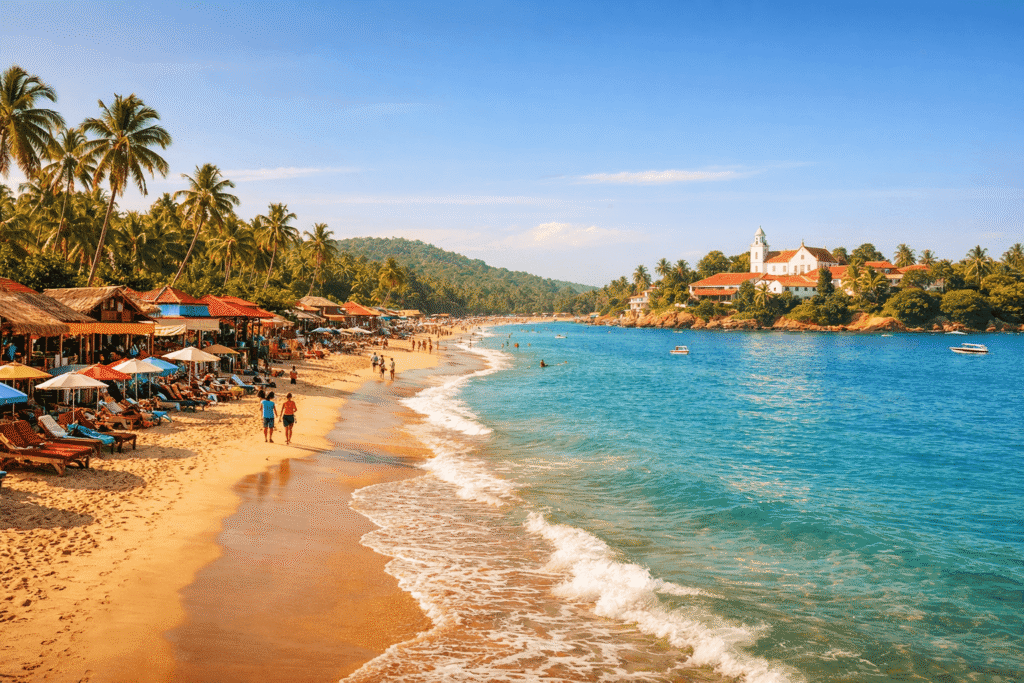
Planning your next getaway and thinking about travel in Goa? Whether it’s your first visit or a return trip, Goa always has something new to offer—from beaches and nightlife to culture and food. This Goa travel guide brings you everything you need to know, including the latest information to help you plan stress-free and enjoyable trips to Goa, no matter your travel style or budget.gh everything you need to create an unforgettable experience in this coastal paradise, from pristine beaches and Portuguese architecture to vibrant nightlife and mouthwatering cuisine.
Why Visit Goa?
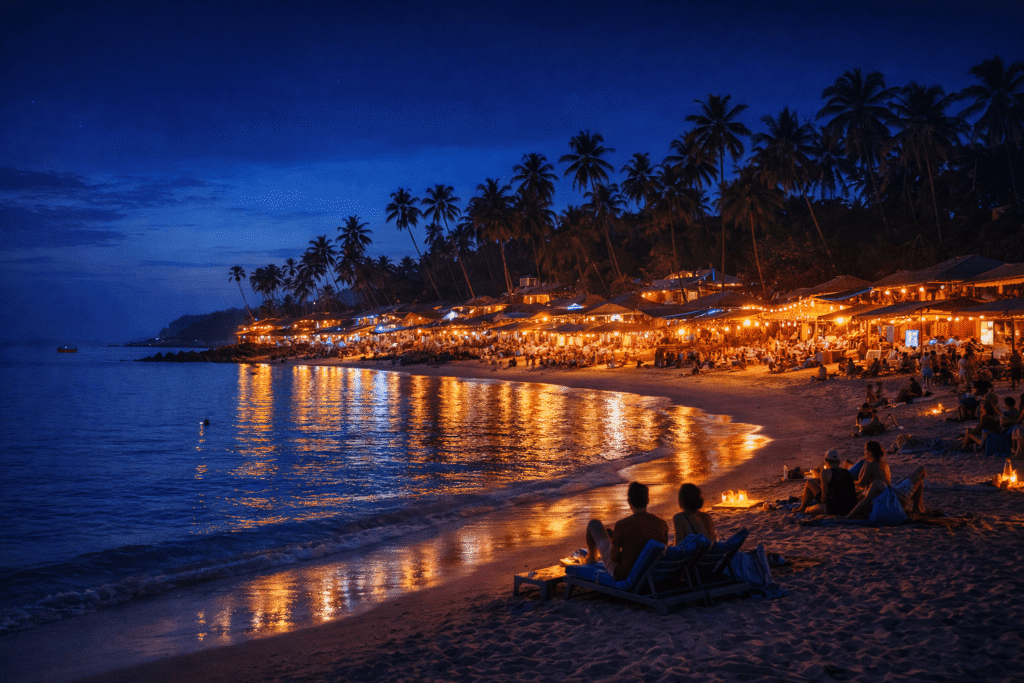
Before diving into goa trip planning, it’s worth understanding what makes this destination so special. Goa offers a unique blend of Indian and Portuguese cultures, thanks to over 450 years of Portuguese colonial rule. The result is a distinctive atmosphere where ancient churches stand alongside Hindu temples, where susegad (the Goan philosophy of taking life easy) permeates daily life, and where beach shacks serve both traditional fish curry rice and continental cuisine.
The state attracts everyone from backpackers seeking budget-friendly beach holidays to luxury travelers looking for five-star resorts, from party enthusiasts drawn to world-famous clubs to spiritual seekers finding peace in yoga retreats. Whatever your travel style, Goa has something extraordinary to offer.
Best Time to Visit Goa
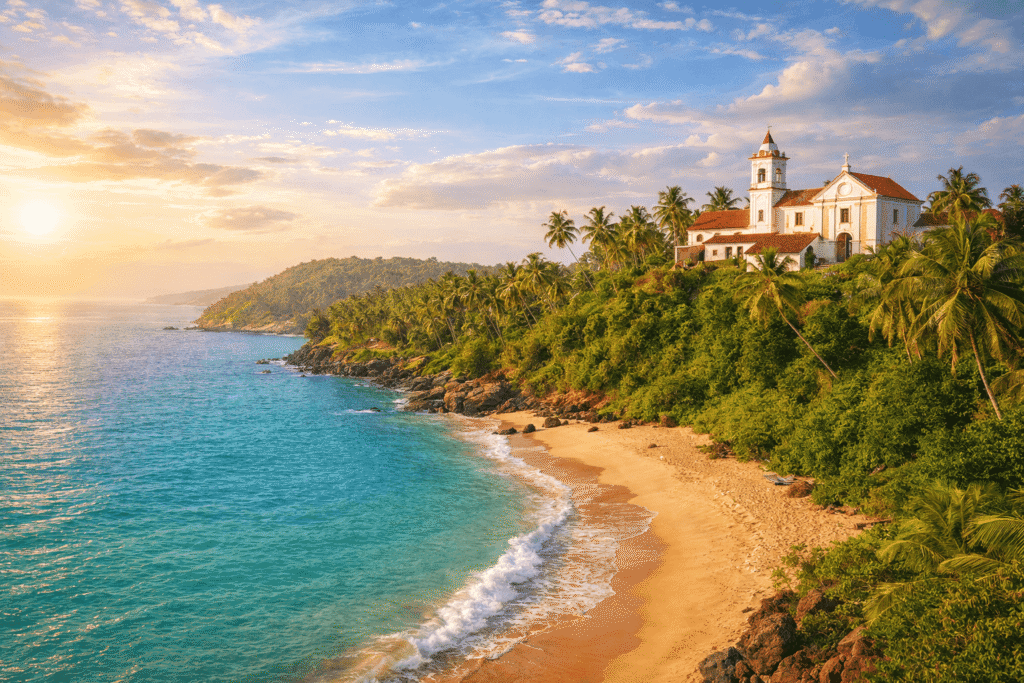
Timing is crucial for goa trip planning. The state experiences three distinct seasons, each offering different experiences:
Peak Season (November to February): This is the most popular time to visit. The weather is perfect with temperatures ranging from 20°C to 32°C, low humidity, and virtually no rain. Beaches are bustling, restaurants are full, and accommodation prices peak. Book at least 2-3 months in advance during this period, especially around Christmas and New Year when prices can triple.
Shoulder Season (October and March): These months offer excellent value. October marks the end of monsoon, with occasional showers but lush green landscapes. March sees temperatures rising but remains pleasant. Crowds are thinner, prices are moderate, and you’ll get a more authentic experience of local life.
Monsoon Season (June to September): While beaches may not be ideal for swimming due to rough seas, monsoon brings its own magic. The countryside transforms into a verdant paradise, waterfalls are at their most spectacular, and you’ll find incredible deals on accommodation. This season is perfect for those seeking solitude, nature lovers, and budget travelers.
North Goa vs South Goa: Which Should You Choose?
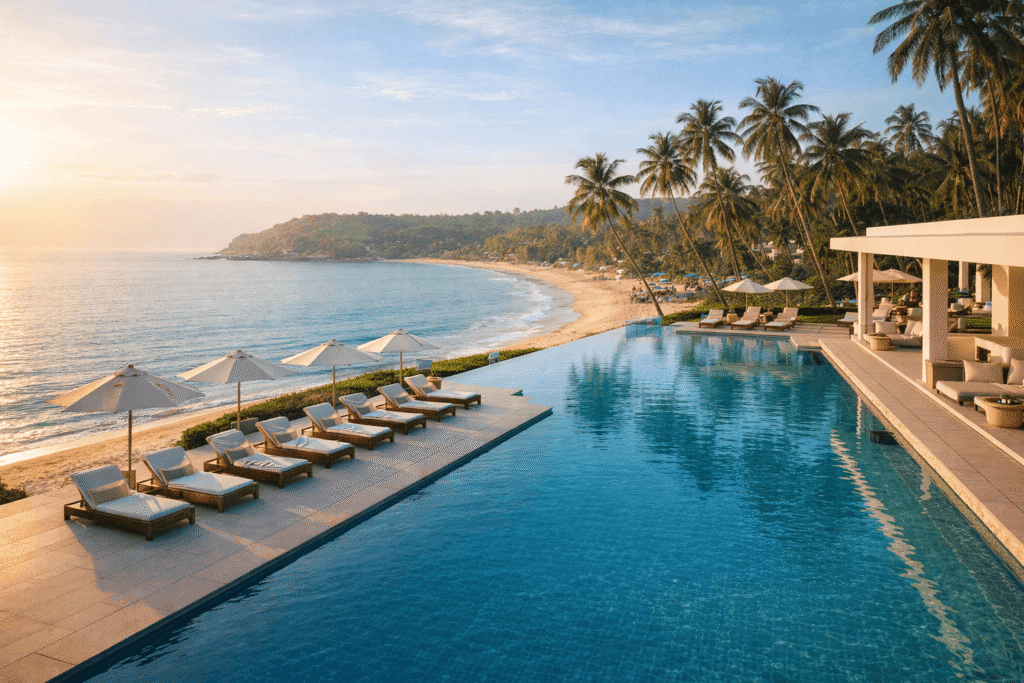
One of the most important goa travel tips is understanding the difference between North and South Goa, as they offer vastly different experiences.
North Goa is where the action happens. Beaches like Baga, Calangute, and Anjuna are famous for water sports, beach parties, and vibrant nightlife. The area attracts a younger crowd, backpackers, and party-goers. You’ll find budget accommodations, bustling flea markets, and countless beach shacks. North Goa is perfect if you want to socialize, party until dawn, and experience Goa’s energetic side.
Popular North Goa beaches include Arambol for its bohemian vibe and drum circles, Vagator for its dramatic red cliffs and trance parties, Morjim known as “Little Russia” for its large Russian population, and Candolim for a slightly more upscale beach experience with less crowding than Baga or Calangute.
South Goa offers tranquility and luxury. Beaches like Palolem, Agonda, and Cola are pristine, less crowded, and ideal for relaxation. The region has more upscale resorts, quieter beach shacks, and a laid-back atmosphere. South Goa attracts families, couples, and travelers seeking peace. The beaches are cleaner, the waters calmer, and the overall vibe more sophisticated.
Notable South Goa beaches include Palolem with its picturesque crescent bay and kayaking opportunities, Agonda for ultimate seclusion and turtle nesting sites, Patnem for a perfect blend of facilities and tranquility, and Butterfly Beach, accessible only by boat or a steep trek, offering complete isolation.
For first-time visitors, staying in one region for 3-4 days then moving to the other offers the best of both worlds.
Must-Visit Places in Goa
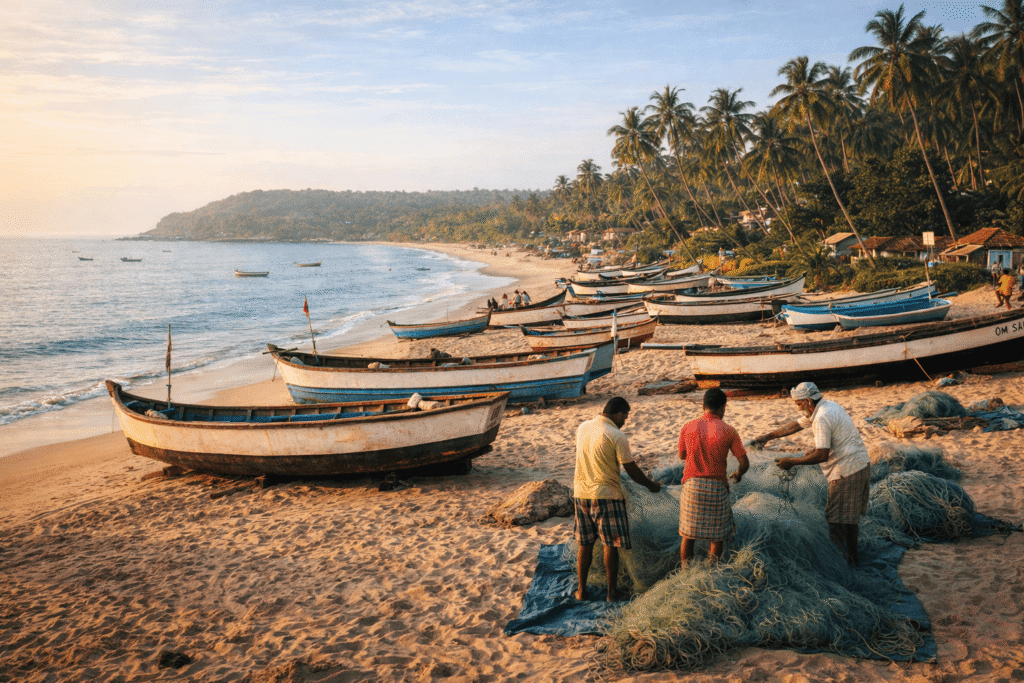
Old Goa: A Journey Through History
No goa travel guide would be complete without emphasizing Old Goa. Once called the “Rome of the East,” this UNESCO World Heritage Site showcases magnificent Portuguese architecture. The Basilica of Bom Jesus houses the remains of St. Francis Xavier and is a masterpiece of baroque architecture. The Se Cathedral, one of Asia’s largest churches, features Portuguese-Manueline architecture and houses the famous Golden Bell.
Spend at least half a day exploring these churches, and visit the Archaeological Museum to understand Goa’s layered history. The area is best visited early morning to avoid crowds and heat.
Panaji: The Charming Capital
Panaji (Panjim) retains its Portuguese charm with colorful colonial buildings, particularly in the Fontainhas neighborhood. Walk through the narrow streets with their overhanging balconies, azulejo-tiled facades, and art galleries. Visit the Church of Our Lady of Immaculate Conception with its distinctive white façade, and explore the local markets for authentic Goan products.
Dudhsagar Waterfalls
Located on the Goa-Karnataka border, Dudhsagar is one of India’s tallest waterfalls, cascading down 310 meters. The name means “Sea of Milk” in reference to its milky appearance during peak flow. While accessible during monsoon and immediately after, the trek becomes easier and safer post-monsoon. You can reach it via jeep safari or trek through the Bhagwan Mahavir Wildlife Sanctuary.
Spice Plantations
Visit working spice plantations like Sahakari Spice Farm or Tropical Spice Plantation for guided tours explaining how pepper, cardamom, vanilla, and nutmeg grow. Most tours include traditional Goan lunch, making it both educational and delicious.
Goa Travel Tips for Activities and Experiences
Water Sports and Adventure
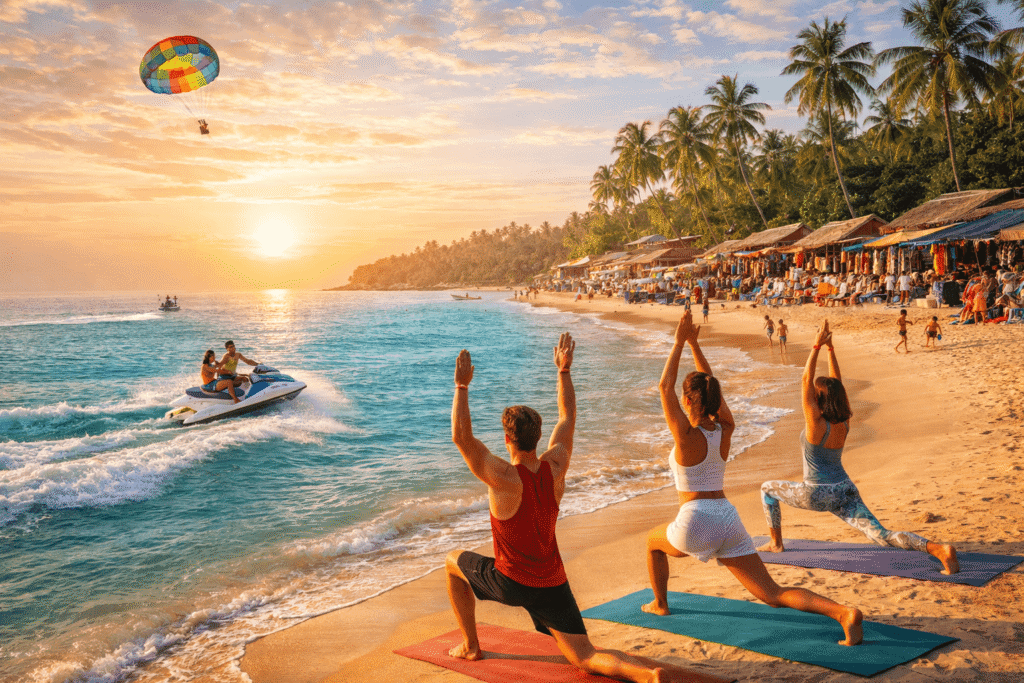
Goa’s coastline offers extensive water sports opportunities. Baga and Calangute beaches are hubs for parasailing, jet skiing, banana boat rides, and bumper rides. For diving, Grande Island offers PADI certification courses and recreational dives to see coral reefs, marine life, and shipwrecks. Prices range from ₹500 for basic activities to ₹5,000+ for scuba diving.
Always verify that operators have proper safety equipment and valid licenses. Bargaining is expected, so don’t accept the first price quoted.
Nightlife and Party Scene
North Goa’s legendary nightlife centers around clubs like Tito’s and Mambo’s in Baga, Club Cubana (the famous hilltop club), and Shiva Valley in Anjuna for authentic trance parties. Beach parties happen throughout the season at various locations. Entry fees range from free to ₹2,000 for special events.
For legal reasons, clubs typically close by 1 AM, though beach parties can go later. Always keep your ID handy as most venues check them strictly.
Yoga and Wellness
Goa has emerged as a yoga destination with numerous retreats and studios. Arambol and Palolem have thriving yoga communities with drop-in classes, week-long intensives, and teacher training courses. Purple Valley Yoga Centre and Himalaya Yoga Valley offer internationally recognized programs.
Markets and Shopping
Saturday Night Market in Arpora (mid-November to April) combines shopping with live music and food. Anjuna Flea Market on Wednesdays is legendary for handicrafts, jewelry, clothes, and souvenirs. Mapusa Friday Market offers an authentic local experience with spices, produce, and household goods.
Essential shopping items include cashew fenugreek (Goan sausages), bebinca (traditional layered dessert), cashew nuts, locally-made pottery, and handicrafts.
Goa Trip Planning: Practical Information
Getting There and Around
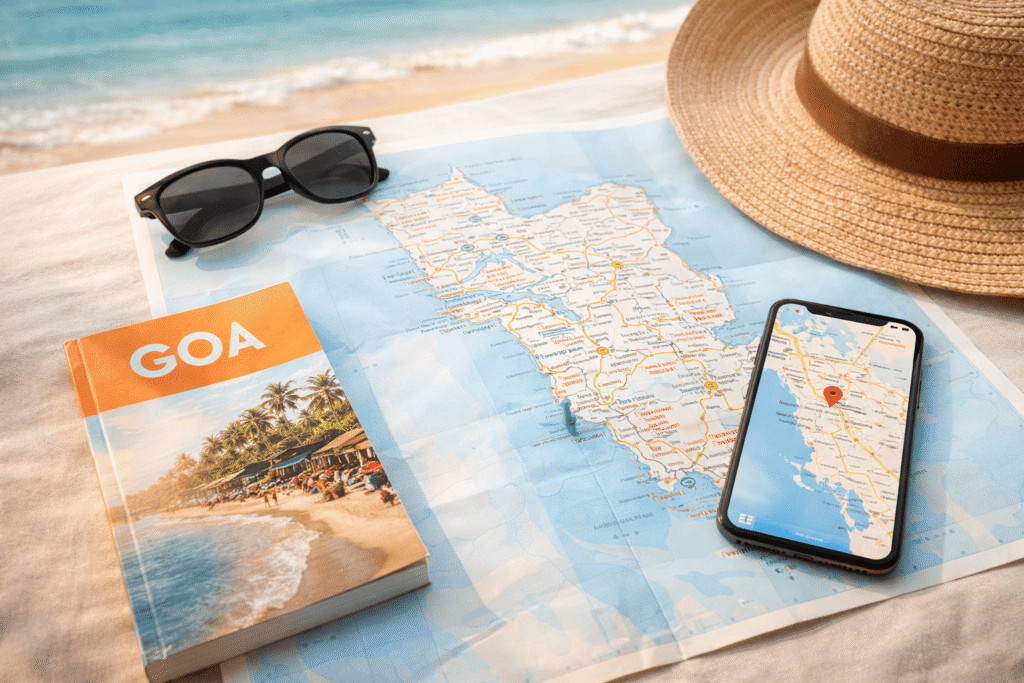
By Air: Goa International Airport (Dabolim) connects to major Indian cities and international destinations. Pre-book airport transfers as airport taxis charge premium rates.
By Train: Madgaon Junction is the major railway station in South Goa, while Thivim serves North Goa. Trains from Mumbai take 8-12 hours.
By Road: State-run and private buses connect Goa to Mumbai, Bangalore, and other cities. Luxury sleeper buses offer comfortable overnight journeys.
Getting Around: Renting a scooter (₹300-500/day) is the most popular and convenient option for those comfortable riding. Ensure you have a valid license and helmet. Taxis and auto-rickshaws are available but agree on fares beforehand or insist on using the meter. Ride-hailing apps like Ola and Uber operate in limited areas. For longer distances, private cabs can be hired for full-day tours.
Accommodation Options
Goa offers accommodations for every budget. Beach huts and guesthouses start from ₹500-1,500/night, mid-range hotels and boutique properties range from ₹2,000-5,000/night, while luxury resorts and villas can cost ₹10,000-50,000+/night. Book directly with properties for better rates, especially if staying multiple nights.
Popular areas to stay include Calangute-Baga for nightlife access, Anjuna-Vagator for a hippie vibe and trance culture, Arambol for budget backpackers and yoga enthusiasts, Palolem for peaceful beach life, and Agonda for ultimate seclusion.
Food and Cuisine
Goan cuisine is a delicious fusion of Indian spices and Portuguese techniques. Must-try dishes include fish curry rice (the Goan staple), vindaloo (spicy pork curry), xacuti (coconut-based curry), bebinca (layered dessert), and fresh seafood grilled at beach shacks.
Beach shacks offer the most atmospheric dining with fresh catches like kingfish, pomfret, prawns, and lobster cooked to order. Inland restaurants serve authentic Goan cuisine away from touristy areas. Cafes in Anjuna, Vagator, and Palolem serve excellent international cuisine, including Israeli, Italian, and continental food.
Budget for meals: Beach shacks ₹300-800 per person, mid-range restaurants ₹800-1,500 per person, fine dining ₹2,000+ per person. Fresh seafood is expensive but worth it.
Safety and Health Tips
Goa is generally safe, but standard precautions apply. Avoid isolated beaches after dark, don’t leave valuables unattended on beaches, be cautious with drinks at parties, and respect local customs when visiting religious sites.
The sun is intense—use high SPF sunscreen, stay hydrated, and avoid midday beach time during peak summer. Sea conditions can be dangerous during monsoon—heed warning signs and avoid swimming if red flags are displayed.
Tap water isn’t potable—stick to bottled water. Try local cuisine but choose busy restaurants with visible hygiene standards.
Budget Planning
A rough daily budget for goa trip planning:
Budget Traveler: ₹1,500-2,500 (₹500-800 accommodation, ₹600-1,000 food, ₹400-700 transport and activities)
Mid-Range Traveler: ₹4,000-8,000 (₹2,000-3,500 accommodation, ₹1,500-3,000 food, ₹500-1,500 transport and activities)
Luxury Traveler: ₹15,000+ (₹8,000+ accommodation, ₹4,000+ food, ₹3,000+ transport and activities)
Add extra for water sports, club entry, shopping, and special experiences.
Essential Goa Travel Tips
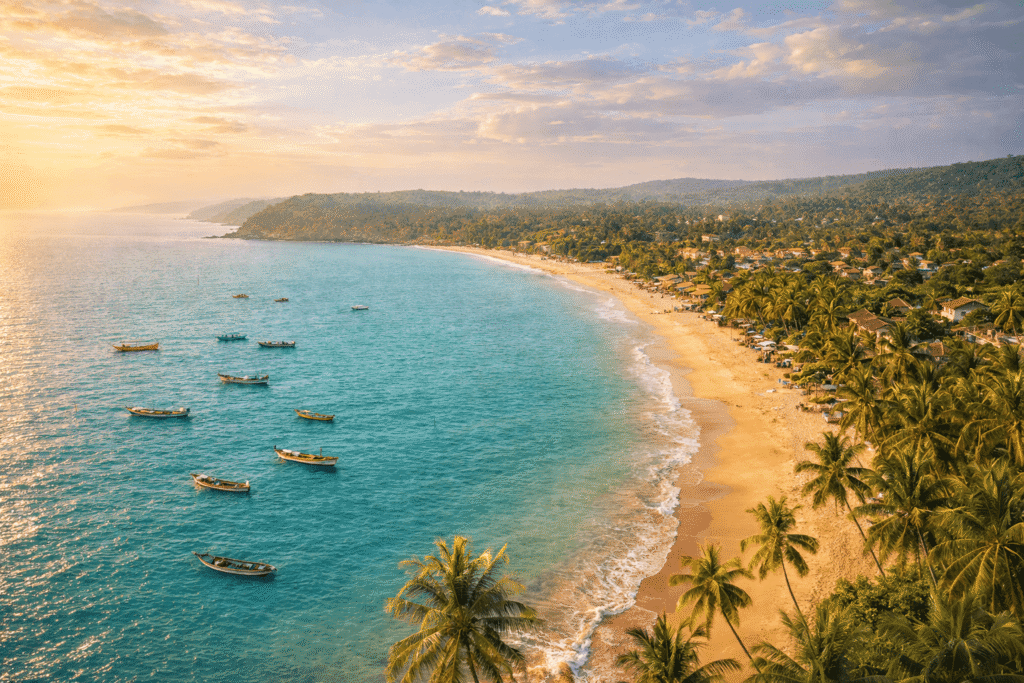
Start your day early to enjoy beaches before crowds arrive and temperatures soar. Bargain respectfully at markets and with auto drivers—it’s expected but remain polite. Rent scooters only if you’re an experienced rider, as roads can be chaotic. Learn a few Konkani phrases; locals appreciate the effort even if they speak perfect English.
Respect local culture, particularly when visiting religious sites—dress modestly and remove footwear where required. Don’t litter beaches or natural sites; Goa’s beauty depends on conscious tourism. Be mindful of wildlife, especially in areas where olive ridley turtles nest during breeding season.
Conclusion
Goa is more than just a beach destination—it’s an experience that fits solo travelers, couples, families, and even slow travelers. With the help of this Goa travel guide latest information, you can plan smarter, avoid common mistakes, and make the most of your time here. Whether you’re planning relaxed days by the sea or packed trips to Goa full of exploration, good planning will always make your travel in Goa more memorable.
Frequently Asked Questions
Goa is generally a safe destination for travelers at present. Like any popular tourist place, it’s best to stay alert, follow local guidelines, and take basic safety precautions while traveling.
Most travelers need a valid tourist visa, which can be easily applied for through India’s e-visa system. Goa has an international airport at Dabolim, and the most comfortable travel season is from November to March, when the weather is dry and pleasant.
The best months to visit Goa are November to February, when the weather is cool and ideal for beaches, sightseeing, and festivals. The months from July to October are considered a moderate season with fewer crowds and greener landscapes.
It is best to avoid traveling to Goa during June to August, as the monsoon brings heavy rainfall, strong winds, limited sunshine, and frequent disruptions to outdoor activities.