
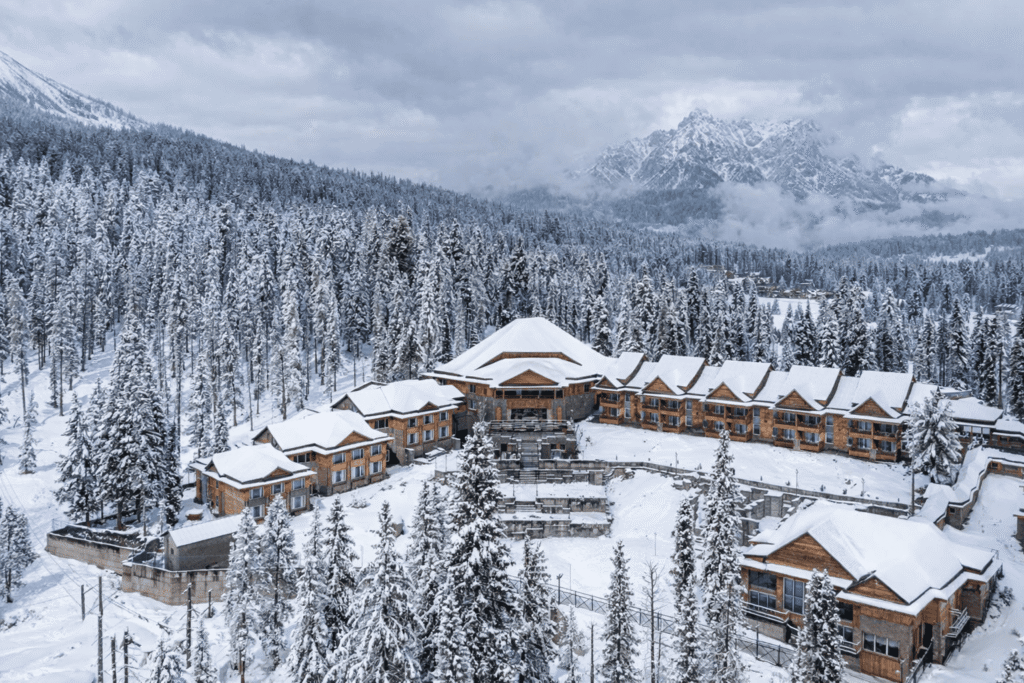
Kashmir, often called “Paradise on Earth,” is a breathtaking region in northern India where snow-capped Himalayan peaks meet pristine valleys, serene lakes reflect ancient chinars, and Mughal gardens showcase centuries of refined beauty.
Whether you’re seeking adventure in snow-covered mountains, tranquility in floating houseboats, or immersion in rich cultural heritage, Kashmir offers experiences that stay with you long after you’ve returned home.
Why Visit Kashmir? Understanding Its Unique Appeal
Kashmir isn’t just another tourist destination—it’s an experience that engages all your senses. The region captivates visitors with its stunning natural beauty, from the mirror-like Dal Lake surrounded by mountains to the endless meadows of Gulmarg carpeted with wildflowers.
The warm hospitality of Kashmiri people, the aroma of kahwa (traditional saffron tea), and the intricate artistry of handwoven carpets and pashmina shawls create an atmosphere unlike anywhere else in India.
Beyond its physical beauty, Kashmir offers adventure opportunities year-round: skiing and snowboarding in winter, trekking and camping in summer, and photography in every season.
The region’s Mughal gardens, ancient temples, and historic monuments tell stories of emperors and saints who were equally enchanted by this paradise.
Best Time to Visit Kashmir: Seasonal Guide
Spring (March to May): The Season of Blossoms
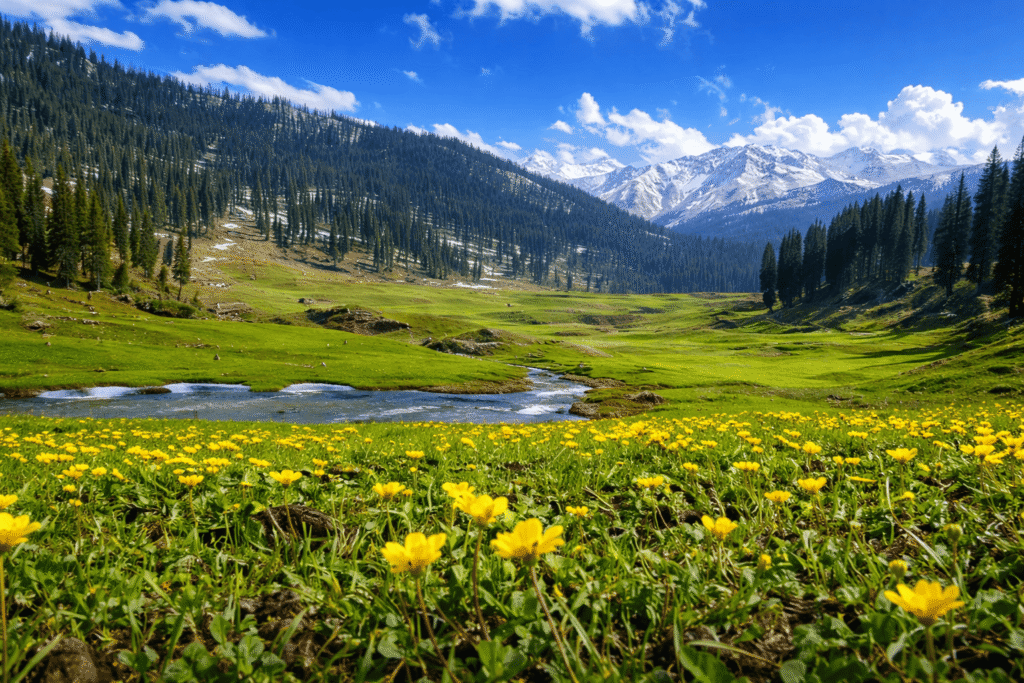
Spring transforms Kashmir into a riot of colors as tulip gardens bloom and fruit orchards blossom. Temperatures range from 10°C to 25°C, making it perfect for sightseeing and outdoor activities.
The famous Tulip Garden in Srinagar opens in late March, attracting thousands of visitors to witness Asia’s largest tulip display. This is ideal for garden tours, shikara rides, and exploring the valleys without extreme cold or heat.
Summer (June to August): Peak Tourist Season
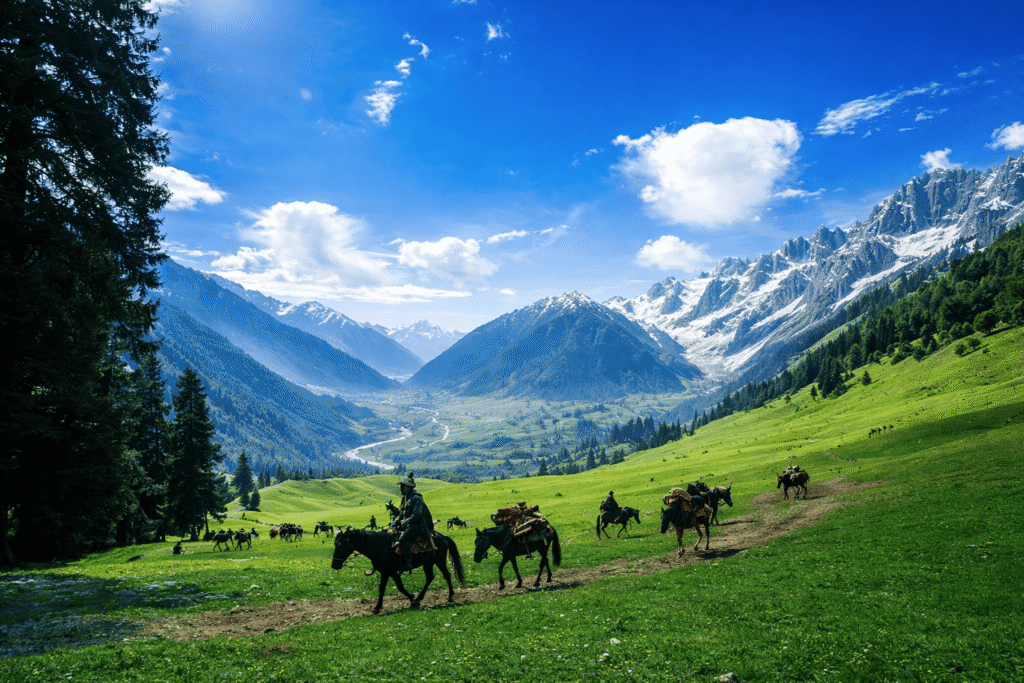
Summer is the most popular time to visit, with temperatures between 15°C to 30°C. This season is perfect for escaping the scorching heat of Indian plains. Families flock to Kashmir during summer vacations, making it the busiest period. Book accommodations well in advance.
The meadows are lush green, trekking routes are accessible, and all tourist activities operate at full capacity. However, be prepared for occasional rain showers.
Autumn (September to November): The Golden Season
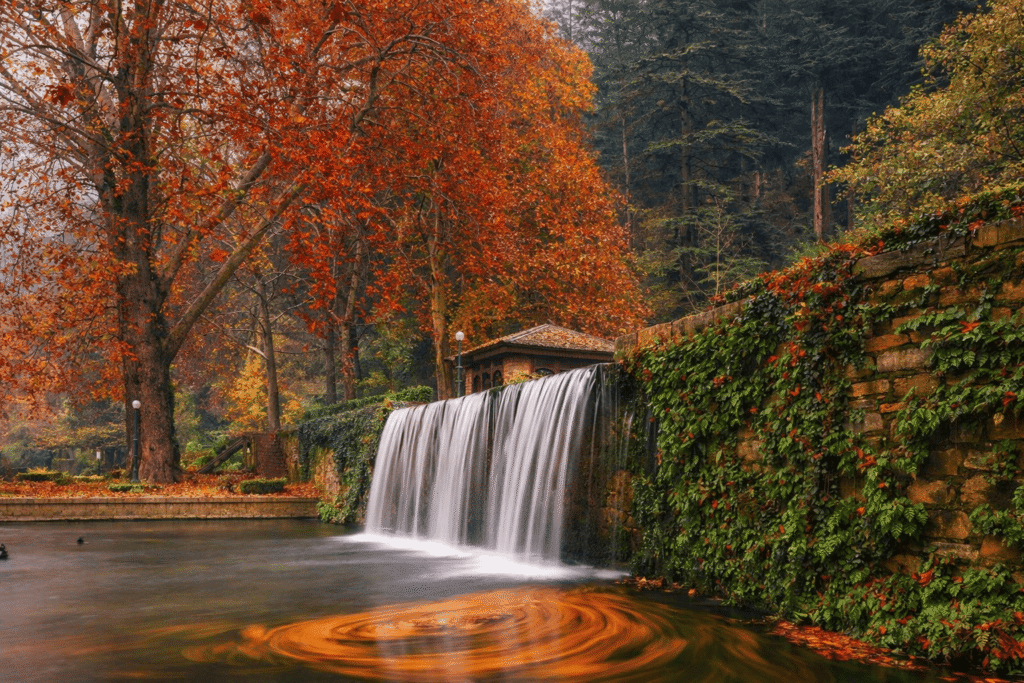
Autumn paints Kashmir in shades of gold, amber, and crimson as chinar trees change color. With temperatures from 5°C to 20°C and clear skies offering spectacular mountain views, many consider this the most beautiful season.
Fewer crowds mean better hotel rates and peaceful experiences. The harvest season brings fresh apples, walnuts, and saffron to local markets.
Winter (December to February): The Snow Wonderland
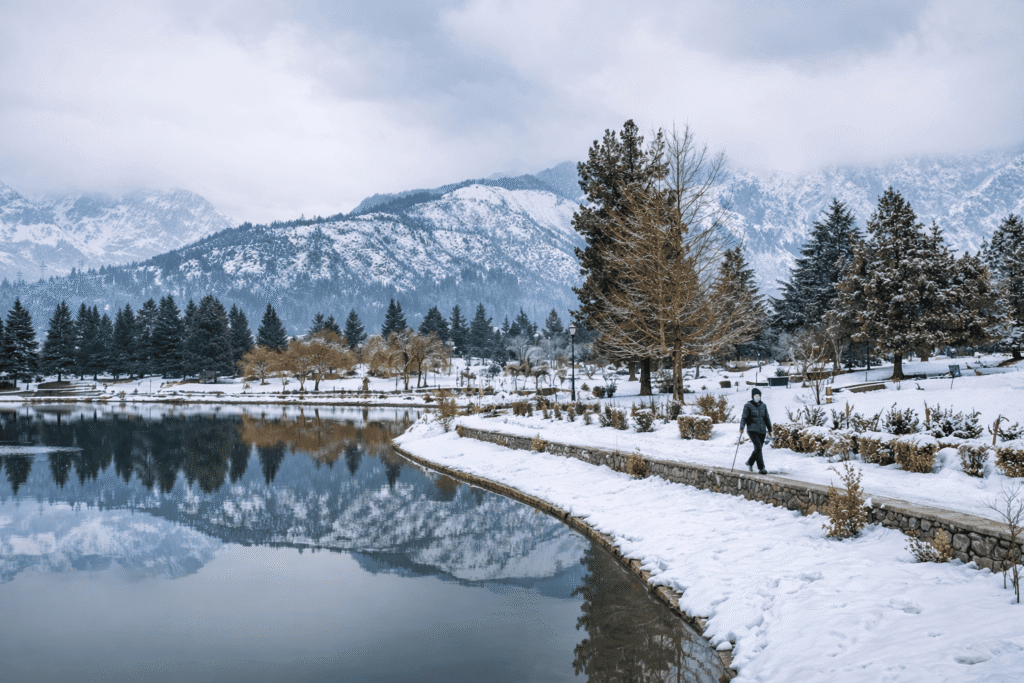
Winter transforms Kashmir into a snow-covered paradise with temperatures dropping to -5°C to 10°C. This is the season for skiing enthusiasts heading to Gulmarg, one of Asia’s premier ski destinations.
Dal Lake sometimes freezes, creating surreal landscapes. While many areas become inaccessible due to heavy snowfall, the winter charm attracts couples, honeymooners, and snow lovers. Carry heavy woolens and be prepared for flight delays.
Must-Visit Destinations in Kashmir
Srinagar: The Summer Capital
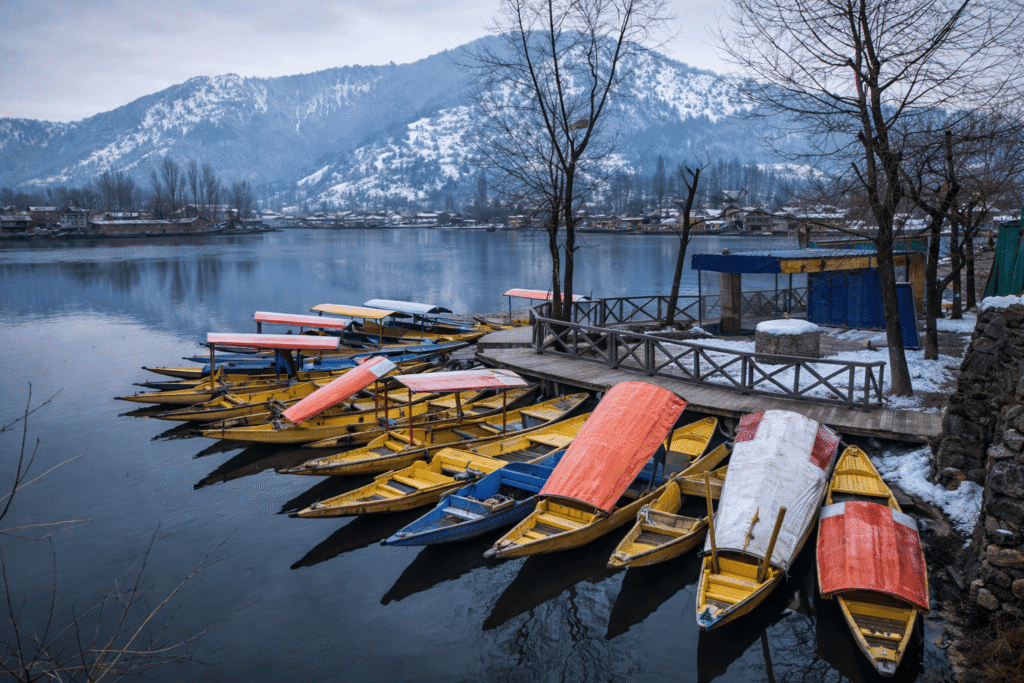
Dal Lake: The iconic heart of Srinagar, Dal Lake is where you’ll find hundreds of colorful houseboats and shikaras gliding across mirror-like waters. Stay in a traditional houseboat featuring intricately carved walnut wood interiors, comfortable bedrooms, and rooftop dining with mountain views.
Early morning shikara rides reveal floating vegetable gardens where locals cultivate produce, and you can purchase fresh lotus stems, flowers, and handicrafts from floating vendors. Sunset views from the lake, with the Zabarwan mountains in the background, are simply magical.
Mughal Gardens: Srinagar’s Mughal Gardens represent the pinnacle of garden design. Shalimar Bagh, built by Emperor Jahangir for his wife Nur Jahan, features terraced lawns, cascading fountains, and 400-year-old chinar trees.
Nishat Bagh (Garden of Joy) sits on the eastern shores of Dal Lake with twelve terraces representing the zodiac signs. Chashme Shahi is smaller but perfectly maintained, built around a natural spring. Visit these gardens in late afternoon when the lighting is perfect for photography.
Old City and Markets: Explore the narrow lanes of old Srinagar where centuries-old wooden architecture still stands. Visit the Jamia Masjid with its 370 wooden pillars, each made from a single deodar tree. The Shah Hamdan Shrine showcases exquisite papier-mâché work.
Shop at Lal Chowk and Residency Road for authentic Kashmiri handicrafts, including pashmina shawls, hand-knotted carpets, papier-mâché items, and walnut wood carvings. Don’t leave without tasting traditional wazwan—a multi-course feast featuring dishes like rogan josh, gushtaba, and tabak maaz.
Gulmarg: The Meadow of Flowers
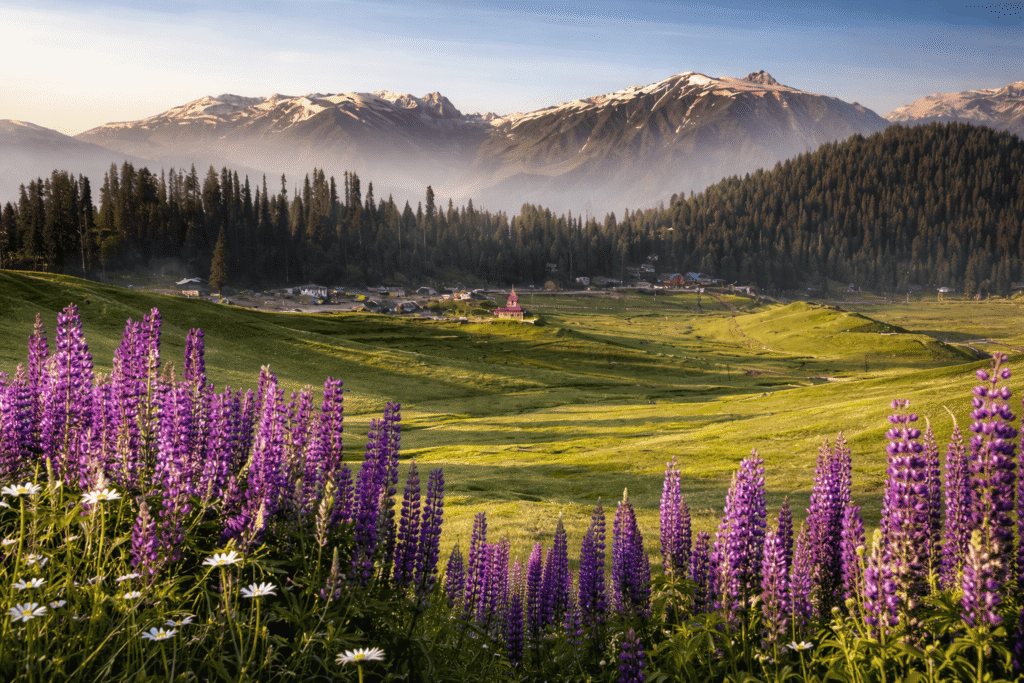
Located 51 km from Srinagar at an altitude of 2,650 meters, Gulmarg transforms from a flower-filled meadow in summer to a skiing paradise in winter.
The Gulmarg Gondola, one of the world’s highest cable cars, takes you to Apharwat Peak at 3,979 meters in two phases. The views from the top are absolutely spectacular, offering 360-degree panoramas of the Himalayan range including Nanga Parbat.
Winter Activities: Gulmarg is India’s premier skiing destination with slopes suitable for beginners and advanced skiers. Hire instructors and equipment locally. Snowboarding, sledding, and snow scooter rides are also popular.
Summer Activities: Golf at Asia’s highest green golf course (18 holes), trek to Alpather Lake (13 km), or simply take pony rides through meadows dotted with wildflowers. The mountain biking trails here attract adventure enthusiasts from around the world.
Pahalgam: The Valley of Shepherds
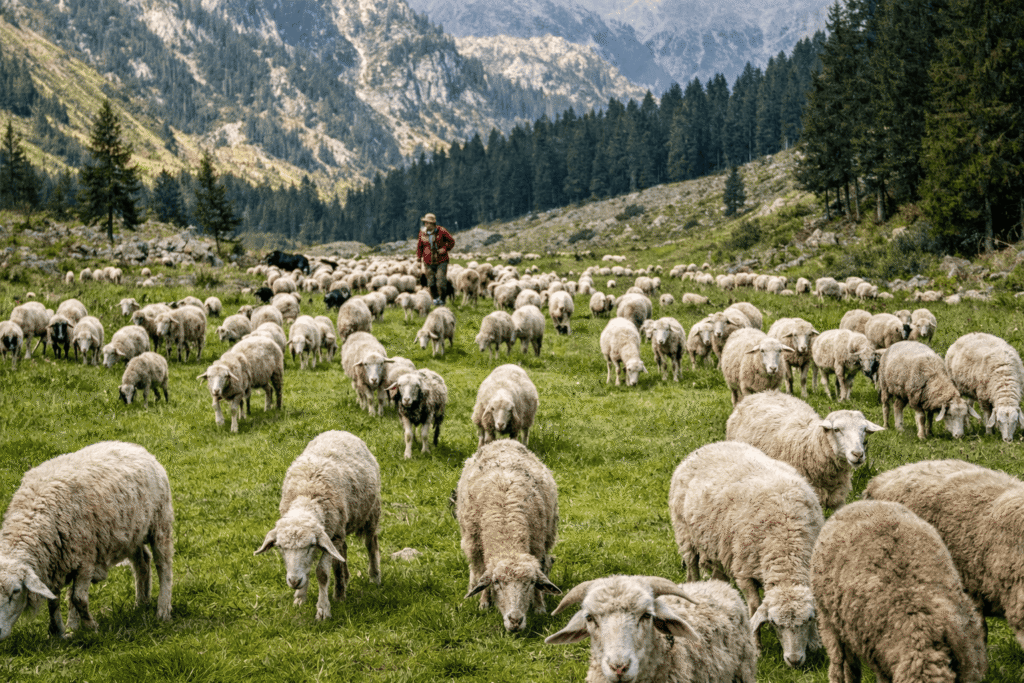
Situated 95 km from Srinagar at the confluence of streams from the Sheshnag Lake and the Lidder River, Pahalgam offers stunning natural beauty and serves as the base camp for the annual Amarnath Yatra pilgrimage.
Betaab Valley: Named after the Bollywood film “Betaab” shot here, this valley is surrounded by lush green meadows, dense forests, and snow-covered mountains. It’s perfect for picnics and photography.
Aru Valley: Located 12 km from Pahalgam, Aru is a pristine village with meadows and mountains, ideal for trekking, camping, and horse riding. It’s less commercialized and offers authentic rural Kashmiri experiences.
Chandanwari: The starting point of the Amarnath Yatra, Chandanwari is famous for its snow bridge that remains intact even during summer. The drive from Pahalgam follows the Lidder River through spectacular scenery.
Adventure Activities: White water rafting in Lidder River (Grade II and III), trekking to Kolahoi Glacier, fishing (with permits), and camping under stars are popular activities.
Sonamarg: The Meadow of Gold
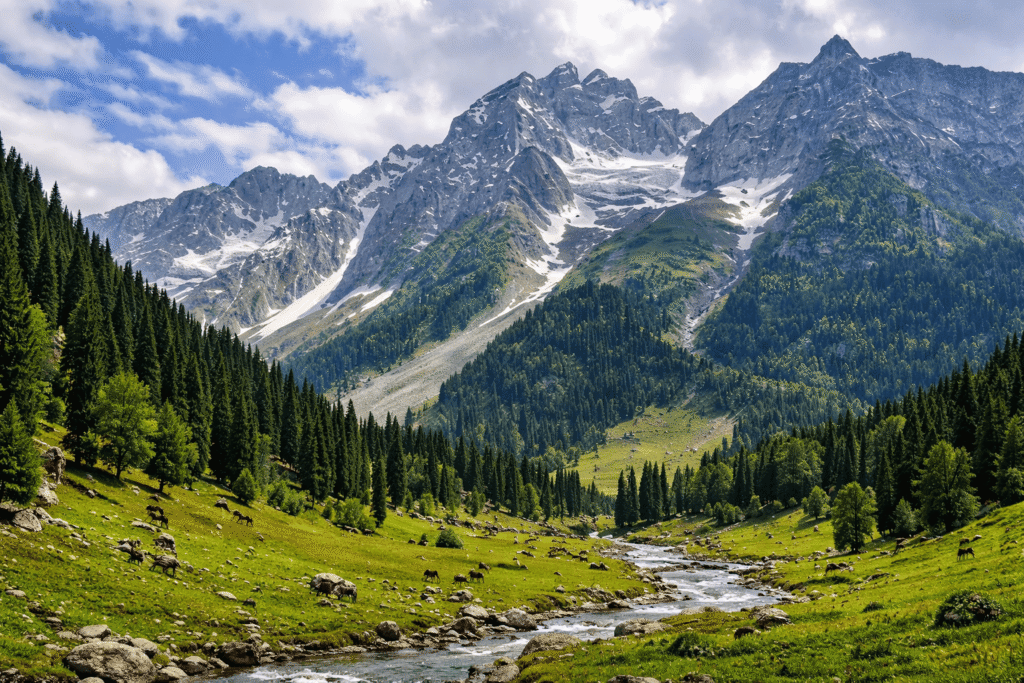
Located 80 km from Srinagar at 2,800 meters altitude, Sonamarg is the gateway to Ladakh via Zoji La Pass. During summer, the meadows turn golden with flowers (hence the name), while glaciers surround the valley.
Thajiwas Glacier: A 3 km trek or pony ride from Sonamarg main market takes you to this accessible glacier. You can walk on the glacier, enjoy snow activities even in summer, and soak in pristine mountain scenery.
Adventure Base: Sonamarg serves as the starting point for treks to various high-altitude Himalayan lakes including Gangabal Lake, Vishansar Lake, and Krishansar Lake. These multi-day treks require proper planning and guides.
Yusmarg: The Hidden Gem
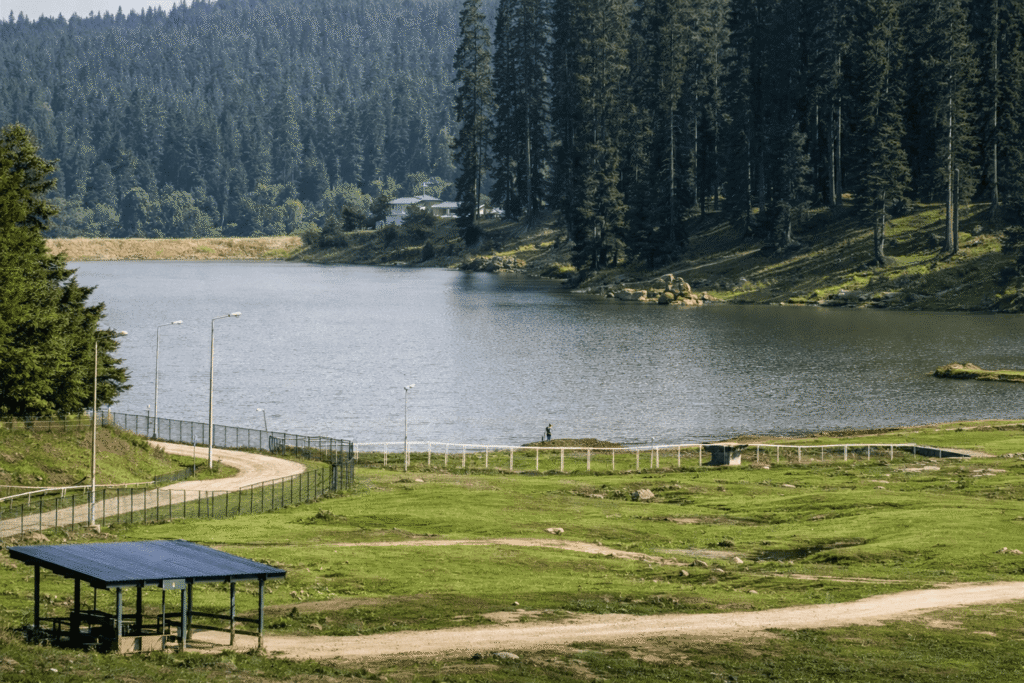
Often overlooked by tourists, Yusmarg (47 km from Srinagar) offers peace and pristine beauty without crowds. Surrounded by dense forests and meadows, it’s perfect for those seeking tranquility.
Nilnag Lake nearby is a beautiful spot for picnics, and the area offers excellent opportunities for nature walks and bird watching.
Unique Experiences in Kashmir
Houseboat Stay on Dal Lake
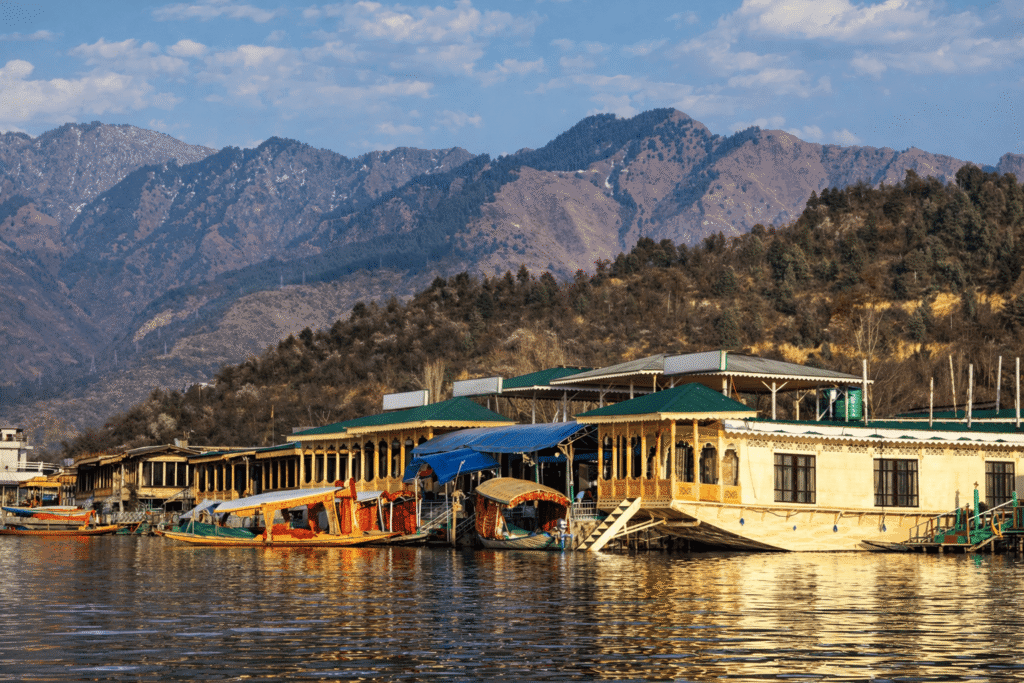
Staying in a houseboat is quintessentially Kashmiri. These floating wooden structures range from budget to luxury categories. Traditional houseboats feature carved walnut wood furniture, comfortable beds with Kashmir rugs, and attached bathrooms.
Most include meals prepared by onboard cooks featuring Kashmiri cuisine. Wake up to mountain views, enjoy breakfast on the deck, and fall asleep to gentle water ripples. Book through reputable operators and inspect rooms before confirming.
Shikara Rides at Sunset
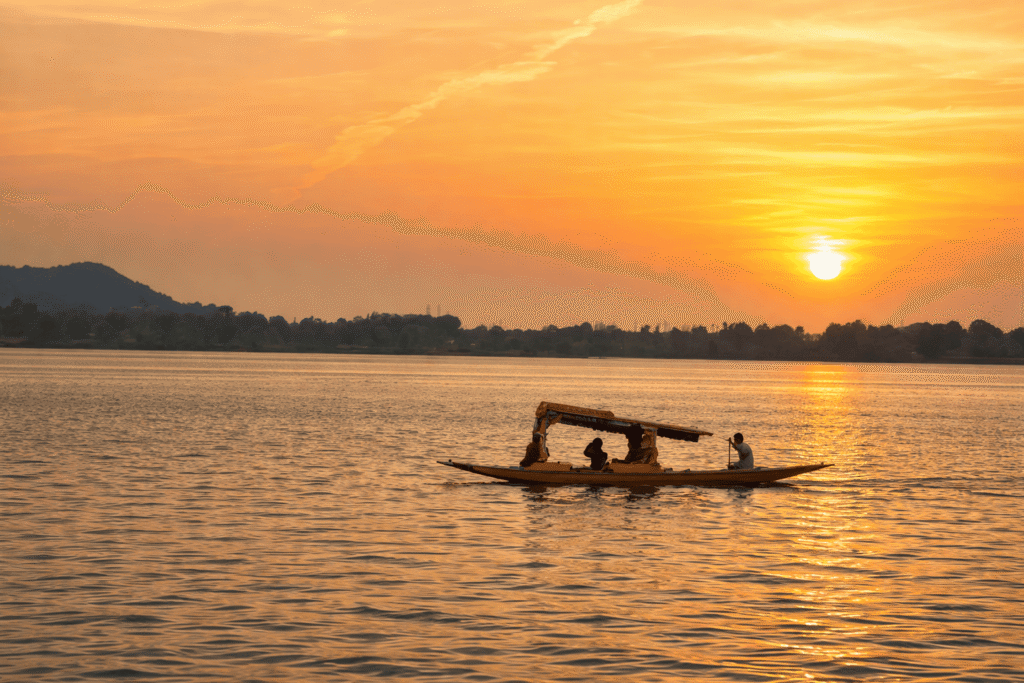
Shikara rides offer the best way to experience Dal Lake. Early morning rides show the lake coming to life with vegetable vendors, lotus pickers, and morning mist.
Sunset rides are romantic, with the sky turning shades of orange and pink reflected in calm waters. Typical rides last 1-2 hours. Negotiate rates beforehand (₹500-₹1000 per hour depending on season and duration).
Kashmiri Cuisine and Wazwan
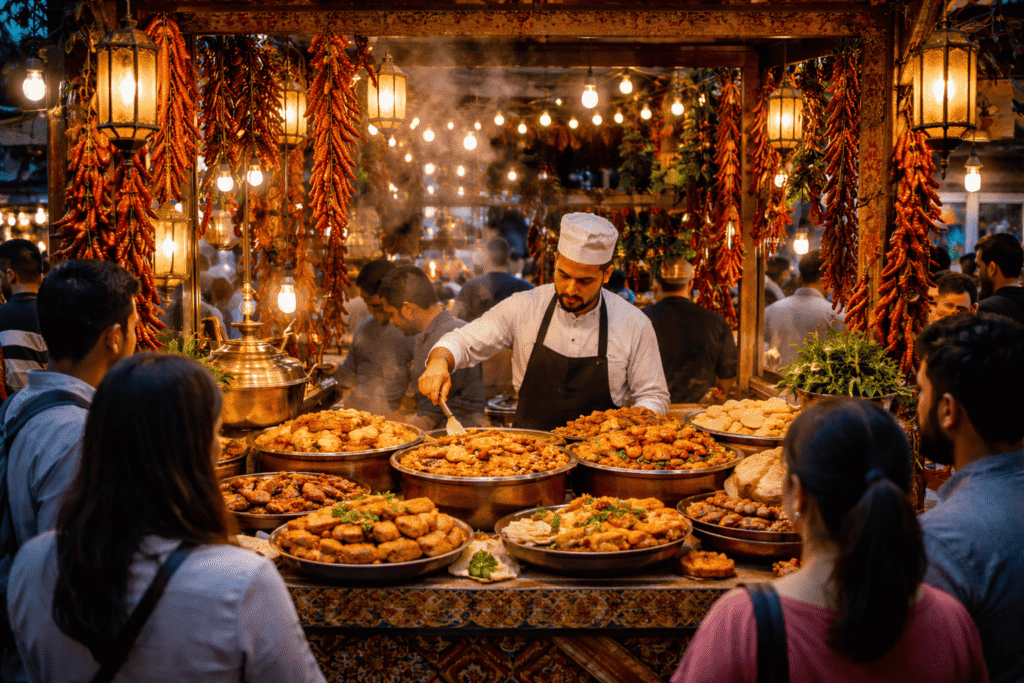
Kashmiri cuisine is a delightful blend of Persian and Central Asian influences. Wazwan is the traditional multi-course meal served at weddings and special occasions, featuring 36 dishes.
Try rogan josh (red lamb curry with Kashmiri spices), gushtaba (minced mutton balls in yogurt gravy), yakhni (yogurt-based meat curry), kahwa (saffron-infused green tea with almonds), and noon chai (pink salt tea).
For vegetarians, try dum aloo (baby potatoes in yogurt gravy), haak (collard greens), chaman (cottage cheese in thick gravy), and various rice preparations with dried fruits and saffron.
Shopping for Authentic Kashmiri Crafts
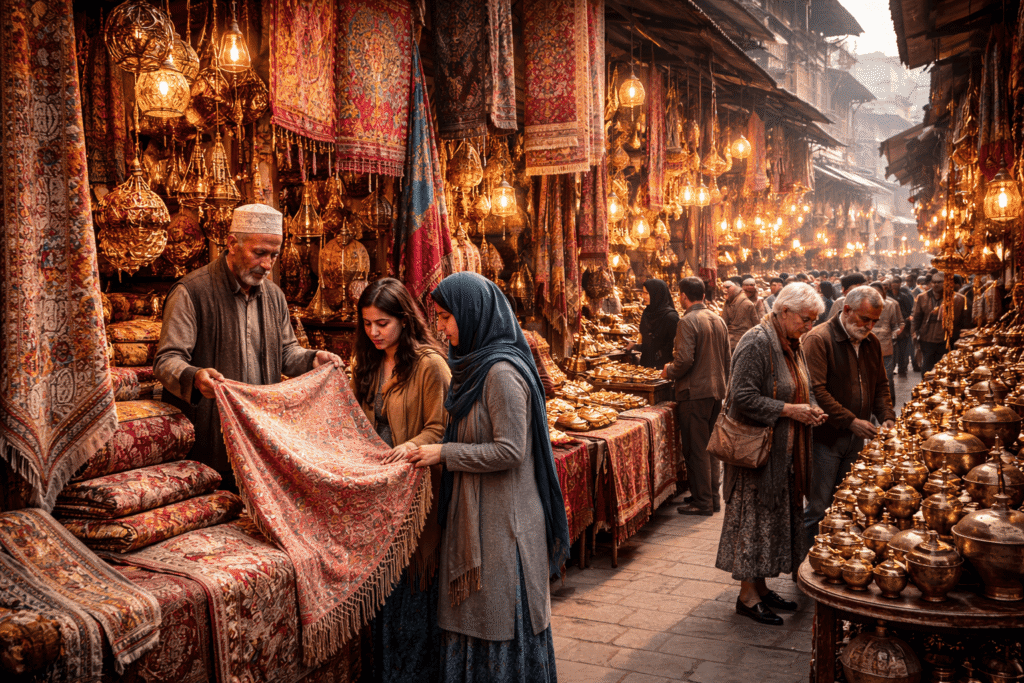
Kashmir is renowned for exceptional handicrafts. Pashmina shawls made from the finest Himalayan goat wool are the most sought-after items—authentic pashmina is expensive (₹10,000-₹100,000+) and incredibly soft.
Hand-knotted carpets take months to create with intricate Persian and Mughal designs. Walnut wood carvings, papier-mâché items, copperware, and saffron (the world’s most expensive spice, grown in Pampore) make excellent souvenirs.
Shop at government emporiums for quality assurance, or explore local markets for better bargaining. Always verify authenticity, especially for pashmina and saffron, as replicas are common.
Practical Travel Information
How to Reach Kashmir
By Air: Sheikh ul-Alam International Airport in Srinagar connects to major Indian cities including Delhi, Mumbai, Bangalore, and Kolkata. Book flights well in advance during peak season as prices increase significantly. The airport is 15 km from city center.
By Road: The Srinagar-Jammu National Highway (NH 44) is a scenic 270 km route taking 8-10 hours by car. The road passes through the Jawahar Tunnel and offers spectacular mountain views. Regular bus services and shared taxis operate between Jammu and Srinagar.
By Train: The nearest railway station is Jammu Tawi, well-connected to major cities. From Jammu, take a taxi or bus to Srinagar.
Where to Stay in Kashmir
Srinagar: Choose from luxury hotels like The Lalit Grand Palace and Vivanta Dal View, mid-range options near Boulevard Road, budget hotels in Lal Chowk, or traditional houseboats on Dal and Nigeen Lakes.
Gulmarg: Options range from luxury resorts like Khyber Himalayan Resort to budget hotels and guesthouses near the gondola station.
Pahalgam: Hotels line the main market area and along Lidder River, offering views of pine forests and mountains. Book riverside properties for better experiences.
Budget Travelers: Kashmir has numerous budget guesthouses, homestays, and youth hostels offering clean accommodation for ₹800-₹2000 per night.
Getting Around Kashmir
Private Taxis: Most convenient for exploring Kashmir. Hire taxis for full days (₹3000-₹5000 depending on destination) or book multi-day packages. Negotiate rates beforehand.
Shared Taxis and Buses: Cheaper options connecting major towns. Buses run regularly between Srinagar, Gulmarg, Pahalgam, and Sonamarg but take longer with multiple stops.
Within Srinagar: Auto-rickshaws, local taxis, and app-based cabs operate within the city. Shikaras serve as water taxis on Dal Lake.
Budget Planning
Budget Travelers: ₹2,000-₹3,500 per day (accommodation, food, local transport) Mid-Range Travelers: ₹4,000-₹8,000 per day (comfortable hotels, private taxis, activities) Luxury Travelers: ₹10,000+ per day (premium hotels, private vehicles, fine dining)
Major expenses include accommodation, transportation between destinations, gondola rides (₹1,800-₹3,000), and shopping for handicrafts.
What to Pack for Kashmir
Summer (June-August): Light woolens for evenings, comfortable walking shoes, sunscreen, sunglasses, light jacket, cotton clothes, and rain gear.
Winter (December-February): Heavy woolens, thermal wear, insulated jackets, waterproof boots, gloves, scarves, and woolen caps. Layer clothing for flexibility.
All Seasons: Comfortable walking shoes, camera with extra batteries, power bank, basic medications, personal toiletries, and photocopies of important documents.
Safety and Travel Tips
Current Situation and Safety
Kashmir has seen significant improvements in tourism infrastructure and safety. However, stay updated on current situations before traveling. Follow these guidelines:
- Check official travel advisories before booking
- Register with your embassy if traveling internationally
- Avoid discussing sensitive political topics
- Respect local customs and religious sentiments
- Follow instructions from security personnel at checkpoints
- Keep identification documents handy at all times
- Inform your hotel about daily plans
Respect Local Culture
Kashmir has a predominantly Muslim population with conservative values:
- Dress modestly, especially when visiting religious sites and local areas
- Women should cover their heads when entering mosques and shrines
- Remove shoes before entering religious places
- Ask permission before photographing people, especially women
- Avoid public displays of affection
- During Ramadan, respect those fasting by being discreet while eating in public
Health Considerations
- Drink only bottled or filtered water
- Altitude sickness can affect visitors in Gulmarg and Sonamarg—acclimatize gradually
- Carry basic medications including those for altitude sickness
- Apply sunscreen even on cloudy days—UV rays are strong at high altitudes
- Medical facilities are available in Srinagar; carry prescriptions for emergency supplies
- Travel insurance is highly recommended
Mobile Connectivity and Internet
Mobile connectivity is generally good in main towns but limited in remote areas. Postpaid connections from major carriers work better than prepaid. Internet services, including 4G, are available but may be slower than in other parts of India. Download offline maps before traveling to remote areas.
Suggested Itineraries
5-Day Kashmir Itinerary
Day 1: Arrive Srinagar, check into houseboat, visit Mughal Gardens, evening shikara ride Day 2: Full day Gulmarg excursion, Gondola ride, explore meadows Day 3: Day trip to Sonamarg, visit Thajiwas Glacier, return to Srinagar Day 4: Drive to Pahalgam, visit Betaab Valley and Aru Valley, overnight in Pahalgam Day 5: Return to Srinagar, shopping, departure
7-Day Kashmir Itinerary
Follow the 5-day itinerary and add: Day 6: Explore old Srinagar—Jamia Masjid, Shah Hamdan Shrine, local markets, sunset at Nigeen Lake Day 7: Visit Yusmarg or Doodhpathri for offbeat experiences, departure
10-Day Kashmir with Ladakh
Extend your trip to include Ladakh via road from Sonamarg (May-September only when Zoji La Pass is open), visiting Kargil, Lamayuru, Leh, Pangong Lake, and Nubra Valley before returning.
Photography Tips for Kashmir
Kashmir is a photographer’s paradise. Capture the best moments with these tips:
- Golden Hours: Shoot during sunrise and sunset for magical light
- Dal Lake: Early morning (5-7 AM) offers misty, tranquil shots with mountain reflections
- Portraits: Always ask permission; offering to share photos via email often helps
- Weather: Overcast days create soft, even lighting perfect for landscapes
- Equipment: Bring polarizing filters for lake shots, telephoto lens for mountain details, and wide-angle for landscapes
- Winter: Protect camera batteries in cold weather; carry extras
Conclusion
Kashmir is more than a destination—it’s an emotion, a poem written by nature, a canvas painted with divine brushstrokes. From the serene waters of Dal Lake to the snow-covered peaks of Gulmarg, from the warm hospitality of houseboat owners to the exquisite craftsmanship of local artisans, every moment in Kashmir becomes a cherished memory.
Whether you’re seeking adventure on mountain slopes, peace in verdant meadows, romance on shikara rides, or cultural immersion in ancient crafts and cuisine, Kashmir delivers experiences that touch your soul. The valley that has inspired countless poets, emperors, and travelers for millennia awaits to weave its magic on you.
Plan your journey thoughtfully, travel responsibly, respect local cultures, and open your heart to the beauty that surrounds you. Paradise on Earth is not just a phrase—it’s a promise that Kashmir keeps to every visitor who arrives with wonder in their eyes and leaves with Kashmir forever in their hearts.
Start planning your Kashmir adventure today and discover why generations of travelers have called this land paradise on Earth.
Frequently Asked Questions
A 5 to 7-day trip is enough to explore Srinagar, Gulmarg, Pahalgam, and nearby attractions at a comfortable pace.
The best time to visit Kashmir is April to October for sightseeing, while December to February is ideal if you want to experience snowfall.
On average, a Kashmir trip costs around ₹15,000–₹25,000 per person for 5 days, depending on hotels, transport, and season.
Pahalgam is better for peaceful scenery and family trips, while Gulmarg is better for snow activities, cable car rides, and adventure.
Pingback: Shimla Travel Guide 2026: Everything You Need to Know Before You Go - exploreworldtrip.com