
Planning a trip to Kashmir in 2026? Whether you’re travelling as a couple, with family, or on a tight budget, knowing the expected costs beforehand makes planning much easier.
Your overall budget depends on the season, where you stay, and how you travel between destinations like Srinagar, Gulmarg, and Pahalgam.
This guide covers the main costs of visiting Kashmir, including flights, hotels, transport, food, sightseeing, and shopping, so you can estimate your travel budget before booking.
Quick answer: A 7-day Kashmir trip usually costs ₹15,000–₹22,000 per person on a budget, ₹30,000–₹50,000 for a mid-range trip, and ₹75,000+ for luxury travel, excluding flights.
Price note: Estimates are based on publicly available hotel prices, airline fares booked in advance, and official tourism information. Prices may vary depending on travel dates and availability.
Budget Kashmir Trip Cost – Quick Summary (Per Person, Excluding Flights)
| Budget Type | 7 Nights — All-In Estimate |
|---|---|
| Backpacker / Budget | ₹15,000 – ₹22,000 |
| Mid-Range | ₹30,000 – ₹50,000 |
| Comfort / Luxury | ₹75,000 – ₹1,50,000+ |
This covers stay, local transport, food, sightseeing, and incidentals. Flights and travel insurance are separate line items — both covered below.
Getting There – Flights to Srinagar
Srinagar’s Sheikh ul-Alam International Airport has direct connections from Delhi, Mumbai, Bangalore, Hyderabad, and Kolkata. The Udhampur–Srinagar–Baramulla Rail Link is also progressing, though complete rail connectivity to Srinagar isn’t operational yet as of mid-2026 — the Banihal–Baramulla section remains the usable segment for now.
Current one-way economy fares (booked 4–6 weeks ahead):
| Route | Low Season | Peak Season |
|---|---|---|
| Delhi → Srinagar | ₹3,500 – ₹6,500 | ₹7,000 – ₹12,000 |
| Mumbai → Srinagar | ₹5,500 – ₹9,000 | ₹10,000 – ₹16,000 |
| Bangalore → Srinagar | ₹6,000 – ₹10,000 | ₹12,000 – ₹18,000 |
Round-trip flight budget to keep in mind:
- Couple (ex-Delhi): ₹14,000 – ₹48,000, depending on season and how far ahead you book
- Family of 4 (ex-Delhi): ₹28,000 – ₹96,000
IndiGo and Air India cover most routes, and SpiceJet is worth checking for the Mumbai–Srinagar leg. If your dates are flexible, the cheapest window is usually mid-September through early November, and again in January–February, once the Christmas–New Year surge has passed.
Budget alternative: Take the train to Jammu (Jammu Tawi station is well-connected from Delhi, Amritsar, and other North Indian cities, with sleeper fares from ₹400), then a shared Sumo or private cab on to Srinagar (₹500–₹800 shared, ₹3,000–₹4,500 private). It adds 7–9 hours of travel time, but it cuts transport costs significantly for families.
Kashmir Trip Budget for Accommodation – Houseboat, Hotel, or Homestay?
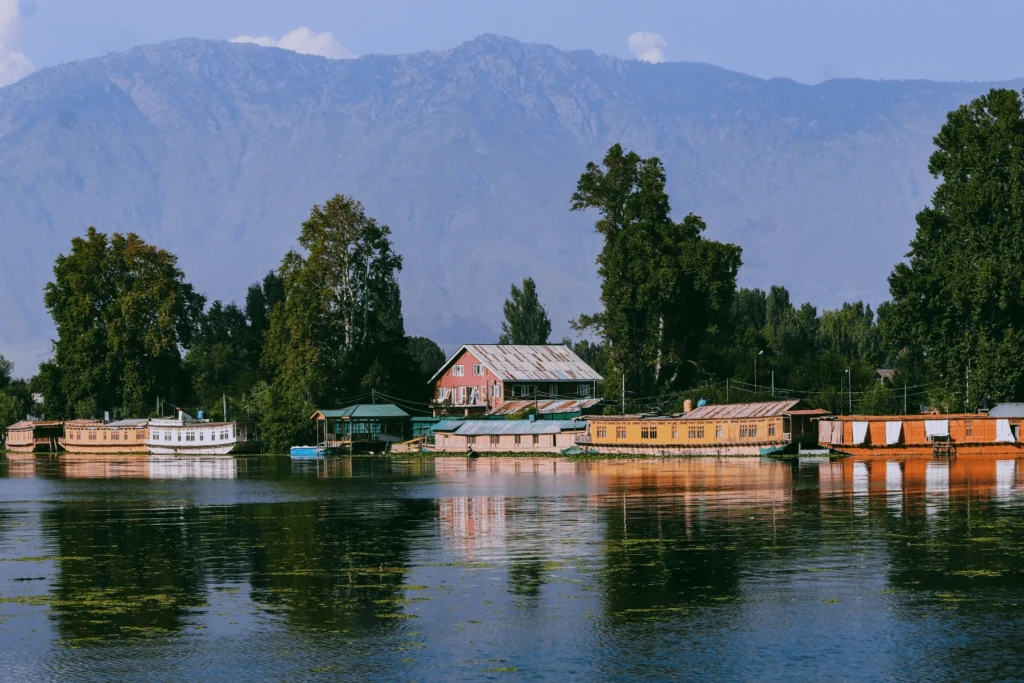
This is where the biggest variation in Kashmir trip budget comes from. The key decision is whether to stay on Dal Lake (houseboat or lakeview hotel), in central Srinagar, or split nights between Pahalgam and Gulmarg — which most itineraries recommend.
Houseboats on Dal Lake
The J&K Government’s Houseboat Owners Association classifies houseboats from A (luxury) to D (economy):
| Category | Per Night (2 guests, breakfast included) |
|---|---|
| D — Economy | ₹1,800 – ₹3,000 |
| C — Standard | ₹3,000 – ₹5,500 |
| B — Deluxe | ₹5,500 – ₹10,000 |
| A — Luxury/heritage | ₹12,000 – ₹28,000 |
Most mid-range houseboats include breakfast and a shikara transfer to the ghat. One tip worth remembering: avoid booking through touts at the airport or bus stand, since they typically add ₹500–₹1,500 a night in commission.
Hotels in Srinagar
- Budget guesthouses (Dal area, Dalgate): ₹1,200 – ₹2,800 per night
- 3-star hotels: ₹3,200 – ₹6,500 per night
- 4-star boutique hotels: ₹7,500 – ₹16,000 per night
- 5-star (The Lalit Grand Palace, Radisson Blu, Vivanta): ₹18,000 – ₹42,000 per night
Pahalgam & Gulmarg
Pahalgam tends to run 10–15% cheaper than equivalent Gulmarg hotels, and Gulmarg commands a premium during ski season (December–February).
- Budget guesthouses: ₹1,500 – ₹3,200 per night
- Mid-range hotels: ₹4,000 – ₹8,500 per night
- Luxury resorts (The Khyber Himalayan, Heevan Retreat): ₹18,000 – ₹50,000 per night
Homestays — underrated and underused
In Pahalgam, Sonamarg, and lesser-visited villages like Doodhpathri, family-run homestays charge ₹1,200 – ₹2,500 per night for a double room with meals. They often offer better value than a budget hotel for the same money, and you’ll usually get home-cooked Kashmiri food that no restaurant quite replicates.
Getting Around – Local Transport Costs
Kashmir’s main tourist destinations are spread across the valley, so you’ll need to budget for transport between places like Srinagar, Pahalgam (95 km), Gulmarg (56 km), and Sonamarg (87 km).
Private cab — the standard choice
| Vehicle | 7-Day Hire (Srinagar base, all major routes) |
|---|---|
| Sedan (Swift Dzire / Etios) | ₹11,000 – ₹16,000 |
| Innova (4–6 pax) | ₹16,000 – ₹22,000 |
| Innova Crysta | ₹19,000 – ₹26,000 |
| Tempo Traveller (7–12 pax) | ₹22,000 – ₹32,000 |
Rates include fuel and driver allowance; toll charges (roughly ₹500–₹800 for a full circuit) are usually extra. It’s worth booking through the J&K Tourism Taxi Stand or an authorised operator, since rates there are regulated and displayed.
Key Paid Experiences
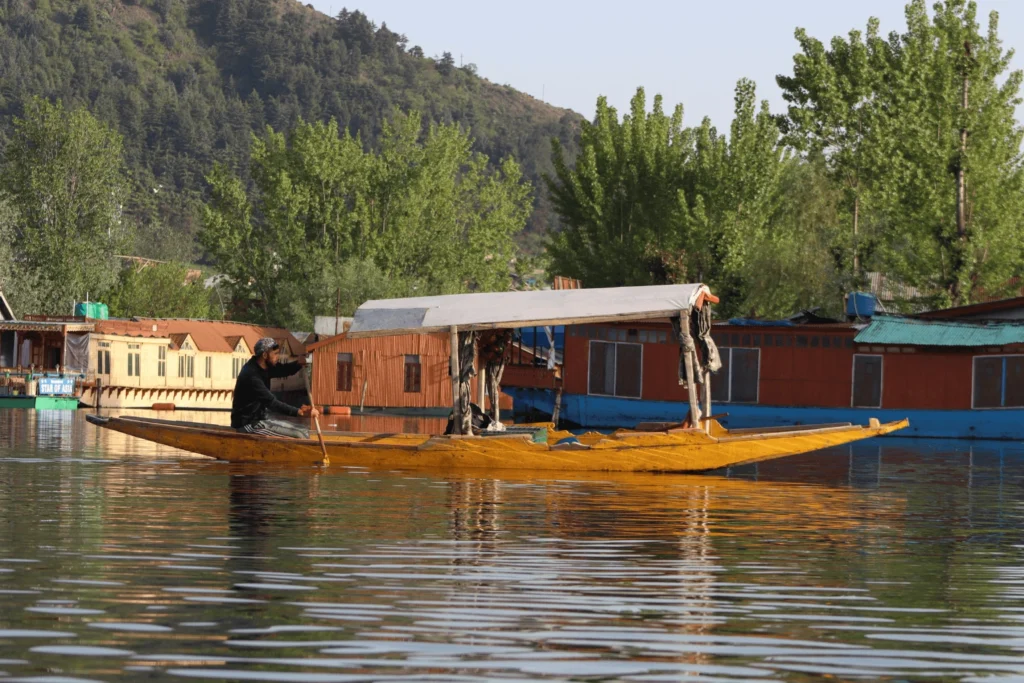
A shikara ride on Dal Lake costs around ₹1,500–₹2,500 per person for an hour, or ₹3,000–₹6,000 for a full day. The Gulmarg Gondola runs in two stages — Phase 1 (Gulmarg to Kongdori) at roughly ₹900, and Phase 2 (Kongdori to Apharwat) at around ₹1,200.
In Pahalgam, a pony ride to Baisaran runs ₹800–₹1,500, while in Sonamarg a ride to Thajiwas Glacier is ₹1,000–₹2,000. Snow sledging is cheap at ₹200–₹500 a ride, and white-water rafting on the Lidder River costs ₹600–₹1,200 per person.
Pre-book your Gondola slot through the official Jammu & Kashmir Cable Car Corporation (JKCCC) portal at etickets.jammukashmircablecar.com. Walk-in queues during peak season can run 3–5 hours, while online bookings move through a separate, faster lane.
Food – What to Budget
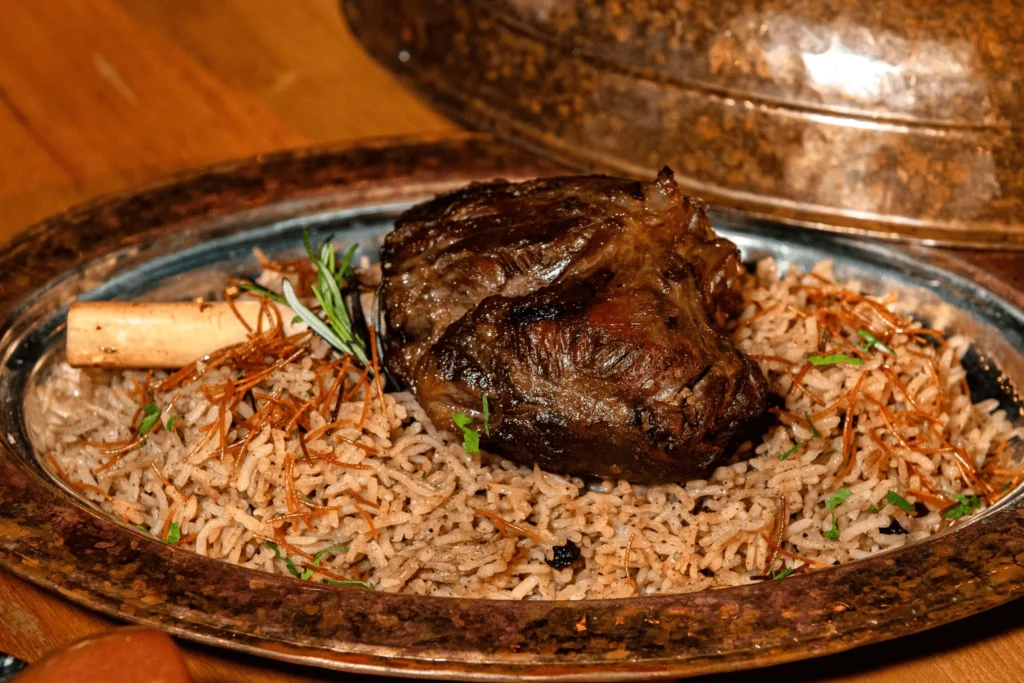
Eating well in Kashmir doesn’t require spending a lot. The valley’s most celebrated dishes — Rogan Josh, Yakhni, Gushtaba, Dum Aloo — are available at mid-range restaurants for very reasonable prices.
| Setting | Cost Per Person Per Meal |
|---|---|
| Local dhaba / canteen | ₹120 – ₹280 |
| Mid-range Kashmiri restaurant | ₹400 – ₹900 |
| Hotel restaurant (3-star) | ₹700 – ₹1,400 |
| Hotel restaurant (5-star) | ₹1,500 – ₹3,000 |
Many restaurants in Srinagar serve traditional Wazwan meals, while local bakeries and tea shops are ideal for inexpensive breakfasts. A full Wazwan — the traditional Kashmiri multi-course feast — costs ₹700–₹1,400 per person at dedicated restaurants like Ahdoos on Residency Road or Mughal Darbar near Lal Chowk. These are honest, affordable meals rather than tourist traps, and eating at local restaurants instead of hotel dining can reduce your daily food budget considerably.
Estimated 7-day food spend:
- Couple (mix of dhabas plus one mid-range meal daily): ₹10,000 – ₹16,000
- Family of 4: ₹18,000 – ₹32,000
Worth setting a little extra aside for: Kehwa (Kashmiri saffron tea, ₹40–₹80 a cup), seekh kebabs off the street near Lal Chowk (₹30–₹60 a skewer), and, if you’re travelling in the colder months, Harissa — a slow-cooked mutton porridge that only shows up on winter mornings (₹80–₹150 a bowl).
Sightseeing & Entry Fees
Entry fees in Kashmir are modest and rarely a real factor in your budget. A few to keep in mind:
- Shalimar Bagh and Nishat Bagh: ₹40 each (Indian nationals)
- Chashme Shahi: ₹24
- Shankaracharya Temple: free entry, plus a ₹40 vehicle fee
- Betaab Valley and Baisaran (“Mini Switzerland”), Pahalgam: ₹50 each
- Aru Valley, Pahalgam: ₹30
- Sonamarg Forest Department entry: ₹50
- Dachigam National Park: ₹250
Altogether, entry fees for a standard 7-day circuit work out to roughly ₹400–₹800 per person — a negligible slice of the overall Kashmir trip cost.
Travel Insurance – Don’t Skip This Line Item
Travel insurance is optional, but it can be worthwhile if you’re travelling during winter or have expensive flight bookings. Kashmir’s terrain brings some real, quantifiable risks — road closures from landslides or snowfall are fairly common, flight cancellations out of Srinagar happen during winter and monsoon, and altitude-related illness is a genuine concern above 4,000m at Sonamarg and Apharwat Peak.
A standard domestic policy covering trip cancellation, medical evacuation, and baggage loss typically costs:
- Individual (7-day trip): ₹300 – ₹700
- Couple: ₹600 – ₹1,200
- Family floater (4 members): ₹900 – ₹1,800
Policies from TATA AIG, Bajaj Allianz, and ICICI Lombard are widely used and cover helicopter evacuation, which matters if you’re trekking or heading above 3,500m. On a trip that already costs ₹1,00,000 or more, spending ₹1,000 on insurance is straightforward risk management.
Shopping – What to Set Aside
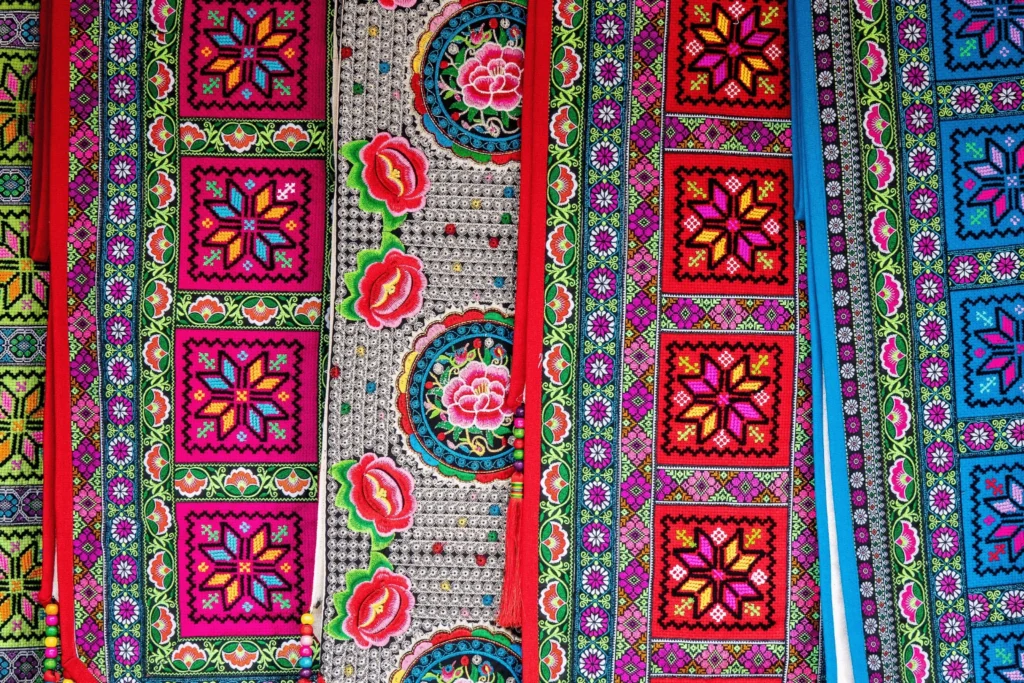
Kashmir’s craft economy is genuine and worth supporting, but the shopping experience does come with one well-known catch: one of the most common issues visitors face is buying imitation Pashmina sold as the real thing.
Most shawls sold on Dal Lake shikaras, at airport shops, or through hotel recommendations are actually machine-spun acrylic or a wool-acrylic blend. They can look identical to authentic Pashmina, and sellers use the word freely regardless of what’s actually in the shawl.
Genuine Pashmina is hand-spun from the undercoat of Changthangi goats in Ladakh, starts at around ₹4,000 for a simple stole, and feels noticeably softer and lighter than any blend. If you’re being offered a shawl for ₹500–₹1,500 on the lake, it’s almost certainly not Pashmina.
How to protect yourself: Ask for the Pashmina Mark — a GI (Geographical Indication) certification hologram issued by the Craft Development Institute, Srinagar. Reputable sellers carry it, and if a seller can’t produce it, it’s safest to assume the product is blended or synthetic and price it accordingly. The J&K Handicrafts Emporium near the TRC and the Craft Development Institute both sell certified products at fixed, displayed prices — a little higher than street stalls, but genuine.
A rough sense of honest pricing:
- Pashmina shawl (GI-certified, hand-spun): ₹4,000 – ₹30,000
- Pashmina-blend stole (machine-spun): ₹800 – ₹3,000
- Shahtoosh: illegal to buy or sell — avoid entirely
- Hand-knotted carpet, 2×3 ft: ₹8,000 – ₹60,000
- Dry fruit mix (per 500g): ₹350 – ₹700
- Kashmiri saffron (per gram): ₹350 – ₹550
- Papier-mâché decorative box: ₹250 – ₹2,500
- Walnut wood bowl or tray: ₹600 – ₹6,000
Carpets follow a similar pattern — hand-knotted wool and silk carpets are genuinely valuable, while machine-made imitations are often sold right alongside them. For anything above ₹10,000, ask for a certificate of origin and buy from a registered dealer.
Kashmir Trip Cost – Complete Breakdown with 7-Day Itinerary
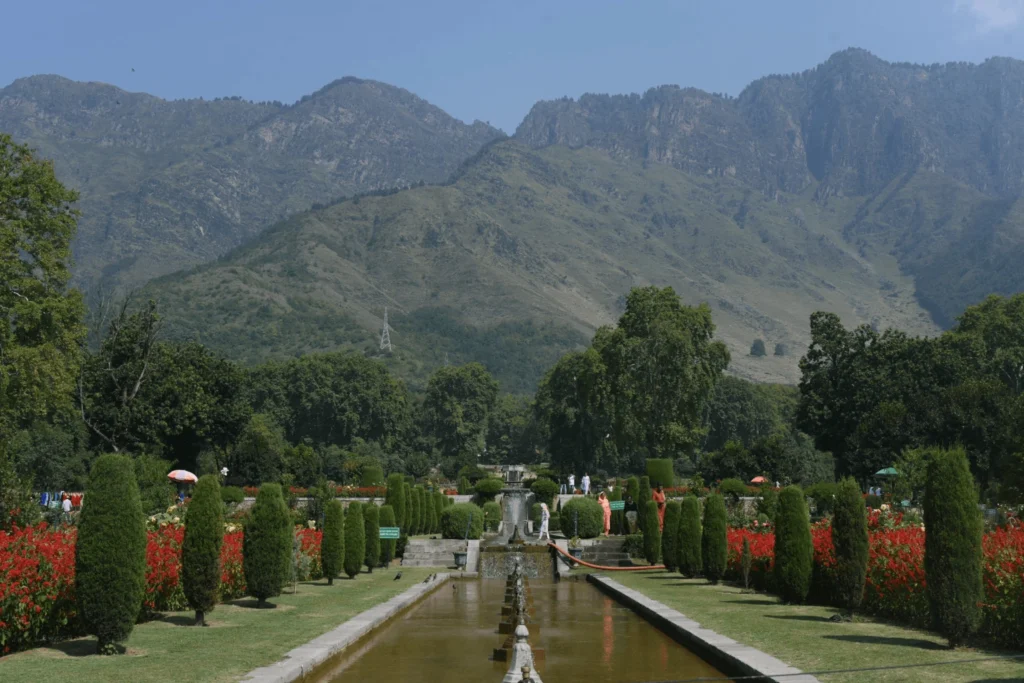
The table below combines a day-by-day plan with spend estimates, followed by the full budget-tier comparison for couples and families. Use the itinerary to see where the money goes each day, and the tables after it to benchmark your total against budget, mid-range, and luxury tiers.
Day-by-Day Plan with Daily Costs (Mid-Range Couple)
Suggested route: Srinagar → Gulmarg → Pahalgam → Srinagar
| Day | Where | What You’ll Do | Daily Spend (Couple) |
|---|---|---|---|
| 1 | Srinagar | Arrive, check into houseboat on Dal Lake, evening shikara at sunset | ₹7,500 |
| 2 | Srinagar | Mughal Gardens (Shalimar, Nishat, Chashme Shahi), Old City & Jama Masjid, Lal Chowk walk | ₹3,500 |
| 3 | Gulmarg | 2-hr drive, Gondola Phase 1 & 2, meadow walk, ski/snow activities in season | ₹6,500 |
| 4 | Pahalgam | Drive via Srinagar (4 hrs), Betaab Valley & Aru Valley, check in | ₹7,000 |
| 5 | Pahalgam | Baisaran day trip by pony, Lidder River walk, local market | ₹4,500 |
| 6 | Srinagar | Drive back (2.5 hrs), Shankaracharya Temple, shopping at Handicrafts Emporium | ₹6,000 |
| 7 | Srinagar | Free morning on Dal Lake, check-out, airport transfer | ₹2,500 |
7-day total (excluding flights & insurance): ₹37,500 – ₹45,000
For a family of 4, scale food and activities by roughly ×2 and upgrade the cab to an Innova. Expect ₹65,000 – ₹80,000 for the same circuit, excluding flights.
Kashmir Trip Cost for Couples – Budget vs. Mid-Range vs. Luxury
| Expense | Budget | Mid-Range | Luxury |
|---|---|---|---|
| Flights, round trip (ex-Delhi) | ₹14,000 | ₹22,000 | ₹32,000 |
| Accommodation, 7 nights | ₹13,000 | ₹42,000 | ₹1,10,000 |
| Local transport | ₹8,000 | ₹14,000 | ₹24,000 |
| Food | ₹7,000 | ₹15,000 | ₹28,000 |
| Activities & entry fees | ₹3,000 | ₹7,000 | ₹15,000 |
| Shopping | ₹2,000 | ₹10,000 | ₹35,000 |
| Travel insurance | ₹800 | ₹1,000 | ₹1,200 |
| Total | ~₹47,800 | ~₹1,11,000 | ~₹2,45,200 |
Kashmir Family Trip Cost – Budget vs. Mid-Range vs. Luxury (4 Members)
| Expense | Budget | Mid-Range | Luxury |
|---|---|---|---|
| Flights, round trip (ex-Delhi) | ₹28,000 | ₹44,000 | ₹64,000 |
| Accommodation, 7 nights | ₹21,000 | ₹56,000 | ₹1,40,000 |
| Local transport (Innova/Tempo) | ₹13,000 | ₹20,000 | ₹32,000 |
| Food | ₹14,000 | ₹28,000 | ₹55,000 |
| Activities & entry fees | ₹5,000 | ₹12,000 | ₹26,000 |
| Shopping | ₹4,000 | ₹15,000 | ₹45,000 |
| Travel insurance (family floater) | ₹1,200 | ₹1,500 | ₹2,000 |
| Total | ~₹86,200 | ~₹1,76,500 | ~₹3,64,000 |
Kashmir Travel Cost by Season
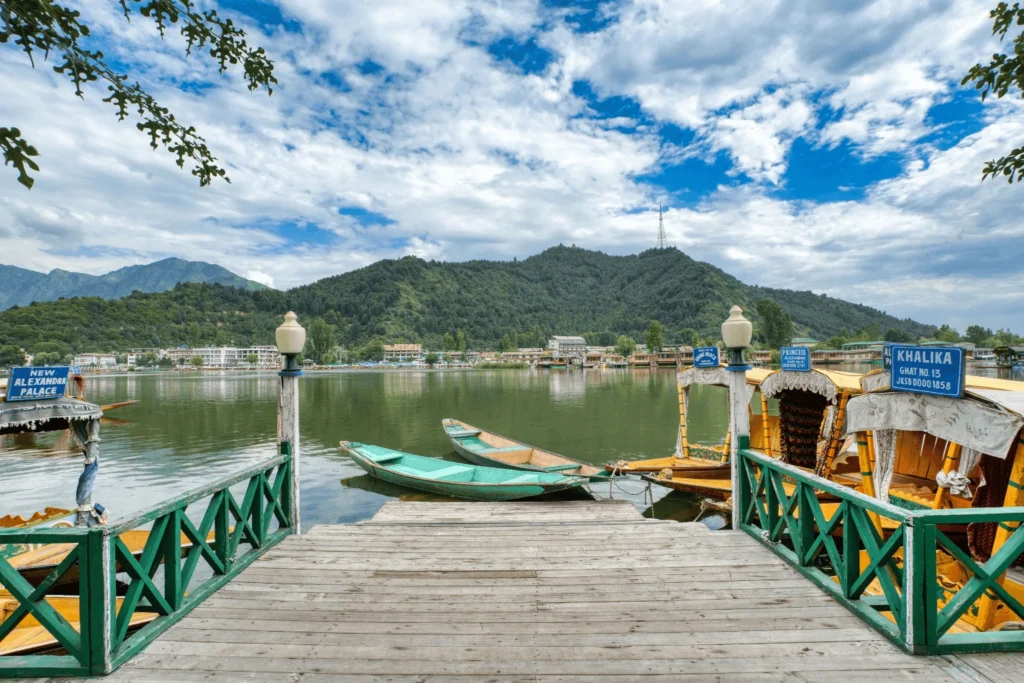
The Kashmir trip cost can vary by 30–40% depending on the month, so it’s worth timing your trip deliberately.
Summer (June–August): The highest footfall of the year, with flights and hotels both at annual highs. Book 2–3 months ahead or expect to pay noticeably more. This is also when the weather is best and the most activities are available.
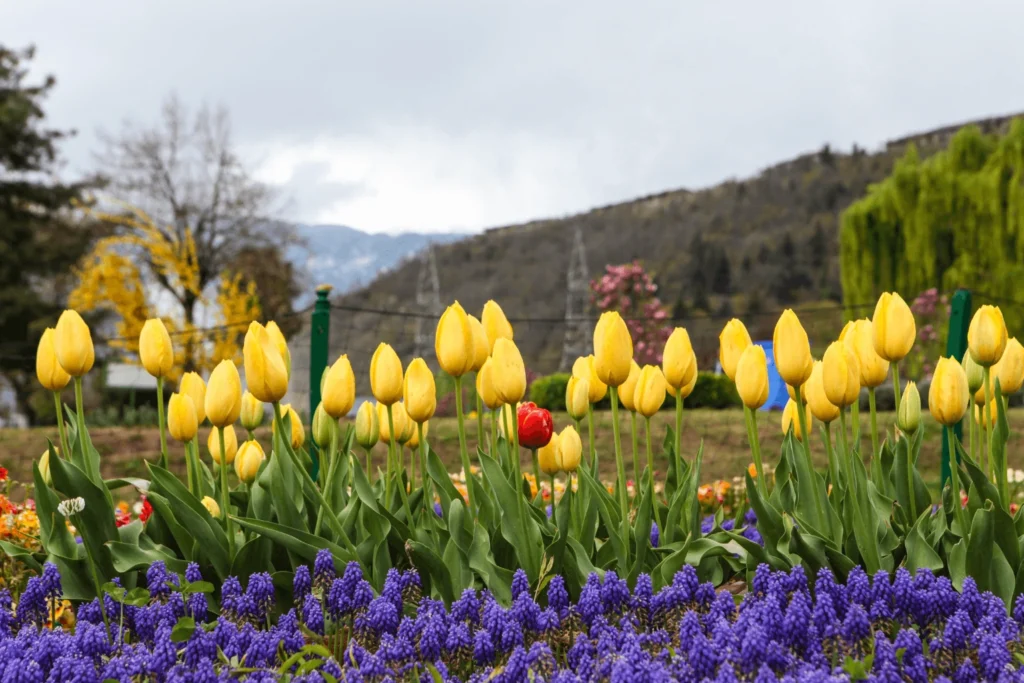
Spring (March–May): The Indira Gandhi Memorial Tulip Garden, the largest in Asia, draws big crowds in April, and hotel rates peak alongside it in April–May. Budget 25–35% above the baseline figures in this guide.
Autumn (September–November): The Chinar trees turn from green to amber and gold, making this the most photogenic season in the valley. Tourist numbers drop after summer and rates fall 15–25%, which makes September–October consistently the best value window of the year.
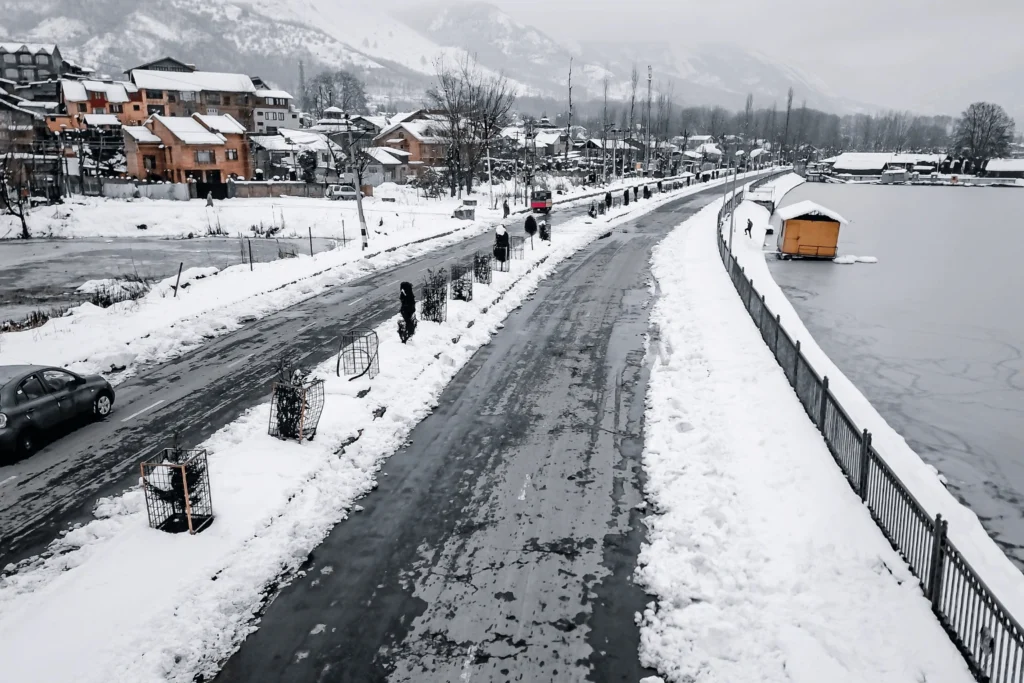
Winter (December–February): Gulmarg becomes one of Asia’s top ski destinations. Hotel rates spike over Christmas–New Year, sometimes up to 50% above normal, while January and early February are noticeably cheaper. Factor in heated accommodation and warmer gear, and check whether your hotel charges separately for fire-pits (some add ₹500–₹1,000 a day).
How to Reduce Your Kashmir Travel Cost – Tips That Actually Work
A few things genuinely move the needle:
- Travel in September–October. Prices drop, crowds thin out, and the valley looks spectacular. This alone is the single biggest lever for cutting your trip cost, with savings of 20–30% on hotels compared to peak summer.
- Stay in homestays in Pahalgam or Sonamarg — ₹1,200–₹2,500 a night with meals included, versus ₹4,000–₹8,000 for a comparable hotel room.
- Pre-book the Gondola at etickets.jammukashmircablecar.com. Walk-in agents outside the cable car often charge ₹200–₹500 in unofficial “facilitation fees,” while the official online lane is faster and costs nothing extra.
- Use the J&K Tourism Taxi Stand at Srinagar Airport for regulated fares instead of negotiating with private operators in the arrivals hall.
- Book transport and accommodation separately from food. Most “all-inclusive” Kashmir packages mark up food by 40–60% over what you’d pay eating out.
- Carry cash. ATMs work fine in Srinagar but are scarce in Gulmarg and Sonamarg. UPI is accepted at most mid-range vendors, but small stalls, pony-wallahs, and local markets are usually cash-only.
- Authenticate before buying Pashmina. Ask for the Pashmina Mark (a GI certification label) so you’re not paying wool prices for acrylic.
Frequently Asked Questions
A Kashmir trip typically costs ₹15,000–₹22,000 per person for a budget trip, ₹30,000–₹50,000 for mid-range, and ₹75,000–₹1,50,000+ for luxury — excluding flights. For a couple flying from Delhi, the total 7-day budget (including flights) starts at around ₹48,000 and goes up to ₹2,45,000 for luxury.
3 days is enough for a quick taste of Kashmir — you can cover Srinagar’s Dal Lake, one Mughal Garden, and a day trip to either Gulmarg or Pahalgam. However, 6–7 days is ideal if you want to explore all three destinations without rushing.
A standard 7-day Kashmir package covers Srinagar (2–3 nights), Gulmarg (1 night), and Pahalgam (2 nights), with a final day for shopping and departure. Mid-range cost for a couple is approximately ₹1,11,000 including flights from Delhi, accommodation, local transport, food, and activities.
₹10,000 is not enough for a complete Kashmir trip. However, if you’re traveling from a nearby city with low flight costs, ₹10,000 can cover 2–3 nights in budget guesthouses or homestays (₹1,200–₹2,500/night), basic meals at local dhabas, and essential sightseeing. Plan a minimum of ₹15,000–₹18,000 per person excluding flights for a bare-budget trip.
Final Takeaway
Kashmir can suit almost every budget, from backpackers to luxury travellers. Flights, accommodation, and transport usually account for most of the total cost, while food and sightseeing remain comparatively affordable. Booking early and travelling outside peak holiday periods can make a noticeable difference to your overall budget.
The numbers in this guide reflect current market rates — use them as a planning baseline rather than an exact quote, since prices fluctuate with season, advance booking, and negotiation, particularly for houseboats and private cabs.
The most consistent advice remains the same: travel in autumn, book accommodation directly, and consider travel insurance, especially during winter or if you’ve booked expensive flights.
Rates updated June 2026. Sources: MakeMyTrip, Booking.com, J&K Tourism official portal, JKCCC (Jammu & Kashmir Cable Car Corporation), and the J&K Houseboat Owners Association published tariffs.