
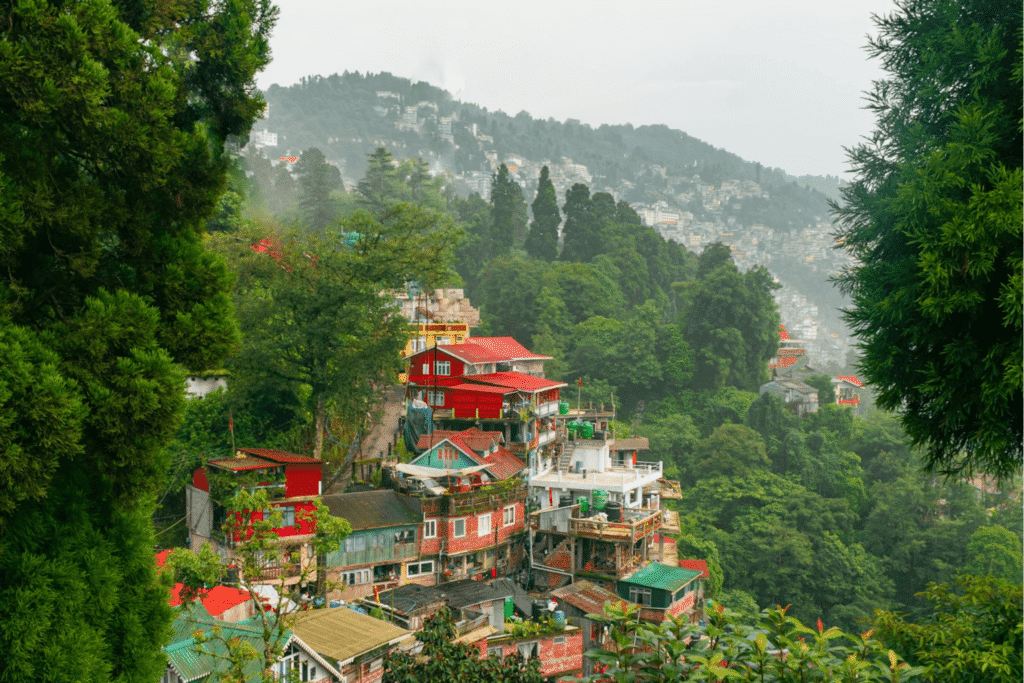
Himachal Pradesh has long been celebrated as a backpacker’s paradise — but luxury Himachal Pradesh is a different world entirely.
Think heritage hotels perched above Shimla’s colonial ridge, private riverside chalets in Tirthan Valley, curated Spiti Valley expeditions with expert naturalist guides, and candlelit dinners overlooking snow-capped Himalayan peaks.
The mountains haven’t changed — but the way you experience them can.
Luxury travel in Himachal isn’t simply about spending more. It’s about trading crowded viewpoints for private valley access, replacing packed Volvo buses with chauffeured mountain drives, and choosing homestays where the host family has lived in the Himalayas for generations over anonymous hotel chains.
Done right, a luxury Himachal trip delivers something genuinely rare: Himalayan wilderness without compromise.
This guide covers everything a discerning traveller needs — from the finest heritage properties in Shimla and boutique resorts in Manali, to the best time to visit, how much to budget, and the experiences that no package tour will ever show you.
Why Himachal Pradesh Has Changed
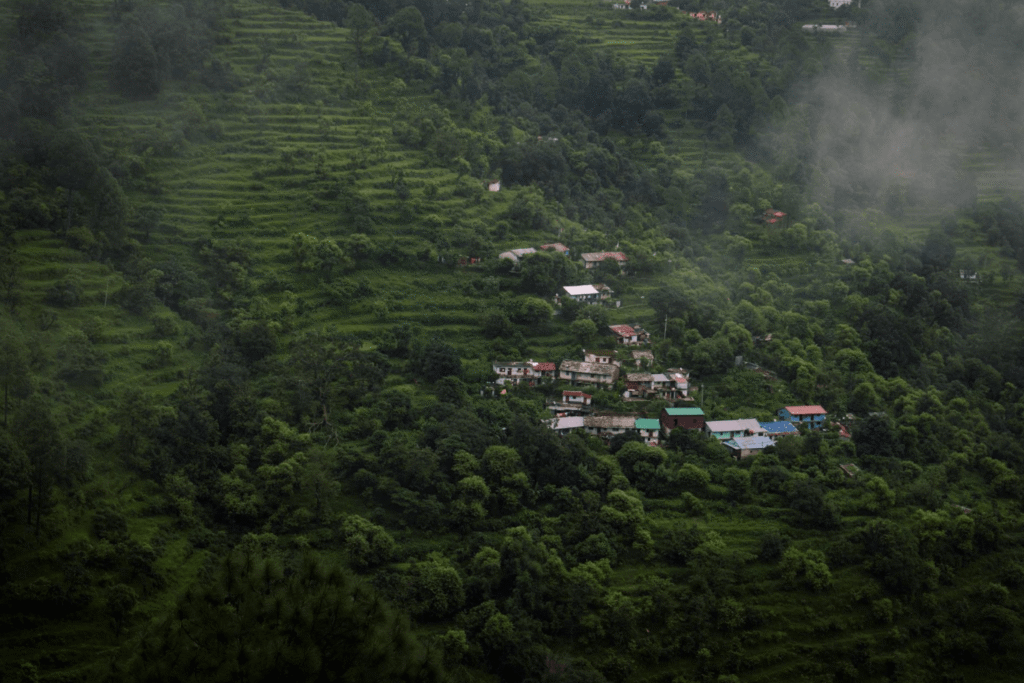
There is a moment, usually somewhere on the road between Kullu and Manali, when the Beas River appears below you — turquoise, fast, loud — and the deodar forest closes in on both sides, and you realise that no photograph you’ve seen has prepared you for this.
That moment is why people return to Himachal Pradesh. Not for the hotels, not for the itineraries, not for the Instagram coordinates. For that feeling of being genuinely, unexpectedly small in front of something ancient and indifferent and beautiful.
The hotels, however, have caught up.
Himachal Pradesh has undergone a quiet but decisive transformation over the past decade. The state that once attracted gap-year travellers and budget backpackers now hosts some of the finest mountain hospitality in Asia.
Wildflower Hall, an Oberoi property perched at 8,250 feet above Shimla, competes credibly with the great mountain resorts of Switzerland.
The Himalayan in Kullu Valley serves river-caught trout with foraged herbs and highland grains in a dining room that overlooks nothing but peaks.
In Spiti — a high-altitude cold desert at 12,000 feet that most travellers never reach — a handful of pioneering operators have built eco-camps and restored village homes that offer the most unusual luxury in India: genuine solitude.
This guide is for those who want to do it properly. Not expensively for its own sake, but thoughtfully — with the right resorts, the right season, a realistic sense of cost, and the local knowledge that separates a comfortable holiday from one you’ll spend the next decade describing to people.
The Four Things That Make Luxury Himachal Different
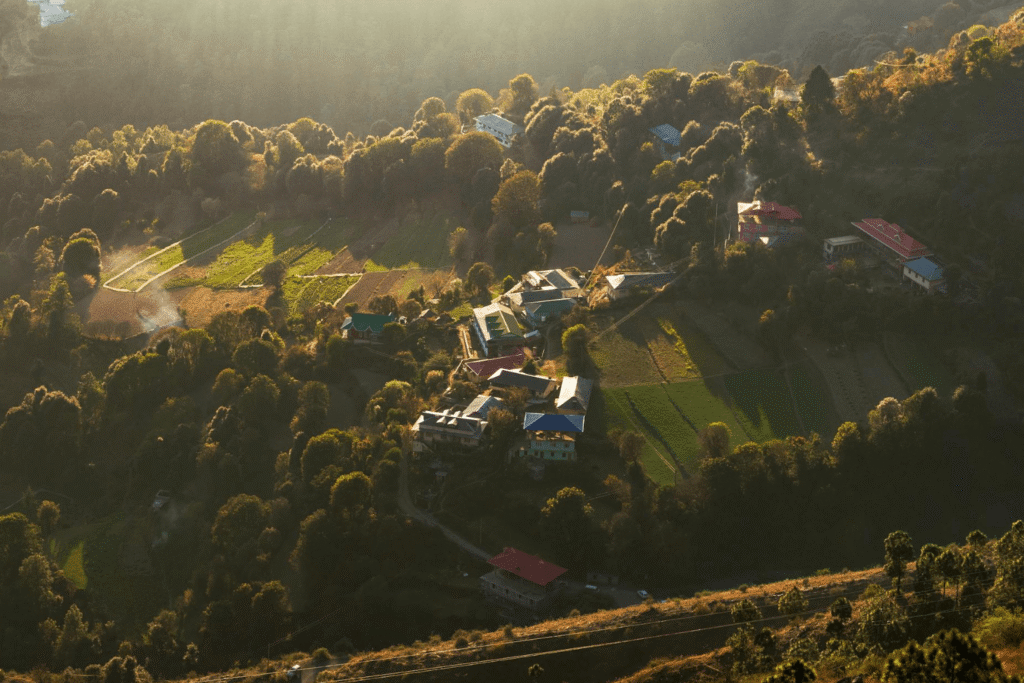
Access to the inaccessible. The great luxury resorts of Himachal Pradesh are not in towns. They sit on private ridgelines, at the edges of protected forests, above river bends.
The views from a garden-facing room at Wildflower Hall — the Chail Wildlife Sanctuary spreading out beneath you, snow peaks beyond — are simply not available to anyone staying in Shimla’s town centre, at any price.
Personalisation that goes beyond the standard. The best properties here have built genuine relationships with their landscapes. They will arrange a pre-dawn monastery visit in Spiti, normally closed to tourists.
They will drive you to a Kangra tea estate for a private tasting with the third-generation family that runs it. They will get a Kullu weaver to demonstrate the backstrap loom technique in the resort’s courtyard. These are not stock experiences — they require local trust, built over years.
The off-season secret. Budget travellers crowd Himachal in May and June. Luxury travellers know better. October and November are extraordinary: the monsoon has scrubbed the air clean, apple orchards glow gold and red across the Kotgarh slopes, and the Himalayan peaks emerge in a clarity that summer haze never allows.
February and March are magical for an entirely different reason — snow-loaded pine forests, near-empty roads, and a quality of light that photographers travel specifically to capture.
Sustainability that is real, not decorative. Several leading Himachal properties — particularly in the Kullu-Manali corridor and the Dharamsala region — operate on solar energy, source the majority of their produce from on-site organic gardens, and channel a portion of revenue directly into Gaddi and Kinnauri artisan communities.
This is not greenwashing; it is a structural choice that shapes everything from the menu to the crafts for sale at reception.
The Best Luxury Resorts, Region by Region
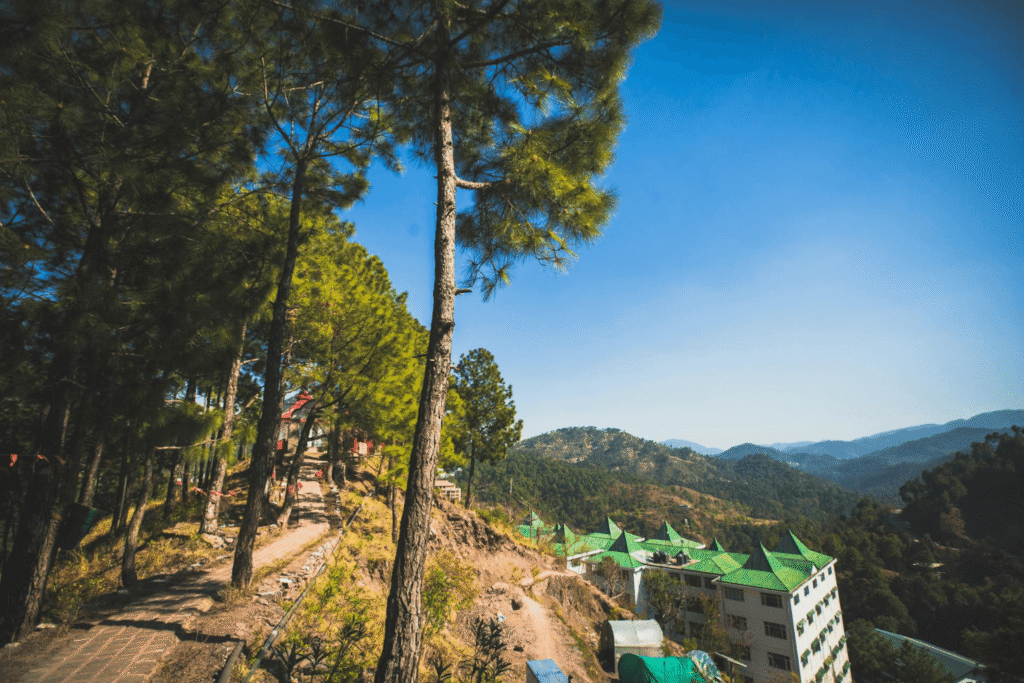
Shimla & The Surrounding Hills
Wildflower Hall — An Oberoi Resort, Mashobra
If you visit one luxury property in Himachal Pradesh, make it this one. Wildflower Hall occupies the former estate of Lord Kitchener at 8,250 feet in Mashobra — a twenty-minute drive from Shimla’s ridge but a world away from its crowds.
The property retains its imperial bearing: deep fireplaces, butler service, antique-furnished suites with copper bathtubs, and corridors lined with old cedar that creak pleasantly in the mountain wind.
The spa is the best in the state — treatments weave Swedish technique with Himalayan herb compresses and altitude-adapted protocols that address everything from jet lag to muscle fatigue from the day’s hike.
The restaurant sources aggressively from the surrounding hills: Kullu trout, wild mushrooms from the forest’s edge, Kangra honey, and stone fruit preserves that change with the season.
Do not leave without doing the estate’s cedar forest walk at golden hour, alone or with a naturalist guide. It is, very simply, one of the finest walks available in the Indian Himalayas.
Rates: ₹30,000 – ₹55,000 per night. Book the Chail Suite for the most spectacular valley view.
Chapslee, Shimla
Where Wildflower Hall offers grandeur, Chapslee offers intimacy. This former summer residence of the Raja of Kapurthala accommodates only a handful of guests at any time — which means the service is less like a hotel and more like staying with a family that happens to own extraordinary furniture, an immaculate garden, and a cook who has been perfecting the same recipes for thirty years.
The interiors are the draw: oil portraits, silver service laid on tables that seat six, Raj-era armchairs by windows framing the Shimla ridge. Nothing is staged for effect.
Everything has simply been here, in use, for a very long time. That sense of continuity — of genuine lived history — is increasingly rare in luxury travel anywhere.
Rates: ₹20,000 – ₹35,000 per night, inclusive of meals.
What to Do Around Shimla
A private heritage walk along the Mall Road at dusk, when day-trippers have left and the colonial buildings hold the last of the light, is worth arranging through your concierge.
The old Viceregal Lodge — now Rashtrapati Niwas — receives guided visitors and is among the finest examples of Elizabethan architecture in Asia.
In October, the drive to Kotgarh for a private apple harvest visit with a farming family is one of those experiences that sounds modest and turns out to be extraordinary.
Kullu Valley & Manali
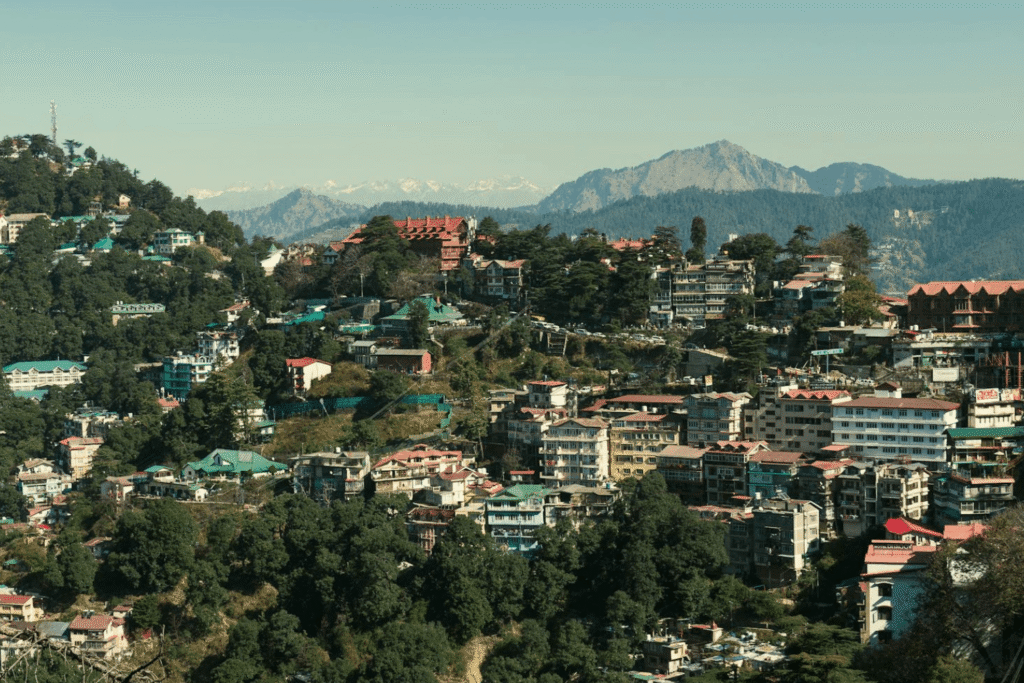
The Himalayan — A Hyatt Retreat, Kullu Valley
Set across three terraced levels on a hillside above the Beas River, The Himalayan is the definitive luxury resort in the Kullu-Manali corridor.
The cottages have private decks that face the valley — you eat breakfast watching mist move off the river — and the indoor heated pool is one of the few in Himachal where you can swim while looking at peaks.
The spa draws on traditional healing practices and highland botanicals; the cuisine programme builds meals around local ingredients with a seriousness that suggests a genuine chef, not a catering team.
The adventure activity roster is serious: white-water rafting on the Beas (Grade III–IV), guided treks into the Great Himalayan National Park, rock climbing, and paragliding.
Crucially, the resort’s guides are certified and experienced — this is not the kind of place where you’re handed equipment and pointed uphill.
Rates: ₹25,000 – ₹45,000 per night.
Solang Valley Boutique Lodges
Fourteen kilometres north of Manali, the Solang Valley has developed a cluster of boutique lodge-style properties that offer a different kind of experience: smaller, more personal, often ski-in/ski-out in winter.
Several have built strong reputations for guiding expertise and produce-led kitchens. Research specific properties carefully — quality varies — but the best of them represent exceptional value at ₹15,000–₹40,000 per night.
Johnson’s Lodge & Restaurant, Old Manali
Not a five-star property. But Johnson’s earns its place on this list because it is irreplaceable — an orchard-set heritage bungalow in Old Manali with a restaurant that has been turning out honest, well-sourced food for decades.
If you want a night in Old Manali’s atmosphere without sacrificing quality of sleep or plate, this is your address.
Dharamsala & Kangra Valley
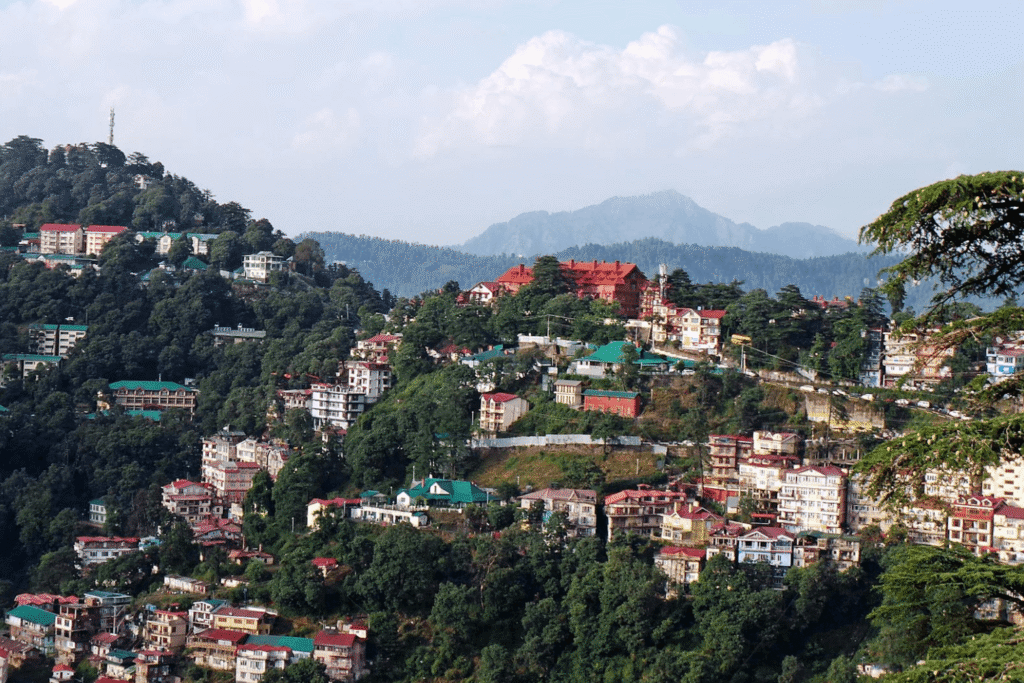
Norbulingka Institute Guesthouses, Sidhbari
The most unusual recommendation in this guide, and possibly the most memorable stay in all of Himachal Pradesh.
The Norbulingka Institute — a living centre for Tibetan arts, crafts, and scholarship — maintains a small number of beautifully appointed guesthouses within its gardens, twelve kilometres south of McLeod Ganj.
The rooms themselves are refined and quiet. But the stay is defined by what surrounds them: the sound of looms from the thangka painting studios, monks crossing the garden at dawn, the scent of pine and juniper, and the knowledge that the Dalai Lama’s residence is a short walk away.
There are meditation sessions, art workshops, and garden walks. A day here adjusts your pace in a way that no spa treatment quite manages. This is contemplative luxury — a category unto itself.
Rates: ₹8,000 – ₹15,000 per night.
Taj Vivanta, Dharamsala
For travellers who want brand-backed reliability alongside Dharamsala’s monastery circuit, Taj Vivanta delivers: well-appointed rooms, a full-service spa, multiple dining options, and a concierge that handles the monastery logistics professionally.
Best suited to families and first-time luxury visitors who find the Norbulingka’s quietude a little too quiet.
Rates: ₹18,000 – ₹32,000 per night.
What to Do Around Dharamsala
The private monastery circuit — Tsuglagkhang Complex, Namgyal Monastery, the Tibet Museum — is best done early morning with a licensed guide who can explain the iconography rather than simply name the buildings.
The Kangra Valley tea gardens are one of India’s most underrated experiences: India’s oldest tea-growing region, largely bypassed by tourists, producing teas of genuine distinction.
Arrange a private tasting with a master blender through your resort. Set aside two hours minimum.
Spiti Valley — High-Altitude Luxury
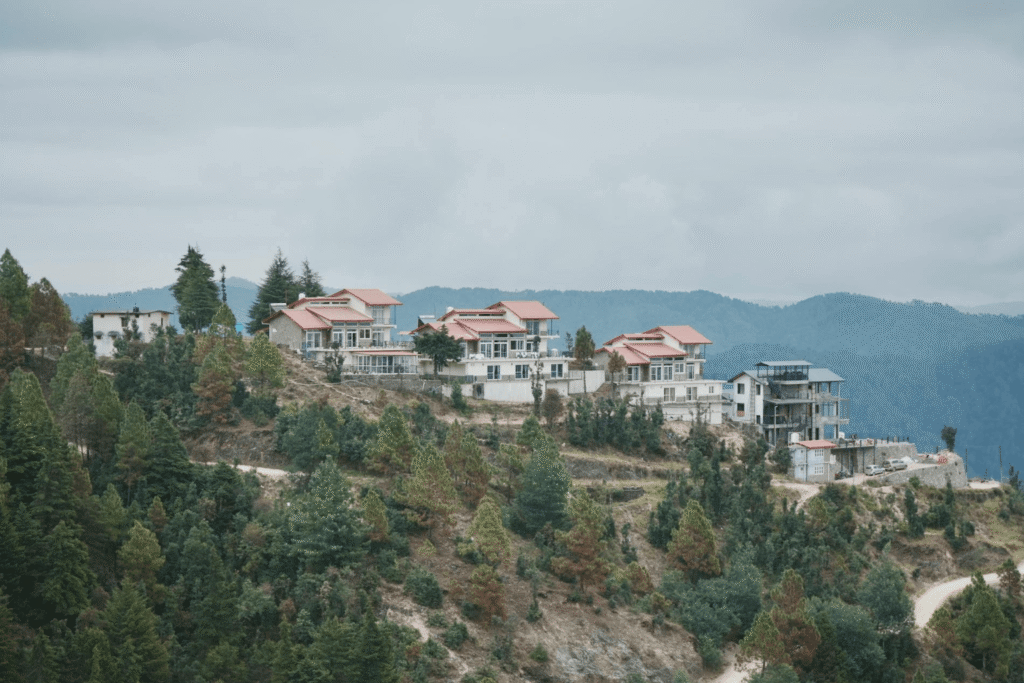
Spiti requires separate treatment because it is a fundamentally different kind of place. At 12,000–14,000 feet, in a landscape that looks like the surface of Mars rendered in ochre and grey, the usual vocabulary of luxury — thread count, infinity pool, tasting menu — becomes briefly irrelevant.
What Spiti offers instead is something rarer: the experience of being in a place so remote and so ancient that your ordinary concerns simply cannot follow you there.
Getting here involves either a long, testing drive through mountain roads that will rattle even the most experienced traveller, or a combination of flight to Kullu and road from there. Neither is easy. Both are worth it.
Deyzor — Spiti’s Premium Eco Camp
Operating from June through September, Deyzor runs high-quality tented camps at altitude that represent the best balance of comfort and immersion available in Spiti.
Proper beds, solar-heated showers, meals built from local barley, apricots, dried legumes, and vegetables grown in the short highland season.
The guides have relationships with monastery abbots that allow access to spaces — prayer halls, roof terraces, ancient libraries — closed to standard visitors.
Rates: ₹12,000 – ₹20,000 per night, inclusive of meals and guided activities.
Spiti Ecosphere Village Stays
A community-based model where guests stay in authentically restored traditional Spitian mud homes — thick walls, low doorways, butter lamps, the smell of dried herbs — fitted with modern bathrooms and proper beds.
The food is organic and intensely local. The cultural access is unparalleled. This is the luxury of authenticity, which is becoming the rarest luxury of all.
What It Actually Costs

Pricing in Himachal Pradesh is seasonal and varies sharply by property tier. The figures below reflect 2025 rates; October and December–January carry a 15–25% premium over shoulder season.
Accommodation (Per Room, Per Night)
| Category | Price Range (INR) | Best For |
|---|---|---|
| Heritage Boutique (e.g., Chapslee) | ₹18,000 – ₹35,000 | Character, intimacy, history |
| Five-Star Mountain Resort (e.g., Wildflower Hall, The Himalayan) | ₹30,000 – ₹65,000 | Full luxury immersion |
| Premium Eco Camp (e.g., Deyzor, Spiti) | ₹12,000 – ₹22,000 | Adventure with comfort |
| Boutique Valley Lodge (Kullu / Dharamsala) | ₹10,000 – ₹25,000 | Balanced, relaxed experience |
Dining
Full-board dining at luxury resort level runs ₹3,000 – ₹8,000 per person per day. À la carte dishes at the better resort restaurants are ₹800 – ₹2,500. Many premium properties include meals in the room rate — confirm this at booking. It matters.
Transport
| Journey | Approximate Cost |
|---|---|
| Private taxi, Chandigarh → Shimla | ₹4,000 – ₹6,000 one way |
| Private taxi, Shimla → Manali (via Kullu Valley) | ₹7,000 – ₹12,000 one way |
| Helicopter transfer, Shimla or Chandigarh → Kullu | ₹15,000 – ₹35,000 per person |
| Luxury SUV with driver, Manali region | ₹5,000 – ₹10,000 per day |
Experiences
| Experience | Approximate Cost |
|---|---|
| Guided high-altitude trek, 2 days with certified guide | ₹6,000 – ₹15,000 per person |
| Paragliding from Bir Billing | ₹2,500 – ₹5,000 per person |
| Private spa day (Wildflower Hall / The Himalayan) | ₹5,000 – ₹12,000 per person |
| White-water rafting, Beas River (private) | ₹3,000 – ₹6,000 per person |
| Monastery circuit with private guide, Spiti | ₹4,000 – ₹8,000 per day |
| Private Kangra tea tasting with master blender | ₹2,000 – ₹4,000 per person |
| Apple orchard harvest experience, Kotgarh (October) | ₹1,500 – ₹3,000 per person |
Total Budget — 7 Nights for Two Travellers
| Tier | Total Estimated Cost |
|---|---|
| Premium boutique (₹15K–₹20K/night) | ₹2.5L – ₹3.5L |
| Five-star resort (₹35K–₹55K/night) | ₹5L – ₹8L |
| Ultra-luxury (₹60K+/night + helicopter transfers) | ₹10L – ₹18L |
A 7-Night Itinerary: Shimla to Manali
Designed for two travellers. Fly into Chandigarh, fly home from Bhuntar (Kullu). Four properties, three regions, one continuous mountain journey.
Day 1 — Chandigarh → Shimla
Your driver meets you at Chandigarh airport — arrange this through Wildflower Hall’s concierge before you travel. The road to Shimla takes approximately 3.5 hours, climbing through the Shivalik foothills into the cedar belt.
Arrive by early afternoon. Check in, change, and do nothing productive for the rest of the day. Walk the estate’s forest trail at golden hour. Dinner at the resort. Sleep at altitude; your body will need the night to adjust.
Day 2 — Shimla: Heritage & Apple Country
Morning: A private guided walk through colonial Shimla — the Mall Road in its working-day quiet, Christ Church, Gorton Castle, and the Viceregal Lodge, whose scale still astonishes a century after it was built.
Afternoon: Drive to Kotgarh (October visits only) for a private visit with an apple farming family.
This is not a tourism experience dressed up as authenticity. The orchards are real, the family has been here for generations, and the lunch they will likely offer you will be the best meal of your trip.
Return to Wildflower Hall. Evening whisky tasting curated by the resort’s sommelier — the Himachal cold makes single malt taste different here, and the sommelier knows exactly why.
Day 3 — Shimla → Dharamsala
Depart after a late breakfast. Private car to Dharamsala takes 5–6 hours via the Bilaspur route, which follows river valleys through country most tourists never see. Check in at Norbulingka Institute Guesthouse (first choice) or Taj Vivanta.
Afternoon: Wander the Institute’s galleries and watch the thangka painters work — most will answer questions willingly.
Dinner in McLeod Ganj at a Tibetan-Himachali fusion restaurant your concierge recommends; ask specifically, as the options change and quality varies.
Day 4 — Dharamsala: Monasteries, Tea & Stillness
Early morning: The private monastery circuit. Tsuglagkhang Complex first, before the day-trippers arrive, when the butter lamps are freshest and the prayer wheels have just been set spinning for the day. Namgyal Monastery.
The Tibet Museum — smaller than its reputation suggests, more affecting. Afternoon: The Kangra tea gardens. This is not optional; it is the most underrated experience in Himachal Pradesh.
Arrange the private master blender tasting session before you leave home — the best sessions book up. Evening: The 75-minute Himalayan herbal spa treatment at your property, followed by an early dinner and an earlier sleep.
Day 5 — Dharamsala → Kullu Valley
An early start is essential — the drive to Manali runs 6–7 hours, but you want to arrive with daylight to spare. The road follows the Beas River for much of its length; the gorge section, an hour south of Manali, is where Himachal’s scale becomes undeniable.
Check into The Himalayan. The valley-facing deck of your cottage at sunset, with a drink from the minibar and nothing to do until dinner, is one of the simple pleasures this trip is built around.
The chef’s table dinner — ask for the seasonal tasting menu — is the property’s best meal and worth requesting in advance.
Day 6 — Adventure Day, Kullu Valley
Choose your register. For high exertion: white-water rafting on the Beas (Grade III–IV, suitable for most adults in reasonable fitness) or a guided day trek into the Great Himalayan National Park, a UNESCO site whose trails most visitors never find.
For moderate: an introductory rock-climbing session on the resort’s local routes, with certified guides who are also good company.
For gentle: a morning walk along the Beas with a naturalist, identifying birds and riverside vegetation, followed by a spa afternoon.
However you spend the day, end it at the Kullu Nati dance performance the resort can arrange — traditional, unsentimental, genuinely beautiful — followed by a Himachali thali dinner that will be the largest meal of your trip.
Day 7 — Solang Valley
A thirty-minute drive north of The Himalayan, Solang Valley is the most visually dramatic terrain of the trip. In winter (December–March): skiing or snowboarding with professional instructors on slopes that are serious without being intimidating.
In summer and autumn (April–October): paragliding over the valley with certified pilots, a picnic lunch prepared by the resort’s kitchen and served in a riverside meadow, an afternoon walk among glacier-fed streams.
Return to The Himalayan for a final evening at liberty — the spa, the deck, the bar, or all three in sequence.
Day 8 — Departure from Bhuntar Airport
Leisurely breakfast. Transfer to Bhuntar Airport takes 45 minutes from most Kullu Valley properties.
If your flight permits time: a stop at the Kullu Shawl weavers’ cooperative, where authentic Kinnauri and Kullu shawls are sold directly from the artisans who made them.
The prices are fair, the provenance is real, and buying here puts money into hands that need it.
When to Go
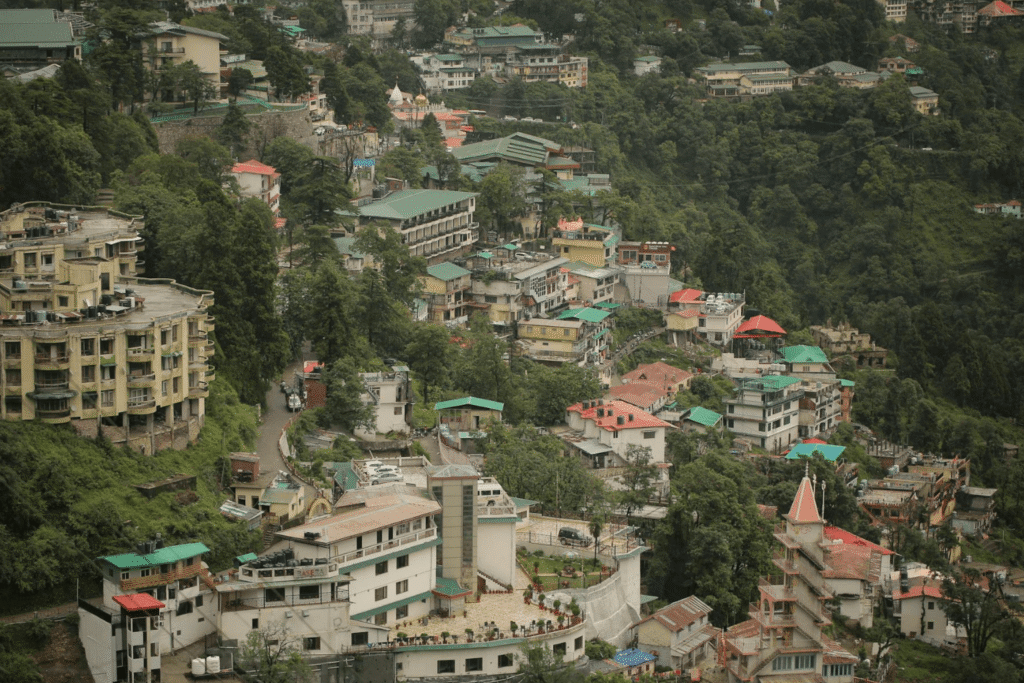
October to November is the best overall time to visit. The weather is crisp, skies are clear, apple orchards are full, and the summer crowds are gone. If you visit only once, choose October.
December to February is perfect for snow, cozy fires, and a true mountain winter experience, though road closures can happen.
March to May brings blooming landscapes, waterfalls, and pleasant weather — ideal for sightseeing and adventure trips.
June to September is monsoon season in most hill areas, but Spiti Valley remains a good option because it receives very little rainfall.
Ten Things Worth Knowing Before You Go
Book three to six months ahead for peak season
The best suites at Wildflower Hall and The Himalayan sell out for October and the Christmas–New Year window without fanfare or warning. The properties do not have the marketing departments of urban five-stars. They sell out anyway.
Specify your room type explicitly, in writing
Many properties have garden-view and valley-view rooms at identical rates. The difference in experience is enormous. Request the valley-facing room, confirm it by email, and reconfirm on arrival.
Hire a single driver for the whole trip.
One reliable driver from Chandigarh for the full journey — rather than switching between services at each location — transforms logistics, comfort, and the quality of local knowledge available to you. Your resort concierge can recommend one they trust.
Pack for a 15-degree temperature swing
Even in June, Himachal evenings at altitude drop to single digits. A quality down jacket and good layering pieces are not optional; they are the difference between a comfortable evening on your deck and retreating indoors.
Eat the local produce seriously
Himachal Pradesh grows some of India’s finest apples and stone fruit, produces Kangra tea that most of India has never tasted, raises river trout in cold mountain water, and keeps bees at altitude that produce honey of unusual depth.
Any luxury resort worth its room rate builds these ingredients into every meal. Ask your chef what arrived this morning.
Carry cash
ATMs in Spiti and the higher Manali reaches are unreliable. Ensure you have sufficient rupees before entering these zones; your resort concierge will confirm the exact amounts needed.
The helicopter is worth it if your time is short
The Chandigarh–Kullu helicopter transfer takes 45 minutes versus a seven-hour drive. If you have ten days or fewer, the time saved buys you an extra full day in the hills. Book well in advance; weather cancellations are common and early bookings get priority rescheduling.
Learn two or three words of Hindi or Pahadi
Not as a performance of cultural sensitivity, but because the response you get from resort staff, monastery caretakers, and roadside chai vendors is noticeably warmer. Dhanyavaad — thank you — is enough.
Do not over-schedule
The single most common mistake luxury travellers make in Himachal Pradesh is arriving with too many activities booked. The landscape requires time that is unaccounted for — a sudden view, a conversation with a shepherd, an hour sitting beside the Beas doing nothing at all. Build slack into every day.
Altitude is real
Above 3,000 metres, take the first day slowly, drink more water than you think necessary, avoid alcohol on arrival night, and tell your resort if you feel unwell. The symptoms of altitude sickness are well-managed when caught early. They are unpleasant when ignored.
FAQ
A 5 to 7-day trip is ideal to explore major destinations like Shimla and Manali. If you want a more relaxed or offbeat experience covering places like Spiti or Kasol, 8 to 10 days is recommended.
The best Himachal Pradesh tour package depends on your travel style. A Shimla–Manali package (5–6 days) is the most popular for first-time visitors. For adventure and offbeat travel, a Spiti Valley circuit (7–10 days) is ideal, while couples often prefer Dalhousie–Khajjiar packages for scenic and peaceful stays.
Khajjiar is famously known as the “Mini Switzerland of India” because of its lush green meadows, dense forests, and breathtaking landscape similar to Switzerland.
It’s best to avoid Shimla during peak summer (May–June) and long weekends, as it becomes extremely crowded and expensive. The monsoon season (July–August) should also be avoided due to landslides and travel disruptions.
Shimla can be both cheap and expensive depending on your travel style. Budget travelers can manage with ₹1,000–₹2,000 per day, while mid-range and luxury trips can cost significantly more, especially during peak tourist season.
The Honest Case for Going
Luxury mountain destinations exist all over the world. The Swiss Alps are polished almost to perfection, where every train, chalet, and ski slope feels carefully engineered.
The Scottish Highlands carry a quieter kind of beauty — dramatic, misty, and deeply atmospheric. But Gulmarg feels different from both. It is less controlled, less predictable, and perhaps because of that, far more emotionally memorable.
There is something about the combination of vast snow-covered landscapes, old-world charm, and the raw rhythm of the mountains that makes the experience feel less manufactured and more deeply lived.
For bookings, all properties referenced in this guide accept direct reservations via their official websites. Helicopter services can be booked through Pawan Hans or private operators; your resort concierge is the most reliable point of contact for current availability and weather conditions.