
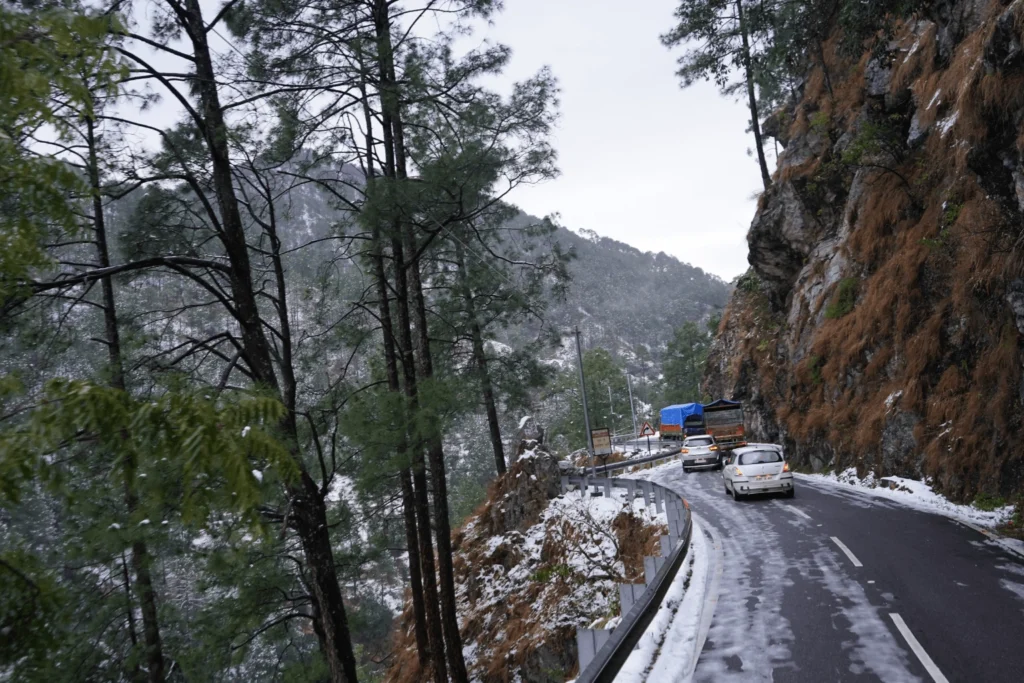
Ask ten people what the best places to visit in Himachal Pradesh are, and you’ll get ten different answers — and all of them will be right. The state is too vast and too varied to sum up in one itinerary.
It has snow-capped peaks standing over ancient monasteries, lush valleys cut through by roaring rivers, and a pace of life that feels almost deliberately unhurried.
Some travellers come here chasing adventure. Others come for the quiet. A fair number arrive looking for something they can’t quite name — and Himachal has a way of handing it to them anyway.
This is a guide to 18 destinations across the state, and it goes beyond the usual hill-station shortlist to include hidden valleys, ancient villages, and offbeat escapes that most travel guides skip entirely.
If you’re mapping out your trip, it’s worth checking our detailed breakdown of Himachal Pradesh trip costs to get a realistic sense of what you’ll spend.
1. Shimla — The Queen of Hills
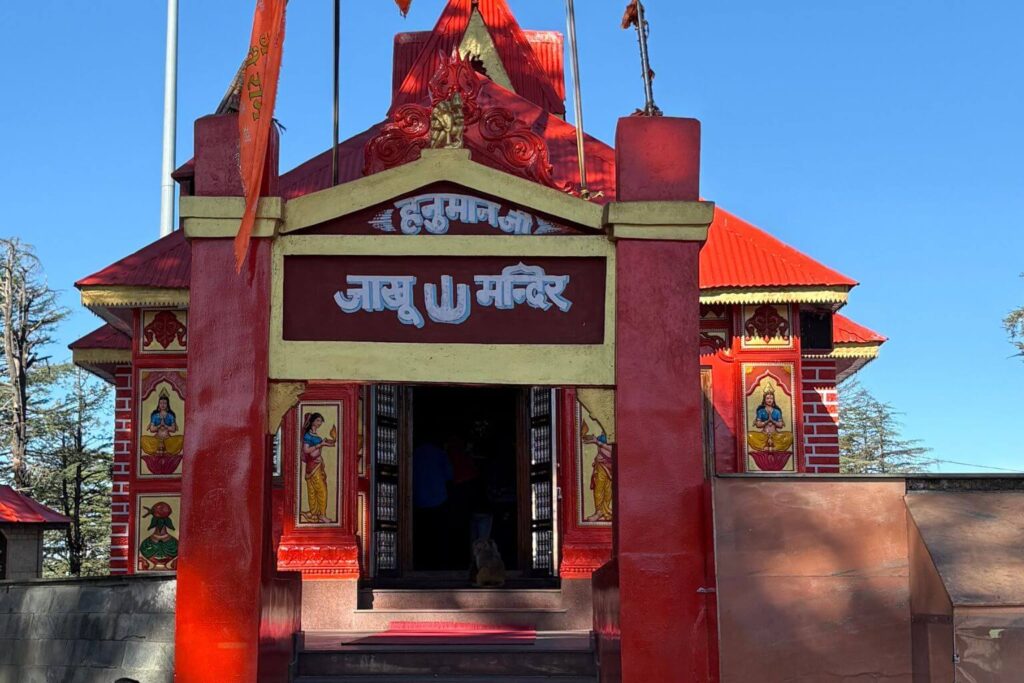
Shimla, the state capital, remains one of India’s most recognizable hill stations — colonial-era buildings, the famous Mall Road, Christ Church, and the toy train up from Kalka are all still a great way to spend a few days, even if you’ve seen the photos a hundred times.
A tip most visitors miss: walk up to Jakhu Hill at dawn, before the monkeys are properly awake. The snow-capped ranges in that early silence make the climb well worth it. Later in the day, wander the Ridge or take in the old-world charm of Scandal Point.
Getting there: 7 hrs by road from Delhi (343 km); toy train from Kalka (96 km, ~5 hrs — book ahead on IRCTC).
Where to stay: Budget — Hotel White, ₹1,200–1,800/night | Mid-range — Wildflower Hall annexe properties, ₹4,000–7,000 | Luxury — Wildflower Hall by Oberoi, ₹20,000+
Best time to visit: October–June
Known for: Mall Road, Jakhu Temple, Kufri, heritage buildings
Planning to visit Shimla? Read our complete Shimla Travel Guide (2026) for attractions, hotels, and local tips.
2. Manali — The Adventure Capital of the North
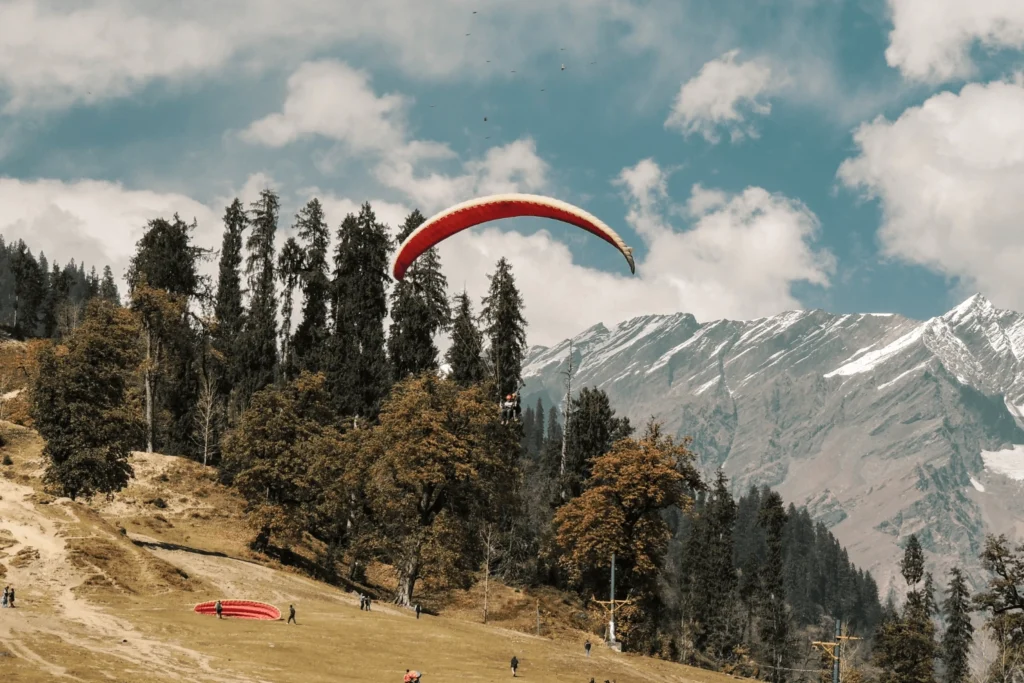
Manali is probably the most-visited town in the state, and it earns that reputation — paragliding, river rafting, and snowboarding on the slopes of Solang Valley all draw people here for good reason.
What most guides don’t tell you is that Old Manali and Vashisht village feel like an entirely different town from the main bazaar.
They’re quieter, cheaper, and feel a lot more genuine once you’re actually walking through them. If you can, visit Hadimba Devi Temple on a weekday morning, before the selfie crowds show up — it changes the whole experience.
Getting there: 10 hrs by Volvo bus from Delhi (570 km, ~₹1,000–1,500 one way); nearest airport is Bhuntar/Kullu (50 km).
Where to stay: Budget — hostels in Old Manali, ₹400–800/dorm | Mid-range — Johnson’s Lodge, ₹3,500–5,500 | Luxury — Span Resort & Spa, ₹12,000+
Best time to visit: October–June for sightseeing; December–February for snow
Highlights: Rohtang Pass, Solang Valley, Hadimba Temple, Beas River
3. Spiti Valley — The Land Between the Clouds
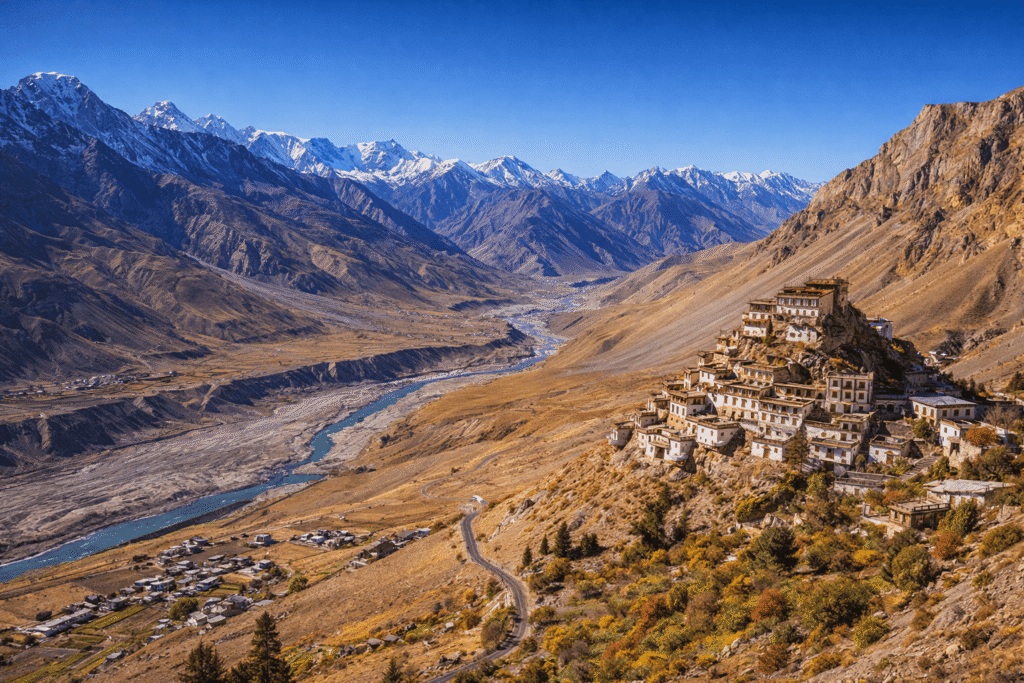
Spiti is for travellers who want raw, untouched landscapes over comfort. This cold desert mountain valley sits at an average altitude of 3,800 metres and is home to Key Monastery, one of the oldest monasteries in the world.
Between the lunar-like terrain, the turquoise Spiti River, and villages like Kaza, Kibber, and Langza, there’s really nowhere else in India that looks like this.
If you can, skip the guesthouses in Kaza and stay in a village homestay in Langza or Komic instead. You’ll wake up to views that don’t translate to photos, and your money goes directly to the families hosting you rather than a middleman.
Getting there: ~10 hrs from Manali via Rohtang Pass (open mid-May–October only); or via Shimla–Kinnaur, which runs year-round (~12 hrs). Roads are rough — an SUV or shared jeep is the practical choice.
Where to stay: Homestays in Langza/Kibber, ₹600–1,200/night (meals included) | Guesthouses in Kaza, ₹1,500–3,000 | No real luxury options here — that’s part of what makes it Spiti.
Best time to visit: May–October
Known for: Key Monastery, Chandratal Lake, Pin Valley, Kibber Village
4. Dharamshala & McLeod Ganj — The Little Lhasa
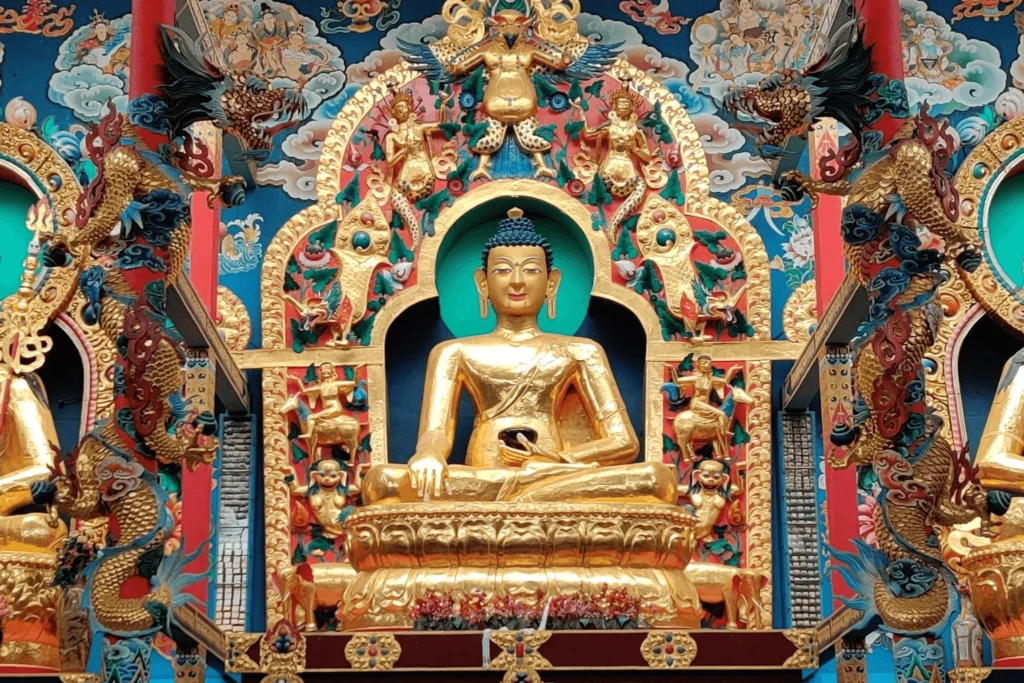
Dharamshala is home to the Dalai Lama and a thriving Tibetan exile community, and McLeod Ganj, its upper counterpart, is where you’ll find most of the Tibetan eateries, monasteries, and prayer flags that give the area its distinctly spiritual feel.
Most visitors walk right past the Library of Tibetan Works and Archives, which is a shame — it’s a quiet, genuinely moving place where monks and researchers sit side by side over centuries-old manuscripts.
Trekkers usually head straight for the well-known Triund Trek, but the Kareri Lake trek is arguably more rewarding and gets a fraction of the footfall.
If you’re travelling on a tight budget, our guide to Himachal on under ₹2,000/day can help you plan something comfortable without overspending.
Getting there: 5 hrs from Pathankot by road (90 km); nearest airport is Gaggal/Kangra (18 km from Dharamshala).
Where to stay: Budget — Tibetan guesthouses in McLeod Ganj, ₹700–1,200 | Mid-range — Chonor House, ₹4,500–7,000 | Luxury — Fortune Park Moksha, ₹8,000+
Best time to visit: March–June, September–December
Known for: Dalai Lama Temple, Triund Trek, Tibetan culture
5. Kasol & Kheerganga — The Parvati Valley Experience
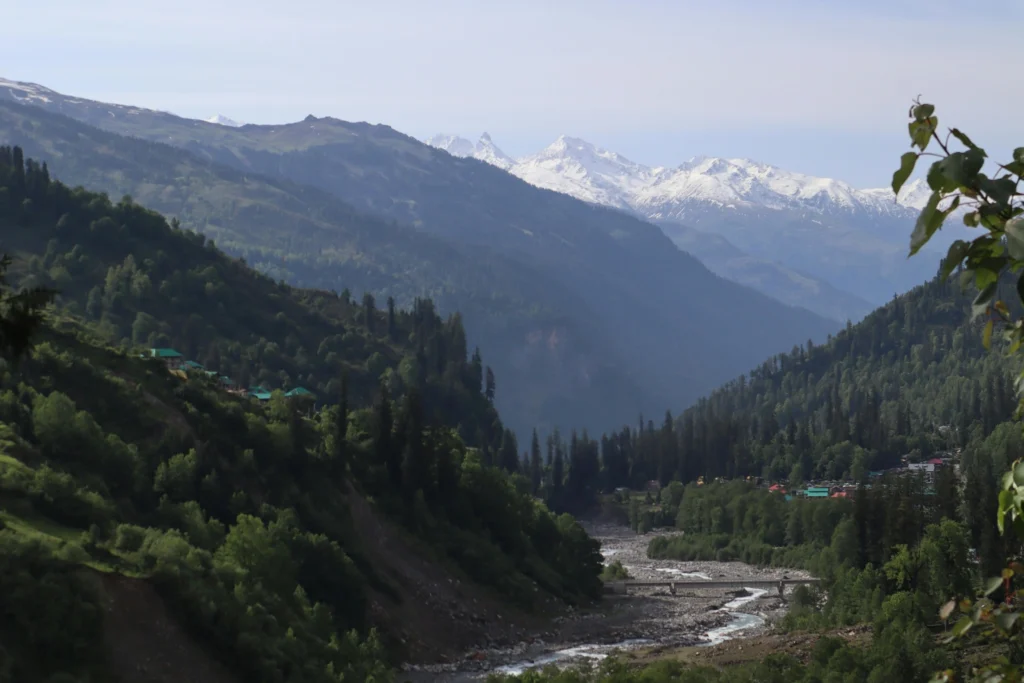
Tucked along the Parvati River, Kasol has built up a genuine cult following among backpackers and trekkers over the years, largely as the launching point for one of the valley’s best experiences: the trek to Kheerganga.
The trail starts at Barshaini and runs 12–14 km total, weaving through dense forest with waterfalls appearing along the way, before ending at a natural hot spring pool sitting at 2,960 metres.
Soaking there under open skies after a full day of hiking is the kind of moment that sticks with you for years. The Parvati Valley itself is striking in every season, which is part of why people keep coming back.
Kasol and Kheerganga work best as a single 2–3 day trip through the valley rather than two separate outings.
Getting there: ~9 hrs by bus from Delhi to Bhuntar, then a shared taxi to Kasol (30 km). For Kheerganga, continue to Barshaini and trek from there.
Where to stay (Kasol): Budget riverside camps, ₹400–800 | Guesthouses, ₹1,000–2,500
Kheerganga: Tent camping only, ₹300–600/night
Best time to visit: March–June, September–November
Don’t miss: Kheerganga hot springs, Malana Village, river camping, Parvati Valley views
6. Kullu — The Valley of Gods
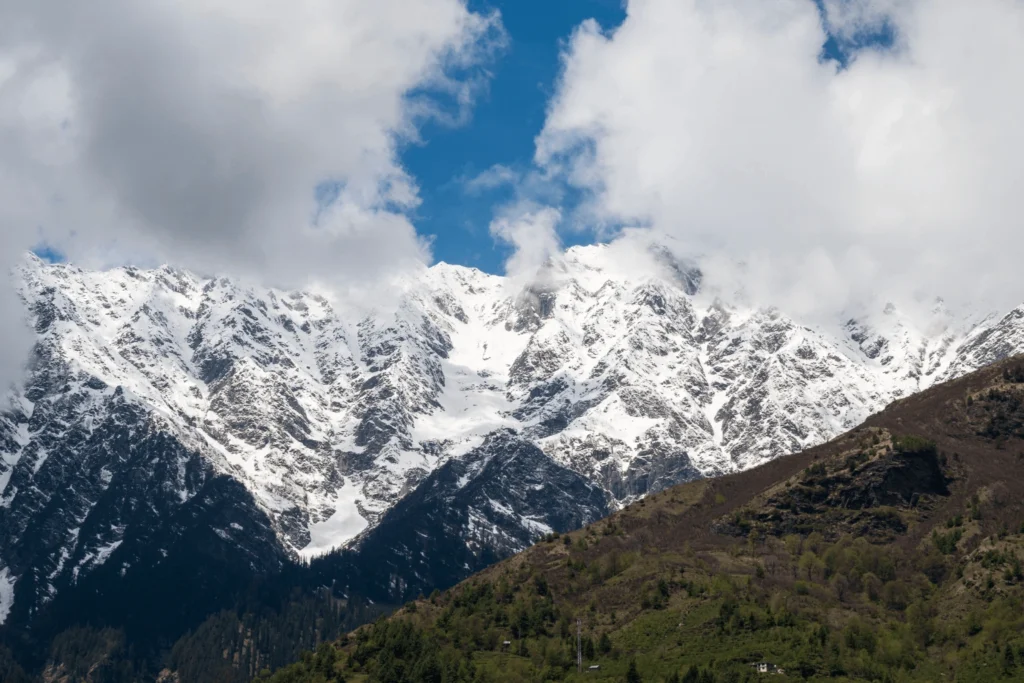
Sitting just 40 km south of Manali, Kullu often gets overlooked by travellers rushing further north — but it deserves a stop of its own, especially if your trip lines up with the Dussehra festival.
Hundreds of local deities are carried in on palanquins from villages across the region, and the resulting spectacle is unlike anything else in India.
The Great Himalayan National Park, a UNESCO World Heritage Site nearby, offers serious wildlife trekking with a real (if slim) chance of spotting snow leopards and Himalayan tahr.
Getting there: Bhuntar Airport is in Kullu itself (10 km from town); 9 hrs by road from Delhi.
Where to stay: Budget — Dhalpur area guesthouses, ₹800–1,500 | Mid-range — Hotel Silver Moon, ₹3,000–5,000
Best time to visit: October–June
Known for: Dussehra Festival, river rafting, Great Himalayan National Park
7. Dalhousie — Colonial Tranquility
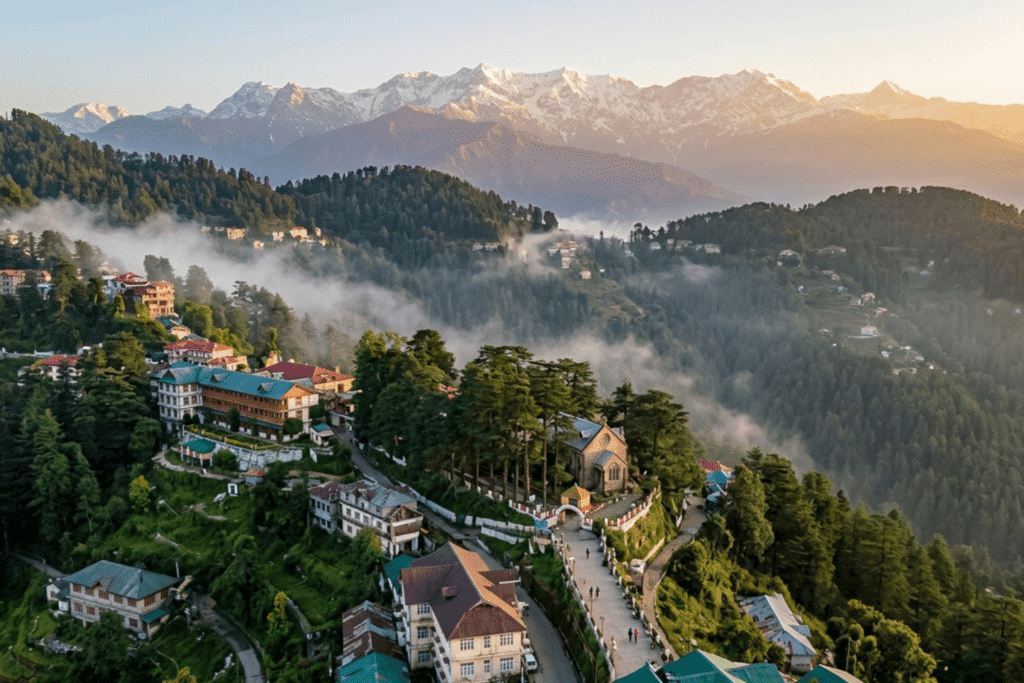
With Victorian bungalows, pine forests, and views across the Dhauladhar ranges, Dalhousie carries an unhurried, old-world charm that’s noticeably different from Himachal’s more crowded hill stations.
One experience here is genuinely underrated: the 2 km walk to Dainkund Peak at golden hour. Locals call it the “Singing Hill,” because the wind hums through the ridgeline in a strange, almost musical way. From the top, the Chamba Valley opens up below, and the sunset from here ranks among the best in the state.
Getting there: 2 hrs from Pathankot by road (80 km); nearest airport is Gaggal/Kangra (120 km).
Where to stay: Budget — HPTDC Hotel Geetanjali, ₹1,200–1,800 | Mid-range — Monal Resort, ₹3,500–6,000
Best time to visit: April–June, September–November
Known for: Khajjiar (24 km away), Dainkund Peak, colonial architecture
8. Kinnaur & Sangla Valley — Gods, Apples, and the Last Village
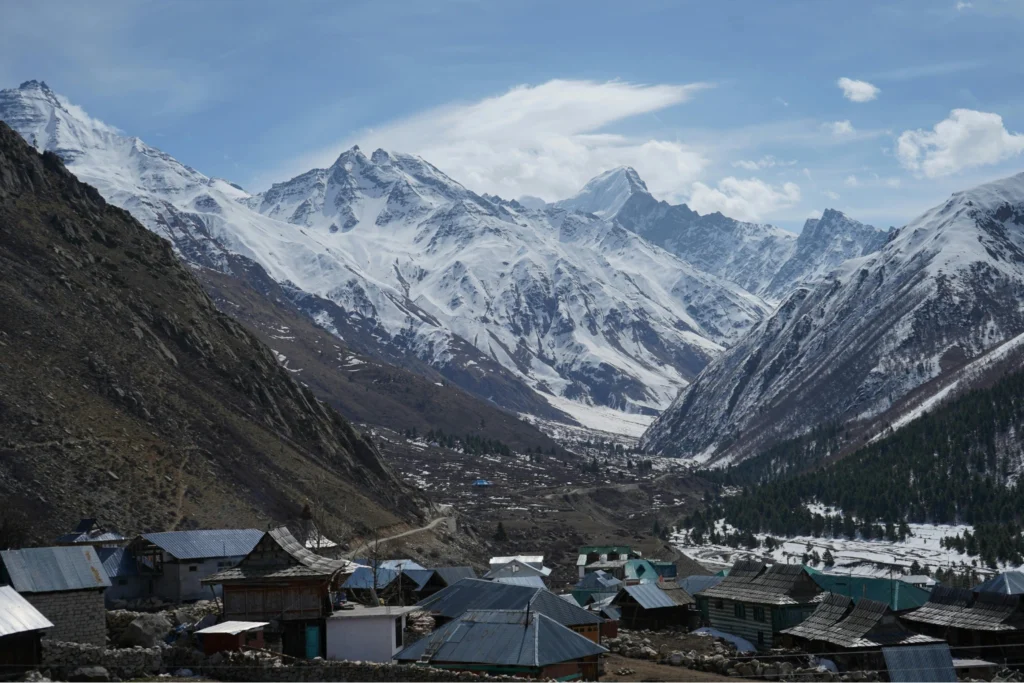
Kinnaur rewards travellers willing to go off the beaten path. Kalpa village, sitting directly beneath the Kinnaur Kailash range, is one of its highlights — at sunrise, the peak turns a fiery orange while the rest of the valley is still in shadow, making for one of the most dramatic mornings you’ll find anywhere in Himachal.
From Kalpa, the road drops sharply into Sangla Valley, where the Baspa River cuts through a deep gorge lined with towering stone walls and apple orchards on the lower slopes.
The valley ends at Chitkul, the last inhabited village before the Indo-Tibet border, where the road simply stops. There’s something quietly moving about standing at that final point and watching the Baspa disappear into the mountains beyond.
Kinnaur and Sangla Valley sit within the same district and travel circuit, so it’s worth planning them together — a 3–4 day loop from Shimla works well.
Getting there: ~8 hrs from Shimla to Kalpa (244 km) via NH5; Sangla is 18 km from Tapri on the same highway.
Where to stay: Kalpa — HPTDC Hotel Kinnaur Kailash, ₹2,500–4,000 | Chitkul — village homestays, ₹600–1,000 (meals included)
Best time to visit: May–October
Top experiences: Kalpa, Chitkul, Kamru Fort, Kinnaur Kailash, apple orchards
9. Chail — The Hidden Retreat
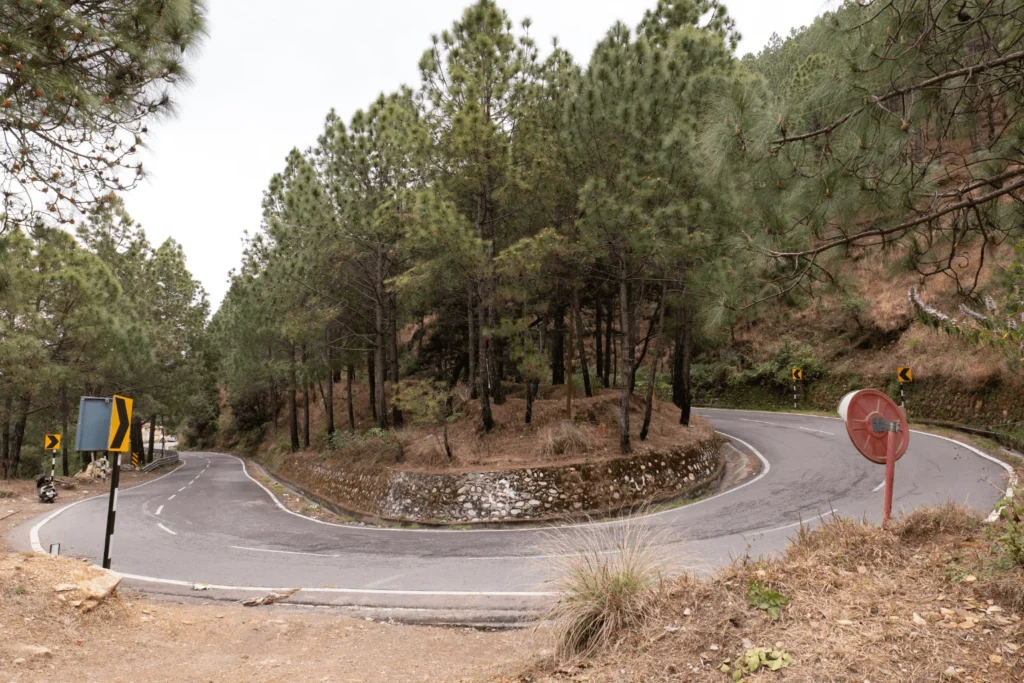
Built by the Maharaja of Patiala after he was exiled from Shimla, Chail is a quiet hill resort best known for housing the world’s highest cricket ground, at 2,444 metres.
Between the thick deodar forests, a royal palace now converted into a heritage hotel, and sweeping views of the Shivalik ranges, Chail makes for a solid weekend escape — and unlike Shimla or Manali, you can actually walk its forest paths without running into a crowd.
Getting there: 45 km from Shimla by road (~1.5 hrs); accessible via Kufri or Kandaghat.
Where to stay: Chail Palace Hotel (heritage), ₹5,000–10,000 | Forest Rest Houses, ₹1,500–2,500
Best time to visit: March–June, October–November
Known for: Chail Palace, world’s highest cricket ground, wildlife sanctuary
10. Bir Billing — Paragliding Capital of Asia
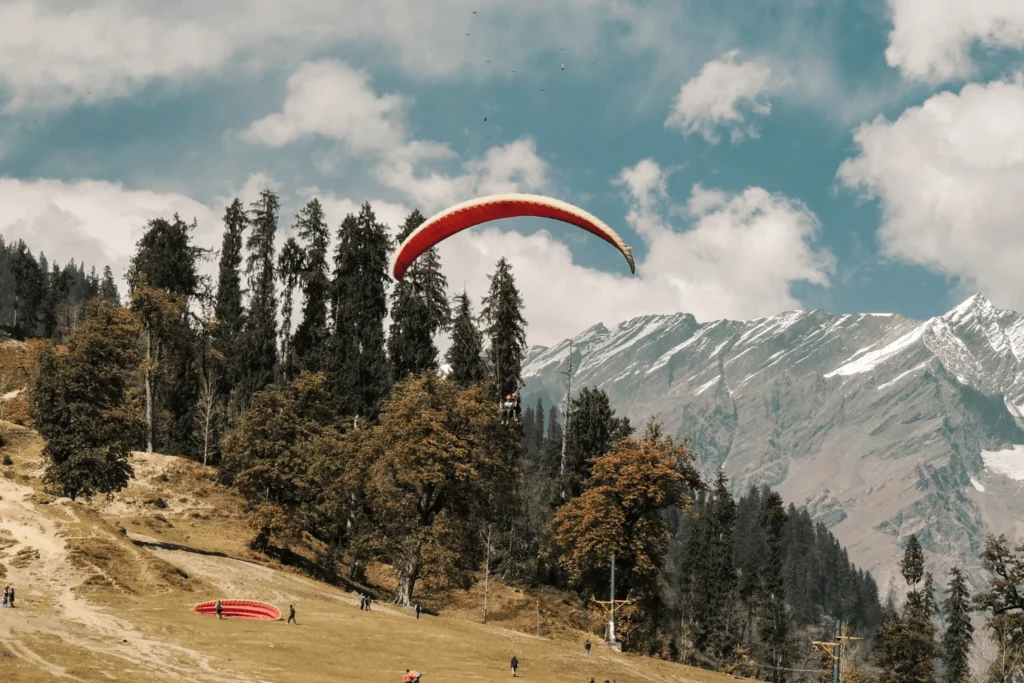
What started as a small Tibetan settlement is now world-famous as Asia’s paragliding capital. The Billing takeoff site and Bir landing zone even host the Paragliding World Cup.
A useful bit of practical advice most visitors don’t know: the best thermals show up between 10 AM and 1 PM, so it’s worth booking your flight for that window rather than opting for a cheaper early-morning slot. Beyond the flying, Bir also has a quiet charm in its Tibetan monasteries and small artisan cafés.
Getting there: ~6 hrs from Chandigarh by road (230 km); nearest railhead is Ahju (3 km from Bir).
Where to stay: Budget — Zostel Bir, ₹500–900/dorm | Mid-range — Bir Glamping camps, ₹3,000–5,000
Paragliding cost: ₹2,500–3,500 for a tandem flight (30–45 min)
Best time to visit: March–May, September–November
Known for: Paragliding, Tibetan colony, Chokling Monastery
11. Tirthan Valley — Eco-Tourism Heaven
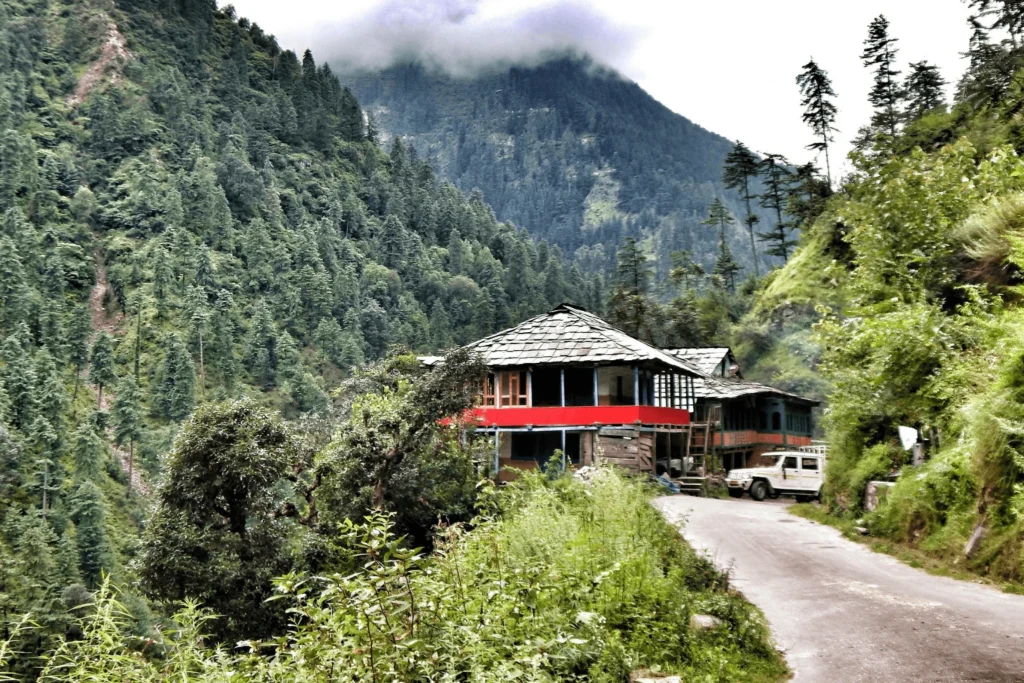
Well away from the usual crowds, Tirthan Valley is a genuinely pristine escape for anyone who wants nature over nightlife. The clear Tirthan River is popular for trout fishing, and the valley borders the Great Himalayan National Park.
What sets Tirthan apart is its homestay culture — local families here have been hosting travellers for decades, and the meals alone make the trip memorable. Expect fresh trout straight from the river, local rajma, and homemade butter with nearly every meal. It’s simple food, but done properly, and it shows.
Getting there: ~8 hrs from Chandigarh (220 km); turn off NH3 at the Aut tunnel toward Banjar.
Where to stay: Homestays along the river, ₹800–1,500/night (meals included) — book directly with local hosts rather than through aggregators.
Best time to visit: March–June, September–November
Worth seeing: Trout fishing, GHNP buffer zone, homestays, Serolsar Lake
12. Lahaul Valley — Road to Leh
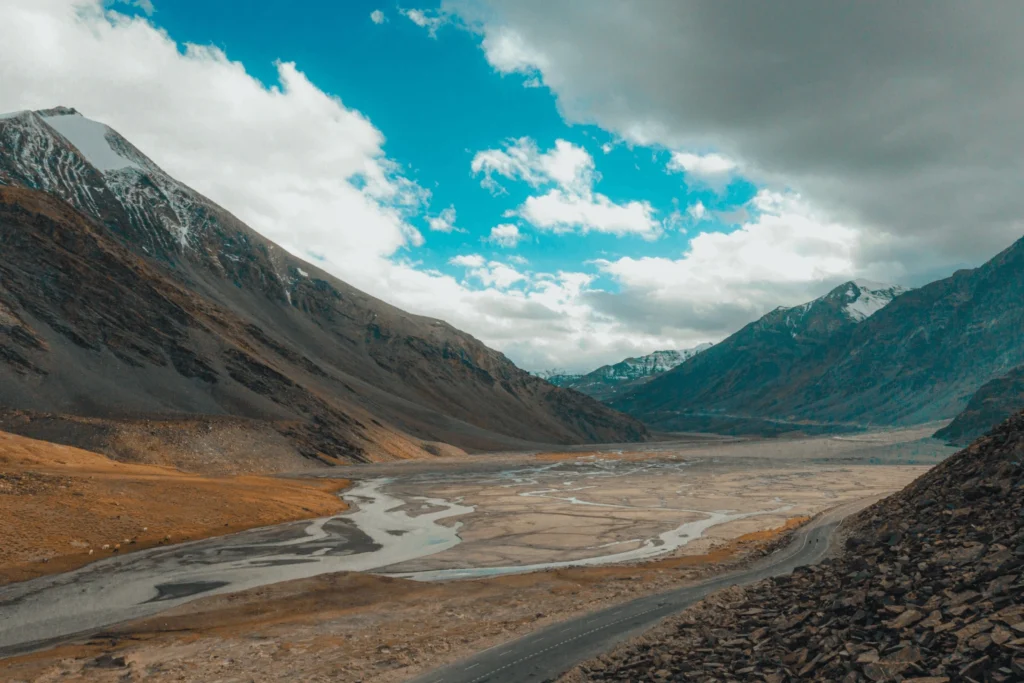
Sitting between Spiti and Manali, Lahaul is a dramatic high-altitude valley that’s now accessible year-round thanks to the Atal Tunnel — at 9.2 km, Asia’s longest road tunnel, which bypasses the Rohtang Pass entirely.
Keylong, the quiet district headquarters, sits surrounded by glaciers, monasteries, and old forts. Lahaul works well as a stop for motorcyclists heading toward Leh, but it’s equally worth visiting just to slow down and take in the high-altitude air.
Getting there: 25 km from Manali via the Atal Tunnel (accessible year-round since 2020).
Where to stay: Government rest houses in Keylong, ₹800–1,500 | Basic guesthouses, ₹1,000–2,000
Best time to visit: June–September
Known for: Atal Tunnel, Keylong, Triloknath Temple, glaciers
13. Palampur — The Tea Town
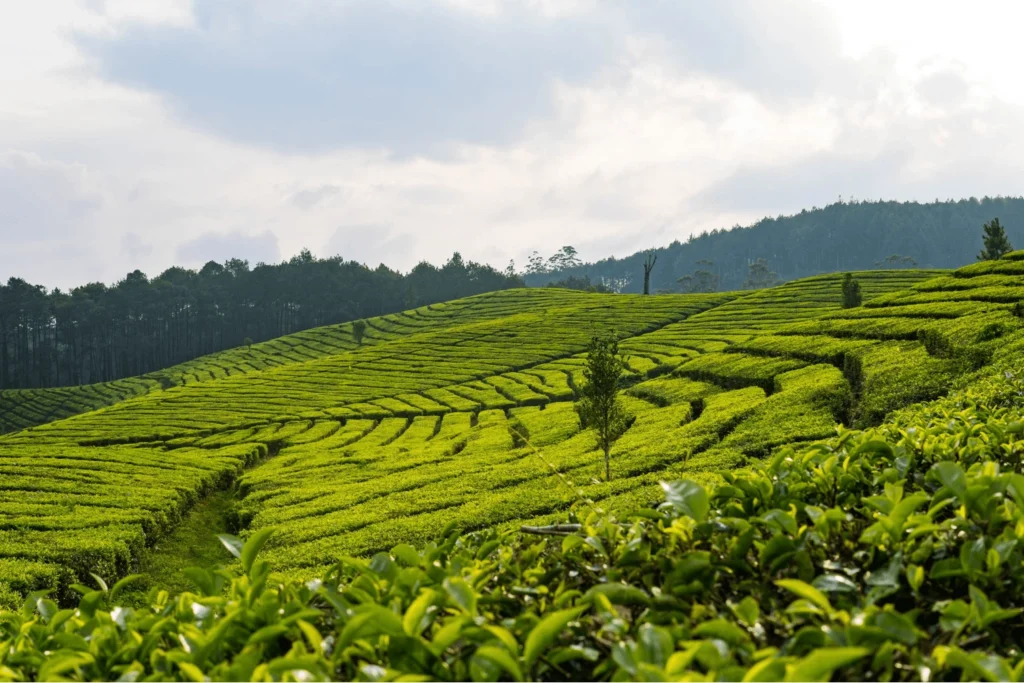
Rolling tea gardens stretch across the hills around Palampur, with the Dhauladhar range forming a dramatic backdrop — it’s the only town in the Himalayan region with commercial tea estates, and walking through the rows of green with the mountains rising behind them is quietly spectacular.
A guided tour and tasting at the Wah Tea Estate makes for a great stop — for around ₹100, you’ll understand exactly why Kangra tea holds a GI tag and a loyal following among tea connoisseurs. Palampur is a calm, unhurried destination that rewards travellers who aren’t in a rush.
Getting there: 35 km from Dharamshala by road (~1 hr); nearest railway station is Baijnath Paprola (16 km).
Where to stay: Tea estate bungalows (seasonal), ₹3,000–5,000 | Mid-range hotels in town, ₹1,500–3,000
Best time to visit: March–June, September–November
Known for: Tea gardens, Neugal Khad, Kangra GI tea, trekking
14. Narkanda — Apple Country and Ski Slopes
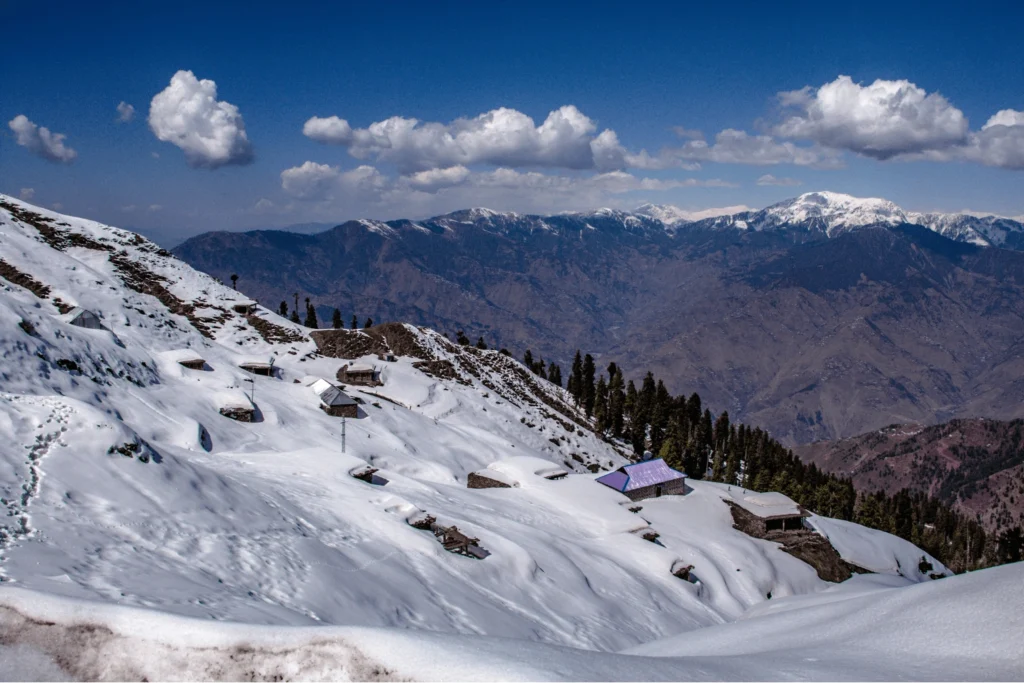
Sitting on the old Hindustan-Tibet Road at around 2,700 metres, Narkanda is known for its apple orchards and the Hatu Peak trek (3,400 m, 4 km one way — an easy half-day outing).
In winter, it turns into a small skiing destination with slopes suited to both beginners and more experienced skiers. It’s a calm, uncrowded alternative to Himachal’s more commercial hill stations, and the September apple harvest is a genuinely good time to visit if you can plan around it.
Getting there: 65 km from Shimla by road (~2 hrs) on NH5.
Where to stay: HPTDC Hotel Hatu, ₹2,000–3,500 | Local guesthouses, ₹800–1,500
Skiing cost: ₹500–800/day for equipment rental; ski instructor around ₹500/hr
Best time to visit: October–March for skiing; April–June for trekking
Highlights: Hatu Peak, skiing, apple orchards
15. Mandi — Gateway to the Hills
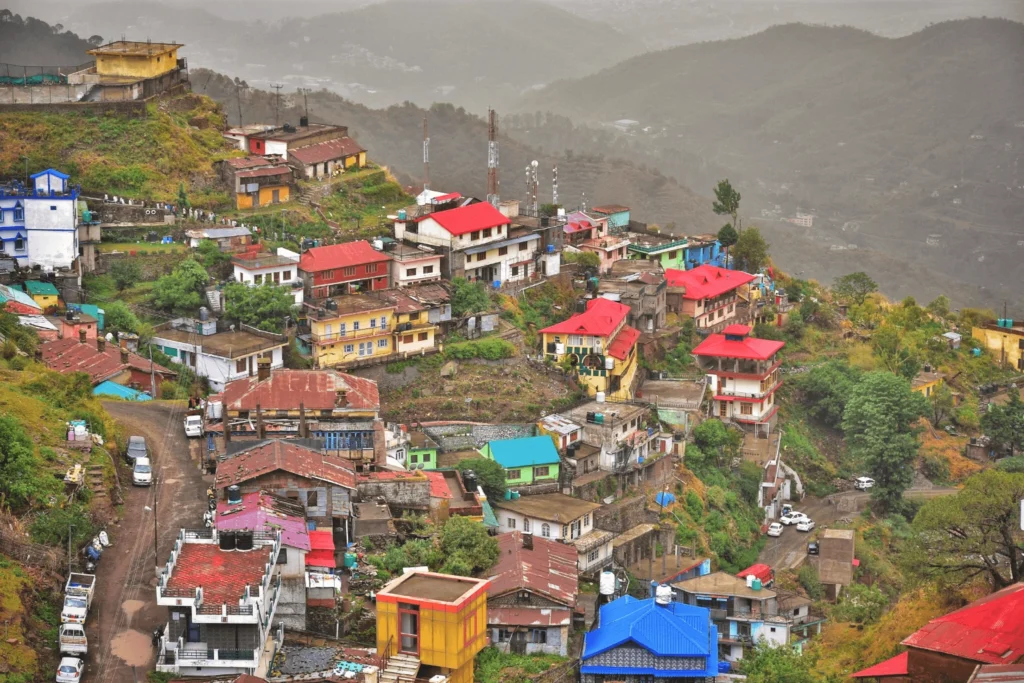
Stone temples line the streets of Mandi in numbers you don’t expect — more than 80 of them, scattered through a town often called the “Varanasi of the Hills.” Most travellers drive straight through on the way to Manali, which is honestly a mistake.
Spend a morning walking the temple trail along the Beas riverfront and you’ll find carvings intricate enough that they’d be famous landmarks almost anywhere else in India. Mandi also serves as the jumping-off point for Prashar Lake, a striking high-altitude lake known for its rare floating island.
Getting there: 5 hrs from Delhi by road (430 km); on the Chandigarh–Manali NH3.
Where to stay: Budget guesthouses near the bus stand, ₹700–1,200 | Prashar Lake camping, ₹500–800/tent
Best time to visit: October–June
Known for: Prashar Lake, Shivratri Fair, ancient temples, Pandoh Dam
16. Chamba — The Valley of Temples
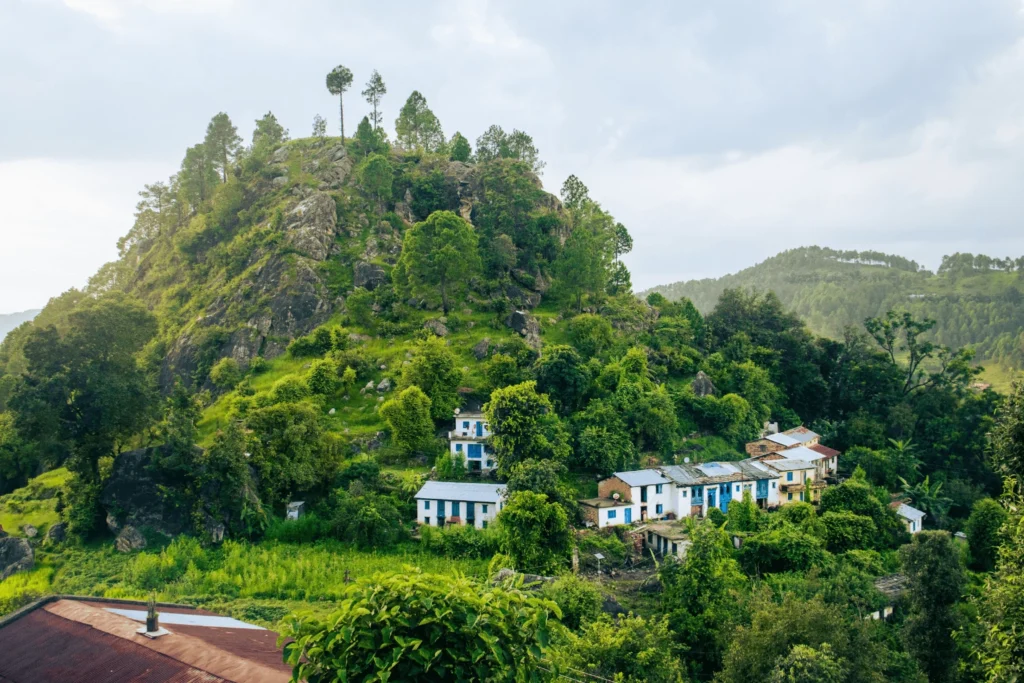
The Ravi River curves past Chamba, a town that has been continuously inhabited since the 6th century — and it shows in the ornate, ancient wooden temples scattered through it.
The craft traditions here are still very much alive; Chamba Rumal embroidery is even listed as intangible cultural heritage. Life on the Chaugan ground moves slowly, and unlike a lot of “heritage” destinations, history here doesn’t feel preserved behind glass — it feels genuinely lived-in.
Getting there: 3 hrs from Dalhousie by road (56 km); 6 hrs from Pathankot (120 km).
Where to stay: HPTDC Iravati Hotel, ₹2,000–3,500 | Budget dharamshalas near the temples, ₹400–800
Best time to visit: April–June, September–November
Known for: Lakshmi Narayan Temples, Chamba Rumal craft, Manimahesh Yatra
17. Barot — The Road Less Travelled
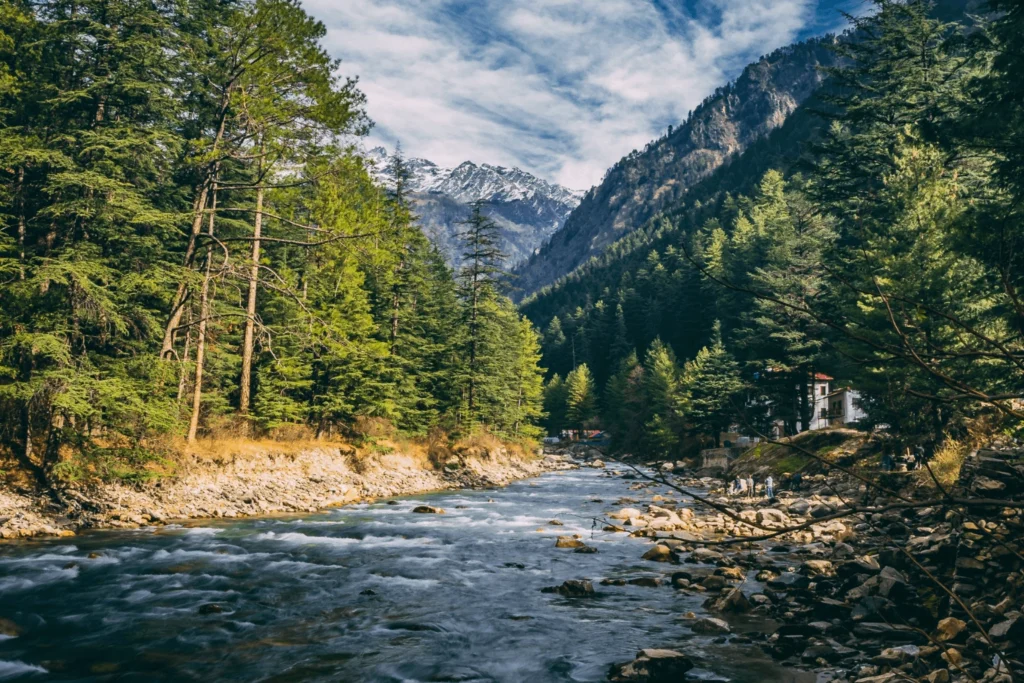
Barot is a hidden valley in the Uhl River basin that remains almost entirely off the radar. Originally built as a British-era hydro project site, it now offers trout fishing on the Uhl, jungle camping, and treks into the Nargu Wildlife Sanctuary.
The roads in are winding and scenic, the people are quietly welcoming, and the silence here is the kind that more popular destinations simply can’t replicate anymore.
If you do end up telling people about it afterward, maybe keep the exact location a little vague — places like this stay good precisely because they’re hard to find.
Getting there: ~5 hrs from Mandi by road (60 km) via Jogindernagar; the road is narrow but driveable.
Where to stay: Forest Rest House (book via DFO Mandi), ₹600–1,000 | Camping by the river, ₹300–500
Best time to visit: April–October
Don’t miss: Trout fishing, Nargu Wildlife Sanctuary, offbeat camping
18. Khajjiar — Mini Switzerland of India
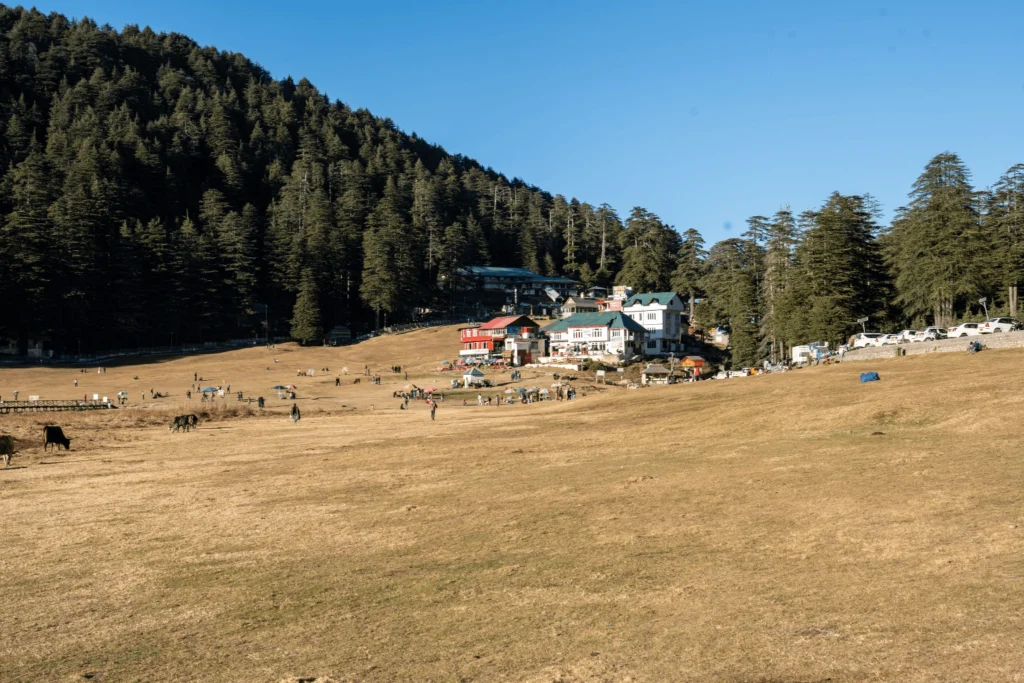
Khajjiar is a small meadow plateau near Dalhousie, blanketed in green grass with a lake at its centre and thick cedar forest closing in around the edges.
It’s one of only 160 places in the world to receive the “Mini Switzerland” designation from Switzerland’s honorary consul, and on a clear day, it genuinely earns the comparison.
It works well as a half-day trip from Dalhousie (24 km), but staying the night at one of the small local guesthouses lets you catch the meadow in morning mist, once the day-trippers have left and the place feels like it belongs entirely to the mountains.
Visit early in the morning if you can. The meadow is much quieter before the tour groups arrive, and the mist hanging over the grass gives the whole place a completely different atmosphere than the postcard version most people see at midday.
Getting there: 24 km from Dalhousie by road (~45 min).
Where to stay: Local guesthouses around the meadow, ₹1,000–2,500 | A day trip from Dalhousie is the more common approach.
Best time to visit: April–June, September–November
Top experiences: Green meadows, lake, cedar forests
FAQ
If you’re visiting Himachal Pradesh for the first time, start with Shimla, Manali, Dharamshala, Dalhousie, Kasol, and Khajjiar. These destinations are easy to reach and offer a mix of nature, adventure, and cultural experiences.
If you want to avoid tourist crowds, consider Tirthan Valley, Barot, Chitkul, Kalpa, Sangla Valley, Narkanda, and Palampur. These destinations offer peaceful mountain scenery and a more relaxed travel experience.
A 7–10 day trip is ideal for exploring Himachal Pradesh. In one week, you can comfortably visit destinations like Shimla, Manali, Kasol, or Dharamshala. If you plan to visit Spiti Valley or Kinnaur, allow at least 10–12 days.
The best time depends on your travel goals. March to June is ideal for sightseeing, trekking, and pleasant weather, while December to February is best for snowfall. September and October are perfect for clear mountain views and fewer crowds.
Manali, Solang Valley, Narkanda, Kufri, Sissu, and Keylong are among the best places to experience snowfall during winter. Snowfall usually occurs between December and February.
Couples often prefer Manali, Tirthan Valley, Chail, Dalhousie, Khajjiar, Sangla Valley, and Kalpa because of their scenic landscapes, peaceful atmosphere, and romantic stays.
Final Thoughts
Himachal Pradesh isn’t really a single destination — it’s more of a spectrum, and the best places to visit here span the full range of it. Spiti is a high-altitude cold desert. Palampur is all lush tea gardens. Bir Billing hands you pure adrenaline from the sky.
McLeod Ganj offers something closer to meditative calm. Each place feels like its own small world, which is part of what makes the state so hard to sum up in one trip.
A few things worth keeping in mind as you plan: group nearby destinations into circuits rather than zig-zagging across the map, stay in homestays where you can, and leave a few hours genuinely unscheduled — just enough time to sit by a river and let the mountains do the rest.