Planning a trip to Rishikesh in 2026? One of the best things about visiting is that it suits almost every budget. Whether you’re backpacking, planning a weekend escape, or travelling with family, it’s easy to adjust your spending without missing out on the experience.
Quick answer: Most people spend somewhere between ₹1,500 and ₹5,000 per person per day. Budget travelers usually land around ₹1,500–₹2,000/day, while mid-range travelers spend closer to ₹3,000–₹5,000/day.
This guide breaks down what you’ll actually pay for hotels, meals, transport, rafting, camping, and everything in between, along with a few tips that can shave real money off your trip.
Daily Cost Breakdown
| Category | Budget (₹) | Mid-Range (₹) |
|---|---|---|
| Stay | 300–800 | 1,000–2,500 |
| Food | 200–500 | 600–1,200 |
| Transport | 100–400 | 500–1,500 |
| Activities | 500–1,500 | 1,500–3,000 |
| Total | ₹1,500–₹4,000/day |
The ₹1,500/day figure isn’t a stretch — it’s realistic if you’re staying in dorm hostels, eating local food, walking or sharing rides, and not doing a paid activity every single day.
What Accommodation Actually Costs
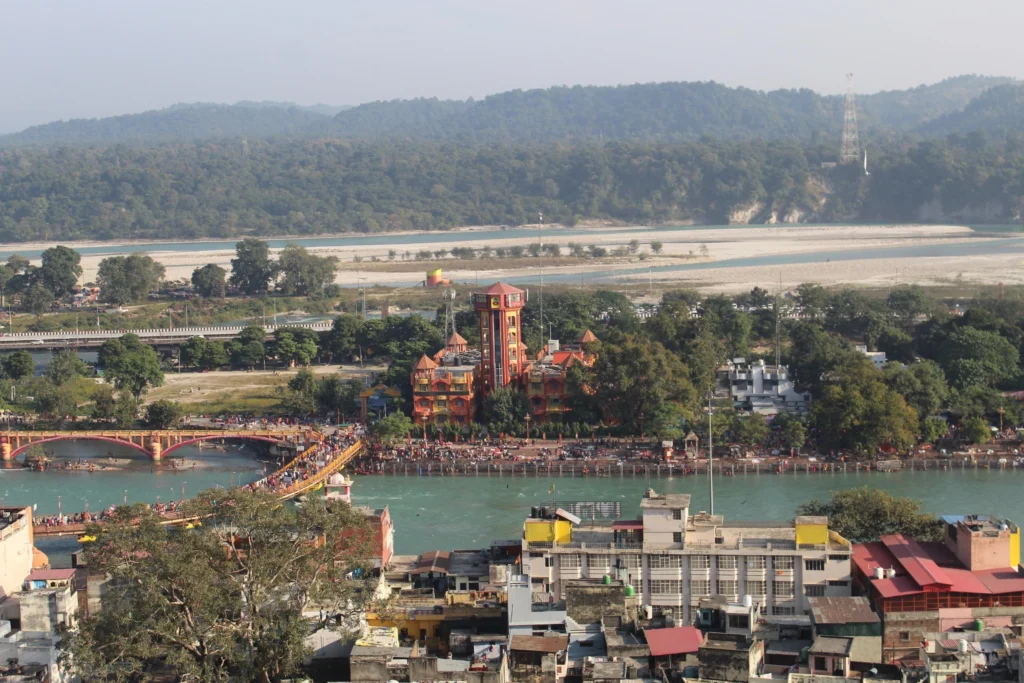
Finding a place to stay in Rishikesh is usually easy, whether you’re looking for a hostel dorm or a riverside resort. Prices vary widely, so it’s possible to find something that fits almost any budget.
Budget hostels (₹300–₹700): Dorm beds with WiFi, lockers, and common areas are easy to find, and they’re the obvious pick for solo travelers and backpackers.
During a recent trip, a night in a clean Tapovan hostel with decent facilities cost around ₹400 — which is fairly typical for the area and part of why Tapovan keeps coming up as the best base for budget stays.
Guesthouses (₹800–₹1,500): These give you a private room with an attached bathroom, which makes sense for couples or anyone who wants a bit more privacy without a big jump in price.
Hotels and resorts (₹2,000 and up): Premium hotels and riverside resorts come with better views, on-site yoga, and wellness add-ons — worth it if you’re after something more relaxed or a bit indulgent.
Tapovan tends to be the better area overall — it’s slightly cheaper, less crowded than the main ghats, and close to both cafés and activity operators.
What You’ll Spend on Food

Rishikesh is a vegetarian, alcohol-free town, and that alone keeps food costs lower than most tourist destinations in India.
Street food (₹50–₹150): Poha, samosas, chole bhature, and chai are everywhere and genuinely cheap — a full breakfast can easily stay under ₹100.
Cafés and restaurants (₹200–₹400): Tapovan and the Lakshman Jhula area are packed with cafés, so you’ll have no trouble finding everything from simple thalis to smoothie bowls, pancakes, and good coffee. Expect to pay ₹200–₹350 for most meals.
A rough daily food budget looks like this:
- Breakfast: ₹50–₹150
- Lunch: ₹100–₹250
- Dinner: ₹150–₹350
- Total: ₹200–₹500/day
Getting to Rishikesh
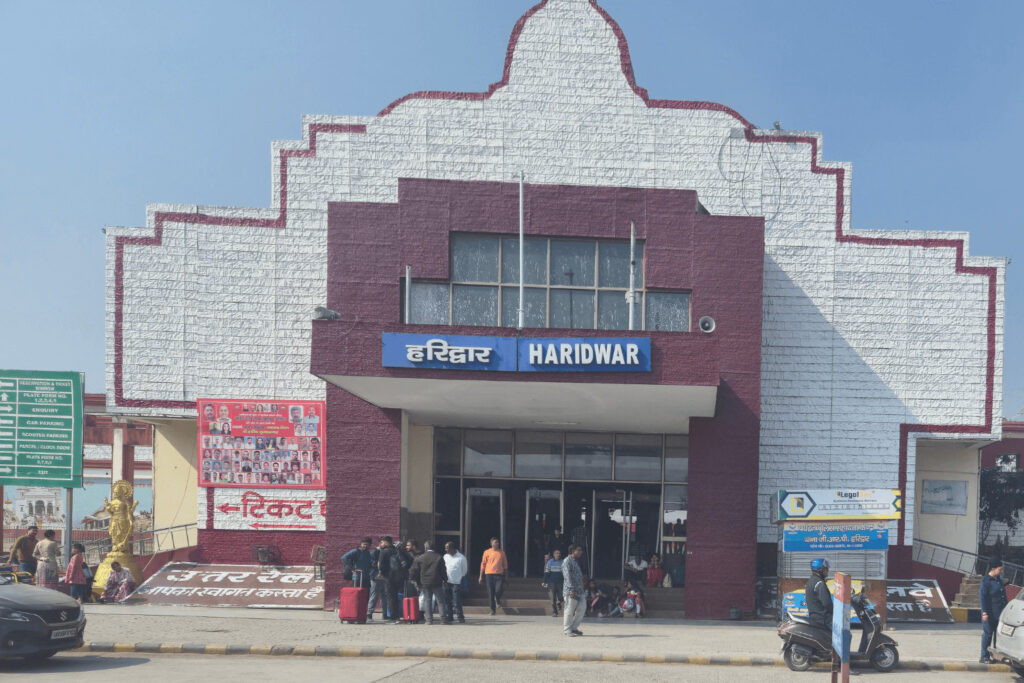
Rishikesh connects easily to most major cities, Delhi especially.
From Delhi:
- Bus: ₹300–₹800
- Train to Haridwar (plus a short cab/bus onward): ₹150–₹500
- Cab: ₹3,000–₹5,000
If you’re trying to keep costs down, an overnight bus is usually the smartest call — you save on a night’s accommodation too, since you sleep through the journey instead of paying for a room.
Getting Around Once You’re There
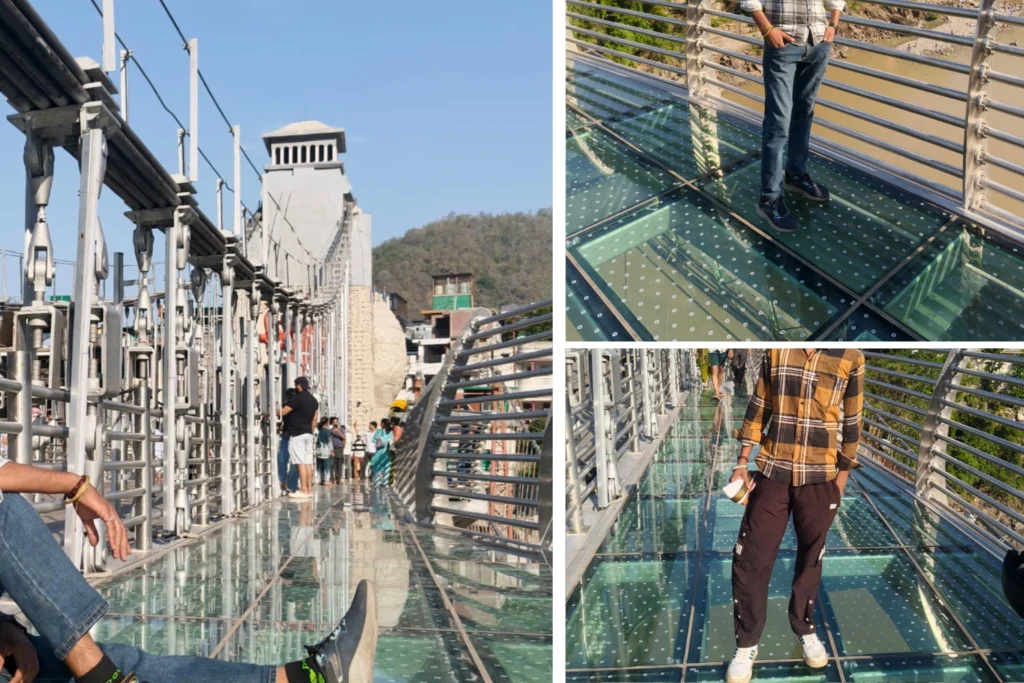
Rishikesh is small enough that walking covers more ground than you’d think.
- Walking: free, and often genuinely the best option
- Auto or shared ride: ₹50–₹200
- Scooter rental: ₹300–₹500/day
Walking between Ram Jhula, Lakshman Jhula, and Tapovan is common practice among travelers here, and it’s an easy way to cut down daily transport costs without much effort.
Adventure Activities and What They Cost
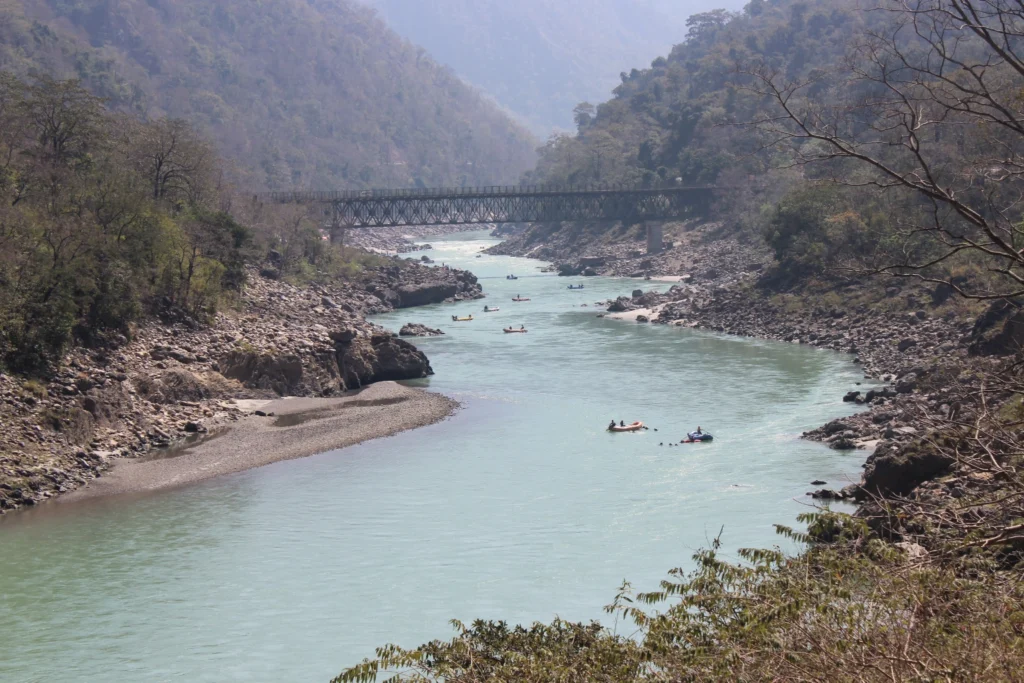
Adventure sports are a big part of why people come to Rishikesh in the first place, so it’s worth budgeting for at least one.
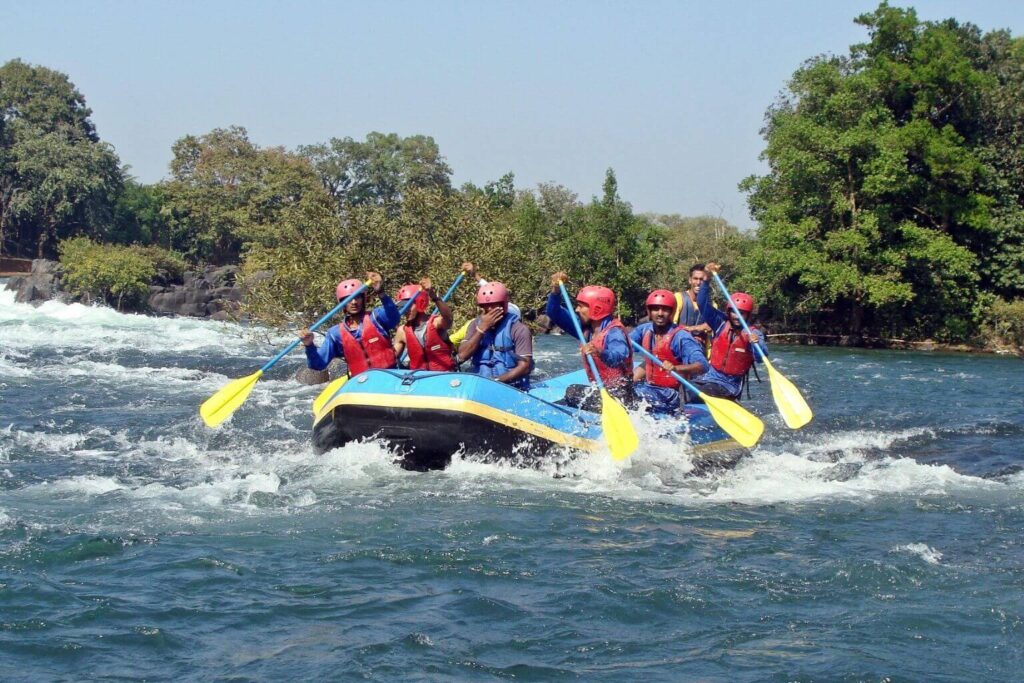
River rafting: ₹600–₹1,500, depending on the route. The 16 km stretch is the one most budget travelers end up booking.
Bungee jumping: ₹3,500–₹4,500. It’s on the pricier end, but it’s also one of Rishikesh’s bigger draws.
Camping: ₹1,500–₹3,000, usually including meals and a few basic activities.
If you’re planning more than one activity, booking them together as a package often works out cheaper than paying for each separately.
What Different Kinds of Travelers Typically Spend
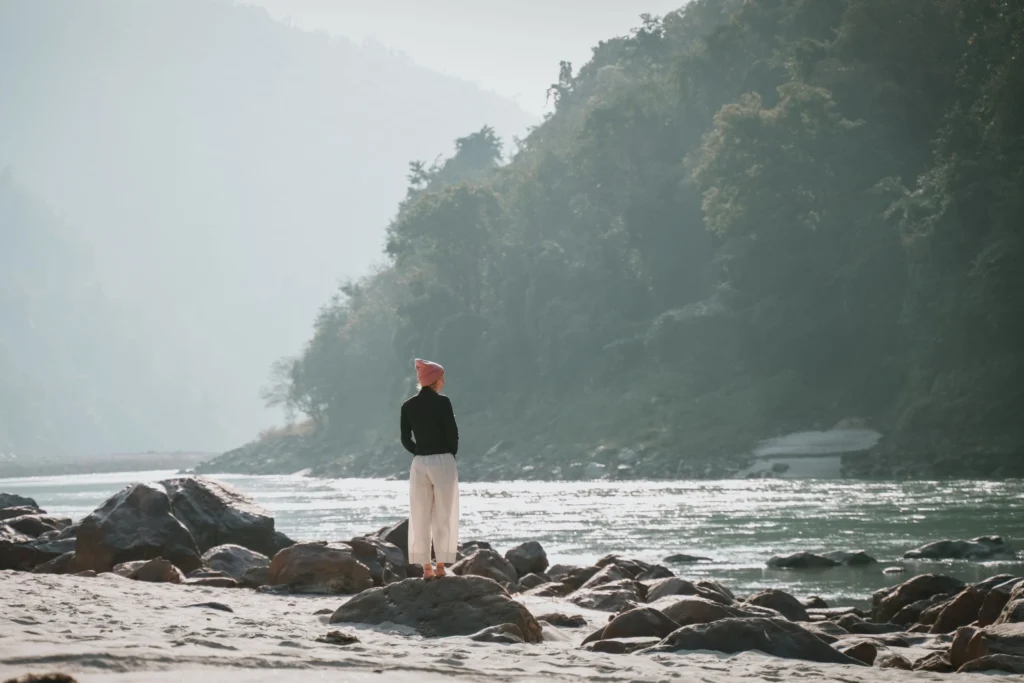
Solo traveler: ₹1,500–₹2,000/day — works well with hostel stays, local food, and a modest number of paid activities.
Couple: ₹3,000–₹5,000/day — covers a private room and regular café meals without much compromise.
Group travel: ₹1,200–₹1,800 per person per day — costs drop once accommodation and transport get shared across the group.
Doing Rishikesh on ₹1,500 a Day
A ₹1,500 daily budget is genuinely achievable if you plan for it rather than hope for it. Here’s roughly what that looks like in practice:
| Item | Cost (₹) |
|---|---|
| Hostel dorm | 400 |
| Breakfast | 70 |
| Lunch | 150 |
| Dinner | 200 |
| Transport | 80 |
| Activity (averaged across days) | 350 |
| Snacks | 60 |
| Total | ~₹1,300–₹1,500 |
The trick is not doing a paid activity every single day — mix them in with free experiences like walking along the river or attending the evening Aarti, and the numbers stay manageable.
A Few Ways to Save Money
Travel in the off-season (July–September). Prices drop noticeably, though keep in mind this is also monsoon season, so plan around the weather.
Book accommodation ahead of time. Rates are almost always cheaper when booked in advance rather than walking in on the day.
Avoid weekends if you can. Prices climb with the tourist rush from Delhi and nearby cities every Saturday and Sunday.
Walk whenever possible. Most attractions around Tapovan, Ram Jhula, and Lakshman Jhula are close enough to explore on foot, so you can save money without missing anything.
Eat at local dhabas rather than tourist-facing cafés. The food is just as good, often better, and considerably cheaper.
Compare prices across a few operators before booking any activity. Rafting and bungee prices can vary more than you’d expect between vendors.
Look out for combo deals on rafting and camping. Booking activities together often works out cheaper than paying for each separately.
Best Time to Visit, Cost vs. Crowd
- July–September: cheapest window, but you’re trading it for monsoon weather — river rafting is officially suspended for most of this period due to high water levels
- October–March: the best weather, and every activity is running
- Weekends and holidays: the most expensive and the most crowded, across the board
FAQ
A trip to Rishikesh can cost around:
–Budget trip: ₹1,000–₹2,500/day
–Mid-range trip: ₹3,000–₹6,000/day
–Luxury trip: ₹8,000+ per day
The total cost depends on transport, stay, adventure activities, and food choices.
Yes, 2 days are enough to explore major attractions in Rishikesh like Laxman Jhula, Ram Jhula, Ganga Aarti, cafes, and river rafting.
No, Rishikesh is generally considered one of the most affordable tourist destinations in India. Budget travelers can comfortably explore the city for ₹1,500–₹2,000 per day, while mid-range travelers typically spend ₹3,000–₹5,000 per day, including accommodation, food, transport, and activities.
River rafting in Rishikesh usually costs between ₹600 and ₹1,500 per person, depending on the route and distance covered. The popular 16 km rafting stretch from Shivpuri to Rishikesh typically costs around ₹800–₹1,200 per person.
For a 3-day trip to Rishikesh, budget travelers should carry around ₹4,500–₹6,000, while mid-range travelers may need ₹9,000–₹15,000. This budget generally covers accommodation, food, local transport, sightseeing, and basic adventure activities.
A couple can expect to spend approximately ₹3,000–₹5,000 per day in Rishikesh, including a private room, meals, local transportation, and sightseeing. A comfortable 2-day couple trip usually costs between ₹6,000 and ₹10,000, excluding travel to and from Rishikesh.
The Bottom Line
A Rishikesh trip in 2026 can realistically cost anywhere from ₹1,500 to ₹5,000 a day, and where you land is mostly a matter of choice rather than circumstance. Budget travelers can get a full experience without overspending, and anyone wanting more comfort can upgrade without the costs spiraling.
Between the adventure, the spiritual side, and how far your money stretches, Rishikesh holds up well whether you’re planning a quick weekend trip or something longer.
With a little planning, you can enjoy Rishikesh without stretching your budget. Whether you’re there for the Ganga Aarti, river rafting, yoga, or simply a relaxing break by the river, it’s one of the few destinations where memorable experiences don’t have to come with a high price tag.
Planning more? Check our complete Rishikesh travel guide for 2026.