
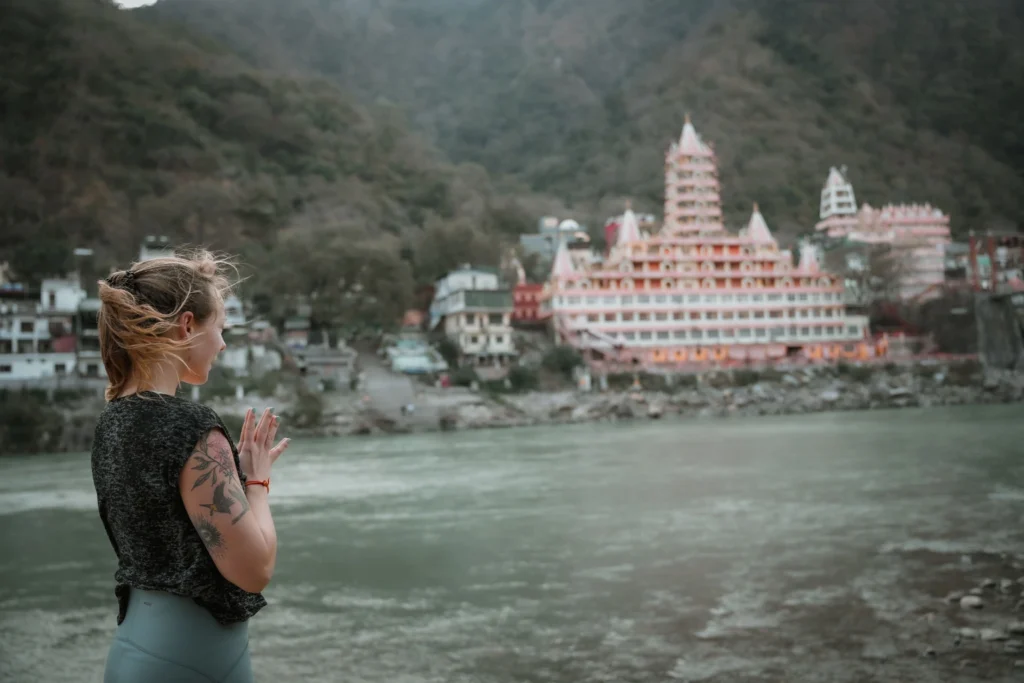
If you’re planning to visit Rishikesh alone, you’re probably wondering one thing first—is it actually safe?
Yes, Rishikesh is generally considered one of the safest destinations in India for solo travellers. Popular areas like Tapovan, Laxman Jhula, and Ram Jhula are well-frequented by tourists, and with basic precautions such as avoiding isolated areas late at night and keeping your belongings secure, most solo trips to Rishikesh are safe and enjoyable.
Why Solo Travellers End Up Here
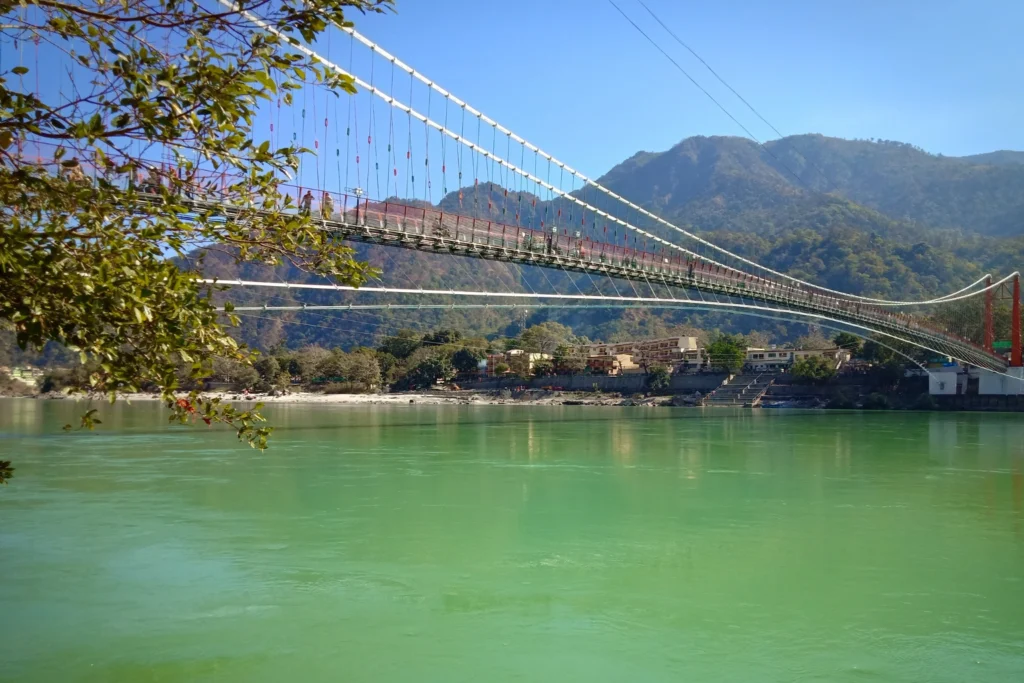
A few things pull solo travellers toward Rishikesh specifically. The spiritual side is the obvious one — the city is widely known as the Yoga Capital of the World, and its ashrams attract people travelling alone in a way that beach destinations or big cities often don’t.
There’s also a strong social layer underneath that. Hostels around Laxman Jhula and Ram Jhula tend to be full of other solo travellers, and it’s common to end up joining a group trek or heading to evening aarti on the ghats with people you met that same day.
The physical scale helps too — the main areas are walkable and easy to navigate without a guide. And for anyone drawn to adventure sports, white-water rafting, bungee jumping, and trekking into Rajaji National Park are all run by established operators and regularly attract solo visitors.
During our visit, we noticed that many cafés and hostels had notice boards advertising yoga classes, rafting trips, and group hikes, making it easy for solo travellers to meet people.
General Safety Picture
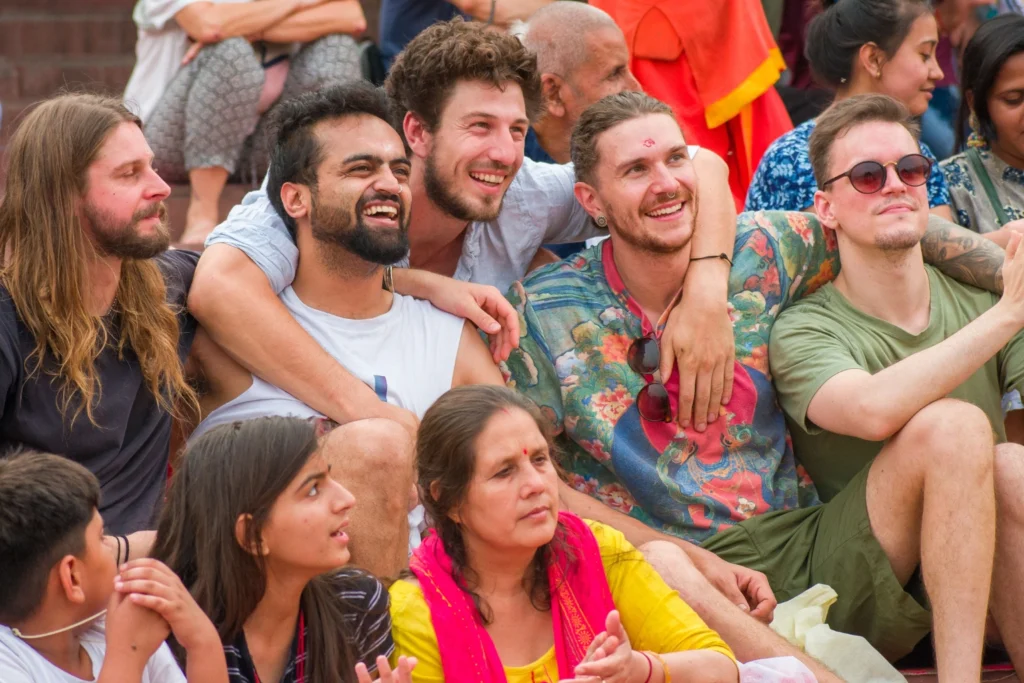
By Indian standards, Rishikesh is a relatively safe city for tourists. Violent crime against foreign travellers is rare, and there’s a visible police presence in the main tourist areas.
That doesn’t mean there’s nothing to watch for. The most common issue is petty theft — pickpocketing around crowded ghats, markets, and the suspension bridges. Keep valuables in a money belt or hotel safe rather than a loose bag pocket, especially anywhere crowded.
Traffic is a bigger everyday risk than most people expect. The main roads mix motorbikes, shared jeeps, and pedestrians with little order, so cross carefully and don’t assume a driver will stop for you.
River safety deserves its own mention. The Ganges here moves fast, particularly after monsoon rain, and swimming in it is genuinely dangerous — people have died underestimating the current. Rafting is fine through a reputable operator with proper life jackets and a safety briefing; swimming on your own isn’t worth the risk.
Natural hazards are also real in this region — flash floods and landslides are a genuine possibility in the Himalayan foothills, particularly from June to September. Check local conditions before any trek or river activity during that window.
Is It Safe for Solo Female Travellers Specifically?
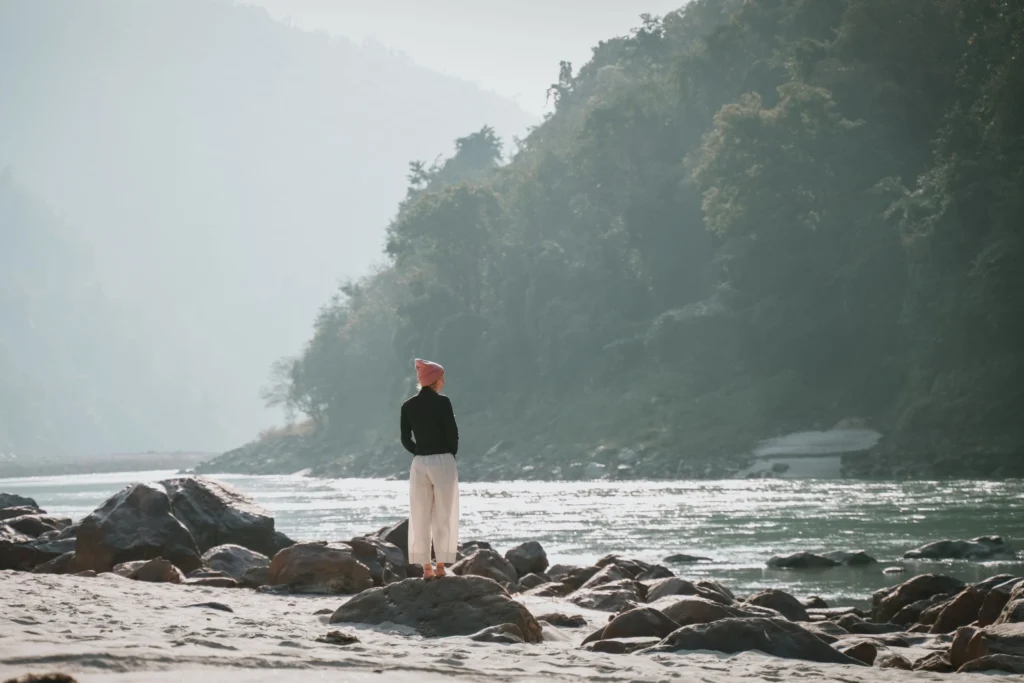
Yes, with the same caveat that applies everywhere: awareness matters more than luck. We regularly saw solo women walking around Tapovan and Laxman Jhula during the day, especially near cafés, yoga schools, and hostels.
Rishikesh’s spiritual atmosphere generally makes it feel calmer than many larger Indian cities, and locals are accustomed to both domestic and international travellers.
Overt harassment is less common here than in many other Indian cities, though it isn’t nonexistent — it tends to show up in specific situations: walking alone after dark in poorly lit areas, or being visibly intoxicated, since alcohol is restricted through much of the city and being drunk increases vulnerability regardless of location.
A few practical things make a real difference. Dressing modestly — a loose salwar kameez or lightweight trousers with a scarf over the shoulders — is both comfortable in the climate and reduces unwanted attention noticeably.
Choosing accommodation based on recent reviews from other solo women, rather than price alone, matters more than people expect; hostels in Tapovan and Laxman Jhula consistently score well here.
For transport after dark, app-based cabs are safer and more transparent than flagging down an unregistered driver, and sharing your live location with someone you trust costs nothing and helps a lot.
And the least quantifiable but probably most useful advice: if something feels wrong, leave. You don’t need a polite reason.
Where to Stay
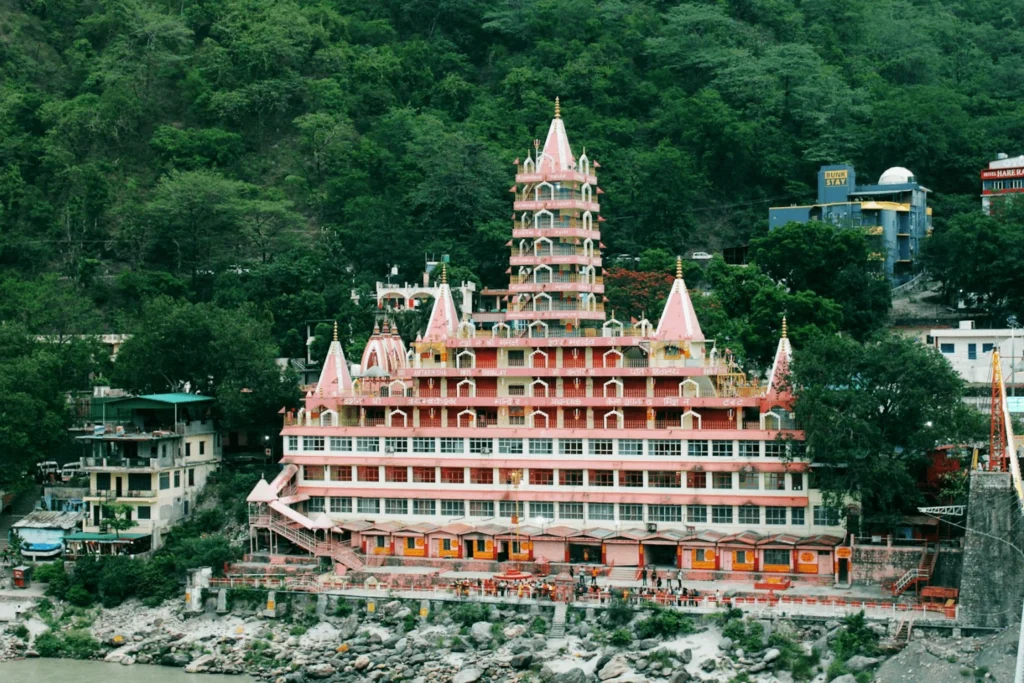
Tapovan is the area most solo travellers gravitate toward — hostels, cafes, yoga studios, and tour operators are all concentrated here, and it’s lively without tipping into chaotic.
Laxman Jhula, centred on the famous suspension bridge, is busier and has more vendors and the occasional scam attempt, but also more visible police presence and excellent connectivity.
Ram Jhula is quieter and more local in feel, close to several major ashrams — a good pick if Tapovan feels too busy.
The town centre near the bus stand and railway station is functional rather than charming — fine if you’re arriving very late or leaving very early, not somewhere to base an extended stay.
Getting Around Safely
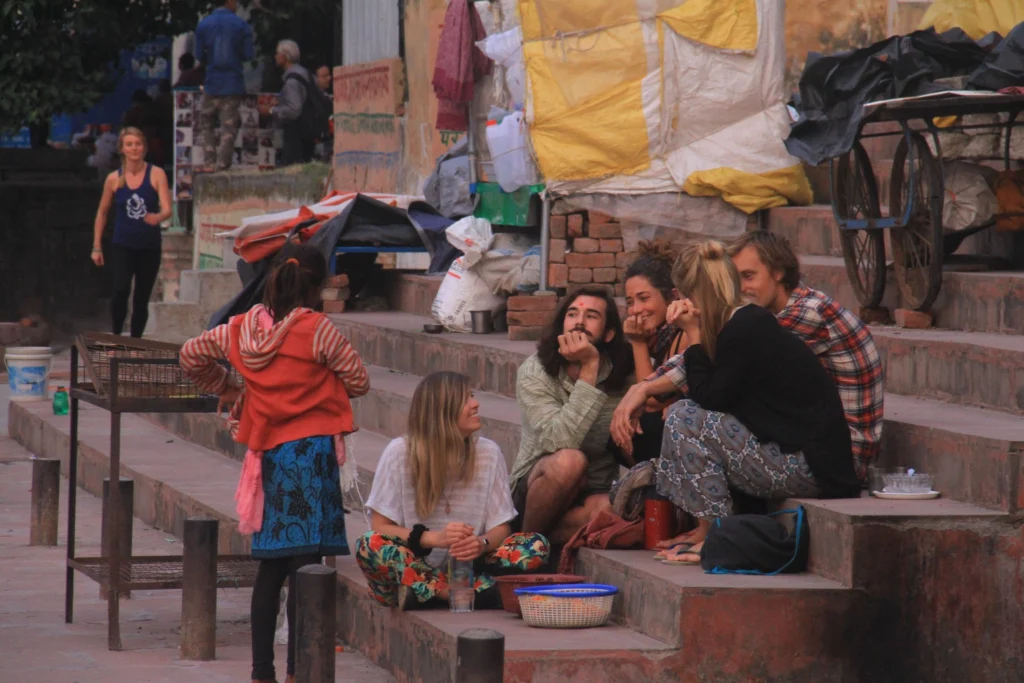
The main tourist areas are walkable, and an offline map (Google Maps or Maps.me) is worth downloading before you arrive. Shared autos work fine for short daylight hops between neighbourhoods.
For Haridwar (about 25 km, roughly 45 minutes) or Dehradun (about 43 km, roughly 1.5 hours), shared jeeps, buses, and app-based cabs all connect reliably — app-based cabs are the most transparent option since the fare is fixed before you get in.
For Delhi, the practical route is a shared jeep or cab to Haridwar, then a train from Haridwar Junction — journey time is around 4–5 hours, and second-class sleeper is comfortable and inexpensive.
Motorbike rental is popular with experienced riders, but if you’re not used to Indian road conditions, it’s not the place to start — traffic moves fast and road markings are inconsistent enough to demand real local experience.
Health and Medical Basics
Medical facilities are adequate for most situations. AIIMS Rishikesh is the main government hospital with a functioning emergency department, and there are private clinics geared toward tourists as well.
Carry basics — oral rehydration salts, anti-diarrhoeals, antihistamines, antiseptic cream, and any prescription medication you rely on. Stick to bottled or filtered water without exception, and be selective with street food — busy stalls with visible turnover are generally safer than food that’s been sitting out.
Stomach upsets are by far the most common complaint among travellers here, so it’s worth easing in for the first few days rather than testing your system immediately.
Travel insurance matters more than people assume — standard policies often exclude adventure sports, so if rafting or bungee jumping is on your list, confirm your policy actually covers it before you need it to.
Common Scams to Watch For
A few patterns come up repeatedly:
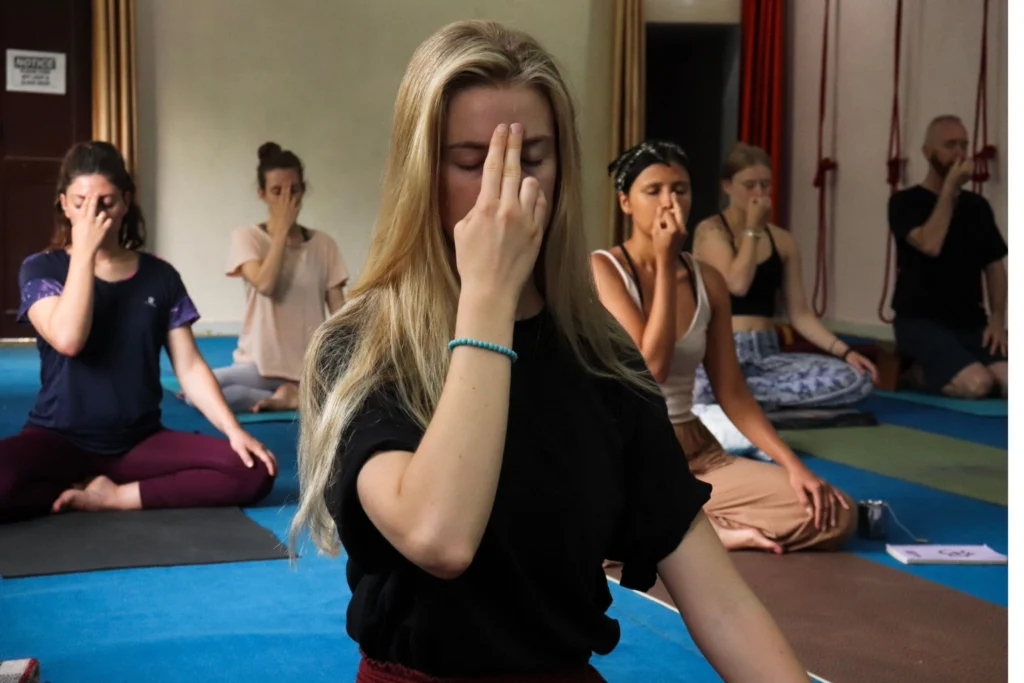
Unaccredited yoga schools charging premium fees with instructors who don’t have the credentials their branding suggests. Check for Yoga Alliance registration, read independent reviews, and ask to meet the teacher before paying.
Commission redirects — drivers steering you toward a specific guesthouse or shop where they earn a cut. Book accommodation in advance and navigate there directly rather than accepting a driver’s “recommendation.”
Unsolicited blessings from someone in saffron robes near the ghats, followed by a demand for payment. A polite decline is enough.
Fare inflation in unmetered autos and cycle rickshaws — agree a price before getting in, or default to app-based cabs where the fare is fixed upfront.
Best Time to Go
October–November and February–April are the strongest windows: pleasant weather, rafting and trekking conditions are good, and the city has enough travellers around for a good social scene without feeling overcrowded.
December–January is cold, with temperatures near freezing at night, but quieter and scenically spectacular if you pack for it.
June–September is monsoon — heavy rain, road closures from landslides, most river activities paused, and a real flash flood risk in low-lying areas. Avoid if you can, or stay flexible and check conditions daily if you can’t.
May is hot and coincides with peak domestic tourist season around festivals — expect higher prices and crowded ghats.
We visited during the cooler months, and walking around during the day felt comfortable compared to the summer season.
Emergency Numbers Worth Saving
- Police/general emergency: 112
- Ambulance: 108
- Uttarakhand Tourism Helpline: 1364
- AIIMS Rishikesh — hospital enquiry: 0135-2462929; emergency: 0135-2462503
Register with your embassy or consulate’s traveller service before you go, and share your itinerary — accommodation, planned activities, expected dates — with someone at home who you’ll check in with regularly. It’s a small habit that meaningfully improves your safety net if anything does go wrong.
Frequently Asked Questions
Yes. Rishikesh is generally considered one of the safer destinations in North India for solo travellers. Popular areas such as Tapovan, Laxman Jhula, and Ram Jhula are well-developed, regularly visited by tourists, and have plenty of hotels, cafés, yoga centres, and hostels. Like anywhere else, it’s still important to stay aware of your surroundings and follow basic safety pr
Yes, many women travel to Rishikesh on their own without any issues. Choosing well-reviewed accommodation, avoiding isolated areas after dark, using trusted transport, and dressing respectfully can help make the trip more comfortable and secure.
Tapovan is usually the most popular choice because of its hostels, cafés, yoga studios, and social atmosphere. Laxman Jhula is another good option if you want to stay close to the main attractions, while Ram Jhula offers a quieter environment near several well-known ashrams.
The main tourist areas are generally safe during the evening, especially where there are restaurants and other travellers. However, it’s best to avoid poorly lit or isolated roads late at night and use a trusted taxi or auto if you’re returning after dark.
Most visitors don’t face serious problems. The more common issues include petty theft in crowded places, overcharging by some local drivers or vendors, risky swimming in the fast-flowing Ganges, and weather-related disruptions during the monsoon season. Staying alert and following local advice helps avoid most of these situations.
Bottom Line
Based on our visit, Rishikesh felt welcoming and relatively easy to explore as a solo traveller. Like any destination, staying alert, choosing well-reviewed accommodation, and using trusted transport goes a long way. With a little planning, it’s a place where travelling alone can feel both comfortable and rewarding.
Solo female travellers should apply an extra layer of caution around transport and after-dark movement, but that’s not a reason to rule the city out — plenty of women travel through Rishikesh solo every year without incident.
Last updated: July 2026. Emergency numbers and safety advisories can change — check current guidance from your government’s foreign affairs department before travelling.