
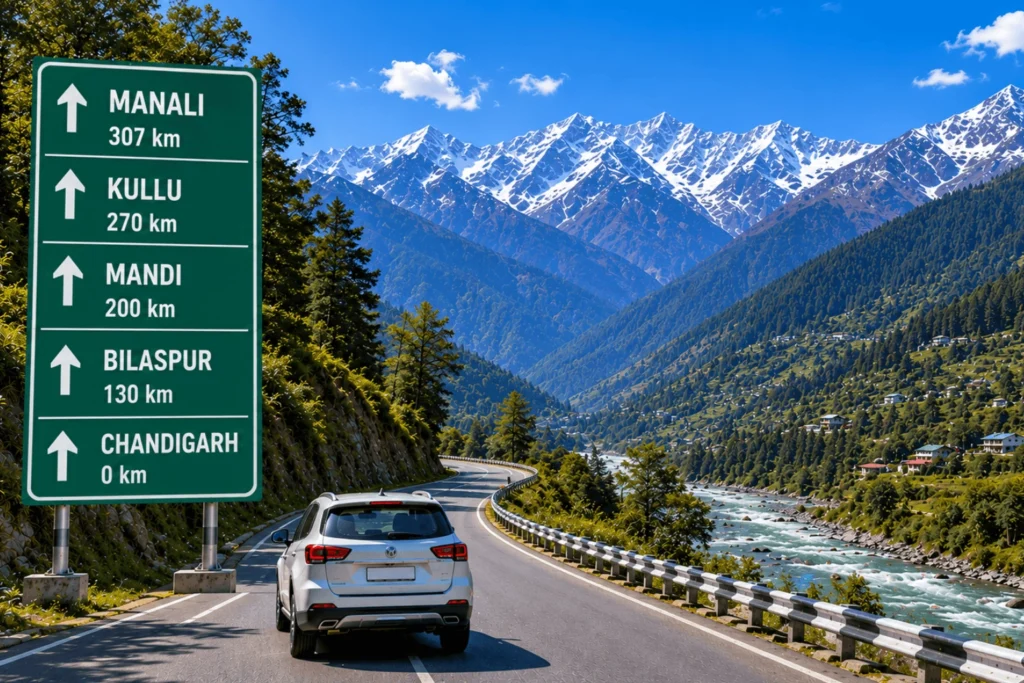
Planning a Himalayan escape from Chandigarh to Manali means experiencing one of the most rewarding road journeys in northern India — a single day that takes you from the plains to snow-capped peaks, past reservoirs, river gorges, ancient temples, and apple orchards.
This Chandigarh to Manali Trip Cost guide covers everything you need before you leave, including distance, best routes, travel time, taxi and bus fares, fuel expenses, budget breakdowns, major stops, and the practical travel tips most blogs skip.
The route follows NH-3 for most of its length: Chandigarh → Kiratpur → Bilaspur → Sundernagar → Mandi → Pandoh Dam → Aut → Bhuntar → Kullu → Manali. Keep this sequence in your head and the drive becomes a story with clear chapters rather than an anxious count of kilometres.
Prices in this guide reflect 2026 rates from the HRTC official booking portal (online.hrtchp.com), redBus, and MakeMyTrip operator listings, cross-checked against recent traveller reports.
Chandigarh to Manali Distance & Travel Time
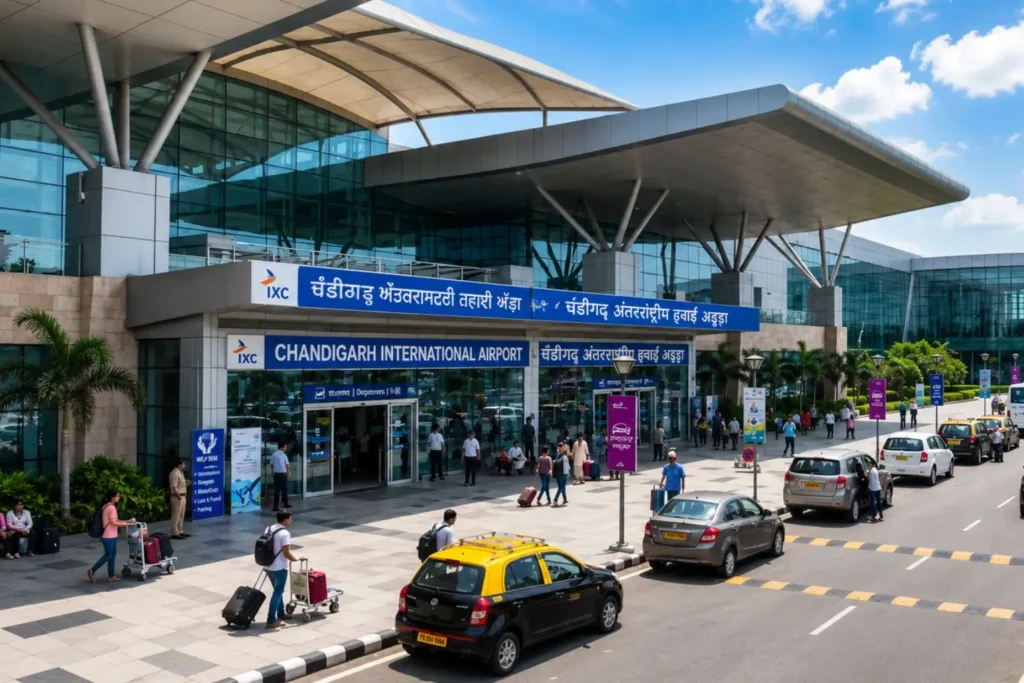
The distance from Chandigarh to Manali is approximately 270 to 320 km depending on your route. The standard route via Bilaspur and Mandi covers around 270–275 km. The longer alternative through Shimla stretches to 310–320 km.
Expect 7 to 10 hours on the road under normal conditions. Travel time varies based on:
- Summer weekends often bring heavy traffic near Kullu and Manali.
- Rain, fog, and snow can slow mountain travel significantly.
- Winter and monsoon seasons usually increase travel time.
- Narrow roads near Pandoh Dam, construction work, and landslides may cause delays.
Best time to start: Between 4 AM and 6 AM. This clears Chandigarh city traffic quickly, gets you through Mandi before the afternoon rush, and puts you in Manali well before dark.
Night driving on mountain roads is strongly discouraged — narrow roads, poor lighting, and heavy truck traffic after sunset make it genuinely dangerous.
The Two Routes
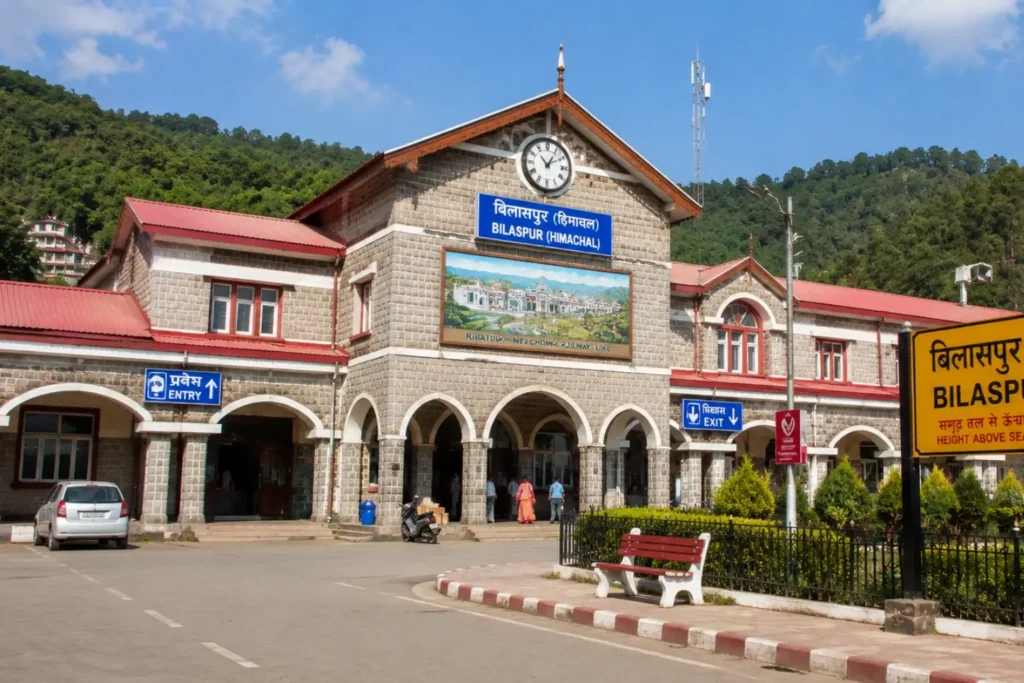
Route 1: Via Bilaspur & Mandi (Recommended)
Chandigarh → Bilaspur → Sundernagar → Mandi → Kullu → Bhuntar → Manali
This is the route taken by the vast majority of travelers, and for good reason.
The NH-3 corridor offers the best road quality on a Himalayan highway, with frequent dhabas, reliable petrol pumps at Bilaspur, Sundernagar, Mandi, and Kullu, and regular HRTC and private bus services throughout.
After Mandi, the road follows the Beas River through a dramatic gorge.
The stretch from Pandoh Dam onward is the visual highlight of the entire drive — the river runs fast and turquoise below while steep rock walls rise sharply on either side. Pull over properly before reaching for your camera.
Route 2: Via Shimla (Scenic Alternative)
Chandigarh → Shimla → Rampur → Kullu → Manali
This route adds roughly 40–50 km and at least 2 extra hours. Roads through Shimla and Rampur are narrower, slower, and packed with more hairpin bends before rejoining the main highway near Kullu. It is not the right choice if you are short on time or new to mountain driving.
Where it makes sense: if you want to combine a Shimla stopover with a Manali trip and have an extra day. The apple orchard valleys around Rampur are genuinely beautiful and rarely talked about.
By Bus
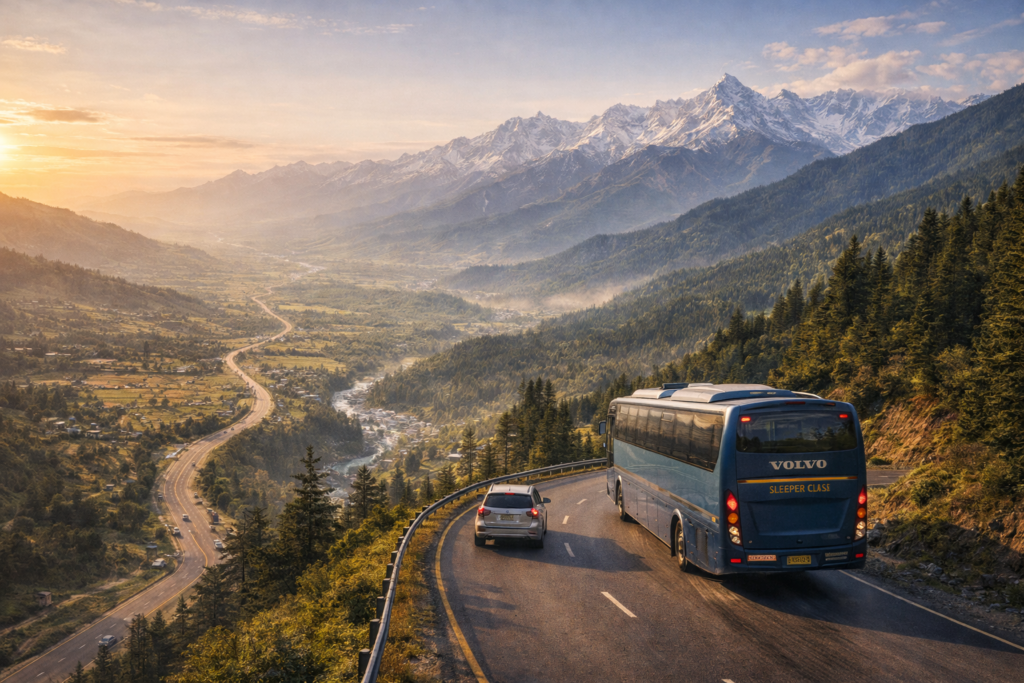
Overnight Volvo AC buses are the most popular choice for solo travelers and couples who want comfort without the cost of a cab. They typically depart between 7 PM and 10 PM and arrive in Manali early the next morning — which also saves you one night’s accommodation cost.
| Bus Type | Price Range |
|---|---|
| Ordinary budget bus | ₹400 – ₹600 |
| HRTC Volvo AC semi-sleeper | ₹900 – ₹1,200 |
| Private Volvo AC sleeper | ₹1,200 – ₹1,800 |
| Luxury sleeper coach | ₹1,800 – ₹2,500+ |
Rates sourced from the HRTC official portal (online.hrtchp.com), redBus, and MakeMyTrip, verified May 2026.
The base HRTC semi-sleeper fare as listed on redBus and MakeMyTrip is currently ₹625 for a standard seat; Volvo and sleeper options run higher depending on departure time and availability.
Best boarding points:
Sector 43 ISBT: The main government terminal with full HRTC services — the most reliable option Private operator pickup points: Usually in Sector 22, Sector 17, or near Panchkula — always confirm the exact pickup point when booking online, as these shift between seasons
Travel time by bus is approximately 8 to 10 hours depending on road conditions and number of stops.
By Car
Self-Drive
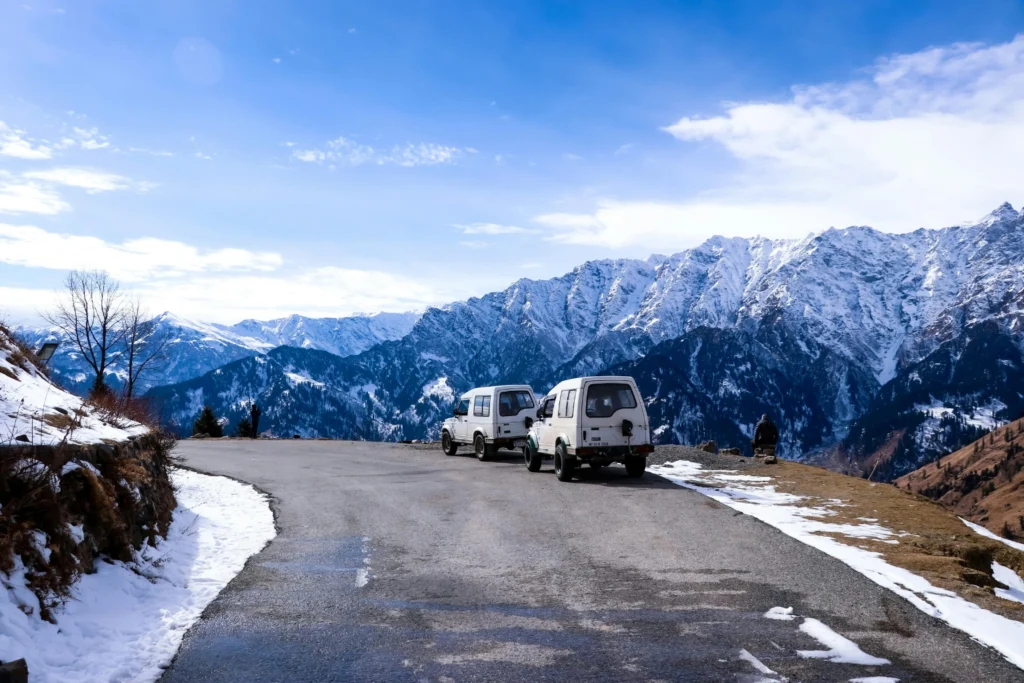
Driving this route is one of the most rewarding road trips in northern India. The highway is wide and well-maintained up to Mandi.
Beyond that, the road narrows, the terrain sharpens, and driving demands real focus — steep curves, river-edge stretches, and single-lane sections are the norm, not the exception.
Fuel up completely before leaving Chandigarh or top up at Bilaspur. Do not count on easy fuel availability beyond Kullu.
Expect 2 to 4 toll plazas, with total charges roughly between ₹200 and ₹400 for a standard car.
| Vehicle Type | Estimated Fuel Cost (One Way) |
|---|---|
| Hatchback (Swift, WagonR) | ₹1,800 – ₹2,200 |
| SUV (Innova, XUV700, Scorpio) | ₹2,800 – ₹3,500 |
The mountain section from Mandi onward demands sustained attention. The gorge between Pandoh Dam and Aut is beautiful but unforgiving — the road narrows, the drops steepen, and wet weather makes both descents and overtaking genuinely hazardous.
Get your brakes and tyres checked before the trip. Never overtake on blind curves. Take a break every 2 hours, because fatigue on mountain roads compounds faster than it does on the plains.
By Taxi
Hiring a taxi is the most flexible door-to-door option, particularly for families, groups, and travelers who do not want to manage driving or fixed bus schedules.
| Vehicle | One Way Fare | Round Trip Fare |
|---|---|---|
| Sedan (Dzire, Etios) | ₹3,500 – ₹4,500 | ₹6,500 – ₹8,500 |
| SUV (Innova, Ertiga) | ₹5,000 – ₹7,000 | ₹9,000 – ₹13,000 |
A taxi makes the most sense when traveling with children or elderly members, when you are a group of 4 to 6 people (where the per-head cost becomes competitive with Volvo tickets), or when you are carrying heavy luggage, photography gear, or camping equipment.
Cost Breakdown by Budget
Budget Trip (₹3,000 – ₹5,000 per person)
| Expense Type | Estimated Cost |
|---|---|
| Travel (Ordinary or semi-deluxe bus) | ₹500 – ₹800 |
| Accommodation (Hostel dormitory) | ₹400 – ₹700 per night |
| Food (Local dhabas and bakeries) | ₹300 – ₹500 per day |
| Local transport (Shared cabs and autos) | ₹200 – ₹400 per day |
| Total Cost for 3 Nights | ₹3,000 – ₹5,000 |
Mid-Range Trip (₹8,000 – ₹15,000 per person)
| Expense Type | Estimated Cost |
|---|---|
| Travel (Volvo AC sleeper bus) | ₹1,200 – ₹1,800 |
| Accommodation (Mid-range hotel or guesthouse) | ₹1,200 – ₹2,000 per night |
| Food (Cafés and restaurants) | ₹600 – ₹1,000 per day |
| Sightseeing (Rohtang permit, Solang Valley, local taxi) | ₹1,300 – ₹2,100 total |
| Total Cost for 3 Nights | ₹8,000 – ₹15,000 |
Luxury Trip (₹25,000 – ₹50,000+ per person)
| Expense Type | Estimated Cost |
|---|---|
| Travel (Private cab or self-drive SUV) | ₹3,500 – ₹7,000 one way |
| Accommodation (Resort or boutique hotel) | ₹4,000 – ₹10,000 per night |
| Food (Premium cafés and hotel dining) | ₹1,500 – ₹3,000 per day |
| Experiences (Guided tours, snow activities, rafting) | ₹3,000 – ₹6,000 |
| Total Cost for 3 Nights | ₹25,000 – ₹50,000+ |
Best Stops Along the Way
The drive earns its place as part of the experience. Do not treat it as something to be endured before the real trip begins.
Bilaspur (~90 km from Chandigarh)
An ideal early morning breakfast stop. The Gobind Sagar Lake visible from the highway is calm and quietly beautiful — one of those underrated sights most travelers drive straight past. Stretch your legs, refuel the car, and grab chai before the mountain roads properly begin.
Sundernagar (~140 km from Chandigarh)
A small but lively town with solid roadside food options. The Sundernagar Lake sits just off the highway and takes only a few minutes to see. More importantly, this is one of the last reliable petrol stations before Mandi — fill up here.
Mandi (~155 km from Chandigarh)
Called the Varanasi of the Hills for good reason — Mandi has over 80 ancient temples clustered along the Beas River, many dating back several centuries.
Even a 30-minute stop for a proper sit-down meal and a short walk by the river makes the rest of the drive feel more grounded. For food in Mandi, two spots are worth knowing by name.
Bheemu Dhaba sits on the outskirts, about 3–4 km past the main bus stand toward Manali — locally known as “4 meel,” it is not signposted for tourists but is a genuine favourite among regulars for rajma, kaali daal, and paranthas with white butter at very reasonable prices.
If you want something more sit-down, Ekant Restaurant on the Kullu-Manali Highway has a loyal following among road-trippers for its consistent food and partial mountain views.
Fauji Dhaba, midway between Mandi and Jogindernagar, is another reliable stop if you are on that stretch.
Aut (~185 km from Chandigarh)
Just past Pandoh Dam, the Aut riverside area has a cluster of small restaurants with open-air gardens extending to the water’s edge. It is an excellent place for tea and a proper stretch before the valley widens toward Kullu. Unhurried, scenic, and genuinely pleasant.
Pandoh Dam (~175 km from Chandigarh)
The visual highlight of the entire route for many travelers. The Beas River held behind the dam turns a vivid turquoise-green against sheer cliff walls. Pull over in the designated area and take your time.
Kullu (~220 km from Chandigarh)
Famous for shawls, apple orchards, and a wide Beas riverfront. The Raghunath Temple near the main market is worth a quick visit. The valley stretch leading up to Bhuntar opens wide and lush after the gorge — enjoy it before the final climb into Manali begins.
When to Go
Summer (April to June)
Peak season and the most popular time to visit. Temperatures in Manali sit comfortably between 10°C and 25°C. Expect crowds, higher hotel prices, and slow traffic on weekends.
Book accommodation at least 2 weeks in advance. Roads are in good condition and Rohtang Pass is accessible with a permit (₹500–₹600 per person, booked online via the official Rohtang permit portal).
Monsoon (July to September)
The most unpredictable time for this road trip. The NH-3 corridor passes through landslide-prone zones, particularly between Mandi and Pandoh, and fresh debris can close sections without warning.
Check BRO (Border Roads Organisation) road bulletins every morning before you leave, build generous buffer time into your schedule, and never drive after a night of heavy rain.
If conditions look uncertain, delay by a day — the mountain is not going anywhere.
Winter (November to February)
Snowfall is the big draw, and Manali in winter has a completely different character — quieter, colder, and far more atmospheric.
The drive becomes more demanding: black ice, reduced visibility, and slower speeds are common near Pandoh and the upper valley.
Some sections near Rohtang may close entirely. Carry tyre chains, pack warm layers accessible from inside the car, and check road conditions the night before you leave.
What First-Timers Should Know
Motion sickness: The curves after Mandi can be intense — carry tablets and sit in the front seat if possible Cash: ATMs are scarce beyond Kullu.
Withdraw enough in Chandigarh or Mandi to cover your full Manali stay Offline maps: Mobile signal drops significantly after Sundernagar.
Download Google Maps or Maps.me offline before you leave Warm layers: Even in May or June, Manali evenings drop to 8°C–12°C.
A light fleece is not optional Final stretch traffic: Mall Road and Old Manali Road get heavily congested in summer. Add 30 to 45 minutes for the last stretch into town
How Safe Is This Drive?
This is one of the most traveled mountain routes in India and the vast majority of journeys are uneventful. That said, Himalayan roads are not forgiving of carelessness.
Fog near Mandi and Pandoh Dam in early mornings cuts visibility sharply — slow down, use fog lights, and do not use the vehicle ahead as a guide.
Wet descents dramatically increase braking distances, so leave far more space ahead than you think you need.
Overconfidence is the common thread behind most incidents on this route — drivers who underestimate the road are more at risk than the road itself.
Take breaks, drive within your ability, and treat every section after Mandi with fresh respect.
FAQ
The cost of traveling from Chandigarh to Manali depends on the transport option you choose. Volvo buses usually cost between ₹900 and ₹2,500 per person, while private taxis can range from ₹5,500 to ₹10,000 for a one-way trip. If you are driving your own car, fuel and toll expenses generally fall between ₹3,000 and ₹6,000. The journey takes around 8 to 10 hours depending on traffic and weather conditions.
A Manali trip can suit almost any budget. Budget travelers can usually complete a 3-day trip within ₹4,000 to ₹8,000 per person, including transport, hotel, and food. Mid-range travelers may spend around ₹10,000 to ₹20,000, while luxury vacations can easily go beyond ₹25,000 per person. The total cost mainly depends on the type of accommodation, travel season, activities, and transport choice.
Yes, 2 nights are enough for a short and enjoyable Manali trip. In this time, you can explore popular attractions like Mall Road, Old Manali, Hidimba Temple, and Solang Valley. It is a good option for weekend travelers coming from nearby cities such as Delhi or Chandigarh, although the schedule may feel slightly rushed if you want to cover many places.
Yes, 3 days are generally considered ideal for exploring Manali comfortably. A 3-day trip gives you enough time for sightseeing, café hopping, adventure activities, and relaxing in the mountains. You can also visit nearby places like Solang Valley and Atal Tunnel during this period. However, if you want to explore destinations beyond Manali such as Kasol, Sissu, or Tosh, then a longer trip of 5 to 6 days is recommended.
Conclusion
The Chandigarh to Manali drive is not just a way to reach a destination — it is a full transition, from plains to peaks, from city noise to mountain air, compressed into a single extraordinary day.
A reservoir at dawn, a gorge that narrows around you, temple bells echoing off the Beas, and an orchard valley opening wide before the final climb. You experience all of it before you even check in.
The route is accessible enough for first-timers and rewarding enough for repeat travelers. Budget and luxury versions of this trip both work well. What matters is giving the journey the time it deserves rather than racing through it to tick off a destination.
Start early. Carry cash. Keep a warm layer within reach. And leave enough slack in your plans for the unscheduled stops — those are the ones you will still be talking about years later.