
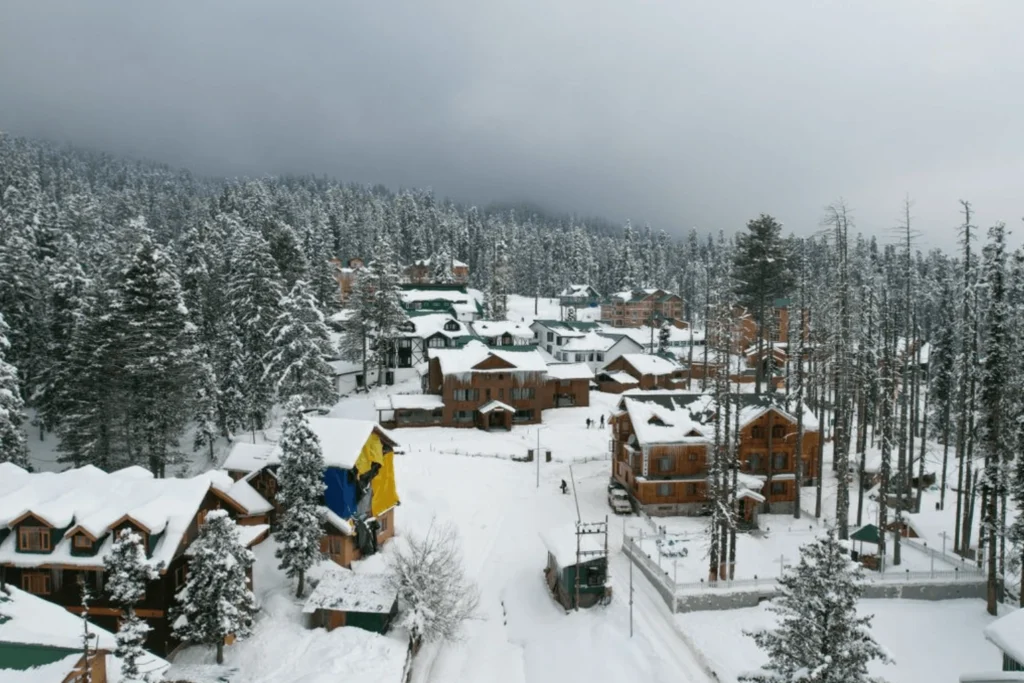
Many first-time visitors expect Kashmir’s biggest moments to happen at famous viewpoints or mountain peaks. Often, the quieter experiences leave the strongest impression instead — an early-morning shikara gliding silently through the mist on Dal Lake, or the Himalayas turning rose-gold at dawn from a cedar-panelled houseboat, with no fanfare at all.
If you’re planning a 3 Days Kashmir Itinerary for your family, this guide is built for exactly that — three focused, unhurried days that cover Srinagar, Gulmarg, and Pahalgam without exhausting anyone or missing what actually matters.
Let’s get into it.
Is 3 Days Enough for a Kashmir Family Trip?
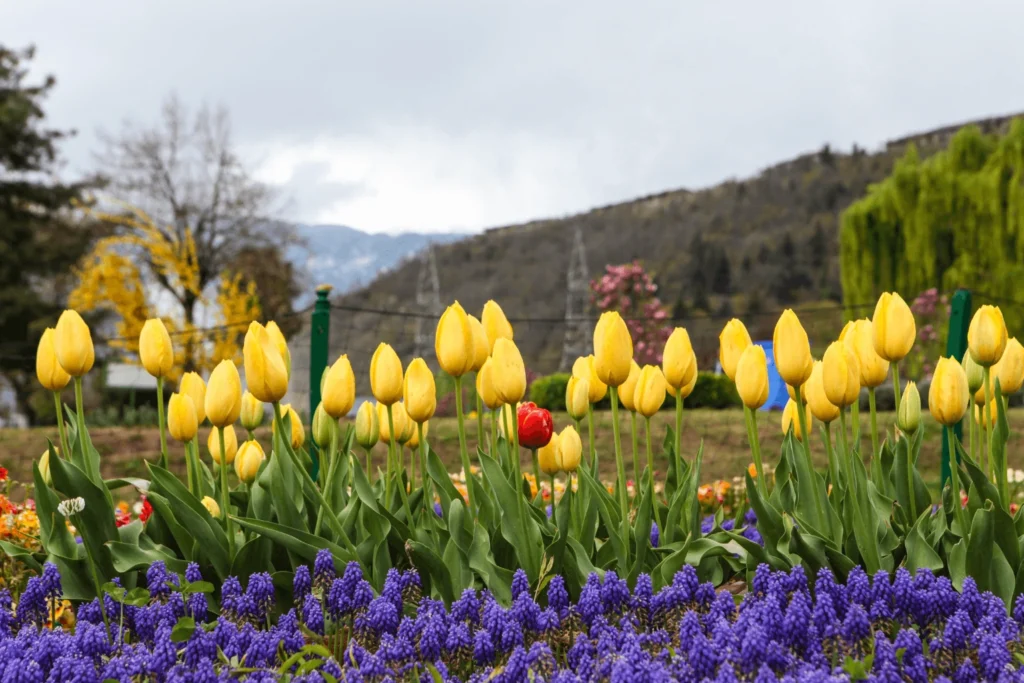
Three days is not the complete Kashmir experience — but it is absolutely enough to fall in love with the Valley.
In 72 hours you can experience Dal Lake at sunset, ride the Gulmarg Gondola to snow-capped heights, and sit by the Lidder River in Pahalgam eating fresh trout. Families who stretch to 5–6 days can add Sonamarg and Yusmarg; families with just three days still leave with everything that matters.
The single most important thing: don’t over-schedule. Kashmir rewards slowness. The chai your houseboat host brings you uninvited at dusk is often the best moment of the day.
Best Time for a 3 Days Kashmir Trip
| Season | Months | Why Go |
|---|---|---|
| Spring | March – May | Tulip blooms, Mughal Gardens in full colour, mild weather |
| Summer | June – August | Lush green valleys, all roads open, peak tourist buzz |
| Autumn | September – November | Chinar trees turn gold-red, clearest skies, fewer crowds |
| Winter | December – February | Gulmarg snow, skiing, cold but magical in Srinagar |
Best for families with children or seniors: April–June and September–October. Roads are open, weather is comfortable, and altitude sickness isn’t a concern at any of the three main destinations.
How to Reach Srinagar
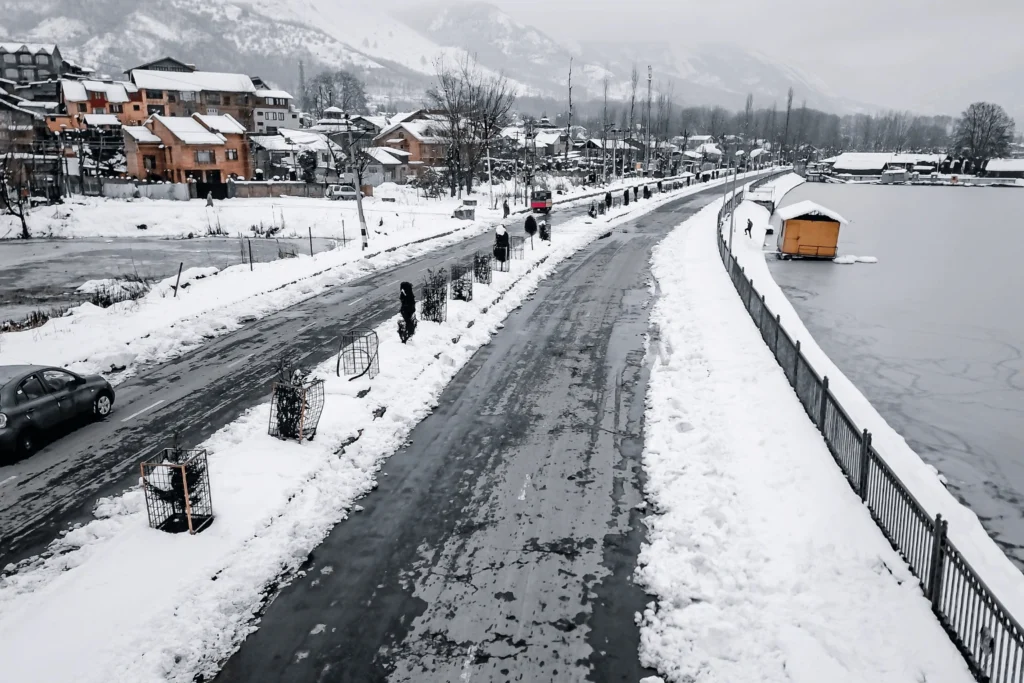
By Air (recommended): Sheikh ul-Alam International Airport connects to Delhi (1h 20m), Mumbai, Bangalore, and Chandigarh. Book 4–6 weeks ahead — IndiGo and Air India compete well on the Delhi route. One thing worth knowing: flights divert to Jammu in bad weather, especially October–March. If you have onward connections, build in a buffer.
By road from Jammu: NH44 is a 300 km scenic drive taking 7–9 hours through the Banihal Tunnel. Manageable for most families, but not ideal with very young children or anyone prone to motion sickness.
By train: Jammu Tawi is the nearest major railhead, followed by a 5-hour cab ride to Srinagar.
Where to Stay on a Kashmir Family Trip
A houseboat stay on Dal Lake is one of the highlights of any Kashmir trip. The better ones — Butt’s Clermont, New Panorama, Sukoon — are hand-carved in cedar and walnut, family-run for generations, and genuinely beautiful. Rates including breakfast and dinner: ₹6,000–₹14,000 per night.
Insider tip: Book directly with the houseboat owner via WhatsApp after a video call, rather than through aggregator platforms that add a 30% commission and sometimes substitute a different vessel. Ask to see photos of your specific boat.
For families with toddlers or elderly grandparents who prefer solid ground, The Lalit Grand Palace (a former royal summer residence) and the mid-range Heevan Retreat are both excellent choices. For budget travellers, clean guesthouses near Lal Chowk start from ₹1,500 per night.
3 Days Kashmir Itinerary – Day 1: Srinagar
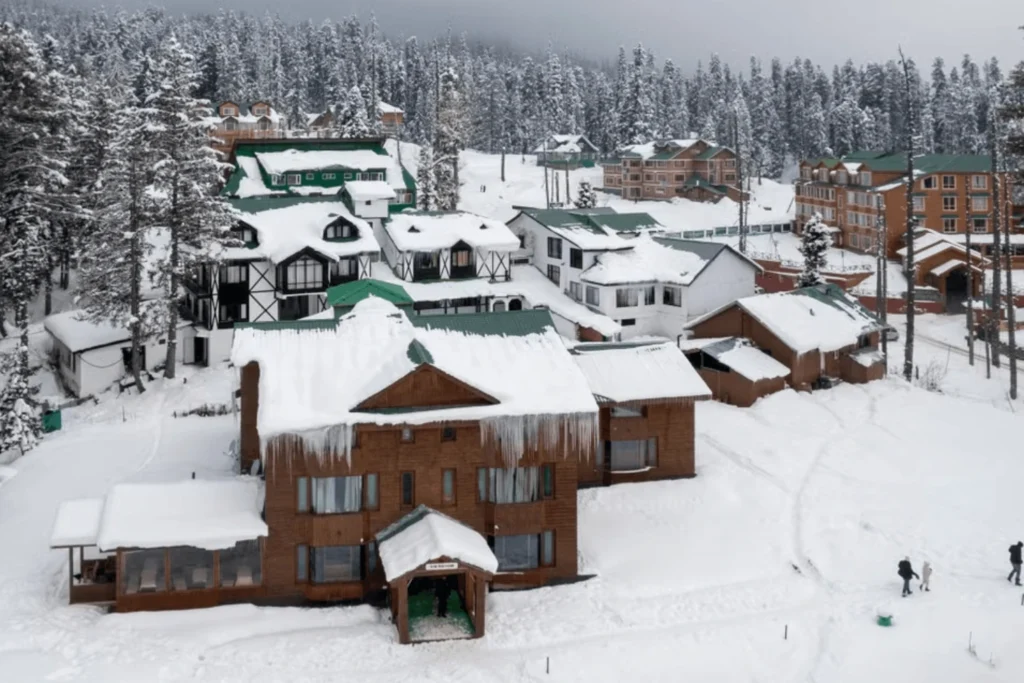
Morning – Breakfast Like a Local
Resist rushing to sightseeing. Ask your hotel to point you to the nearest kandur (traditional baker) and order girda or kulcha — local bread, still warm — with white butter and noon chai, Kashmir’s salty-pink tea that sounds strange and tastes unlike anything else in India. This ten-minute stop sets the tone for the whole trip.
Midday – Mughal Gardens
Srinagar’s three Mughal Gardens are magnificent, but families who try to rush all three in 90 minutes retain nothing. The better approach: spend most of your time at Nishat Bagh.
Nishat Bagh has 12 terraces stepping down toward Dal Lake, fed by a mountain spring that runs through carved stone channels. The chinar trees here are over 400 years old, with trunks wide enough for children to hide behind. In autumn the leaves turn the colour of paprika; in spring, irises bloom in purple and white along the central canal. Sit on the grass. Look up at the Zabarwan Range. Don’t rush.
Also stop briefly at Chashme Shahi — compact, 20 minutes — for the natural spring water Kashmiris consider medicinal, and genuinely some of the cleanest-tasting water you’ll drink all trip.
- Nishat Bagh entry: ₹24 adults, ₹12 children
- Chashme Shahi entry: ₹24 adults
- Best time to arrive: before 10 AM for thin crowds
Afternoon – The Old City
Take an auto-rickshaw to Nowhatta in the old city and walk the lanes around Shah-e-Hamdan mosque — a 15th-century marvel of Islamic wooden architecture, seven storeys of carved walnut and papier-mâché finials. The surrounding streets are a living museum: weavers in doorways, copper-beaters in open workshops, the smell of woodsmoke and baking bread.
You can’t enter the prayer hall as a non-Muslim, but the exterior alone is worth the trip. Buy something small from a craftsman directly — a hand-stitched sozni needlework piece starts at ₹300–₹500 here, versus ₹1,500+ in tourist shops on the Boulevard.
Evening – Dal Lake Shikara Ride
Book your shikara from the Boulevard Road ghats, not from hotel touts. Negotiate to ₹400–₹600 for the whole boat (not per person) for one hour. Ask your rower to take you through the floating vegetable gardens near Nehru Park, where farmers have grown tomatoes and lotus roots on compressed-root islands for centuries. As the mountains glow amber and the houseboat lights begin to flicker on, this is Kashmir at its most quietly extraordinary.
Dinner – Wazwan the Right Way
Wazwan is Kashmir’s ceremonial feast — traditionally 36 courses at a wedding, fragrant with whole spices and slow-cooked meat. At a restaurant you won’t get 36 courses, but a few dishes are worth seeking out:
- Rogan Josh — the fragrant lamb dish made with maval flower rather than tomato, a distinction the authentic version insists on
- Tabak Maaz — crispy fried ribs that are, simply put, scandalously good
- Gushtaba — minced mutton meatballs in silken yoghurt gravy, the dish that signals a guest is honoured
- Haak — braised collard greens cooked in mustard oil, the dish Kashmiris miss most when they leave home
Best restaurants: Mughal Darbar (Residency Road) and Ahdoos (operating since 1918) — both beloved by locals, neither touristy.
3 Days Kashmir Itinerary – Day 2: Gulmarg
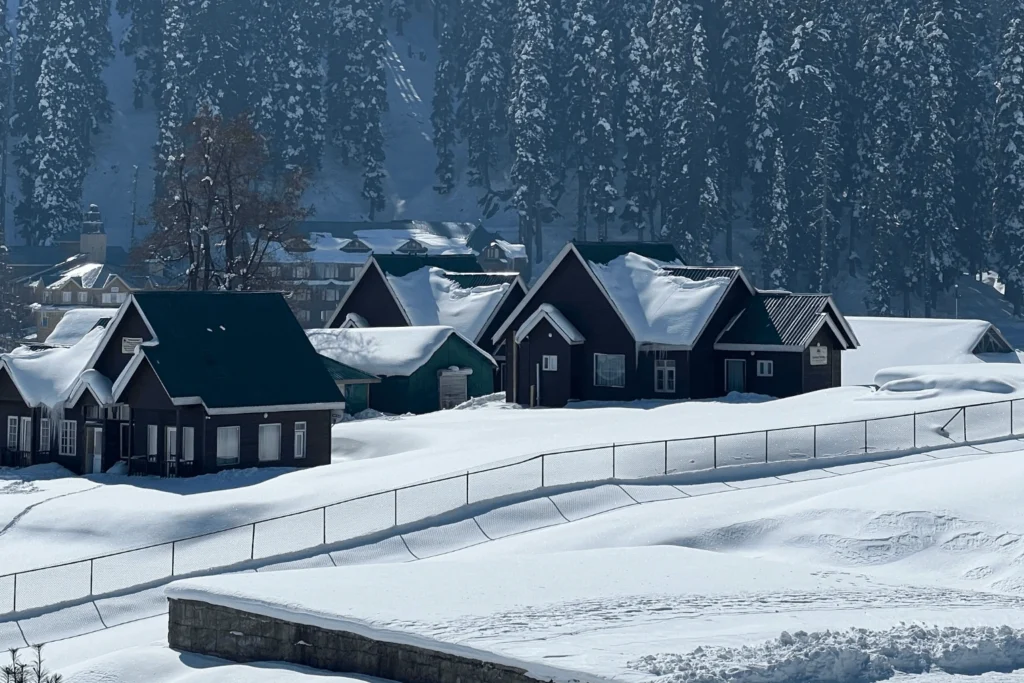
The Drive (55 km, 1.5 Hours)
Leave Srinagar by 7:30 AM. The road winds through apple orchards and walnut groves. Stop at the village of Magam for kahwa from a roadside stall — the authentic, locally-brewed version costs ₹20 a cup and tastes of cardamom, cinnamon, and something you can’t quite name. Far better than the sweetened tourist version served at hotel buffets.
Gulmarg Gondola – The Centrepiece
The Gulmarg Gondola is one of the highest cable car systems in the world and the undisputed highlight of any Kashmir trip. It runs in two phases:
- Phase 1 (Gulmarg → Kongdori, 3,080 m): Suitable for all ages, including seniors and toddlers. The views of Nanga Parbat — the ninth-highest peak in the world — are staggering.
- Phase 2 (Kongdori → Apharwat Peak, 4,200 m): For older children and fit adults. Snow is present year-round. The altitude hits quickly, and it isn’t suitable for those with respiratory conditions.
Book online the night before at the official Jammu & Kashmir Cable Car Corporation (JKCCC) portal, etickets.jammukashmircablecar.com. Walk-up queues in peak season (May–June, September–October) regularly run to 3 hours. Tickets: ₹740 (Phase 1), ₹990 (Phase 2) per person.
After the Gondola – What Most Visitors Miss
Walk the Outer Circular Trek — a 12 km loop around the meadow at 2,700 m that takes 3–4 hours and is manageable for children above 6. The trail passes through Himalayan fir forest, crosses stone bridges over icy streams, and gives unobstructed mountain views. You’ll likely have long sections entirely to yourself.
In winter, Gulmarg becomes India’s only world-class ski destination. The Gulmarg Ski School near the gondola base offers lessons for children from age 5, with equipment rental on-site.
Lunch – Where the Pony-Men Eat
Skip the hotel restaurants. Walk to the cluster of dhabas just below the golf course — this is where the horse handlers and local workers eat. Order aloo waza (potato cooked in the style of wazwan), mutton yakhni soup, and fresh roti off the tava. Lunch for a family of four: ₹600–₹800. No menu, no ambience, no equal.
Evening – Return to Srinagar
Head back by 4–5 PM. On the descent, stop at the valley viewpoint above Tangmarg for a last look at the plain below — Srinagar glittering in the distance, the Jhelum River a silver thread. Spend the evening at Lal Chowk for shopping.
What to buy and what to pay:
Walnut wood carvings: look for authentic pieces from old city craftsmen rather than Boulevard souvenir stalls.
Pashmina shawls: genuine, GI-certified pashmina starts at ₹3,000 for a stole. A simple burn test (real pashmina burns like hair and turns to ash) is one way sellers demonstrate authenticity in-shop.
Saffron (Kesar): buy grade mongra (deep crimson threads, no yellow style). Price: ₹250–₹350/gram from Pampore vendors, versus ₹600+ at airport shops.
3 Days Kashmir Itinerary – Day 3: Pahalgam
The Drive (97 km, 2.5 Hours)
Leave by 8 AM. The road follows the Jhelum River before climbing into pine-forested hills. Two stops worth making:
- Awantipora (29 km from Srinagar): ruins of two 9th-century Hindu temples built by King Avantivarman of the Utpala dynasty. Poorly signed and on almost no family itinerary, which is exactly why they’re worth 20 minutes. The stonework, even in ruin, is formidable.
- Pampore (October only): the saffron crocus blooms here in late October, turning fields pale violet overnight. Buying saffron direct from the source is roughly 40% cheaper than Srinagar, with provenance guaranteed.
Betaab Valley
Most visitors photograph the obvious bend in the river and leave. It’s worth instead following the river path upstream for 15–20 minutes past the last of the day-trippers. The valley narrows, the water gets louder, and you reach flat boulders beneath a silver birch canopy with no one else around.
- Entry: ₹50 per person
- Horse rides for children: ₹400–₹600 return
- Carry a jacket — the valley is cool even in June
Aru Valley – For Families Who Want Quiet
Twelve kilometres from Pahalgam, Aru sits in a natural bowl at 2,440 m, ringed by snowfields and pine. No rides, no stalls, no queues — just a river, grazing horses, shepherd huts, and a kind of quiet that tends to draw even disengaged teenagers back in.
Lunch – Trout by the Lidder River
Pahalgam’s brown trout, stocked by British officers in the 1890s who missed fly-fishing, is exceptional. Order it grilled whole with lemon and chilli, or in a mild Kashmiri tomato gravy. Mama Restaurant and Dawat both have outdoor seating above the water and are local favourites. Total cost for a family of four: ₹1,200–₹1,800.
Afternoon – Head Back via Bijbehara
Leave Pahalgam by 3 PM. Stop at Bijbehara market (60 km from Srinagar) for dry fruits from wholesale vendors — walnuts, apricots, and almonds at roughly 40% less than Srinagar’s tourist-facing shops.
Final Evening in Srinagar
Walk the Boulevard Road along Dal Lake at dusk, when houseboat lights begin to reflect on the water. Sit somewhere with a view — your houseboat veranda, a chair at Ahdoos, or even a stool at a tea stall — and let the trip settle around you.
If your flight is early the next morning, ask your houseboat host to arrange a pre-dawn shikara to the floating flower market near Nehru Park. It opens at 5 AM, transacts entirely by boat, in near-silence, lit by mobile screens and the first grey light of the day.
Kashmir Trip Cost for Family of Four (3 Days)
| Item | Budget Range |
|---|---|
| Flights (Delhi–Srinagar return, 4 people) | ₹20,000 – ₹40,000 |
| Accommodation – 3 nights | ₹9,000 – ₹42,000 |
| All meals | ₹5,000 – ₹12,000 |
| Private cab – 3 full days | ₹5,500 – ₹8,000 |
| Gulmarg Gondola (Phase 1 + 2) | ₹3,000 – ₹4,000 |
| Entry fees across all sites | ₹500 – ₹800 |
| Shikara rides | ₹1,200 – ₹2,000 |
| Shopping (pashmina, saffron, dry fruits) | ₹5,000 – ₹30,000+ |
| Total Estimate | ₹49,200 – ₹1,38,800 |
Budget tip: Hiring a single local driver for all three days (₹5,500–₹8,000 total) is significantly better value than booking daily. Your driver will double as an informal guide and know where locals actually eat and shop.
Essential Tips for Your Kashmir Family Trip
- Don’t overschedule. This is the biggest mistake families make. Adding Sonamarg as a Day 4 extension is fine; trying to squeeze it into Day 2 ruins everything.
- Book the gondola online the night before — never walk up during peak season. Queues of 3 hours are common in May, June, and October.
- Keep cash available. ATMs are accessible in Srinagar but scarce in Gulmarg and Pahalgam. Carry enough for two days before leaving the city.
- Layer your clothing. Mornings and evenings are cold even in July, especially at Gulmarg (2,650 m) and Pahalgam (2,130 m). Children need a fleece regardless of season.
- Hire one driver for all three days rather than booking daily. Ask your houseboat or hotel for a referral — these drivers know the roads, the local tea stalls, and the viewpoints that don’t appear on any map.
- Use BSNL or Jio for mobile coverage — both work in Srinagar and on main roads. Coverage is patchy in Aru and upper Pahalgam.
- Dress modestly in the old city, particularly around Shah-e-Hamdan mosque and the Jamia Masjid area. Kashmir is conservative, and visitors are welcomed warmly when they respect that.
Frequently Asked Questions
The tourist circuit — Srinagar, Gulmarg, Pahalgam — is well-patrolled and has been welcoming families from across India without incident. Check the J&K Tourism official site and Ministry of External Affairs advisories before finalising bookings.
Yes, comfortably. The Mughal Gardens, houseboat stays, shikara rides, Phase 1 of the Gulmarg Gondola, and Betaab Valley’s river-road are all accessible without strenuous walking. Pahalgam’s lunch restaurants are a short walk from roadside parking.
Kashmir’s cuisine is predominantly non-vegetarian, but the vegetarian dishes are outstanding: haak (mustard-oil greens), dum aloo Kashmiri, nadir yakhni (lotus root in yoghurt gravy), and rajma are all widely available and genuinely delicious.
Horse riding in Gulmarg, the shikara ride at dusk, trout lunch by the Lidder River, and watching walnut wood carvers in the old city. Children respond to craft and animals more than monuments — plan accordingly and you will hear far fewer complaints.
Final Word
Kashmir isn’t a destination you tick off a list. It’s a place that changes the pitch of your thoughts, where extraordinary mountain beauty and genuine human warmth share the same geography.
Three days there, done this way, with a family you love, is one of those trips that resurfaces years later when the light falls a certain way and someone says: remember when we were in Kashmir?