
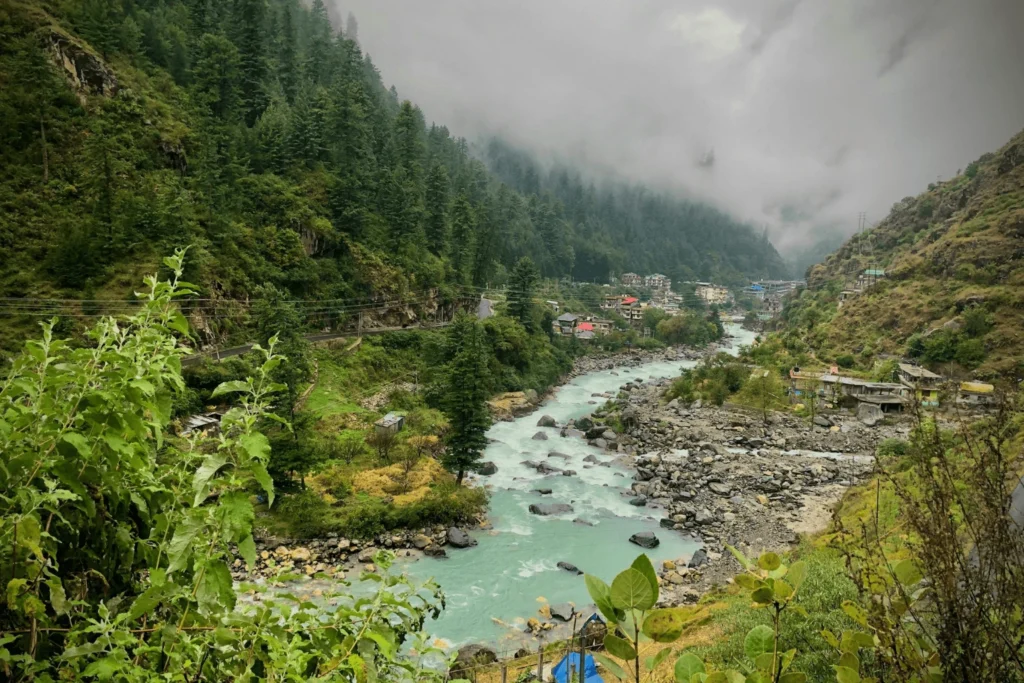
There is a particular kind of quiet you find in Kasauli that you won’t find in Shimla or Manali. No hawkers pulling at your sleeve. No bumper-to-bumper traffic on a road that was never built for it.
Just the steady sound of wind moving through pine trees, the distant call of a Himalayan barbet, and a colonial-era church spire catching the afternoon light.
Kasauli sits in the Solan district of Himachal Pradesh at roughly 1,800 metres above sea level, making it one of the more accessible hill stations in the lower Himalayas — high enough for cool air and panoramic views, accessible enough for a long weekend without a week of planning.
Founded by the British in the 1840s, Kasauli still feels calm and unhurried, with colonial buildings, peaceful roads, and a quiet cantonment atmosphere.
What makes Kasauli genuinely different from other Himachal hill stations is not any single attraction but a cumulative feeling — the kind that builds slowly over a day and a half and stays with you on the drive home.
The town is small enough to walk entirely, heritage-rich enough to reward curiosity, and mercifully free of the commercialisation that has diluted the charm of so many similar destinations.
If you come looking for cable cars and theme parks, you will be underwhelmed. If you come looking for long walks, cold nights, good whisky, and a genuine sense of distance from your ordinary life, Kasauli will give you all of it.
This guide covers everything you need — transport, seasons, places to visit, where to sleep, what to eat, a practical itinerary, and a set of honest FAQs. We’ve also included the kind of local details that most travel guides skip entirely.
How to Reach Kasauli
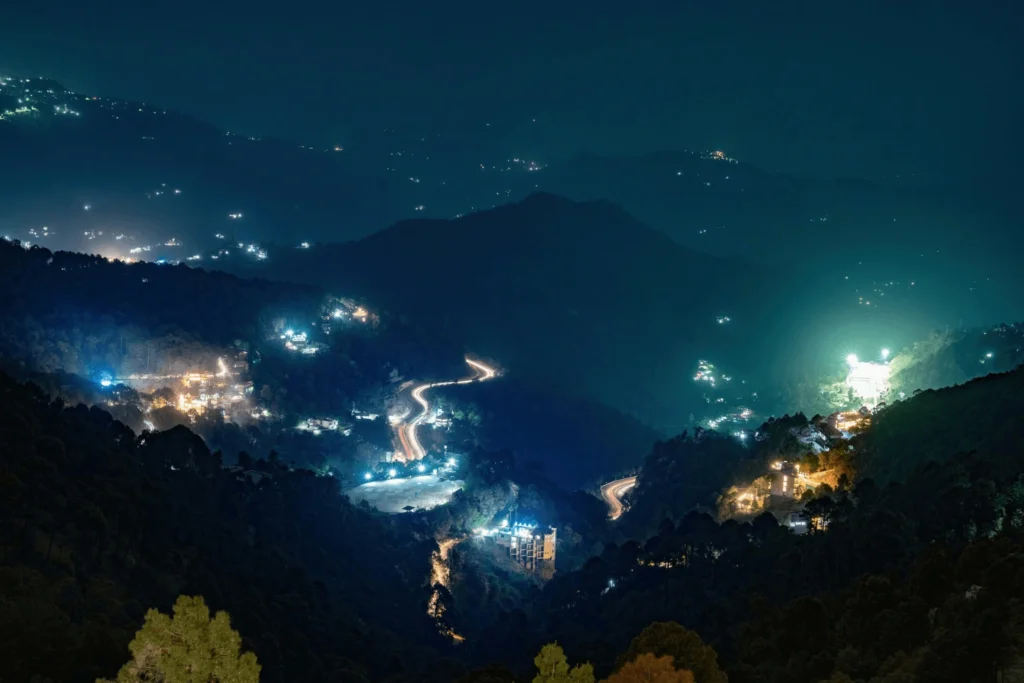
Getting to Kasauli is easy. It is well-connected by air, rail, and road. The final approach is a winding climb. Pine-covered hillsides line the way. It gives you a true sense of arrival.
By Air
Chandigarh International Airport is the most practical gateway, approximately 60 km away. Major carriers connect Chandigarh to Delhi, Mumbai, Bengaluru, and Hyderabad with daily flights.
From the airport, pre-paid taxis and cab aggregators like Ola and Uber will get you to Kasauli in 1.5 to 2 hours, depending on the day and traffic around Parwanoo.
Shimla’s Jubbarhatti Airport is geographically closer at around 51 km, but its limited daily flights and frequent weather-related cancellations make it an unreliable option for most travellers.
Unless you happen to be connecting through Shimla anyway, Chandigarh is the better choice.
By Train
The nearest railway station is Kalka, located about 25–40 km from Kasauli. Kalka is well-connected to major Indian cities. The Kalka Shatabdi from Delhi takes around five hours.
Popular overnight trains include the Himalayan Queen and Himachal Express. Trains from Mumbai, Kolkata, and Jaipur also stop at Kalka.
From Kalka station, shared and private taxis depart regularly to Kasauli — the drive takes about 45 minutes.
If you want to make the journey itself part of the experience, board the Kalka–Shimla Toy Train and alight at Dharampur station (the stop closest to Kasauli), then take a short taxi uphill.
The narrow-gauge heritage railway is a UNESCO-listed journey and far more memorable than any taxi ride.
One practical note: if you’re arriving on an early morning train, shared cabs begin operating around 5:30–6 AM. After 7 PM, you may be limited to private taxis at higher rates. Plan accordingly.
By Road
Road is the most popular option, particularly for travellers from North India, and for good reason — the drive itself is genuinely pleasant.
- From Delhi: 290 km via NH-44 through Ambala, Pinjore, and Kalka, then up to Kasauli via Dharampur. Allow 5–6 hours. Most travellers leave Delhi between 4–5 AM to clear the city before peak hour.
- From Chandigarh: Just 65 km, about 1.5 hours. Arguably the best launch point for a Kasauli trip, and easy to combine with other Himachal destinations.
- From Shimla: Around 77 km, taking 2–2.5 hours on mountain roads.
HRTC runs daily bus services from Chandigarh’s ISBT and Delhi’s Kashmere Gate to Kasauli and nearby Dharampur, with both ordinary and Volvo options.
Private bus operators run overnight services from Delhi. Driving to Kasauli is also an option. The roads are narrow but well-maintained. The core cantonment area restricts private vehicles during certain hours. You may need to park outside and walk in. This is often the better experience.
Kasauli Weather: When to Go and What to Expect
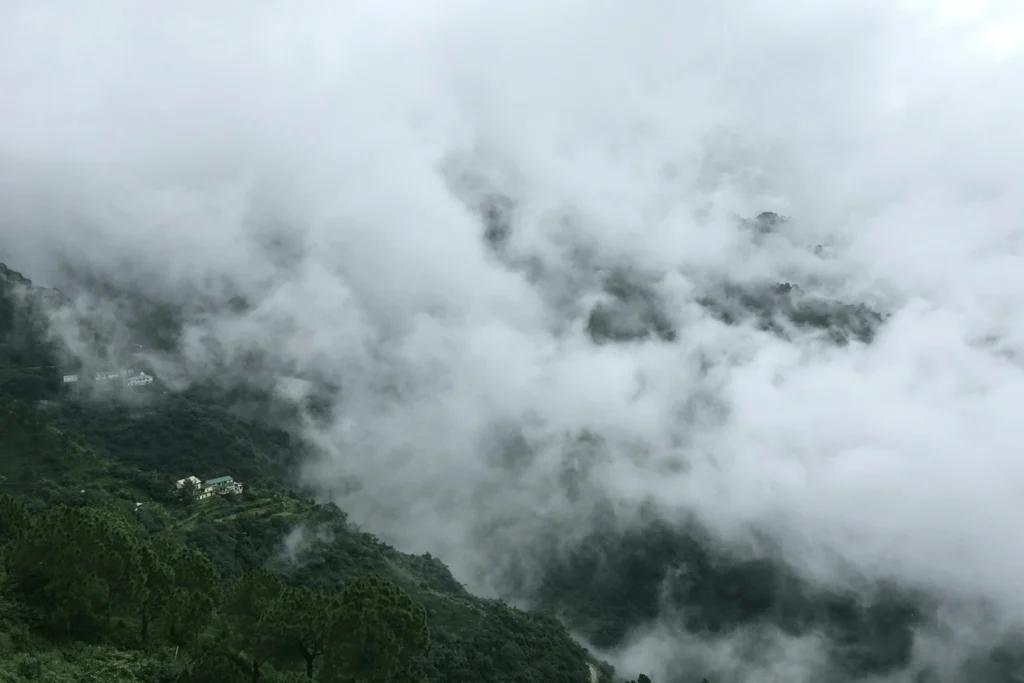
Kasauli has the kind of climate that makes it genuinely workable year-round, which is one reason it has such a loyal base of repeat visitors. But there are distinct characters to each season, and knowing them helps you choose the right time for what you want.
Summer (March to June) — Peak Season, for Good Reason
This is when Kasauli is at its most social and most visited. Temperatures range between 14°C and 28°C — warm enough for shirtsleeves during the day, cool enough for a light jacket after sunset.
The skies are generally clear, the forests are richly green, and the views from Monkey Point on a clean spring day are remarkable.
This is prime season for nature walks, the Gilbert Trail, outdoor dining, and evening strolls on Mall Road.
Expect hotels to fill up fast on weekends, especially from April through June when the heat of the plains makes a hill escape particularly appealing.
Monsoon (July to September) — For the Unhurried Traveller
The monsoon season makes Kasauli greener, quieter, and more peaceful. Misty valleys and pine forests create a relaxing atmosphere.
Rain can affect trekking and road trips, but the weather is perfect for a cozy mountain stay. Hotels also offer lower prices during July and August.
Winter (October to February) — Cold, Crisp, and Underrated
The post-monsoon months through winter are a growing favourite among travellers who have already done Kasauli in summer. From October to mid-November, the air is crystalline and the views are arguably the sharpest of the year.
December through February brings the cold in earnest — temperatures drop to 4°C or below, and Kasauli occasionally receives light snowfall, particularly in January.
Pack serious woolens. The festival of Lohri is celebrated locally in January with bonfires and community gatherings that give you a genuine glimpse into Himachali village life — something most tourists who visit only in summer never see.
Overall best windows: March–June for the classic experience; October–November for clear skies, fewer crowds, and the beautiful transition light of autumn.
Places to Visit in Kasauli: Beyond the Obvious
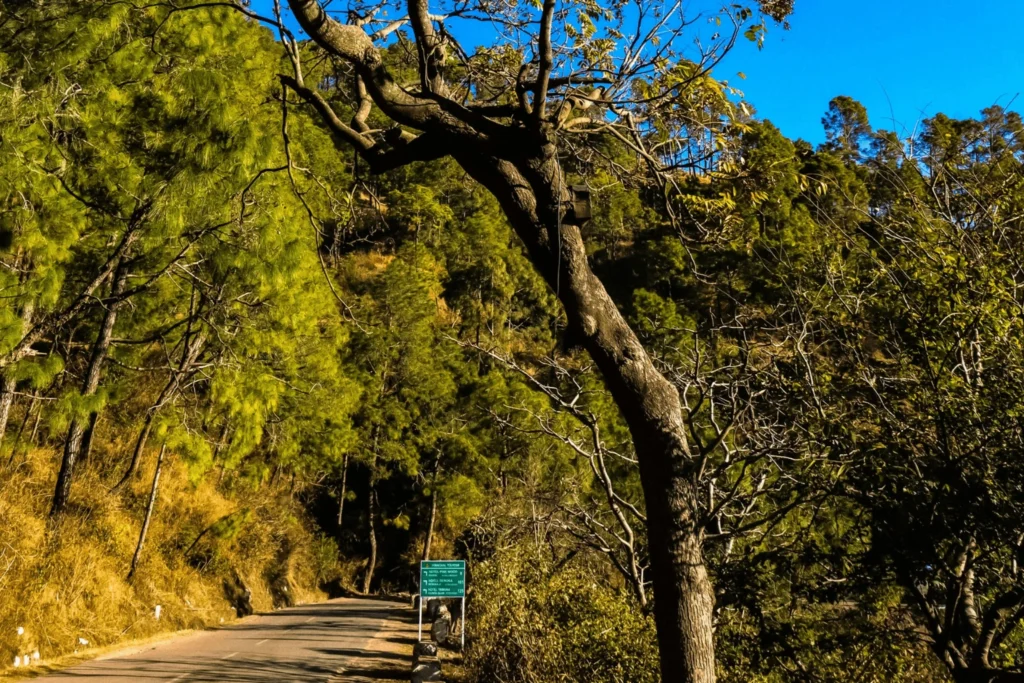
Every list of Kasauli attractions includes Monkey Point and Christ Church. Both deserve their reputation. But the town rewards slower, more curious visitors, and some of its most memorable experiences are the ones you stumble into rather than find on a map.
Monkey Point
Monkey Point is the highest point in Kasauli. It is the town’s most well-known attraction. The mythology is vivid. According to the Ramayana, Lord Hanuman rested here.
He was carrying the Sanjeevani herb from the Himalayas. The herb was needed to save Lakshmana. His footprint is said to mark this hillside.
A small temple sits at the summit, tended by a resident priest, and the views on clear days extend across the Shivalik ranges to the Punjab plains and, in ideal conditions, all the way to the skyline of Chandigarh.
Because the area falls within an active Indian Air Force station, entry involves a brief security check and the signing of a visitor register — a minor inconvenience for a major payoff.
Go early. By 10 AM in peak season, the trail fills up. By 7 AM, you may well have the summit largely to yourself.
Gilbert Trail
A 1.5-km walking path that begins near the Kasauli Club and winds through dense stands of oak, rhododendron, and pine — this is the walk that regular visitors to Kasauli keep coming back for.
It is not an athletic trek. It is a slow, meditative stroll. The forest air smells of resin and earth. The trail crosses sections of old colonial-era walls.
It passes clearings with sudden valley views. It is also great for birdwatching. Himalayan bulbuls, laughingthrushes, and minivets are regular sightings.
The trail begins near the historic Kasauli Club. It is one of the oldest members-only clubs in India. It was established in the 1880s. Non-members cannot enter. However, the building is visible from the path. Its colonial architecture and surrounding gardens make an atmospheric backdrop.
Christ Church
Christ Church was built in 1853. It is the most photographed building in Kasauli. The structure is a fine example of Gothic Revival architecture.
It has a tall sandstone spire and pointed arches. The original stained glass windows fill the interior with coloured light. This is especially beautiful on sunny mornings.
The churchyard contains British-era graves. The inscriptions tell a compressed history of colonial India. Soldiers, civil servants, children, and wives are buried here.
Many never returned to the plains. It is a quiet and rather moving place. Most tourists spend only ten minutes here. It deserves much more.
The Kasauli Distillery
The Kasauli Distillery was established in 1820 by Edward Abraham Dyer. His son, Reginald Dyer, would later achieve infamous historical prominence.
The distillery is one of the oldest in Asia. It is the oldest whisky distillery in India still in operation. It produces Solan No. 1 and Solan Scotch whiskies, among others.
Guided tours of the production facilities are available. They offer an interesting look at whisky-making. Scotch-style whisky has been made here for two centuries.
The tasting session is the highlight. The distillery is typically closed on Sundays and national holidays. Check ahead before planning your visit around it.
Sunset Point and Sunrise Point
Both viewpoints are simple but highly effective. Sunset Point is accessible via a short walk from Mall Road. It faces west across the Shivalik valleys.
On clear evenings, the sky turns orange, then rose, then violet. It makes you want to stay in the hills indefinitely. Sunrise Point is less visited. For that reason, it is often more rewarding.
The early morning silence and cold are striking. The snow-capped peaks to the north gradually brighten. It is a different but equally powerful experience.
Carry a jacket. Even in May, the viewpoints catch wind.
Arhat Bazaar
Most travel guides skip this entirely, which is precisely why it’s worth including. Arhat Bazaar is the old lower market of Kasauli — the commercial hub that served the town before Mall Road became its tourist face.
It is rougher, louder, more genuinely functional than the curated promenade above.
You’ll find local provisions, fresh produce from nearby villages, small hardware and dry goods stores, and the kind of tea-and-conversation dhaba culture that doesn’t perform for visitors.
It is a ten-minute walk from Mall Road and offers a completely different read on the town.
Dagshai Cantonment
About 15 km from Kasauli, Dagshai is one of the oldest British cantonments in India, established in the early 19th century at an altitude of around 1,830 metres.
The centrepiece for visitors is the Dagshai Jail Museum — a well-preserved colonial prison that held Indian freedom fighters and, in an earlier chapter, mutinous Irish soldiers.
The museum is small but fascinating, and the surrounding cantonment retains an eerie, time-frozen quality that makes the drive worthwhile.
Parwanoo Timber Trail
Located 20 km from Kasauli in the town of Parwanoo, the Timber Trail cable car carries passengers from the highway level up through a steep forested hillside to a resort perched above the treeline.
The views of the Shivalik hills from the upper station are excellent, and the journey itself is enjoyable.
One note of accuracy: it is a well-regarded ropeway in the region, but describing it as “one of the longest in Asia” overstates the case. Come for the views and the ride, not the superlatives.
Where to Stay in Kasauli: Honest Hotel Recommendations
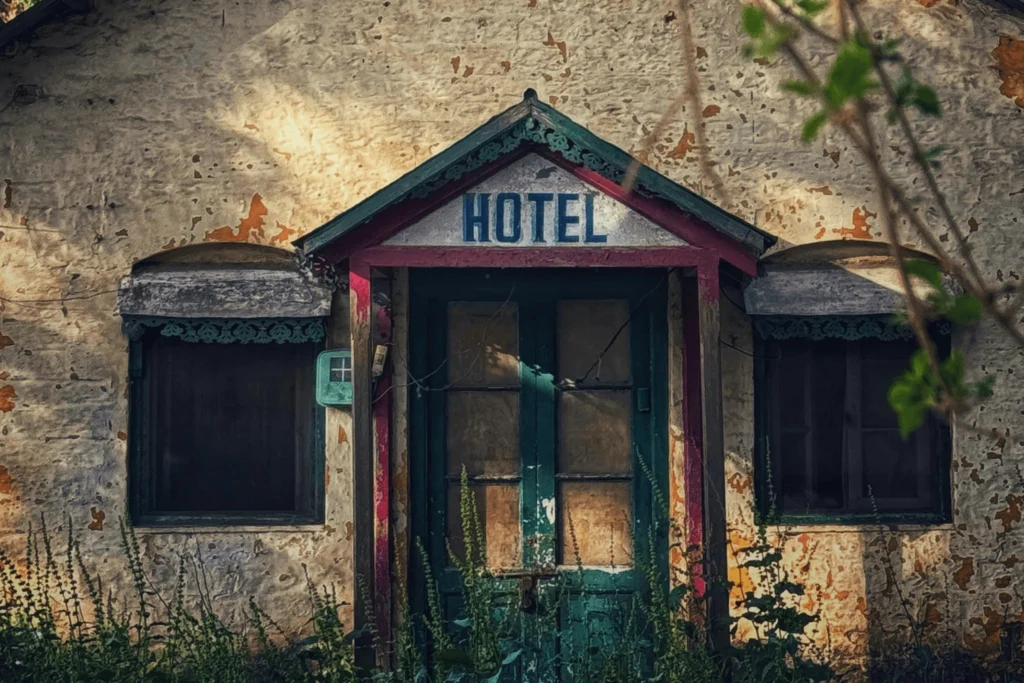
Kasauli’s accommodation landscape ranges from colonial-era heritage properties to straightforward budget guesthouses, with a solid mid-range tier in between.
The general advice: book at least two weeks in advance for summer weekends, and don’t leave it later than a week for any weekend in peak season.
Luxury (₹6,000–₹15,000 per night)
Lemon Tree Hotel is the most consistent luxury option in Kasauli — well-managed, reliably comfortable, with attractive rooms, a good restaurant (Citrus Café, serving Indian, European and Pan-Asian), and a bar that holds happy hours from 5–7 PM.
It draws corporate retreats and couples in roughly equal measure.
Hotel Mont View offers something a little warmer in character: a 4-star property with private balconies, mountain views, spa facilities, and the kind of attentive service that larger chain hotels struggle to replicate.
The location is accessible and the sunrise views from the balcony rooms are genuinely excellent.
Daleside Manor is the choice for travellers who want the full colonial experience — a boutique heritage property with elegant period interiors, valley views, and a personality that most modern hotels lack entirely. Book it if it’s available. It fills quickly.
Mid-Range (₹2,500–₹6,000 per night)
The Fern Surya Resort offers a contemporary eco-conscious stay with access to hiking trails, comfortable rooms, and a conscientious approach to sustainability.
Fortune Select Forest Hill is larger and more resort-like, set among forested slopes with a range of amenities including a pool and dining options. Blossom Resort is quieter and more intimate, with a lovely garden setting and good valley views.
Budget (₹800–₹2,500 per night)
Kasauli Regency punches above its price bracket on atmosphere, largely thanks to the rooftop bar “Hangout” — if you want live music and a social evening at a budget price, this is the address.
Hotel Whispering Winds is clean, hospitable, and straightforward — a solid base without frills. Baikunth Resort is set amid pine forest and trades on peace and seclusion rather than amenities, making it particularly good for solo travellers.
A note on homestays: Kasauli and its surrounding villages have a growing number of homestays that offer authentic Himachali hospitality, home-cooked meals, and conversation with families who’ve lived here for generations.
For travellers on a budget who want the genuine texture of hill-station life over hotel comfort, these are worth seeking out on platforms like Airbnb or through local tourism boards.
What to Eat in Kasauli
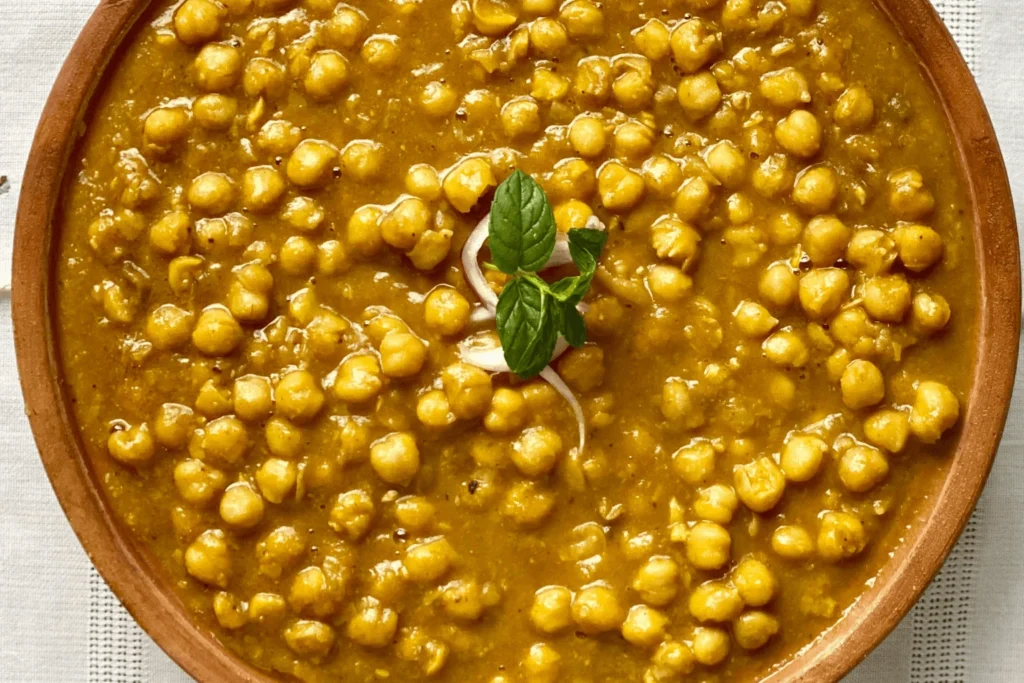
The food culture here sits at an interesting crossroads: centuries-old Himachali cooking traditions overlaid with colonial-era baking habits, with the inevitable arrival of Tibetan street food and North Indian dhabas completing the picture.
It is a more interesting culinary landscape than the town’s modest scale suggests.
The Himachali Essentials
Siddu is the local bread that visitors most frequently mention — steamed wheat dough stuffed with poppy seeds, walnuts, or a lentil paste, eaten with ghee or a thin dal.
It is simultaneously humble and deeply satisfying, particularly on a cold morning. Chana Madra is the other non-negotiable: chickpeas slow-cooked in a yoghurt and spice sauce with a depth of flavour that bears no resemblance to standard North Indian chhole.
Babru — a black gram-stuffed fried bread, something like a cousin of bedmi puri but distinctly Himachali — is found at breakfast dhabas and is excellent paired with a spiced potato curry.
Street Food Worth Seeking
The Band Samosa (also written as Bun Samosa) is Kasauli’s most beloved street snack — a samosa tucked into a soft bread bun and served with chutneys.
Narinder Sweet Shop on the lower market is the traditional address for this. Also worth trying: the bread pakora at roadside stalls, which in the hills takes on a slightly different character than its plains counterpart, heavier on the ginger and green chilli.
Momos are everywhere, and the local versions made at smaller Tibetan-run stalls — particularly the fried variety — are genuinely good.
What to Take Home
Kasauli’s most distinctive edible souvenirs are its fruit wines: locally produced peach and plum wines available at roadside stalls and small provision shops, particularly on the road toward Dharampur.
These are inexpensive, surprisingly well-made, and far more interesting than another box of generic hill-station apricot jam (though the jams and marmalades here are also, in fairness, very good).
The Kasauli Distillery’s Solan No. 1 whisky makes a more substantial and memorable souvenir for those who drink Scotch.
Where to Eat
The cafés along Upper Mall Road are reliable for coffee, sandwiches, and light meals in atmospheric surroundings.
Sher-e-Punjab Dhaba in the lower market is a straightforward, unpretentious option for hot daal and roti at prices that remind you how reasonable this hill station remains.
For dinner at your hotel, Lemon Tree’s Citrus Café and Mont View’s in-house restaurant both offer consistent quality.
Kasauli Itinerary: 2 Nights, 3 Days
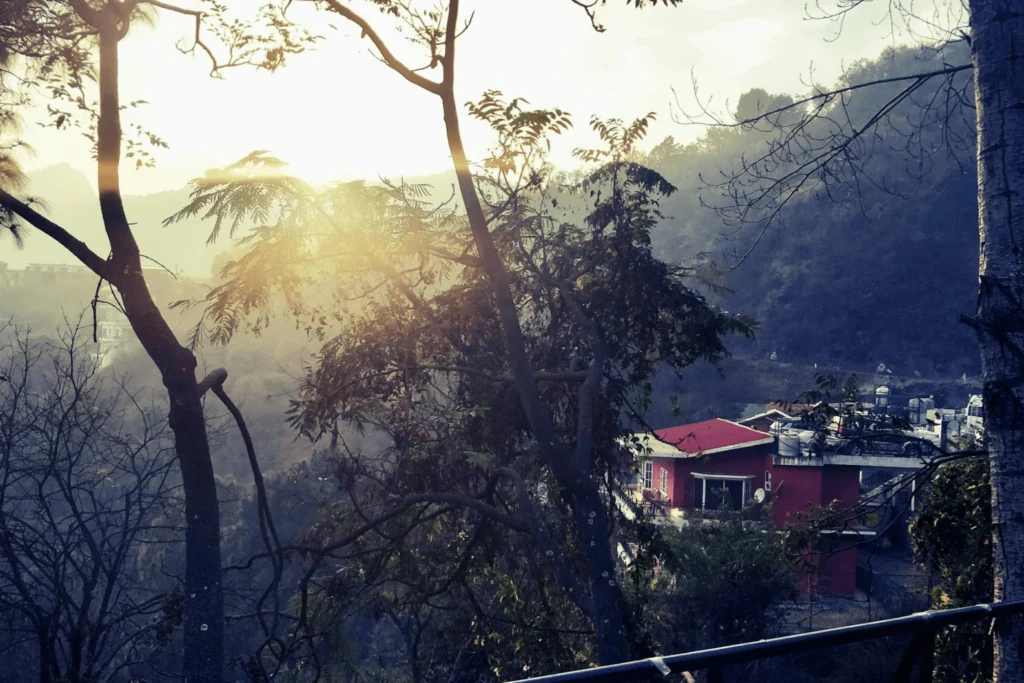
This itinerary is built for a traveller arriving from Delhi or Chandigarh on a Friday evening and returning Sunday night or Monday morning — a format that suits the majority of Kasauli visitors.
Day 1 — Arrival, Orientation, and Evening
Arrive in Kasauli by mid-afternoon. Check in, change, and resist the urge to immediately begin ticking off sightseeing. Walk Mall Road at the pace it was designed for — slowly, without a destination.
Buy a small bottle of plum wine from a roadside stall. Find a café with a view and watch the light change on the hills to the south. Have dinner at your hotel or at a dhaba on the lower market. Sleep early, because the morning matters.
Day 2 — The Full Day
Set an alarm for 6 AM. Walk to Monkey Point before the crowds arrive. The trail in the early morning — cool, pine-scented, mostly empty — is one of the better walks you will do in the lower Himalayas.
At the summit, spend time at the Hanuman temple before the light becomes harsh. Return for breakfast.
Mid-morning: walk the Gilbert Trail. It takes about 45 minutes at a leisurely pace. Then visit Christ Church — give it more than a glance, and read the inscriptions in the churchyard. They repay attention.
Afternoon: take a taxi to the Kasauli Distillery for the 2 PM tour. Allow 90 minutes including the tasting. On the way back, stop at Arhat Bazaar for twenty minutes — pick up local provisions, watch the town function as a real place rather than a tourist attraction.
Evening: Sunset Point. Arrive 40 minutes before the sun actually sets. Carry a jacket.
Day 3 — Half Day and Departure
Sunrise Point, if you are willing. Otherwise, a long breakfast and a final walk down a road you haven’t explored yet — the residential lanes behind the cantonment area have a particular quiet worth experiencing.
If time allows, drive to Dagshai (15 km) to see the Jail Museum before heading back to Chandigarh or Kalka for your return journey.
Frequently Asked Questions
Approximately 290 km by road — around 5–6 hours via NH-44 through Ambala, Pinjore, and Kalka, depending on traffic and departure time.
65 km, roughly 1.5 hours by road. Chandigarh is the most convenient hub for reaching Kasauli by air, train, or road.
March to June for clear skies and pleasant temperatures; October to November for crisp air, fewer crowds, and excellent long-distance views. July–September offers lush greenery and solitude if you don’t mind unpredictable rainfall.
Occasionally, during January and February. Snowfall is light and not guaranteed, but when it occurs, the town takes on a particular beauty. Come with serious warm clothing regardless.
A Final Note
The best thing about Kasauli is also the thing that is hardest to put in a travel guide: it is a place that doesn’t try very hard to impress you, and impresses you anyway.
The dilapidated bungalow half-hidden behind pine trees. The sound of a bugle from the cantonment at dusk. The specific quality of light on the Shivalik hills in the hour before sunset.
None of these appear on a list of top ten attractions. All of them are the reason people come back.
Go when you need to slow down. Stay longer than you planned. Bring more warm layers than you think you’ll need.