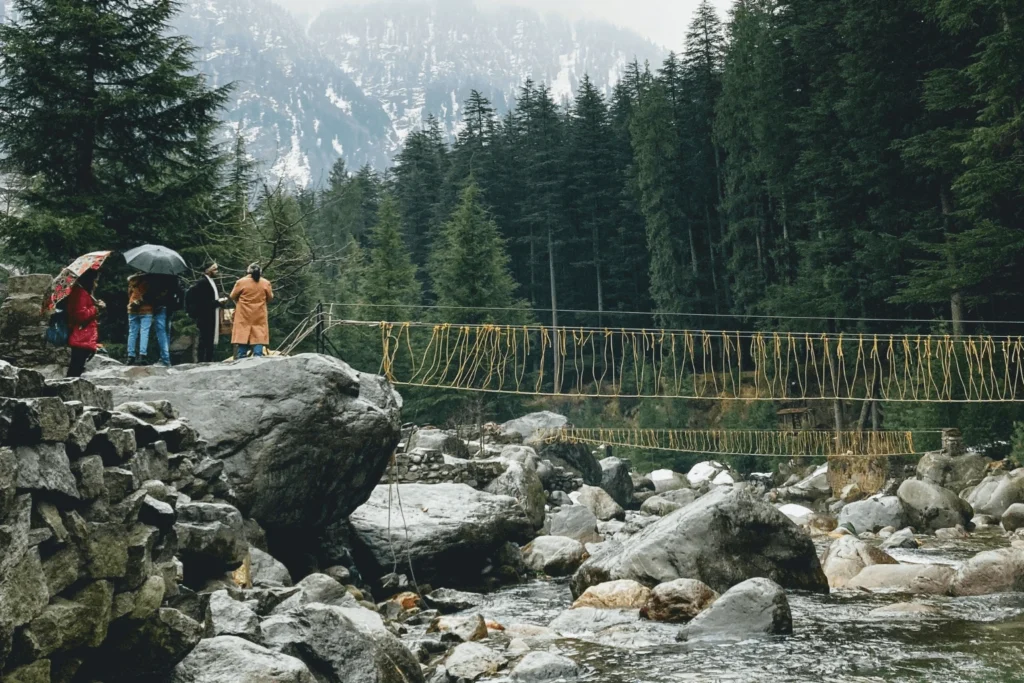
Planning a 5-day trip to Himachal Pradesh? This itinerary covers Manali, Kasol, and Dharamshala, helping you experience mountain scenery, local culture, and adventure without feeling rushed.
Himachal Pradesh is one of India’s most diverse hill states — offering everything from lush Kullu valleys and sacred Manali temples to the stark, moon-like landscapes of Spiti. Five days is enough to experience its soul, provided you plan smart. This guide is built for real travellers — practical, scenic, and paced just right.
Popular experiences on this route include Solang Valley, Rohtang Pass, Parvati Valley, Manikaran Sahib, and McLeod Ganj. It works well for couples, solo travellers, and adventure lovers exploring Himachal Pradesh in 2026.
Quick Answer
A 5-day Himachal itinerary is enough to explore Manali, Kasol, and Dharamshala comfortably. For most travellers, April to June and October to November offer the best weather, while winter (December–February) is ideal if you’re hoping to experience snowfall.
Quick Trip Summary
| Detail | Info |
|---|---|
| Total budget | ₹12,000–₹28,000 per person (from Delhi) |
| Best months | October–November & April–June |
| Trip style | Culture + adventure + nature |
| Ideal for | Solo travellers, couples, friend groups |
| Total distance | Approximate road distance, Delhi → Manali → Kasol → Dharamshala: ~700 km+ |
5-Day Himachal Itinerary at a Glance
| Day | Destination | Highlights |
|---|---|---|
| 1 | Manali | Hadimba Temple, Old Manali |
| 2 | Solang & Rohtang | Adventure activities, high-altitude snow |
| 3 | Kasol | Café culture, Chalal village |
| 4 | Tosh & Manikaran | Valley views, Gurudwara |
| 5 | Dharamshala | McLeod Ganj, Bhagsu Waterfall |
Why Himachal Pradesh Should Be on Your 2026 List
Himachal Pradesh offers a mix of mountain scenery, cultural attractions, adventure activities, and peaceful hill towns. Improved road connectivity and a wider choice of homestays have also made it easier to explore multiple destinations in a short trip.
New boutique homestays have opened across Kasol, Jibhi, and Chitkul, offering more character and comfort than standard hotels. Places like Tosh and Chitkul, which used to require a fairly serious expedition mindset, are now reachable with much less planning.
Adventure tourism — paragliding in Bir Billing, trekking to Hampta Pass, river rafting on the Beas — is more accessible and better regulated than it used to be, and solo travellers are generally well catered for across the main tourist towns.
Best Time to Visit in 2026
The answer depends on what you’re chasing.
March to June is ideal for Manali, Kasol, and Dharamshala. The weather is pleasant, apple orchards are blooming, and Rohtang Pass opens for the season around May.
July to September brings lush greenery to lower Himachal, while Spiti and Lahaul become more accessible after the snow season, depending on road conditions. Roads can be unpredictable during this window, so build in some flexibility.
October to November is arguably the best window. Clear skies, golden forests, fewer crowds, and snow just beginning to dust the high peaks. Good for photography and trekking alike.
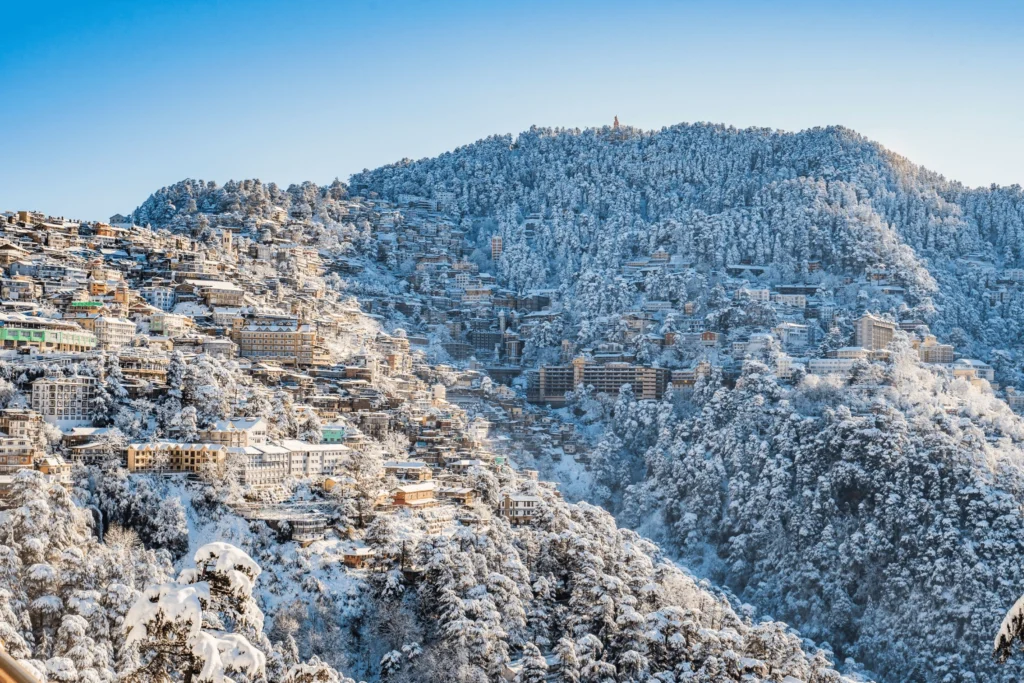
December to February is for snow lovers. Manali and Kufri turn into winter destinations, but high-altitude routes like Rohtang and Spiti stay closed for the season.
For most travellers planning in 2026, late September to early November tends to work best.
Day-by-Day 5-Day Himachal Itinerary
Day 1: Arrive in Manali — Settle and Explore Old Town
Fly into Bhuntar Airport (Kullu) or take an overnight Volvo from Delhi, arriving in Manali by morning. Use the first half of the day to rest and acclimatise — altitude sickness is a real risk even at Manali’s 2,050 metres if you’ve come straight up from the plains.
In the afternoon, head to Old Manali. Walk the narrow lanes lined with apple trees and wooden guesthouses. Visit the Hadimba Devi Temple, a 16th-century wooden structure set inside a cedar forest — one of Himachal’s most iconic landmarks. The forest around it is worth a slow walk even if you’re not particularly religious.
End the evening on the Manu Street food strip in Old Manali. Try sidu (local stuffed bread with ghee), thukpa, and a cup of butter tea at one of the small Tibetan cafés.
Where to stay: Old Manali guesthouses or boutique stays near the river. Properties like Moustache Manali or Apple Country Resort are popular — book at least 3 weeks ahead for peak season.
Day 2: Solang Valley and Rohtang Pass
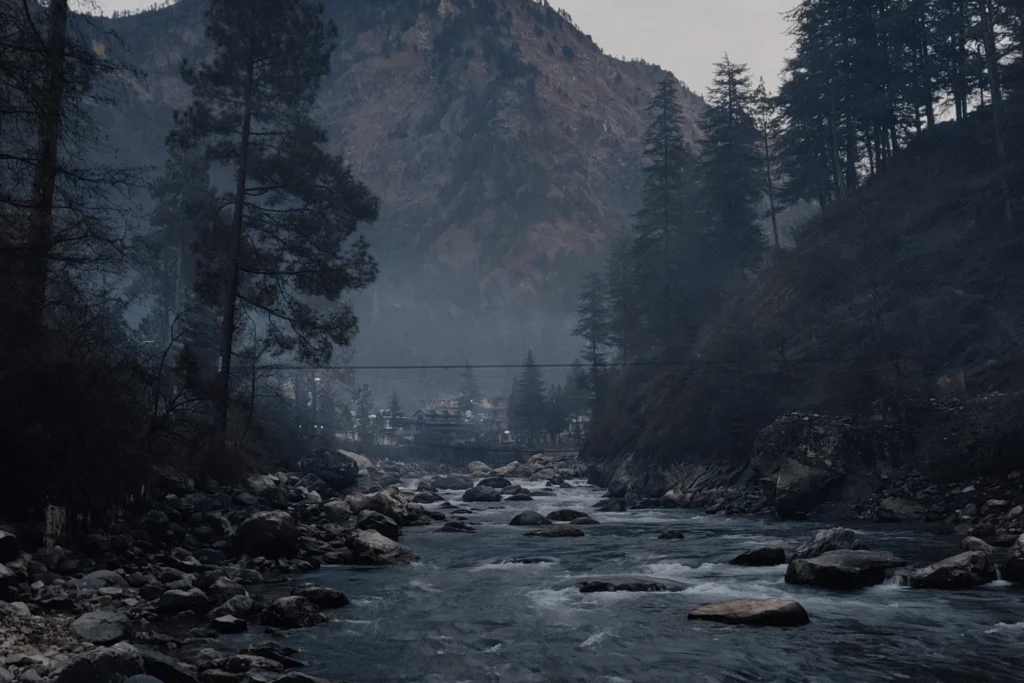
This is your big adventure day. Start early — ideally by 7 AM — to beat traffic at Rohtang Pass (3,980 m). Online permits are mandatory for Rohtang; book at least 24 hours in advance through the official Himachal Pradesh government portal. Only a limited number of vehicles are allowed per day, so don’t skip this step.
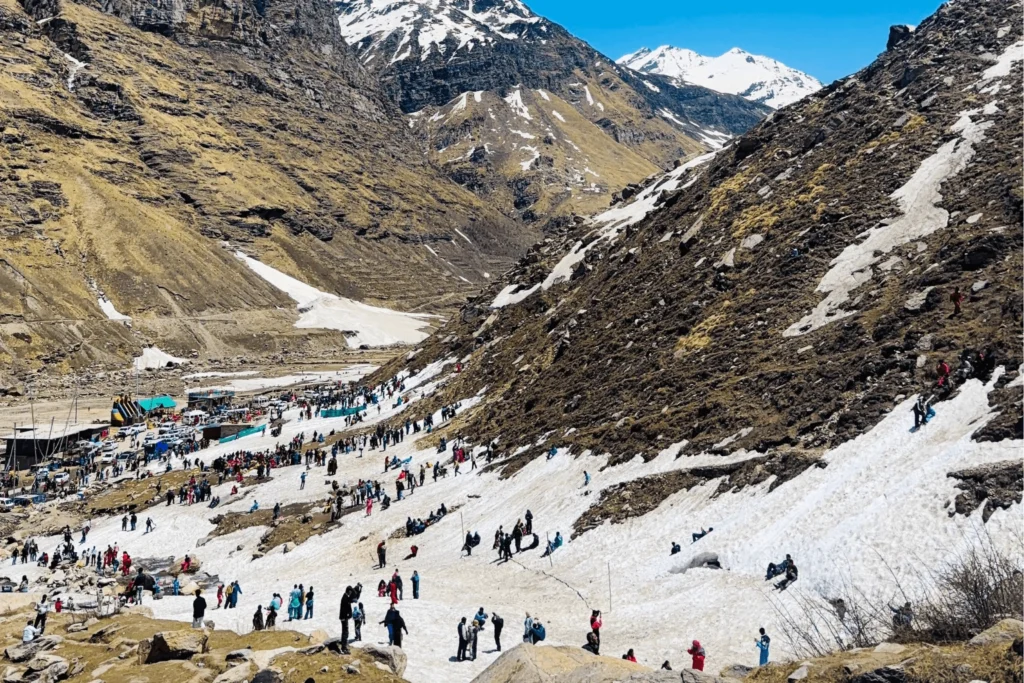
Rohtang Pass sits on the watershed between the Kullu and Lahaul valleys. On one side: lush green slopes. On the other: a sudden shift to barren high-altitude terrain. Snow is present even in summer at the top, and the views across both valleys are impressive, especially on a clear day.
On your way back, stop at Solang Valley. Depending on the season, you can try paragliding, zorbing, or simply sit by the Beas and take in the scale of the mountains. In winter, Solang turns into one of India’s better-known ski resorts.
Be back in Manali by 4–5 PM. Have dinner and rest early — tomorrow is a longer drive.
Day 3: Drive to Kasol via Kullu — Entering Parvati Valley
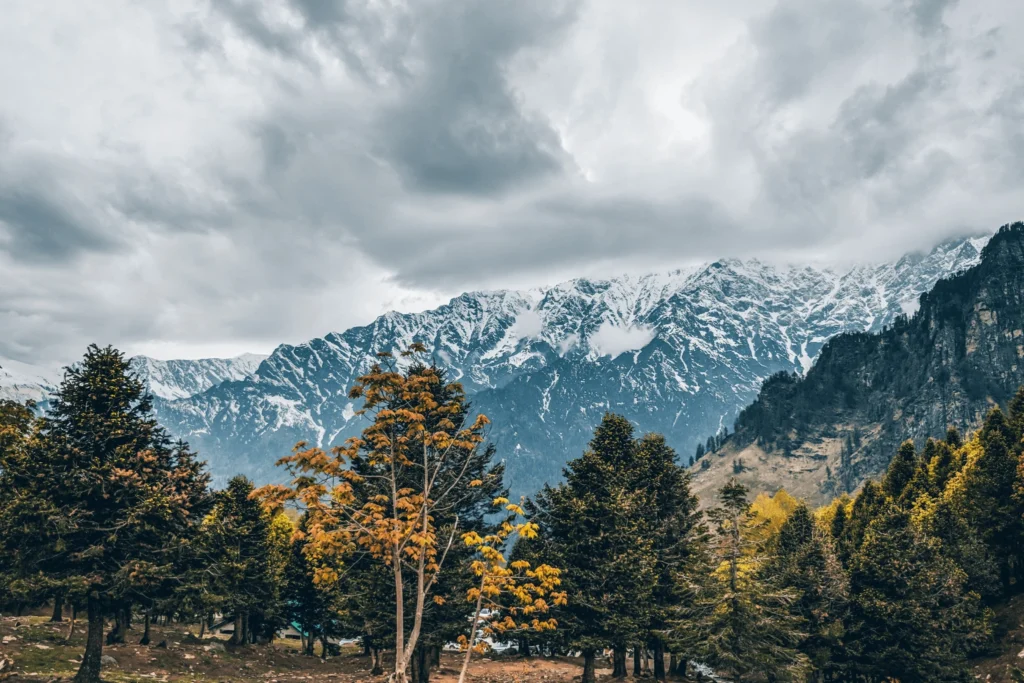
Leave Manali after breakfast and drive south towards Kullu (about 40 km), then take the turn-off into Parvati Valley, following the turquoise Parvati River eastward.
The 30-km stretch from Bhuntar to Kasol takes around 1.5 hours and is one of the more scenic drives in Himachal — the river runs alongside the road for almost the entire way, flanked by pine-covered slopes.
Arrive in Kasol by midday. Walk the suspension bridge over the Parvati River and explore the café culture that’s made this small village a backpacker favourite without losing much of its charm.
In the afternoon, the shorter walk to Chalal village — about 20 minutes across the river — is the better fit for a 5-day itinerary. If you have extra time and want to go further, an overnight trek to Kheerganga is worth considering, but it typically takes 4–6 hours one way depending on your starting point and route, and most travellers stay the night there rather than trying to fit it into a single afternoon.
Where to stay: Budget guesthouses or riverside camps in Kasol. Book ahead — the better spots fill up fast.
Day 4: Manikaran Sahib and Tosh Village
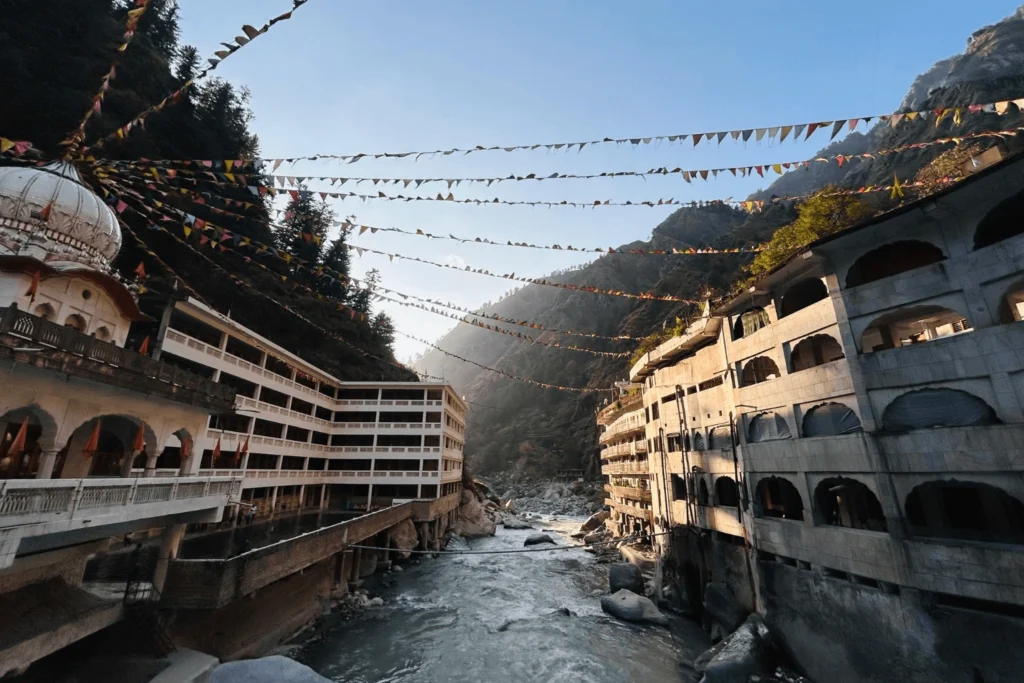
Begin the morning with a visit to Manikaran Sahib, one of Sikhism’s holiest pilgrimage sites, located just 4 km upriver from Kasol. The Gurudwara sits beside a hot spring, and langar (a free community meal) is served throughout the day. The food here, cooked using natural hot spring water, is worth trying, and the atmosphere is genuinely moving regardless of your own faith.
From Manikaran, continue further up the valley to Tosh village (around 18 km from Kasol). The last stretch requires a short uphill walk or a local jeep transfer. Tosh sits at 2,400 metres and offers wide views of the Parvati Valley and the Kheerganga ridge. It’s quieter than Kasol, and the late-afternoon light here is particularly good for photography.
Return to Kasol for the evening, or stay the night in Tosh for a more off-grid experience.
Day 5: Dharamshala and McLeod Ganj — The Tibetan Heart of Himachal
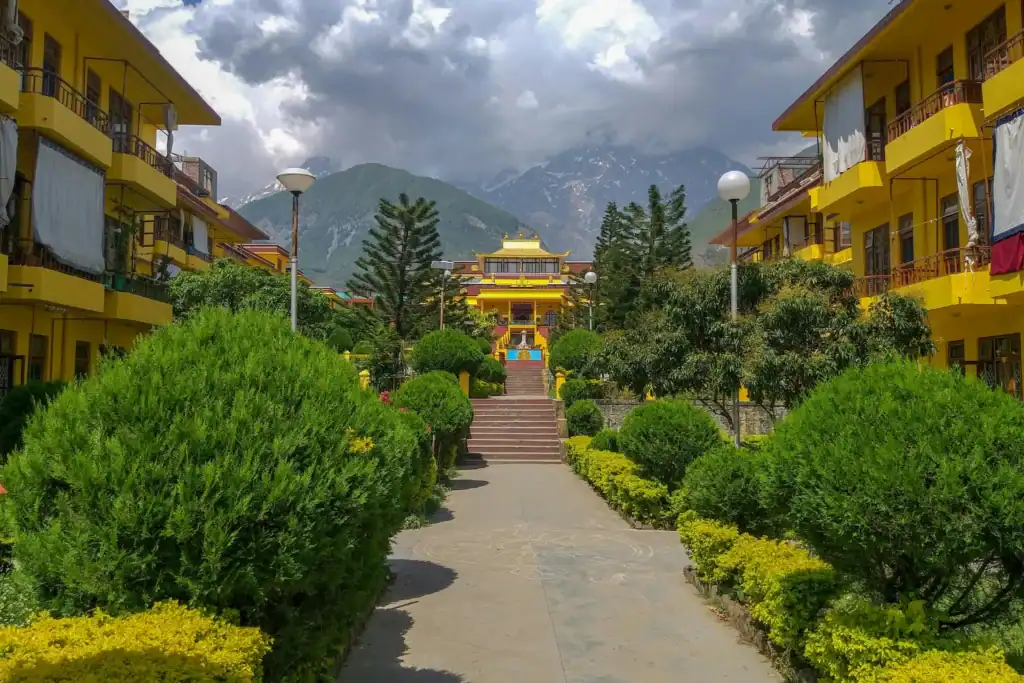
On your final day, drive or take a bus from Kasol towards Dharamshala — roughly a 5–6 hour drive via Mandi, though travel times can be longer during weekends, roadworks, or the monsoon. Plan an early start so you arrive with enough time to actually explore, rather than treating this as a transit day.
McLeod Ganj is home to the Tibetan government-in-exile and the Dalai Lama. The streets are lined with prayer flags, Tibetan handicraft shops, and monasteries. Spend the afternoon visiting the Namgyal Monastery, the largest Tibetan monastery outside Tibet.
Then walk to Bhagsu Waterfall, a 2-km trail from the town centre that passes through a small village and ends at a cool, shaded cascade.
As evening approaches, settle into one of McLeod Ganj’s Tibetan restaurants for momos, thukpa, and butter tea, and take some time to browse the handicraft lanes — hand-knotted carpets, singing bowls, and thangka paintings all make for meaningful souvenirs.
If you’re departing by overnight bus, the Dharamshala bus stand has regular services back to Delhi and Chandigarh. Book your seat the morning before to avoid a last-minute scramble.
Practical Tips for Your 2026 Himachal Trip
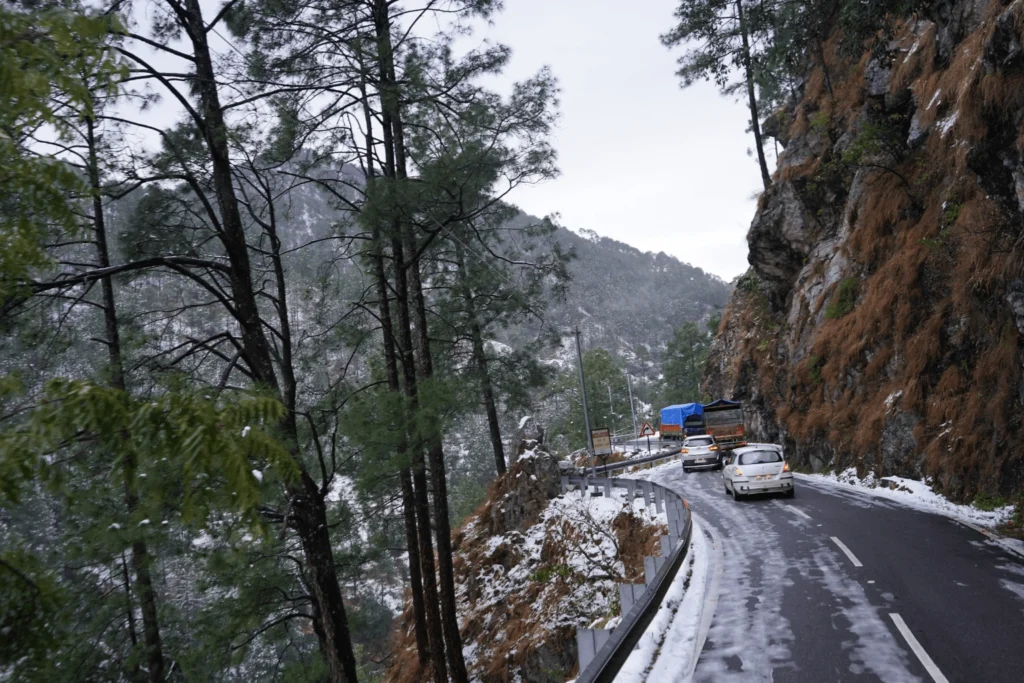
Getting around: For a 5-day trip covering Manali and Parvati Valley, the best option is either a self-drive rental (make sure the vehicle is rated for mountain terrain) or a hired cab with a local driver.
Local drivers know road conditions, alternate routes, and where slowdowns are likely — genuinely useful knowledge in the hills. Try to start long drives early in the morning, as traffic and weather-related delays are more common later in the day, especially during peak season.
HRTC Volvo buses are reliable for the Delhi–Manali corridor. For Kasol and Parvati Valley, private buses from Bhuntar run frequently and are affordable.
Accommodation booking: Book at least 2–3 weeks ahead for the May–June and October windows. In Kasol particularly, riverside camps and well-rated guesthouses sell out quickly. In McLeod Ganj, mid-range hotels near the monastery fill fast during Tibetan cultural events and long weekends.
Mobile connectivity: BSNL has the best coverage in high-altitude and remote parts of Himachal. Jio and Airtel work well in Manali, Kasol, and Dharamshala but can drop out on mountain roads. Download offline maps (Google Maps or Maps.me) before leaving each town.
Altitude and health: Manali sits at approximately 2,050 m, Rohtang Pass at 3,978 m, and Tosh at around 2,400 m. If you’re coming from sea level, spend your first day in Manali resting rather than trekking. Stay hydrated, avoid alcohol on your first night, and carry basic altitude sickness medication (such as Diamox) after consulting a doctor.
Budget Estimate (Per Person)
| Travel Style | Estimated Cost |
|---|---|
| Budget (buses + guesthouses) | ₹12,000 – ₹15,000 |
| Mid-range (cab + comfortable stays) | ₹18,000 – ₹22,000 |
| Comfortable (private car + boutique hotels) | ₹23,000 – ₹28,000 |
All estimates include transport from Delhi, accommodation, food, and key activities.
What to Pack for Himachal in 2026
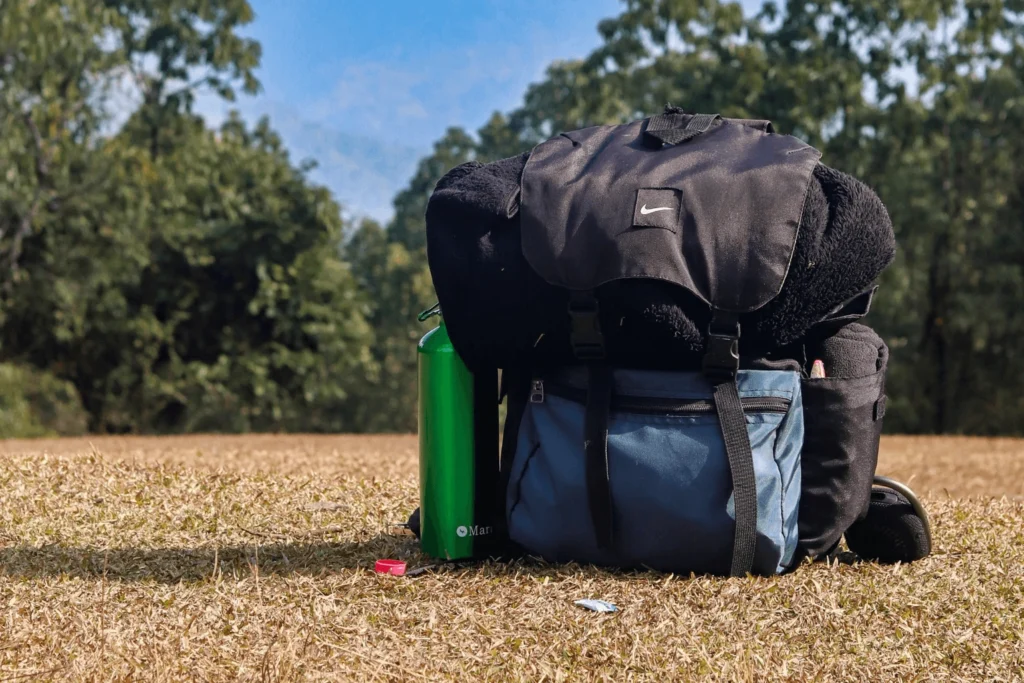
- Layered clothing regardless of season — temperatures drop sharply after sunset
- Waterproof trekking shoes — useful even if you’re not planning serious hikes
- A good quality rain jacket
- Sunscreen SPF 50+ — UV exposure is more intense at altitude
- A reusable water bottle — plastic use is increasingly restricted in Himachal’s eco-zones
- Offline maps and a portable power bank
- Cash — ATMs in Kasol and upper Parvati Valley can be unreliable
- A small daypack for sightseeing and short hikes
FAQ
A Himachal Pradesh trip usually needs at least 5–7 days to properly explore destinations like Manali, Shimla, Kasol, or Dharamshala.
For deeper trips covering places like Spiti or multiple valleys, 10–14 days is ideal.
For a 5-day mountain trip in North India, some of the best options are:
-Manali + Kasol
-Shimla + Kufri
-Dharamshala + McLeod Ganj
Khajjiar is famously called the “Mini Switzerland of India” because of its green meadows, pine forests, and mountain scenery.
Lansdowne is quieter, less commercial, and ideal for peaceful weekend breaks.
Kasauli has better cafés, colonial charm, and a more classic hill-station atmosphere.
Choose:
-Lansdowne → silence, forests, relaxation
-Kasauli → scenery, cafés, short Himachal getaway
Final Thoughts
This itinerary gives you a balanced introduction to Himachal Pradesh, combining mountain landscapes, local culture, and adventure in just five days. Each stop — Manali, Parvati Valley, and Dharamshala — has its own rhythm, its own food, and its own kind of quiet that’s hard to find elsewhere in India.
If you have more time, you can always extend your trip to places like Jibhi, Spiti Valley, or Tirthan Valley.