
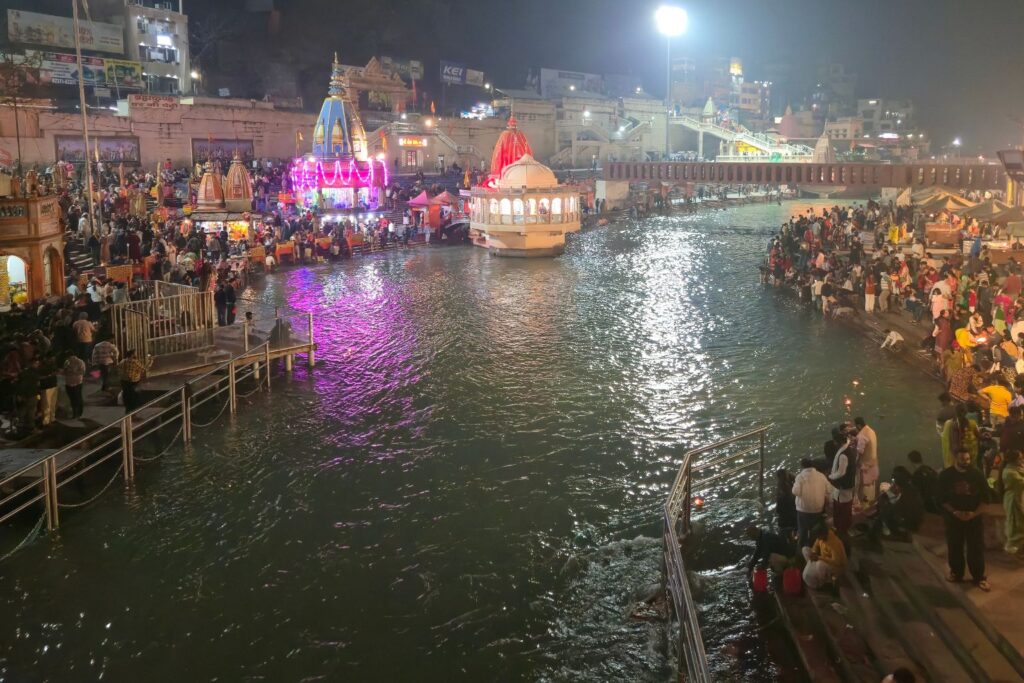
If you are looking for a complete Haridwar travel guide for 2026, you are in the right place. Haridwar is one of the seven holiest cities in Hinduism.
It is located where the Ganges leaves the Himalayas and enters the plains. This sacred gateway has attracted pilgrims, sadhus, and travellers for thousands of years.
The name itself means “Gateway to God,” and even for those who arrive without religious intent, Haridwar delivers something difficult to name: the sensation of being in a place that exists on its own ancient terms, indifferent to the modern world pressing in around it.
This guide covers everything from the best temples and the unmissable Ganga Aarti ceremony to budget tips, the best time to visit, and the things to do that most first-timers overlook.
Why Haridwar in 2026?
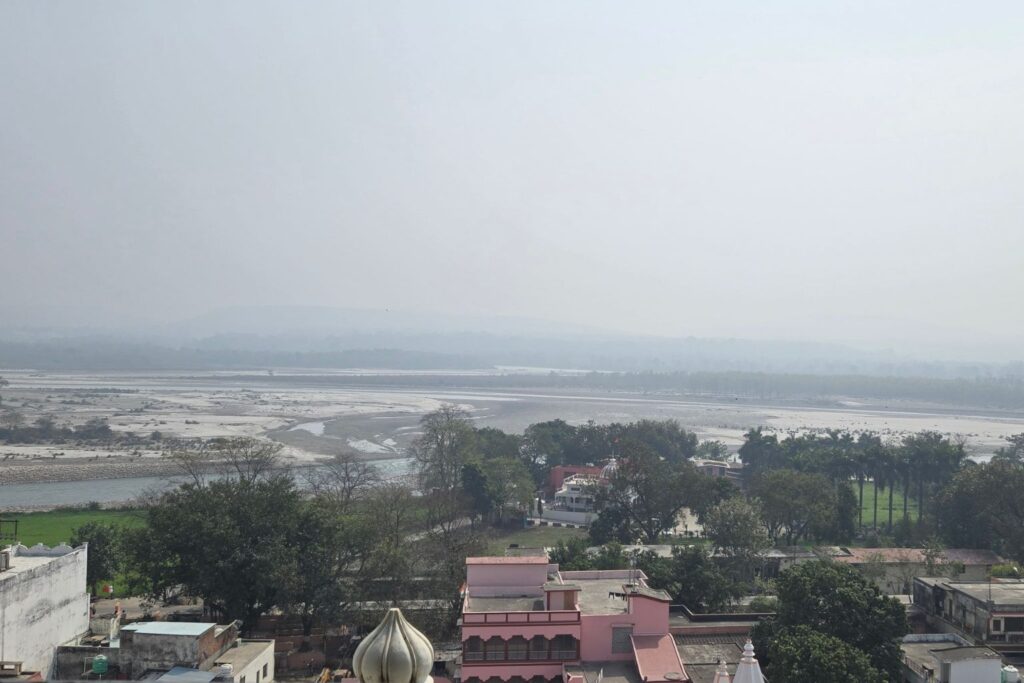
Haridwar has always been significant, but 2026 brings a few reasons to prioritise it on your India itinerary. The city is in a post-Kumbh Mela recalibration period — the last Ardh Kumbh was held in 2021 — and infrastructure improvements made for that event have matured.
The ghats have been better maintained, signage has improved, and waste management along the riverbank is meaningfully better than it was five years ago. The government’s Namami Gange programme has also had a measurable impact: water quality in the main bathing ghats is at its best in decades, which matters enormously for those who intend to take the ritual dip.
Connectivity has improved too. The Delhi–Dehradun Expressway now reduces road travel time from Delhi to under four hours, and the Haridwar railway station continues to be one of the best-connected in Uttarakhand.
Getting to Haridwar
By Train: Haridwar Junction is well connected to Delhi (Shatabdi and Jan Shatabdi take 4.5–5 hours), Mumbai, Kolkata, Varanasi, and most major Indian cities. This is the most convenient option for most travellers and the one to prioritise.
By Road: From Delhi, the NH58 via Meerut and Roorkee covers roughly 220 kilometres. With the expanded expressway sections, the drive now takes three and a half to four hours in normal traffic. Volvo buses from Delhi’s ISBT Kashmere Gate and Anand Vihar are frequent and affordable, typically taking five to six hours.
By Air: The nearest airport is Jolly Grant Airport in Dehradun, 35 kilometres from Haridwar. Flights connect from Delhi, Mumbai, and Bengaluru. Taxis from the airport to Haridwar cost approximately ₹700–₹1,000 and take around 45 minutes.
Best Time to Visit Haridwar in 2026
Haridwar’s climate and the religious calendar both shape when you should go.
February to April is considered the finest window. The weather is cool to warm (10°C–28°C), the Ganges runs clear after winter, and the city is active but not overwhelmed. Mahashivaratri (February/March) draws enormous crowds but is extraordinarily atmospheric if you can handle the density.
October to November is the second-best period. Post-monsoon Haridwar is green, the river is full, the air is clean, and temperatures are comfortable. Diwali celebrations here have a particular intensity — the illuminated ghats reflected in the Ganges are an unforgettable sight.
Summer (May to June) is hot (up to 40°C) but still popular with pilgrims heading onward to the Char Dham. If you are visiting primarily as a base for Rishikesh or the higher Himalayan shrines, this is acceptable. Book accommodation well in advance.
Monsoon (July to September) brings heavy rainfall, high river levels, and flash flood risks in the upper catchment. The Ganga can flood the lower ghats entirely. Travel is possible but requires flexibility and caution.
The Ganga Aarti: Haridwar’s Most Iconic Experience
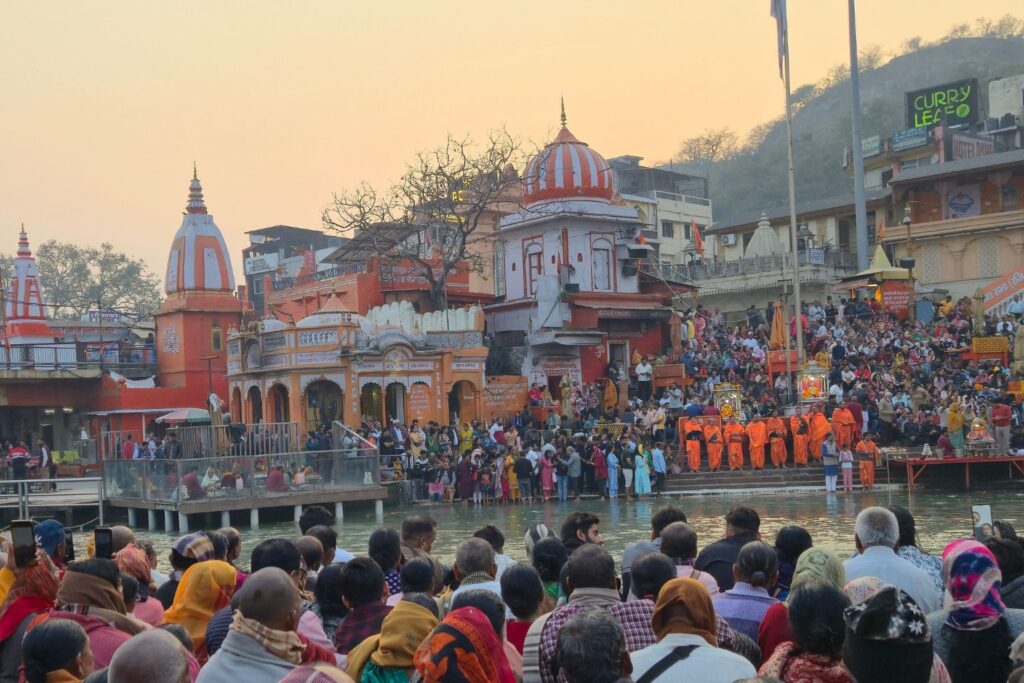
No visit to Haridwar is complete without witnessing the Ganga Aarti at Har Ki Pauri. This is not a performance staged for tourists — it is a living religious ceremony that has been conducted every single evening at sunset for centuries, and the sincerity of it is palpable.
The aarti takes place at the main ghat, where the Ganges is channelled between stone banks and the current runs fast and clear. As dusk falls, priests in saffron robes take their positions on the ghat steps, large brass lamps (diyas) are lit, and the ceremony begins with conch shells, bells, and devotional chanting.
The lamps are raised and rotated in large arcs over the water in a choreographed sequence that lasts approximately 45 minutes. Devotees release small leaf boats carrying flower petals and lit diyas onto the river — hundreds of tiny flames drifting downstream in the dark.
Practical Aarti Tips: The aarti occurs at sunset, so timing shifts with the season — approximately 6:00 PM in winter and 7:00 PM in summer. Arrive 30–45 minutes early to secure a spot on the upper ghat steps, which offer the best viewing angle. Photography is permitted.
Shoes must be removed before entering the ghat area. The crowd is genuinely enormous on weekends and festival days; if you want a more meditative experience, visit on a Tuesday or Wednesday.
A smaller but equally sincere aarti is held every morning at dawn — far fewer visitors attend this one, and for many travellers it is the more powerful of the two.
Top Temples in Haridwar
Har Ki Pauri (Brahma Kund)
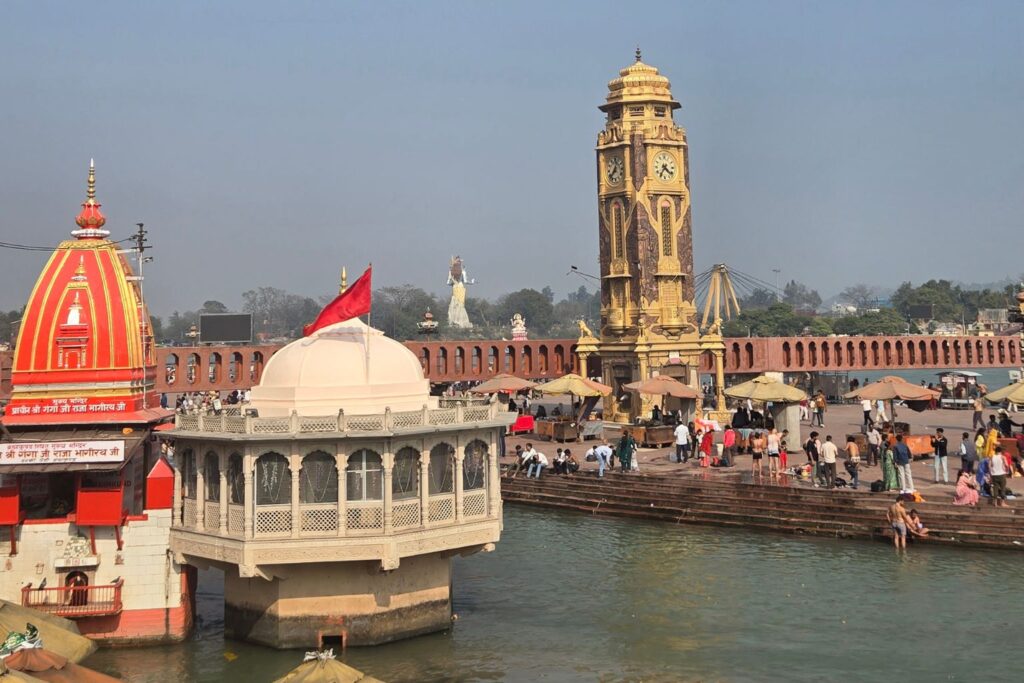
Strictly speaking a ghat rather than a temple, Har Ki Pauri is the spiritual heart of Haridwar. It is believed to be the spot where the Ganges leaves the mountains and where Lord Vishnu left a footprint in the stone. Bathing here is considered to wash away sins and break the cycle of rebirth. The main bathing hours are early morning; the water is fast-moving and chains are provided to hold onto.
Mansa Devi Temple
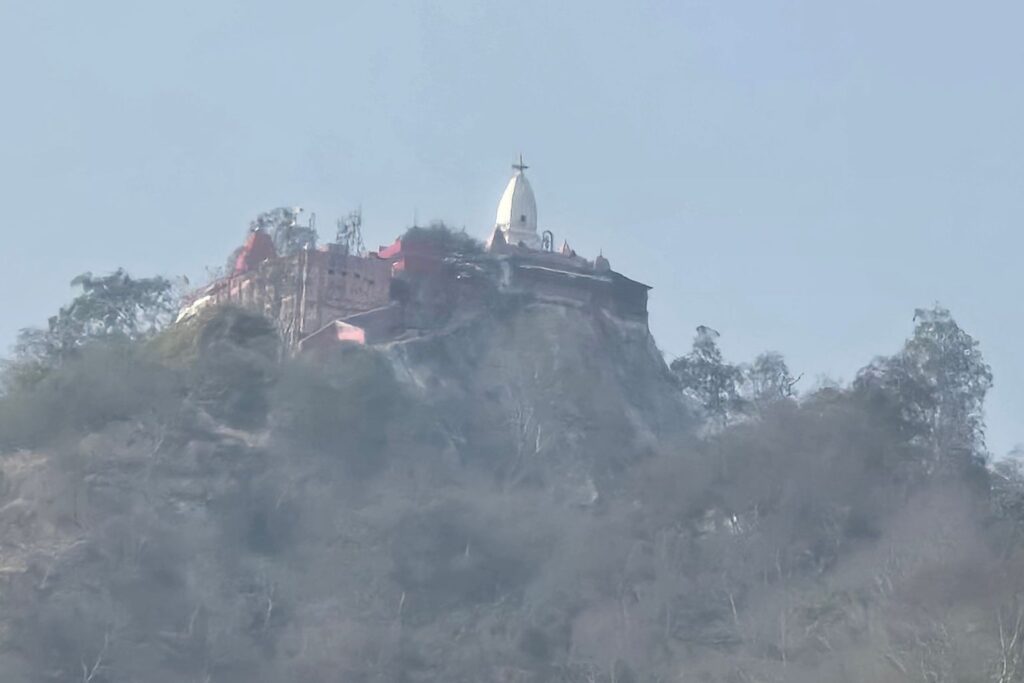
Perched on Bilwa Parvat hill overlooking the city, the Mansa Devi Temple is dedicated to the goddess Mansa Devi, believed to fulfil wishes. It is one of the Panch Tirth (five pilgrimages) of Haridwar.
A ropeway (cable car) runs from Uparwali Gali — the ride takes three minutes and offers a spectacular aerial view of the Ganges threading through the city. A forest trail also winds up for those who prefer to walk. The temple is crowded at all times; visit early morning to avoid the worst of the queues.
Chandi Devi Temple: Located on Neel Parvat, three kilometres from Har Ki Pauri, the Chandi Devi Temple was established by Adi Shankaracharya in 8th century CE, though the current structure has been rebuilt over the centuries. A ropeway connects from Chandi Ghat. The deity here is Goddess Chandi, and the temple is the last of the Panch Tirth sequence. The hilltop views of Haridwar and the Shivalik ranges are among the best in the region.
Maya Devi Temple: One of the oldest temples in Haridwar, dating to the 11th century, the Maya Devi Temple is dedicated to the goddess after whom the city’s older name — Mayapuri — is derived. It is one of the 51 Shakti Peethas, making it among the most sacred Devi shrines in India. Unlike the busier hilltop temples, Maya Devi sits in the city itself and has a quiet, genuinely ancient atmosphere.
Daksha Mahadev Temple: Located in Kankhal, four kilometres from the main city, this temple marks the site of the legendary Daksha Yagna — the fire sacrifice that caused the death of Sati and set in motion the story of Shiva’s grief. The main shrine contains a remarkable image of Daksha with a goat’s head (a consequence of Shiva’s wrath in the legend). This is a temple for those interested in the deep mythology of Hinduism, not just its visual spectacle.
Bharat Mata Mandir
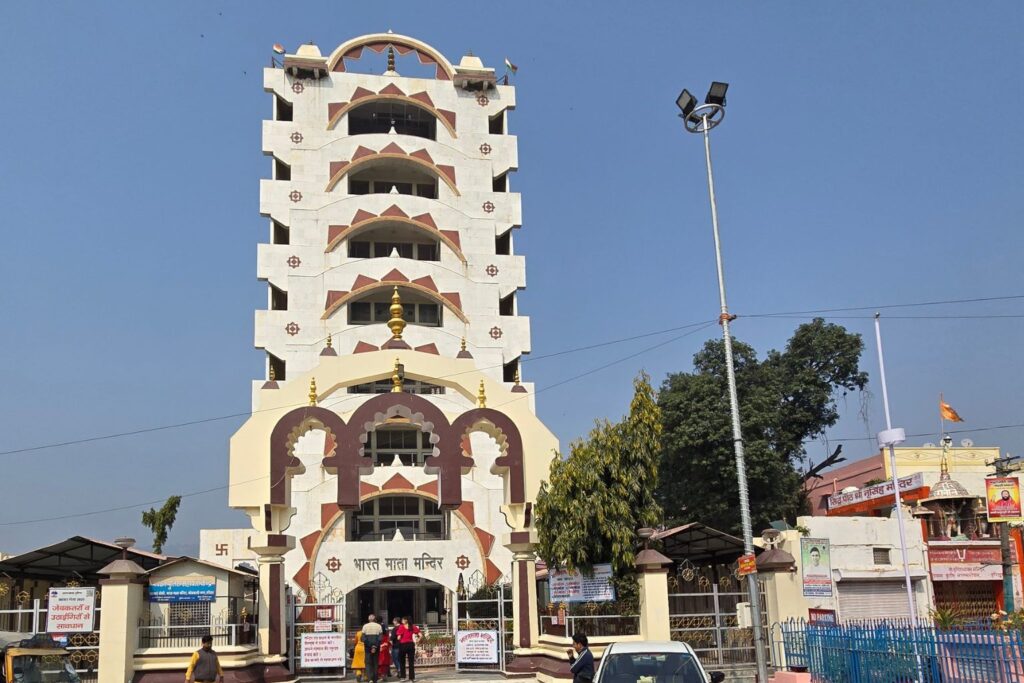
A seven-storey temple in Sapt Sarovar dedicated not to any single deity but to Mother India herself. Each floor depicts a different aspect of India’s spiritual and cultural heritage — from historical figures to freedom fighters to divine forms. It is unique in all of India and worth an hour of your time.
Things to Do in Haridwar Beyond the Temples
Take a Holy Dip at Har Ki Pauri: Even non-religious visitors often find the ritual bath in the Ganges at dawn to be one of the most memorable experiences of their India journey. The water is cold, the current strong, and the atmosphere — with bells ringing and priests chanting — is unlike anything else.
Explore the Bazaars
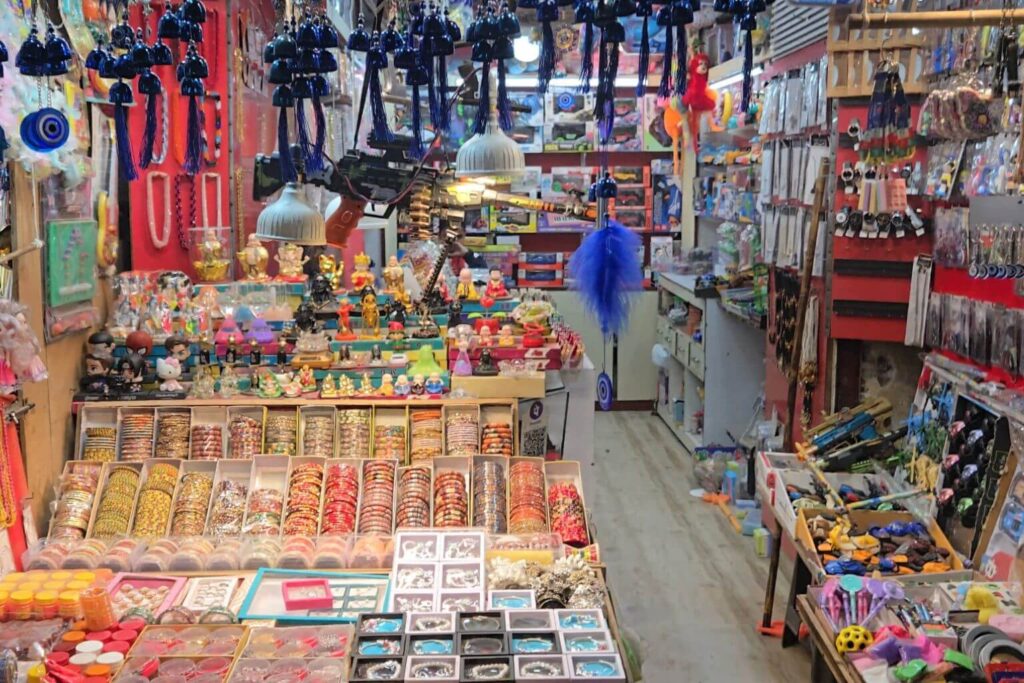
Haridwar’s market streets between the railway station and Har Ki Pauri are dense with shops selling brass idols, rudraksha malas, Ganga jal (holy water in sealed containers), ayurvedic herbs, saffron, and religious paraphernalia of every description. Bara Bazaar and Upper Road are the main commercial arteries. Bargain assertively — tourist prices start high.
Shantikunj — All World Gayatri Pariwar Headquarters
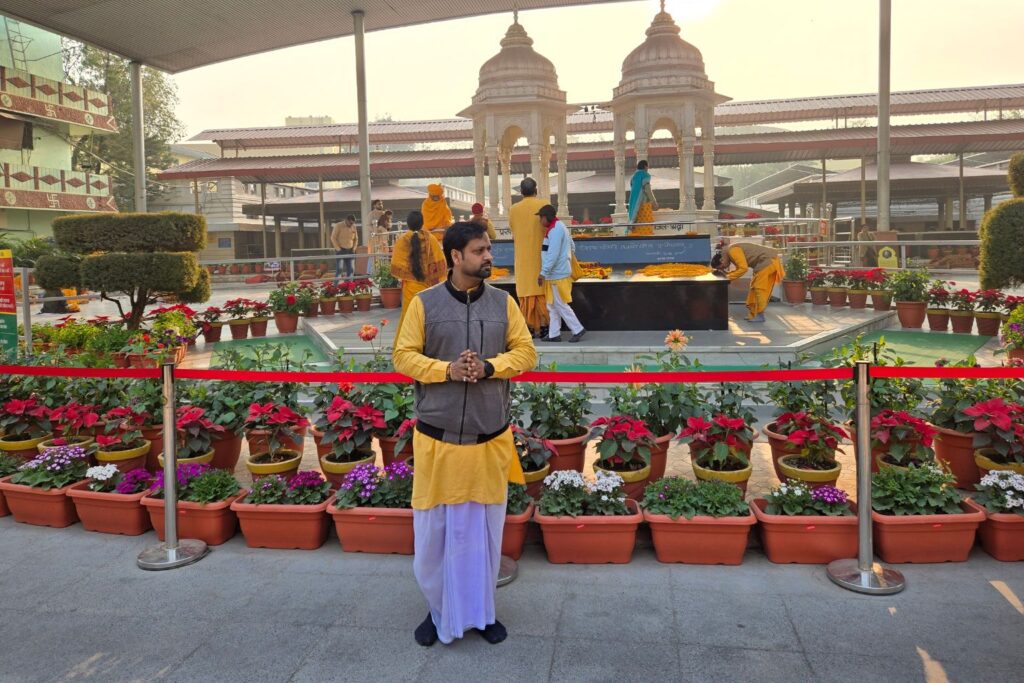
No Haridwar travel guide 2026 is complete without mentioning Shantikunj, one of the most significant spiritual institutions in modern India. Located on the Haridwar–Rishikesh highway, Shantikunj is the global headquarters of the All World Gayatri Pariwar — a spiritual movement founded by Pandit Shriram Sharma Acharya in 1953 that today counts tens of millions of followers worldwide.
The campus is open to all visitors regardless of faith or background, and what strikes most people immediately is the atmosphere: calm, ordered, genuinely serene in a way that the busy ghats are not. The premises house a Gayatri temple, a vast library of spiritual and philosophical literature, residential facilities for those undertaking longer retreats, and a Yagya Shala where sacred fire rituals are performed daily.
Free guided tours of the campus are available, and short-stay programmes combining yoga, meditation, and Vedic philosophy can be arranged in advance through their website. Even if you spend just an hour walking the grounds, Shantikunj offers a quietly profound counterpoint to the sensory drama of Har Ki Pauri — and for many visitors, it turns out to be the most memorable stop of their entire Haridwar trip.
Visit Patanjali Yogpeeth: Located on the Haridwar–Rishikesh highway, this vast yoga and ayurvedic research campus founded by Baba Ramdev has grown into one of India’s largest wellness institutions. Day visitors can attend yoga sessions, visit the herbal garden, and tour the ayurvedic hospital. It is a fascinating modern expression of ancient practice, whatever you make of its founder.
River Rafting Day Trip to Rishikesh: Rishikesh is only 24 kilometres from Haridwar and the Ganges between the two cities offers some of India’s most accessible white-water rafting. Operators in both cities run half-day and full-day trips along the Grade 3–4 rapids between Shivpuri and Rishikesh. This is easily combined with a same-day visit to Rishikesh’s Beatles Ashram and Laxman Jhula.
Sapt Rishi Ashram and Sapt Sarovar: Seven kilometres from the main city, this tranquil area at the confluence of seven Ganges channels is where seven great sages (rishis) are said to have meditated. The river literally splits around their meditation spots. The area is peaceful, forested, and far removed from the commercial intensity of central Haridwar.
Rajaji National Park: Bordering Haridwar to the east, Rajaji National Park covers 820 square kilometres of sal forest and Himalayan foothills. It is home to elephants, leopards, tigers (in lower numbers), and over 300 bird species. Jeep safaris depart from the Chilla range entry point. The park is best visited between November and June; it closes during monsoon.
Budget Breakdown for Haridwar
Budget Traveller (₹800–₹1,500/day): Dharamshalas (pilgrim rest houses) and budget guesthouses near the ghats charge ₹300–₹700 per night. Food from dhabas and the many sweet shops costs ₹200–₹400 per day. Almost all the main sights — the ghats, temples on foot, the bazaars — are free. Note that Haridwar is a strictly vegetarian and alcohol-free city; you will not spend money on meat or drinks here.
Mid-Range Traveller (₹2,500–₹5,000/day): Clean hotel rooms with AC near Har Ki Pauri cost ₹1,500–₹3,000. Eating at better restaurants and taking the ropeways to Mansa Devi and Chandi Devi adds modest costs. A taxi to Rishikesh and back for a day trip runs ₹600–₹900.
Luxury Traveller (₹8,000–₹20,000+/day): Options like Haveli Hari Ganga — a heritage property directly on the Ganges with its own private ghat — and Radisson Blu Haridwar offer genuine comfort with river views. Ayurvedic treatment packages at premium wellness centres add significantly.
Where to Eat in Haridwar
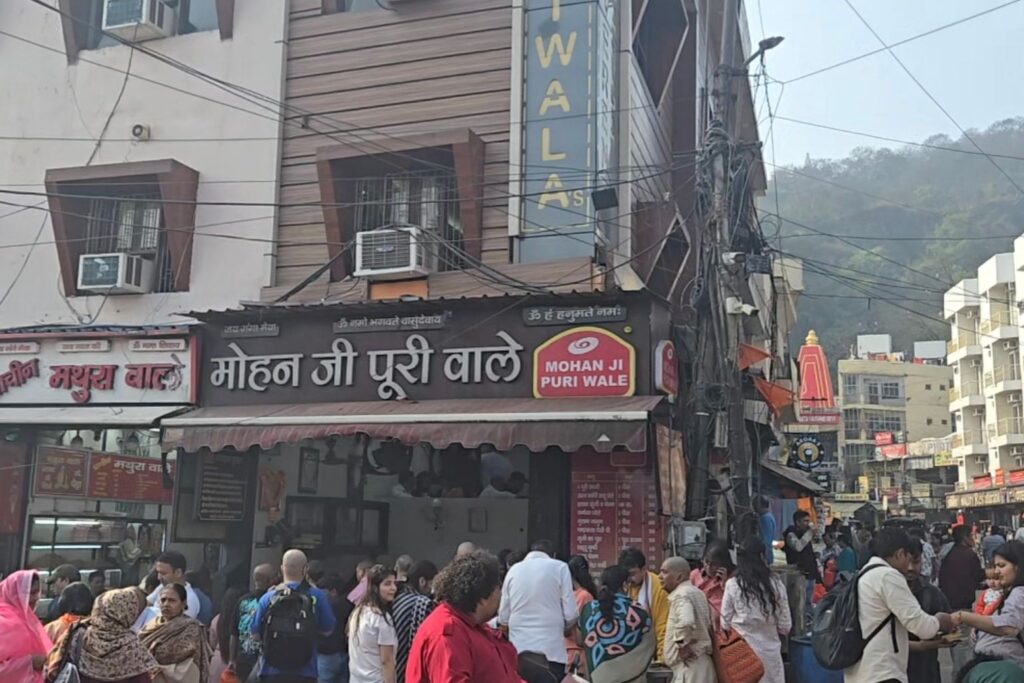
Haridwar is entirely vegetarian — no meat, eggs, or alcohol are sold anywhere in the city limits. Far from being a restriction, this has produced a remarkably refined vegetarian food culture.
Mohan Ji Puri Wale near Har Ki Pauri is legendary for its kachori and aloo sabzi breakfast, served from early morning until the food runs out. Bestie Restaurant on Upper Road serves reliable north Indian thalis with unlimited refills. Chotiwala in Rishikesh (worth the short trip) is famous across the region for its traditional Uttarakhand thali.
For sweets, try the rabri and lassi at any of the dozens of sweet shops near the main ghat — the milk-based sweets made in the area are exceptionally good. Big Ben near the Clock Tower does decent South Indian and Chinese alongside north Indian dishes, popular with younger travellers. If you want something calm and away from the main tourist strip, the ashram dhabas near Sapt Rishi offer simple, wholesome meals at minimal cost.
Practical Tips for Haridwar 2026
Haridwar operates on religious time — it is at its most alive at dawn and dusk, and quieter in the afternoon heat. Structure your days accordingly: early morning ghat visit and bath, mid-morning temple run, afternoon rest, evening Ganga Aarti. This Haridwar travel guide 2026 strongly recommends at least two full days in the city — one day is simply not enough to absorb what this place offers.
Dress modestly — covered shoulders and legs are expected at all temples and ghats. Remove footwear before entering any sacred area; bring a small bag for your shoes. Touts near the ghats will offer to perform pujas for you at inflated rates; if you want a puja performed, agree on the price before it begins or ask your hotel to recommend a reliable priest.
Haridwar is safe for solo travellers including women, but the ghat areas at night are best navigated with awareness of your surroundings. Store valuables securely — the crowds at major ghats are dense enough for pickpocketing to be a minor risk.
Use this Haridwar travel guide 2026 as your starting point, but leave room for the unplanned — a conversation with a sadhu, an unexpected festival procession, the particular quality of light on the Ganges at six in the morning. Haridwar is the kind of place that gives more than it promises, provided you approach it with patience and an open mind.
Last updated: February 2026. Prices and timings are approximate and subject to change with season and local conditions.
FAQ
Har Ki Pauri, especially Brahma Kund, is the best and most famous ghat to watch the Ganga Aarti.
There is no ticket required. Ganga Aarti at Har Ki Pauri is free for everyone. Donations are optional.
October to March is the best time due to pleasant and comfortable weather.
After attending the Ganga Aarti, you can:
1-Walk along Har Ki Pauri ghat and enjoy the peaceful night atmosphere.
2-Explore Bara Bazaar for prasad, souvenirs, and street food.
3-Try local dishes like aloo puri, kachori, or jalebi.
4-Visit nearby temples if open.
5-Sit quietly by the river for meditation — the post-aarti atmosphere is calm and spiritual.
Many visitors say the quiet moments after the crowd disperses are the most powerful part of the experience.