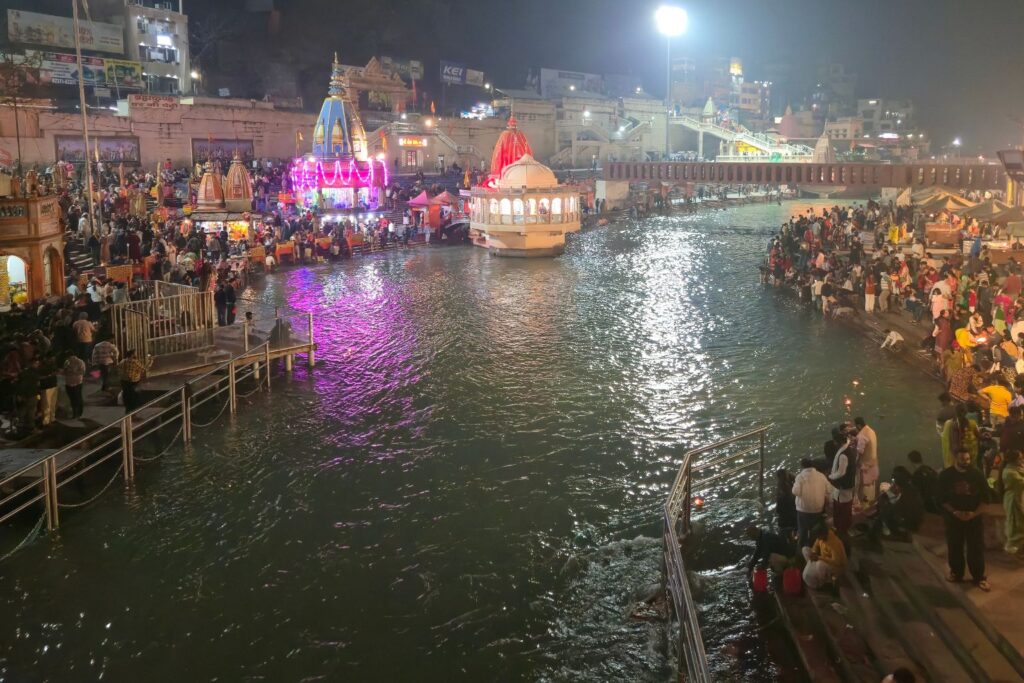
If you are looking for a complete Haridwar travel guide for 2026, you are in the right place. Haridwar is one of the seven holiest cities in Hinduism, located where the Ganges leaves the Himalayas and enters the plains.
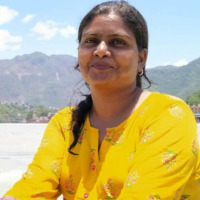
This sacred gateway has attracted pilgrims, sadhus, and travellers for thousands of years. I’ve been to Haridwar many times now — with family, with friends, across different seasons — and every visit teaches me something new about this city.
This guide brings together everything I’d want a first-time visitor to know: the temples, the Ganga Aarti, practical tips, and the small details that don’t usually make it into travel guides.
Getting to Haridwar
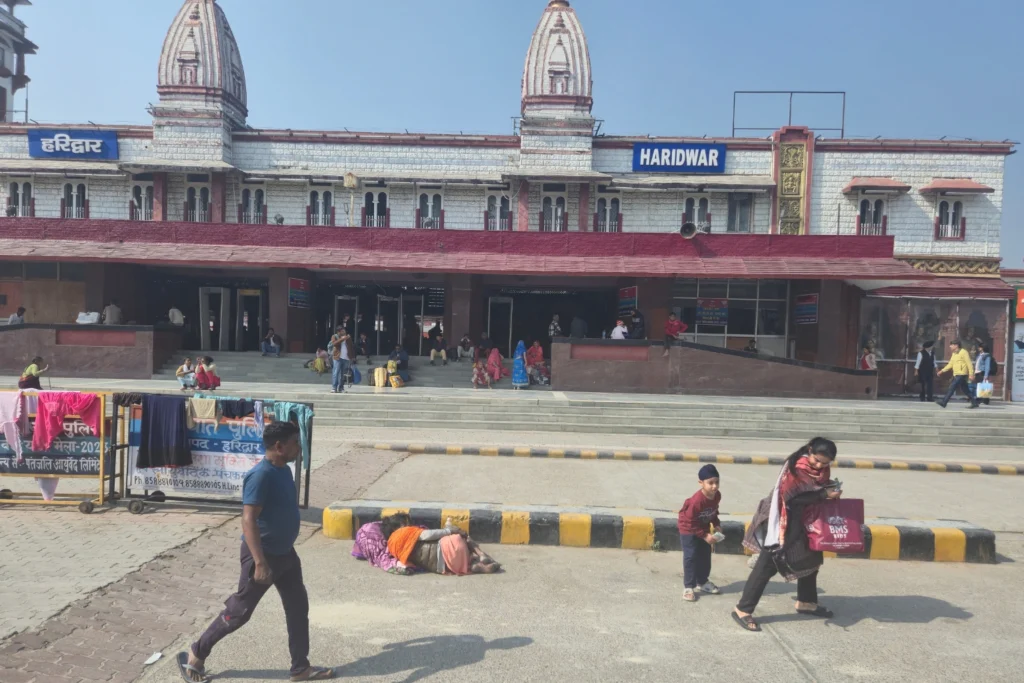
I always travel by train, and it remains the most convenient option for most visitors. Haridwar Junction is well connected to Delhi (Shatabdi and Jan Shatabdi take 4.5–5 hours), Mumbai, Kolkata, Varanasi, and most major Indian cities.
By Road: From Delhi, NH58 via Meerut and Roorkee covers roughly 220 kilometres — with expanded expressway sections, the drive now takes three and a half to four hours in normal traffic. Volvo buses from Delhi’s ISBT Kashmere Gate and Anand Vihar are frequent and affordable, typically five to six hours.
By Air: The nearest airport is Jolly Grant Airport in Dehradun, 35 km from Haridwar. Taxis from the airport cost approximately ₹700–₹1,000 and take around 45 minutes.
My First Ganga Aarti — What I Didn’t Expect
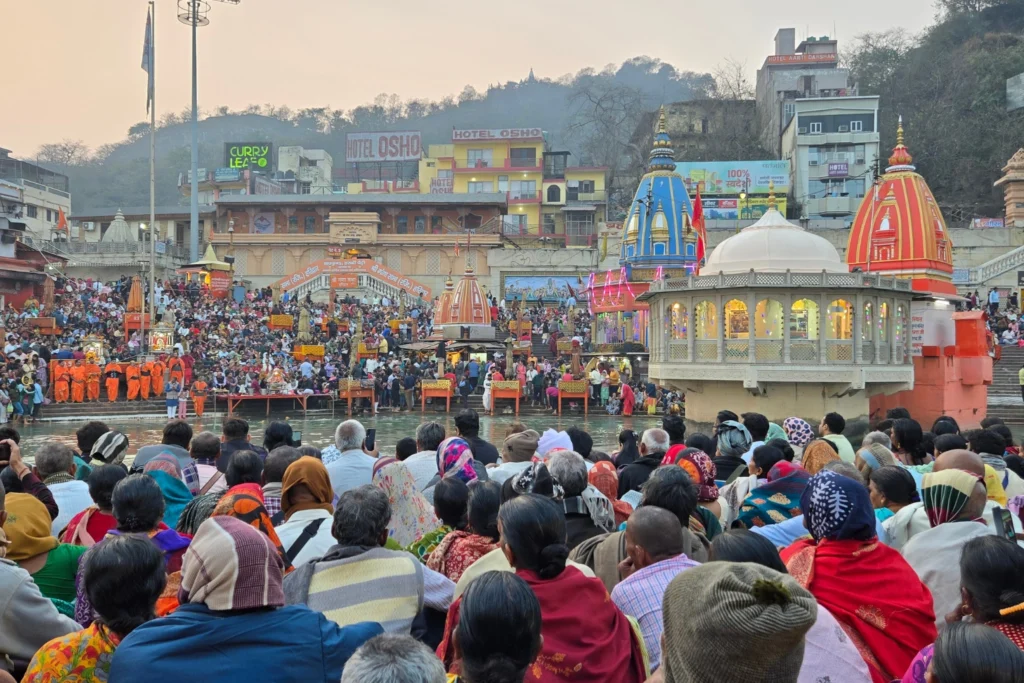
The evening Ganga Aarti happens daily at sunset — roughly 6:00 PM in winter and 7:00 PM in summer, shifting gradually with the season. The morning aarti, much quieter and with far fewer visitors, takes place around sunrise.
Before my first evening aarti, I learned something I hadn’t anticipated — it’s customary to take a dip in the Ganga before the ceremony. I took seven dips and drank the Ganga jal three times after bathing. There’s a feeling of being completely purified afterward that’s hard to put into words — your mind genuinely feels clear.
That first time, we stood on the Ganga Mata temple side, since that’s where the aarti is performed — but we ended up watching from behind the crowd, not the best angle. The next time we visited, we chose the Clock Tower side instead, and the difference was significant — a completely unobstructed, front-facing view of the entire ceremony.
🏛️ Local Tip: If it’s your first aarti, head to the Clock Tower ghat rather than the Ganga Mata temple side. You’ll get a direct view instead of watching from behind the crowd. Arrive by 5 PM if you want a good spot — the ghats fill up fast.
For the complete aarti experience — timing, what happens during the ceremony, floating a diya — see our detailed Ganga Aarti Haridwar Guide.
Best Time to Visit — A December Surprise
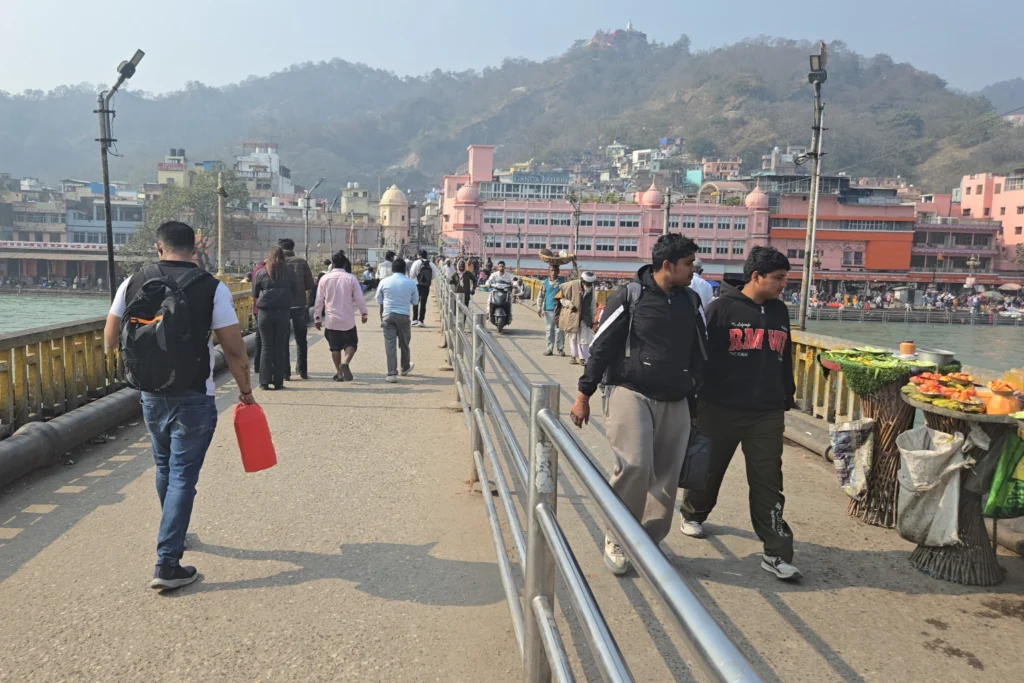
I once visited in December and decided beforehand that I wouldn’t bath in the Ganga — too cold, I assumed. But by the time we reached the ghat, the sun was strong enough that it genuinely felt like a June afternoon. In the hills, morning fog doesn’t linger long even in December and January — it burns off faster than you’d expect, and the days warm up quickly.
February to April is generally considered the finest window — cool to warm weather (10°C–28°C), clear post-winter Ganga, and Mahashivaratri’s intense atmosphere if you can handle the crowds. October to November is the second-best period, with green post-monsoon scenery and a particularly striking Diwali.
Summer (May–June) is hot but popular with Char Dham–bound pilgrims. Monsoon (July–September) brings flood risk at the lower ghats — travel is possible but needs flexibility.
Top Temples in Haridwar
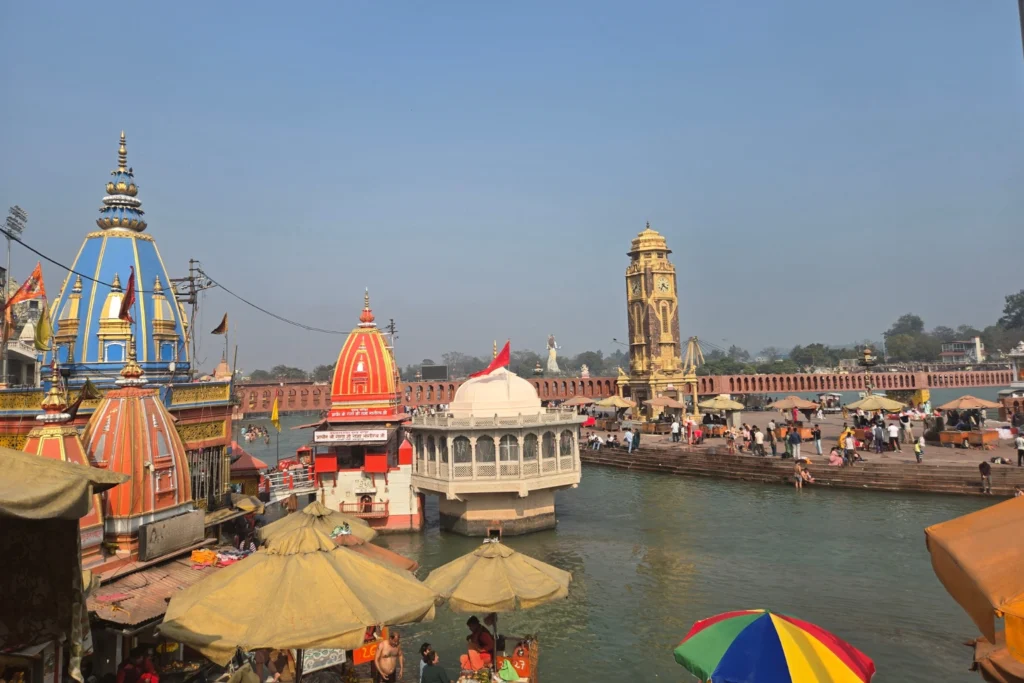
I’ve visited all of these personally over the years.
Har Ki Pauri (Brahma Kund) — The spiritual heart of Haridwar, believed to be where the Ganges leaves the mountains and where Lord Vishnu left a footprint in the stone. Bathing here is considered to wash away sins.
⚠️ Safety Tip: Whether or not you know how to swim, and especially if you’re travelling with children, always bath at Brahma Kund or the Clock Tower ghat. The water level here is shallower and noticeably safer than other points along the ghat.
Mansa Devi Temple — On Bilwa Parvat hill, one of the Panch Tirth of Haridwar. A 3-minute ropeway ride from Uparwali Gali, or a walking trail for those who’d rather skip the queue. Devotees tie red chunris here to make a wish — the temple turns entirely red with thousands of them.
Chandi Devi Temple — On Neel Parvat, established by Adi Shankaracharya in the 8th century CE. A ropeway connects from Chandi Ghat; the hilltop views of Haridwar and the Shivalik ranges are among the best in the region.
Maya Devi Temple — One of the oldest temples in Haridwar, dating to the 11th century, and one of the 51 Shakti Peethas. Sits quietly within the city itself, with a genuinely ancient atmosphere the hilltop temples don’t have.
Daksha Mahadev Temple — In Kankhal, marking the site of the legendary Daksha Yagna connected to Sati’s death and Shiva’s grief. The main shrine has a striking image of Daksha with a goat’s head.
Bharat Mata Mandir — A seven-storey temple in Sapt Sarovar dedicated to Mother India. Take the lift to the top floor, then walk down level by level, doing darshan at each one on your way to the ground.
For complete details on visiting these temples — including ropeway shortcuts and timing tips — see our Things to Do in Haridwar guide.
Where to Eat in Haridwar
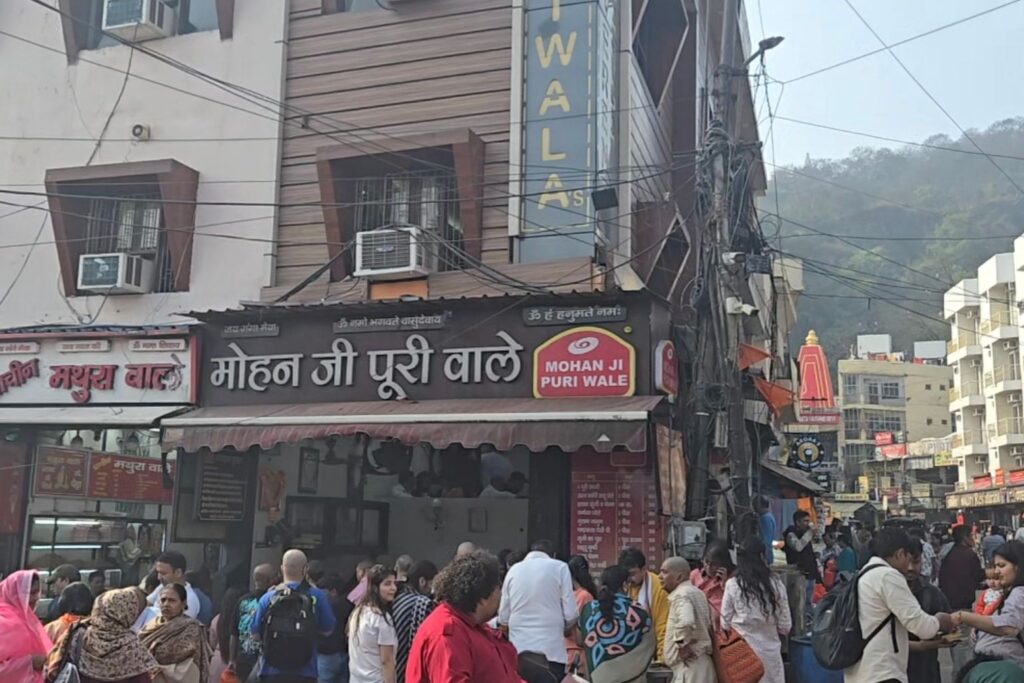
Haridwar is entirely vegetarian — no meat, eggs, or alcohol sold anywhere in the city limits, and the vegetarian food culture here is genuinely refined as a result.
Mohan Ji Puri Wale near Har Ki Pauri is a place I keep coming back to — the kachori and aloo sabzi breakfast is genuinely tasty, served fresh from early morning until it runs out.
Bestie Restaurant on Upper Road serves reliable north Indian thalis with unlimited refills. For sweets, the rabri and lassi at the shops near the main ghat are exceptionally good — milk-based sweets made in this region have a distinct richness.
Big Ben near the Clock Tower does decent South Indian and Chinese alongside north Indian dishes.
Budget Breakdown for Haridwar
Budget Traveller (₹800–₹1,500/day): Dharamshalas and budget guesthouses near the ghats charge ₹300–₹700 per night. Food from dhabas and sweet shops costs ₹200–₹400 per day. Most main sights — ghats, temples, bazaars — are free to visit.
Mid-Range Traveller (₹2,500–₹5,000/day): Clean AC hotel rooms near Har Ki Pauri run ₹2,000–₹4,000 (see our complete hotel guide for verified current prices). Ropeway rides to Mansa Devi and Chandi Devi add modest costs. A taxi to Rishikesh and back runs ₹600–₹900.
Luxury Traveller (₹8,000–₹35,000+/day): Heritage and 5-star properties directly on the Ganges with private ghats offer genuine comfort with river views.
💰 Budget Tip: If money is genuinely tight, Haridwar also has ashram accommodation — including one place where a room costs ₹700 a night with all meals included, and another that’s entirely free. See our hotel guide for details.
Tourist Pricing — Be Aware, Not Alarmed
This is a tourist area, so things do tend to cost a bit more here than in a regular local market — that’s simply how it works in any pilgrimage town.
It’s not aggressive overcharging so much as standard tourist-area pricing. Bargain confidently in the bazaars, and you’ll generally land at a fair price.
Things to Do Beyond the Temples
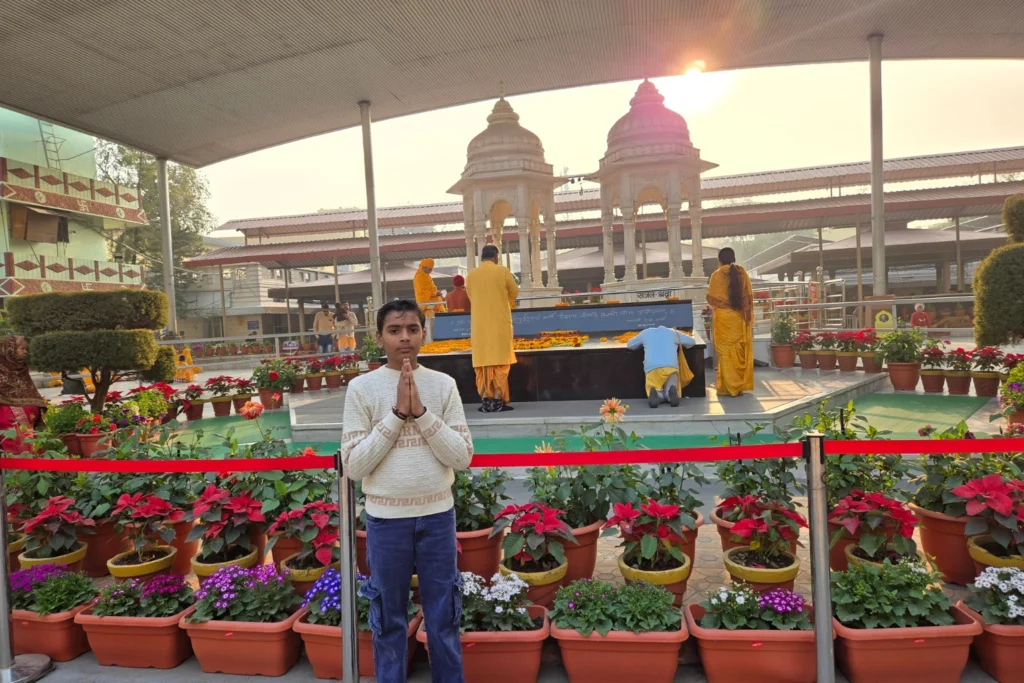
Shantikunj — Global headquarters of the All World Gayatri Pariwar, on the Haridwar–Rishikesh highway. The 5 AM morning yagya, with hundreds of people performing the fire ritual together, is one of the most striking experiences in the city. Free accommodation is available on campus for those who want to stay. See our Things to Do guide for the complete experience.
Patanjali Yogpeeth — One of India’s largest yoga and ayurvedic wellness campuses, with a herbal garden directly across the highway worth walking through.
Day Trip to Rishikesh — Just 24 km away, with Grade 3–4 white-water rafting between Shivpuri and Rishikesh, easily combined with a visit to Laxman Jhula and the Beatles Ashram.
Sapt Rishi Ashram and Sapt Sarovar — Where the Ganges splits into seven channels, said to be where seven sages meditated. Peaceful and far removed from the central city’s intensity.
Rajaji National Park — 820 sq km of sal forest bordering Haridwar, home to elephants, leopards, and over 300 bird species. Jeep safaris depart from the Chilla range entry point, November to June.
Practical Tips for Haridwar
Haridwar operates on religious time — most alive at dawn and dusk, quieter through the afternoon heat. Bath at the ghats early morning, explore temples by mid-morning, rest in the afternoon, attend the aarti in the evening.
Give yourself at least two full days — one simply isn’t enough. Dress modestly — covered shoulders and legs at temples and ghats. Remove footwear before entering sacred areas.
If a tout offers to perform a puja for you, agree on the price upfront, or ask your hotel to recommend a reliable priest instead.
Last updated: February 2026. Prices and timings are approximate and subject to change with season and local conditions.
FAQ
Har Ki Pauri, specifically the area around Brahma Kund, is the main spot. For the best unobstructed view, position yourself at the Clock Tower ghat rather than the Ganga Mata temple side.
There is no ticket required. It’s free for everyone — donations are optional.
October to March generally offers the most comfortable weather, though even December can surprise you with strong midday sun.
Walk along the ghat and enjoy the quiet night atmosphere, explore Bara Bazaar for prasad and street food, try aloo puri or kachori, or simply sit by the river. Many visitors find the quiet moments after the crowd disperses the most powerful part of the experience.
Yes, if you stick to Brahma Kund or the Clock Tower ghat — the water level is shallower and safer there than at other points along the ghats.
Conclusion
Haridwar remains one of India’s most spiritually significant destinations — a blend of devotion, culture, and the Ganga itself running through the centre of it all. From the Ganga Aarti at Har Ki Pauri to quiet temple mornings and a December sun that surprises you, this city has a way of giving more than it promises.
Plan around the right season, give yourself enough time, and leave room for the small, unplanned moments — a conversation with a sadhu, an unexpected dip, a view you didn’t know existed until you stood in the right spot.