
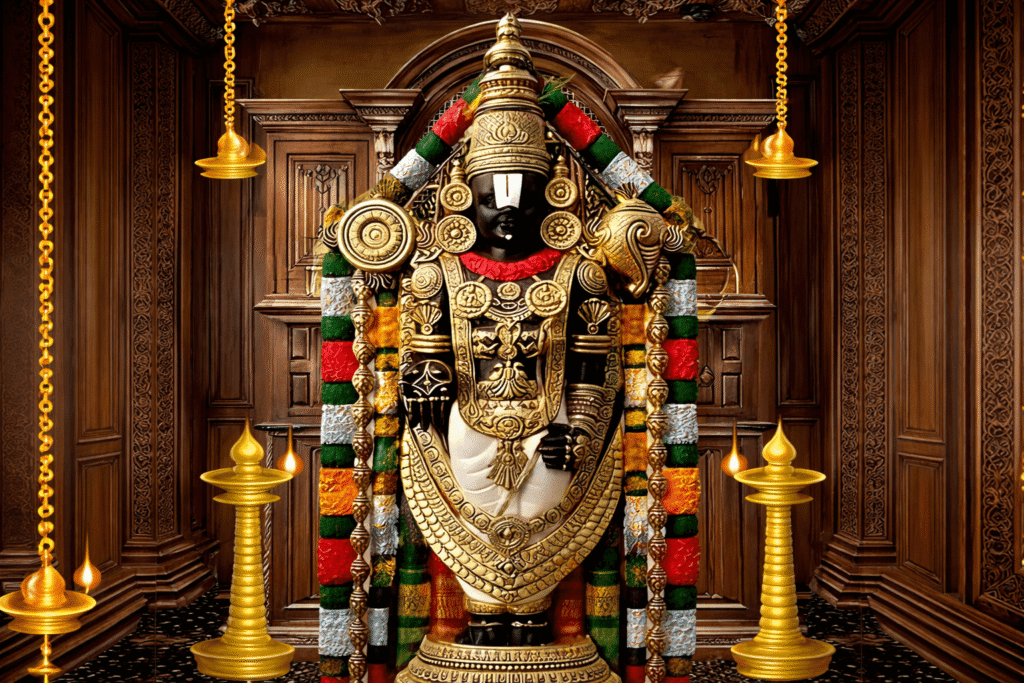
If you are searching for a Tirupati Balaji Temple Complete Guide, you are in the right place. Tirupati Balaji Temple, located in the sacred Tirumala Hills of Andhra Pradesh, is one of the most visited and spiritually significant pilgrimage sites in India.
Dedicated to Lord Venkateswara, this ancient temple draws thousands of devotees every day who come for darshan, blessings, and fulfillment of vows.
This Tirupati Balaji Temple Complete Guide covers everything you need to know for 2026 — including darshan timings, online booking process, ticket prices, dress code rules, accommodation options, and practical travel tips to help you plan a smooth and stress-free pilgrimage.
What Is the Tirupati Balaji Temple?
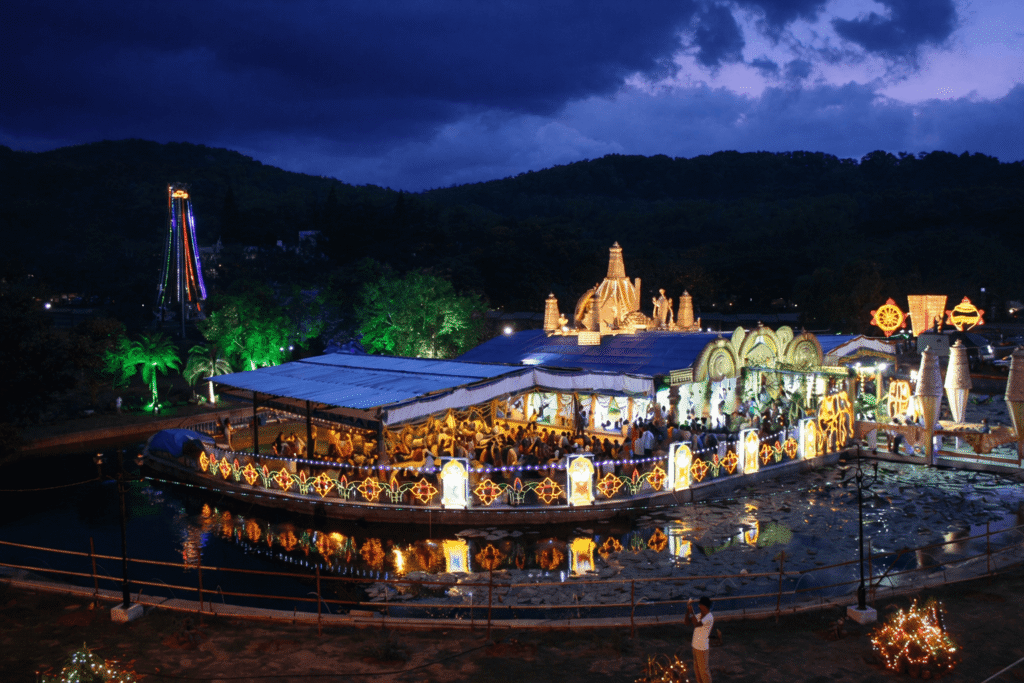
The Tirupati Balaji Temple — formally known as Sri Venkateswara Swamy Temple — is located on the Tirumala Hills in the Chittoor district of Andhra Pradesh, India. It is dedicated to Lord Venkateswara, considered an avatar of Lord Vishnu, and is one of the Divya Desams — the 108 sacred Vishnu temples celebrated in the hymns of the Alvars.
The temple is managed by the Tirumala Tirupati Devasthanams (TTD), a government-appointed trust that oversees everything from darshan management to the famous Tirupati Laddu. TTD is one of the wealthiest religious institutions in the world, with annual donations running into thousands of crores of rupees.
Tirupati vs. Tirumala — What’s the Difference?
This is one of the most common sources of confusion for first-time visitors. Here is the simple answer:
- Tirupati is the city at the base of the hills — the travel hub with the railway station, airport, and most hotels.
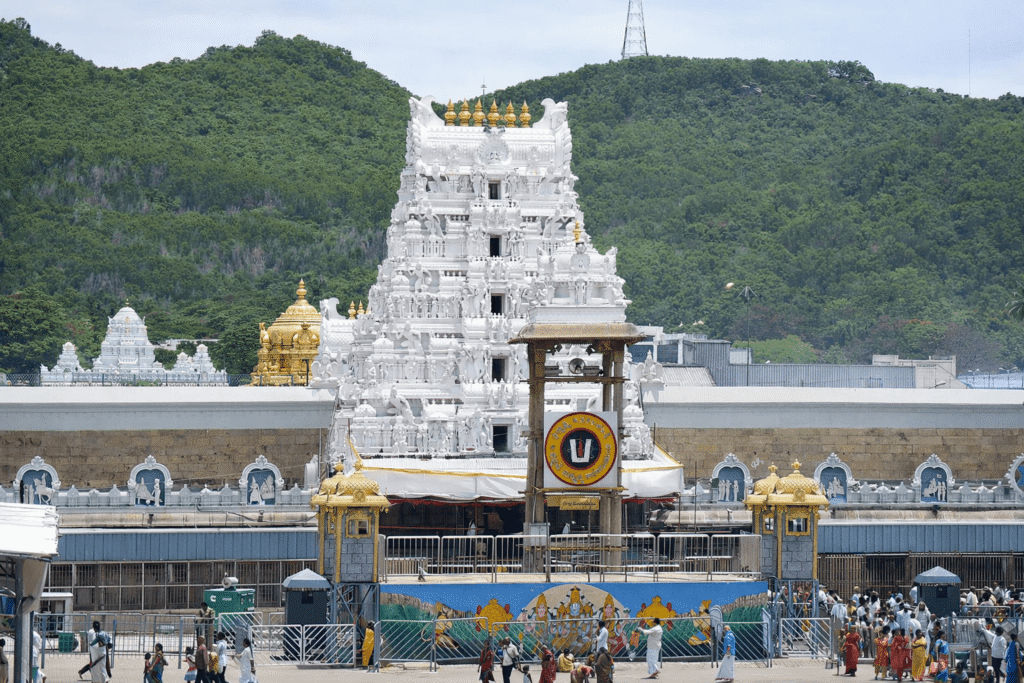
- Tirumala is the hilltop township, situated at approximately 3,200 feet above sea level on the Seshachalam Hills (also called the “Seven Hills,” representing the seven hoods of Adisesha the divine serpent), where the main temple is located.
Most pilgrims stay in Tirupati and travel up to Tirumala for darshan. TTD operates frequent bus services between the two.
Tirupati Balaji Temple Darshan Timings 2026
The temple runs virtually round the clock, with religious rituals and sevas scheduled from the early hours before dawn through to past midnight. Here is a general breakdown of the daily schedule:
| Ritual / Darshan | Approximate Timing |
|---|---|
| Suprabhatam (Morning Wake Ritual) | ~3:00 AM |
| Morning Darshan Opens | 6:00 AM |
| Afternoon Ritual Break | Varies by day |
| Evening Darshan | Resumes after rituals |
| Ekanta Seva (Closing) | ~1:00 AM |
Important: Timings can shift during festivals, special sevas, and maintenance days. Always verify on the official TTD website before your visit. Do not rely on third-party sources for confirmed timings.
Types of Darshan at Tirupati Temple
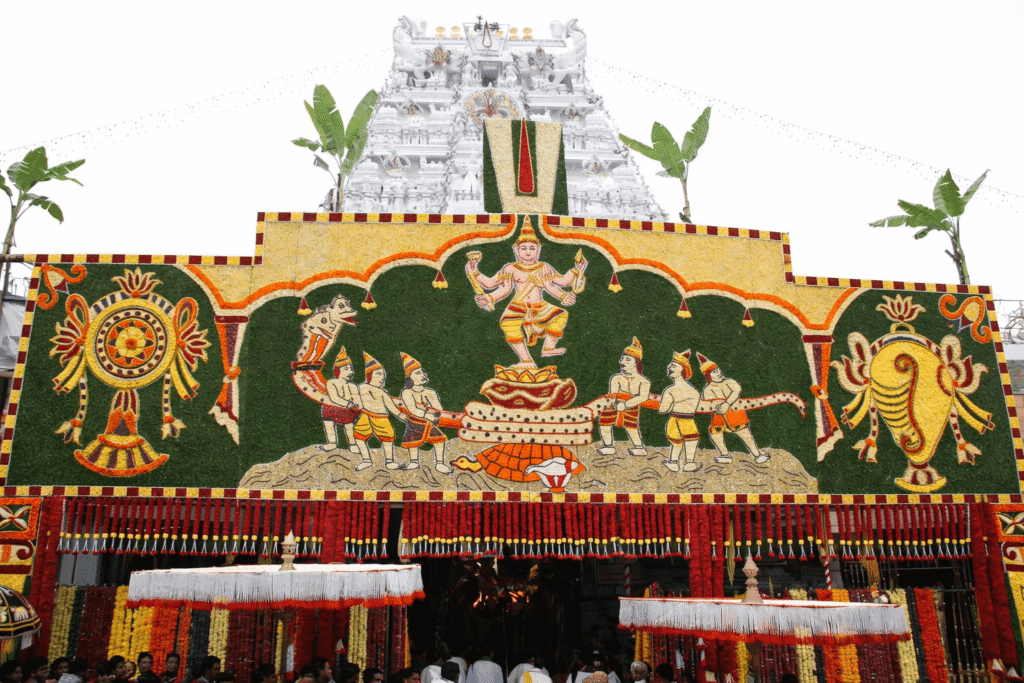
One of the most important decisions you will make before visiting is choosing your type of darshan. There are three main options:
1. Sarva Darshan — Free Darshan
This is the general queue darshan, available to all devotees without any ticket fee. The trade-off is waiting time, which can range from 6 hours to 24 hours depending on the crowd. During peak seasons and festivals, queues often extend overnight. If you have time and patience, this is the most accessible route.
2. Special Entry Darshan (SED) — ₹300
This is the most popular paid option. For ₹300 per person, you receive a time-slotted entry that typically reduces your waiting time to 3–6 hours. Tickets must be booked in advance online and are released on a rolling 30-day window. They sell out extremely fast during weekends and festival periods.
3. Seva Darshan — ₹500 to ₹10,000+
Seva tickets allow devotees to participate in specific rituals conducted at the temple. These range from Archana and Abhishekam to premium sevas conducted in the inner sanctum. Availability is limited and prices vary significantly based on the type of seva. These are highly sought-after and require advance planning.
How to Book Tirupati Darshan Tickets Online (Step-by-Step)
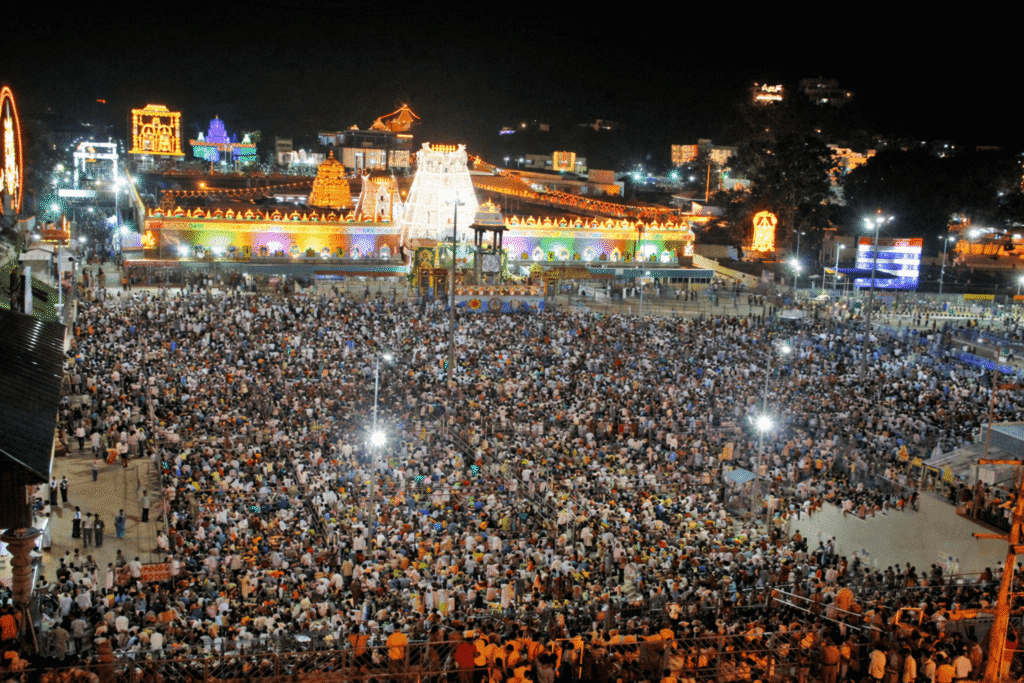
Booking online is strongly recommended for all paid darshan types. Here is the process:
- Visit the official TTD e-darshan portal: https://tirupatibalaji.ap.gov.in
- Register using your mobile number and a valid government-issued photo ID (Aadhaar, Passport, Voter ID, etc.)
- Select the type of darshan — Special Entry Darshan or your preferred seva
- Choose your preferred date and time slot from available options
- Enter details for all pilgrims in your group (IDs required for each person)
- Complete online payment via UPI, net banking, or card
- Download and print your confirmation ticket — or save the QR code to your phone
- On the day of visit, carry the ticket along with the exact same ID used during booking
Pro tip: Tickets for popular dates are released 30 days in advance and can be exhausted within minutes of release. Set a reminder and log in as soon as the booking window opens.
Best Time to Visit Tirupati Balaji Temple in 2026
Ideal Months:
- January to March — Cool weather, manageable crowds, and several auspicious religious days
- September to November — Post-monsoon freshness with pleasant temperatures
Avoid These Periods If Possible:
- Brahmotsavam (usually September/October) — The temple’s biggest annual festival, lasting nine days. Crowds can be overwhelming
- Vaikunta Ekadasi (December/January) — One of the holiest days in the Vaishnava calendar; lakhs of pilgrims arrive
- Summer (April–June) — Temperatures can soar, and the climb is physically demanding in the heat
- Weekends and public holidays — Waiting times for free darshan can extend beyond 20 hours
If a peaceful, unhurried experience is your priority, aim for a weekday visit in January, February, October, or early November.
Dress Code at Tirupati Temple — What to Wear
The temple maintains a strict traditional dress code. Devotees not adhering to it may be turned away at the entry point.
Men must wear:
- Dhoti with upper cloth (most traditional and preferred)
- Trousers and shirt (acceptable for general darshan)
- Kurta-pyjama
Women must wear:
- Saree
- Salwar kameez / churidar with dupatta
- Half-saree or long traditional skirt
Not permitted for anyone:
- Shorts, bermudas, or capris
- Sleeveless tops or tank tops
- Jeans (in some categories of darshan)
- Revealing or western casual wear
Dress code enforcement is consistent. If in doubt, wear a saree or dhoti — you will not be refused entry.
How to Reach Tirupati
By Air
Tirupati International Airport (HYD via Tirupati) is located approximately 15 km from the city center and connects to Chennai, Hyderabad, Bangalore, Delhi, and Mumbai. It is the most convenient option for outstation visitors.
By Train
Tirupati Railway Station is one of the busiest in Andhra Pradesh and has good connectivity to Chennai Central, KSR Bengaluru, Hyderabad, Mumbai, and Delhi. Several dedicated pilgrimage trains also operate during festival seasons.
By Road
APSRTC (Andhra Pradesh State Road Transport Corporation) operates regular, affordable bus services from Hyderabad, Chennai, Bangalore, and other South Indian cities. Private taxis and intercity cab services are widely available.
Getting to Tirumala from Tirupati
TTD operates a 24-hour bus service from Alipiri and Tiruchanur bus stands to Tirumala. Private vehicles can also travel up the ghat road, but they must purchase a vehicle token and are subject to timing restrictions.
Where to Stay Near Tirupati Temple
TTD Guest Houses and Cottages (Tirumala)
TTD operates a range of accommodations directly on the hill, from basic dormitories to private cottages. Rates are government-subsidized:
- Budget rooms: ₹100–₹500 per night
- Cottages and premium rooms: Higher rates apply
These must be booked through the TTD portal and availability is limited — book well in advance.
Private Hotels in Tirupati Town
Most pilgrims stay in Tirupati and travel uphill on the day of darshan. Options include:
- Budget hotels: ₹1,000–₹2,500
- Mid-range hotels: ₹3,000–₹6,000
- Premium and branded hotels: ₹7,000 and above
Areas around Balaji Colony, Gandhi Road, and close to the railway station have dense hotel clusters with easy access to bus stands.
The Tirupati Laddu Prasadam — Everything You Need to Know

No visit to Tirupati is complete without the Tirupati Laddu — arguably the most famous temple prasadam in all of India. This ghee-rich, nut-studded sweet is made fresh every day in the temple’s kitchen and carries a Geographical Indication (GI) tag, meaning no one else can legally produce or sell it as “Tirupati Laddu.”
Each laddu weighs approximately 175 grams. Every darshan ticket includes one laddu. Additional laddus can be purchased at designated counters at ₹50 per piece (subject to revision). Outside the temple campus, it cannot be replicated or sold — any laddu sold outside claiming to be “Tirupati Laddu” is inauthentic.
Tonsuring (Head Shaving) at Tirumala
One of the most distinctive acts of devotion at Tirupati is hair tonsuring — shaving one’s head as an offering of ego and vanity to Lord Venkateswara. The practice is deeply symbolic and widely followed.
- Tonsuring is completely free of charge
- Well-maintained facilities handle thousands of devotees daily
- Available for men, women, and children
- The collected hair is auctioned internationally and contributes to TTD’s charitable initiatives
Free Meals (Annadanam)
The temple runs one of the world’s largest free meal programs under its Annadanam scheme. Simple, hygienic, vegetarian meals are served to all devotees every day, regardless of their background or financial status. Receiving annadanam at Tirumala is considered both a spiritual blessing and a reminder of the temple’s ethos of service to all.
Walking Up the Hills — The Pedestrian Paths
For pilgrims who choose to walk to Tirumala as part of their devotion, two routes are available:
Alipiri Mettu Path — The more popular route, with approximately 3,550 steps and a well-maintained covered walkway with rest areas, drinking water, and lighting. The climb takes 2–3 hours for an average adult.
Srivari Mettu Path — A shorter but steeper route suited for experienced trekkers.
Pilgrims who walk up may be eligible for priority darshan tokens at the top — check TTD guidelines for the current policy before you visit.
Essential Tips for a Smooth Tirupati Visit
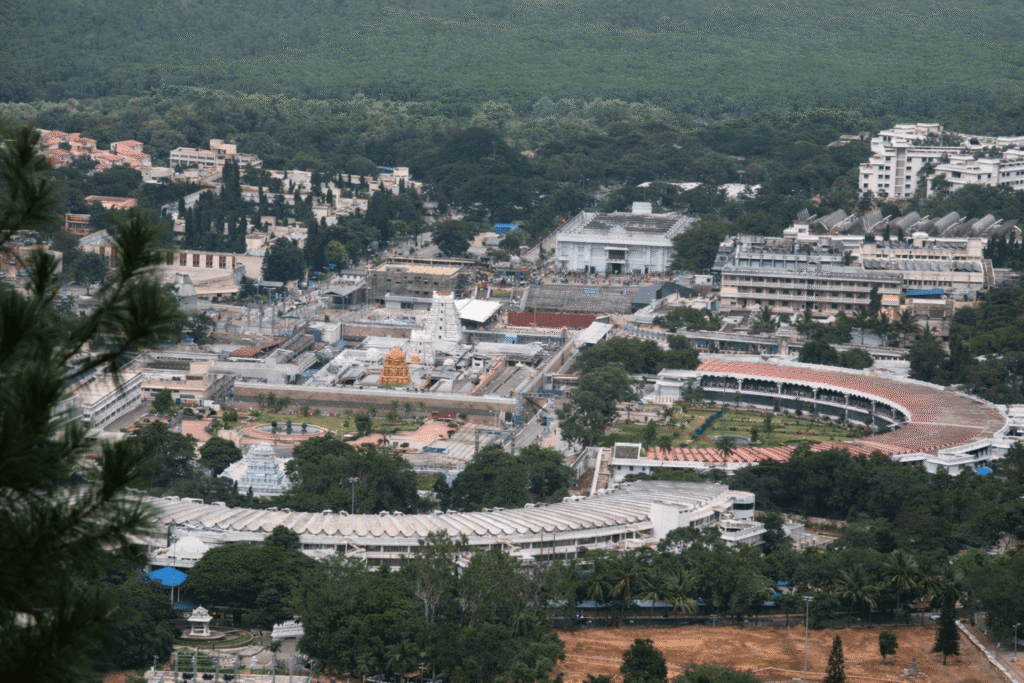
- Carry the original photo ID used during booking — photocopies are not accepted
- Leather items (belts, wallets, shoes, bags) are not permitted inside the temple premises
- Mobile phones and cameras are prohibited inside the main sanctum
- Arrive with a time buffer — queue processing can take longer than expected
- Stay hydrated — the hill climate and long queues demand it
- Check TTD website the day before for any last-minute announcements or schedule changes
- Book accommodation early — rooms near the temple fill up quickly, especially on weekends
Final Word
This Tirupati Balaji Temple Complete Guide is designed to help you prepare not just for a journey, but for a deeply meaningful spiritual experience. The Tirupati Balaji Temple is more than a pilgrimage — it is an experience that stays with you.
The scale of devotion, the efficiency of TTD’s operations, the simple dignity of the annadanam, the golden glow of the sanctum, and the murmur of mantras in the queue all combine to create memories that pilgrims carry home for a lifetime.
If you follow this Tirupati Balaji Temple Complete Guide, plan carefully, book early, and visit with patience and faith, your journey to Tirumala will be smooth, organized, and spiritually fulfilling.
Last updated: 2026 | Always verify timings and ticket availability on the official TTD portal before travel.
FAQ
VIP darshan at Tirupati usually refers to Special Entry Darshan (SED) or similar expedited entry options.
Typical cost: ₹300 per person for Special Entry Darshan.
Higher priority sevas (special rituals) may cost ₹500–₹10,000+ depending on the specific seva selected. Prices and availability can change, so always check the official TTD booking portal.
-Go to the official TTD e-darshan website.
–Register with your mobile number and valid ID (Aadhaar, Passport, Voter ID, etc.).
-Choose the type of darshan (Free/Special Entry/Seva).
-Select a date and time slot.
-Enter pilgrim details for your group (same IDs as registration).
-Complete online payment.
–Download the ticket or save the QR code on your phone.
-Carry the ticket and matching ID on the day of visit.
A ₹10,000 VIP darshan usually refers to a premium seva or special ritual package offered by TTD. These higher-priced options may include:
Faster or priority darshan lines
Participation in specific rituals (e.g., Abhishekam, Archana)
Special queue passes or sacred ceremony access
They are not free darshan; these are premium ticketed experiences, and availability is limited. Always book through the official TTD portal — not third-party sites.
Getting last-minute tickets can be challenging but possible:
1-Free (Sarva) Darshan: Always available — but expect long queues, especially on weekends and festivals.
2-Special Entry Darshan: Check the TTD portal daily around the release time (usually 30 days advance window). Occasionally, unbooked slots show up shortly before the date.
3-Waitlist / Cancellation Window: Keep checking the official booking site regularly for released seats due to cancellations.
4-Visit weekday mornings in off-season months for better chances.
Important: Avoid paying black-market or unauthorized agents — they are often scams and can lead to denied entry.