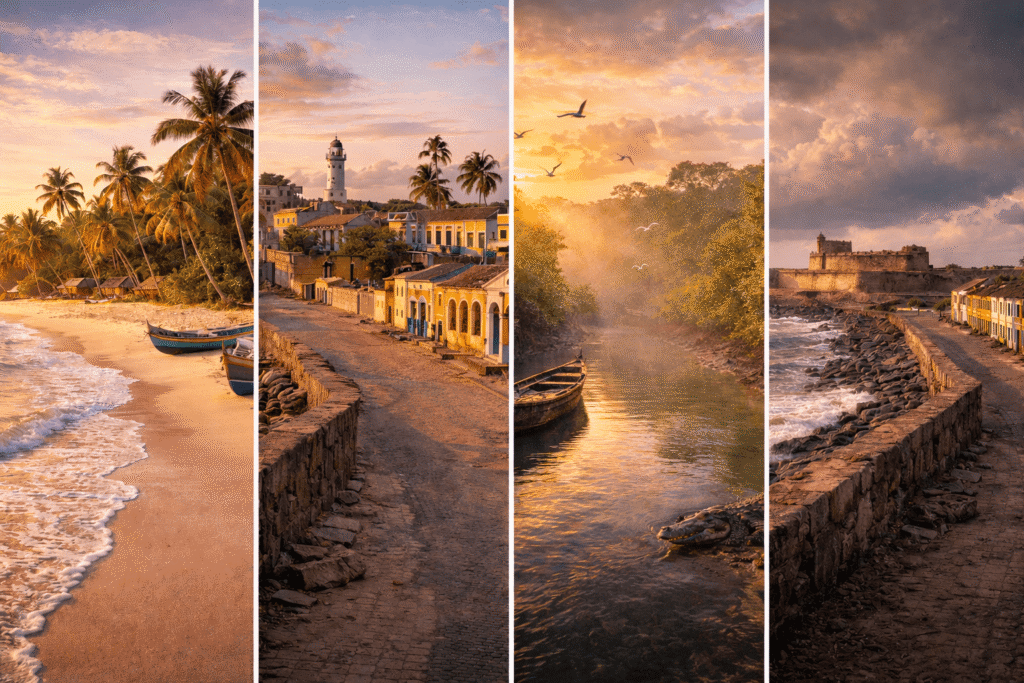
India’s coastline stretches for over 7,500 kilometers — and most of it remains gloriously undervisited. While Goa fills up every winter and Pondicherry sees steady tourist traffic year-round, a quieter India exists just beyond the tourist trail.
This guide explores some of the best coastal towns in India for travelers seeking peaceful beaches, authentic local culture, and a slower pace of life — covering both the western and eastern seaboards, because a coastline this long deserves more than one side of the story.
Each destination includes practical tips on where to stay, what to eat, and how to get there — along with an honest note on the drawbacks, because every place has them.
West Coast
1. Gokarna, Karnataka – Best for Quiet Beaches
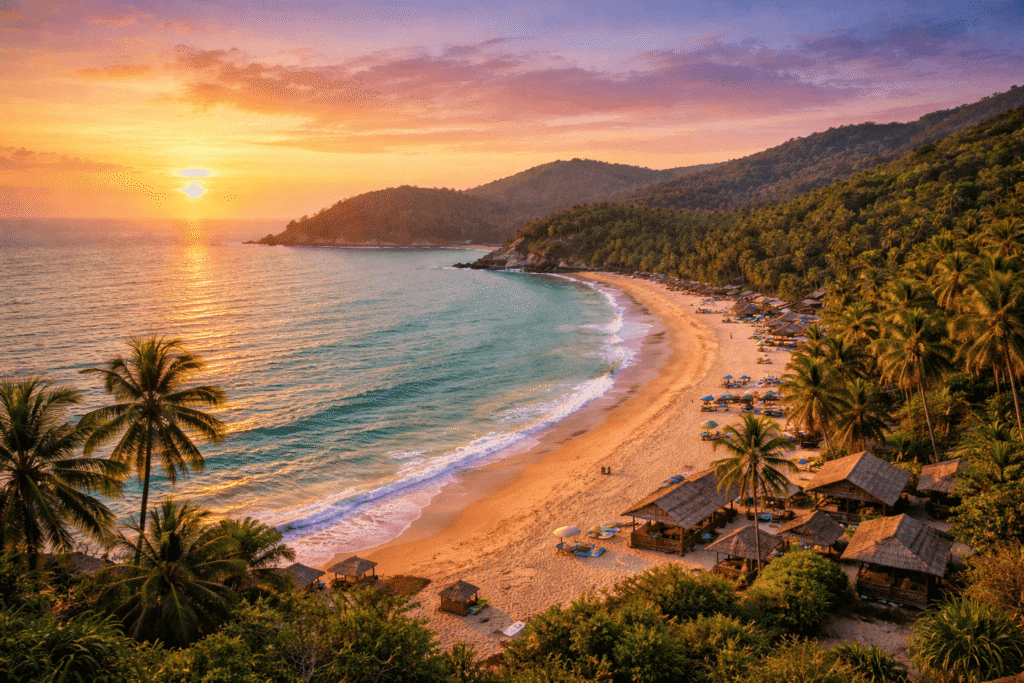
Gokarna sits on the Karnataka coast about 240 km north of Mangalore, occupying an interesting middle ground: it’s a functioning Hindu pilgrimage town that also happens to have some of the best beaches in peninsular India.
That duality keeps it grounded in a way that purely tourist-focused destinations are not.
The beaches are accessed by coastal trekking trails rather than roads, which naturally limits the crowds. Om Beach is the most popular and has a handful of decent shack restaurants.
Half Moon Beach and Paradise Beach are progressively quieter, best suited to travelers comfortable with basic camping-style stays. The real magic is the 45-minute walk between them at golden hour.
Honest caveat: Gokarna is no longer the secret it once was. December and January bring real crowds to Om Beach, and the trekking trails can feel less than peaceful on long weekends. Go in October–November or February for the best balance.
Where to stay: Namaste Cafe on Om Beach for backpacker-staple simplicity; Swaswara for a genuine wellness retreat set in a coconut grove.
Where to eat: Prema Restaurant in town for excellent thalis; Mantra Cafe on Om Beach for wood-fired pizzas alongside South Indian staples.
Getting there: Gokarna Road railway station (Konkan Railway), 9 km from town. Buses from Goa (4 hrs) and Mangalore (5 hrs).
2. Varkala, Kerala – Best for Clifftop Atmosphere
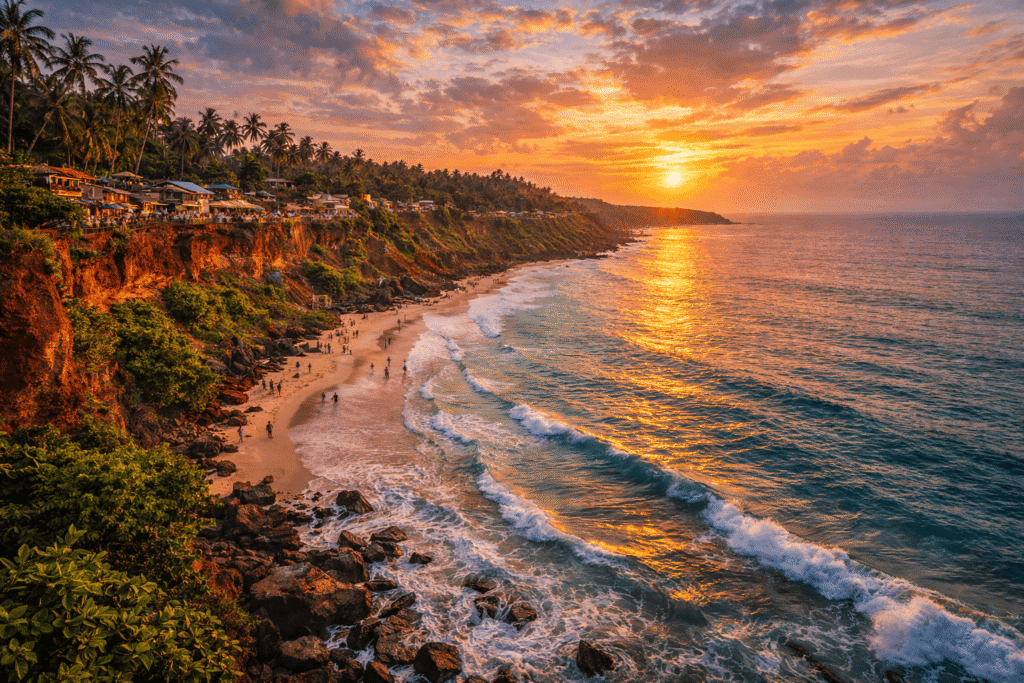
Varkala is built on a laterite cliff edge, giving it a setting unlike any other beach town in India.
The 15-metre clifftop drop to the Arabian Sea creates stunning natural drama. Small cafes and Ayurvedic centres along the path make for lovely evening strolls.
The beach is reached by staircases cut into the cliff. Local Hindu pilgrims visit the sacred Papanasam stretch here. This blend of spirituality and tourism feels lived-in rather than manufactured.
Honest caveat: The north cliff has become noticeably more commercialised over the past decade. Tattoo parlours and Bob Marley-themed cafes now crowd out some of the character.
The southern end of the beach and the fishing village below retain far more authenticity — that’s where your time is better spent.
Where to stay: Villa Jacaranda for reliable mid-range comfort with a good garden; Raheem Residency in nearby Alleppey for a memorable splurge.
Where to eat: Café Del Mar for sea views and a menu that spans Kerala fish curry and wood-fired pasta; the fishing village at the south end for the morning catch grilled simply with coconut chutney.
Getting there: Varkala railway station on the Thiruvananthapuram–Kollam line. Trains from Thiruvananthapuram take about 50 minutes.
3. Tarkarli, Maharashtra – Best for Underwater Clarity
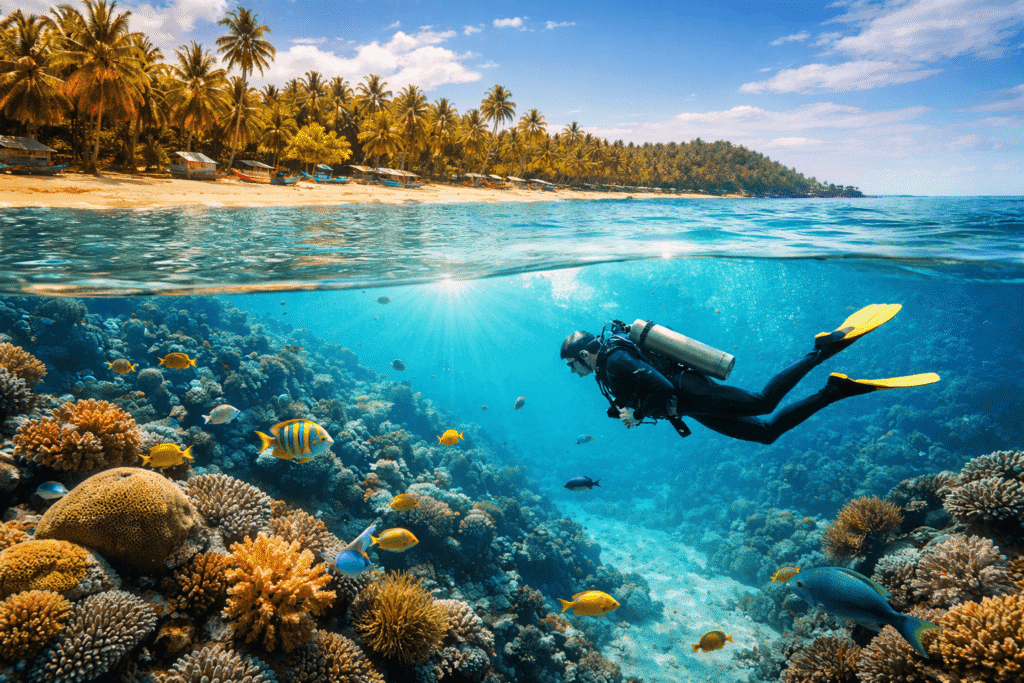
Most visitors to the Konkan coast stop at Alibag or rush through to Goa, which means Tarkarli — tucked into the southernmost corner of Maharashtra — stays genuinely quiet.
The Karli River meets the Arabian Sea here, creating a backwater system that makes the water unusually calm and clear by Indian coastal standards.
That clarity is why Tarkarli has become quietly known as one of India’s best spots for budget scuba diving and snorkelling. The coral formations aren’t on par with the Andamans, but for a mainland beach the visibility is remarkable.
The historic Sindhudurg Fort, built by Chhatrapati Shivaji Maharaj on an offshore island in the 1660s, is worth a half-day trip by local boat.
Malvani cuisine is also reason enough to make this journey. Look for kombdi vade (spiced chicken with fried bread), sol kadhi — the pink coconut-kokum drink that cools the stomach as effectively as anything — and fresh bombil fry eaten within hours of the catch coming in.
Honest caveat: Infrastructure here is genuinely basic. Roads are rough, ATMs can run dry, and bus connections from Kudal station are infrequent. This is not a destination for travelers who need reliable connectivity or polished facilities.
Where to stay: MTDC resort offers beach-facing rooms at fair prices; Malvan town homestays (5 km) include home-cooked Malvani meals.
Where to eat: Chaitanya Restaurant in Malvan town is consistently recommended by locals.
Getting there: Kudal station (Konkan Railway, 38 km), then shared jeeps or autos. The drive through cashew orchards and red laterite villages is part of the experience.
4. Mararikulam (Marari Beach), Kerala – Best for Complete Quiet
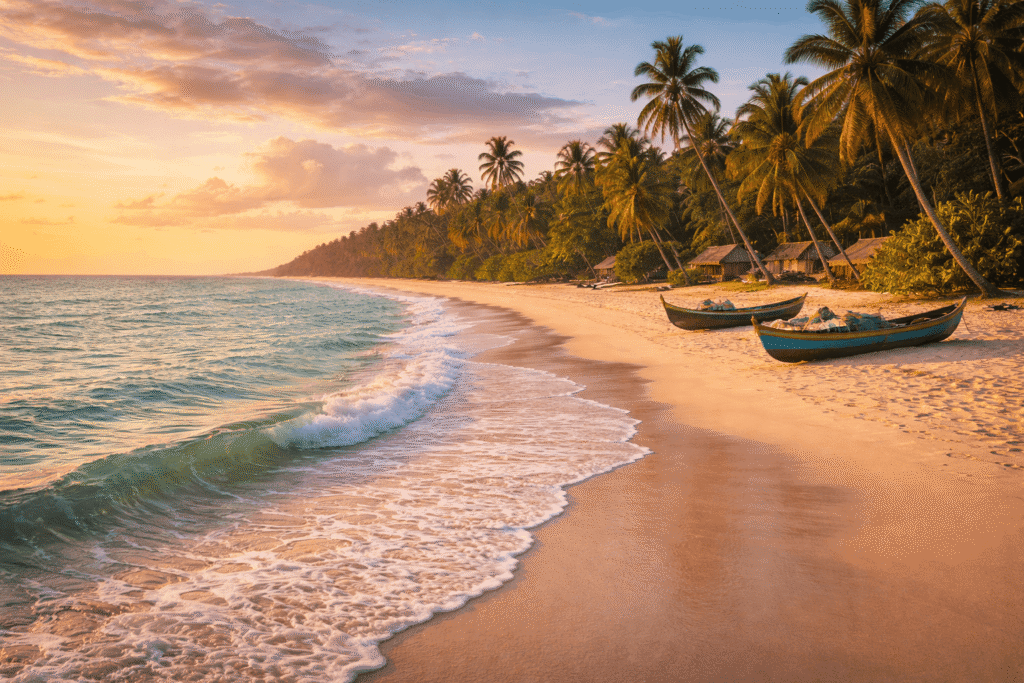
About 11 km north of Alleppey, Mararikulam is a fishing village with a wide, coconut-lined beach that remains largely free of beach shacks and tourist infrastructure.
That’s not an accident — the community has been deliberate about limiting commercial development, and it shows.
Mornings are defined by fishing boats launching at dawn, the smell of salt and coconut oil, and almost complete quiet once the catch has gone out. This is not a beach for people who want beach bars.
It is a beach for people who want to read, walk long stretches of sand without stepping around sunloungers, and eat extremely well.
Kerala’s finest dish — karimeen pollichathu, pearl spot fish wrapped in banana leaf and grilled — is available from village eateries here for considerably less than any resort charges.
Honest caveat: There’s little beyond the beach and backwaters. Alleppey (30 mins) offers more activity, but Mararikulam can feel limiting after a few days.
Where to stay: Marari Beach Resort (CGH Earth) — built within the village, thatched cottages among vegetable gardens, integrates with the local community rather than walling itself off from it. Homestays in the village for budget travelers.
Where to eat: The resort’s restaurant sources almost entirely from local fishermen and its own garden. Village eateries for karimeen pollichathu.
Getting there: Alleppey (Alappuzha) is the nearest hub, 85 km from Kochi. Mararikulam is a short auto ride or bicycle trip up the coast road.
5. Diu, Gujarat – Best for Colonial Character
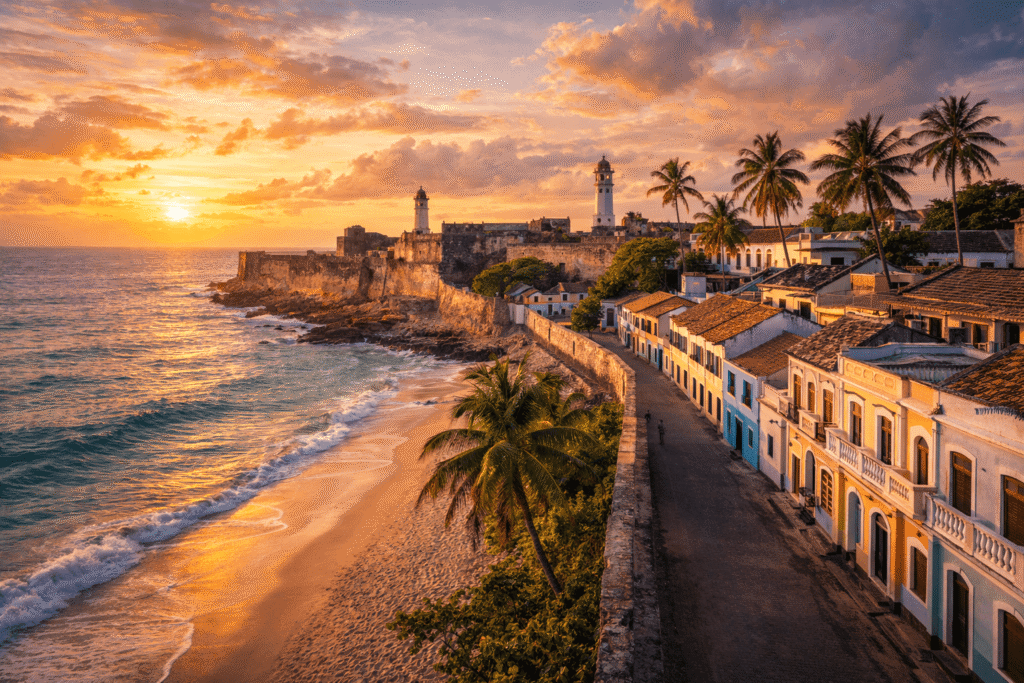
Diu is one of India’s genuine surprises. This small island, connected to Gujarat by two bridges, was Portuguese territory until 1961.
Colonial imprints remain vivid — baroque churches, old forts, and arched tiled buildings unlike anything on the Gujarat mainland.
Because Gujarat is a dry state, Diu’s Union Territory status means alcohol is legal here — which has historically attracted domestic tourists for the wrong reasons.
Visit outside peak season (avoid Diwali and New Year) and you’ll find a genuinely charming town with quiet beaches and some of the friendliest residents in western India.
Nagoa Beach is the widest and most accessible. Ghoghla Beach on the northern side is virtually empty on weekdays.
Honest caveat: The alcohol-tourism dynamic is real and cannot be glossed over. Long weekends bring loud, day-drinking crowds from Gujarat that transform the beach atmosphere entirely.
Timing your visit isn’t a preference here — it’s a requirement. A midweek stay in November or February is a completely different experience from a Saturday in October.
Where to stay: Radhika Beach Resort near Nagoa for comfort and reliability; guesthouses in the old Portuguese quarter for character and better access to the walking streets.
Where to eat: Restaurants along Nagoa Beach for grilled lobster, prawn masala, and fresh squid; Hotel Apana in Diu town for a local institution that’s consistently excellent.
Getting there: Small airport with Mumbai connections; or by road from Veraval railhead (90 km) in Gujarat, with onward connections to Ahmedabad.
East Coast
India’s eastern coastline — the Coromandel and Andhra shores, the long arc of Odisha — receives a fraction of the traveler attention lavished on the west.
That imbalance is partly logistical and partly habit. It shouldn’t put you off. Bay of Bengal beaches are often wider, less commercialised, and backed by a coastal culture that has had far less time to adapt itself for tourist consumption.
6. Gahirmatha & Bhitarkanika, Odisha – Best for Wildlife and Solitude
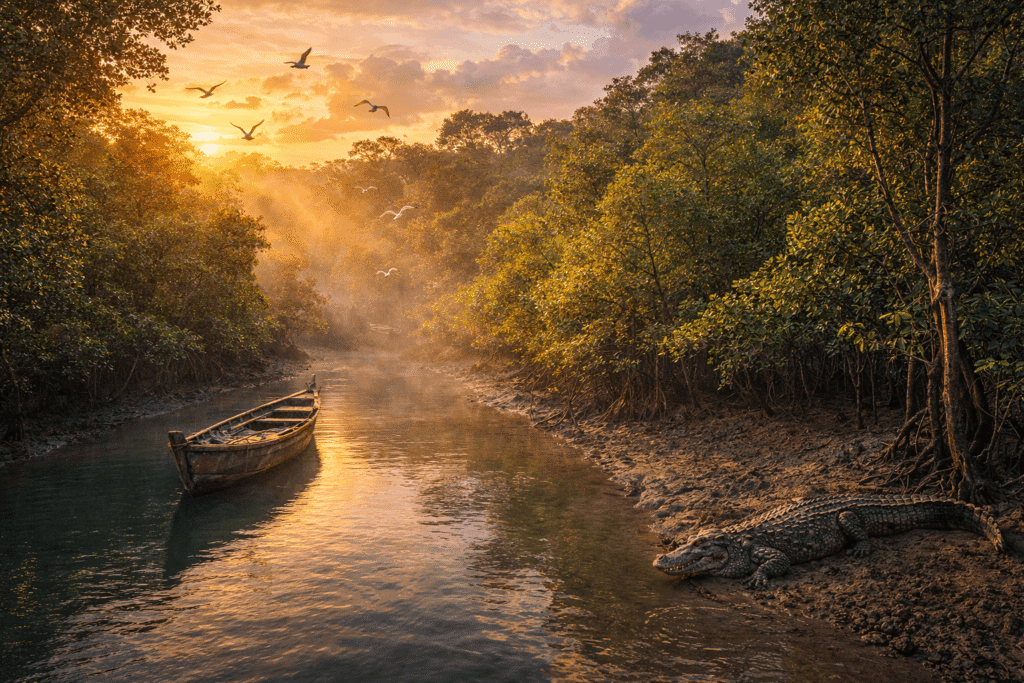
Most people who come to Odisha’s coast come for the Olive Ridley turtle nesting at Gahirmatha — the largest mass nesting site in the world, where hundreds of thousands of turtles arrive between December and March.
But the adjacent Bhitarkanika mangrove national park is the bigger draw for travelers willing to look past the spectacle. Boat trips through the mangrove channels turn up saltwater crocodiles, kingfishers, and an almost complete absence of other tourists.
The nearby fishing village of Pentha serves as a quiet base. There are no beach resorts here in any conventional sense — accommodation is homestay-level, meals are simple, and the experience is defined by what the coast actually is rather than what tourism has made it. That is the point.
Honest caveat: Getting here requires commitment. The nearest railway station is Bhadrak (roughly 90 km), and onward transport is by shared vehicle or hired jeep on roads that deteriorate after monsoon. This is rewarding precisely because it’s inconvenient.
Best time to visit: November to February for the turtles and manageable temperatures. Avoid the June–September monsoon, when roads flood and the park partly closes.
7. Tranquebar (Tharangambadi), Tamil Nadu – Best for History and Emptiness
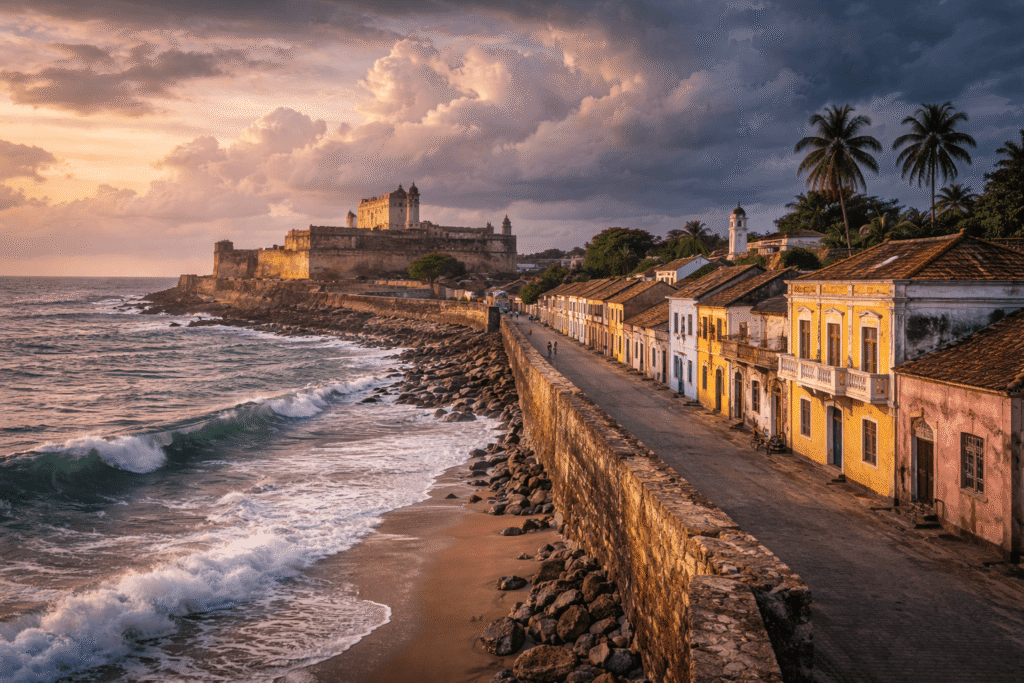
Tranquebar is the kind of place that stops you mid-sentence. A former Danish trading colony on the Tamil Nadu coast — Denmark’s first and most important Asian settlement, established in 1620 — it has a fort, a remarkably intact colonial street grid, a Danish church still in use, and a beach that sees almost no tourist traffic despite being only 3 hours from Chennai.
The Fort Dansborg sits directly on the seafront, and the Masilamani Nathar Temple next to the beach predates the Danish arrival by centuries.
The combination of Lutheran colonial heritage and ancient Tamil sacred geography in a single small town is genuinely unlike anything else in India.
Honest caveat: There is no tourist infrastructure to speak of — one heritage guesthouse (the Bungalow on the Beach, run by Neemrana Hotels) and a handful of basic local restaurants.
This is a one-night stay, not a beach week. Pair it with Nagapattinam (40 km south) or Velankanni for a longer itinerary.
Getting there: Nearest station is Sirkazhi (20 km). The town is also reachable by bus from Chidambaram (60 km) or Nagapattinam.
A Note on Alibag
Alibag frequently appears on lists of peaceful coastal escapes near Mumbai — but it deserves an honest mention here.
On weekdays and in the off-season, it can be pleasant, with a manageable beach, the impressive offshore Kolaba Fort, and some very good seafood.
However, on weekends and public holidays, the town is swamped with day-trippers from Mumbai, and the beaches become genuinely overcrowded. If you visit Alibag, go mid-week and treat it as a one-night stopover rather than a quiet retreat.
Best Time to Visit
The October to March window works well for all destinations on this list, but the specifics matter:
Gokarna and Tarkarli are at their best November through February. The post-monsoon months of October and early November can be beautiful — lush and less crowded — but check whether beach shacks have reopened after the rains, as some take time.
Varkala and Mararikulam benefit from Kerala’s two monsoon seasons. The southwest monsoon (June–August) brings dramatic seas and intense greenery, and several resorts stay open with reduced monsoon rates that represent genuine value. The northeast monsoon (October–November) brings shorter, sharper showers but generally remains manageable.
Diu is viable almost year-round, but April–June summers are genuinely hot. Restrict outdoor activity to mornings and evenings in those months, or avoid entirely. October through February is the window where everything works.
Odisha’s coast (Gahirmatha/Bhitarkanika) is best from November to February — the turtle nesting season, cooler temperatures, and the period when the park is fully accessible. Monsoon flooding makes the area difficult from June through September.
Tranquebar is accessible year-round but most pleasant from November to February. The Tamil Nadu coast does receive the northeast monsoon (October–December), which brings rain, but Tranquebar’s compact sightseeing means a wet afternoon doesn’t ruin a visit the way it would at a beach-focused destination.
Practical Travel Tips
A few things that make a real difference across all these destinations:
Book accommodation early for December and January. These months fill up faster than most travelers expect, especially in Kerala. The better homestays and small guesthouses often go weeks in advance.
Carry cash. ATMs exist in all these towns but can run dry during festival periods, long weekends, or simply because resupply logistics are slow. Tarkarli and Bhitarkanika especially — don’t arrive on a Friday evening with only a card.
Rent a bicycle or scooter. Every destination on this list becomes significantly more rewarding with independent transport. Most towns have rental shops for ₹100–400 per day. A scooter in Diu or a bicycle in Mararikulam transforms what you can reach.
Eat where the fishermen eat. The best seafood at every one of these places is found not at tourist-facing restaurants but at small joints near the fishing harbour that open early and close when the fish runs out. Ask your guesthouse owner where they eat, not where they send guests.
Respect the fishing communities. These are working villages, not theme parks. Early mornings on the beach are active work hours for families depending on the sea for their livelihoods. Watch, ask permission before photographing, and spend money locally rather than only at resort restaurants.
On the east coast, adjust your expectations for infrastructure. The western destinations on this list have been receiving travelers for 20–30 years and have adapted accordingly. Tranquebar and Bhitarkanika have not. The trade-off is more authentic experience for less convenience — know which you’re choosing before you go.
FAQ
Some of the best coastal towns in India include Gokarna (Karnataka), Varkala (Kerala), Pondicherry, and Tarkarli (Maharashtra), known for their scenic beaches, relaxed vibe, and fewer crowds.
Lakshadweep islands, especially Agatti and Bangaram, are closest to the Maldives with crystal-clear lagoons, white sand, and vibrant coral reefs.
Places like Gokarna, Tirthan Valley (Himachal), Majuli Island (Assam), and Varkala are among the most peaceful destinations, offering nature, solitude, and slow travel experiences.
Top alternatives to Goa include Gokarna for a quieter beach vibe, Varkala for cliffside views, and Tarkarli for clear waters and water activities without heavy crowds.
Conclusion
India’s quieter coastline rewards the traveler willing to look slightly beyond the obvious — and willing to look at both sides of the subcontinent.
The destinations above represent some of the best coastal towns in India for those seeking peaceful beaches, authentic local culture, and a slower travel experience.
They are not completely unknown, but they remain far less crowded than mainstream beach destinations. And each one, west coast or east, offers something the popular alternatives simply can’t: the feeling that you found it yourself.