
Planning a trip to Himachal Pradesh but not sure when to go? The good news is that there’s no single “best” season — it really depends on what you want to experience.
Himachal Pradesh is one of those places people end up visiting more than once. Each season offers a different experience, whether you’re looking for snow-covered mountains, green valleys, adventure sports, or peaceful hill towns.
Depending on the season, you can experience snow in winter, blooming valleys in spring, lush landscapes during the monsoon, or crystal-clear mountain views in autumn. Knowing which of these matches your travel style makes the difference between a trip that’s just fine and one you actually plan around.
This guide breaks it down season by season, region by region, so you can plan around what you actually want to see. The recommendations are based on seasonal weather patterns, road accessibility, tourism trends, and local travel conditions across different regions of Himachal Pradesh.
This guide breaks it all down — season by season, region by region — so you can plan smart and travel well.
Best Time to Visit Himachal Pradesh at a Glance
For most travellers, March to June and October to November are the best times to visit Himachal Pradesh. Summer is ideal for sightseeing, trekking, and adventure activities, while autumn offers clear mountain views and pleasant weather with fewer crowds.
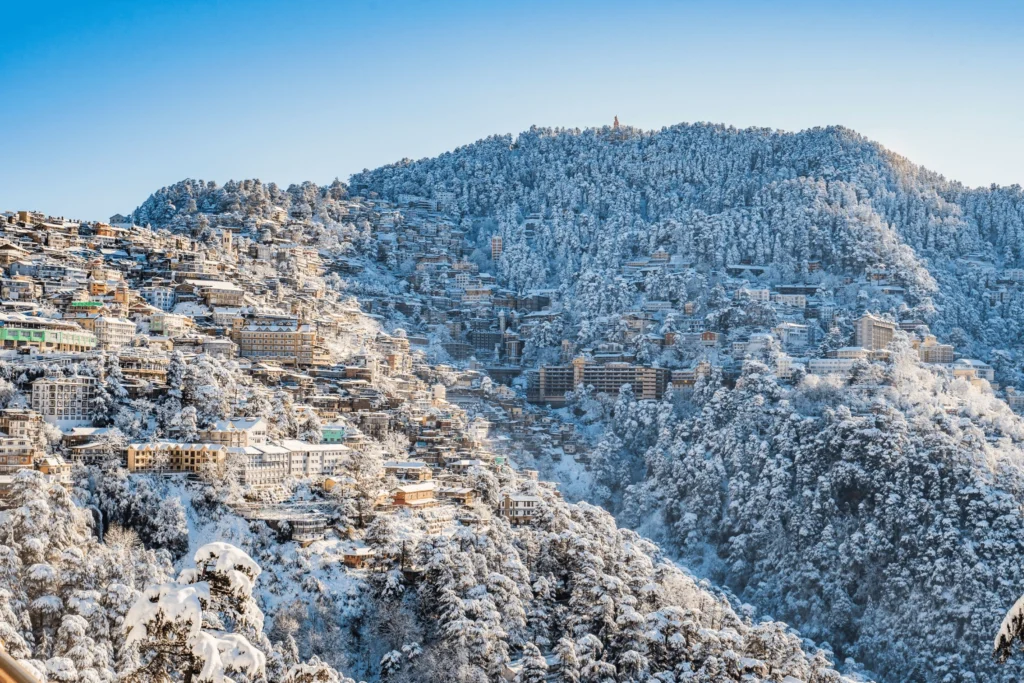
If you’re hoping to see snowfall, plan your trip between December and February. Travelling during the monsoon (July to September) can also be rewarding if you prefer quieter destinations and lower hotel prices.
Editor’s note: Weather and road conditions in Himachal Pradesh can change quickly, especially during the monsoon and winter months. Always check the latest forecasts and local travel advisories before your trip.
Summer (March to June): The Sweet Spot for Most Travelers
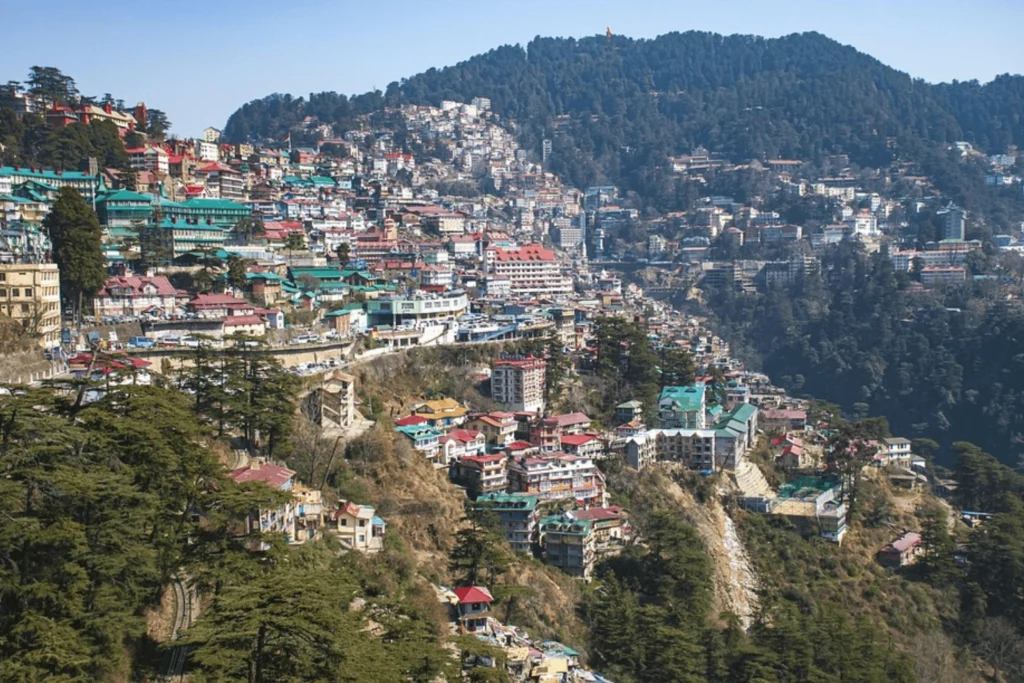
Summer is the busiest travel season in Himachal Pradesh because the weather stays pleasant across most hill stations while the rest of India swelters. It’s the best window for sightseeing, trekking, and general outdoor activity.
Temperatures in Shimla hover around 15–25°C, while Manali stays a bit cooler at 10–20°C — a real relief if you’re arriving from Delhi or Mumbai.
Shimla is at its best in summer. The Mall Road fills up with strolling tourists, the colonial architecture stands out beautifully against the surrounding greenery, and the forested ridges around Jakhu Hill are lush and green.
If you’d rather skip the peak crowd, aim for March–April instead of May–June, when the tourist numbers climb sharply.
Manali works well for adventure travel in this window. Solang Valley becomes a hub for paragliding and zorbing, and the Beas River draws in white-water rafting groups.
For trekkers, the Hampta Pass trek (4,270 m) — connecting the Kullu Valley to the stark landscapes of Lahaul — is one of the more dramatic routes doable in early June.
Bir Billing is also worth building into a summer trip; it’s widely regarded as one of the world’s top paragliding destinations, and the flying season runs from March through June, before monsoon winds make conditions unpredictable.
If you’re planning to visit during May or June, it’s worth booking hotels a month in advance. Popular places like Manali and Shimla fill up quickly during school holidays, and prices can climb noticeably compared to the off-season.
Monsoon (July to September): Hidden Gem Season
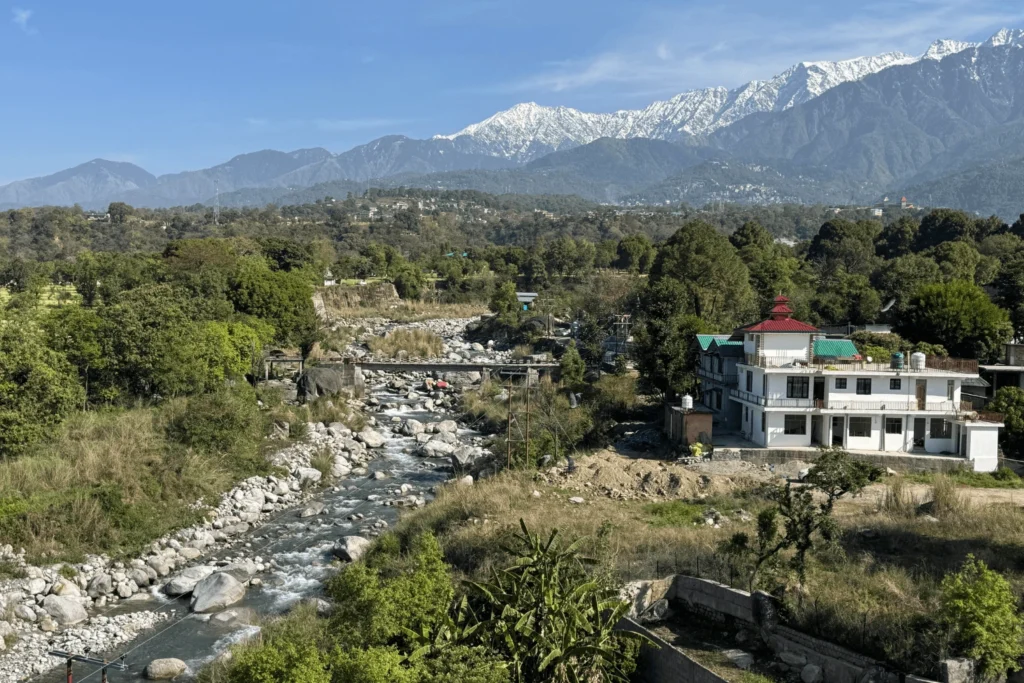
Monsoon isn’t everyone’s first choice, but it can be rewarding if you don’t mind occasional rain and flexible travel plans.
July and August do bring heavy rainfall, and landslides can disrupt roads — particularly on the Manali–Leh Highway and routes into Spiti. That concern is valid.
One thing many travellers overlook is that Dharamshala and McLeod Ganj look especially fresh after the rains — the mountains look sharper, the forests deepen in colour, and the air has that clean, just-rained-on quality.
The Tibetan colony at McLeod Ganj is peaceful this time of year, the cafés are cozy, and you’ll share the town with noticeably fewer tourists than usual. Kasol and the Parvati Valley have a moody, subdued charm during the rains too, though it’s worth checking road conditions before you set out.
September is often the most reliable month during the monsoon — the worst of the rain tapers off, the valleys are still vividly green, and Chandratal Lake in Spiti becomes accessible again. Temperatures in the Kullu Valley sit comfortably around 20–25°C by this point.
Skip Spiti Valley or the Rohtang Pass during heavy July–August rain unless you’re experienced with mountain driving and prepared for delays. On the upside, hotel rates in popular spots drop by 30–50% compared to peak summer, and quite a few boutique stays in Dharamshala offer good value in this window.
Autumn (October to November): The Best-Kept Secret
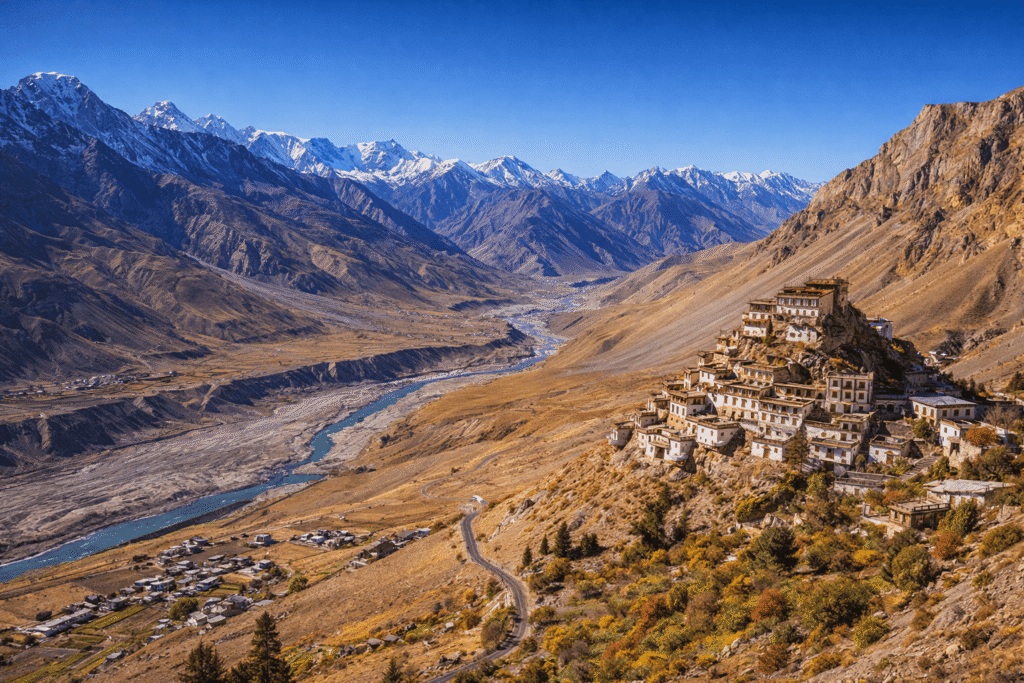
October and November are often considered the most comfortable months for exploring Himachal. The skies are usually clear, the weather is pleasant, and tourist crowds begin to thin out.
Temperatures run crisp but manageable — around 10–20°C in Shimla and 5–15°C in Manali — good conditions for long walks and road trips.
Kinnaur is particularly good in October. The apple orchards are heavy with fruit, the Sutlej River runs clear, and the hanging villages of Kalpa and Reckong Peo offer some of the best mountain views in the state, with the Kinnaur Kailash range rising to 6,050 m in the background.
Spiti Valley is also at its best in October, just before the first major snowfall. The 1,000-year-old Tabo Monastery and the cliff-perched Key Monastery are far easier to visit and much quieter than during the summer rush. Night temperatures in Spiti can still drop to -5°C or lower even in October, so pack accordingly.
By early October, the valleys are still green from the monsoon, while clearer skies and improving road conditions make travel much easier — a good window if you’re trying to time a trip between the monsoon and the busier autumn weekends.
If you’re planning around a festival, October is also when the Kullu Dussehra takes place — one of the biggest in northern India, with over 200 local deities carried down from surrounding hills to Kullu town in a large procession. It’s a different kind of cultural experience from anything else in the region.
Winter (December to February): For Snow Lovers and Honeymooners
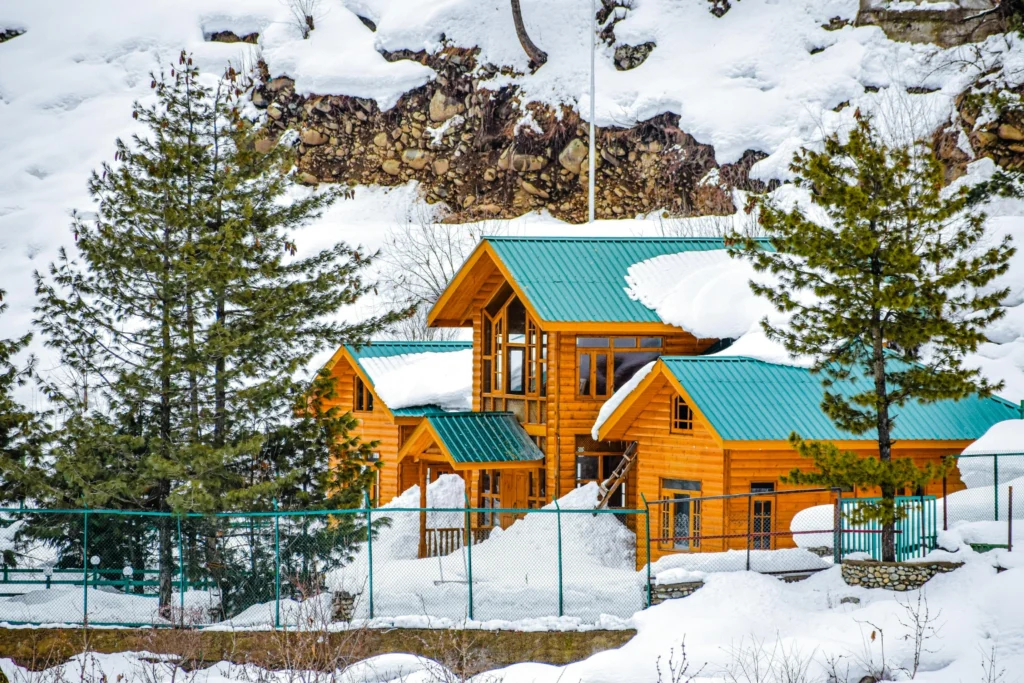
Winter transforms many parts of Himachal into snow-covered destinations, making it a favourite season for snowfall lovers and honeymooners — though it does ask a bit more of you in terms of planning.
Shimla gets moderate snowfall, typically in January and February, which turns the town into a quieter, more romantic version of itself. Temperatures range from 0–10°C, and while some higher routes become difficult, the town itself stays accessible.
Manali winters are a different proposition. Temperatures regularly drop to -10°C or lower at night. The Rohtang Pass closes to civilian traffic, and Spiti and Lahaul become largely cut off for the season.
Solang Valley, though, turns into a ski and snow-activity hub — skiing, snowboarding, and snow tubing draw both beginners and more experienced winter sports visitors. The Manali Ski Festival, usually held in January, attracts competitors and visitors from across India.
Kufri, just 16 km from Shimla, is a good pick for snow activities, including horse riding through snow-covered trails — a nice option even if you’re not particularly the adventure type.
Manali and Shimla both rank consistently among India’s top winter honeymoon destinations. Fireplace-equipped resorts, snowy landscapes, and a bit of seclusion make winter a genuinely appealing time to visit, provided you’re prepared for the cold.
For packing: thermal base layers, a proper waterproof jacket, snow boots, gloves, and a warm beanie. Underestimating how cold Himachal winters actually get is a common first-timer mistake.
Quick Reference: Best Time by Activity
| Activity | Best Months | Key Location |
|---|---|---|
| Trekking | May–June, Sep–Oct | Hampta Pass, Pin Parvati |
| Snowfall & skiing | Dec–Feb | Manali, Kufri, Solang Valley |
| Paragliding | Mar–Jun | Bir Billing |
| Photography | Oct–Nov | Kinnaur, Spiti |
| River rafting | May–July | Kullu, Beas River |
| Cultural festivals | Oct (Dussehra) | Kullu |
| Budget travel | Jul–Sep | Dharamshala, McLeod Ganj |
FAQ
Khajjiar, near Dalhousie, is known as the “Mini Switzerland of India” due to its lush green meadows, dense forests, and scenic landscapes resembling Swiss countryside.
December to February is the best time to experience snowfall in Himachal Pradesh, especially in places like Manali, Shimla, and Kufri.
The off-season is during the monsoon months (July to September) when heavy rainfall, landslides, and fewer tourists make travel less convenient.
Avoid visiting Manali during peak monsoon (July–August) due to landslides and roadblocks, and during long weekends in peak season if you want to skip heavy crowds.
Final Thoughts
In the end, the best time to visit Himachal Pradesh depends on what you’re looking for. Summer is ideal for sightseeing and adventure, autumn offers clear mountain views, winter is perfect for snowfall, and the monsoon suits travellers who prefer quieter destinations.
Plan according to your interests, and you’re likely to have a memorable trip regardless of the season.