
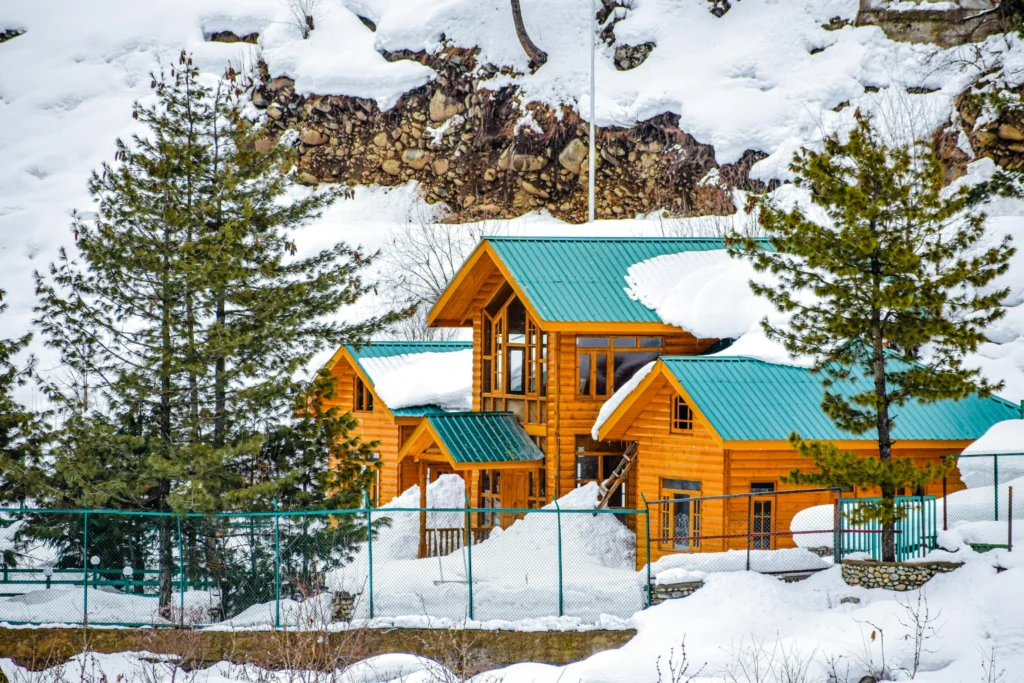
Planning a trip to Manali? A few common mistakes can easily turn an exciting holiday into hours of traffic, unexpected expenses, or disappointment if things don’t go as planned.
Many first-time travelers visit Manali expecting peaceful views and perfect weather without understanding how unpredictable mountain travel can be.
In this guide, you’ll discover the most common Manali travel mistakes and practical tips to avoid them for a smoother and more enjoyable trip in 2026.
Planning a Manali trip in 2026? Avoid these common tourist mistakes related to snowfall, hotels, traffic, weather, transport, and budgeting before you travel.
Mistake 1: Visiting During Peak Weekends Without Planning
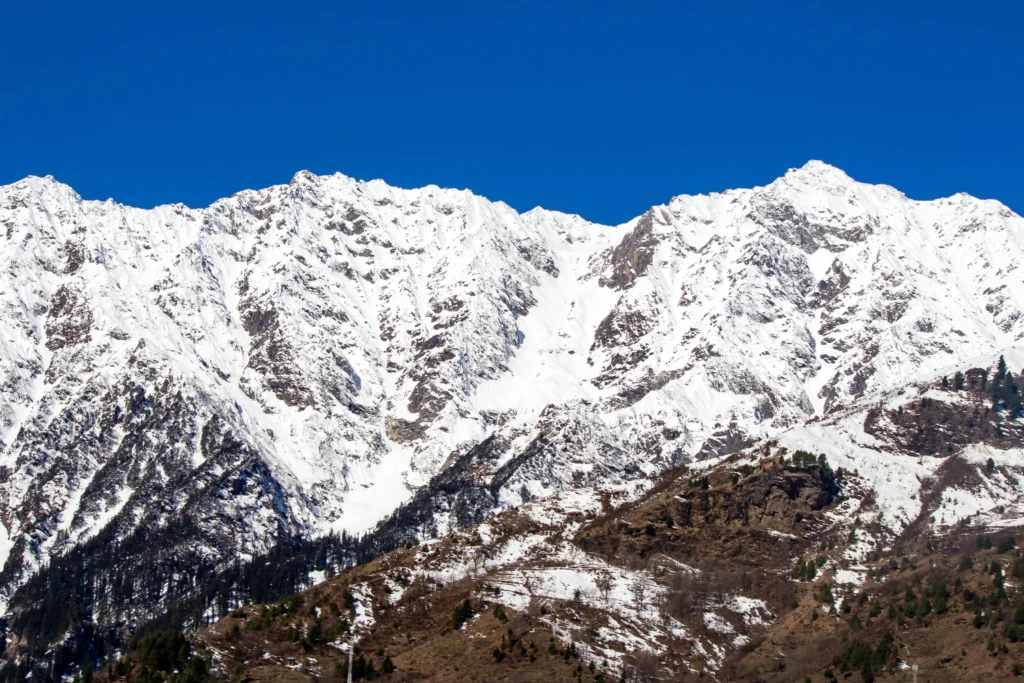
Manali sits on a narrow mountain highway. When thousands of tourists converge on the same weekend, the entire town seizes up.
Roads become parking lots. Hotels double or triple their prices overnight. Every viewpoint fills with crowds before 9 AM.
The drive from Kullu to Manali — normally 40 minutes — stretches to three hours or more during busy long weekends. Traffic moves slowly no matter how tightly you’ve planned your schedule.
Peak periods to watch:
- Long weekends connected to national holidays
- Christmas and New Year (late December) — arguably the most chaotic period
- Summer school holidays (May–June) — families flood in from Delhi and Punjab
If you’re staying near Mall Road during May or June, don’t be surprised if finding a parking space takes longer than the drive from Kullu.
What to do instead: Travel mid-week if possible. Book accommodation at least 2–3 weeks in advance during any peak season. Even arriving one day before or after a long weekend makes a significant difference in both price and experience.
Mistake 2: Staying in the Wrong Area
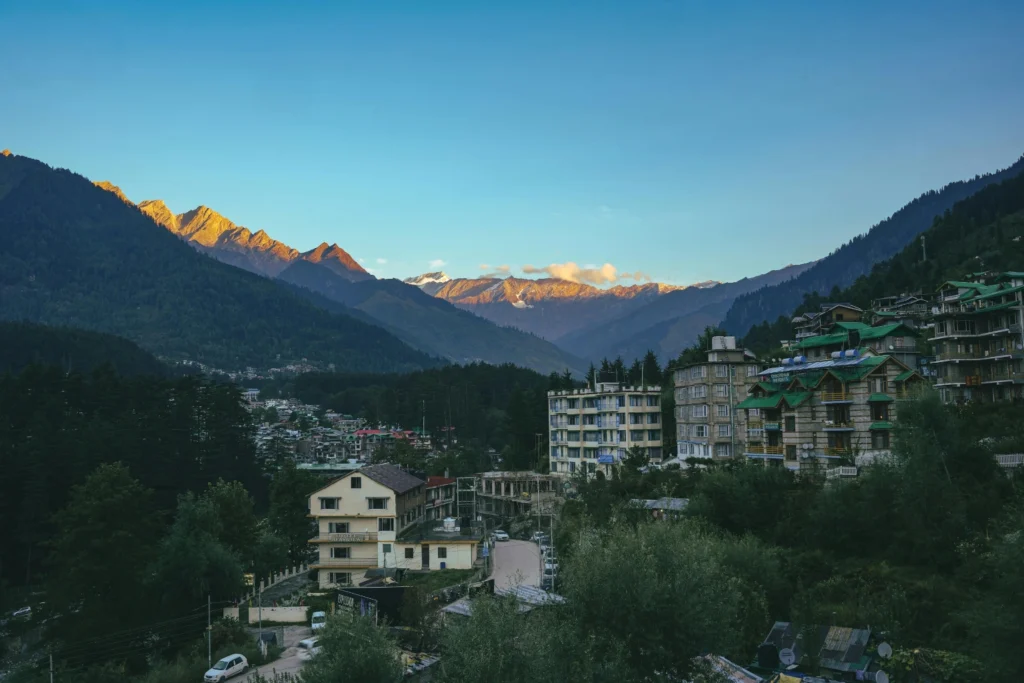
Most tourists book the first cheap hotel that appears in search results without realising that where you stay completely shapes your experience.
New Manali is the commercial centre — Mall Road, busy markets, constant vehicle noise, back-to-back shops. It suits families who want convenience and easy access to transport.
Old Manali sits across the Manalsu river — quieter lanes, backpacker cafés, riverside guesthouses, and a noticeably slower pace. Many cafés here start getting busy after breakfast, so visiting before 9 AM usually gives you a much quieter experience.
Cross the bridge between the two areas and the atmosphere changes almost immediately — from market noise to birdsong and river sound within a few hundred metres.
| Your Travel Style | Best Area |
|---|---|
| Family, luggage, tight schedule | New Manali |
| Solo traveler or couple | Old Manali |
| Budget backpacker | Old Manali |
| Convenience-first | New Manali |
Mistake 3: Expecting Snowfall Every Winter Month
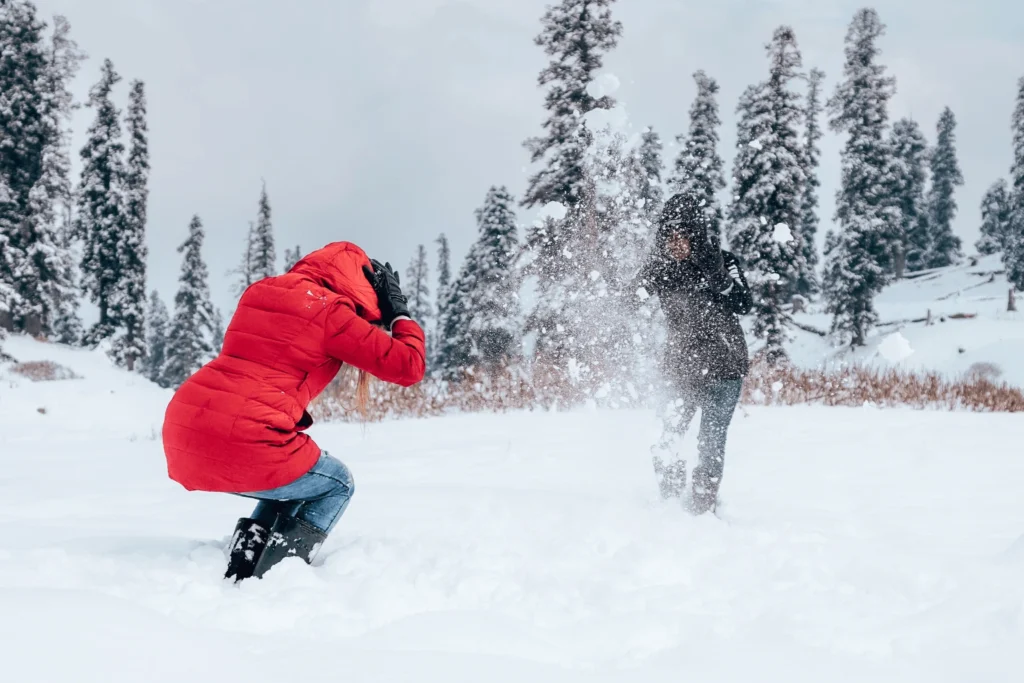
“Going to Manali in December for snow” is one of the most common plans — and one of the most commonly disappointing ones.
Snowfall timing in Manali is unpredictable and shifts every year. December does not guarantee heavy snow in the town itself, and many visitors arrive to find cold, grey skies with bare ground.
Manali Snowfall — Rough Seasonal Guide
| Month | Town Snowfall | Solang Valley | Rohtang Pass |
|---|---|---|---|
| November | Rare | Possible | Likely closed |
| December | Unlikely | Occasional | Closed |
| January | Possible | Frequent | Closed |
| February | Most reliable | Heavy | Closed |
| March | Melting | Still present | May reopen |
Solang Valley consistently sees heavier accumulation than the town itself. If snowfall is the primary reason for your trip, target late January or February, and check recent reports from locals or travel forums before booking.
Mistake 4: Packing the Wrong Clothes
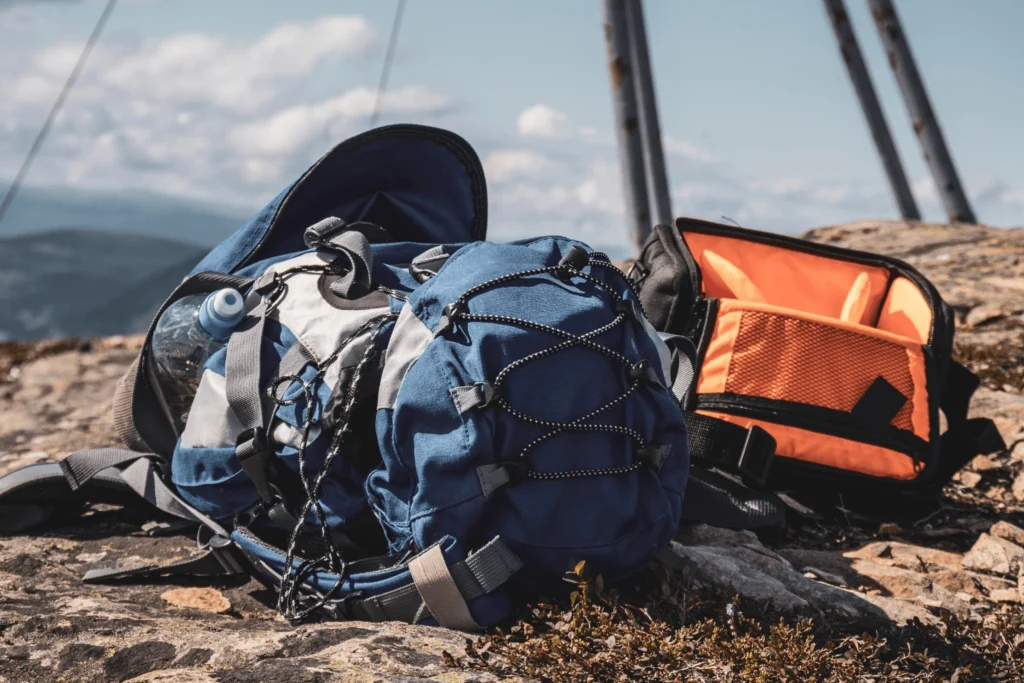
Mountain weather does not care about aesthetics. Tourists who pack stylish light jackets and fashion sneakers often spend their entire trip uncomfortable or stuck indoors.
Most common packing mistakes:
- Underestimating how cold evenings get, even in spring
- Bringing only fashion-focused outerwear with no real insulation
- Wearing canvas shoes or flat sneakers on snow or wet paths
Layering works better than one heavy coat. A thermal base layer, a fleece mid-layer, and a windproof outer shell handle far more temperature variation.
Essential checklist:
- Waterproof shoes or trekking boots
- Thermal innerwear — mornings and evenings drop sharply even in May
- Gloves and a warm cap — often forgotten, always regretted
- Rain layer or poncho — essential during monsoon months (July–August)
Manali Average Temperatures by Month
| Month | Avg High | Avg Low | Notes |
|---|---|---|---|
| January | 7°C | -4°C | Heavy woolens essential |
| March | 14°C | 2°C | Layers still needed |
| May | 22°C | 10°C | Warm days, cold nights |
| July | 21°C | 13°C | Rain gear critical |
| October | 17°C | 4°C | Jackets from evening |
| December | 8°C | -2°C | Full winter gear |
Mistake 5: Ignoring Altitude and Rushing to High Passes
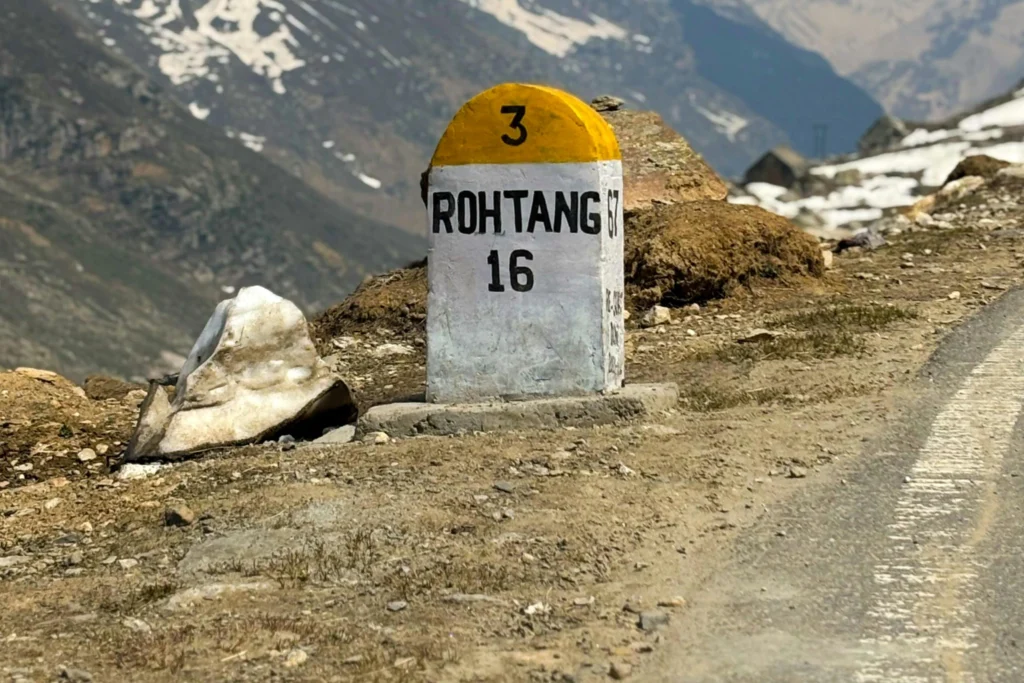
Manali sits at approximately 2,050 metres above sea level. Arriving and immediately rushing to Rohtang Pass at 3,978 metres without acclimatising is a reliable way to ruin your first day.
Common altitude symptoms:
- Fatigue and low energy
- Mild to moderate headaches
- Dehydration — altitude accelerates fluid loss significantly
- Nausea at higher elevations
Weather can also change very quickly here. What looks like a clear 9 AM morning can become cold rain and dense fog by noon with no warning at all. Always carry a warm layer even when the morning sky is perfectly blue.
On your first day in Manali: do nothing strenuous. Rest, hydrate well, eat light, and let your body settle before heading to any high-altitude destination.
Mistake 6: Overpaying for Taxis and Activities
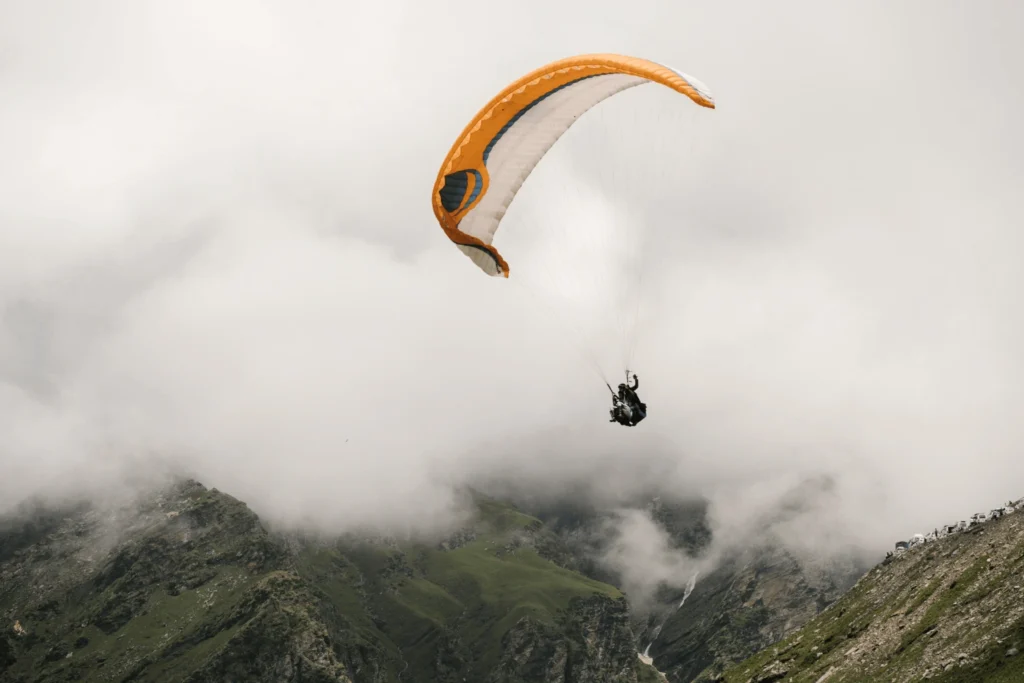
The first quoted price for almost any taxi, activity, or rental in Manali is rarely the fair price. First-time visitors who don’t know local rates regularly overpay by 50–100%.
Where overcharging happens most:
- Rohtang Pass packages — private packages are heavily inflated compared to shared rates
- ATV rides and snow activities at Solang Valley
- Snow suit rentals near Rohtang — rates vary wildly between stalls
- Point-to-point taxi rides — always confirm the rate before getting in
Approximate Fair Rates (2026)
| Route / Activity | Shared Rate | Private Rate |
|---|---|---|
| Manali to Solang Valley | ₹100–150 pp | ₹800–1,200 |
| Rohtang Pass (full day) | ₹400–600 pp | ₹2,500–4,000 |
| Snow suit rental | — | ₹150–250 |
| ATV ride (short) | — | ₹400–700 |
A quick chat with your hotel reception about current rates, before you even step outside, usually saves more than any amount of haggling later. And the moment you walk away from a bad offer, prices often drop by 20–30% within seconds.
Mistake 7: Rushing Through Manali and Missing What Actually Matters
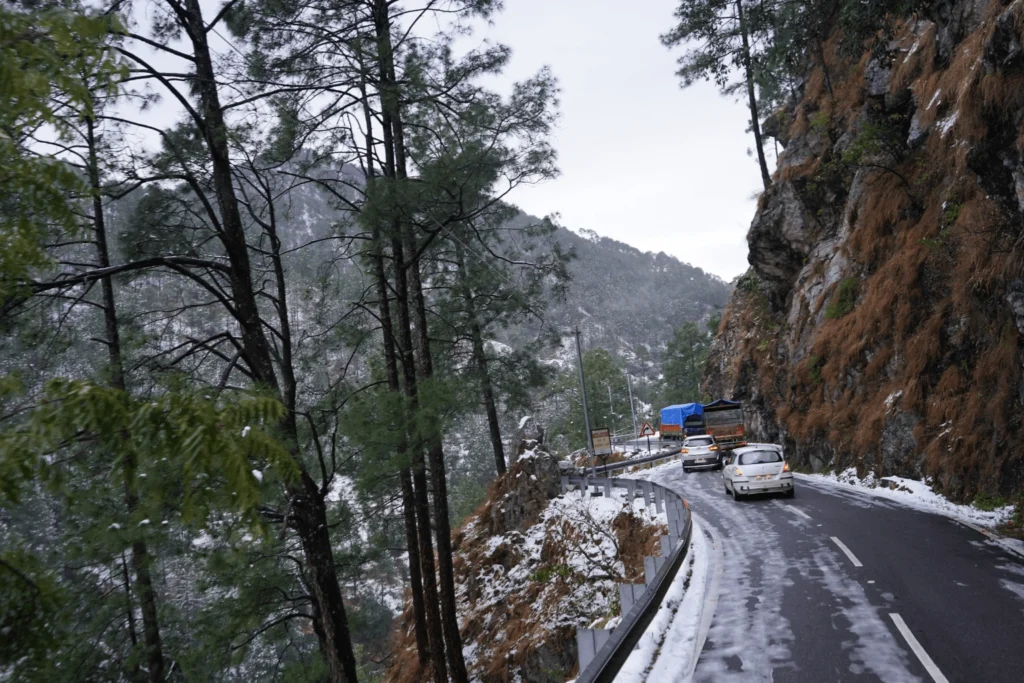
Many tourists arrive with a list of ten things to see in three days. The result is spending most of the trip sitting in a vehicle, ticking boxes, and feeling strangely hollow at the end of it — as if they visited Manali without ever really being there.
The best parts of Manali cannot be scheduled. A warm café with an unobstructed mountain view. A quiet walk along the Beas river at dusk. An unhurried chai conversation with someone who actually lives here. These things only happen when you stop watching the clock.
And the crowds make it worse. Tourists who spend every day on Mall Road and Rohtang Pass, then wonder why Manali felt overrated, have often never left the most congested 10% of the destination.
What to explore instead:
- Hidden cafés in Old Manali — the lanes off the main road have excellent small coffee shops with almost no tourist traffic
- Quiet riverside stretches along the Beas, especially early morning
- Village walks around Jagatsukh or Vashisht — local life continues almost entirely away from tourist circuits
- The Vashisht hot springs area on a quiet weekday morning
The Vashisht lanes at 7 AM feel like a completely different town — local vendors setting up, smoke rising from chimneys, almost no one else around.
Slow travel checklist:
- Build in at least one completely unplanned day
- Walk instead of always taking transport
- Sit in a riverside café with no agenda for at least one morning
- Let good moments extend naturally instead of cutting them short
Manali is not a checklist destination. The fewer places you try to cover, the more you actually feel the place.
Mistake 8: Ignoring Road Conditions — and Not Leaving Buffer Time
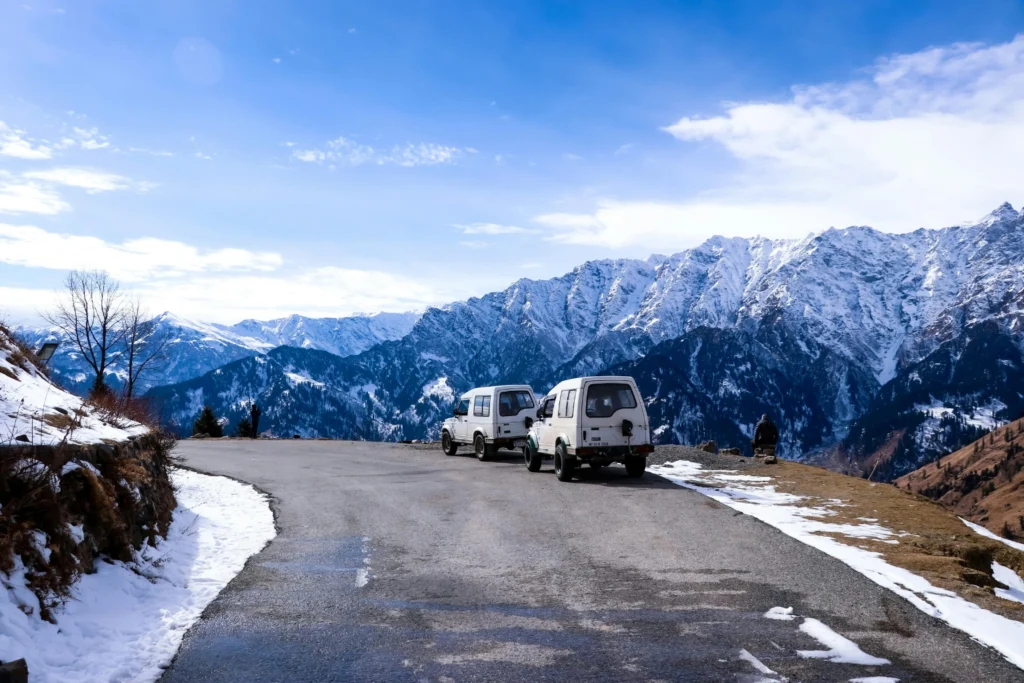
This is two mistakes with the same root cause: treating mountain travel like city travel, where schedules are predictable and roads behave.
They don’t. Roads toward Rohtang, Lahaul, and Spiti are regularly affected by landslides, snowfall, and sudden closures. During monsoon season (July–August), the Kullu–Manali highway can close for hours or days without warning.
In winter, Rohtang Pass requires special permits even when open, and the NGT limits the number of vehicles permitted per day.
One simple conversation with your hotel reception or a local taxi driver before leaving can save several hours of waiting if roads are closed unexpectedly — they usually know before it shows up on any app.
The buffer time problem is equally serious. Traffic on the Manali–Chandigarh highway can add 3–5 hours on bad days. Landslides can hold traffic for an entire afternoon. Winter fog reduces visibility and slows everything considerably.
The rule: Never book a connecting flight or train from Chandigarh or Delhi on the same day you depart Manali. Add at least one full buffer day at the end of your trip, no exceptions.
Mistake 9: Depending Completely on Mobile Internet
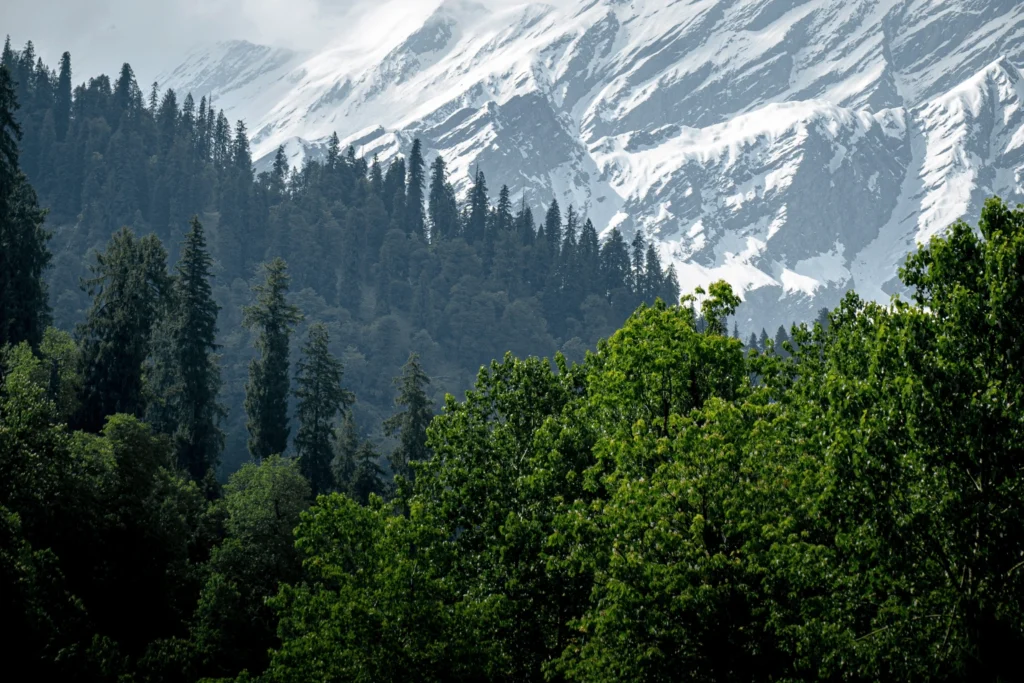
Mobile signal in Manali town is generally functional. The moment you move toward Rohtang Pass, the Spiti direction, or any remote village, it drops significantly or disappears entirely.
This matters more than most people expect, because it’s precisely when you’re in unfamiliar territory that you most need navigation, contacts, and information.
What to prepare for:
- Weak or zero network at Rohtang Pass and beyond
- Occasional power cuts during heavy rain or snowfall
- Live maps and booking apps becoming unreliable at critical moments
Before leaving your hotel each day:
- Download offline Google Maps for the Manali region
- Note your hotel address, taxi driver number, and emergency contacts somewhere that doesn’t require signal
- Screenshot your day’s itinerary and any bookings
A small physical notebook still has genuine utility in the mountains. It sounds old-fashioned until the moment you actually need it.
Mistake 10: Booking Hotels Based Only on Low Price
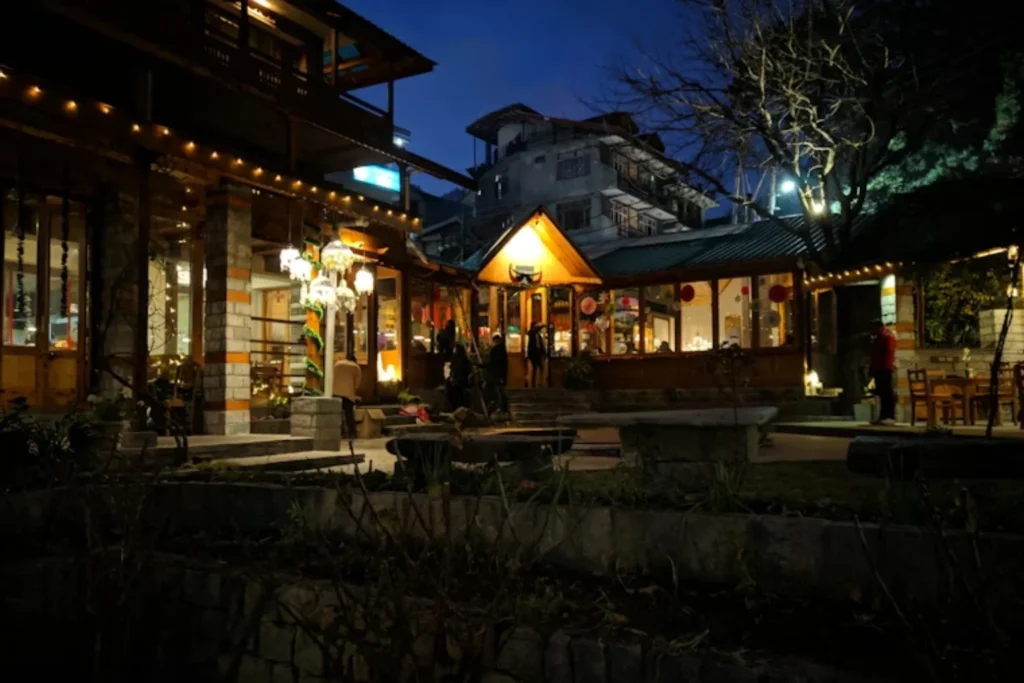
Budget pricing in Manali occasionally reflects genuine value. More often, it reflects poor heating, a remote location, questionable cleanliness, or a “mountain view” that is actually a view of the building next door.
Problems that show up after arrival:
- No heating or weak room heaters in a destination that gets genuinely cold
- Remote location with no nearby food, adding daily transport costs
- View traps — photos taken from the rooftop at a specific angle presented as the room view
How to book smarter: Read verified reviews specifically mentioning heating quality and location. Check the map pin carefully. A ₹1,000 saving on the room that costs ₹600 extra per day in transport is not a saving at all.
Mid-range properties with consistent recent reviews almost always outperform cheap gambles — especially in a destination where a cold, badly located room can quietly ruin the entire trip.
FAQ
Avoid traveling during peak traffic weekends, driving at night on mountain roads, littering tourist spots, and booking hotels without checking reviews.
Carry warm clothes, check weather updates, and respect local culture. Avoid risky adventures, throwing garbage, and ignoring road or snowfall warnings.
Major tourism problems include traffic jams, pollution, water shortages, overcrowding, and environmental damage in hill stations.
Manali is famous for shopping, cozy cafés, snow activities, riverside stays, spa experiences, and scenic Instagram-worthy locations.
Conclusion
Most of the disappointment first-time tourists feel in Manali comes down to one thing: arriving with city expectations in a mountain destination.
The town is not slow because it’s undeveloped. It’s slow because the landscape demands it. The roads close when they close. The snow falls when it falls. The best café views aren’t on Mall Road — they’re down a quiet lane you’d only find if you weren’t in a hurry.
Avoid peak weekend crowds. Choose your location wisely. Pack for the weather, not for photos. Let your body adjust before rushing to altitude. Slow down the itinerary. Ask about prices before agreeing. Check road conditions. Leave a buffer day at the end.
Planning a little better and keeping your itinerary flexible usually makes the biggest difference. Manali rewards travelers who slow down instead of trying to see everything in one trip.