
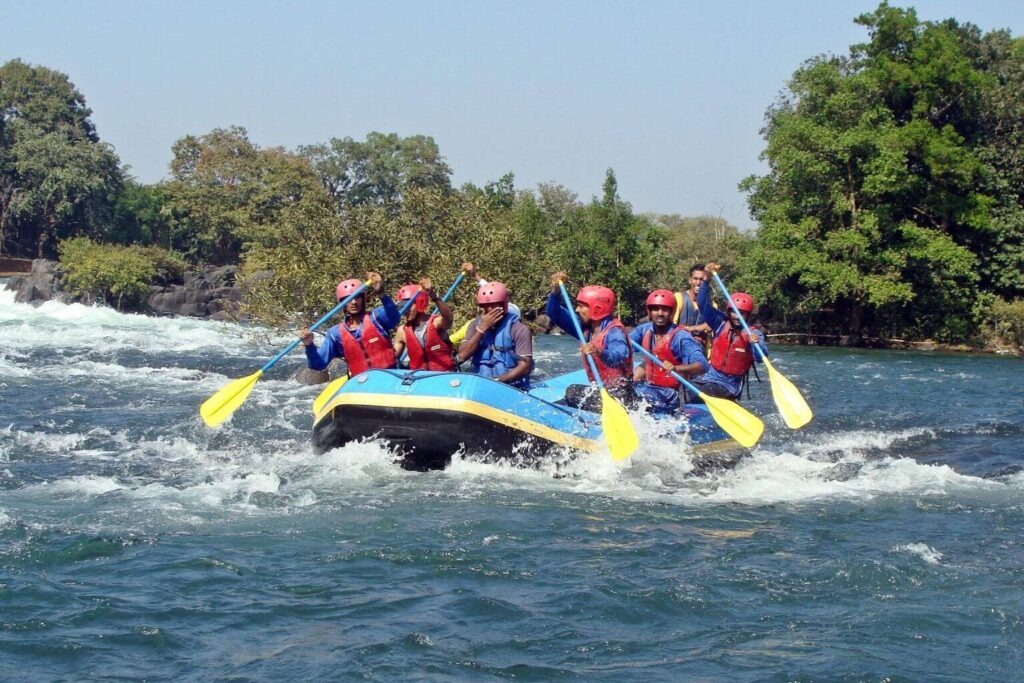
River rafting in Rishikesh is one of India’s most iconic adventure experiences — and for good reason. The sacred Ganges River, rushing through the Himalayan foothills, offers rapids ranging from gentle Grade I waves to ferocious Grade IV walls.
Whether you are a complete first-timer or a seasoned rafter, this guide covers everything: current prices, which stretch to pick, famous rapids, safety rules, and practical tips to make the most of your trip.
Why River Rafting in Rishikesh Is So Popular
Several factors make river rafting in Rishikesh one of the best rafting experiences in India. The Ganges flows through stunning Himalayan landscapes, dense forests, and sandy river beaches that create the perfect adventure environment.
Another reason river rafting in Rishikesh stands out is the variety of rafting stretches available for different skill levels. Beginners can choose shorter and calmer routes, while experienced rafters can tackle longer stretches packed with challenging rapids.
Quick Overview
| Best Season | September – June |
| Rafting Closed | July – August (monsoon) |
| Price Range | ₹600 – ₹3,000 per person |
| Shortest Stretch | 9 km (Brahmpuri), 1.5 hrs |
| Longest Stretch | 36 km (Kaudiyala), 5.5 hrs |
| Minimum Age | 14 years |
| Weight Limit | 35 kg – 100 kg |
| Non-swimmers? | Allowed (with life jacket) |
Rafting Stretches at a Glance
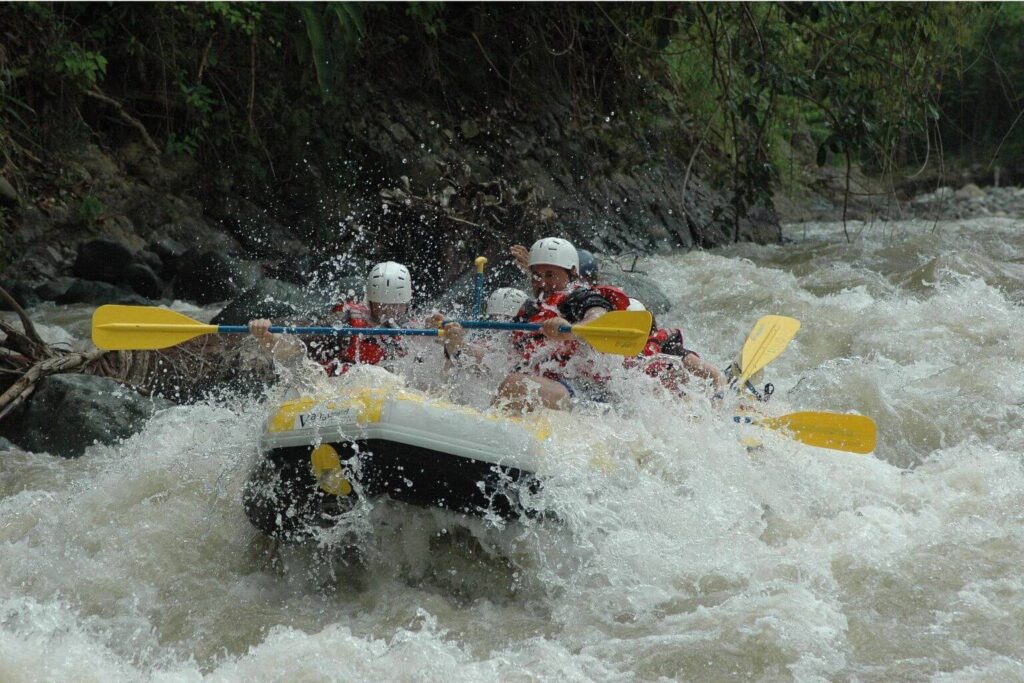
There are 5 rafting stretches on the Ganga in Rishikesh, regulated by the Ganga Nadi Rafting Rotation Samiti (GNR). All end at Nehru Institute of Mountaineering (Nim Beach) / Ramjhula.
| Stretch | Distance | Difficulty | Duration | Price (per person) | Best For |
|---|---|---|---|---|---|
| Brahmpuri → Nim Beach | 9 km | Grade I–II | 1.5 hrs | ₹600 | Beginners, families, kids |
| Shivpuri → Nim Beach | 16 km | Grade II–III+ | 2.5 hrs | ₹1,000 | First-timers, youth groups |
| Marine Drive → Nim Beach | 24 km | Grade III–IV | 4.5 hrs | ₹1,500 | Intermediate rafters |
| Byasi → Nim Beach | 30 km | Grade III–IV | 5.5 hrs | ₹2,500 | Experienced rafters |
| Kaudiyala → Nim Beach | 36 km | Grade II–IV | 5.5 hrs | ₹2,500–₹3,000 | Expert / thrill-seekers |
Note: Prices are government-standardised rates set by GNR (2025–26). A mandatory rafting entry fee of ₹20 per person is charged separately by the association.
Which Stretch is Best for You?
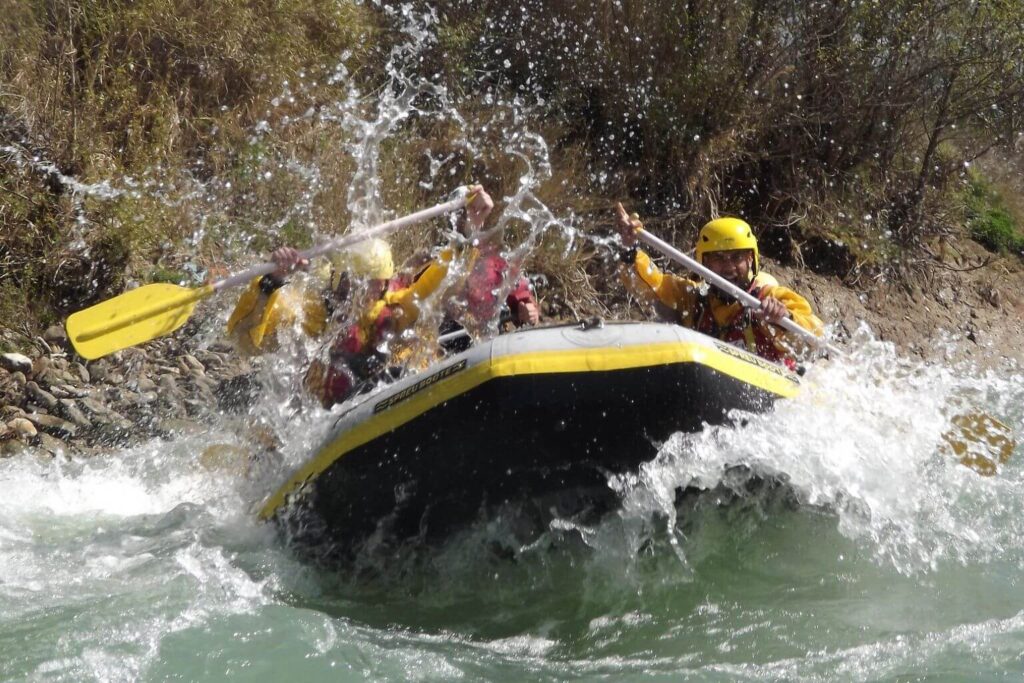
Best for Beginners & Families — Brahmpuri (9 km)
The shortest and safest option. Mild Grade I–II rapids, beautiful riverside scenery, and over in 1.5 hours. It is also the only stretch permitted near the monsoon season. Perfect if you have young children or elderly family members.
Best All-Round Experience — Shivpuri (16 km)
This is the most popular and best-selling stretch in Rishikesh. It strikes the perfect balance between thrill and safety, featuring Grade II–III+ rapids including the famous Roller Coaster, Return to Sender, and Golf Course. At ₹1,000 per person, it offers tremendous value. Duration: about 2.5 hours.
Best for Intermediate Rafters — Marine Drive (24 km)
A step up in challenge, covering rapids like Black Money, Cross Fire, and Three Blind Mice. This stretch takes around 4.5 hours and is ideal if you have some rafting experience or want a longer day on the water.
Best for Adrenaline Seekers — Kaudiyala (36 km)
The most extreme option features 13 rapids including The Wall (Grade IV) — where the vast majority of rafts flip over. This stretch is strongly recommended only for confident swimmers and experienced rafters. Not suitable for beginners, children, or senior citizens.
Famous Rapids in Rishikesh
Here are the major named rapids you will encounter, by grade:
| Grade | Rapids |
|---|---|
| Grade I | Black Money, Sweet Sixteen, Good Morning, Body Surfing |
| Grade II | Club House, Initiation, Double Trouble, Hilton, Terminator, Shivpuri Rapid |
| Grade III | Three Blind Mice, Cross Fire, Roller Coaster, Golf Course, Return to Sender |
| Grade III+ | Daniel’s Dip |
| Grade IV | The Great Wall (The Wall) |
Best Time to Go
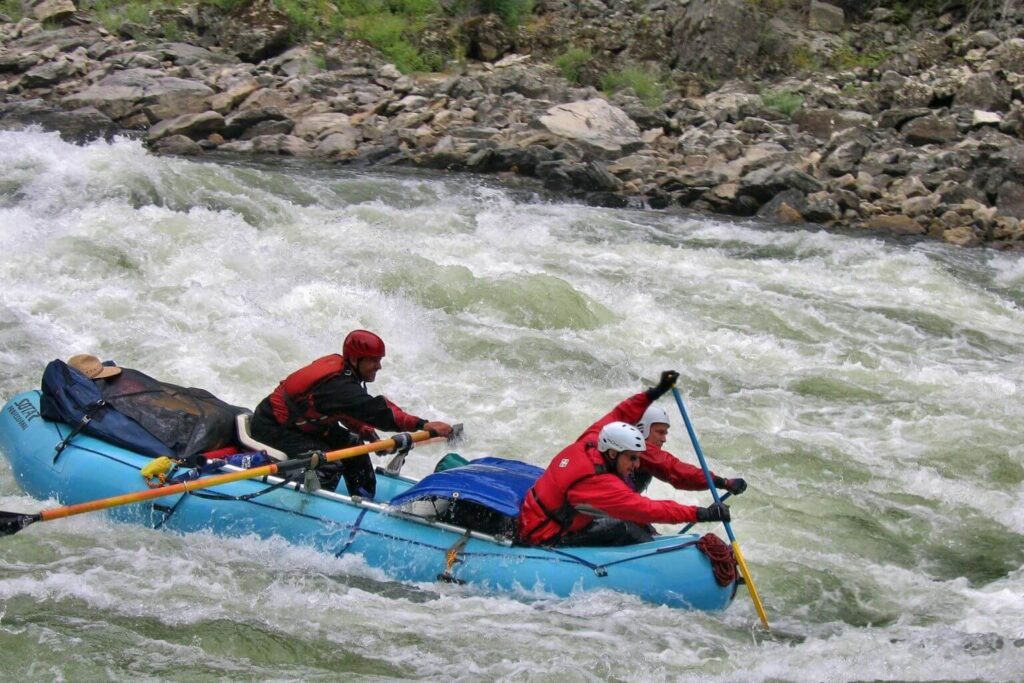
Peak Season (March – May): Water levels are moderate (around 100–150 cumecs), weather is warm (15–30°C), and river visibility is excellent. Ideal for beginners and intermediates. However, this is also the busiest period — expect crowds, especially on weekends.
Post-Monsoon (October – November): River runs fuller and faster after the rains, delivering more powerful rapids. Cooler temperatures (10–25°C) and thinner crowds make this the favourite period for experienced rafters.
Winter (December – February): Fewer tourists, peaceful atmosphere, but water temperature drops to around 10–15°C. Wetsuits are essential. Suitable for shorter stretches like Brahmpuri and Shivpuri.
Monsoon (July – August): CLOSED. Rafting is officially shut down due to dangerously high water levels. Do not attempt rafting during this period under any circumstances.
Pro tip: To avoid traffic jams on the Tapovan–Shivpuri road during peak season, aim for an early morning departure — first slots typically start at 8:00 AM.
Daily Rafting Timings (Government Schedule)
| Stretch | Trip 1 | Trip 2 | Trip 3 | Last Trip |
|---|---|---|---|---|
| Brahmpuri (9 km) | 8:00 AM | 11:00 AM | 1:30 PM | 3:00 PM |
| Shivpuri (16 km) | 8:00 AM | 12:30 PM | — | 2:30 PM |
| Marine Drive (24 km) | 8:00 AM | 10:30 AM | — | 12:30 PM |
| Byasi / Kaudiyala (30–36 km) | 8:00 AM | — | — | One trip/day only |
What Is (and Isn’t) Included in the Price
Typically included:
- Raft, paddles, and all rafting gear
- Life jacket and helmet
- Certified guide (government-licensed)
- Safety kayak boat
- First aid kit
- Rafting safety briefing
- Basic insurance cover
Usually NOT included (check in advance):
- Transport to the starting point (often charged separately)
- Photographs / GoPro footage
- Meals or refreshments
- Cliff jumping or body surfing add-ons
- Camping packages
Safety Tips for River Rafting in Rishikesh
Before You Go
- Book only with licensed operators. All legitimate companies must be registered with the Uttarakhand Tourism Development Board (UTDB) and the Ganga Nadi Rafting Rotation Samiti. Ask for their registration number if unsure.
- Know your limits. Be honest about your swimming ability. Grade III and above is not recommended for people who cannot swim confidently.
- Disclose health conditions. Anyone with heart conditions, back or neck injuries, high blood pressure, epilepsy, asthma, recent fractures, or pregnancy must not raft. Guides will ask — be honest.
- Age and weight rules are strict: Minimum age is 14 years, minimum weight 35 kg, maximum weight 100 kg.
- No alcohol before or during rafting. Guides have the authority to refuse entry if they smell alcohol. Save the celebrations for after.
What to Wear
- Quick-dry synthetic clothing (rash guards, nylon shorts). Avoid cotton at all costs — it absorbs water, becomes heavy, and leaches heat from your body.
- Water shoes or strapped sandals. No flip-flops, no bare feet, no heavy boots.
- In winter: Wear a wetsuit (most operators provide one) plus thermal underlayers.
- Sunscreen with a high SPF — sun reflection off the water is intense even in winter.
- Sunglasses with a strap (or leave them in the dry bag — the Ganga claims thousands of pairs every season).
What to Leave Behind
- Jewellery, watches, and loose valuables
- Your phone (unless in a secure waterproof pouch)
- Heavy cotton clothing or jeans
During the Rafting
- Listen to your guide at all times. Their commands are not suggestions — follow them immediately and without question.
- Always hold your paddle with both hands, keeping one hand on the T-grip handle. A loose paddle can hit a fellow rafter in the face.
- Stay in the raft. Do not lean over the sides or stand up on the raft unless instructed.
- If you fall overboard: Do not panic. Float on your back with your feet pointing downstream, toes up, arms out for balance. The life jacket will keep you afloat. Wait for the guide’s instruction.
- Keep arms inside during rapids. Rocks can cause serious arm injuries.
- Never raft without a helmet and life jacket — both must be properly secured before entering the water.
Government Rules (2025–26)
- Operators must be licensed by UTDB; licences are renewed annually.
- Every trip must have a certified river guide (certified by a recognised adventure institute such as NIM or equivalent).
- All rafters must sign a disclaimer/liability waiver form on arrival.
- Rafting is not permitted outside the official season (1 September – 30 June).
Practical Tips for Booking
- Book in advance during peak season (March–May and October–November), especially for weekend trips. Slots fill up quickly.
- Online vs. on-the-spot: Online booking through reputable platforms often includes package discounts. However, walking in directly to a GNR-registered operator in Tapovan can sometimes get you the government base rate.
- Avoid touts. Do not book from strangers approaching you on the road. Always verify the operator’s UTDB registration.
- Group discounts are commonly available for groups of 6 or more — always ask.
- Combine with camping: Many operators offer overnight camping + rafting packages (from around ₹2,000 per person) which are excellent value.
Things to Do Along with Rafting
While in Rishikesh, most rafting operators and camps also offer:
- Cliff jumping (usually near Shivpuri)
- Body surfing in calmer sections of the river
- Bungee jumping (one of Asia’s highest at 83 m, at Jumpin Heights)
- Giant swing and flying fox
- Camping on the Ganga riverbank
- Kayaking and stand-up paddleboarding
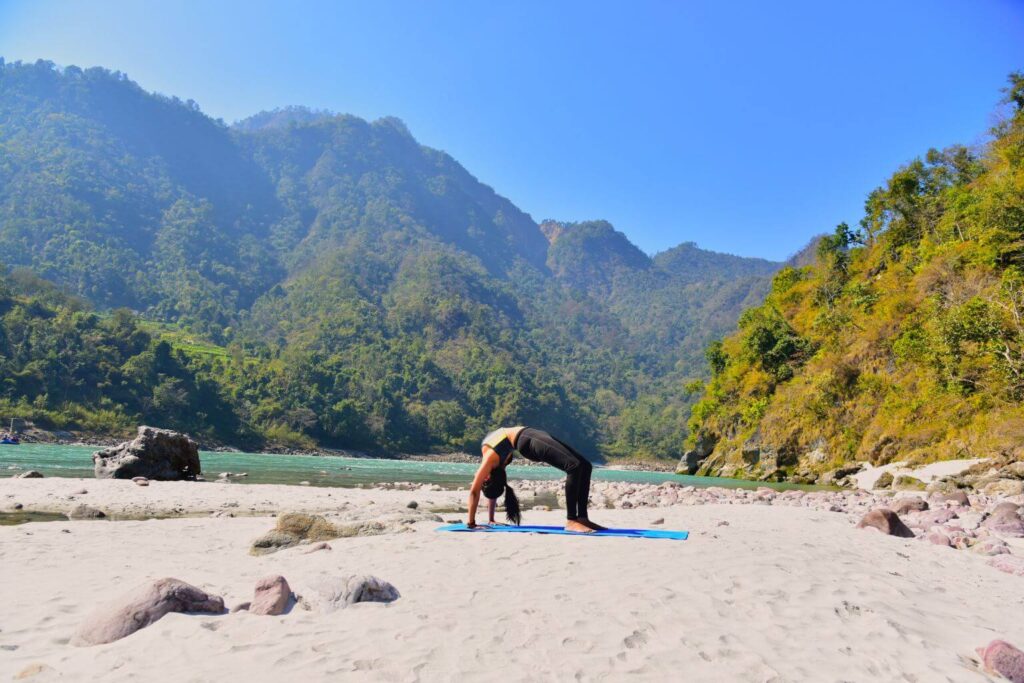
- Yoga and meditation retreats
How to Reach Rishikesh
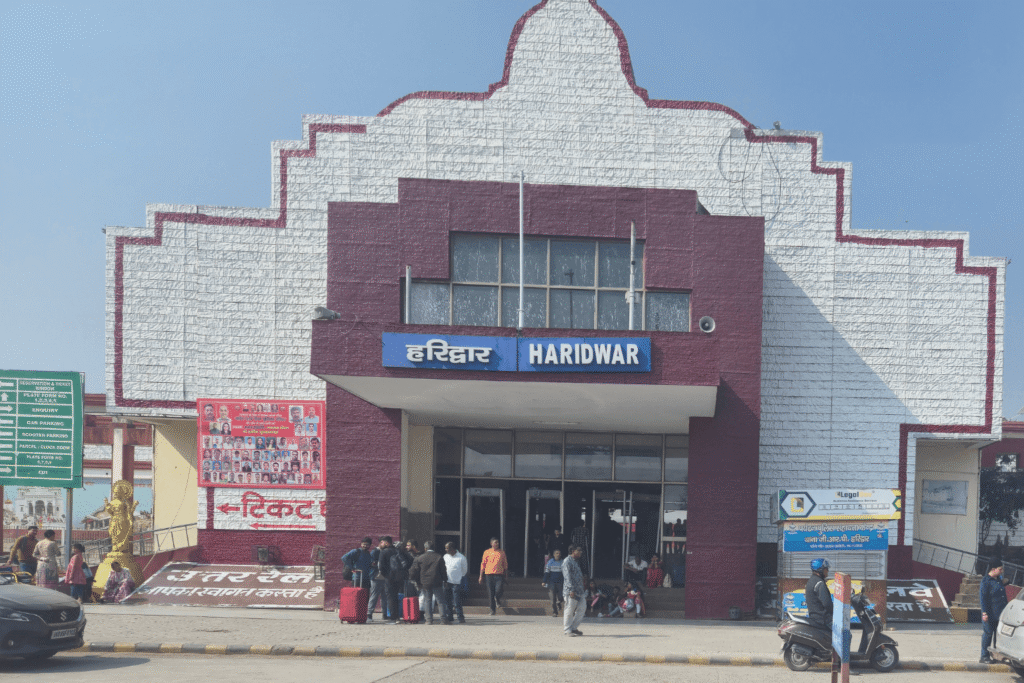
Rishikesh is well connected to major cities in India by air, train, and road, making it easy for travelers to reach this popular adventure destination.
- By Air: Nearest airport is Jolly Grant Airport, Dehradun (~22 km from Rishikesh). Regular flights from Delhi, Mumbai, and other major cities.
- By Train: Haridwar Railway Station (~25 km) and Rishikesh Railway Station are the two nearest railheads. Haridwar has better connectivity.
- By Road: Rishikesh is about 260–280 km from New Delhi (5–6 hours by road). Frequent bus services and private taxis are available from Delhi, Haridwar, and Dehradun.
Conclusion
River rafting in Rishikesh is more than just an adventure activity — it’s one of the most thrilling ways to experience the power and beauty of the Ganges River.
With rapids ranging from beginner-friendly waves to challenging Grade IV stretches, river rafting in Rishikesh offers something for every kind of traveler.
Whether you choose a short rafting stretch from Brahmpuri or a longer and more exciting route from Shivpuri or Marine Drive, the experience of navigating the rapids while surrounded by Himalayan scenery is unforgettable.
The combination of adventure, natural beauty, and well-organized rafting operators has made river rafting in Rishikesh one of the most popular adventure sports in India.
If you are planning a trip to Uttarakhand, adding river rafting in Rishikesh to your itinerary is almost essential. With the right season, proper safety precautions, and the right rafting stretch, it can easily become the highlight of your entire journey.
Frequently Asked Questions
Yes, provided you choose appropriate Grade I–II stretches (Brahmpuri or Shivpuri) and follow all safety instructions. Life jackets are compulsory and guides are trained in water rescue. That said, stronger stretches like Kaudiyala are strongly recommended only for confident swimmers.
The minimum age limit set by the Ganga Nadi Rafting Rotation Samiti is 14 years. The maximum recommended age is 50 years, and participants must be in good physical and mental health.
Yes. Rafting runs from 1 September to 30 June. December is a quieter, less crowded month. Water is cold (around 10–12°C), so wear a wetsuit. The Brahmpuri and Shivpuri stretches are the most comfortable in winter.
For weekdays outside peak season, same-day booking is usually possible. For weekends between March–May and October–November, book at least 2–3 days ahead. For large groups, a week’s advance booking is advisable.
Yes. Rafting in Rishikesh is officially closed from 1 July to 31 August every year due to dangerously elevated water levels caused by Himalayan rainfall. Some operators may advertise trips during this period — avoid them entirely.
Last updated: February 2026. Prices and schedules are based on GNR government rates for the 2025–26 season and are subject to change. Always confirm current rates with your operator before booking.