
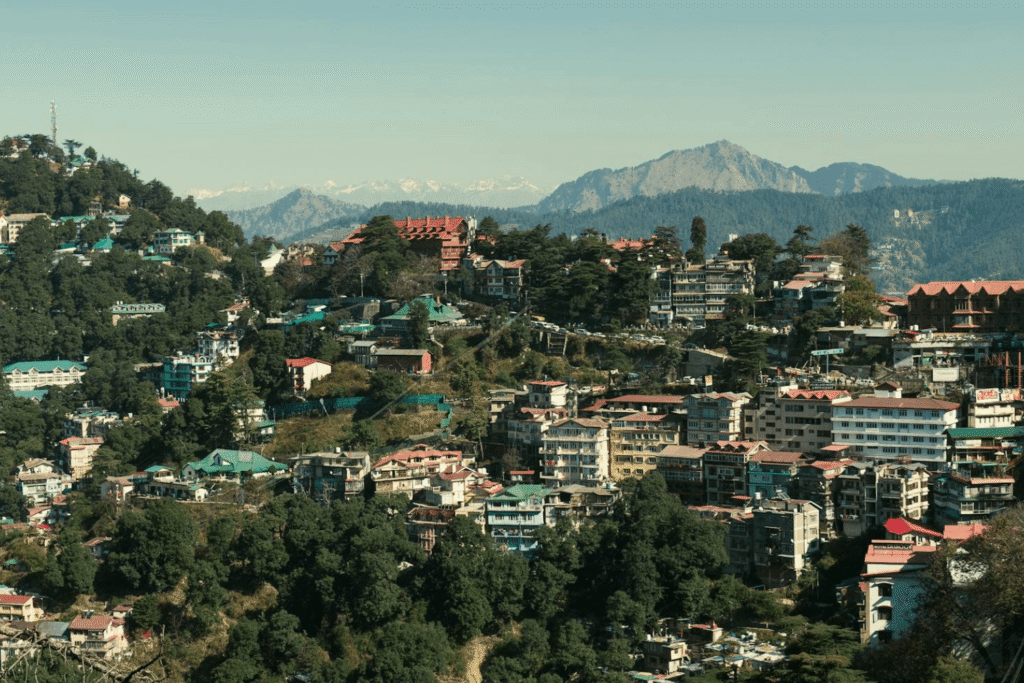
Tourist places in Himachal for first-time travelers include a mix of scenic hill stations, peaceful valleys, and easy-to-explore destinations that make planning simple and enjoyable.
From Shimla and Manali to quieter spots like Dharamshala, these locations offer the perfect introduction to the Himalayas.
This guide helps you choose the best places to experience Himachal Pradesh comfortably on your first trip.
Why Himachal is Perfect for First-Time Travelers
Easy Accessibility from Delhi and Chandigarh
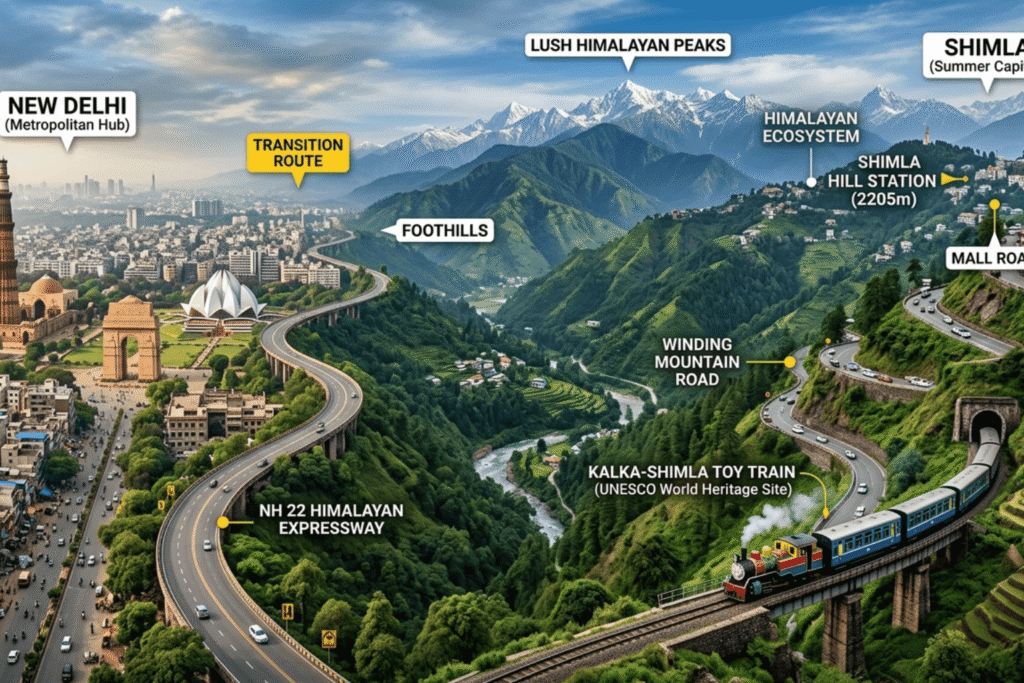
Himachal Pradesh is remarkably easy to reach. From Delhi, Shimla is just a 9–10 hour drive or an overnight Volvo bus ride away.
Chandigarh — well connected by train and flight from almost every major Indian city — serves as the primary gateway. From there, Shimla is just 3–4 hours away and Manali is about 7–8 hours.
Dharamshala and Kasol are also easily accessible via overnight buses from Delhi. You do not need to plan months in advance or book expensive flights. Himachal is the kind of destination you can decide on this weekend.
Variety: Mountains, Cafés, Temples, and Adventure
What makes Himachal truly special for first-timers is its sheer variety.
You can meditate at ancient temples in the morning, trek through deodar forests in the afternoon, sip coffee at a cosy riverside café in the evening, and wake up to snow-covered peaks the next day.
Whether you are a solo backpacker, a couple on a honeymoon, a group of college friends, or a family — Himachal has something tailor-made for you.
Budget-Friendly Options
Himachal is one of the most budget-friendly mountain destinations in Asia. Hostel dorms start at ₹400–₹600 per night, dhabas serve filling meals for ₹80–₹150, and Volvo buses from Delhi cost as little as ₹800–₹1,200.
You can comfortably experience a 5-day Himachal trip for ₹8,000–₹15,000 per person, including travel, stay, food, and activities. This makes it accessible even for students and young travelers on a tight budget.
Best Time to Visit Himachal for First-Timers
Summer (April–June) — Ideal Weather
This is unquestionably the best time for first-time visitors. Temperatures are pleasant — 15°C to 25°C in most regions — the roads are clear and safe, and all major tourist spots are open and accessible.
Rohtang Pass typically opens in May, giving you access to snow even in summer. The skies are clear, the valleys are green, and the cafés are buzzing with travelers from across the country.
If you want to experience the best of Himachal without any weather-related disruptions, April to June is your window.
Monsoon (July–September) — Proceed with Caution
Monsoon brings lush greenery and dramatic waterfalls to Himachal, but it also brings significant landslide risk — especially on routes to Manali, Kasol, and Spiti.
Roads frequently get blocked, and travel plans can be disrupted for days. First-time travelers are strongly advised to avoid the peak monsoon months of July and August.
If you must travel during this season, stick to Dharamshala or Shimla, which are relatively safer, and always check road conditions before heading out.
Winter (October–February) — The Snow Experience
If experiencing snowfall is on your bucket list, winter in Himachal is magical. Shimla, Manali, Dalhousie, and Khajjiar all receive heavy snowfall between December and February.
However, first-timers should be aware that many roads — including the route to Rohtang Pass — are closed in winter, temperatures can drop to -10°C or below, and the risk of altitude sickness increases in cold weather.
Carry appropriate gear, book accommodation well in advance for the Christmas–New Year period, and be prepared for limited activity options.
Top Tourist Places in Himachal for First-Time Travelers
1. Shimla — The Classic Hill Station
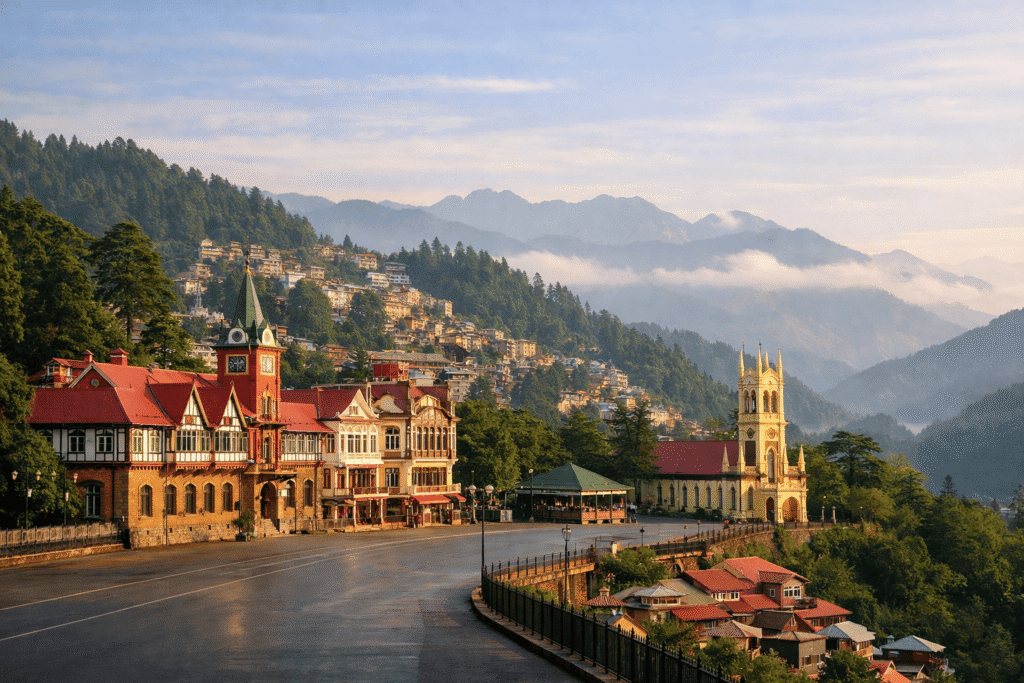
Shimla is the obvious starting point for every first-time Himachal traveler — and for good reason. As the state capital and former summer capital of British India, Shimla blends colonial charm with mountain beauty in a way no other hill station quite does.
Mall Road is the beating heart of Shimla — a car-free promenade lined with shops, restaurants, bakeries, and cafés. An evening stroll here, with the hills glowing golden at sunset, is one of Himachal’s most iconic experiences.
Kufri, just 16 km from Shimla, is perfect for snow activities in winter and for horse riding and nature walks in summer.
Jakhoo Temple, dedicated to Lord Hanuman and perched at 8,048 feet, offers panoramic views of Shimla town and is a must-visit — though be wary of the resident monkeys, who have a reputation for snatching belongings.
Other spots worth your time in Shimla include the Viceregal Lodge (now Rashtrapati Niwas), Christ Church on Ridge Road, and the narrow-gauge toy train from Kalka — a UNESCO World Heritage experience in itself.
Pro Tip: Book your Shimla hotel in advance, especially for weekends and public holidays. The town gets very crowded.
2. Manali — Snow and Adventure Hub
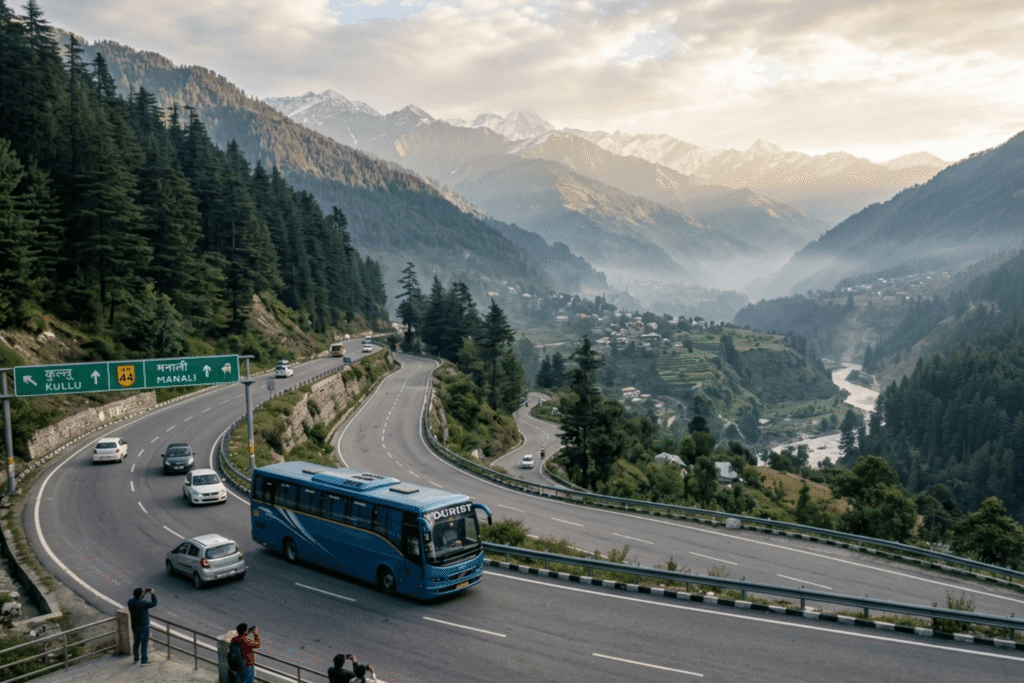
If Shimla is Himachal’s elegant grande dame, Manali is its wild, adventurous younger sibling. Located at 2,050 metres in the Kullu Valley, Manali is the adventure capital of North India and arguably the most popular destination for young Indian travelers.
Solang Valley, just 14 km from Manali town, is where all the action happens — skiing, zorbing, paragliding, snowmobiling, and cable car rides.
In summer, the valley turns into a green meadow ideal for camping and picnics. Rohtang Pass, at 3,978 metres, is the crown jewel — a high-altitude mountain pass that offers surreal snow landscapes even in June.
Visiting requires a permit (booked online), and only a limited number of vehicles are allowed each day, so plan ahead.
Old Manali is where café culture thrives. Streets like Manu Market are dotted with quirky cafés serving Israeli food, wood-fired pizzas, fresh juices, and some of the best chocolate cake you will ever have at altitude.
The Hadimba Devi Temple — a 16th-century wooden temple surrounded by cedar forests — is a must-visit for its unique pagoda architecture and serene atmosphere.
Pro Tip: The road from Kullu to Manali can be extremely congested in peak summer. Consider departing early in the morning to avoid traffic jams.
3. Dharamshala and McLeodganj — Spiritual and Scenic
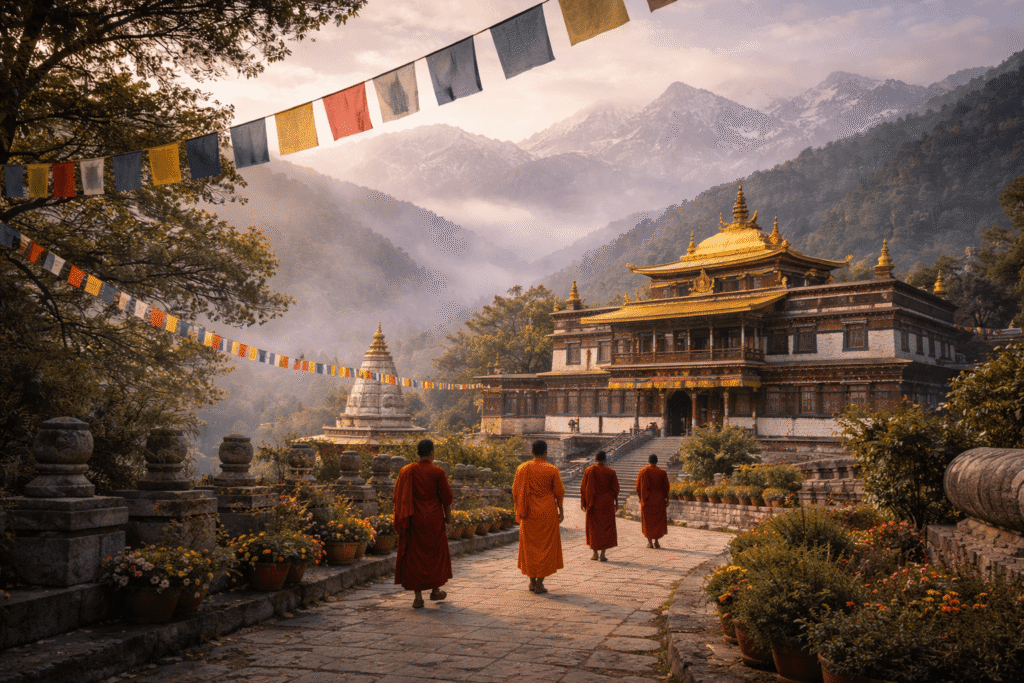
Dharamshala, home to the Tibetan government-in-exile and His Holiness the Dalai Lama, is one of the most unique destinations in all of India.
The upper town of McLeodganj has a distinctly Tibetan character — prayer flags flutter in the breeze, monks in maroon robes walk the streets, and Tibetan restaurants serve steaming bowls of thukpa and momos.
The Dalai Lama Temple Complex (Tsuglagkhang) is the spiritual heart of McLeodganj. Attending a morning prayer session here is a profoundly peaceful experience.
Bhagsu Falls, a 20-minute walk from McLeodganj, is a beautiful waterfall surrounded by cafés and ideal for a lazy afternoon.
The Triund Trek, starting from McLeodganj, is one of the most rewarding easy-to-moderate treks in Himachal — the summit views of the Dhauladhar range are absolutely breathtaking.
Pro Tip: McLeodganj is best explored on foot. The streets are narrow and hilly, so leave your car at the main parking area and walk.
4. Kasol — The Mini Israel of India
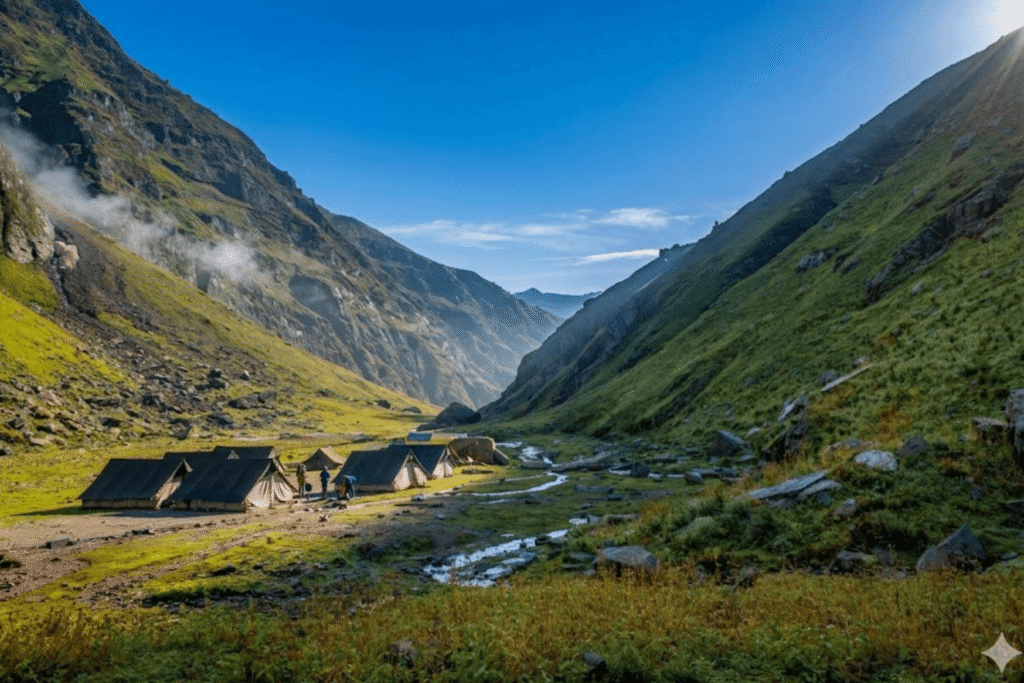
Kasol is a tiny village in the Parvati Valley that has developed a cult following among backpackers, nature lovers, and those seeking an alternative travel experience.
It earned the nickname “Mini Israel of India” due to its large population of Israeli travelers and the proliferation of Israeli cafés, bakeries, and signboards in Hebrew.
The Parvati River runs alongside Kasol, and the sound of rushing water forms a constant, soothing backdrop to village life.
The Kheerganga Trek (12 km one way) is among the most popular treks in Himachal, rewarding hikers with a natural hot spring at the summit.
Manikaran Sahib — a Sikh gurudwara just 4 km from Kasol — is a major pilgrimage site known for its natural hot springs and the langar (community kitchen) that feeds thousands of people daily, free of charge.
Pro Tip: Kasol is a small village with limited ATMs. Carry sufficient cash before arriving, as card facilities are unreliable in the Parvati Valley.
5. Dalhousie and Khajjiar — The Mini Switzerland of India
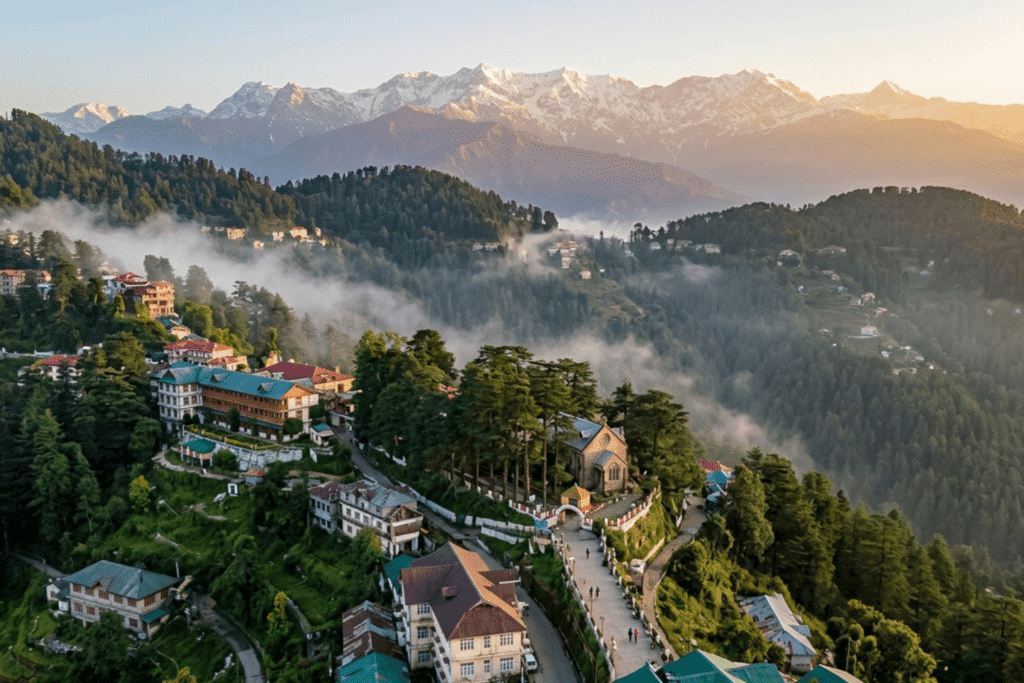
If you are looking for a quieter, more peaceful alternative to the busier hill stations, Dalhousie and Khajjiar are your answer.
Dalhousie is a charming colonial-era hill station at 2,036 metres, with scenic viewpoints, Subhash Baoli — a spot associated with Netaji Subhash Chandra Bose — and the beautiful Kalatop Wildlife Sanctuary.
Khajjiar, just 22 km from Dalhousie, is often called the “Mini Switzerland of India” — a title officially recognised by the Swiss Ambassador.
It is a stunning circular meadow at 6,500 feet, surrounded by dense deodar forests, with a small lake and a temple at its centre.
The landscape is so photogenic it almost looks unreal. Activities include horse riding, zorbing, and simply lying in the grass and staring at the sky.
Pro Tip: Dalhousie and Khajjiar can easily be combined into a 2-day side trip from Dharamshala or Pathankot.
6. Kullu — The Valley of Gods
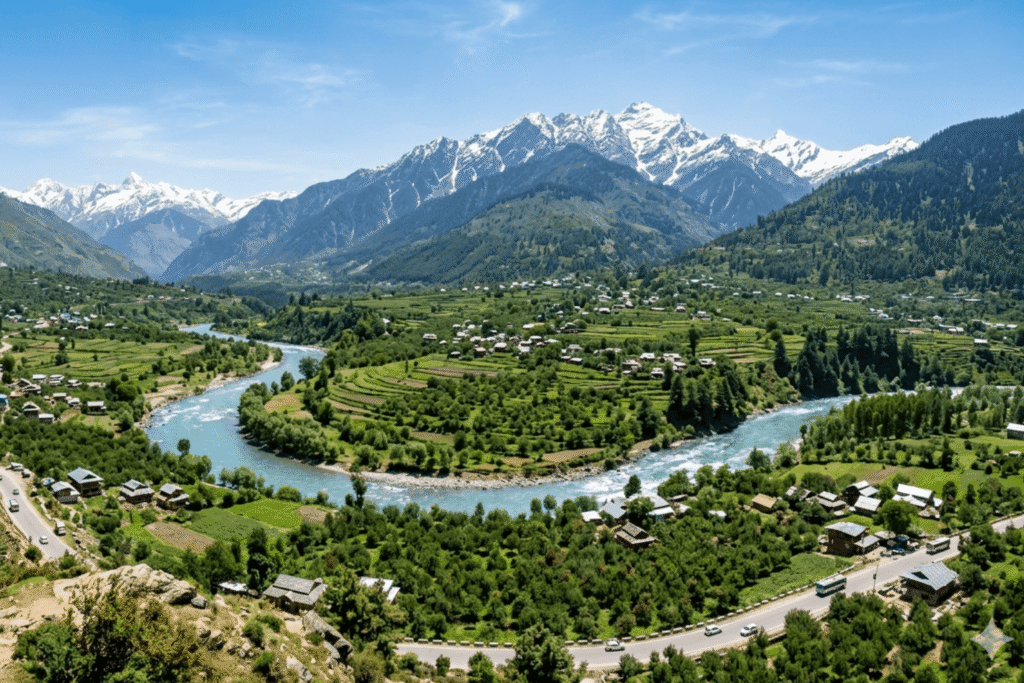
Often overlooked in favour of its more famous neighbour Manali, the Kullu Valley is worth a stop in its own right. The Beas River cuts through the valley, making it ideal for river rafting and riverside camping.
Kullu is also famous for its handwoven shawls and the spectacular Dussehra festival (October), which draws thousands of devotees and travelers from across India.
The Great Himalayan National Park — a UNESCO World Heritage Site — is also accessible from Kullu.
7. Bir Billing — Paragliding Capital of Asia
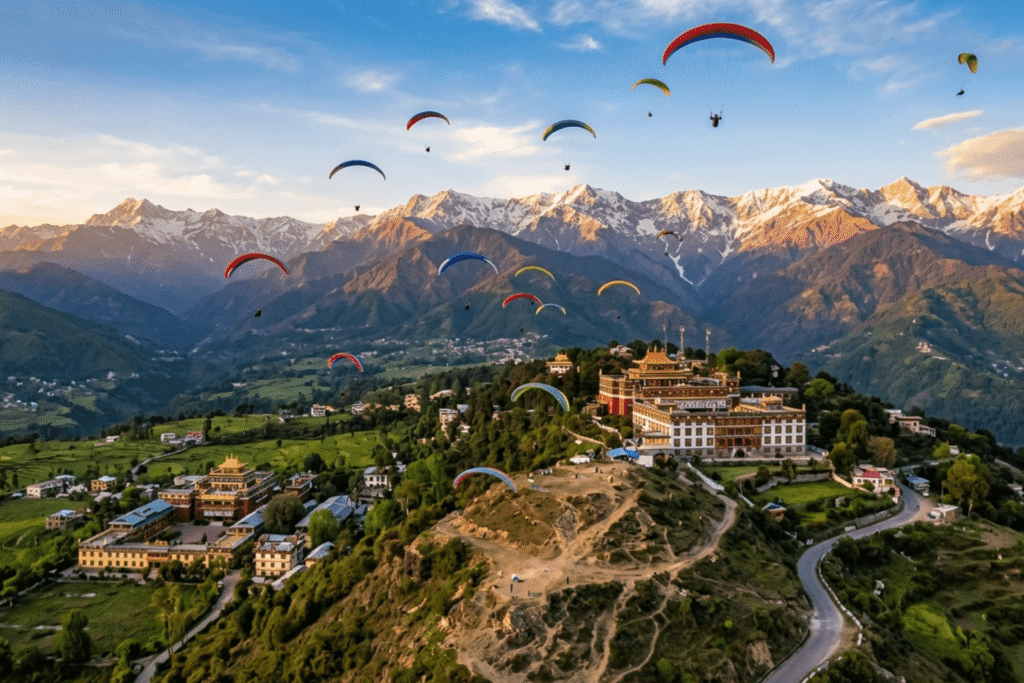
Bir Billing is the paragliding capital of Asia, and that alone makes it one of the most exciting tourist places in Himachal for first-timers with a taste for adrenaline.
The Billing launch site sits at 2,400 metres, and tandem paragliding flights offer stunning aerial views of the Dhauladhar range and the lush Kangra Valley below.
Bir itself is a charming village with a significant Tibetan settlement, excellent cafés, and a growing meditation and yoga retreat scene.
8. Spiti Valley — For the Adventurous First-Timer
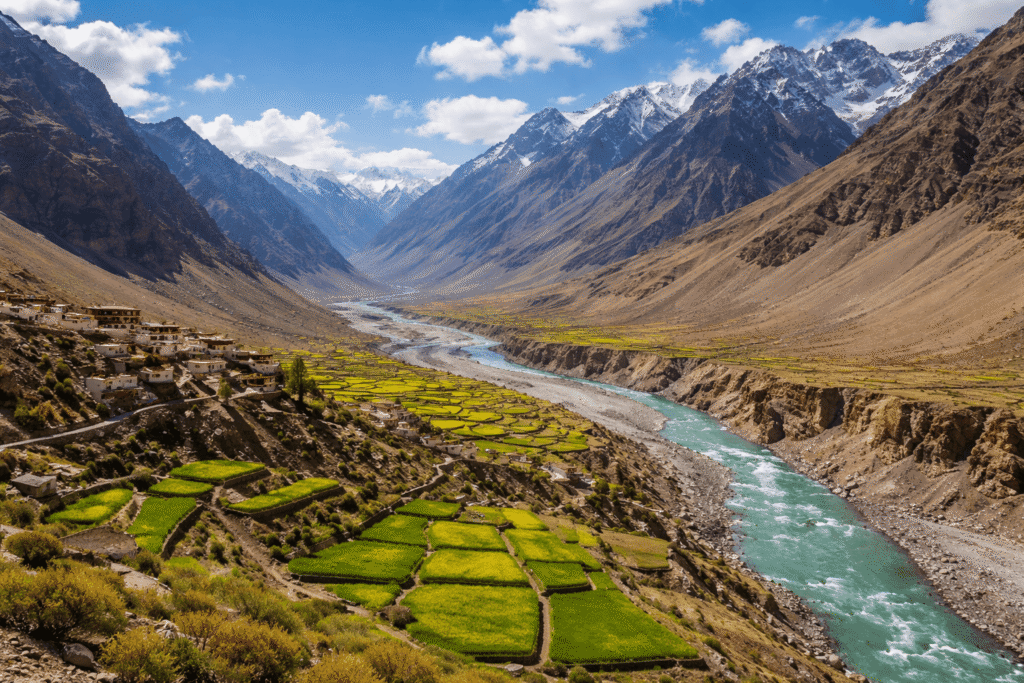
Spiti is not for the faint-hearted, but for first-timers who want to push their limits, this cold desert mountain valley is one of the most awe-inspiring experiences on Earth.
At an average altitude of 3,800 metres, Spiti is remote, raw, and breathtakingly beautiful — with ancient Buddhist monasteries perched on clifftops, turquoise rivers, and landscapes that look like they belong on another planet.
The route is accessible by road from Shimla (via Kinnaur) or Manali (seasonal). Plan for at least 4–5 days.
5-Day Itinerary for First-Time Himachal Visitors
This is the most popular and practical route for first-timers — the classic Shimla and Manali combination.
Day 1 — Arrival in Shimla
Depart Delhi or Chandigarh early in the morning. Check into your hotel, freshen up, and spend the evening on Mall Road. Explore Christ Church and the Ridge. Have dinner at a local restaurant and try Himachali rajma chawal or siddu — a local steamed bread — for an authentic taste of the region. Overnight in Shimla.
Day 2 — Shimla Sightseeing
Start your morning with a visit to Jakhoo Temple (6:00–7:00 AM for the best light and fewer crowds). The 2-km uphill walk through the forest is peaceful and beautiful.
Mid-morning, drive to Kufri (16 km, 45 minutes) for horse riding and panoramic Himalayan views. After lunch, visit the Viceregal Lodge — a stunning Tudor-style mansion surrounded by manicured gardens.
In the afternoon, ride a short section of the Kalka–Shimla toy train for a heritage experience. Evening back on Mall Road. Overnight in Shimla.
Day 3 — Shimla to Manali
Depart Shimla early (6:00–7:00 AM) for Manali via Mandi. The journey takes 7–8 hours and passes through Sundernagar and the Kullu Valley.
The scenery is extraordinary — river gorges, apple orchards, and the gradual rise of the Himalayan peaks. Arrive in Manali by early afternoon.
Check in and rest. In the evening, explore Old Manali — walk through the lanes, pick a café overlooking the Beas River, and watch the sun set behind the mountains. Try the local apple cider and wood-fired pizza at one of the Old Manali cafés.
Day 4 — Rohtang Pass and Solang Valley
This is the highlight of your Manali experience. Book your Rohtang Pass permit online the evening before (maximum 1,200 vehicles per day are allowed; visit https://rohtangpermits.nic.in).
Depart by 6:00 AM — the road gets extremely congested by mid-morning. At Rohtang (3,978 m), enjoy surreal snow landscapes, build a snowman, and soak in the views.
Return via Solang Valley (3,480 m) for cable car rides, zorbing, and paragliding. Back in Manali by late afternoon.
Day 5 — Manali Sightseeing and Departure
Morning: Visit the Hadimba Devi Temple (arrive early before the crowds), the Vashisht hot springs, and the Tibetan Monastery near the main market.
Browse Kullu shawls and Tibetan handicrafts in Manali Bazaar. Afternoon: Board your overnight Volvo bus back to Delhi. Estimated arrival in Delhi: the following morning, 6:00–8:00 AM.
Budget Breakdown for a 5-Day Himachal Trip
| Category | Budget Option | Mid-Range Option |
|---|---|---|
| Transport | ₹2,700 | ₹4,500 |
| Accommodation (5 nights) | ₹3,000 | ₹7,500 |
| Food (5 days) | ₹1,500 | ₹3,500 |
| Activities and entry fees | ₹1,500 | ₹2,500 |
| Miscellaneous | ₹800 | ₹1,500 |
| Total per person | ₹9,500 | ₹19,500 |
Transport breakdown:
- Delhi to Shimla (Volvo bus): ₹700–₹1,000
- Shimla to Manali (shared taxi or bus): ₹600–₹900
- Manali to Delhi (Volvo bus): ₹900–₹1,200
- Local sightseeing (shared cabs or autos): ₹500–₹800
Packing List for Himachal Pradesh
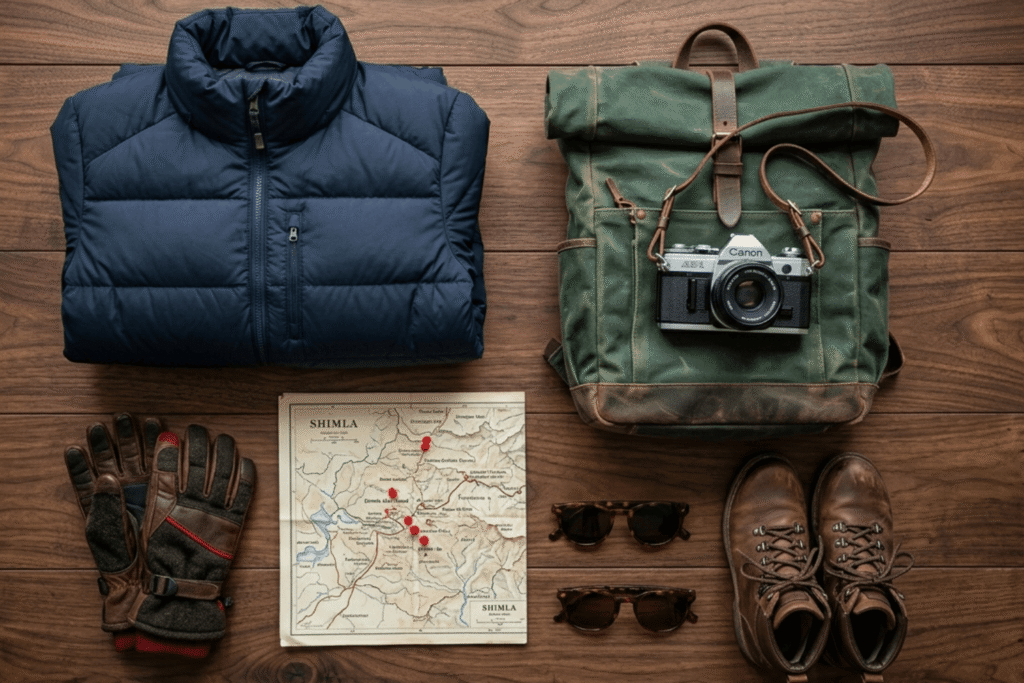
Clothing:
- Thermal inners (even for summer trips — nights get cold)
- Fleece jacket or hoodie
- Waterproof and windproof outer jacket
- Comfortable trekking trousers (2 pairs)
- T-shirts (3–4)
- Warm socks (3–4 pairs)
- Comfortable walking shoes or trekking shoes
Essentials:
- Sunscreen SPF 50+ (UV radiation is intense at altitude)
- UV-protective sunglasses
- Reusable water bottle (stay hydrated at altitude)
- Portable power bank
- Basic first-aid kit (bandages, antiseptic, paracetamol, antacids)
- Altitude sickness medication (Diamox — consult a doctor before use)
- Warm hat and gloves (even in summer for Rohtang Pass)
- Small daypack (30–35 litres)
- Cash (ATMs are unreliable in remote areas)
- ID proof (Aadhaar or passport — required for Rohtang Pass permit)
Travel Tips for First-Time Visitors
Beat the weekend traffic. Weekends and public holidays see massive traffic jams on the Chandigarh–Shimla and Kullu–Manali approaches. Travel midweek whenever possible. If you must travel on a weekend, depart before 5:00 AM to stay ahead of the rush.
Download offline maps. BSNL is often the only network with signal in remote areas like Kasol, Spiti, and the Tirthan Valley. Download offline maps on Google Maps or Maps.me before leaving for the hills. Download your playlists too.
Take altitude seriously. Many travelers feel fine at Manali (2,050 m) but develop splitting headaches at Rohtang (3,978 m) or Kheerganga (2,950 m).
Drink 3–4 litres of water per day, avoid alcohol for the first 48 hours at altitude, and walk slowly. If symptoms worsen — headache, nausea, dizziness — descend immediately.
Choose homestays over hotels. For the same price as a mid-range hotel, a homestay in Jibhi, Tirthan, or Kasol gives you home-cooked meals, local knowledge, warm hosts, and an authentic experience of Himachali culture.
Ask your host for restaurant and trail recommendations — they know the area far better than any travel blog.
Carry cash. Many smaller towns and villages — particularly Kasol, Jibhi, and Spiti — have unreliable card facilities and limited ATMs. Always carry sufficient cash before entering the valleys.
Common Mistakes First-Time Travelers Make
Overpacking. You will be hauling your bag up steep lanes, in and out of taxis, and along narrow mountain paths. Pack light — a 40-litre backpack is sufficient for a week-long trip. Most essentials, including woolens and trekking gear, can be rented locally in Shimla and Manali.
Travelling in the wrong season. Monsoon travel (July–August) catches many first-timers off guard. Landslides can strand you for days, and the scenic mountain views are frequently hidden behind clouds. Research seasonal conditions thoroughly before booking.
Trying to cover too many destinations. Shimla to Spiti is over 200 km on mountain roads — a journey that can take 10 or more hours.
Cramming Shimla, Manali, Kasol, Dharamshala, Dalhousie, and Spiti into a single 7-day trip is a recipe for exhaustion and disappointment.
For your first trip, pick 2–3 destinations and explore them properly. Quality of experience always beats quantity of places ticked off.
Ignoring altitude sickness. This is not something that only affects unfit people. Altitude sickness can affect anyone. Do not push through the symptoms. Rest, hydrate, and descend if needed.
Hidden Gems Worth Adding to Your Itinerary
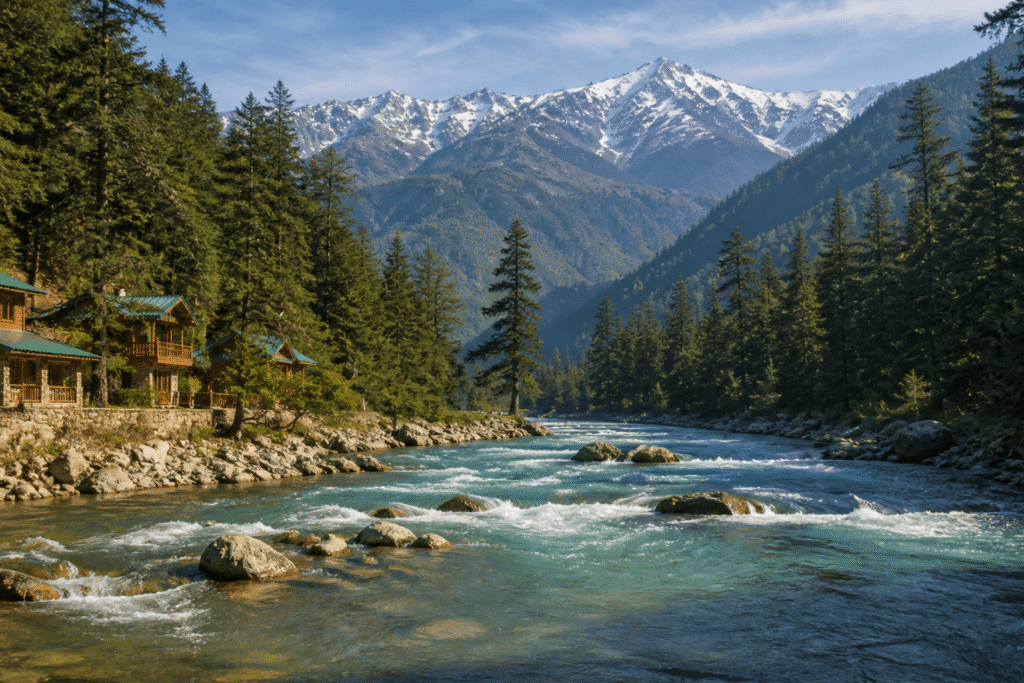
Jibhi
Jibhi is a tiny village in the Banjar Valley, accessible via a stunning drive through the Jalori Pass road.
It is pure Himachal: wooden houses with carved balconies, a clear mountain stream running through the village, forests full of oak and rhododendron, and almost no tourist crowds.
A handful of excellent homestays run by local families offer home-cooked Himachali food, birdsong at dawn, and mountain views at every turn.
It is a 5-hour drive from Shimla and a perfect 2-day detour from the main tourist circuit.
Tirthan Valley
The Tirthan Valley — named for the Tirthan River — is one of the most beautiful and still largely undiscovered valleys in Himachal Pradesh.
The valley borders the Great Himalayan National Park (a UNESCO World Heritage Site), making it a paradise for birdwatchers, trekkers, and trout-fishing enthusiasts.
The handful of eco-resorts and charming guesthouses perched above the river offer some of the most peaceful stays in the state. Tirthan Valley is not on most first-timer itineraries — and that is exactly why it should be on yours.
FAQ
Shimla is the most visited place in Himachal Pradesh due to its easy accessibility, colonial charm, Mall Road, and pleasant weather throughout the year.
Khajjiar is known as the “Mini Switzerland of India” because of its lush green meadows, dense forests, and scenic landscapes.
There is no single “best” place, but destinations like Manali, Shimla, and Dharamshala are among the top choices for first-time travelers due to their mix of nature, adventure, and accessib
It’s best to avoid visiting Manali during peak monsoon (July–August) due to landslides and roadblocks, and during long holiday weekends when heavy crowds can impact the overall experience.
Conclusion
Himachal Pradesh does not just give you a holiday — it gives you a perspective shift. The scale of the mountains makes everyday anxieties feel appropriately small.
The kindness of locals makes you reconsider your assumptions about strangers. The silence — the rare, complete, stunning silence you find on a mountain trail or beside a river at dawn — reminds you that the world contains experiences no screen can reproduce.
For first-time visitors, the key is simple: go at the right time, plan smart, pack light, and leave room for the unexpected.
Start with Shimla and Manali, fall in love with Himachal, and you will be back for Spiti, Kinnaur, Jibhi, and everything else soon enough.
The mountains have a way of calling you back. This first trip is just the beginning.
Last updated: 2026 | Best time to visit: April–June | Ideal for: First-time travelers, families, solo travelers, couples.