
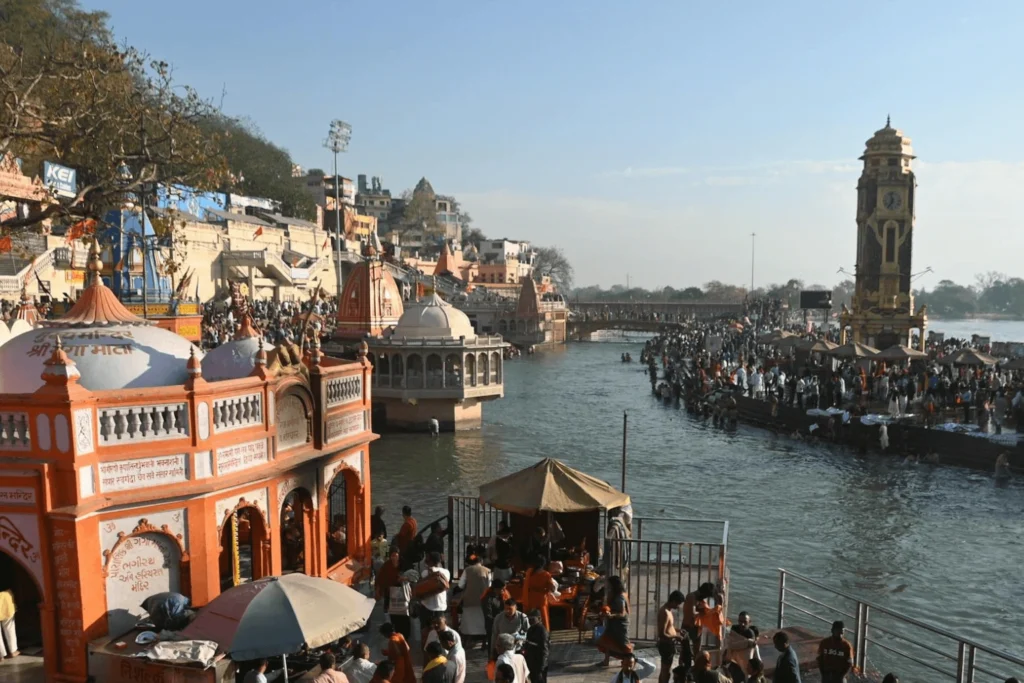
Planning a spiritual getaway to Haridwar? I’ve been there multiple times — with family, with friends — and this 2 Day Haridwar Itinerary is based on what I actually did, not what a generic travel checklist says you should do.
What surprised me every time is how different the real experience is from the standard itinerary you find online. Most guides start Day 1 at Har Ki Pauri at 6 AM. Mine started at Shantikunj at 5:30 AM — and that single decision changed everything about how the day felt.
Whether you are visiting for spirituality, photography, local food, or a short weekend escape, this guide covers the best way to spend two memorable days in one of India’s holiest destinations — with timings that actually work on the ground.
Haridwar Trip at a Glance
| Best Months | October – March (pleasant & dry) |
| Budget (per person/day) | ₹1,500–₹2,500 (budget) · ₹3,500–₹6,000 (mid-range) |
| Total 2-Day Cost | ~₹3,000–₹5,000 incl. stay, food & local transport |
| Best Area to Stay | Near Har Ki Pauri (Railway Road / Laltarao Bridge) |
| Top Highlights | Ganga Aarti · Shantikunj Yagya · Mansa Devi · Chandi Devi · Moti Bazaar |
Before You Go: Quick Essentials
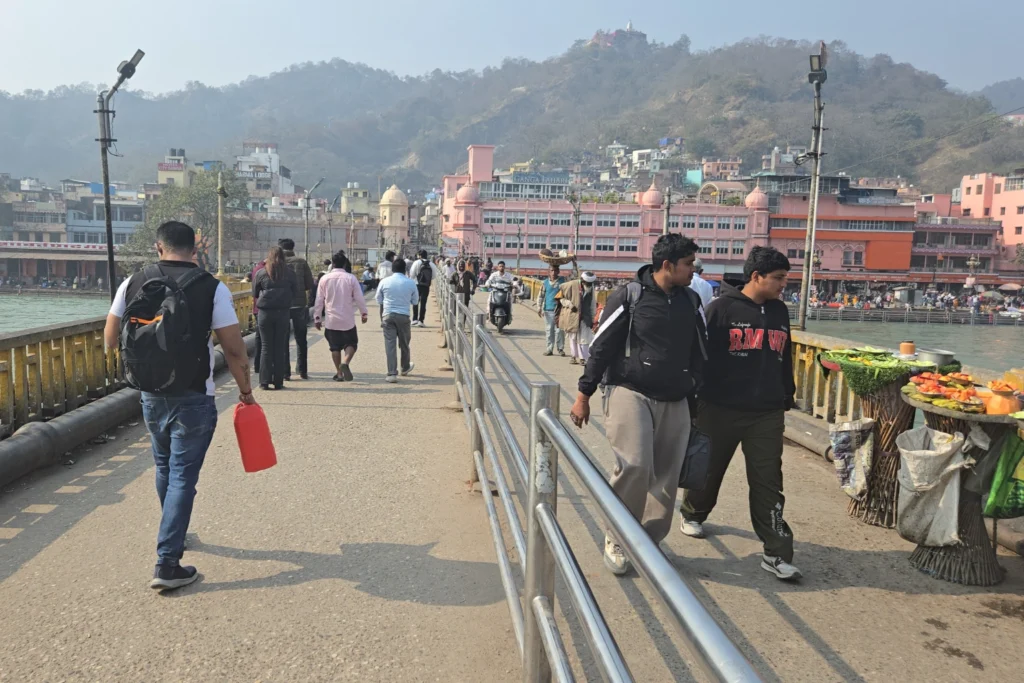
Best time to visit
October to March offers the most comfortable weather — cool mornings, clear skies, and manageable crowds.
One thing I’ll add from personal experience: don’t assume December means bone-chilling cold all day. I went once in December fully prepared to skip the Ganga dip because of the cold.
By the time we reached the ghat, the sun was so strong it genuinely felt like June. In the hills, the morning fog burns off fast — even in December and January. So don’t write off the bath just because of the season.
The monsoon (July–August) is a different story: the ghats flood, the Ganges turns brown, and the city smells of wet stone and marigolds. It’s not for everyone, but there’s a raw, uncrowded beauty to it that peak season doesn’t offer.
How to get there
Haridwar Junction has direct trains from Delhi (4–5 hours on the Shatabdi or Jan Shatabdi), Mumbai, and most major cities. By road, it’s about 220 km from Delhi — roughly a 5–6 hour drive via NH58.
Where to stay
For first-time visitors, staying within walking distance of Har Ki Pauri is the right call. Hotel Ganga Lahari (mid-range, River Road) and Haveli Hari Ganga (heritage, Ramghat) are both consistently well-reviewed. Budget travellers do well on Railway Road — rates drop sharply the further you walk from the ghat.
Important rules:
Haridwar is strictly vegetarian and alcohol-free — not as a preference but as policy, enforced citywide. Remove footwear at all temple entrances. Some temples may discourage leather items. If you’re unsure, follow the instructions displayed at the entrance.
Day 1: Shantikunj Yagya at Dawn, Hilltop Temples, and the Ganga Aarti
5:30 AM – 6:15 AM: Shantikunj Yagya — The Part Most Visitors Miss Entirely
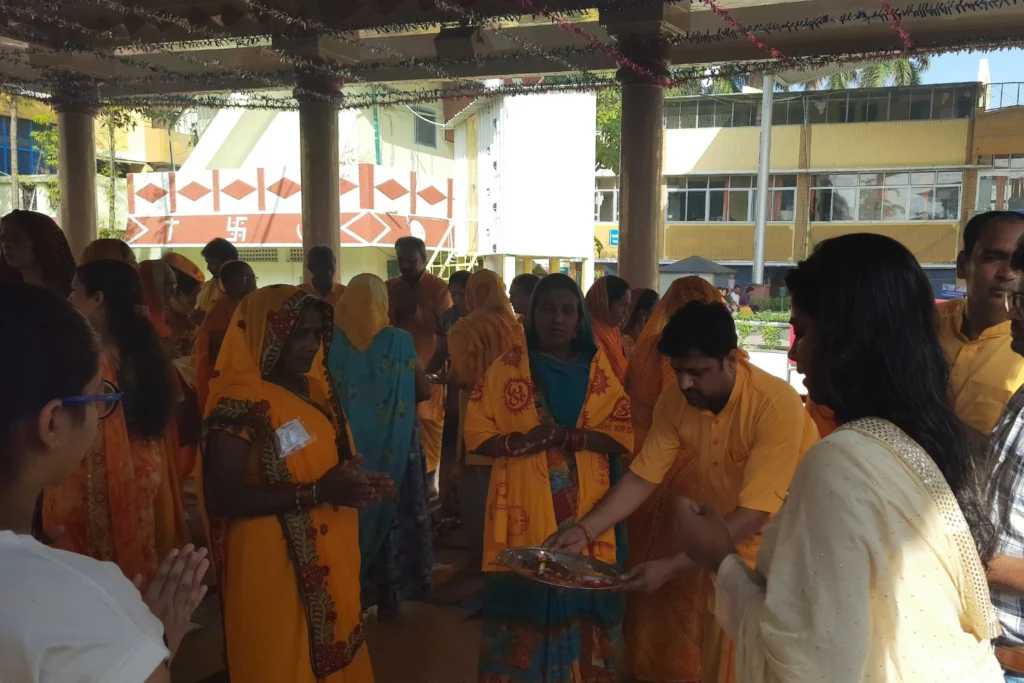
This is where my itinerary differs completely from what you’ll read elsewhere — and it’s the change I’d recommend most strongly.
Instead of starting at Har Ki Pauri, I started the day at Shantikunj, the global headquarters of the All World Gayatri Pariwar on the Haridwar–Rishikesh highway. The morning Yagya (sacred fire ritual) begins at 5:30 AM and lasts about 45 minutes.
Walking into that hall before sunrise — the fire going, the chanting filling the space, almost no tourists — felt completely different from anything I experienced later in the day. There’s no crowd management, no amplified commentary, no jostling for position. Just the ritual, the smoke, and the sound.
Breakfast at Shantikunj: After the Yagya, have breakfast right there at the campus. Simple, wholesome, very inexpensive. It’s a calm way to start the day before the city fully wakes up.
7:15 AM – 8:00 AM: DSVV Campus
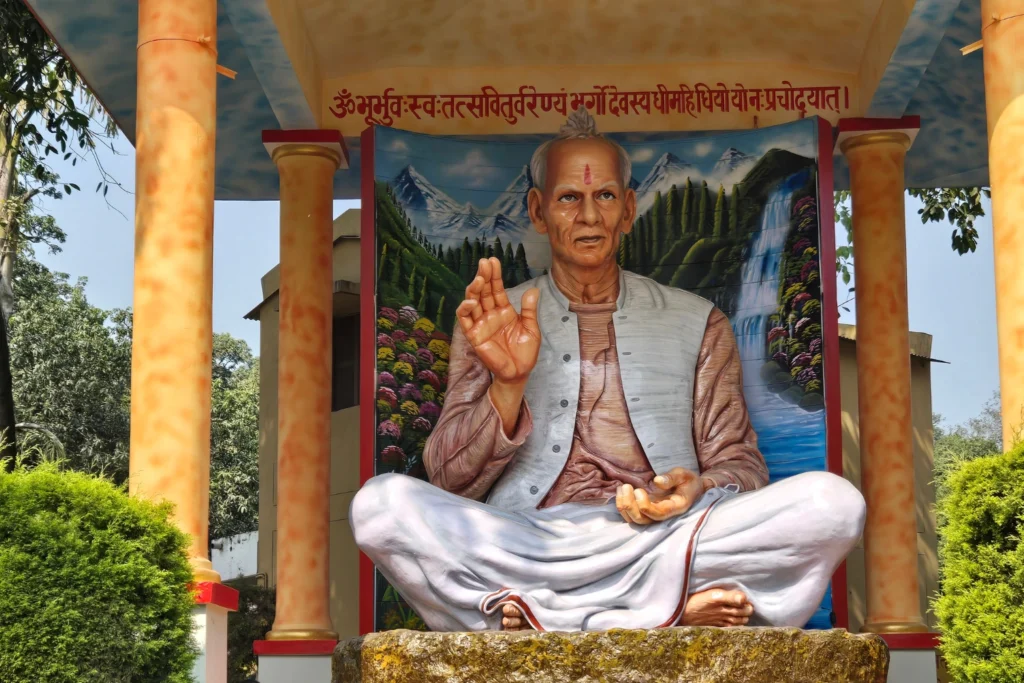
Right next to Shantikunj is Dev Sanskriti Vishwavidyalaya (DSVV) — a university that almost no travel guide mentions, but worth at least 45 minutes of slow walking.
The campus is beautifully maintained, architecturally thoughtful, and almost completely free of other visitors at this hour. If Shantikunj gives you the devotional side of this spiritual tradition, DSVV gives you the intellectual and cultural side.
8:00 AM – 11:00 AM: Mansa Devi Temple
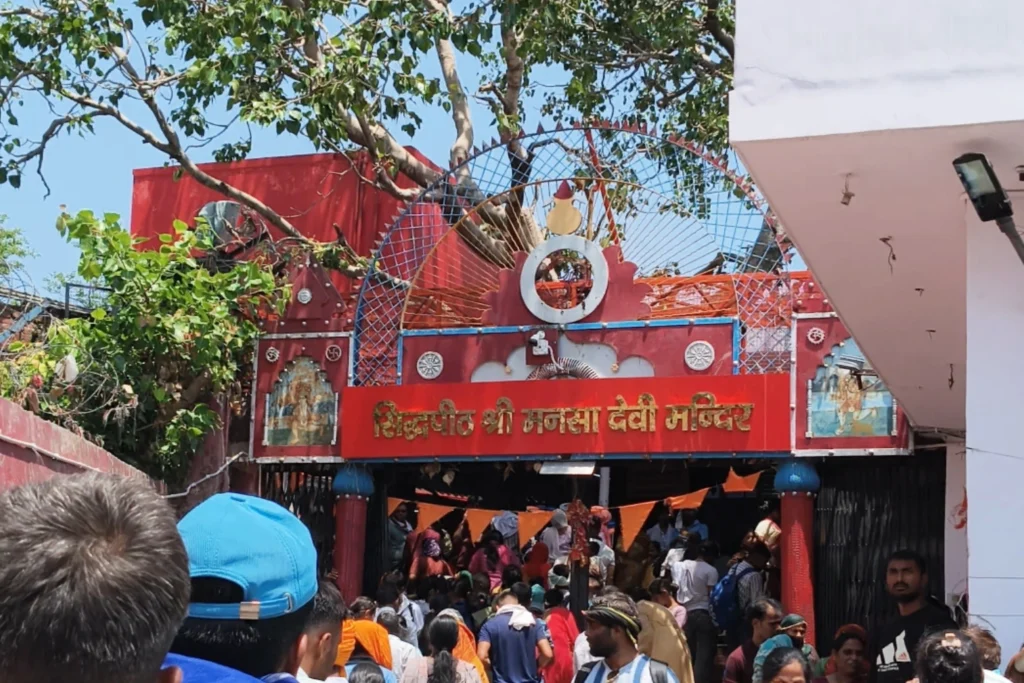
From DSVV, head to Mansa Devi Temple on Bilwa Parvat. The goddess Mansa is believed to fulfil wishes, and the temple tree is wrapped in thousands of bright threads tied by devotees across centuries.
You can walk up via a stone path (30–40 minutes, steep in places) or take the ropeway (₹170 return). The cable car is worth it purely for the aerial view of the Ganges cutting through the valley — on a clear morning you can see the foothills beginning to rise toward Rishikesh.
Getting here by 8 AM is deliberate. The queues at Mansa Devi build quickly — arriving early makes a real difference.
Ticket prices are approximate and may change. Check the latest rates before your visit.
11:30 AM – 3:00 PM: Chandi Devi Temple
From Mansa Devi, hire an auto to Chandi Devi Temple on Neel Parvat. The ropeway here (₹196 return) gives a completely different aerial angle on the city.
The temple is dedicated to the warrior goddess Chandi. The complex feels slightly older and less polished than Mansa Devi — which, honestly, makes it feel more authentic. The hilltop views of Haridwar and the Shivalik ranges are among the best in the region.
Have lunch somewhere near Chandi Ghat before heading back — nothing fancy, but the dhabas in this area are reliable and much calmer than the main bazaar.
4:00 PM: Bathing At The Ghat — Har Ki Pauri
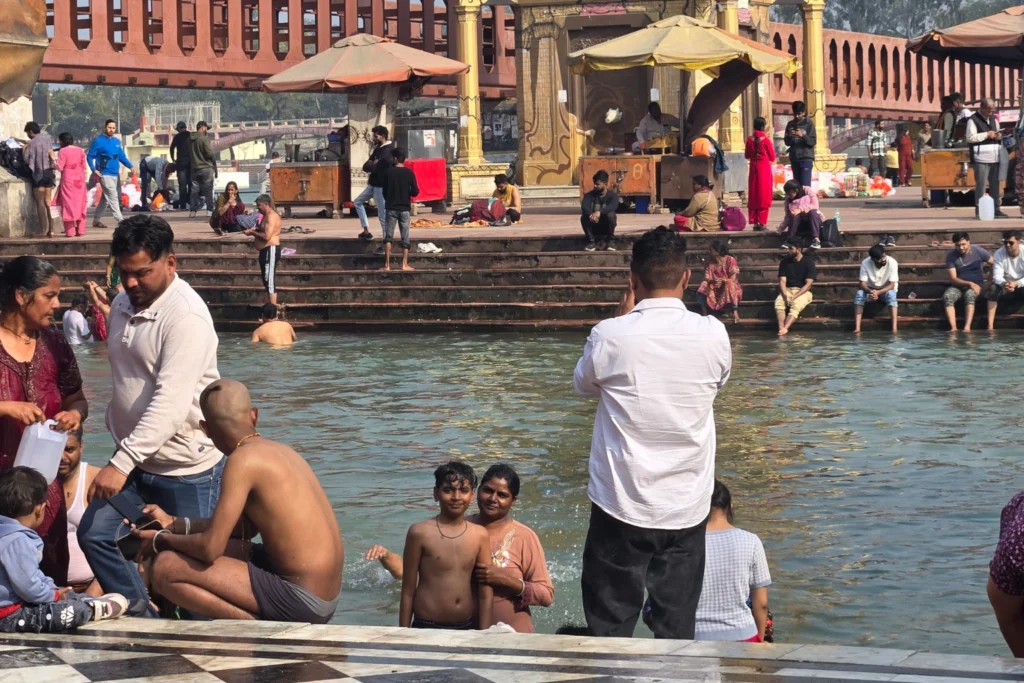
This timing is intentional. By 4 PM, the afternoon heat has softened, the morning rush is long gone, and you have enough time for a proper bath before the aarti begins.
At Har Ki Pauri, the ritual is to take seven dips in the Ganga. The water is fast-moving — chains are provided at the main platform, use them.
After bathing, three sips of Ganga jal. I still remember how completely clean I felt afterward — not just physically, but something else that’s harder to put into words.
The current at Brahma Kund is genuinely strong. Always use the safety chains while taking a dip. Don’t underestimate it, especially if you’re not a confident swimmer.
5:00 PM – 7:00 PM: The Ganga Aarti
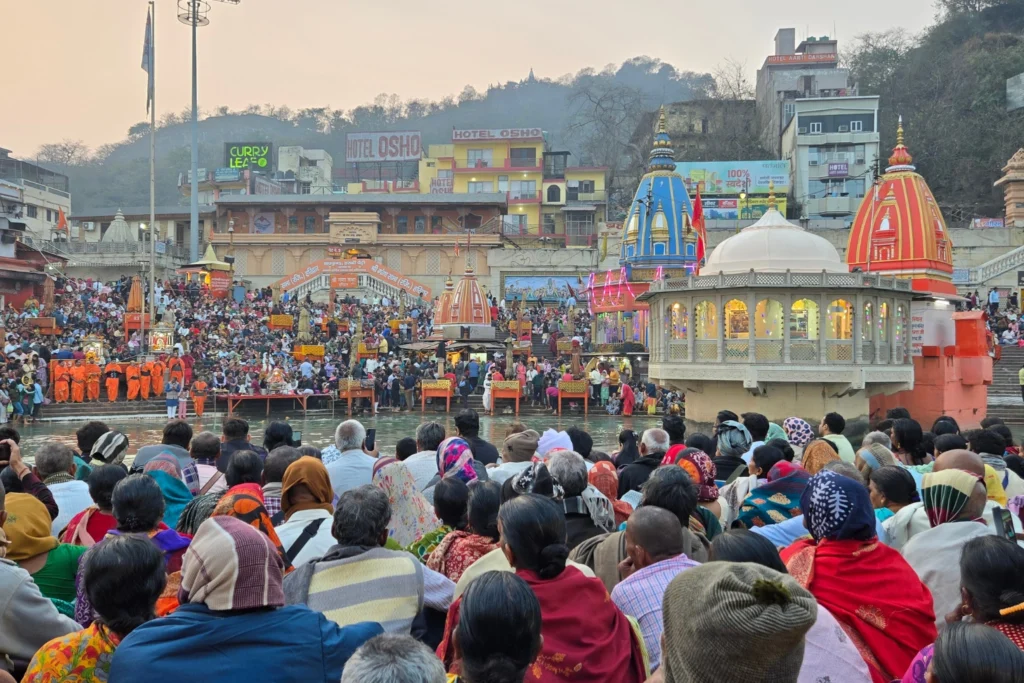
Arrive at Har Ki Pauri by 5:00 PM — the steps fill fast and there are no reserved spots.
One thing I learned the hard way on my first visit: we stood near the Ganga Mata temple side, which is where the aarti is performed from — so we were watching from behind the priests.
The second time, we chose the Clock Tower side instead, and that’s the right call for first-timers. You get an almost completely front-on view of the entire ceremony, the lamps, the priests, all of it. Worth arriving a few minutes earlier to secure that spot.
As darkness falls, priests in saffron perform simultaneously from several platforms, swinging enormous brass lamps in synchronised arcs while bells ring, conches blow, and the crowd chants.
Hundreds of diyas are set afloat on the current. The reflection of fire on moving water is something a photograph does not adequately capture.
A smaller but equally sincere aarti is held every morning at dawn — far fewer visitors attend this one, and many find it more powerful.
7:30 PM: Mohan Ji Puri Wale — Dinner
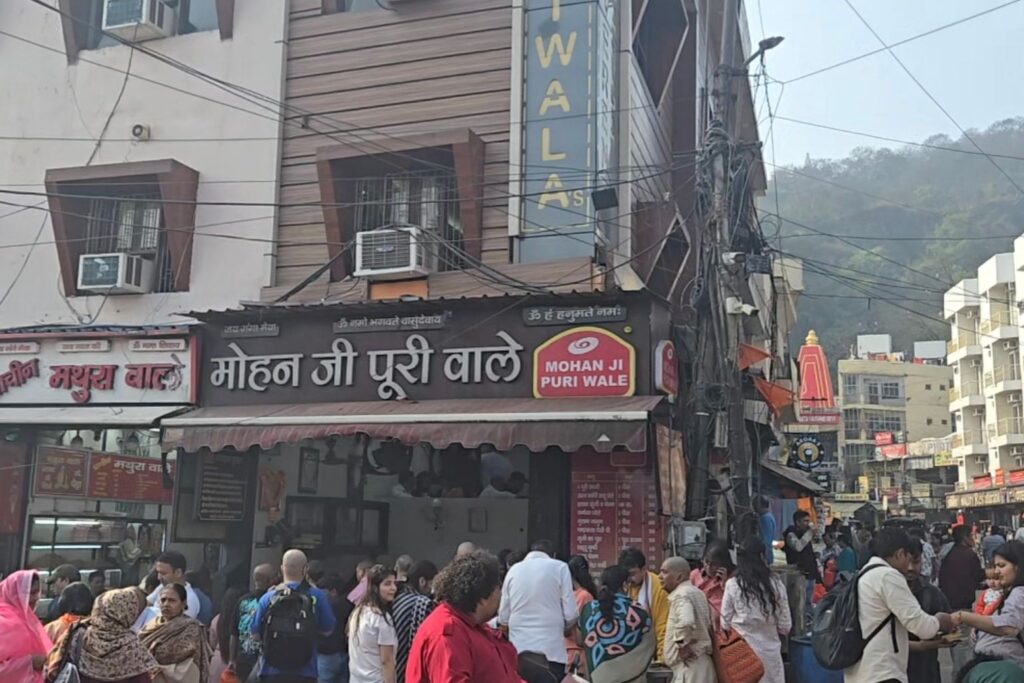
Go directly from the aarti to Mohan Ji Puri Wale near the main bazaar. The puri sabzi here is what people specifically come back for. After a full day of walking and the sensory intensity of the aarti, this meal hits exactly right.
8:00 PM – 9:30 PM: Evening Market Walk
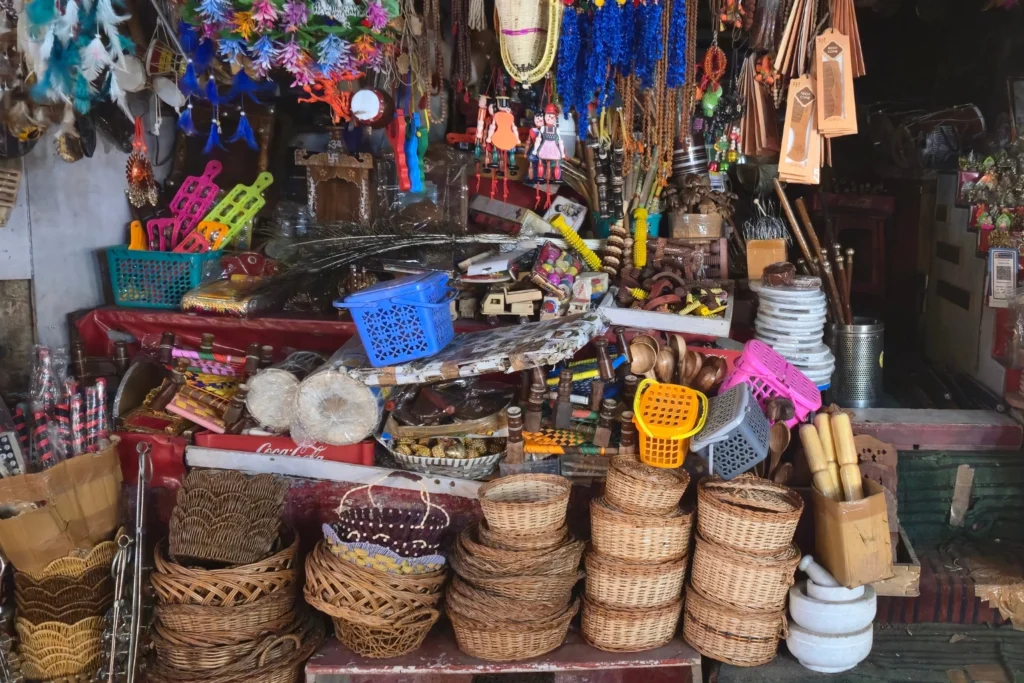
The lanes behind Har Ki Pauri are at their most alive at night — lit by bare bulbs, loud with vendors, fragrant with incense and fried food. Budget at least 90 minutes just to wander.
What to buy:
- Rudraksha beads
- Gangajal
- Uttarakhand honey
- Brass diyas
Bargain assertively. Tourist prices start high.
Day 2: Temples Along the Sapt Rishi Road, Vivekanand Ghat & Triveni Aarti in Rishikesh
Day 2 is deliberately slower and less structured — and better for it.
Morning: Bharat Mata Mandir & the Sapt Rishi Road Temples
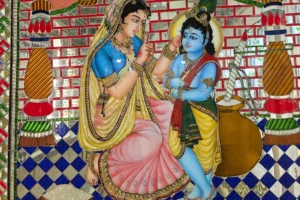
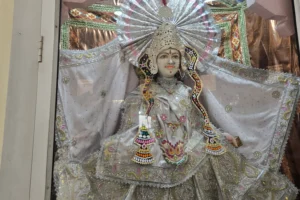
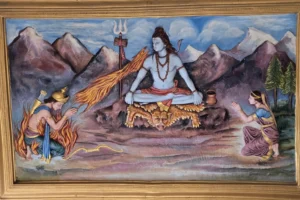
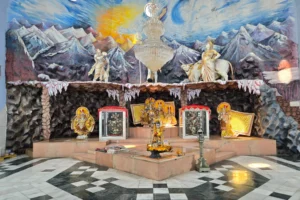
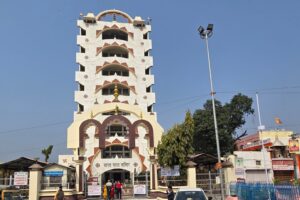
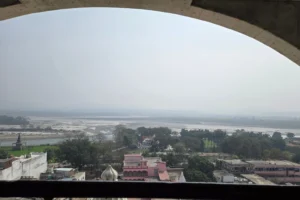
Start with Bharat Mata Mandir in Sapt Sarovar — a seven-storey temple dedicated not to any single deity but to Mother India herself. Each floor depicts a different aspect of India’s spiritual and cultural heritage. It is unique in all of India and worth an hour of your time.
From there, take Sapt Rishi Road. This is where most travel guides simply write “Saptarishi Ashram” and move on — but the road itself has a whole string of temples and ashrams that reward slow exploration.
There’s no fixed list of what to enter; just walk, and go where something draws you. Some of the smaller, quieter mandirs along this road have an atmosphere that the famous temples — precisely because they’re famous — can’t quite match. We spent a good two hours here across multiple stops.
Midday: Vivekanand Ghat (Hidden Gem)

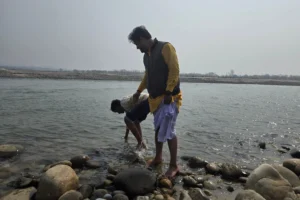
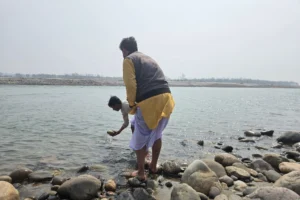
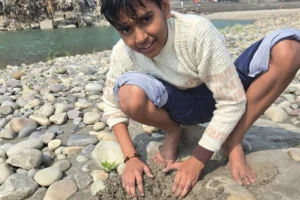
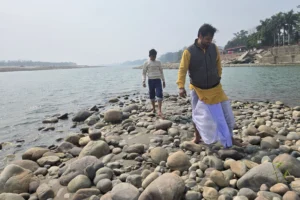

Before heading to Rishikesh, stop at Vivekanand Ghat. It’s far quieter than Har Ki Pauri, with local women performing morning puja, the occasional sadhu, and a peaceful atmosphere free from large tour groups and loudspeakers. The late morning light on the Ganga here is especially beautiful.
Swami Pathik Ji Maharaj Samadhi Mandir is located right on the banks of Vivekanand Ghat, offering a serene place for reflection. Directly opposite the ghat stands Bharat Mata Mandir, making this area a rewarding stop for travelers interested in both spirituality and local culture.
This is Haridwar at its most unhurried. You can easily spend 2–3 hours here, enjoying the riverside, visiting the nearby temples, and experiencing a quieter side of the city before continuing your journey to Rishikesh.
Afternoon: Ram Jhula, Rishikesh
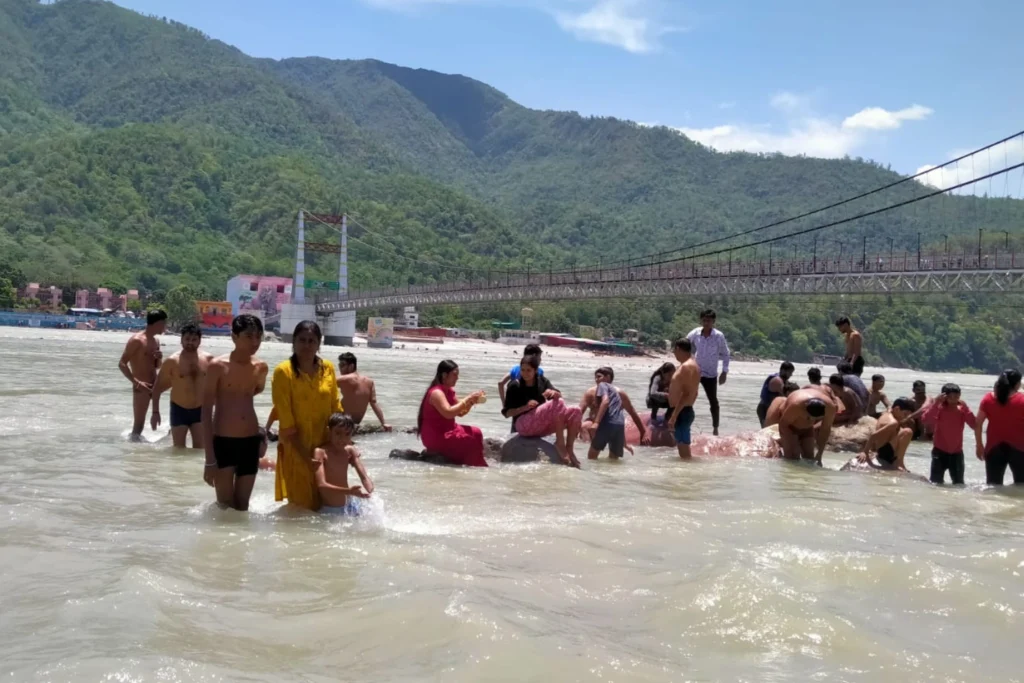
Rishikesh is only 24 km away — about 45 minutes by taxi or shared auto. Head to Ram Jhula and take the time to actually walk across, sit on the other side, and watch the Ganges from the bridge.
A word of honest guidance: don’t try to squeeze all of Rishikesh into two hours. The suspension bridges, the ashrams of Swarg Ashram, and the cafes of Tapovan each deserve time to breathe. Pick one area and actually be there, rather than rushing between landmarks.
Evening: Triveni Ghat Aarti, Rishikesh
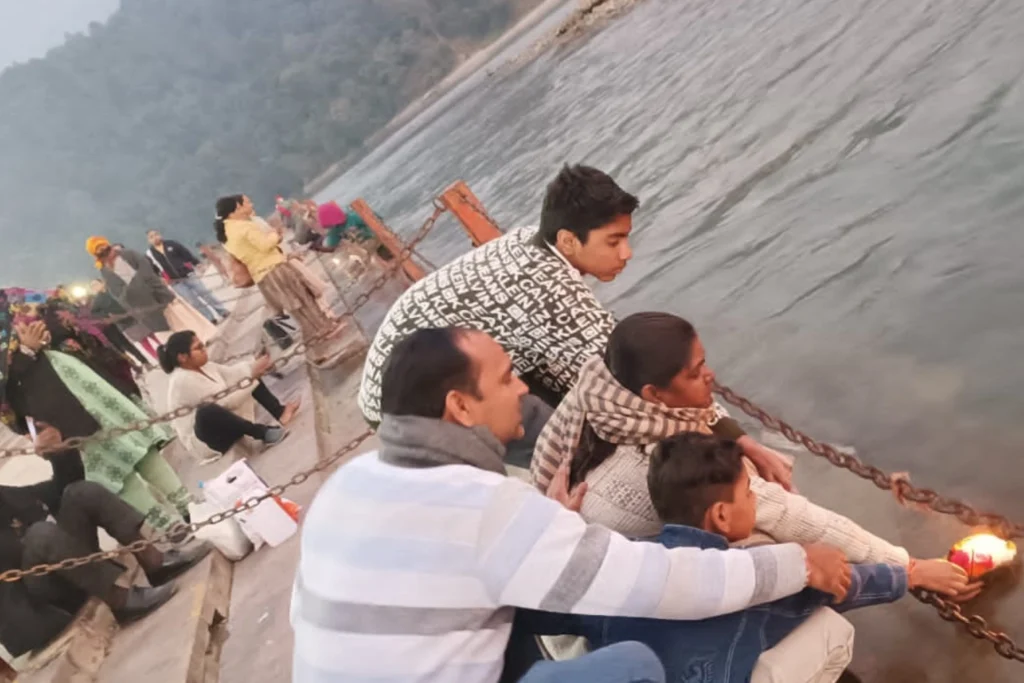
If you’ve seen the Ganga Aarti at Har Ki Pauri on Day 1, the Triveni Ghat Aarti in Rishikesh in the evening of Day 2 gives you a genuinely interesting comparison.
Triveni Ghat is named for the confluence of three rivers — the Ganga, Yamuna, and the mythological Saraswati. The aarti here is quieter, more intimate, and in some ways more accessible than the massive ceremony at Haridwar.
The crowd is smaller, the ghat is calmer, and you can actually find a good spot without arriving an hour early. For many visitors, this ends up being the more memorable of the two aartis — not because it’s grander, but because you can actually be present in it rather than managing the crowd around you.
Looking for more experiences in Haridwar? Beyond the places included in this itinerary, the city offers several other attractions worth exploring, including Daksh Mahadev Temple, Pawan Dham, Sapt Rishi Ashram, Gau Ghat, Bilkeshwar Mahadev Temple, and local markets. For a complete list of attractions, activities, and travel tips, check out our detailed guide on Best Things to Do in Haridwar.
Practical Tips
Getting around: Auto-rickshaws are the default. Agree on a fare before getting in — most cross-city trips run ₹60–₹150. For the Shantikunj, DSVV, and Sapt Rishi Road visits, hire an auto for a half-day (₹300–₹400) rather than flagging separate rides.
Food: Beyond the dhaba staples, Mohan Ji Puri Wale is non-negotiable for dinner after the aarti. For sweets, the rabri and lassi from shops near Har Ki Pauri are exceptionally good. Breakfast at Shantikunj on Day 1 is simple, cheap, and genuinely good.
Photography: Permitted at ghats and most temples. Always ask before photographing sadhus — some will say yes, some will ask for a small donation, some will firmly decline. At the Aarti, a phone works fine; tripods are not allowed.
Health & safety: Drink only bottled or filtered water. Carry hand sanitiser. Leave your wallet and phone at the hotel when going for the morning dip — Keep your phone and wallet secure, especially around crowded bathing areas.
FAQ
Yes, Haridwar is generally considered safe for families and pilgrims. Basic precautions — avoiding isolated areas late at night, keeping valuables secure — are recommended, especially at the busier ghats.
Budget trip: ₹3,000–₹5,000 per person
Mid-range trip: ₹6,000–₹10,000 per person
This includes hotel stay, local transport, food, and sightseeing. Costs increase during festivals and weekends.
Yes, attending the Ganga Aarti at Har Ki Pauri is completely free. Donations are optional.
Yes — and this itinerary does exactly that. The distance is only about 25 km, making it convenient to travel by taxi, auto, or bus. Rishikesh works well as an evening on Day 2, especially if you time it around the Triveni Ghat Aarti.
Final Thoughts
Haridwar doesn’t perform for tourists. It simply is what it has always been — a place where people come to bathe, pray, grieve, celebrate, and find stillness at the edge of a great river.
Two days gives you enough time to move past the surface spectacle and begin to feel the actual rhythm of the place. Start before dawn at Shantikunj. Watch the Ganga Aarti from the Clock Tower side. Walk the quieter ghats on Day 2. Take the Triveni Aarti in Rishikesh as your send-off.
Two days here won’t make you an expert on Haridwar. But they may very well make you want to come back — and if you’re anything like me, you will.
Last updated: February 2026. Prices and timings are approximate and subject to change with season and local conditions.