
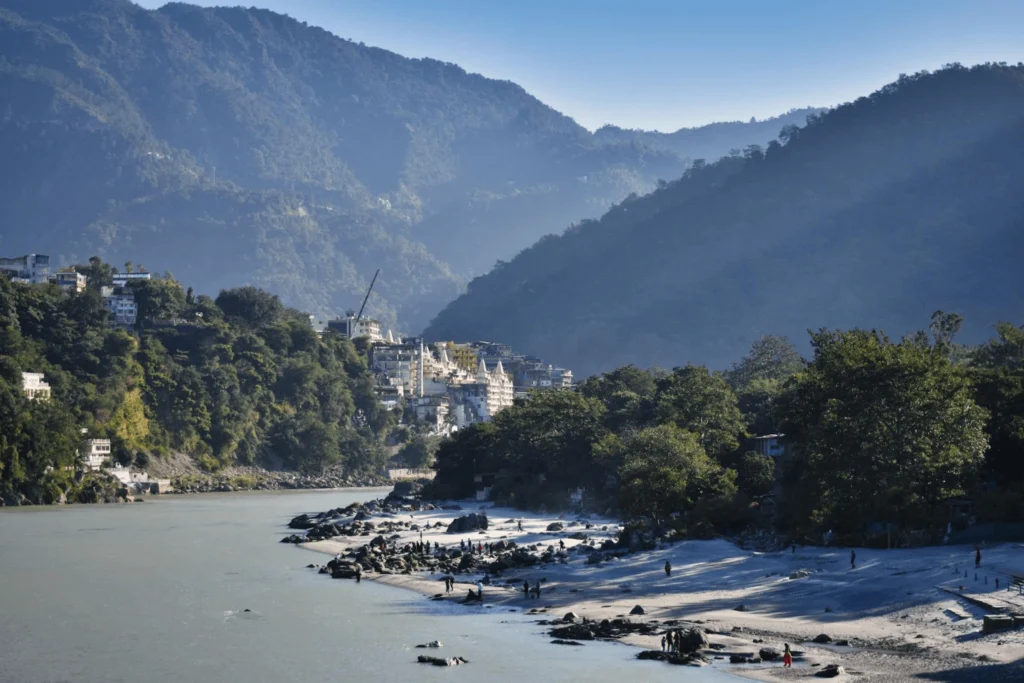
Haridwar is one of India’s holiest cities. It sits where the Ganges River leaves the Himalayas and enters the plains. Every year, millions of pilgrims and tourists visit this sacred city in Uttarakhand.
First-time visitors are often overwhelmed. The crowds, the rituals, the noise — it’s a lot to take in. But with the right tips, Haridwar becomes one of the most rewarding destinations in India.
Haridwar is safe and beginner-friendly for first-time visitors, but it can feel overwhelming due to crowds, rituals, and noise. With basic preparation and awareness, it becomes one of the most rewarding spiritual destinations in India.
This guide covers everything you need to know before you go.
Why Visit Haridwar?
Haridwar means “Gateway to God” in Sanskrit. It is one of the seven holiest cities in Hinduism. The city sits at 314 metres above sea level, where the Ganges officially meets the plains.
People come here for many reasons. Some seek spiritual healing. Others come for the famous Ganga Aarti ceremony. Many use Haridwar as a base for exploring nearby destinations like Rishikesh, Mussoorie, and the Char Dham pilgrimage circuit.
Whatever brings you here, Haridwar will leave a mark on you.
Best Time to Visit Haridwar
October to February — The Ideal Window
This is the best time for first-time visitors. The weather is cool and pleasant. Temperatures range from 5°C to 25°C. The skies are clear and the city is comfortable to explore on foot.
December and January are the coldest months. Carry warm layers, especially for early morning and evening visits to the ghats.
March to May — Warm but Manageable
Spring months are popular. Temperatures rise to around 35°C by May. It gets busy during Hindu festivals like Navratri. If you visit during this window, start your sightseeing early in the morning.
June to September — Monsoon Season
Avoid this period if possible. Heavy rainfall causes flooding near the river. Roads can become dangerous. The river itself swells significantly and bathing at the ghats becomes restricted.
However, the landscape is lush and green. Accommodation is cheaper. If you don’t mind the rain, it can still be a memorable visit.
How to Reach Haridwar
By Train
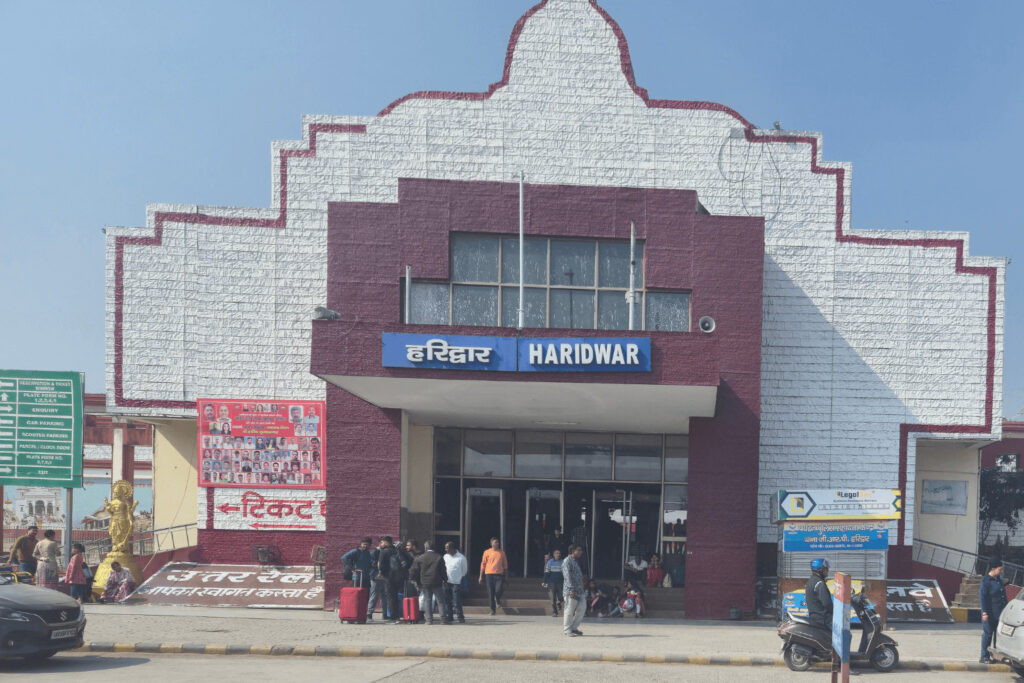
This is the best option for most visitors. Haridwar Junction is a major railway station. It has direct connections to Delhi, Mumbai, Kolkata, Lucknow, and Dehradun.
From Delhi, trains take around 4 to 5 hours. Book tickets on the IRCTC website or the Ixigo app. Book at least a week in advance during festival seasons.
By Road
Haridwar is 210 km from Delhi. The drive takes around 5 to 6 hours via the NH58 highway. Buses run regularly from Delhi’s ISBT Kashmere Gate. Private taxis and cabs through Ola and Uber are also available.
The road journey is scenic, especially as you approach the Shivalik Hills.
By Air
The nearest airport is Jolly Grant Airport in Dehradun. It is about 35 km from Haridwar. Flights connect Dehradun to Delhi, Mumbai, and Bengaluru. From the airport, take a prepaid taxi or Ola cab to Haridwar.
Where to Stay in Haridwar

Har Ki Pauri Area
This is the heart of Haridwar. Staying here puts you within walking distance of the main ghat. It is ideal for first-time visitors who want to experience the full atmosphere of the city.
Dozens of guesthouses and mid-range hotels line the lanes near the ghat. Prices are reasonable outside peak festival seasons. Expect to pay between ₹800 and ₹2,500 per night for a clean room.
Jwalapur and Ranipur
These are quieter residential neighbourhoods. They are slightly away from the main tourist zone. Good for travellers who want lower prices and a more local feel.
Budget accommodation here starts from around ₹400 per night.
Ashram Stays
Many ashrams in Haridwar offer rooms to visitors. Parmarth Niketan and Geeta Ashram are popular options. Rates are very affordable — sometimes just a donation is expected.
Ashram accommodation is simple. Meals are vegetarian. There is usually a schedule of yoga, meditation, and prayer to participate in.
Top Things to Do in Haridwar
Top Things to Do in Haridwar include attending the famous Ganga Aarti, visiting sacred temples, exploring river ghats, enjoying cable car rides, and experiencing the city’s spiritual atmosphere.
Attend the Ganga Aarti at Har Ki Pauri
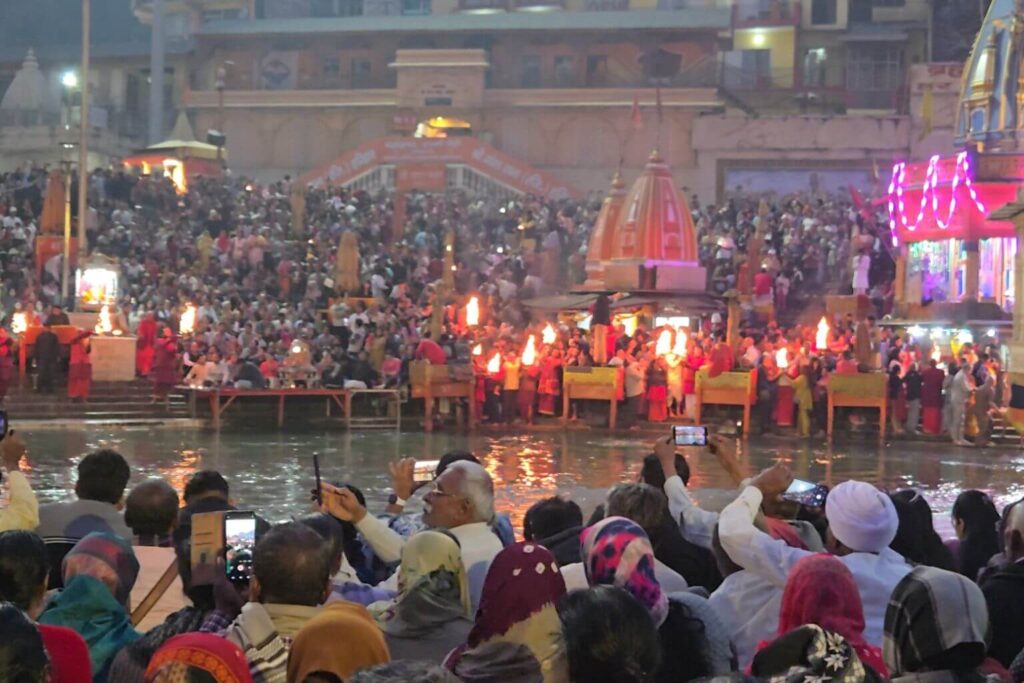
This is the single most important experience in Haridwar. Every evening at sunset, priests perform an elaborate fire ritual on the banks of the Ganges. Dozens of priests chant, ring bells, and wave large oil lamps in synchronised motions.
The ceremony draws thousands of people every single evening. The atmosphere is electric. Flowers float on the river carrying tiny oil lamps. The sound, the light, and the energy are unlike anything else in India.
Arrive at least 45 minutes early to get a good spot near the ghat. The best views are from the steps directly facing the river.
Take a Holy Dip at Har Ki Pauri
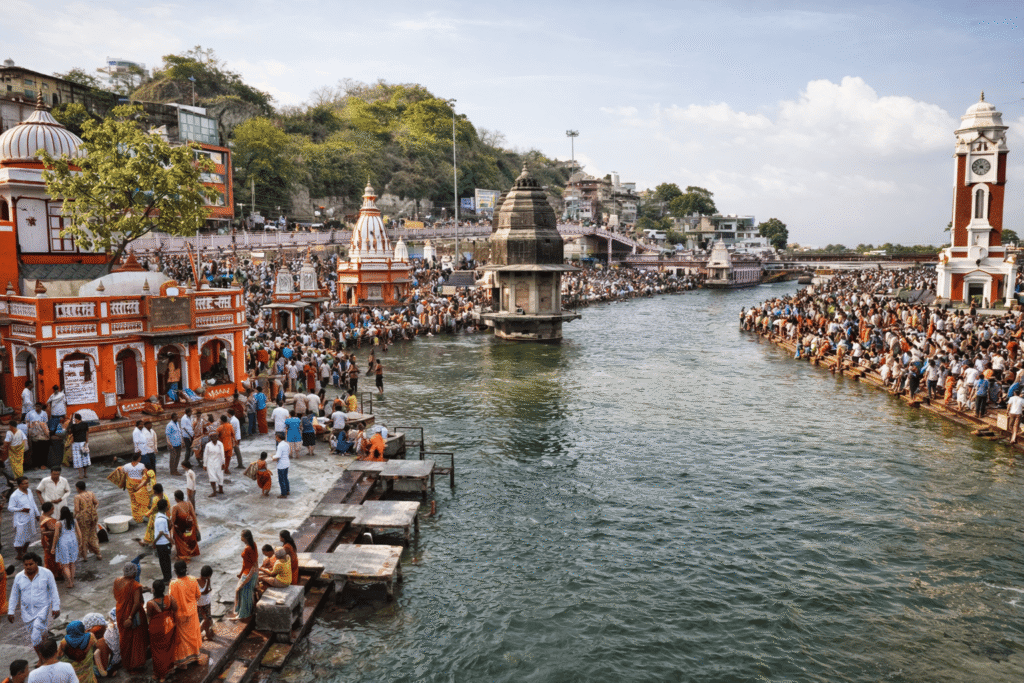
Har Ki Pauri is Haridwar’s most sacred ghat. Pilgrims believe that bathing here washes away sins. The water is cold but clean by Indian river standards.
If you choose to bathe, hold onto the chains fixed along the ghat. The current is stronger than it looks. Store your valuables securely before entering the water.
Explore Mansa Devi Temple
This temple sits on Bilwa Parvat hill, overlooking the city and river. It is dedicated to Goddess Mansa Devi. The temple is one of the Shakti Peethas — sacred sites of goddess worship across India.
You can reach the temple by cable car (udan khatola) or on foot via a forest trail. The cable car takes about 3 minutes and offers stunning aerial views of the Ganges. The walk takes around 30 to 45 minutes.
Go early in the morning to avoid the queues. Weekends and festivals see very long wait times.
Visit Chandi Devi Temple
Chandi Devi is another hilltop temple, located on Neel Parvat across the river. It is dedicated to Goddess Chandi. Like Mansa Devi, it is accessible by cable car or on foot.
The two temples together make a good full-day pilgrimage circuit. Many devotees visit both in a single morning.
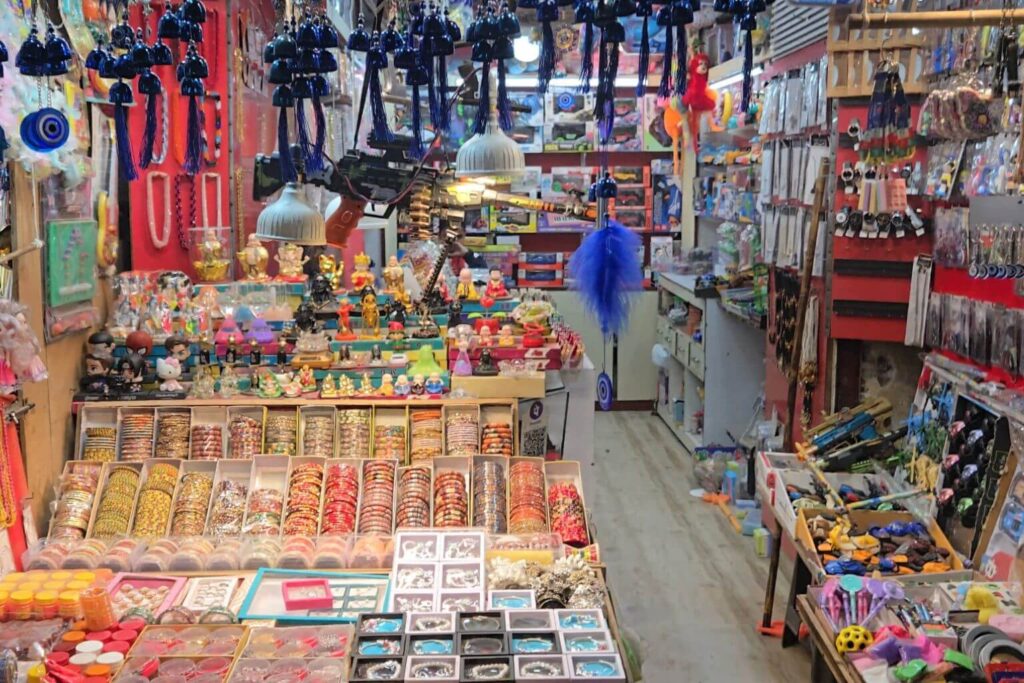
Walk Through Har Ki Pauri Market
The lanes around Har Ki Pauri are filled with shops. You will find rudraksha beads, brass idols, copper pots, ayurvedic herbs, and saffron-coloured garments.
Prices are negotiable at most stalls. Do not pay the first price quoted. Politely bargaining down by 20 to 30 percent is perfectly acceptable.
Visit Maya Devi Temple
This is one of Haridwar’s oldest temples. It is dedicated to the goddess Maya Devi and is considered the presiding deity of the city. The temple is less crowded than the hilltop temples and offers a more peaceful experience.
It is located close to Har Ki Pauri and easy to visit on foot.
Food in Haridwar
What to Eat
Haridwar is a completely vegetarian city. No meat, fish, or eggs are sold anywhere within the city limits. This is strictly observed.
The local food is excellent. Try puri-aloo for breakfast — fluffy fried bread served with spiced potato curry. Kachori with sabzi is another popular morning snack. Lassi here is outstanding — thick, creamy, and served in clay cups called kulhads.
For sweets, try jalebis fresh from the pan. Rabri — a thick reduced milk dessert — is also widely available and exceptional.
Where to Eat
Chotiwala Restaurant near Laxman Jhula Road is famous among travellers. Mohan Ji Puri Wale near Har Ki Pauri has been serving simple, delicious breakfasts for decades. Big Bull Restaurant on Upper Road is popular for thalis — large plate meals with multiple dishes.
Avoid any stall that looks unhygienic. Eat only at busy places where food is cooked fresh in front of you.
Bhang Lassi — Know Before You Drink
Bhang is a preparation made from cannabis leaves. It is legal in Haridwar and sold at licensed government shops. Bhang lassi is available at some shops near the ghats.
As a first-time visitor, approach with extreme caution. The potency varies wildly. Effects can be very strong and take up to two hours to appear. Do not drink it if you have plans for the rest of the day.
Haridwar Safety Tips
General Safety
Haridwar is one of the safer cities in India for tourists. Violent crime against visitors is extremely rare. The city has a visible police presence near the ghats and main tourist areas.
Petty theft does occur. Pickpocketing in dense crowds — especially during the Ganga Aarti — is the most common risk. Keep your phone and wallet in a secure inner pocket or money belt.
Water and Health
Only drink bottled or filtered water. Tap water in Haridwar is not safe for tourists. Carry a reusable bottle and refill it from trusted filtered sources.
Carry oral rehydration salts if you plan to stay more than a few days. Stomach upsets are common for first-time visitors to India. Start with simple food, eat slowly, and give your body time to adjust.
Crowds During Festivals
Haridwar hosts the Kumbh Mela — the world’s largest human gathering — every 12 years. The next Purna Kumbh Mela is in 2034. However, the Ardh Kumbh (half Kumbh) occurs every 6 years and draws tens of millions.
Even outside Kumbh, festivals like Kanwar Yatra in July-August bring enormous crowds. During these periods, local transport is disrupted, accommodation prices spike, and crowds at the ghats become very dense. Plan well in advance if visiting during major festivals.
Getting Around Haridwar
On Foot
The main tourist areas of Haridwar are very walkable. Har Ki Pauri, Maya Devi Temple, and the main market are all within a 15-minute walk of each other.
Comfortable, closed shoes are strongly recommended. The lane surfaces near the ghats can be uneven and slippery when wet.
Auto-Rickshaws and E-Rickshaws
These are the main modes of local transport. E-rickshaws are the quieter, cleaner option. Always agree on a fare before you get in. A short ride across the city should cost between ₹20 and ₹60.
Do not accept unsolicited rides from drivers who approach you first — they typically charge inflated rates.
App-Based Cabs
Ola and Uber operate in Haridwar. Use these for longer journeys, late-night travel, or trips to the airport and railway station. Fares are transparent and fixed upfront, which eliminates negotiation.
Essential Etiquette for First-Time Visitors
Remove Your Shoes
Remove shoes before entering any temple. Most temples have a shoe storage area at the entrance — either free or for a small fee of ₹5 to ₹10.
Wear socks if you are uncomfortable walking on bare floors.
Dress Modestly
Both men and women should cover their shoulders and legs when visiting temples and ghats. Shorts and sleeveless tops are considered disrespectful in these settings.
Lightweight cotton trousers and a loose shirt are ideal. Scarves are useful for covering the head when entering certain shrines.
Photography Rules
Photography is not permitted inside most temples in Haridwar. Always check before raising your camera. At the Ganga Aarti, photography is generally allowed from the steps but never with a flash directed at the priests.
Ask permission before photographing individuals, especially sadhus and priests.
Respect the River
The Ganges is not just a river here. It is a deity. Avoid plastic waste near the ghats. Do not throw food packaging or garbage into the water. Many visitors purchase biodegradable flower offerings instead.
Day Trips from Haridwar
Rishikesh (25 km)
Rishikesh is just 45 minutes away by shared jeep or cab. It offers white-water rafting, yoga retreats, bungee jumping, and a lively backpacker scene. A very easy and worthwhile day trip.
Rajaji National Park
This wildlife reserve begins just outside Haridwar. It is home to elephants, tigers, leopards, and hundreds of bird species. Jeep safaris can be booked in advance through the forest department.
The best time for wildlife sightings is early morning between November and March.
Dehradun (50 km)
Uttarakhand’s capital city is about 1.5 hours away. It has good restaurants, a lively market, and the famous Robber’s Cave — a natural river gorge you can walk through. A comfortable day trip from Haridwar.
Practical Information at a Glance
The currency used is Indian Rupee (INR). ATMs are widely available near Har Ki Pauri and the railway station. Carry some cash as many small shops and guesthouses do not accept cards.
Mobile coverage is good across the city. Buy a local SIM card at the airport or railway station for affordable data. Jio and Airtel are the most reliable networks in this region.
The local language is Hindi. English is understood at most hotels, tourist shops, and restaurants frequented by visitors. Learning a few basic Hindi phrases — namaste (hello), dhanyavaad (thank you), kitna hai (how much is it) — goes a long way.
Emergency numbers to save: Police 100, Ambulance 108, Tourist Helpline 1364.
Final Thoughts
Haridwar is unlike any other city in India. It is loud, spiritual, crowded, and deeply moving — often all at the same time. First-time visitors are frequently caught off guard by the intensity of the experience.
Come with an open mind. Allow yourself to slow down. Sit on the steps of the ghat as the sun drops. Watch the lamps float on the river. Let the chanting wash over you.
You don’t need to be religious to feel something powerful in Haridwar. You just need to be present.
That is enough.
Last updated: May 2026. Verify current travel advisories with your government’s foreign affairs department before travelling.
FAQ
The best time to visit Haridwar is from October to March when the weather is pleasant and ideal for sightseeing and attending Ganga Aarti. April–June is also popular but can be quite hot.
A trip to Haridwar can cost around:
–Budget: ₹1,000–₹2,000/day
–Mid-range: ₹2,500–₹5,000/day
–Luxury: ₹6,000+ per day
Costs depend on travel mode, stay, and activities.
Yes, 2 days are enough to explore Haridwar. You can attend Ganga Aarti at Har Ki Pauri, visit temples, and explore nearby places comfortably.
It’s best to avoid visiting Haridwar during:
–Peak monsoon (July–August) due to heavy rains and flooding risk
–Major festivals like Kumbh Mela if you want to avoid heavy crowds