
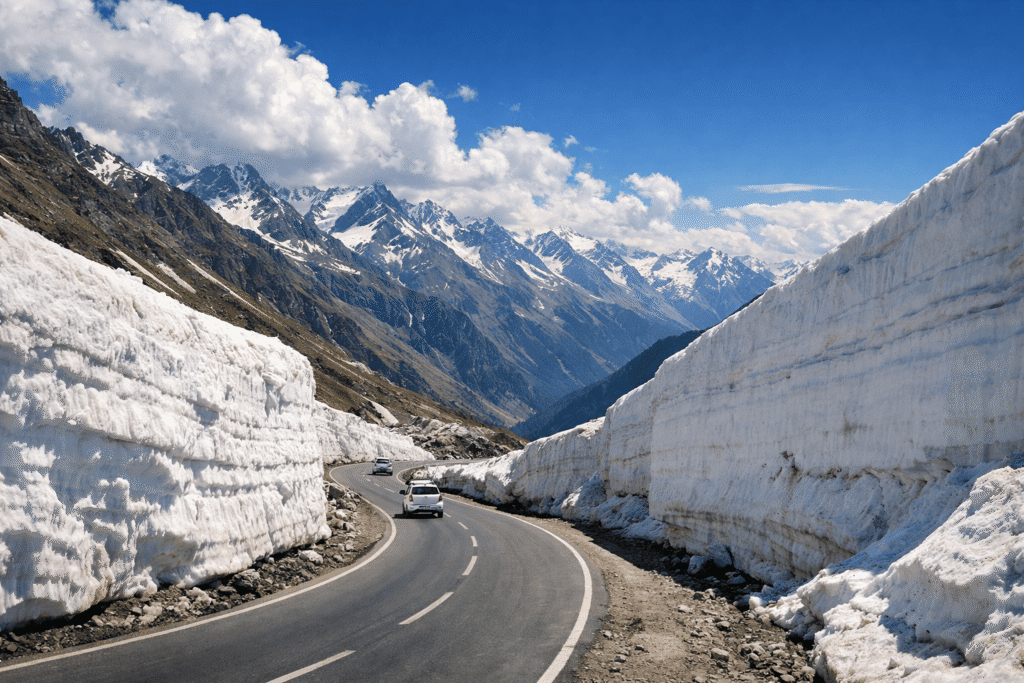
Rohtang Pass from Manali is 51 kilometres, 3,978 metres of altitude, and one mandatory government permit away.
It is also one of the most spectacular half-day drives in the Indian subcontinent — a route that climbs from the pine-scented warmth of Manali town into a stark, snow-blanketed world that looks nothing like the India most people know.
If you’re wondering, “Is Rohtang Pass open right now?”, the answer depends entirely on weather conditions and government notifications, so checking the latest 2026 road status before planning your trip is essential.
This ancient pass connecting the Kullu Valley to the remote Lahaul-Spiti region draws adventure seekers, honeymooners, and photographers in equal measure.
But the planning catches many visitors off guard: the permit system is strict, slots sell out days in advance during peak season, and the road demands both the right vehicle and an early start.
This guide gives you the exact distances, step-by-step permit instructions, seasonal conditions, and practical tips you need to get there without a hitch.
How Far Is Rohtang Pass from Manali?
Let’s answer the most searched question first.
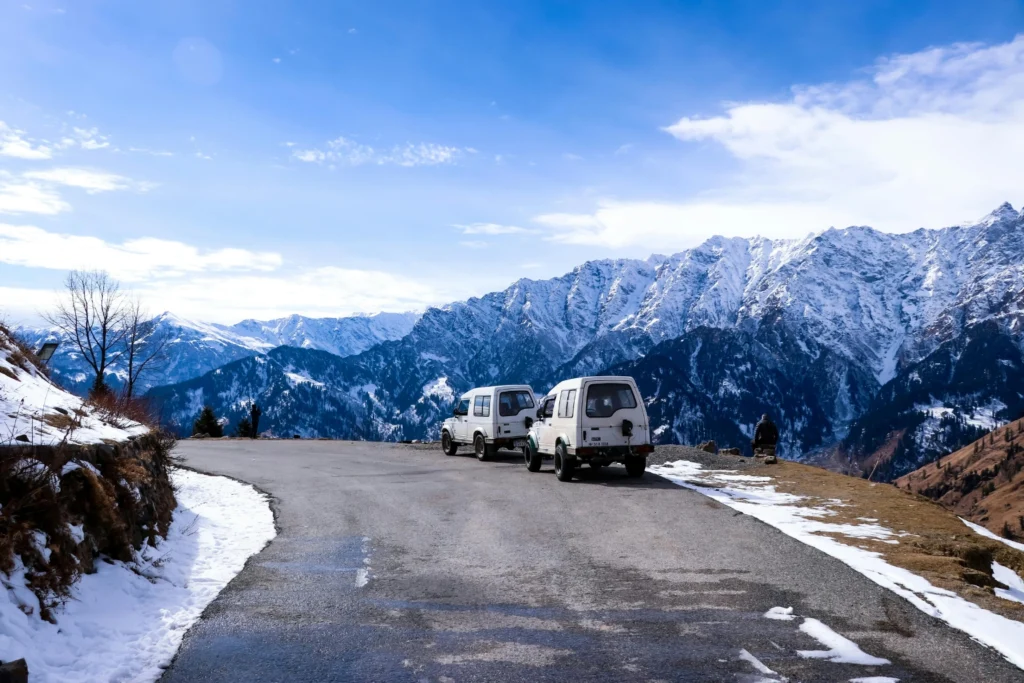
Rohtang Pass is approximately 51 kilometres from Manali town via the Manali–Leh Highway (NH-3). The drive, under normal conditions and in good weather, takes between 2.5 to 4 hours one way depending on traffic, road condition, and the season.
However, “distance” on mountain roads rarely tells the full story. The road climbs sharply from Manali’s base elevation of around 2,050 metres all the way to Rohtang’s summit at 3,978 metres — a vertical gain of nearly 2,000 metres in just 51 kilometres.
This makes the route one of the steepest and most dramatic short drives in the country. There are hairpin bends, single-lane stretches shared with oncoming traffic, loose gravel sections, and in early season, compacted ice that demands careful driving.
Distance breakdown by key stops:
| Location | Distance from Manali | Elevation |
|---|---|---|
| Vashisht Village | ~3 km | 2,100 m |
| Palchan | ~14 km | 2,480 m |
| Kothi | ~15 km | 2,530 m |
| Gulaba (Permit Check) | ~22 km | 3,050 m |
| Marhi | ~35 km | 3,300 m |
| Rohtang Pass Summit | ~51 km | 3,978 m |
From Manali’s popular Old Manali or Mall Road area, add an extra 1–2 kilometres to these figures depending on your starting point. If you’re staying in the Naggar or Aleo belt, factor in travel time to the main highway before the climb begins.
The Route at a Glance
Picture the route as three distinct phases:
Phase 1 — Valley Floor (Manali to Gulaba, 0–22 km): The road runs parallel to the Beas River, climbing gently through pine forest, apple orchards, and small villages.
The valley is wide, the air is warm, and the driving is straightforward. This is where you’ll see the last tea stalls, the last mobile signal, and the last flat ground for a while.
Phase 2 — The Big Climb (Gulaba to Marhi, 22–35 km): After the permit check at Gulaba, the road begins its serious ascent.
The valley walls close in, the tree line drops away, and the landscape turns alpine — rocky grassland, glacial streams, and increasingly dramatic views back down the Kullu Valley.
The road narrows and hairpins multiply. This stretch can get icy in early season.
Phase 3 — The High Zone (Marhi to Summit, 35–51 km): Above Marhi the road enters the snowfield zone. Even in June and July, snow lines the road on both sides. The gradient eases slightly but the air is noticeably thinner.
The final approach to the summit involves a series of sharp bends before the road levels onto the broad, wind-swept plateau of Rohtang Pass itself.
Understanding the Rohtang Pass Permit System
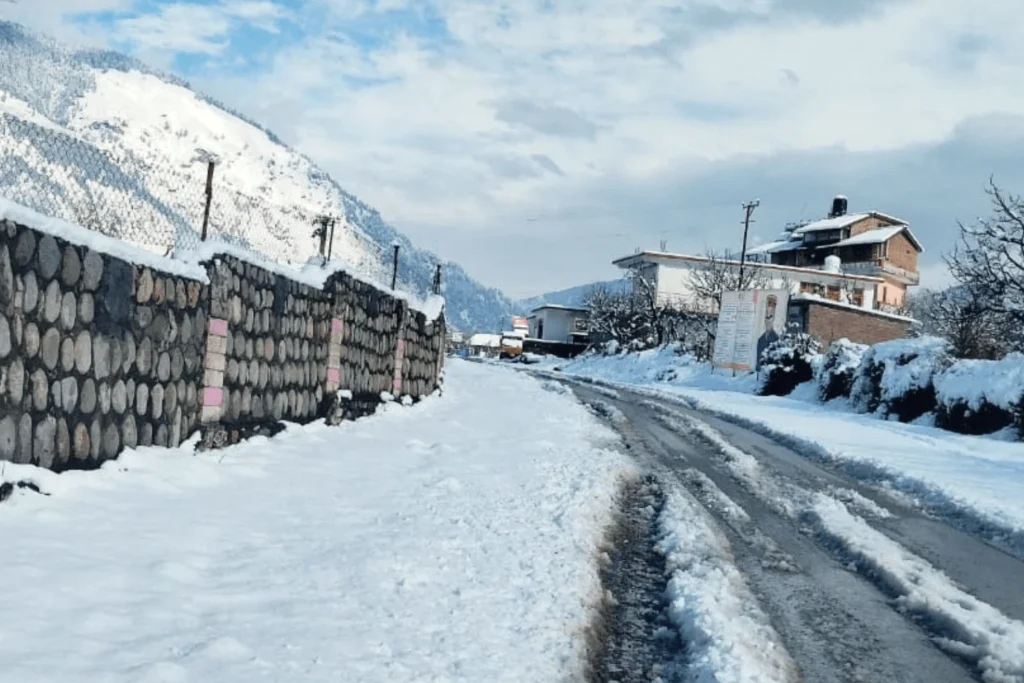
This is where most first-time visitors get caught off guard. You cannot simply drive to Rohtang Pass without a valid permit.
The National Green Tribunal (NGT) introduced mandatory permit regulations several years ago to control the volume of tourist traffic and protect the pass’s sensitive alpine ecosystem, which was being rapidly degraded by unregulated mass tourism.
Who Needs a Permit?
Every non-commercial tourist vehicle heading beyond Gulaba check post toward Rohtang Pass requires a permit. This applies regardless of whether you’re in a privately owned car, a rented SUV, or a taxi.
Two-wheelers are subject to different and often stricter regulations — check the latest rules before your trip as these change seasonally.
Daily Vehicle Cap
The NGT has set a hard daily limit on the number of vehicles permitted on the pass:
- 800 petrol/CNG vehicles per day
- 400 diesel vehicles per day
- Total: 1,200 non-commercial vehicles per day
This limit is strictly enforced. Once the quota fills, no additional permits are issued for that date — regardless of when you show up at the check post.
How to Get the Rohtang Pass Permit
Permits are issued online through the Himachal Pradesh government’s official Rohtang permit portal at https://rohtangpermits.nic.in.
This is the only legitimate government portal — avoid third-party booking sites that charge inflated service fees. The process is straightforward but time-sensitive:
- Visit rohtangpermits.nic.in and register with a valid email ID and phone number.
- Enter your vehicle registration number, fuel type, number of passengers, and intended travel date.
- Upload a copy of your vehicle’s Registration Certificate (RC) and a government-issued photo ID.
- Pay the permit fee — ₹500 for most non-commercial vehicles (petrol and diesel). Green-fuel and electric vehicles are charged a reduced fee. Fees are reviewed annually but have held steady at this rate for the past two seasons.
- Download and print the permit confirmation. Also save a screenshot on your phone as a backup.
Permits are generally released 60 days in advance, and on any given day, the following day’s permits also go live. During peak season (June–August), slots vanish within minutes of opening. Set a reminder and be online the moment permits are released.
If you’re travelling with a local taxi or tour operator, confirm in writing that the permit is their responsibility and ask for the permit number at least 48 hours before your trip.
Permit Timing Restrictions
Vehicles are typically allowed on the Rohtang road only during specific hours.
The pass is generally open to tourist traffic from around 7:00 AM onwards, with vehicles required to begin their return journey from the summit by early afternoon (usually by 2:00 PM).
These timings shift with the season and are enforced by local traffic authorities. Confirm current timings with your hotel or the permit portal before the trip.
Getting There: Transport Options from Manali
Self-Drive
If you’re driving your own vehicle from Chandigarh, Delhi, or elsewhere in Punjab and Haryana, self-drive is rewarding but requires preparation.
A 4WD or high-clearance SUV is strongly recommended, especially for early and late season travel when ice and slush are present.
Ensure your vehicle has good tyre tread and carry basic tools, a spare tyre, jumper cables, and a tow rope.
Rented Vehicles
Manali has a robust rental market. Popular choices include the Toyota Innova Crysta, Mahindra Thar, Mahindra Bolero, and Maruti Suzuki Vitara Brezza.
Rates typically range from ₹3,000 to ₹6,000 for a full-day Rohtang trip including the driver.
Always choose a driver with specific Rohtang experience — ask directly, and don’t hesitate to ask for references or to change drivers if you’re not comfortable.
Shared Taxis
Budget travellers can find shared taxis from the Manali taxi stand that pool passengers going toward Rohtang.
This is significantly cheaper (₹300–₹600 per person) but gives you less control over timing and stops. Confirm that the taxi has a valid permit before boarding.
Motorcycles
Biking to Rohtang Pass from Manali is a bucket-list item for many riders. Royal Enfields dominate the roads here.
However, two-wheeler regulations on the Rohtang route are stricter and change frequently — in some seasons bikes have been banned entirely from the pass on certain days.
Check with the local transport authority or your rental shop before planning a bike ride.
Seasonal Road Conditions: What to Expect
May (Early Season Opening)
The pass typically opens in mid-May after snowploughs clear the road. Early visitors encounter dramatic snow walls — sometimes 15 to 25 feet high — flanking the road on both sides.
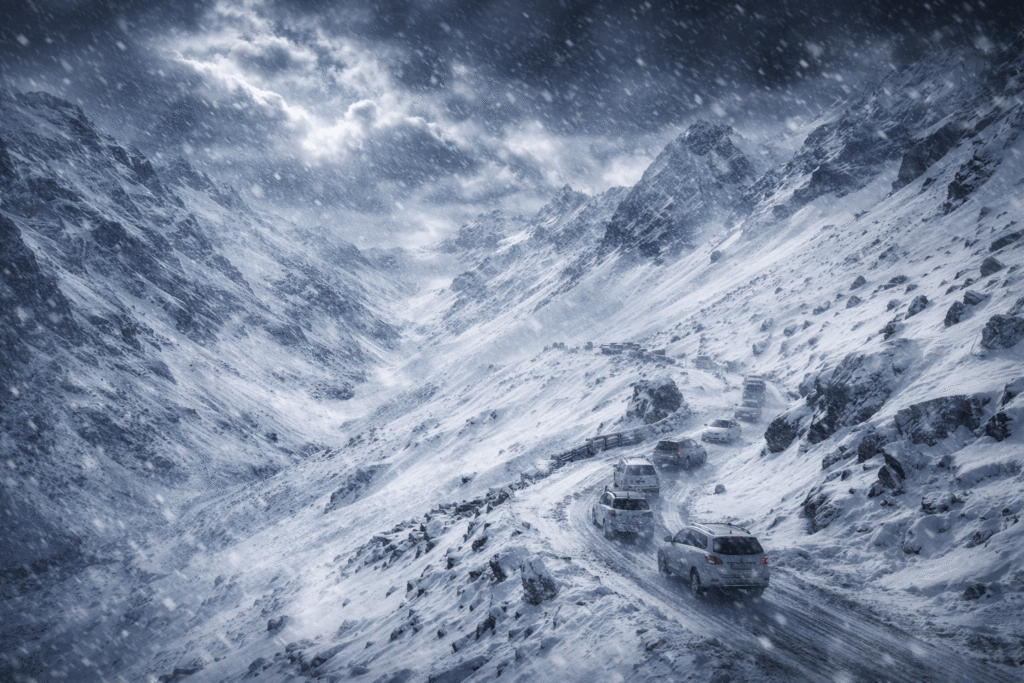
The scenery is extraordinary, but ice patches can make driving hazardous. Only experienced mountain drivers should attempt this window.
June–July
The most crowded period. Snow is still plentiful near the summit, wildflowers are beginning to bloom in the meadows, and the weather is generally clear in the mornings. Traffic is heavy. Landslides become a risk as summer rain begins.
August
Peak monsoon. The road is frequently closed due to landslides and rockfalls. Travel is possible on good days but unpredictable. Not recommended for first-timers.
September–October
This is a hidden gem window. Tourist crowds have largely departed, the air is crystal clear after the monsoon, and the mountains wear an extraordinary mix of autumn gold and early snow. Road conditions are stable. Highly recommended.
November Onwards
The pass closes, usually by mid-November, as heavy snowfall makes the road impassable until the following May.
Essential Travel Tips for Rohtang Pass from Manali
Book Your Permit Before Everything Else
Your permit is the single most important item in your planning checklist. Before you book a hotel, before you rent a car, secure your permit for the specific date you intend to go.
Everything else can be adjusted — the permit cannot be transferred to another vehicle or date once issued.
Leave Manali Before Sunrise
The ideal departure time is between 5:30 and 6:30 AM. This gets you ahead of the permit-window crowd, gives you the best chance of clear skies at the summit, and ensures you can start your return before afternoon weather deteriorates.
Mountain weather shifts fast — what is clear and sunny at 9 AM can become foggy and cold by noon.
Altitude Acclimatization Is Non-Negotiable
Rohtang sits at nearly 4,000 metres. If you’ve arrived in Manali directly from sea-level cities like Mumbai, Delhi, or Chennai, your body needs time to adjust.
Spend at least one full night in Manali — ideally two — before going up. On acclimatization days, take short walks, avoid overexertion, eat light, stay hydrated, and absolutely avoid alcohol.
Symptoms of Acute Mountain Sickness (AMS) include persistent headache, nausea, fatigue, dizziness, and loss of appetite. If symptoms appear at altitude, descend immediately — do not wait to see if they improve.
Layer Up Strategically
Manali at dawn might feel pleasantly cool. Rohtang at the same hour can be bitterly cold, with wind chill bringing temperatures well below freezing even in July.
The layering system works best: a moisture-wicking base layer, a mid-layer fleece, and a windproof waterproof outer shell.
Don’t forget gloves, a snug woollen cap pulled over your ears, thermal socks, and if you plan to walk in snow, waterproof footwear or boots. Snow gear can be rented at Marhi — inspect it carefully before paying.
Sun Protection at Altitude
UV radiation increases by roughly 10–12% for every 1,000 metres of elevation gain. At Rohtang’s height, combined with snow reflection, sunburn happens shockingly fast — even on overcast days.
Apply SPF 50+ sunscreen to all exposed skin before you set off, and reapply at the summit. Wear UV-blocking sunglasses; snow blindness, though rare among short-term visitors, is a real risk.
Carry Physical Copies of All Documents
Mobile signal disappears beyond Kothi and is completely absent for large stretches near the pass. Your permit, vehicle RC, and ID proof should all be available as printed hard copies.
Don’t rely on phone screens at check posts — low battery, screen glare in sunlight, and connectivity issues can all cause delays.
Fuel Up in Manali
There are no petrol stations between Manali and the pass. Fill your tank the night before — don’t rely on the morning, as petrol stations can have queues early in the day. Carry a small emergency fuel container if you’re on a motorcycle.
Respect the Ecology
Rohtang Pass sits in one of India’s most fragile alpine biomes. The NGT’s strict permit limits exist precisely because the pass was being overwhelmed by visitor numbers.
Do not litter — not a wrapper, not a bottle. Plastic bags are prohibited. If you see other visitors littering, a polite word goes a long way.
The glaciers feeding the Beas River from this region are visibly retreating year on year. How we visit these places today determines whether future generations get to visit them at all.
Have a Backup Plan: Solang Valley Is Better Than It Sounds
Road closures on short notice — due to landslides, army convoys, or sudden weather — are common on the Rohtang route. If the pass is inaccessible on your permit date, don’t write the day off.
Solang Valley, located just 14 kilometres from Manali (roughly 30–40 minutes by road), is a genuinely excellent fallback that many visitors end up preferring to Rohtang itself.
At around 2,480 metres, Solang sits at a comfortable elevation that doesn’t require acclimatization and is accessible to all visitors without a special permit.
In winter and early summer, the valley floor is blanketed in snow and offers activities including skiing, snowboarding, zorbing, and horse riding.
A gondola cable car runs up the ridge to around 2,900 metres, giving panoramic views of the Beas River valley and the surrounding peaks — including clear sightlines toward Rohtang on a good day.
The meadow setting is spectacular in its own right: a wide, flat alpine bowl ringed by steep forested ridges and snowfields. In spring, it fills with wildflowers. In autumn, it turns gold.
Even without snow, the valley walk along the Beas riverbanks is peaceful and photogenic.
For families with young children, first-time Himalayan visitors, or anyone who wants the mountain scenery without the traffic and altitude risk, Solang Valley is not a consolation prize — it’s a destination in its own right.
Other solid alternatives if Rohtang is closed: the Beas Kund trek (a 3-day trail to the glacial source of the Beas River, beginning from Solang), and the Hampta Pass trail for those wanting a serious one-day high-altitude hike from a different direction.
What You’ll Find at the Summit
The Rohtang Pass summit area is relatively compact. There’s a small Shiva shrine that has stood here for generations, a cluster of temporary food stalls selling Maggi noodles, tea, corn, and instant noodles, and vendors renting out snow overalls and boots.
In peak season, you’ll find tourists sledging, throwing snowballs, and taking in the views.
The view from the top is genuinely arresting. On the Manali side, the Kullu Valley stretches green and lush into the distance. On the Lahaul side, the landscape transforms completely — drier, more austere, more ancient-feeling.
If weather permits, this visual contrast between two entirely different ecosystems, visible from a single vantage point, is alone worth the drive.
Spend no more than 30–45 minutes at the summit unless you’re well acclimatized. The reduced oxygen is noticeable, particularly for those from low-altitude cities. Move slowly, breathe deeply, and drink water.
Frequently Asked Questions
No. Vehicles without valid permits are turned back at the Gulaba check post, approximately 22 km from Manali.
No. The pass is closed from approximately mid-November to mid-May due to heavy snowfall.
Walking the full 51 km is not practical as a day trip. However, trekkers can reach the pass via the Dhundi trail from Solang Valley — a strenuous but rewarding multi-day trek.
Yes, with precautions. Keep children well-hydrated, limit time at the summit, and watch for any signs of altitude discomfort. Consult a paediatrician before taking very young children above 3,000 metres.
Solang Valley is the best alternative — accessible without a special permit and offering snow, adventure activities, and mountain scenery.
Final Word
Planning a visit to Rohtang Pass from Manali is one of those rare travel decisions that almost never disappoints — provided you go in prepared.
The distance is manageable, the permit system (while requiring advance effort) is entirely navigable, and the rewards at the top are profound. Few landscapes in India have the power to stop you mid-breath the way Rohtang does.
Go early. Go prepared. And let the mountains do the rest.
Always verify current permit availability, road conditions, and pass status through the official HP government portal or local Manali tourism offices before your travel date. Mountain conditions can change rapidly.