
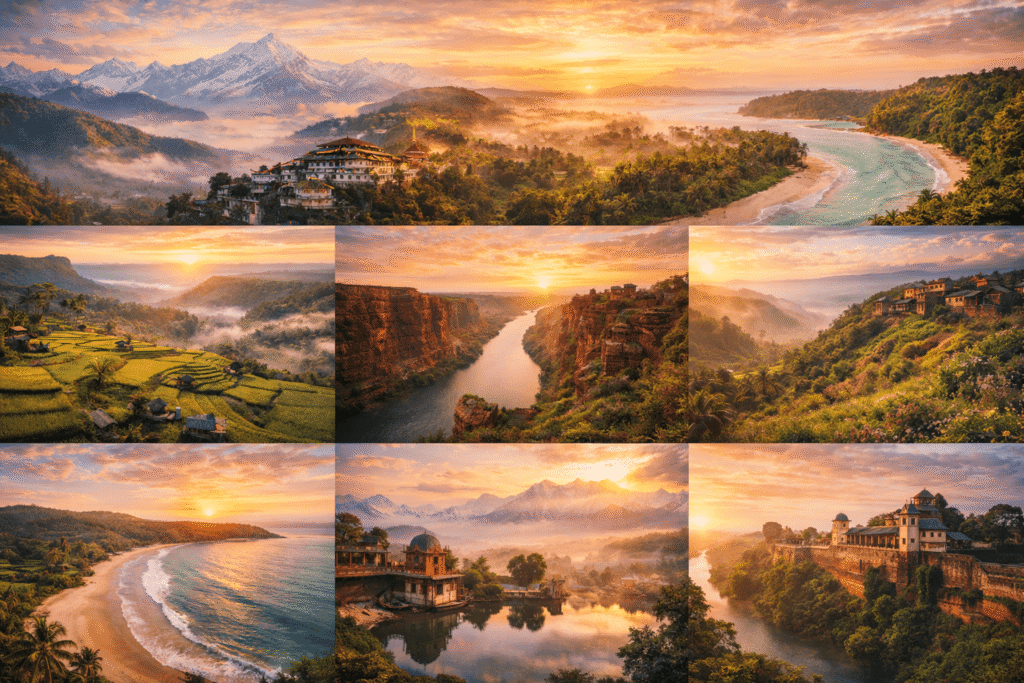
But beyond these famous attractions lie some of the best hidden places in India, destinations that remain far from the typical tourist trail.
India is large enough — and strange enough — to absorb a lifetime of travel without repeating itself. The northeast alone contains more cultural variety than most continents.
A single river island in Assam is home to a classical dance form most Indians have never witnessed. A canyon in Andhra Pradesh rivals the American Southwest, and almost nobody goes there.
If you enjoy exploring offbeat destinations, you might also like our guide to hidden coastal destinations in India, where you can discover peaceful beaches away from the crowds.
This guide explores the best hidden places in India — ten secret destinations worth exploring for travelers who suspect there’s another India running parallel to the tourist trail and want to find it.
Quick overview of the hidden destinations:
| Destination | State | Best Season | Type |
|---|---|---|---|
| Ziro Valley | Arunachal Pradesh | March–April, September | Mountain / Cultural |
| Chopta | Uttarakhand | March–April, November–February | Mountain / Trekking |
| Majuli Island | Assam | October–March | Cultural / River Island |
| Gandikota | Andhra Pradesh | October–February | Canyon / Landscape |
| Tawang | Arunachal Pradesh | April–June, September–October | Mountain / Cultural |
| Dzukou Valley | Nagaland | July–August, November–December | Mountain / Trekking |
| Gokarna | Karnataka | October–March | Beach |
| Chaukori | Uttarakhand | April–June, October–November | Mountain |
| Mandu | Madhya Pradesh | July–September | Historical / Cultural |
| Havelock Island (Swaraj Dweep) | Andaman & Nicobar Islands | November–April | Beach / Island |
1. Ziro Valley, Arunachal Pradesh
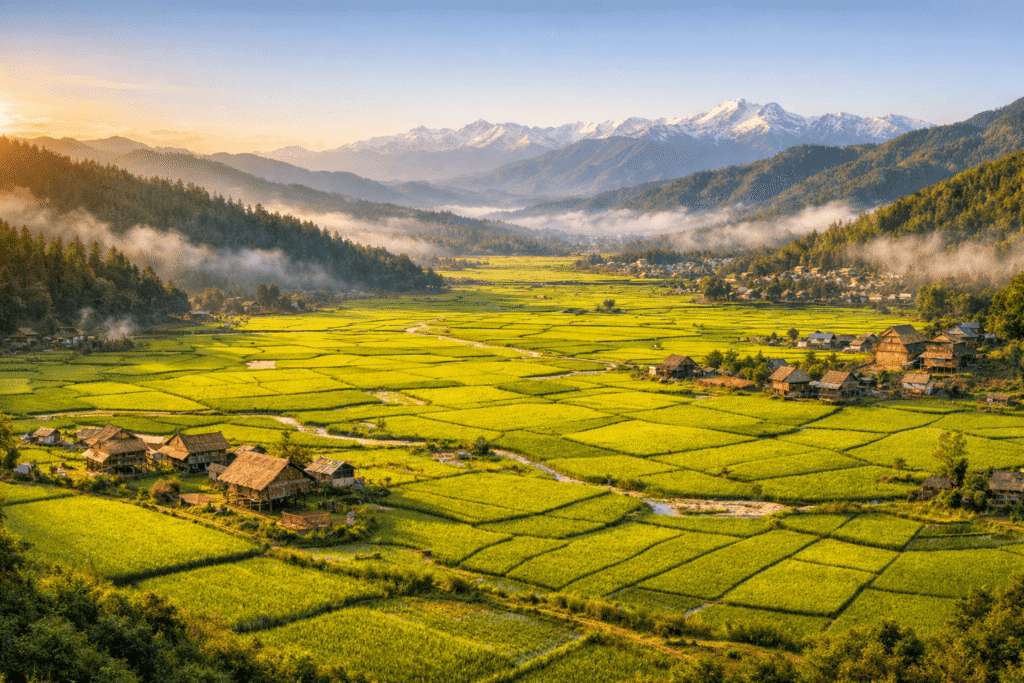
Located in northeastern India, Ziro Valley is a strikingly scenic highland surrounded by pine forests and rolling green hills.
The valley is home to the Apatani tribe, whose traditions of sustainable agriculture and tattooing practices have earned UNESCO Tentative Heritage status.
Best time to visit: September (coincides with the Ziro Music Festival) or March–April for pleasant weather.
How to get there: Fly to Itanagar (Lilabari Airport), then take a 4–5 hour drive to Ziro. An Inner Line Permit (ILP) is required for non-Arunachal residents.
Insider tip: Stay in a homestay with an Apatani family for an authentic experience — hosts often cook traditional smoked pork dishes and share stories about their farming practices.
2. Chopta, Uttarakhand
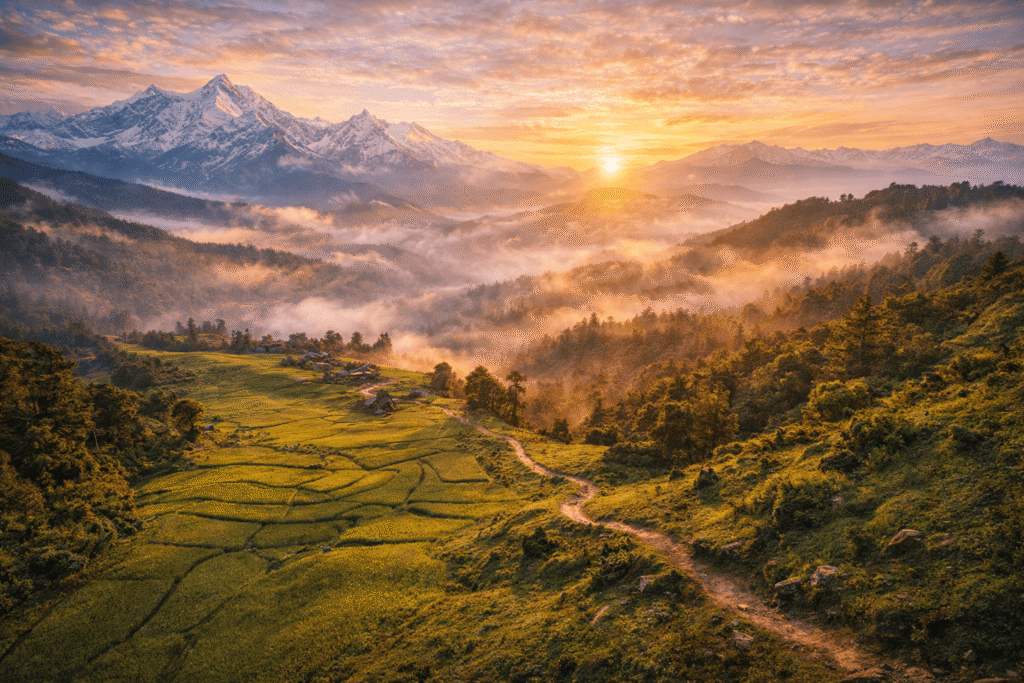
Chopta doesn’t need a European comparison to justify itself. At 2,680 meters, this small alpine hamlet sits at the base of the Tungnath Temple trek— leading to the highest Shiva temple in the world at 3,680 meters — and continues to Chandrashila Peak with panoramic views of Nanda Devi and Trishul.
Best time to visit: March–April for rhododendron blooms; November–February for a snow-covered landscape.
How to get there: Drive from Rishikesh (approximately 6 hours) via Ukhimath. The road may be closed in heavy snow; check conditions before departing.
Insider tip: Start the Tungnath trek at dawn to catch sunrise from Chandrashila Peak. The early morning light on the Himalayas is spectacular and the trail is crowd-free.
3. Majuli Island, Assam
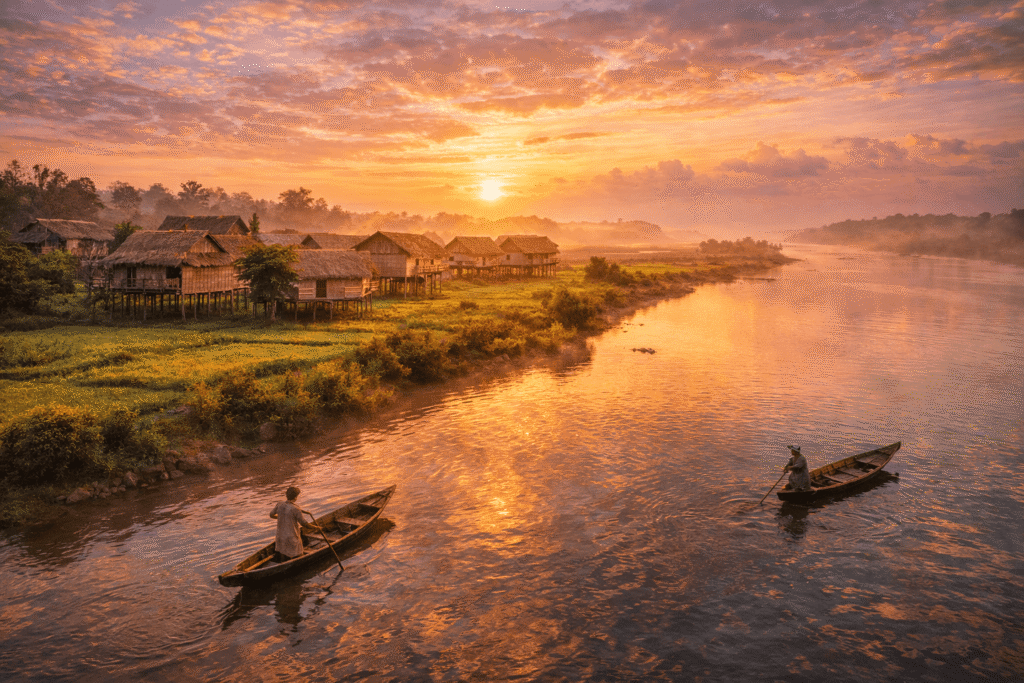
Sitting in the Brahmaputra River, Majuli is one of the world’s largest freshwater river islands — though its size has been shrinking due to erosion.
The island is dotted with Satras (Vaishnavite monasteries) that keep alive centuries-old traditions of Borgeet music, Sattriya classical dance, and intricate mask-making.
Best time to visit: October–March, when floodwaters recede and the landscape is lush and accessible.
How to get there: Fly to Jorhat, then take a 30-minute drive to Nimati Ghat, followed by a 1-hour ferry crossing to the island.
Insider tip: Visit the Kamalabari Satra on a weekday morning to watch young monks rehearse Sattriya dance — an intimate and moving experience rarely seen by tourists.
4. Gandikota, Andhra Pradesh
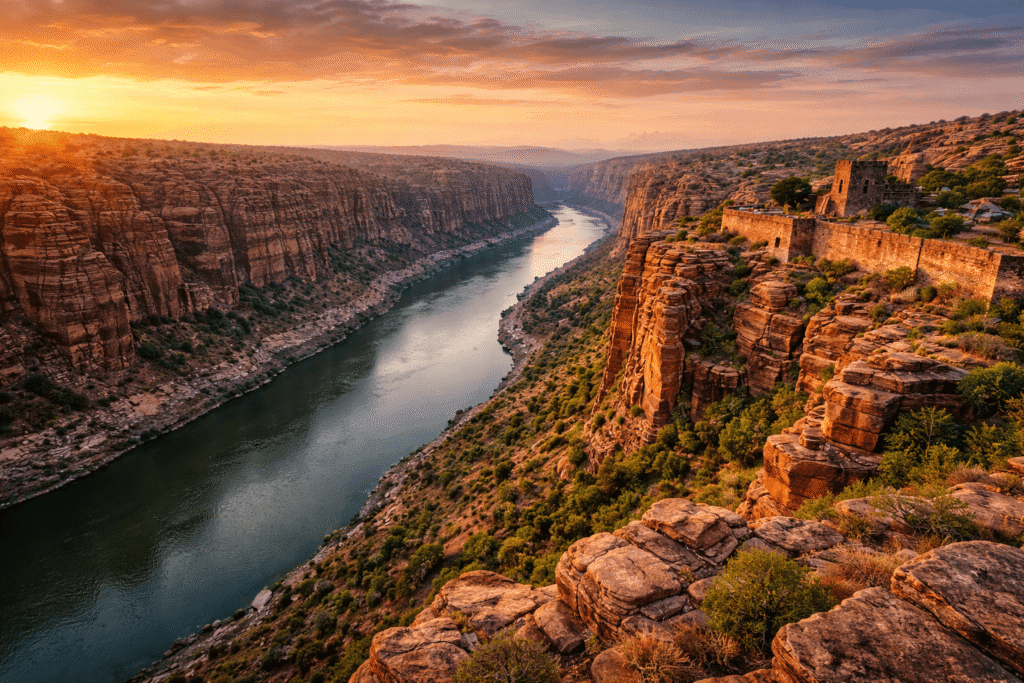
Most people drive straight past Gandikota without knowing it exists.
That’s remarkable, given that the Pennar River has carved a gorge through red sandstone cliffs beside a 13th-century fort — a combination of landscape and history that has almost no equivalent anywhere in the country, including an ancient mosque, granary, and Madhava Swamy Temple within the fort walls.
Best time to visit: October–February for cooler temperatures. Avoid peak summer as temperatures can exceed 40°C.
How to get there: Drive from Kadapa (about 70 km) or from Bengaluru (approximately 6 hours via NH44). The nearest railway station is Jammalamadugu.
Insider tip: Camp overnight at the canyon rim. The Andhra Pradesh Tourism Department operates a campsite; sunrises over the gorge with morning mist are unforgettable.
5. Tawang, Arunachal Pradesh
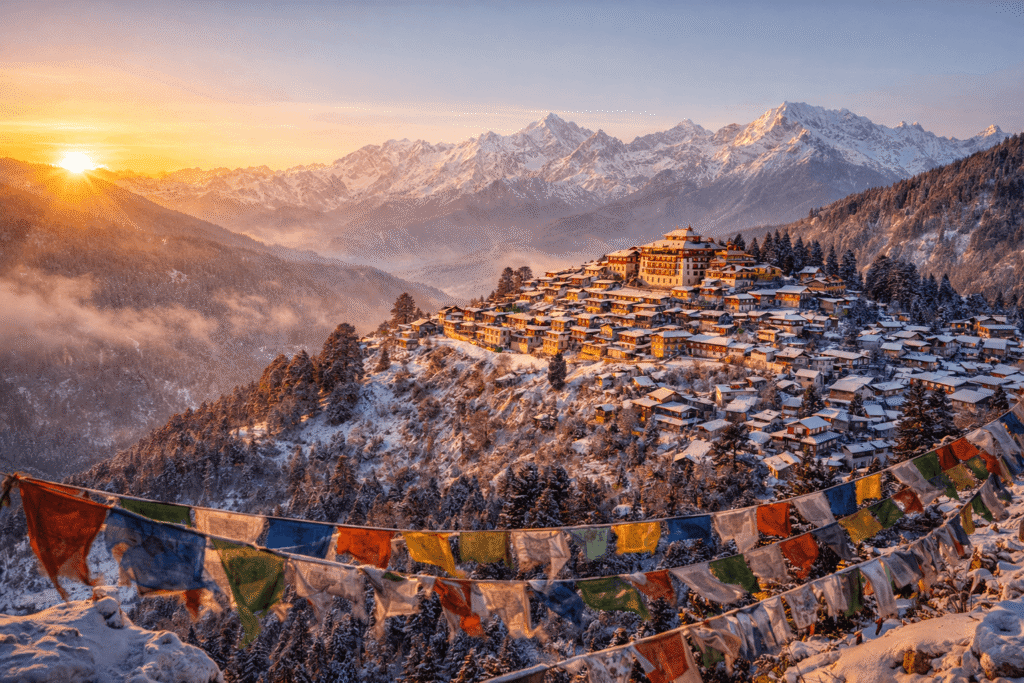
Perched at 3,048 meters near the Indo-China border, Tawang is a breathtaking Tibetan Buddhist enclave.
The Tawang Monastery, built in the 17th century and housing over 400 monks, is the largest in India. The region also offers high-altitude lakes like Shonga-tser (Madhuri Lake) and the dramatic Sela Pass at 4,170 meters.
Best time to visit: April–June or September–October. Sela Pass can be closed December–February due to heavy snowfall.
How to get there: Fly to Guwahati, then take a shared taxi or bus (about 12–14 hours). An Inner Line Permit (ILP) is mandatory.
Insider tip: Visit the monastery during morning prayers at 6 AM — the resonant chanting and butter lamp light create a deeply spiritual atmosphere that no afternoon tourist visit can replicate.
6. Dzukou Valley, Nagaland
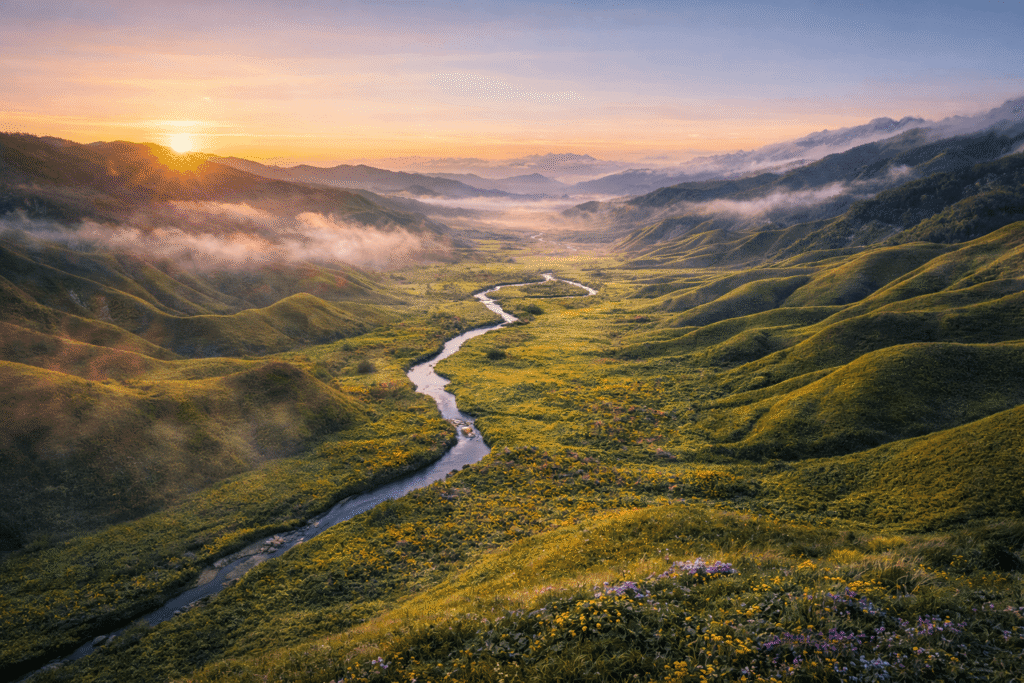
Straddling the Nagaland-Manipur border at 2,450 meters, Dzukou Valley is a sweeping highland paradise nicknamed the “Valley of Flowers of the Northeast.” It’s famous for the rare Dzukou lily that blooms exclusively here each July and August, carpeting the valley in delicate white flowers.
Best time to visit: July–August for the lilies; or November–December for frost-covered meadows and clear skies.
How to get there: Drive to Viswema village from Kohima (45 minutes), then trek 4–5 hours to the valley. A shorter trail is accessible from the Manipur side via Mao.
Insider tip: Carry all food and supplies with you — there are no shops in the valley. The Nagaland Forest Department runs basic bamboo shelters for overnight stays, but book in advance during peak season.
7. Gokarna, Karnataka
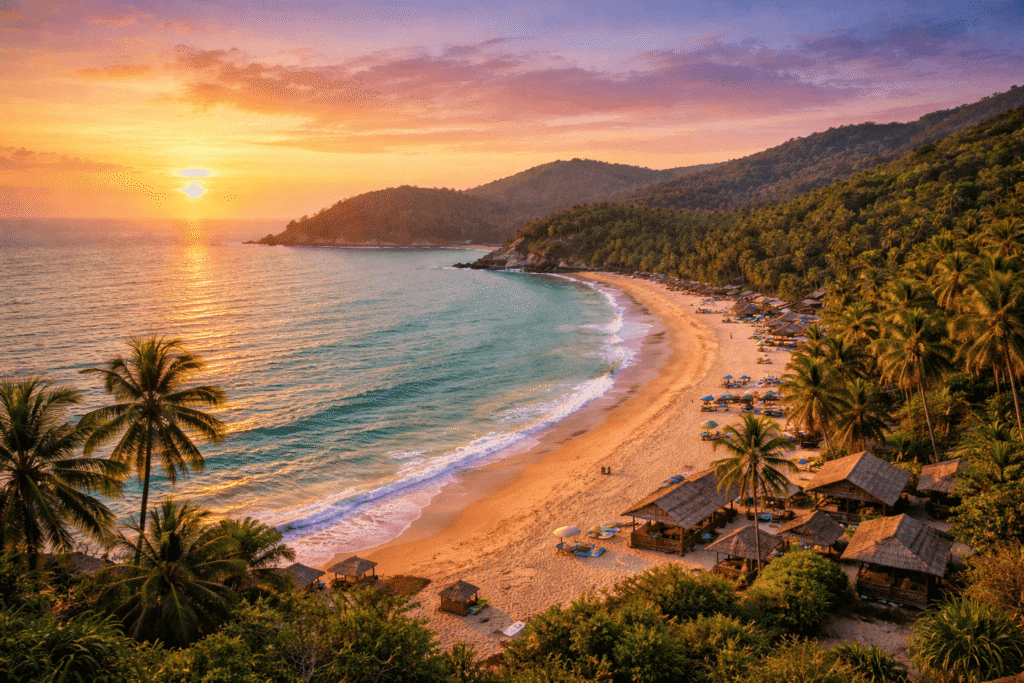
Gokarna is no longer a secret — but it still offers what Goa has long since lost: pristine beaches, a laid-back vibe, and genuine spiritual heritage.
The ancient Mahabaleshwar Temple here predates many of Goa’s churches. Its beaches — Om Beach, Half Moon Beach, and the quieter Paradise Beach — are connected by a scenic coastal trek through forested cliffs.
Best time to visit: October–March. Avoid the monsoon season (June–September) when the sea is rough and many beach shacks close.
How to get there: The nearest railway station is Gokarna Road (3 km); well-connected trains run from Bangalore (7 hours), Mangalore (4 hours), and Goa (2 hours).
Insider tip: Walk the beach-to-beach trail from Om Beach to Paradise Beach (90 minutes) in the early morning to have the beaches almost entirely to yourself.
8. Chaukori, Uttarakhand
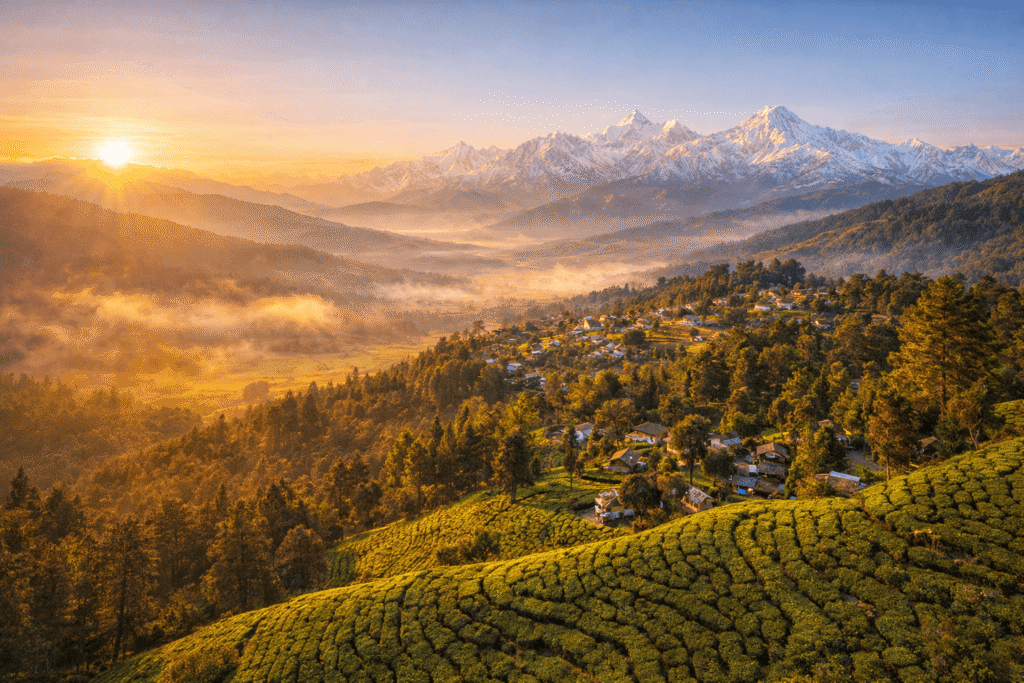
At 2,010 meters in the Pithoragarh district, Chaukori is a tranquil hilltop village offering some of the finest unobstructed views of Himalayan peaks in Kumaon — including Nanda Devi, Panchachuli, and Trishul. The slopes are lined with tea gardens producing a distinctive high-altitude Kumaoni tea.
Best time to visit: April–June for clear mountain views; October–November for autumn foliage and post-monsoon clarity.
How to get there: Drive from Pithoragarh (about 1.5 hours) or from Kathgodam railway station (approximately 5 hours via Almora).
Insider tip: Visit the Kapileshwar Mahadev Temple (a 3 km walk from Chaukori) and ask a local to show you the sunrise viewpoint behind the KMVN guesthouse — it’s rarely mentioned in guides.
9. Mandu, Madhya Pradesh
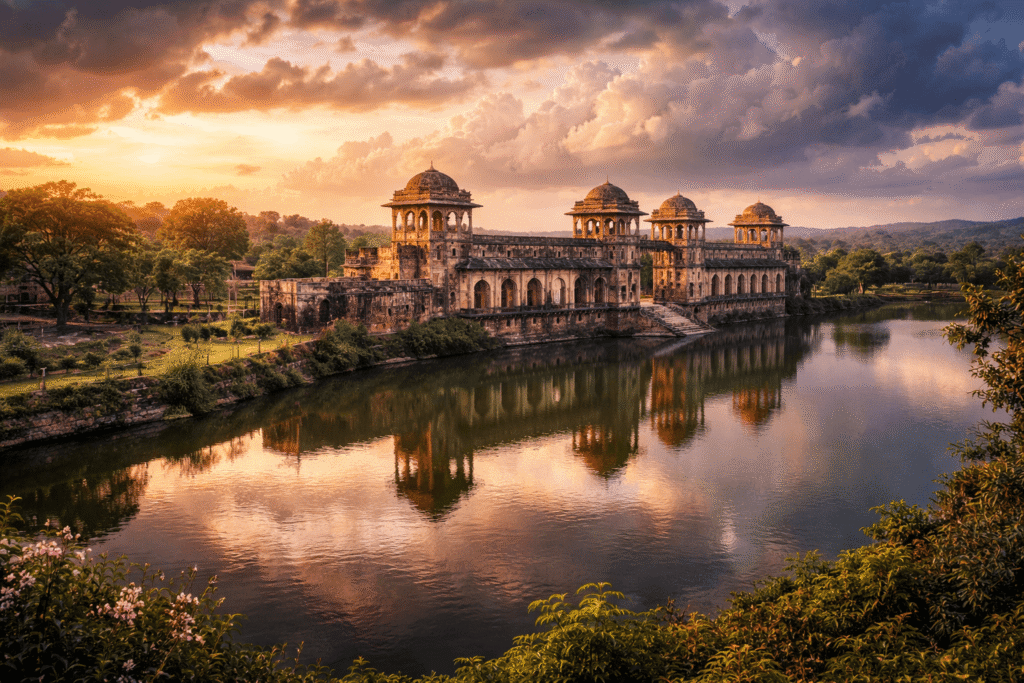
Mandu is a vast, mostly unvisited ruined city on a plateau above the Narmada Valley, full of remarkable 15th and 16th-century Afghan architecture.
The Jahaz Mahal (“Ship Palace”), built between two narrow lakes, is one of India’s most visually distinctive buildings.
The city also holds the haunting love story of Sultan Baz Bahadur and the singer Rani Roopmati, whose pavilion offers sweeping valley views.
Best time to visit: July–September during the monsoon, when the plateau turns vivid green and the ruins take on an especially atmospheric quality.
How to get there: Drive from Indore (about 100 km, 2.5 hours). No direct trains; Indore is the nearest major railway hub.
Insider tip: Hire a local guide from the ASI office for around ₹300 — the history of each structure is far richer than any signboard conveys, and the guides’ storytelling about Baz Bahadur and Roopmati is captivating.
10. Havelock Island (Swaraj Dweep), Andaman
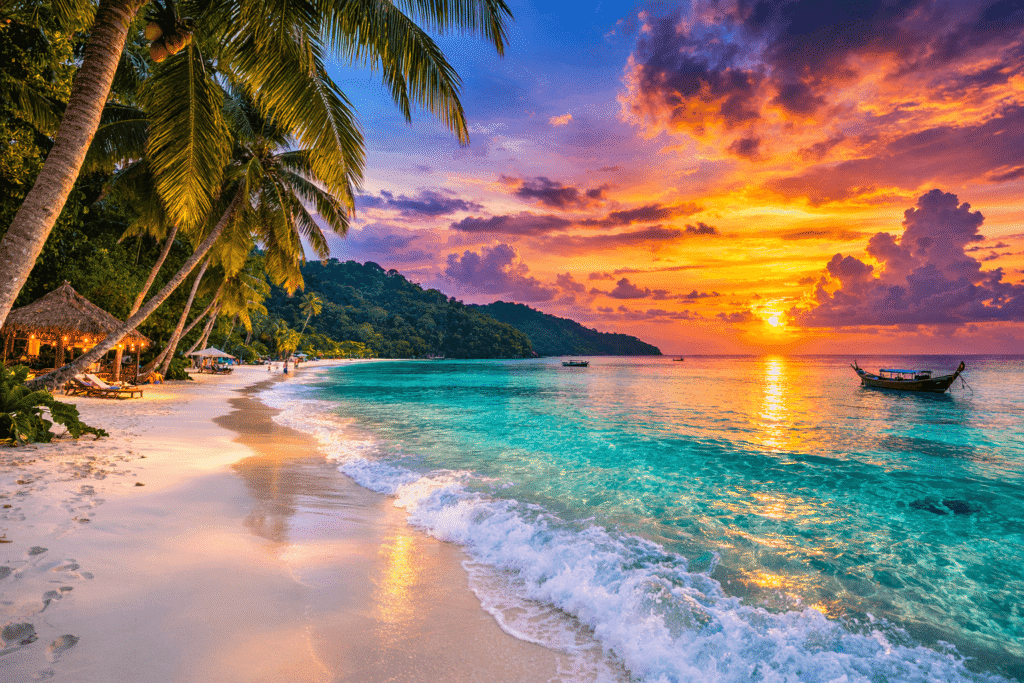
Havelock is the most visited island in the Andamans — which still means almost nothing by global standards. Officially renamed Swaraj Dweep, it remains the jewel of the archipelago.
Radhanagar Beach (Beach No. 7) consistently ranks among Asia’s best beaches for its powder-white sand and calm, crystal-clear turquoise water.
The island is also an outstanding dive destination, with healthy coral gardens, sea turtles, reef sharks, and wreck sites.
Best time to visit: November–April. The monsoon (May–September) brings rough seas, reduced ferry services, and most dive operators close.
How to get there: Fly to Port Blair (well-connected to major Indian cities), then take a government ferry or private speedboat (45–90 minutes) to Havelock.
Insider tip: Arrive at Radhanagar Beach by 5:30 PM for sunset — the colors reflecting off the shallow water are extraordinary. For diving, Barracuda City and Johnny’s Gorge are consistently rated among India’s best dive sites.
Frequently Asked Questions
Some of the best hidden places in India include Ziro Valley, Chopta, Majuli Island, Gandikota, Dzukou Valley, Chaukori, and Mandu. These destinations offer beautiful landscapes and fewer crowds.
Nature lovers can visit Dzukou Valley, Ziro Valley, Chopta, and Chaukori. These locations feature mountains, valleys, forests, and scenic trekking routes.
Yes, most hidden places in India are safe for travelers. However, visitors should check local weather conditions, travel routes, and accommodation options before planning their trip.
The best time depends on the region, but generally October to March is ideal for most hidden destinations in India due to pleasant weather.
Visiting hidden places in India allows travelers to experience less crowded locations, authentic local culture, untouched nature, and unique landscapes.
Final Thoughts
Most travel guides will send you to the Taj Mahal, the ghats of Varanasi, or the houseboats of Kerala. And those places are extraordinary — but they are also shared with thousands of others on any given day.
The destinations in this guide operate on a different logic. Ziro Valley doesn’t care about your itinerary. Gandikota’s canyon looks the same whether ten people show up or ten thousand — except that right now, it’s usually closer to ten.
Majuli Island is literally disappearing, swallowed slowly by the Brahmaputra; the version of it that exists today may not exist in twenty years.
That’s not a reason to panic-book a flight. It’s a reason to understand what you’re choosing when you travel somewhere untouched: you’re catching something in a specific moment of its existence, before the road gets paved, before the boutique hotels arrive, before the Instagram crowd follows the algorithm there.
A few things worth knowing before you go: cash is king in remote India — don’t assume an ATM exists. Inner Line Permits for Arunachal Pradesh take time; apply before you assume you can simply show up. Monsoon months shut down roads and inflate rivers without warning.
But none of that is a reason to stay on the well-worn path. The less-visited corners of India don’t just offer quieter versions of familiar sights. They offer a fundamentally different kind of travel — one where the place still has the upper hand.